
Review · NEW YORK CITY
New York City: Museum of Broadway Entry Ticket
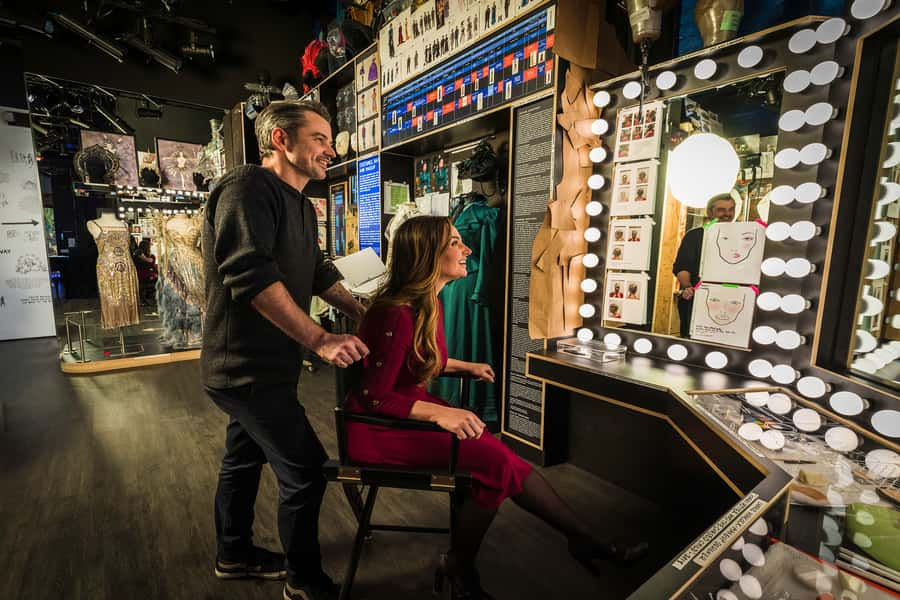
Broadway’s story is told here through three floors of costumes, props, videos, and hands-on rooms, not through glass cases alone. You move from the theater district’s beginnings to modern productions, then peek behind the curtain at the many jobs needed to put a show on stage.
I like the clear timeline and the way the museum gives attention to social change, not just famous titles. I also like the practical backstage section, which shows that a Broadway musical depends on far more than actors and singers. The main drawback is pace: an hour feels rushed, and crowded rooms can make some exhibits harder to enjoy.
Key points to know
- Three floors of Broadway history: Follow the theater district from its early years through present-day productions.
- Real costumes and props: See stage-used objects from a wide range of shows, with plenty of detail for theater fans.
- Behind-the-scenes work: Learn about the many unseen roles involved in creating a Broadway musical.
- Interactive presentation: Videos, themed rooms, photo spots, and hands-on displays keep this from feeling like a traditional museum.
- Plan for about two hours: The museum can be visited in one day, but a short visit means skipping details.
- Central Times Square location: Present your voucher at the museum, then explore the exhibits at your own pace.
Broadway’s story begins in Times Square
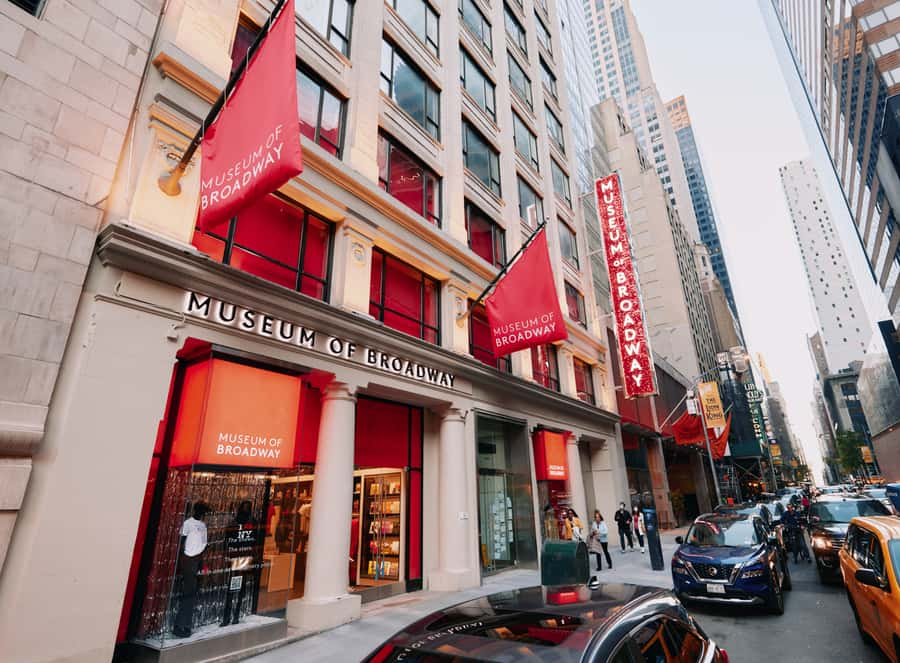
The Museum of Broadway puts you right in the middle of New York’s theater district. Its location in Times Square makes it an easy add-on to a day of sightseeing, though the crowds outside can make arriving with a large group or stroller less simple.
Inside, the museum follows Broadway as a developing art form and a changing part of New York life. You are not simply shown a list of hit shows. The displays connect productions with the people, ideas, and social shifts that changed what could happen on an American stage.
That broad view gives the museum more weight than a collection of famous costumes. You see how creative boundaries were pushed, how social norms were challenged, and how earlier artists opened doors for those who followed.
The presentation also keeps things moving. Videos show the changing theaters and the growth of Broadway, while themed rooms turn major moments into physical spaces. If you enjoy learning by looking, listening, and moving through a setting, this approach works better than a wall of text.
More Museum Tours in New York City
- NYC: Empire State Building Tickets – Observatory & Museum
★ 4.7 · 25,757 reviews - New York City: American Museum of Natural History Ticket
★ 4.5 · 15,447 reviews - NYC: Museum of Modern Art (MoMA) Entry Ticket
★ 4.6 · 12,540 reviews
The timeline from early theater to modern Broadway
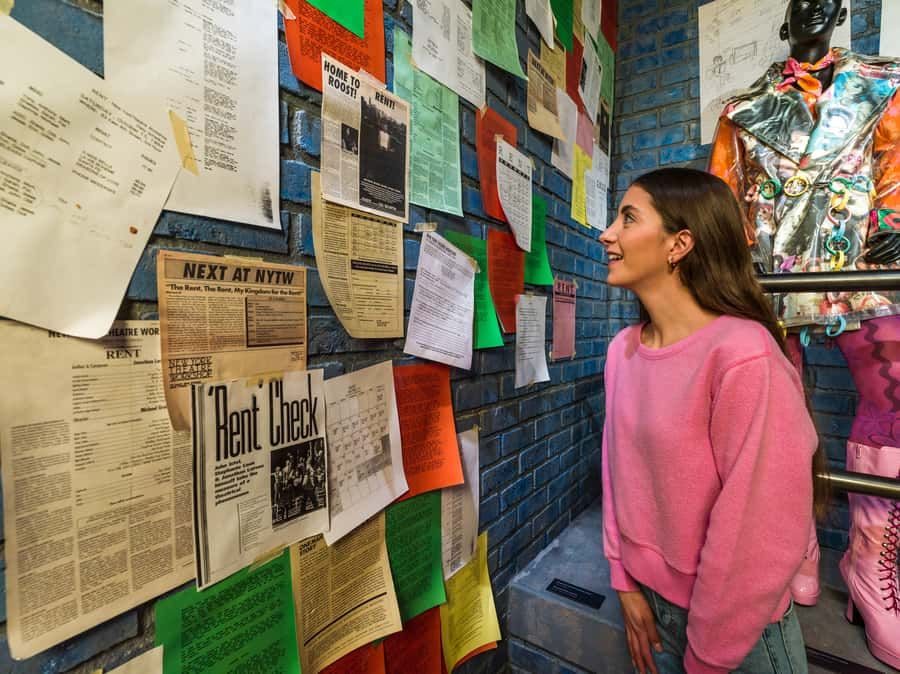
The first major part of the visit takes you through Broadway’s development. The exact appeal here depends on your background. A lifelong musical fan may pause over every name and production, while a first-time visitor can use the timeline to understand how Broadway became such a powerful cultural force.
The museum highlights theater pioneers and landmark moments rather than treating Broadway as a string of unrelated hits. You get a sense of how the district expanded and how productions began to take on wider artistic and social meaning.
The video elements are especially useful. They show the history of Broadway’s theaters in a way that helps you picture the physical changes behind the shows. This matters because Broadway is not only about what happens on stage. The buildings, streets, producers, designers, performers, and audiences all shape the story.
I would not rush this first section. Read the labels, watch the videos, and give yourself time to connect one period with the next. One hour may be enough for a quick look, but it is not enough for a careful visit.
Costumes and props from beloved productions
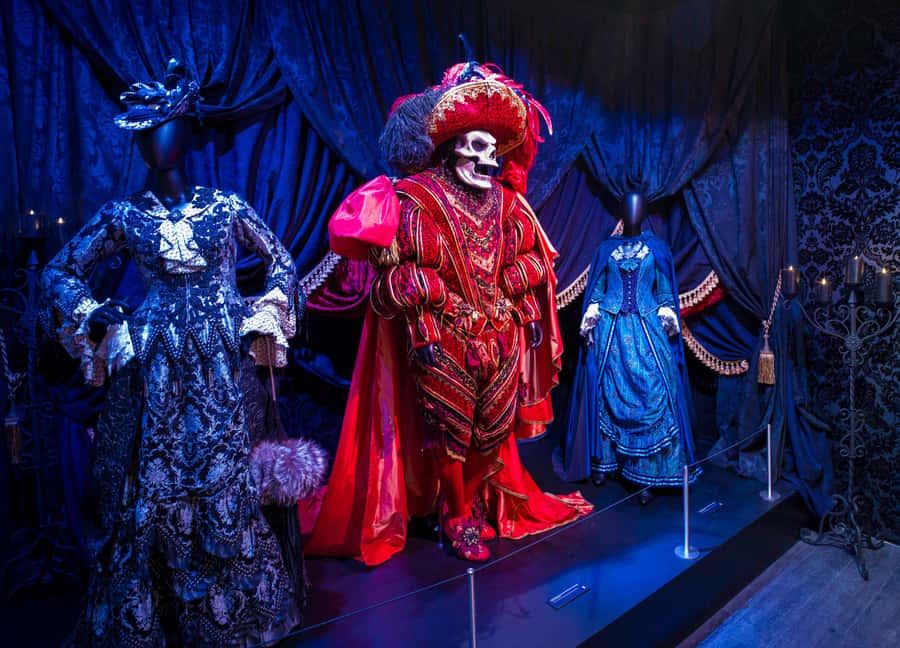
The museum includes costumes and props from past and current Broadway shows. These objects give the visit its strongest sense of connection to the theater.
A costume seen on stage carries more information than a photograph. You can study its cut, materials, decoration, and construction. Props offer a similar reminder that every object in a musical has to serve a purpose, tell part of the story, or help define a character.
The collection covers a wide range of shows, so the experience is not tied to a single style of musical. You may find familiar titles alongside examples that encourage you to think about production design in a new way.
This is also where theater fans will want to slow down. The displays reward close attention, and staff members may offer extra background about individual items. The museum’s presentation is polished, but it still gives you room to focus on small details.
The shop at the end carries Museum of Broadway items and Broadway show merchandise. That makes it a useful stop if you want a small reminder of the visit, though the museum admission does not include merchandise.
The backstage work behind a Broadway show
One of the most useful sections explains what it takes to create a Broadway production. The focus is not only on the performers you see under the lights. You also learn about the many jobs that support a show before, during, and after each performance.
This is a valuable correction to the usual Broadway picture. A musical depends on planning, design, technical work, stage management, costumes, props, and many other tasks that audiences rarely notice. The section helps you understand why a show can take so much time and coordination to bring together.
For children and first-time theatergoers, this may be the most accessible part of the museum. It turns the question of how a show is made into something concrete. For experienced theater fans, it offers a useful reminder that the stage performance is only the visible part of a much larger operation.
The hands-on displays and photo spots add a lighter touch. You can take pictures and interact with parts of the presentation without losing the main subject. That mix of serious theater information and playful design helps the museum work for families and mixed-age groups.
A few more museum visits around New York City worth comparing
- 9/11 Memorial, Ground Zero Tour with Optional 9/11 Museum Ticket
★ 5.0 · 6,381 reviews - 9/11 Memorial Museum Admission Ticket
★ 4.5 · 6,376 reviews - NYC: Intrepid Museum Entry Ticket
★ 4.7 · 4,687 reviews - NYC: Museum of Ice Cream Entry Ticket
★ 4.3 · 2,619 reviews
Broadway’s socially progressive moments
The museum also gives space to Broadway’s role in challenging social norms. This is one of the more important parts of the experience because it moves beyond costumes and celebrity.
You learn about moments when productions pushed creative limits or helped bring new ideas to a wider audience. Broadway has often reflected changes in American society, but it has also helped drive those changes. The museum makes that relationship part of the main story.
This section gives the timeline more purpose. Instead of seeing theater as entertainment separated from everyday life, you see how plays and musicals can question accepted ideas, make room for new voices, and influence public conversation.
The treatment is especially useful if you are visiting with teenagers or with someone who knows the popular shows but not the cultural context around them. It adds substance without turning the entire visit into a lecture.
How long to spend inside the museum
The ticket is valid for a one-day museum visit, but the practical question is how much time to set aside. I would plan on roughly two hours.
That estimate gives you enough time to move through all three floors, watch the videos, examine costumes and props, and spend a little time with the backstage displays. Theater enthusiasts may want longer because the objects invite close inspection.
You can make a shorter visit work, but one hour will feel tight. A rushed schedule leaves little time for reading or waiting for space in a crowded exhibit room. If the Museum of Broadway is one of your main Times Square activities, do not squeeze it between several fixed appointments.
Crowding can affect the experience. Some areas are compact, and hands-on stations naturally draw people in. If you want time with the details, a slower visit is the better choice.
There are lockers available, which helps if you are carrying shopping bags or day-trip belongings. Strollers must be checked before you enter the exhibit areas and are not allowed beyond the lobby and merchandise store.
Who will get the most from the $41 ticket
Admission costs $41 per person. That is not a casual pop-in price, so I would judge the value by your interest in theater and the time you can give the museum.
For a Broadway fan, the price is easier to justify. You get several floors, stage-used costumes and props, historical material, videos, and an explanation of backstage work. The museum is also useful before seeing a show because it gives you a better sense of the tradition and labor behind the production.
For a family with mixed interests, the value depends on patience. The interactive sections, themed rooms, and photo opportunities help younger visitors, while the timeline and social history offer more for adults. Still, not every child will want to read the longer displays.
If Broadway is only a minor interest, $41 may feel high for a museum that you rush through. In that case, visit only if you can spare around two hours and want a break from outdoor sightseeing. The central location makes that easier, but location alone does not make the admission a bargain.
The ticket does not include a Broadway performance. Think of it as a museum visit that explains the world of Broadway, not as a substitute for sitting in a theater.
Practical details before you go
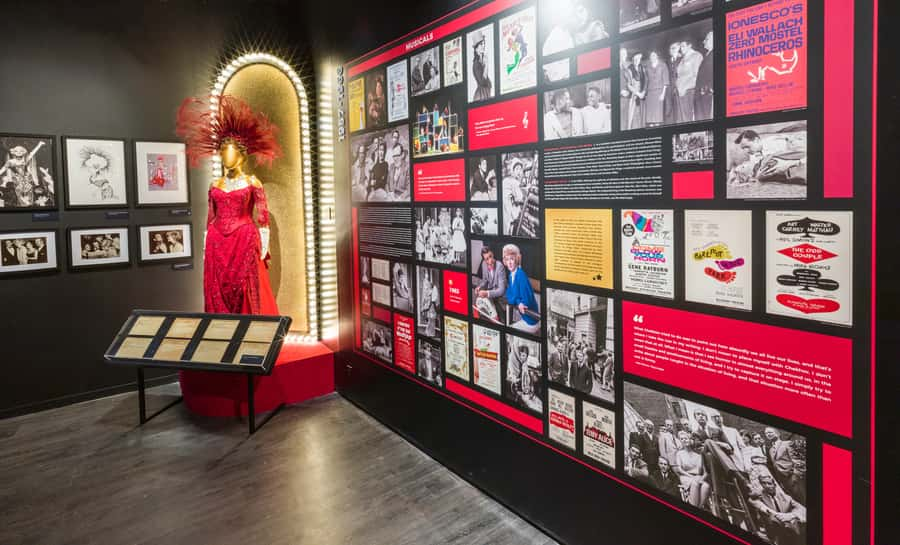
You present your voucher at the Museum of Broadway in Times Square. Starting times vary, so check availability when you choose your visit.
Children aged 12 and under must be accompanied by an adult aged 18 or older. That rule matters for families planning a parent-free visit for older children.
The museum is not a guided walking tour. You move through the exhibits at your own pace, with staff available in the building. Staff members can add background about some of the displayed items, which is helpful when you want more context than the labels provide.
Plan for time on your feet. One useful warning is that the route includes three flights of stairs. If stairs or prolonged standing are difficult for you, consider that before booking. Service animals are permitted as allowed by applicable law.
The activity is non-refundable, so choose your date with care. That is especially important if your schedule includes a Broadway performance, dinner reservation, or other timed attraction.
A good stop before or after a Broadway show
The museum works well as part of a theater-focused day. Before a performance, it can give you useful context about Broadway’s creative traditions and the hidden work behind a production. After a show, it may help you notice costumes, props, design, and backstage choices in a different way.
I would not schedule it so tightly that you have to race from the museum to your theater. Crowded rooms, videos, and detailed displays can slow you down. Give yourself a comfortable buffer if you have a curtain time.
The location also makes it practical for a Times Square itinerary. You do not need a separate day trip or special transport arrangement. You simply arrive at the museum, show your voucher, and follow the exhibits.
Should you book the Museum of Broadway?
Book it if you enjoy musicals, theater design, stage history, or the practical work behind a production. The strongest parts are the three-floor timeline, the real costumes and props, the social context, and the backstage explanation.
I would also recommend it for families with older children who can spend two hours exploring rather than rushing from one photo spot to the next. The museum gives young visitors something to do while also offering adults a serious look at Broadway’s development.
I would skip it if you have only an hour in Times Square, dislike indoor exhibits, or are mainly looking for a live performance. At $41, the museum earns its price through time and attention, not through a quick glance.
For the right audience, this is a thoughtful and entertaining introduction to Broadway. It shows you the famous stage world, then pulls back the curtain to explain how that world is built.
FAQ
Where is the Museum of Broadway located?
The museum is located in the heart of Times Square in New York City.
How do I enter the museum?
Present your voucher at the Museum of Broadway.
How long does the visit take?
The ticket is valid for one day, but plan on about two hours to see the three floors and allow time for the exhibits. An hour may feel rushed.
How much does admission cost?
The ticket costs $41 per person.
What does the ticket include?
The ticket includes entry to the Museum of Broadway.
Are children allowed to visit alone?
Guests aged 12 and under must be accompanied by an adult who is 18 or older.
Can I bring a stroller into the exhibit areas?
No. Strollers are not allowed beyond the lobby and merchandise store, and they must be checked before entering the exhibit areas.
Are service animals permitted?
Yes. Service animals are permitted as authorized by applicable law.
Is the activity refundable?
No. The activity is non-refundable.
Just added around New York City
- The Met Museum Guided Tour with Skip-the-Line Entry★ 4.4 · 149 reviews
- New York City: The Banksy Museum Entry Ticket★ 4.6 · 51 reviews
- NYC: Entry Ticket To The Banksy Museum★ 4.5 · 89 reviews
- Self-Guided Tour of the Museum at Eldridge Street★ 4.3 · 13 reviews
- New York: Private Tour of The Metropolitan Museum of Art★ 4.9 · 39 reviews
- NYC: Museum of the Moving Image Flexible Ticket★ 4.6 · 95 reviews
- NYC: Whitney Museum Ticket★ 4.2 · 315 reviews
- NYC: Museum of Sex Entry Ticket★ 4.2 · 179 reviews
Museum Tours in New York City, compared.


9/11 Memorial, Ground Zero Tour with Optional 9/11 Museum Ticket
Read our review →

All-Access 9/11: Ground Zero Tour, Memorial and Museum, One World Observatory
Read our review →
Browse the lists this tour appears in