
Review · THE USA
New Orleans: Whitney Plantation & Museum Tour
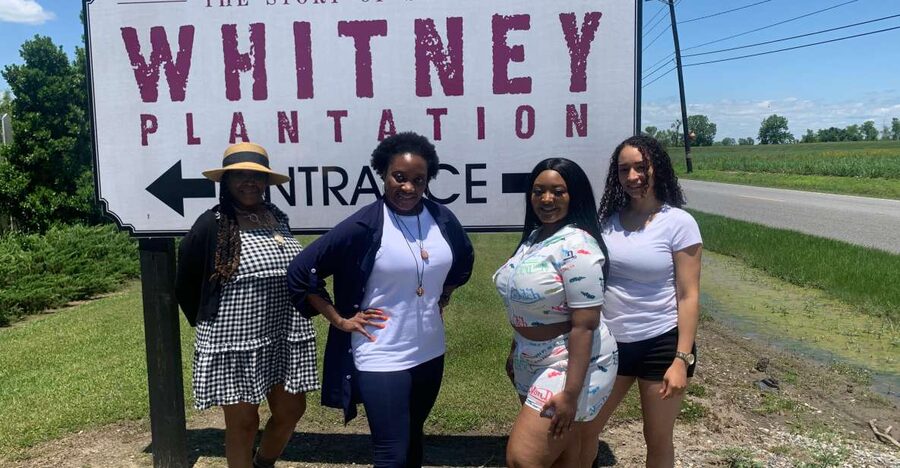
Whitney Plantation is not a mansion tour dressed up with a little history. It is a museum and memorial built around the lives of enslaved people, and that focus gives this five-hour trip from New Orleans real weight. You walk through original cabins, listen to recorded accounts, and see memorials that connect Louisiana’s past to its present.
I like the self-guided format, which lets you pause when the material calls for thought rather than hurry along with a group. I also like the River Road drive, especially when the driver adds context or points out movie locations, as Jay did for one especially appreciated group. The main drawback is that the plantation house has not been restored, and the tour description can make the guide arrangement sound clearer than it is. This is primarily a self-guided visit once you arrive.
Key points to know before booking
- The focus is slavery and the enslaved people: Whitney gives far more attention to their lives, labor, survival, and endurance than to plantation owners.
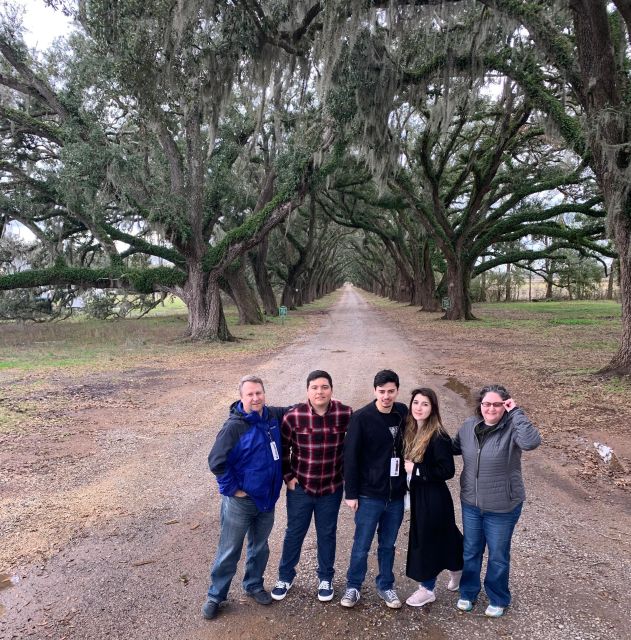
- River Road is part of the experience: The coach passes former antebellum plantations and the area linked with the largest slave rebellion in United States history.
- The Whitney visit is self-guided: You use headsets and walk the grounds at your own pace.
- Original buildings remain: Slave cabins and other plantation features help make the history concrete.
- The driver can shape the day: Jay is singled out for his helpful commentary, humor, and stops at filming locations.
- Plan for an early pickup: Hotel collections begin around 8:00 a.m., with a 30-minute pickup window.
Why Whitney Plantation feels different from a mansion tour
Louisiana plantation visits can easily become too polished. A grand house, clipped grounds, and stories about architecture may leave the people who made the plantation economy possible at the edge of the picture. Whitney takes the opposite approach.
Its purpose is to honor the enslaved. The museum presents slavery as a system that shaped Louisiana’s culture, economy, families, and communities. That makes the visit more serious than a standard tour of antique rooms and plantation style.
You will still travel through plantation country, but the central question is not how wealthy the owners were. It is what life demanded from enslaved Africans and their descendants, and how they endured a system built on forced labor.
I appreciate that change in emphasis. You do not need a background in American history to follow the visit. The grounds, memorials, cabins, and audio material work together in a clear sequence. At the same time, the subject is painful, so this is not a light sightseeing stop to squeeze between lunch and a cemetery visit.
Give yourself room to listen. Some material may be difficult, and the freedom to stop the audio, look around, and continue at your own pace is one of the tour’s strongest features.
A few more museum visits around the USA worth comparing
- NYC: 9/11 Memorial & Museum Timed-Entry Ticket
★ 4.8 · 31,428 reviews - NYC: Empire State Building Tickets – Observatory & Museum
★ 4.7 · 25,757 reviews - New York City: American Museum of Natural History Ticket
★ 4.5 · 15,447 reviews
The early coach ride from New Orleans
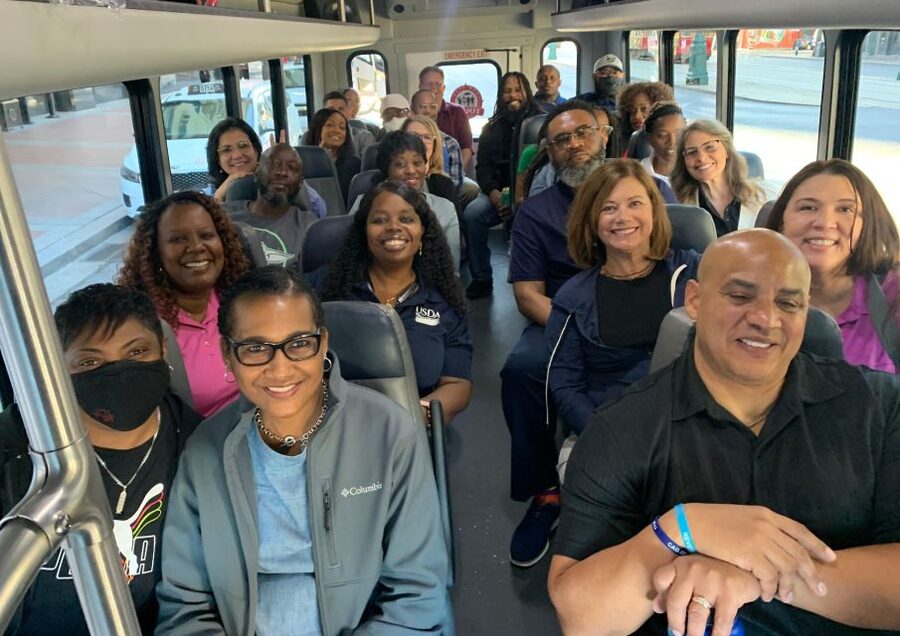
The day begins with an air-conditioned coach ride from New Orleans. Hotel pickup is available for many hotels within roughly one to two miles of 414 Canal Street. If your hotel is outside that area, you go to the designated meeting point at 414 Canal Street, near Jazz Gumbo on Canal Street between Tchoupitoulas and Magazine Street, close to Caesars Casino.
Pickup begins between 8:00 and 8:30 a.m. The practical rule is simple: be ready at 8:00. The driver may be collecting other people nearby, so the coach might not appear immediately, but there is a 30-minute pickup window.
This is worth taking seriously. One booking message may show a different pickup time, and the exact time can be confirmed close to departure. If the timing looks unclear, contact the operator before the morning of the tour. Do not wander off for coffee while waiting.
The vehicle is air-conditioned, a welcome feature in Louisiana. Food and drinks are not included, so eat beforehand or bring what is permitted for the ride. Comfortable clothes are the only specific clothing advice, but practical shoes make sense for walking around the plantation grounds.
River Road and the story before Whitney

The drive is not just transportation. River Road follows a historic corridor lined with former plantations and connected to Louisiana’s sugar economy. It also passes through an area associated with the largest slave rebellion in United States history.
That detail changes how you see the countryside. The old plantation homes and broad fields are not simply pretty scenery. They are part of an economic system that depended on the forced labor of enslaved people. The coach ride gives you a chance to place Whitney within that larger setting before you arrive.
The quality of this part of the day depends heavily on the driver-guide. Several bookings praised the driver’s commentary, and Jay is specifically noted for making the hour-long ride engaging while sharing useful background. He also stopped at filming locations so people could take pictures, even though those stops were not required.
That is a nice extra, but keep your expectations in the right place. The tour does not promise a set of movie-location visits or a separate sightseeing program along River Road. Such stops depend on the driver and the day. The core value is the historical setting and the explanation of what you are passing.
The live commentary is in English. The plantation visit itself is self-guided, using headsets so you can hear the material clearly. One tour detail also indicates that the self-guided portion may be offered in multiple languages, but confirm the language you need when booking if this matters to you.
Arriving at the Whitney Plantation Museum
Once you arrive, the pace changes. Instead of following a guide from room to room, you explore the plantation with the audio material and move through the grounds at your own speed.
This format is especially useful at a place like Whitney. You may want to spend more time at a memorial, pause after a difficult story, or move ahead when a particular section is less relevant to your interests. A fixed group walk can make that harder.
The museum is designed as a memorial as well as a historic site. The grounds and exhibits tell stories of enslaved Africans who lived and labored on the plantation. The aim is not to make slavery feel distant or abstract. Names, personal accounts, memorials, and physical structures bring attention back to individual lives.
You will see original slave cabins, which are among the most important parts of the visit. They help show the physical conditions in which enslaved families lived. The cabins are not a substitute for personal testimony, but they give the audio stories a real setting.
You will also encounter memorials dedicated to the enslaved. These are not quick photo stops. I would approach them slowly and allow time to read and listen. The power of Whitney comes from the connection between the words you hear and the places where people were forced to live and work.
Same city, a completely different collection:
- NYC: Museum of Modern Art (MoMA) Entry Ticket
★ 4.6 · 12,540 reviews - 9/11 Memorial, Ground Zero Tour with Optional 9/11 Museum Ticket
★ 5.0 · 6,381 reviews - 9/11 Memorial Museum Admission Ticket
★ 4.5 · 6,376 reviews - All-Access 9/11: Ground Zero Tour, Memorial and Museum, One World Observatory
★ 5.0 · 4,886 reviews
What the self-guided audio adds
The headset matters because it lets you hear the material clearly without standing shoulder to shoulder with a tour group. It also keeps the experience focused. The recorded program explains the plantation’s history and the lives of enslaved people as you move through the property.
The self-guided approach has two sides. On the positive side, you control the pace and can think through the material without a guide rushing you onward. You can also take a quieter approach if the subject is emotionally heavy.
The tradeoff is that you may not have someone beside you to answer a question at the exact moment it comes up. One description of the experience can leave the impression that a live plantation tour is included, while the actual visit is self-guided. Some people have been able to listen in on a guided program as well, but you should book this expecting the headset-led format.
The driver-guide provides the live element during the ride. That division is important: the coach portion may include personal commentary, while Whitney itself is primarily an independent museum visit.
Original cabins, memorials, and the missing big house
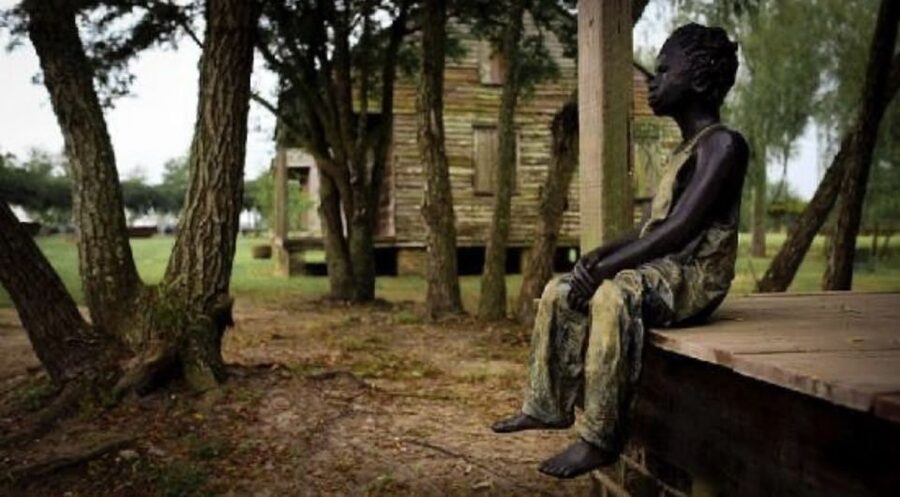
The original slave cabins are the clearest physical reminder of daily life at Whitney. They move the discussion away from general statements about plantation labor and toward the housing, work, and endurance of actual people.
The memorials broaden that focus. They honor the enslaved and help connect plantation slavery with the people and communities that followed. This is where the visit links the past to the present. Louisiana’s food, music, customs, economy, and population cannot be understood without facing the labor system that helped build them.
A point to consider is the condition of the main house. The large house has not been restored, which may disappoint anyone expecting an elaborate antebellum interior. If you want polished rooms, period furnishings, and a strong emphasis on plantation architecture, another plantation visit may suit you better.
I see the lack of a restored mansion as part of the reason Whitney’s focus remains clear, but it does affect the visual experience. The site is strongest as a museum and memorial, not as a grand-house tour.
How the tour handles a painful subject
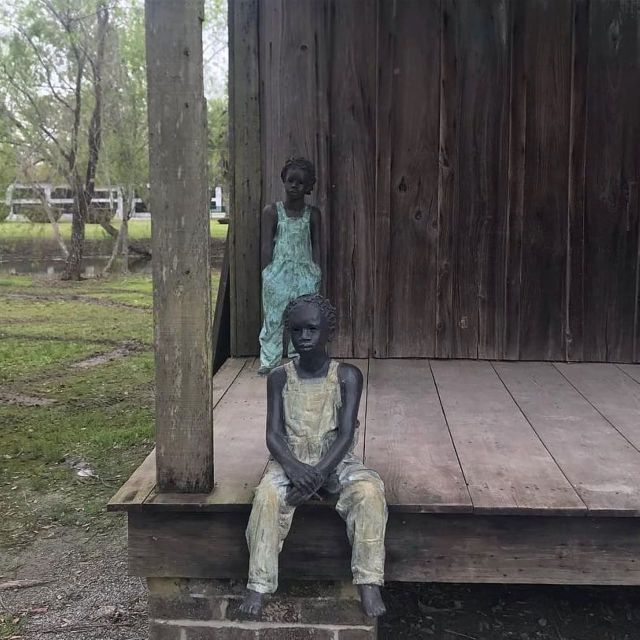
The subject is slavery, and the tour does not soften it into a pleasant plantation story. You will hear about forced labor, African endurance, survival, and the ways slavery shaped Louisiana.
That seriousness is handled best when the guide and audio program keep attention on human lives. The driver’s tone matters, too. One especially strong account describes a guide who made the ride enjoyable while treating the subject with respect. That balance is useful: a long coach ride does not need to be silent, but jokes should never erase the weight of the place.
I would not choose this outing if you want a carefree morning. I would choose it if you want a clearer understanding of the state’s past and are willing to spend several hours listening and reflecting.
The visit can also prompt useful questions about the present. How are historical sites presented? Which stories get centered? What does it mean to preserve buildings connected to forced labor? Whitney does not turn the day into a lecture on every possible issue, but it gives you a strong starting point.
Is $79 a fair price?
At $79 per person, the tour includes several services that would otherwise take planning: hotel pickup and drop-off in the central New Orleans area, air-conditioned transportation, the River Road drive, admission and touring at Whitney, the self-guided headset, and a live English-speaking driver-guide.
That package is good value if you are staying near the pickup area and do not have a car. Reaching plantation country independently would require arranging transportation and admission, then managing the return trip. The coach also lets you see the River Road corridor along the way.
The value is less clear if your main goal is a long, detailed live tour at the plantation. This is not the format to book for constant guide interaction. The visit is self-guided, and the restored big-house experience is limited.
I would compare the price with your priorities. For a convenient, half-day history outing centered on slavery and the enslaved, $79 is reasonable. For architecture, elaborate interiors, or a small private group, look carefully at other options before committing.
The tour also allows cancellation up to 24 hours in advance for a full refund, and you can reserve now and pay later. Those policies make it easier to fit the outing into a changing New Orleans schedule.
Who will get the most from this experience?
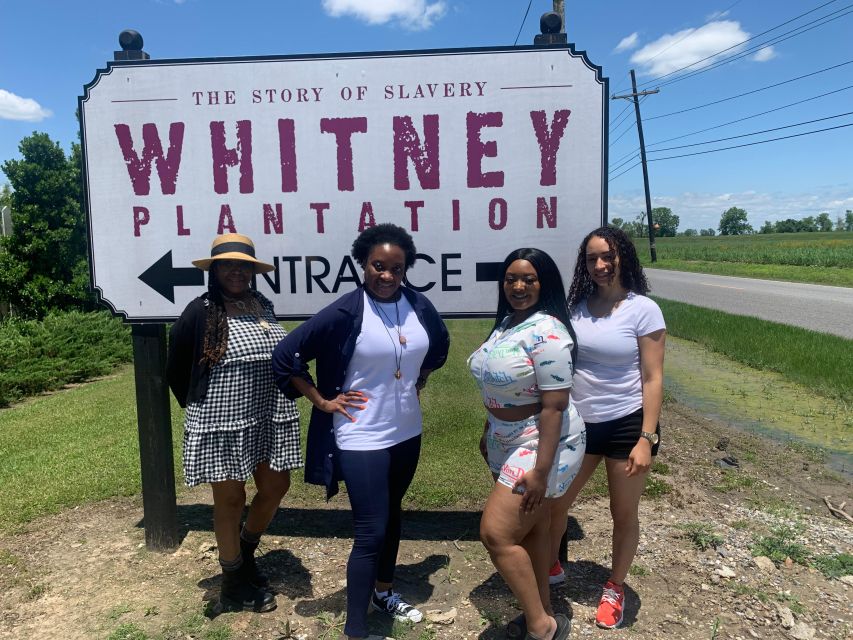
I would recommend Whitney to you if you want to understand how slavery shaped Louisiana rather than simply see an old plantation house. It suits history-minded visitors, families with older children, educators, and anyone looking for a serious counterpoint to New Orleans music, food, and nightlife.
The audio format also works well if you prefer to move independently. You do not have to keep pace with a group, and you can spend more time with the sections that matter most to you.
You may want a different plantation tour if you need a fully live guided experience from start to finish. The same applies if a restored mansion is your main interest. Whitney is not trying to be that kind of attraction.
Plan on five hours door to door, though pickup timing can make the morning feel slightly longer. Bring comfortable clothing, be ready at the pickup point by 8:00 a.m., and allow emotional space for the subject matter.
Should you book the Whitney Plantation tour?
Book it if you want a serious, well-organized introduction to slavery’s role in Louisiana, with transportation handled for you. The strongest parts are the focus on enslaved people, the original cabins, the memorials, and the chance to place Whitney within the wider River Road setting.
Before booking, make sure you understand two things. The plantation visit is self-guided, and the main house is not a restored mansion showcase. If those limits fit your expectations, this is one of the more meaningful half-day excursions from New Orleans.
I would choose it for the history, the memorial work, and the chance to listen at my own pace. I would not choose it for grand architecture or a nonstop live guide. Know which experience you want, and the decision becomes easy.
FAQ
How long is the Whitney Plantation tour from New Orleans?
The tour lasts about five hours, including transportation from New Orleans and the visit to Whitney Plantation.
Is the Whitney Plantation visit guided or self-guided?
The plantation visit is self-guided. You explore the grounds with headsets. The coach ride includes a live English-speaking driver-guide, and some drivers provide historical commentary along River Road.
Does the tour include hotel pickup?
Yes. Pickup is available from most hotels within roughly one to two miles of 414 Canal Street. If your hotel is outside that area, use the designated pickup location at 414 Canal Street near Jazz Gumbo.
What time does hotel pickup begin?
Pickup begins around 8:00 a.m., with a 30-minute pickup window. Be ready at your designated location by 8:00 a.m., even if the vehicle does not arrive immediately.
What is included in the $79 price?
The price includes the driver-guide, River Road bus tour, Whitney Plantation tour, hotel pickup and drop-off where available, and headsets for the self-guided material. Food and drinks are not included.
Can I cancel the tour or pay later?
You can cancel up to 24 hours before the tour for a full refund. You can also reserve your place and pay later.
Just added around the USA
- Museum of Ice Cream Austin★ 3.5 · 85 reviews
- Admission to Richard Nixon Presidential Library and Museum Ticket★ 5.0 · 123 reviews
- The Turquoise Museum Curator’s Tour★ 5.0 · 12 reviews
- Turquoise Museum Visit★ 4.5 · 194 reviews
- Orlando: Titanic Artifact Exhibition Ticket★ 4.5 · 246 reviews
- The St. Augustine Old Jail Museum Guided Tour★ 4.6 · 68 reviews
- San Diego: San Diego Natural History Museum Ticket★ 4.7 · 33 reviews
- The Museum of Fine Arts, Houston Entry Ticket★ 4.6 · 82 reviews
Museum Tours in the USA, compared.


9/11 Memorial, Ground Zero Tour with Optional 9/11 Museum Ticket
Read our review →

All-Access 9/11: Ground Zero Tour, Memorial and Museum, One World Observatory
Read our review →

Browse the lists this tour appears in