
Review · THE USA
National Museum of American History: Guided Tour
The National Museum of American History holds more than three million objects, so the biggest challenge is not finding something interesting. It is knowing where to look and how the pieces connect. This 2.5-hour guided visit takes you from the Star-Spangled Banner and George Washington’s sword to Dorothy’s ruby slippers, First Ladies’ gowns, and the Greensboro lunch counter.
I like the small group limit of eight, which gives your guide room to explain details and answer questions. I also like the wide range of subjects, from politics and war to Hollywood, women’s lives, science, and civil rights. The possible drawback is that the museum is so large that this tour can only offer a selected path, not a complete look at every gallery.
Key points to know
- See the actual Star-Spangled Banner, the flag linked to the American national anthem.
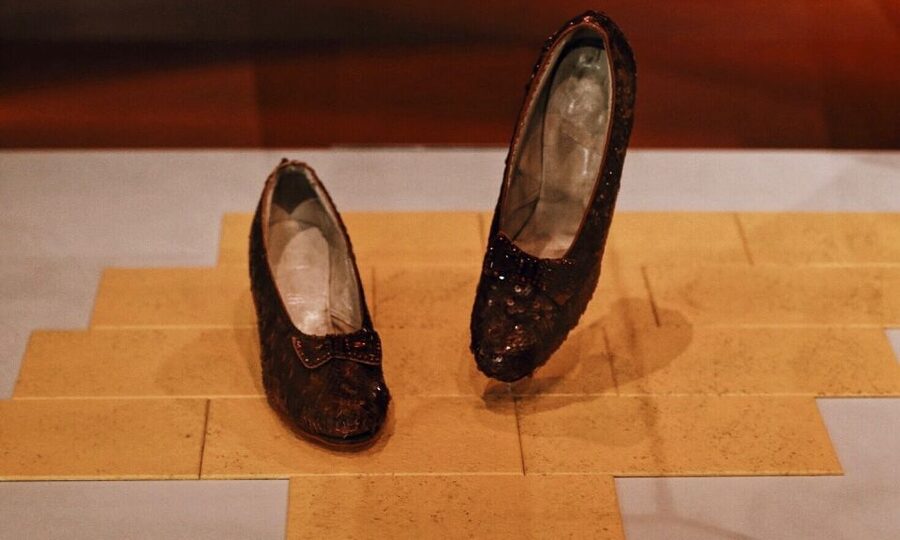
- View Dorothy’s ruby slippers from The Wizard of Oz, along with other objects showing how entertainment shaped American culture.
- Connect civil rights history to one ordinary lunch counter from Greensboro, North Carolina.
- Compare presidential and social history through George Washington’s sword, Thomas Jefferson’s desk, and First Ladies’ gowns.
- Choose a private tour or a group capped at eight, with guides such as Maureen and Leigh praised for energetic, engaging explanations.
- Allow 2.5 hours, and bring identification while leaving large bags and suitcases behind.
Why a guide helps inside this Smithsonian museum
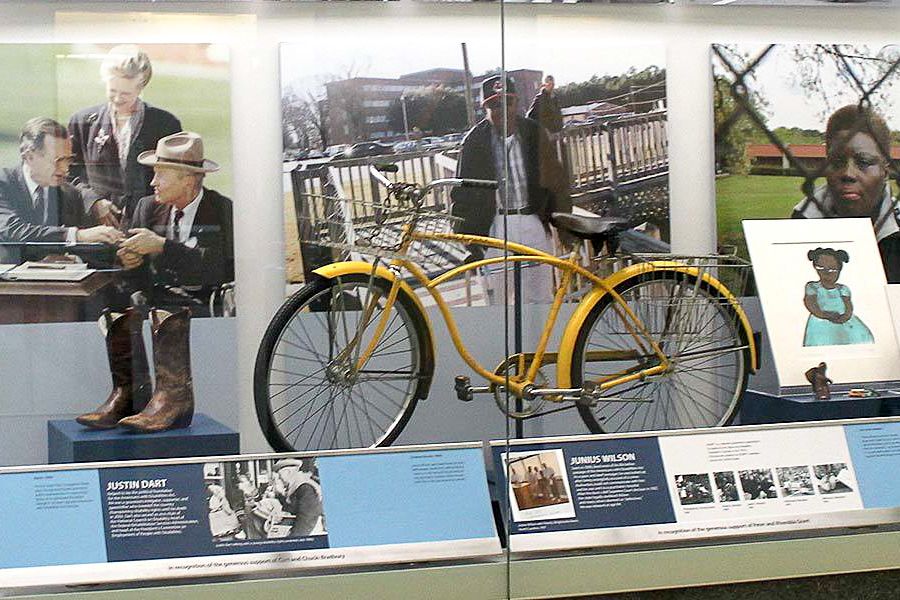
The National Museum of American History is not a small collection with one obvious route. It covers the American experience from colonial times to the present, using objects from public life, popular culture, technology, politics, and social change.
You can walk through galleries on your own, but it is easy to treat the museum as a parade of famous objects. A guide gives those objects a place in the larger story. George Washington’s sword is not just an old weapon. Thomas Jefferson’s desk is not simply furniture. The First Ladies’ gowns are more than attractive clothing. Each object opens a conversation about power, leadership, public image, and daily life.
Your English-speaking guide also adds personal stories and surprising details. Maureen and Leigh are two guides specifically associated with strong, lively tours, and the experience is designed around that human explanation rather than a silent march from display to display.
I would choose the guided option if this is your first visit to the museum or if your time in Washington is limited. If you already know exactly which galleries you want to study, an unguided visit may give you more freedom.
A few more museum visits around the USA worth comparing
- New York City: American Museum of Natural History Ticket
★ 4.5 · 15,447 reviews - American Museum of Natural History Admission Ticket
★ 4.0 · 1,931 reviews - Guided African American History Tour with Reserved Museum Entry
★ 4.5 · 1,180 reviews
The Star-Spangled Banner and the American founding
One of the main reasons to book this experience is the chance to see the actual Star-Spangled Banner. This is the flag that inspired the country’s national anthem, making it one of the most important objects in the museum.
The flag gives the tour a strong opening point for discussing national identity. It connects military history, patriotism, music, and the way later generations remember the country’s past. Your guide can help separate the object itself from the many symbols people have attached to it over time.
George Washington’s sword offers another route into the nation’s early years. The object lets your guide discuss the first president and the period when the United States was still forming its political identity. Seeing a personal item linked to Washington can make that period feel more immediate than a list of dates and battles.
The museum also displays Thomas Jefferson’s desk. This creates a useful contrast with the sword and flag. You move from public power and military leadership to the practical space associated with writing and decision-making. Together, these objects help show how the early republic was built through both public action and private work.
You should expect stops like these to be short but focused. The purpose is not to spend half an hour studying every surface of one object. It is to understand why that item was saved, what it tells you, and how it fits into the country’s larger story.
Dorothy’s ruby slippers and the American screen
The ruby slippers from The Wizard of Oz bring a very different kind of history into the museum. They are instantly recognizable, even to people who are less interested in politics or military history.
This stop shows how Hollywood helped shape American culture. A film prop can influence fashion, childhood memories, language, and the way people imagine courage and home. The slippers also remind you that national history is not limited to presidents and wars. Popular entertainment can affect millions of people and become part of shared memory.
I like this part of the tour because it gives the museum a change of pace. After political artifacts and early American objects, the slippers bring in color, fantasy, and mass culture. They may also be an especially good stop for families or for anyone who does not want a tour focused only on government and conflict.
The tradeoff is that famous objects can attract attention without offering much context on their own. Your guide’s explanation is what turns the slippers from a recognizable movie item into evidence of Hollywood’s influence on American life.
The Greensboro lunch counter and the civil rights story
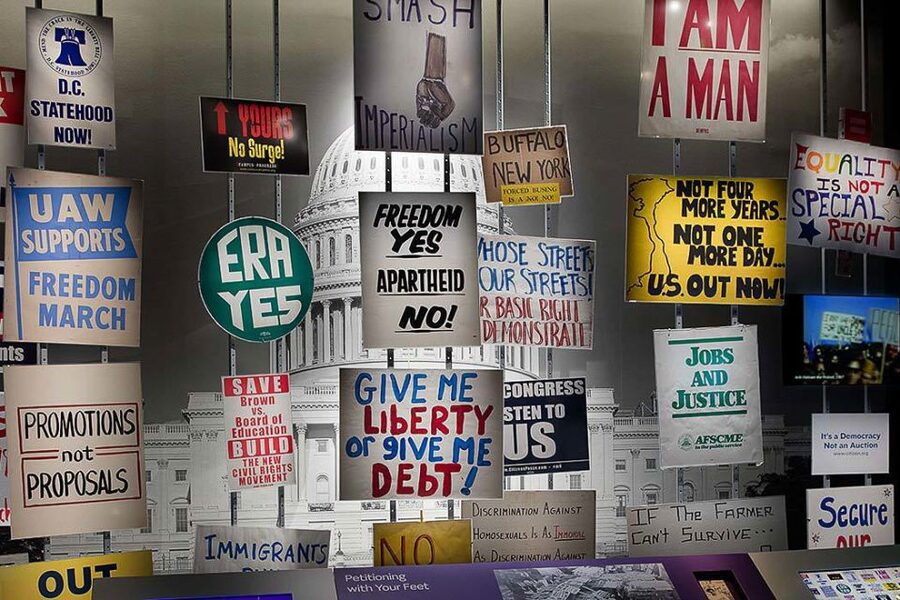
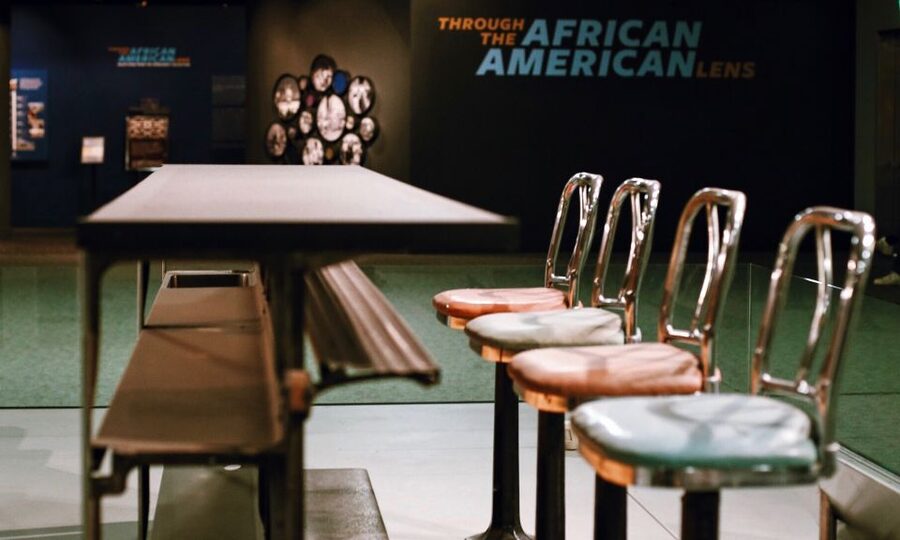
The Greensboro lunch counter is among the most meaningful stops on the tour. It is an ordinary piece of furniture connected to the Civil Rights Movement, and that ordinary quality is exactly what makes it powerful.
The counter lets your guide discuss segregation in a direct, physical way. Instead of treating civil rights as a distant political subject, you can picture the setting in which people were denied equal service and challenged those rules through protest. The object links national change to a place where people sat, waited, organized, and took personal risks.
This is likely to be one of the quieter parts of the tour. Some rooms in the museum require silence or limit speaking, so your guide may explain the object before you enter. That rule can affect the rhythm of the visit, but it also means you should pay close attention before going inside.
I find this kind of museum object more revealing than a long wall of text. A lunch counter does not look grand, yet it carries a clear reminder that major social change often begins with people confronting unfair rules in ordinary places.
Same city, a completely different collection:
- NYC: 9/11 Memorial & Museum Timed-Entry Ticket
★ 4.8 · 31,428 reviews - NYC: Empire State Building Tickets – Observatory & Museum
★ 4.7 · 25,757 reviews - NYC: Museum of Modern Art (MoMA) Entry Ticket
★ 4.6 · 12,540 reviews - 9/11 Memorial, Ground Zero Tour with Optional 9/11 Museum Ticket
★ 5.0 · 6,381 reviews
First Ladies’ gowns and the role of women
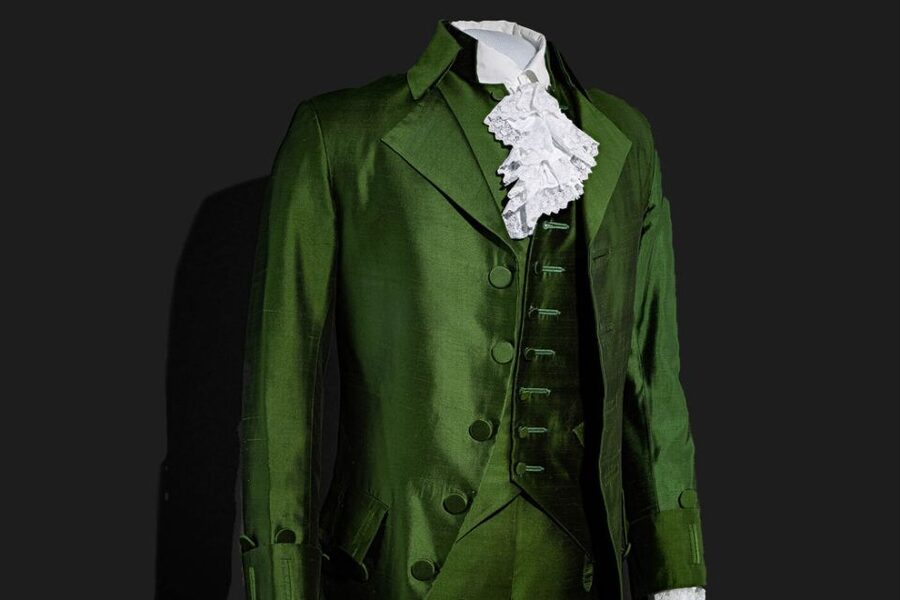
The First Ladies’ gowns add a social and political angle to the tour. Clothing can show how women were expected to present themselves in public, how fashion changed across different periods, and how the role of a president’s spouse was shaped by public attention.
This stop is not simply about dresses. It can open questions about gender, ceremony, media image, and influence. First Ladies have not held the presidency, but they have often helped shape public causes, family presentation, and the tone of an administration. The gowns offer a visible way to discuss those changing expectations.
You may also notice how different this display feels from the sword or the flag. The museum uses objects from private and public life together, showing that American history includes political institutions as well as social roles.
The display will appeal to visitors interested in fashion and public figures, but it also works for anyone who wants more than a traditional account of presidents. I would pay attention to the guide’s comments here, since the meaning is found less in the fabric than in the duties and pressures associated with public life.
How the 2.5-hour visit works
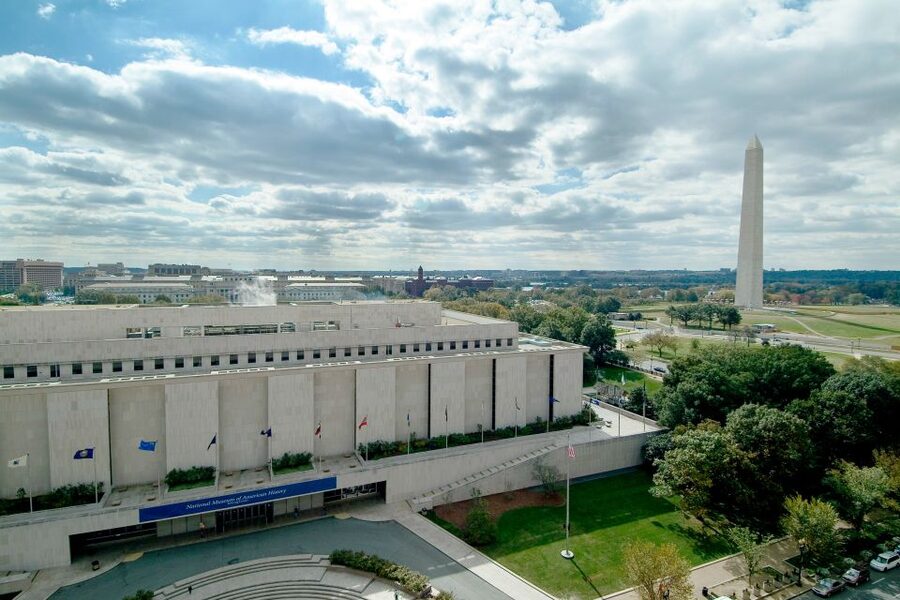
The tour lasts 2.5 hours, which is long enough for a serious introduction without turning into an all-day museum session. Your guide leads the walking route and selects the main objects, so you do not need to plan a complicated gallery strategy in advance.
The exact order can vary. You should expect a mix of early national history, political objects, popular culture, women’s history, and civil rights. The guide may spend more time on a subject that interests your small group, though the available description does not promise a fully customized itinerary for the standard small-group option.
The pace will be active enough that comfortable shoes are sensible. This is a museum walking tour, not a seated lecture, and the collection is spread through a large institution.
The guide’s role matters most when the tour moves between very different subjects. The Star-Spangled Banner, ruby slippers, and Greensboro lunch counter do not naturally belong in one simple story. A good explanation helps you see that American identity is made from military symbols, entertainment, political leadership, protest, and everyday social life.
A private option may suit families, couples, or groups with a specific interest in American history. The small-group option should give you a more personal experience than a large coach tour, while keeping the cost below a fully private visit.
What the $86 price means
At $86 per person, this is not the cheapest way to enter a museum. The value depends on how much you want from your time inside.
You are paying for a professional guide, a 2.5-hour walking tour, and either a private experience or a group of no more than eight people. The small group is important. You should have a better chance to hear the guide, ask a question, and stay with the group than you would on a large public tour.
The tour also includes skip-the-ticket-line access, which can matter when you are trying to fit the museum between other Washington sights. Still, the information provided does not clearly state that temporary exhibits are included, and food and drink are not included. Temporary exhibits are specifically excluded, so plan on the main museum collection rather than assuming every special display is covered.
I would call the price reasonable for a first-time visitor who wants structure and context. It is less compelling if you prefer to read every label at your own speed or plan to spend most of the day in one specialist gallery.
The booking terms add flexibility. You can reserve now and pay later, and cancellation is free up to 24 hours before the tour. That helps if your Washington schedule may change.
Small group, private tour, and guide style
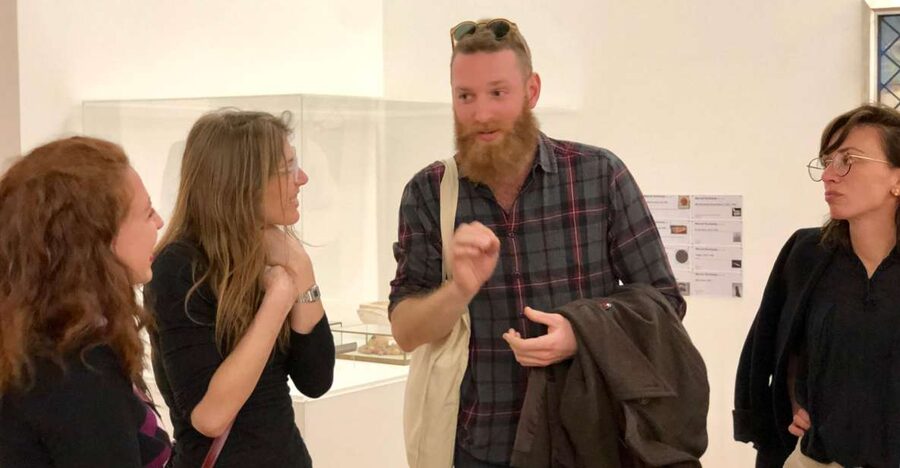
You can choose between a private tour and a small group. The maximum group size is eight people, which is a useful limit for a museum where crowded explanations can quickly become frustrating.
The strongest feature of the guide style is energy. Maureen is described as engaging and energetic, while Leigh is described as enthusiastic and a pleasure to learn from. Those qualities matter here because the museum covers many subjects and the guide must keep the connections clear without turning the visit into a dry classroom talk.
A private tour gives you more control over the pace and attention. A small group can offer a similar personal feel at a lower cost, but you may have less say over how long each object receives.
English is the only listed tour language. If you need another language, this experience is not presented as a multilingual option.
Practical details before you arrive
The meeting point can vary based on the option you book, so check your confirmation rather than assuming the tour starts at the museum entrance you have in mind. The activity ends back at the meeting point.
Bring a passport or ID card. Security rules do not allow luggage or large bags, and suitcases cannot enter. Only handbags or small, thin backpacks are permitted through security, so pack lightly.
Appropriate dress is required for entry into some sites on the tour. The museum can also close occasionally without advance warning. If opening is delayed by more than one hour after your scheduled start, an alternative will be offered, but the supplier does not provide refunds or discounts in that situation.
Some collections can change, so a particular object or room may not always be available. That is worth remembering when you book for one specific display. The tour promises access to major highlights, but museum operations can affect the route.
Accessibility requires special attention. The listed information says the experience is not suitable for wheelchair users, while also asking you to advise at booking if you require a wheelchair-accessible tour. If accessibility is important for your visit, contact the provider before paying and confirm what route and arrangements are possible.
Who should book this museum tour?
I would recommend it to first-time Washington visitors who want the main American-history objects explained by a person rather than discovered at random. It also suits families, couples, and small groups with only a few hours available.
The tour works especially well if your interests are broad. You will move from founding-era objects to Hollywood, civil rights, women’s public roles, and presidential history. That variety keeps the visit moving and gives you a useful framework for returning later on your own.
It may not suit you if you want a quiet, highly detailed study of one subject. The museum is too large for any 2.5-hour route to cover everything, and the guided format means you follow a selected path. Visitors with mobility concerns should also confirm accessibility before booking.
Should you book it?
Book this tour if you want to see the museum’s biggest touchpoints without wasting time finding them, and if you value lively explanation over a completely self-directed visit. The Star-Spangled Banner, George Washington’s sword, Dorothy’s ruby slippers, First Ladies’ gowns, Thomas Jefferson’s desk, and the Greensboro lunch counter create a strong cross-section of American life.
At $86, the price makes the most sense when the small group, skip-the-line access, and guide’s personal context matter to you. Choose the private option for more control, or the group of up to eight for a more affordable guided introduction. If you prefer slow independent study, buy yourself time and explore on your own instead.
FAQ
How long does the guided tour last?
The tour lasts 2.5 hours and is a walking tour through the National Museum of American History.
What is the price?
The listed price is $86 per person.
What objects will I see?
The tour highlights the actual Star-Spangled Banner, George Washington’s sword, Dorothy’s ruby slippers from The Wizard of Oz, First Ladies’ gowns, the Greensboro lunch counter, and Thomas Jefferson’s desk.
Is this a private tour?
You can choose either a private tour or a small-group tour. Small groups have no more than eight people.
What language is the tour offered in?
The live tour guide speaks English.
Is museum admission included?
The listed inclusions cover a professional guide and the 2.5-hour walking tour. Temporary exhibits are not included, so check the booking details for the exact admission arrangements.
Can I bring a suitcase?
No. Large bags and suitcases are not allowed inside the museum. Only handbags or small, thin backpacks can pass through security.
What should I bring?
Bring a passport or ID card. Comfortable clothing for a walking visit is also sensible, and appropriate dress is required for entry into some sites on the tour.
Can I cancel the booking?
Yes. You can cancel up to 24 hours in advance for a full refund.
Is the tour wheelchair accessible?
The listed information says the activity is not suitable for wheelchair users, but it also asks you to request a wheelchair-accessible tour when booking. Contact the provider before booking to confirm what arrangements are available.
Just added around the USA
- Museum of Ice Cream Austin★ 3.5 · 85 reviews
- Admission to Richard Nixon Presidential Library and Museum Ticket★ 5.0 · 123 reviews
- The Turquoise Museum Curator’s Tour★ 5.0 · 12 reviews
- Turquoise Museum Visit★ 4.5 · 194 reviews
- Orlando: Titanic Artifact Exhibition Ticket★ 4.5 · 246 reviews
- The St. Augustine Old Jail Museum Guided Tour★ 4.6 · 68 reviews
- San Diego: San Diego Natural History Museum Ticket★ 4.7 · 33 reviews
- The Museum of Fine Arts, Houston Entry Ticket★ 4.6 · 82 reviews
Museum Tours in the USA, compared.


9/11 Memorial, Ground Zero Tour with Optional 9/11 Museum Ticket
Read our review →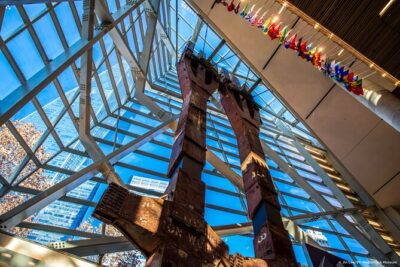

All-Access 9/11: Ground Zero Tour, Memorial and Museum, One World Observatory
Read our review →

Browse the lists this tour appears in