

Review · THE USA
Nashville: Country Music Hall of Fame and Museum
The Country Music Hall of Fame and Museum tells the story of American country music through the things its artists left behind: handwritten lyrics, battered instruments, stage clothes, cars, gold records, photographs, and film. You move through the collection at your own pace, with listening stations and short films giving the displays a human voice.
I like the wide span of artists, from early country pioneers to current stars, and the freedom to linger where your interests lead. I also like the mix of serious history and hands-on features, including songwriting and instrument programs at the Taylor Swift Education Center. The one drawback is simple: this is a large museum, and a quick two-hour visit can feel rushed.
Key points to know before you go
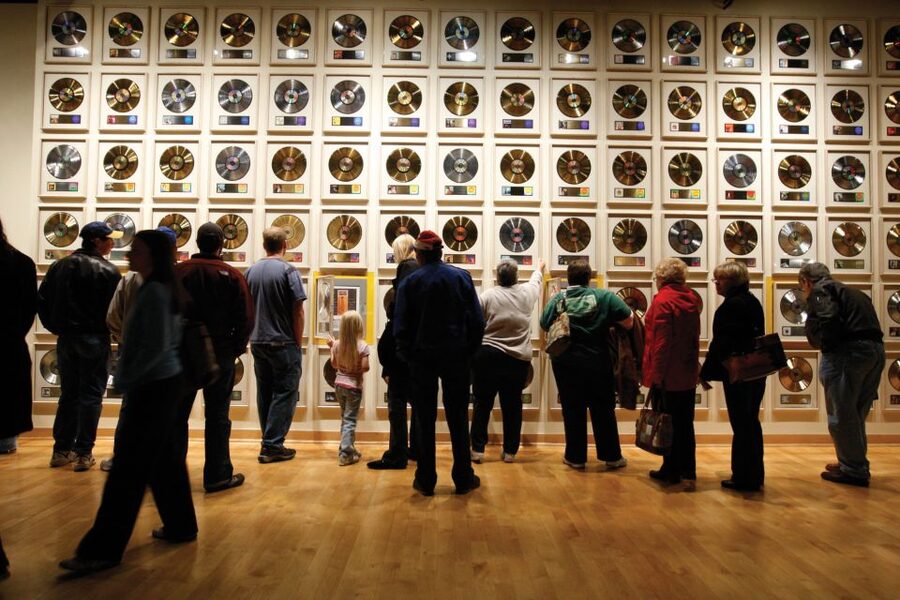
- Expect more than two hours: Three hours is a sensible target, and dedicated music fans may want half a day.
- Follow country music’s full story: Displays move from early traditions to modern performers, with awards, costumes, instruments, recordings, and film.
- Self-guided means flexible: There is no required guide or group schedule, so you can skip familiar artists and slow down for the ones you love.
- Save time for the Hall of Fame Rotunda: The final room displays plaques honoring artists who received country music’s highest honor.
- Look for interactive features: Listening stations, archival footage, films, and special programs make this more than a case-filled museum.
- Plan around changing exhibits: The American Currents exhibition, Taylor Swift Education Center, and Hatch Show Print Haley Gallery are included with admission.
Why this museum matters in Nashville

Country music is often reduced to a few familiar images: cowboy hats, fiddles, Nashville bars, and radio hits. This museum gives you a fuller picture. It shows how many sounds, places, performers, writers, and working musicians helped shape the genre.
You will see the music as a living American tradition rather than a fixed style. The collection links old recordings with newer performers and places personal stories beside broad cultural changes. That makes the museum useful even if you do not know every name on the wall.
The building also gives the visit a clear finish. After moving through photographs, instruments, clothes, records, and films, you reach the Hall of Fame Rotunda. The plaques gathered there provide a quiet closing moment, especially if you have spent the previous hours learning what each artist contributed.
The museum earned a 4.7 rating from 945 bookings, and its strongest appeal is easy to understand. It is well organized, packed with material, and broad enough to interest both serious country fans and people who simply want to understand Nashville better.
A few more museum visits around the USA worth comparing
- NYC: 9/11 Memorial & Museum Timed-Entry Ticket
★ 4.8 · 31,428 reviews - NYC: Empire State Building Tickets – Observatory & Museum
★ 4.7 · 25,757 reviews - New York City: American Museum of Natural History Ticket
★ 4.5 · 15,447 reviews
Start at the Information Desk on Rep. John Lewis Way
Your visit begins inside the Country Music Hall of Fame at the Information Desk, at 222 Rep John Lewis Way S. This central starting point matters because the museum is large, and a few minutes spent getting oriented can save you from wandering past sections you meant to see.
Admission is listed at $31 per person. That is a fair price if you plan to stay three hours or longer, especially since it covers the main galleries, special programming opportunities, the American Currents exhibition, the Taylor Swift Education Center, the Hatch Show Print Haley Gallery, and the Hall of Fame Rotunda.
The ticket is valid for one day from first activation. You are not tied to a short guided slot, which is one of the best parts of this experience. You can read every label about Patsy Cline, move quickly through a familiar section, or stop for a full film without worrying about holding up a group.
The museum is wheelchair accessible. Food and drinks are not allowed inside, and large bags or luggage are not permitted, so pack lightly. That is especially important if the museum is one stop in a busy day around downtown Nashville.
Trace country music through objects, not just names
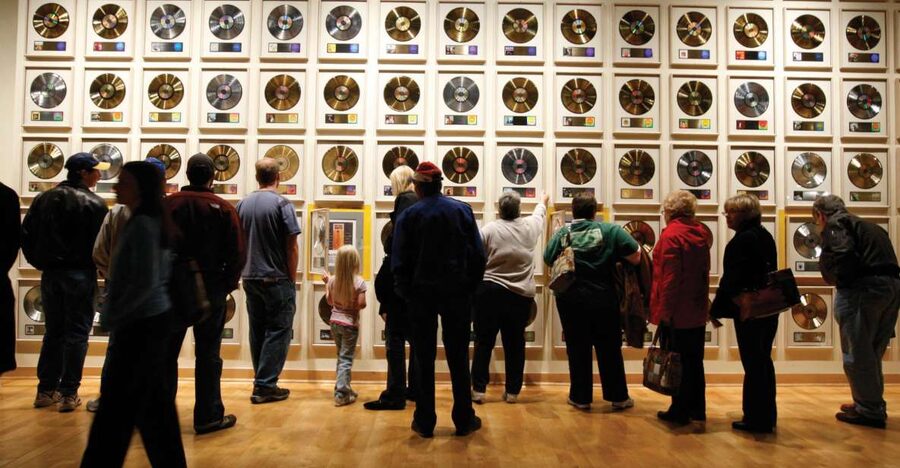
The main galleries are built around the physical evidence of a music career. You may find stage outfits, instruments, awards, gold records, photographs, handwritten lyrics, and personal memorabilia. Each item helps explain how an artist worked, performed, or connected with an audience.
The clothing displays are particularly useful for showing how country performers created a public identity. A glittering outfit, a familiar hat, or a carefully chosen stage suit can tell you as much about an era as a paragraph of text. The exhibits also help connect fashion to the changing sound of country music.
The instrument displays add another layer. A guitar or other instrument is not just an attractive object behind glass. It can point to the way musicians wrote, toured, recorded, and developed a recognizable sound. If you enjoy music museums that explain how songs are made, slow down here.
Lyrics and recordings make the experience more personal. You can read the words that began as private work and then hear the finished music through listening stations. That connection between page and performance is one of the museum’s strongest features.
The scope is wide. You may move from classic artists to current performers in the same visit, with displays that appeal to different generations. One family could pause over Patsy Cline, while younger members focus on Kane Brown or Lainey Wilson. The museum works best when you allow those different interests to coexist.
Films and listening stations keep the visit moving

A museum about recorded music needs sound, and this one provides it through listening stations, archival footage, and films. These features break up the reading and give the exhibits a stronger sense of time and place.
I recommend sitting through the longer film presentations rather than treating them as background entertainment. One film tracing country music through the years has been especially memorable for visitors, and watching it from beginning to end helps connect the separate galleries.
The audiovisual material also helps if you are not a devoted country listener. You may recognize more voices, melodies, and performers than expected. Even when an artist is unfamiliar, a short performance clip can explain why that person mattered.
The self-guided format lets you choose how much sound you want. You can listen closely to several selections, sample a few, or move on after getting the basic idea. That flexibility is more useful here than a fixed speech from a guide because musical interests vary so widely.
Still, do not mistake self-guided for quick. The number of displays can be overwhelming if you attempt to read every panel. I suggest choosing a few eras or artists for close attention, then allowing yourself to skim the rest.
Same city, a completely different collection:
- NYC: Museum of Modern Art (MoMA) Entry Ticket
★ 4.6 · 12,540 reviews - 9/11 Memorial, Ground Zero Tour with Optional 9/11 Museum Ticket
★ 5.0 · 6,381 reviews - 9/11 Memorial Museum Admission Ticket
★ 4.5 · 6,376 reviews - All-Access 9/11: Ground Zero Tour, Memorial and Museum, One World Observatory
★ 5.0 · 4,886 reviews
The Taylor Swift Education Center adds a hands-on break

The Taylor Swift Education Center is included with admission and gives the museum a more active side. Weekend programming may include opportunities to play an instrument, songwriting sessions, artist interviews, and panel discussions.
Schedules can change, so check what is available during your visit. If you are traveling with children or with someone who prefers doing to reading, this area may be the difference between a good museum visit and a tiring one.
The center also makes a useful pause in the middle of the museum. After studying costumes and records, you can shift from watching music history to taking part in a music-based activity. That change of pace helps keep a long visit comfortable.
Do not assume every program runs every day. The included admission gives you access to special programming opportunities, but the exact activity depends on the schedule. If songwriting or an artist interview is important to you, ask at the Information Desk when you arrive.
American Currents shows where country music is now
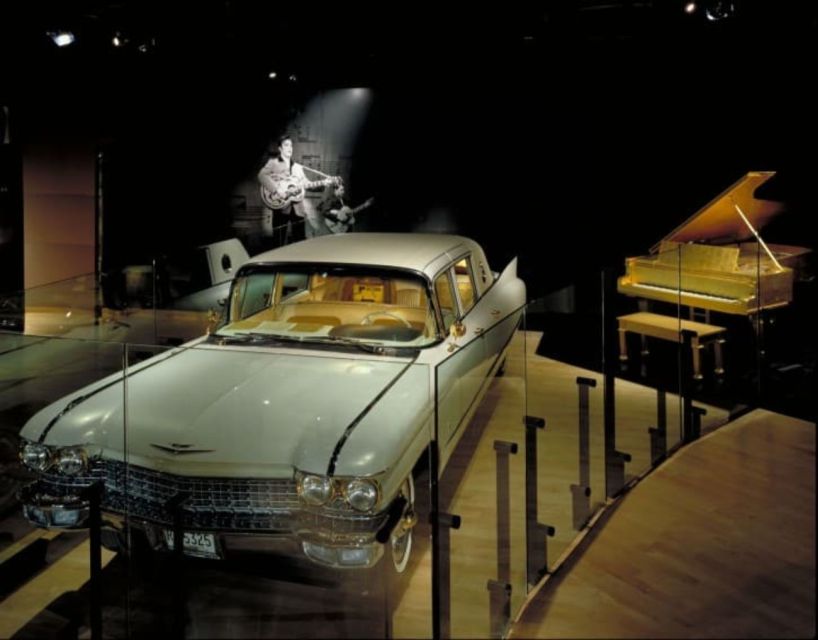
The American Currents exhibition focuses on contemporary country music and the forces shaping it. Its presence alongside older galleries keeps the museum from treating country music as something that ended decades ago.
This is useful for families and mixed-age groups. One person may come for the early legends, while another wants to see current stars. American Currents gives the newer side of the story room to breathe.
Exhibits change over time, so the exact artists and objects may vary. Recent displays have included large sections devoted to newer performers, including Luke Combs. Some visitors found that kind of focus impressive, while others felt a single artist received too much space. That is a fair reminder that temporary exhibitions can be a highlight for one person and a detour for another.
If you prefer a museum visit built only around classic country, give yourself permission to move through the newer galleries quickly. If you want to understand how the genre continues to change, take your time here.
Hatch Show Print’s Haley Gallery offers a visual detour
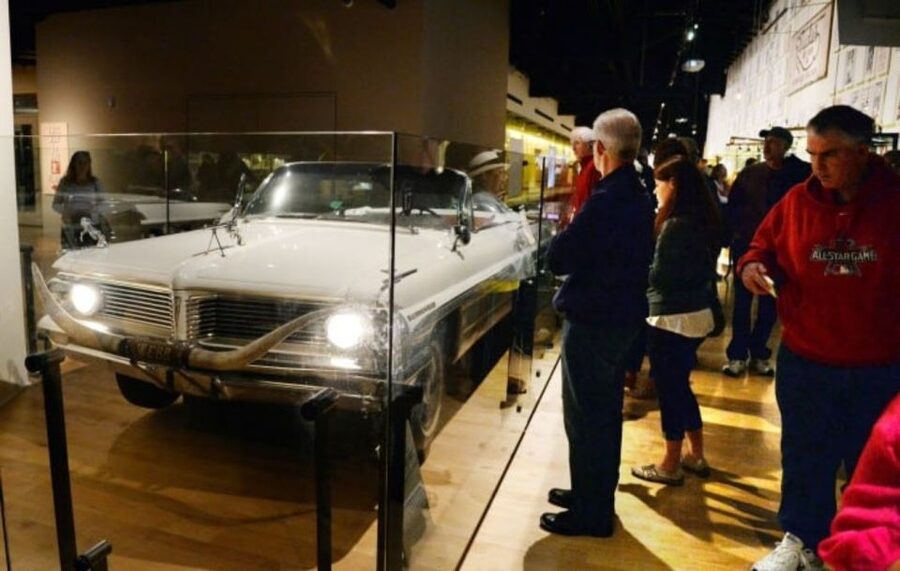
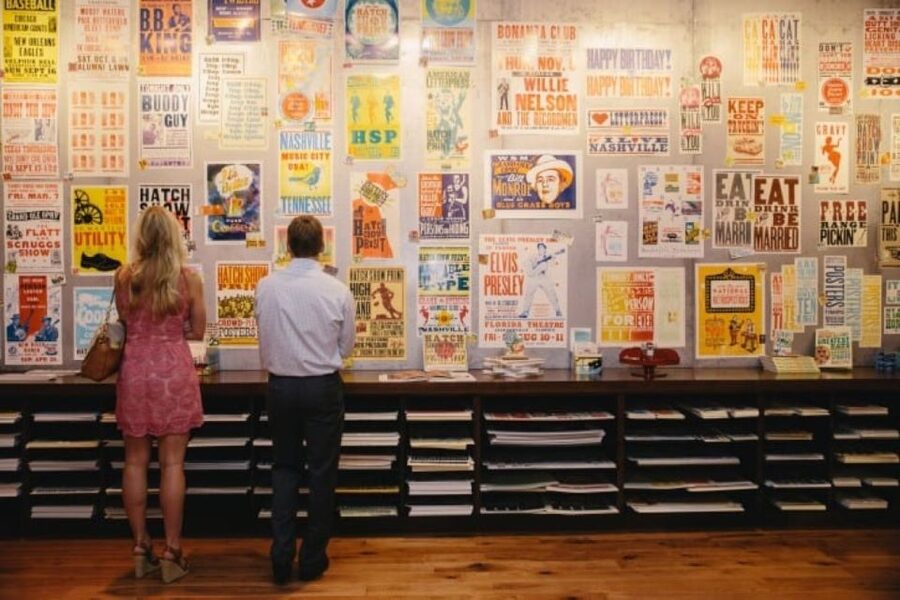
The Hatch Show Print Haley Gallery is another included area. It adds a strong graphic and design element to a museum otherwise centered on sound and performance.
This section is worth protecting time for, particularly if you enjoy concert posters, printed art, and the visual side of American music. A previous visit by one music fan found the Hatch portion especially memorable, which makes sense: it offers a different way to think about performers and the culture built around live shows.
The gallery also prevents the visit from feeling too repetitive. The main museum asks you to read, listen, and watch. Hatch Show Print gives you another visual language, one based on bold printed design and the promotion of performances.
Because the museum covers so much ground, it is easy to treat this gallery as an optional add-on and miss it. Check the route and keep it in your plan.
Finish in the Hall of Fame Rotunda
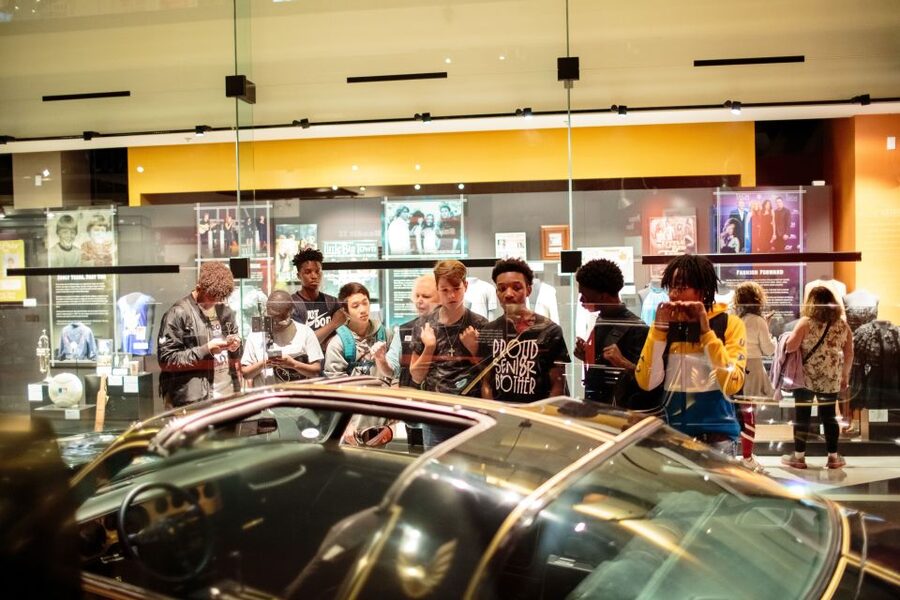
The Hall of Fame Rotunda is the emotional final stop. Here you see the plaques of artists honored with country music’s highest recognition.
The room works best after you have spent time with the exhibits. You will understand more about the careers behind the names, and the plaques become more than a list of famous people. They represent songwriting, recording, touring, broadcasting, and the long work of building country music.
The circular design gives the ending a sense of ceremony. Several people have described the Rotunda as a goosebumps moment, especially when the room is quiet enough to take in the names. If you are a dedicated country fan, leave a few minutes here rather than rushing toward the exit.
Even if country music is not your main interest, the Rotunda provides a clear answer to the museum’s central question: who helped create and carry this tradition forward?
How long should you spend inside?
The advertised duration is one day, meaning your admission remains valid for the day after activation. That does not mean you need to spend an entire day inside. Most people should plan at least two to three hours.
Two hours can work if you read selectively and focus on favorite artists. Three hours gives you enough time for the main historical route, several films or listening stations, and the Rotunda. Four hours or more suits visitors who want to study the displays closely or take part in education programs.
I would not pair a full museum visit with an overstuffed afternoon schedule. The museum is large, and rushing reduces the value of the $31 admission. If your itinerary is tight, choose fewer galleries and enjoy them properly instead of trying to see every label.
Crowds can also affect your timing. Afternoon visits have sometimes felt crowded, while later hours can be calmer. You cannot count on a quiet building, but arriving with extra time gives you more control.
Who will enjoy this most?
This is an obvious choice for country music fans, but the appeal is wider than that. People interested in American culture, songwriting, fashion, recording, popular music, and family history can all find something useful here.
It suits families because the subject includes familiar stars from several generations and the education center may offer hands-on activities. It also works well for couples or solo visitors because the self-guided format lets each person set a different pace.
You may enjoy it less if you want a short, tightly guided attraction with a single dramatic centerpiece. This is a large collection, and its pleasure comes from accumulation. One costume or one guitar may be interesting. Dozens of them, placed in a clear historical order, show how a musical tradition grew.
The museum is also a good choice for people who think they do not like country music. The exhibits cover enough time and style to offer surprises, including performers whose influence reaches beyond country radio.
Practical advice for getting good value
Buy for the full experience, not a quick photo stop. At $31, the ticket makes the most sense when you use the galleries, films, listening stations, special exhibition areas, and Rotunda.
Wear comfortable shoes because you will spend much of the visit walking and standing. Leave large bags and luggage behind, since they are not allowed. Food and drinks must also stay outside the museum.
Ask about current programs when you arrive. Weekend activities at the Taylor Swift Education Center can add real value, especially if you are traveling with children or enjoy songwriting.
Finally, keep your schedule loose. A display you expected to skim may turn out to be the part that holds your attention. The best visits allow time for that discovery.
Should you book the Country Music Hall of Fame?
Book it if you want the clearest single introduction to Nashville’s country music story. The museum combines old and new artists, personal objects, recordings, films, interactive elements, special exhibitions, and a memorable Hall of Fame Rotunda in one self-guided visit.
At $31, it is good value for three hours or more. It is also a smart rainy-day or hot-day stop, although the interior has felt warm at times. If you have only two hours, focus on the main galleries and Rotunda, then return to the sections that interest you most if your schedule allows.
Skip it only if you dislike museums or have no patience for reading, listening, and moving through a large collection. For everyone else, especially anyone curious about how American country music developed, this is one of Nashville’s most useful stops.
FAQ
Where is the Country Music Hall of Fame and Museum?
It is located at 222 Rep John Lewis Way S, Nashville, Tennessee 37203. Begin inside the museum at the Information Desk.
How much does admission cost?
Admission is $31 per person.
How long is the ticket valid?
The ticket is valid for one day from the time you first activate it.
Is the visit guided?
No. This is a self-guided museum visit, so you choose the order and amount of time spent in each gallery.
What is included with admission?
Admission includes the self-guided museum galleries, special programming opportunities, the major exhibition, the Taylor Swift Education Center, the American Currents exhibition, the Hatch Show Print Haley Gallery, and the Hall of Fame Rotunda.
Is the museum wheelchair accessible?
Yes. The experience is wheelchair accessible.
Can I bring food, drinks, or luggage?
Food and drinks are not allowed, and luggage or large bags are not permitted.
Can I cancel my booking?
Yes. You can cancel up to 24 hours in advance for a full refund. You can also reserve now and pay later, allowing more flexibility with your plans.
Just added around the USA
- Museum of Ice Cream Austin★ 3.5 · 85 reviews
- Admission to Richard Nixon Presidential Library and Museum Ticket★ 5.0 · 123 reviews
- The Turquoise Museum Curator’s Tour★ 5.0 · 12 reviews
- Turquoise Museum Visit★ 4.5 · 194 reviews
- Orlando: Titanic Artifact Exhibition Ticket★ 4.5 · 246 reviews
- The St. Augustine Old Jail Museum Guided Tour★ 4.6 · 68 reviews
- San Diego: San Diego Natural History Museum Ticket★ 4.7 · 33 reviews
- The Museum of Fine Arts, Houston Entry Ticket★ 4.6 · 82 reviews
Museum Tours in the USA, compared.




9/11 Memorial, Ground Zero Tour with Optional 9/11 Museum Ticket
Read our review →

All-Access 9/11: Ground Zero Tour, Memorial and Museum, One World Observatory
Read our review →

Browse the lists this tour appears in