
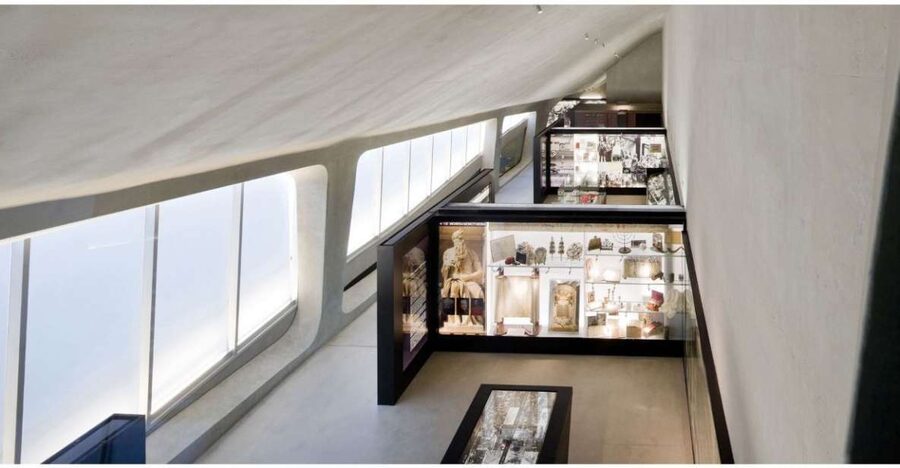
Review · THE USA
Los Angeles: Holocaust Museum LA Admission Ticket
The most striking part of Holocaust Museum LA is the chance to ask questions of an interactive holographic survivor. This is not a standard film or recorded lecture. The experience lets you speak with a digital recreation of a Holocaust survivor and hear answers to both simple and difficult questions about what she endured.
I like the museum’s survivor-founded mission and its careful use of personal objects to make a huge historical event feel human. I also like the freedom to move at your own pace with an audio tour narrated by Mayim Bialik, available in English and Spanish. The main consideration is time: the museum can feel compact if you hurry, but the material rewards a slower visit.
Key points to know before you go
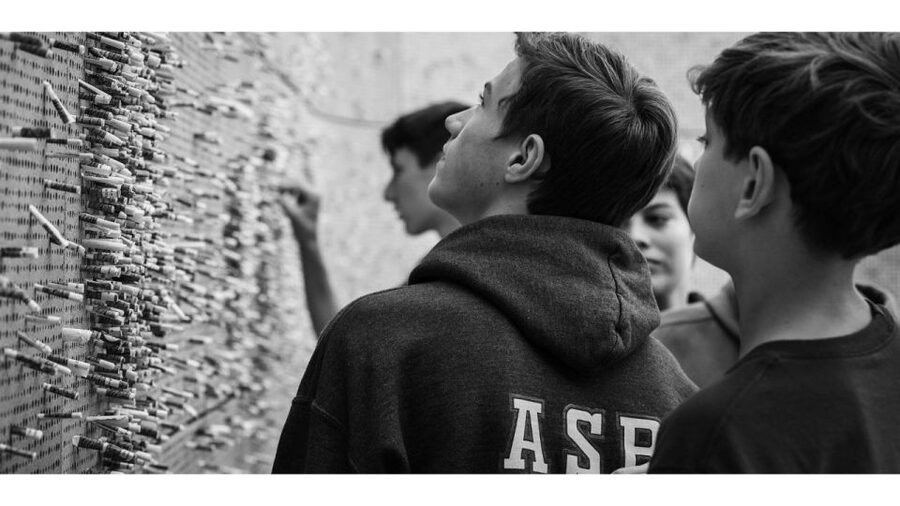
- Ask a survivor questions: The holographic experience lets you interact with a digital survivor and hear responses in a personal, direct format.
- See rare objects from the Holocaust era: The museum holds the largest collection of these artifacts on the West Coast.
- Use Mayim Bialik’s audio tour: English and Spanish commentary helps explain the displays without forcing you into a group schedule.
- Visit on the weekend for added context: Free docent-led tours begin at 1:30 PM on Saturdays and Sundays.
- Allow time for reflection: The museum covers cruelty, responsibility, hope, and human resilience, so this is not a quick photo stop.
- Plan for security and parking: Bags may be searched, food is not allowed in the galleries, and parking at The Grove costs $10 per vehicle with a museum sticker.
A survivor-founded museum in Pan Pacific Park
Holocaust Museum LA was founded in 1961 by Holocaust survivors. That origin matters. The museum is not only presenting dates and military events. Its purpose is to remember those who were killed, honor those who survived, teach the history, and ask you to consider how people respond when human rights are threatened.
You reach the museum in the northwest corner of Pan Pacific Park, just south of the Post Office and across from The Grove. The setting is useful if you are building a full afternoon in this part of Los Angeles. The Grove and the Original Farmers Market are close by, with places to eat and shop before or after your museum visit.
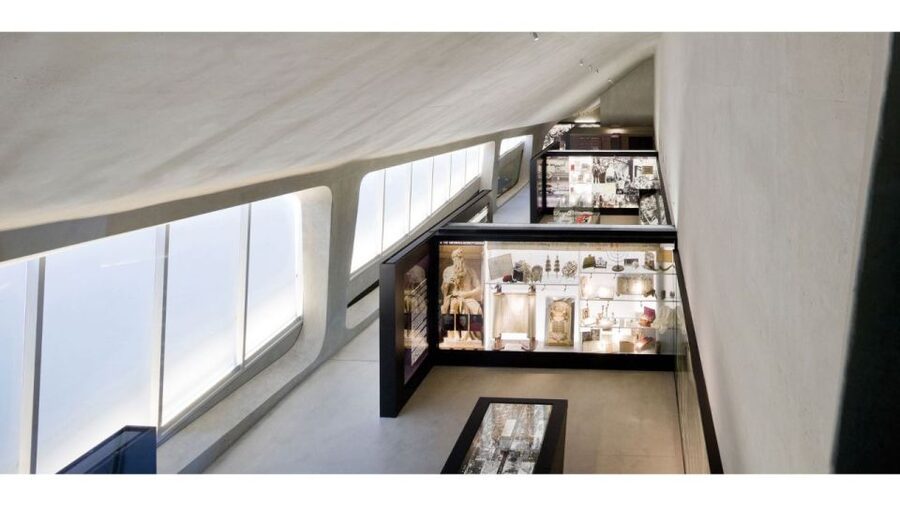
The building itself is part of the experience. Its swirling, striking design guides you through a journey shaped around war, cruelty, hope, responsibility, and the strength of ordinary people. You should not expect a light, decorative museum visit. The architecture and displays are meant to make you slow down and think about what you are seeing.
That serious tone is one reason this museum suits adults, older children, students, and anyone who wants more than a quick overview. Younger children may find parts of the subject upsetting, so use your own judgment.
More war and memorial museums in the USA:
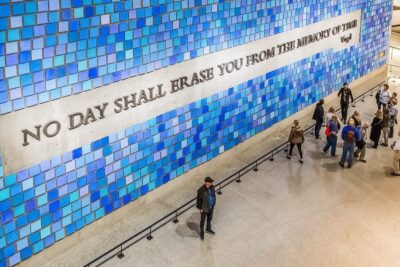
- 9/11 Memorial Museum Admission Ticket
★ 4.5 · 6,376 reviews - Houston: Holocaust Museum Houston Entry Ticket
★ 4.7 · 33 reviews - Caen: Guided D-Day Sites Tour & Caen Memorial Museum Ticket
★ 4.8 · 498 reviews
How the self-guided visit works
Your admission is valid for one day, with starting times based on availability. Once inside, you can explore at your own pace rather than follow a fixed route with a group. That flexibility is helpful because different displays will hold your attention for different lengths of time.
An audio guide device and headphones are included. The narration is available in English and Spanish, and the English tour is narrated by actress Mayim Bialik. I like this setup because you can pause, look closely at an object, or move on when you are ready. You are not tied to the pace of a docent or a large group.
The audio tour also gives needed context. Holocaust-era artifacts can be powerful, but without explanation they can remain isolated objects. The narration helps connect clothing, personal belongings, and other items to the people who used them and the events surrounding them.
You may hear free Wi-Fi is available inside the museum, which can help with the digital parts of the visit. Still, the included audio equipment means you do not need to depend entirely on your own phone.
If you visit on a Saturday or Sunday, consider joining the free docent-led tour at 1:30 PM. You can use the tour as an introduction, then spend more time with the displays that catch your attention. If the timing does not fit your plans, the audio guide keeps the visit flexible.
The holographic survivor experience
The holographic conversation is the museum’s most unusual feature. You can ask questions and hear a survivor respond through a digital recreation of her testimony. The format is designed to feel like a conversation, not simply a recording that plays in the background.
This matters because the Holocaust can be difficult to grasp as a series of numbers and political decisions. A personal voice brings the subject back to individual choices, fear, loss, and survival. You might begin with a straightforward question and then find yourself asking something more complex as the experience develops.
The interaction has an unusual quality. You are not speaking with a living person, of course, but the system is designed to answer questions in a way that resembles a real exchange. That can make the testimony feel direct and immediate.
Give this part your full attention. If you rush through it, you may miss the point. The museum is asking you to listen, consider what you would ask, and connect the testimony to the surrounding displays.
The technology should not replace the historical material. Its value comes from how it adds a human voice to the objects, documents, and explanations elsewhere in the museum. If you prefer traditional exhibits only, this feature may feel unusual. If you want a personal way into the subject, it is likely to be the part you remember longest.
The West Coast’s largest Holocaust-era collection
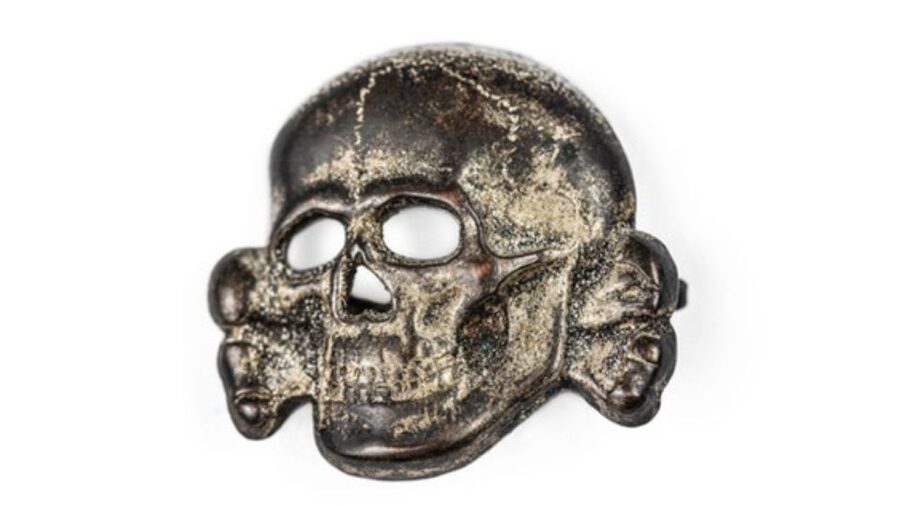
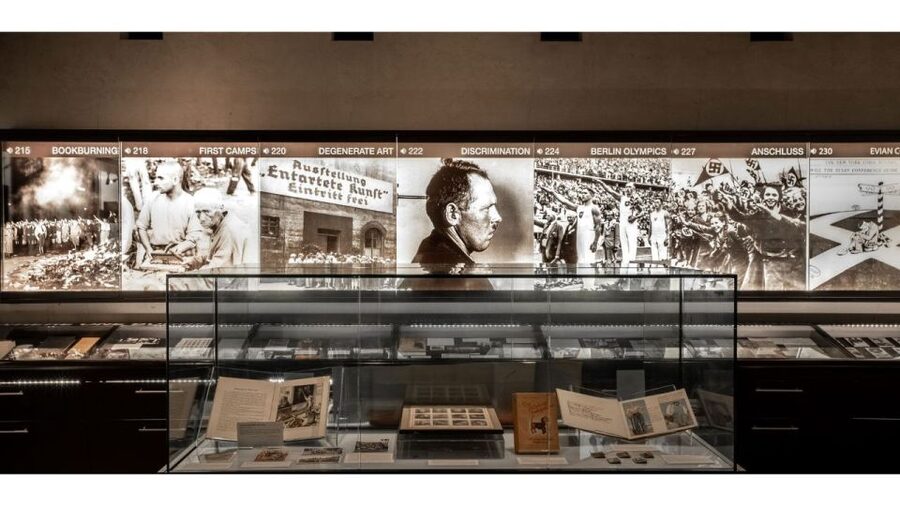
Holocaust Museum LA presents the largest collection of rare Holocaust-era artifacts on the West Coast. The exact impact of the collection comes from seeing real objects linked to real lives, rather than reading only general statements about the period.
The displays cover what people endured under Nazi rule, as well as the actions of those who carried out persecution and imprisonment. The museum also addresses the decisions and responsibilities of people caught in a system of cruelty. That wider view helps you think beyond a simple list of events.
You will see clothing and personal items connected with the period. These details can be especially affecting because they are ordinary objects placed in an extraordinary and terrible setting. A piece of clothing or a household item can suggest a person’s daily life more clearly than a long explanation.
The museum also encourages critical thinking. It is not only asking you to remember what happened. It is asking you to consider how hatred grows, how responsibility can be ignored, and how individuals respond to pressure and injustice.
That educational focus makes the visit useful for students and families who want a serious introduction to the Holocaust. It also works for people who have visited major Holocaust sites in Europe and want a West Coast museum that presents the subject through testimony and objects.
A few more museum visits around the USA worth comparing
- NYC: 9/11 Memorial & Museum Timed-Entry Ticket
★ 4.8 · 31,428 reviews - NYC: Empire State Building Tickets – Observatory & Museum
★ 4.7 · 25,757 reviews - New York City: American Museum of Natural History Ticket
★ 4.5 · 15,447 reviews - NYC: Museum of Modern Art (MoMA) Entry Ticket
★ 4.6 · 12,540 reviews
Architecture, emotion, and the pace of the visit
The museum’s architecture is described as swirling and striking, and the design helps shape the route through the exhibits. Rather than feeling like a plain room filled with cases, the building itself supports the movement from war and cruelty toward hope and human resilience.
I would plan more time than the one-day validity suggests. The ticket gives you access during the selected day, but it does not mean you should treat the museum as a quick stop between shopping and lunch. One person could move through the displays quickly, while another could spend much longer listening to the audio and considering the artifacts.
The subject requires emotional space. You may want a quiet pause after the holographic testimony or after reading personal accounts. Pan Pacific Park provides a calmer setting outside the museum, and The Grove and the Original Farmers Market are nearby if you need a break before continuing your day.
Photography, video, and audio recording for personal use are permitted without flash. That is useful if you want to remember a particular display, but take care not to let your phone become a barrier between you and the exhibits.
Food and drinks are not allowed in the galleries, except for water. Plan to eat before or after your visit rather than expecting a snack break inside.
What $15 gets you
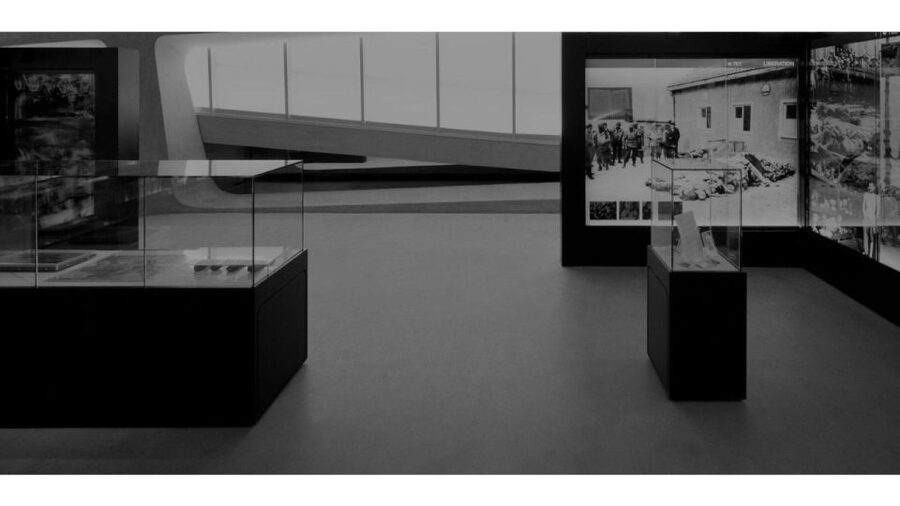
At $15 per person, admission is reasonable for a museum that includes both the collection and an audio guide with headphones. You are not paying only to walk through a small exhibit. The ticket includes access to the holographic survivor experience, the artifact displays, and the museum’s historical interpretation.
The value is strongest if you give the visit proper attention. A quick walk-through can make the ticket feel less worthwhile because the subject and presentation need time. If you listen to the audio, examine the objects, and use the interactive experience, the admission provides a substantial cultural stop in central Los Angeles.
Weekend visitors also have the option of a free docent-led tour at 1:30 PM. That adds another layer of explanation without an extra tour fee. Check the timing when planning, since the tour may not fit a tightly scheduled day.
Parking is not included. You can park at The Grove parking structure for a preferred day rate of $10 per vehicle by presenting a museum sticker at The Grove Concierge desk. This makes the museum easier to combine with nearby shopping or the Original Farmers Market, though you should remember to collect and present the sticker.
The museum is wheelchair accessible. All visitors must pass through security, and bags may be searched. Weapons and hazardous materials are not permitted, and the museum can refuse entry. Bring a passport or ID card, as identification is listed among the items to bring.
Who will get the most from this visit
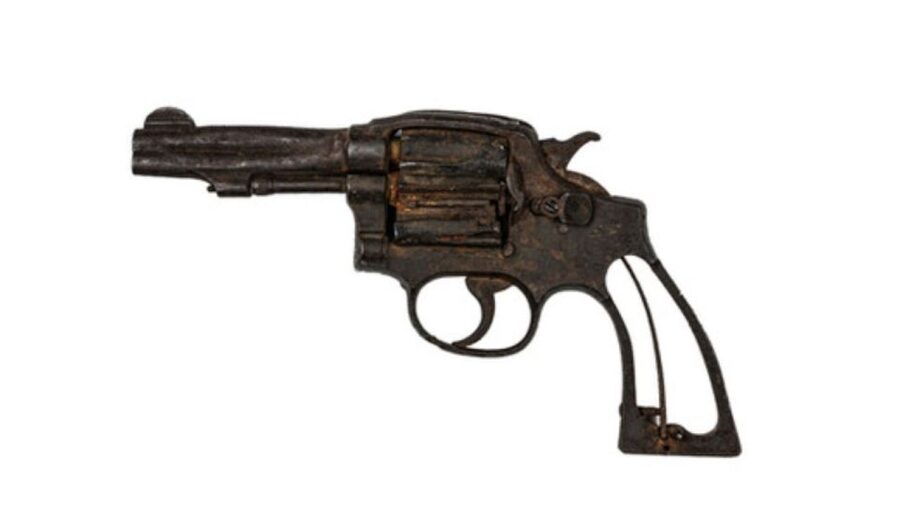
I would recommend this museum to you if you want a thoughtful history stop in Los Angeles and prefer a self-guided visit. The audio option lets you control the pace, while the holographic testimony gives the museum a personal focus that many conventional displays do not have.
It is also a good fit if you are staying near The Grove, the Original Farmers Market, or Pan Pacific Park. You can combine the museum with food and shopping nearby without spending the whole day crossing Los Angeles.
Students and families with older children can benefit from the clear educational purpose. The museum asks visitors to think about prejudice, responsibility, and human behavior, not just memorize dates. Younger children may need preparation because the subject includes persecution, imprisonment, and mass death.
You might prefer another type of museum if you want entertainment, light history, or a fast indoor attraction. This visit is serious and emotionally demanding. The holographic feature is engaging, but it does not make the subject easy.
Practical advice before entering
Book a starting time that leaves room to listen rather than race. If you want the docent-led tour, aim for the weekend 1:30 PM session and allow extra time afterward for the displays.
Wear something comfortable enough for standing and walking through the galleries. Keep food and drinks outside, with water as the exception. Bring identification and expect a security check at the entrance.
If you plan to drive, factor in the $10 parking rate at The Grove and remember to present the museum sticker at the Concierge desk. If you are already visiting The Grove or the Original Farmers Market, the location is particularly convenient.
Photography without flash is allowed for personal use. Use that permission sparingly. The museum’s strongest moments come from paying attention to the testimony and artifacts, not from trying to document every room.
Should you book Holocaust Museum LA?
Yes, if you want a serious, personal, and well-priced history experience in Los Angeles. The holographic survivor conversation, rare artifacts, and Mayim Bialik narrated audio tour give you several ways to connect with the subject.
I would book it especially for a free morning or afternoon when you can take your time. Add the Sunday or Saturday docent tour if the 1:30 PM schedule works for you. Skip it only if you are looking for a casual attraction or if your schedule allows no room for a thoughtful visit.
FAQ
How much does admission to Holocaust Museum LA cost?
Admission costs $15 per person.
How long is the ticket valid?
The ticket is valid for one day. Starting times depend on availability.
Is an audio guide included?
Yes. An audio guide device and headphones are included. Audio is available in English and Spanish, with the English narration by Mayim Bialik.
Are docent-led tours available?
Yes. Free docent-led tours are offered on Saturdays and Sundays at 1:30 PM.
Where is Holocaust Museum LA located?
The museum is in the northwest corner of Pan Pacific Park, just south of the Post Office and across the street from The Grove.
Is parking included?
No. Visitor parking is available at The Grove parking structure for a preferred day rate of $10 per vehicle when you present a museum sticker at The Grove Concierge desk.
Is the museum wheelchair accessible?
Yes. Holocaust Museum LA is wheelchair accessible. All visitors must pass through security, and bags may be searched.
Just added around the USA
- Museum of Ice Cream Austin★ 3.5 · 85 reviews
- Admission to Richard Nixon Presidential Library and Museum Ticket★ 5.0 · 123 reviews
- The Turquoise Museum Curator’s Tour★ 5.0 · 12 reviews
- Turquoise Museum Visit★ 4.5 · 194 reviews
- Orlando: Titanic Artifact Exhibition Ticket★ 4.5 · 246 reviews
- The St. Augustine Old Jail Museum Guided Tour★ 4.6 · 68 reviews
- San Diego: San Diego Natural History Museum Ticket★ 4.7 · 33 reviews
- The Museum of Fine Arts, Houston Entry Ticket★ 4.6 · 82 reviews
Museum Tours in the USA, compared.
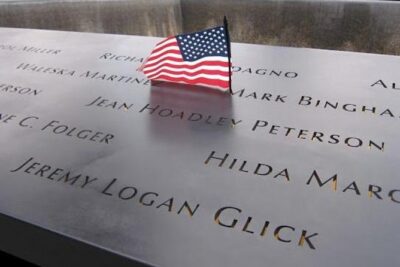
9/11 Memorial, Ground Zero Tour with Optional 9/11 Museum Ticket
Read our review →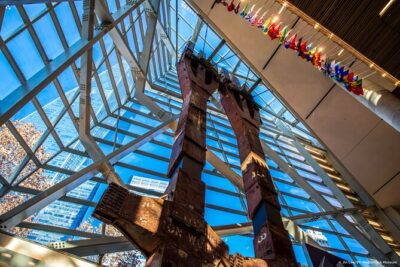
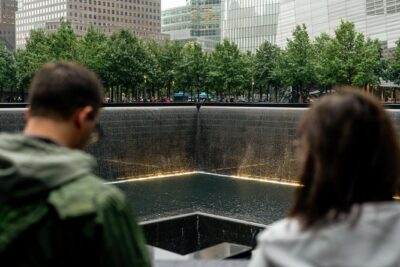
All-Access 9/11: Ground Zero Tour, Memorial and Museum, One World Observatory
Read our review →

Browse the lists this tour appears in