

Review · THE USA
Houston Museum of Natural Science General Admission Ticket
Houston’s Museum of Natural Science packs a lot into one building: dinosaur skeletons, glittering minerals, wildlife displays, and space technology all share the same visit. You can move from prehistoric survival to Indigenous cultures, then on to shells or oil and gas without needing transportation or a guide.
I like the choice of halls, especially the Morian Hall of Paleontology and the Cullen Hall of Gems and Minerals. I also like that a $25 ticket gives you a full day in the main exhibit hall, making this a sensible stop when the Houston heat is too much or your family needs a flexible indoor plan.
The catch is that the basic ticket does not cover every attraction. Planetarium programs and other special exhibits may cost extra, and one recent visit found remodeling, missing labels, and an awkward route to the dinosaur section.
Key points to know before you go

- The 2,000-carat blue topaz is a major highlight: The Cullen Hall of Gems and Minerals gives the visit plenty of visual drama.
- The dinosaur hall is more than a row of bones: The Morian Hall presents prehistoric animals in scenes focused on survival.
- Your ticket covers the main exhibit hall for one day: Extra exhibits and experiences are not included unless selected at checkout.
- The museum suits mixed-age groups: Families, science fans, and adults who enjoy minerals, wildlife, or cultural displays can all find a strong section.
- The planetarium is a separate decision: One visitor expected astronomy and instead saw a psychedelic Pink Floyd show, so check the program before paying extra.
- Plan for a long visit: A full day is realistic if you want more than the headline dinosaur and gem exhibits.
Start with the main exhibit hall
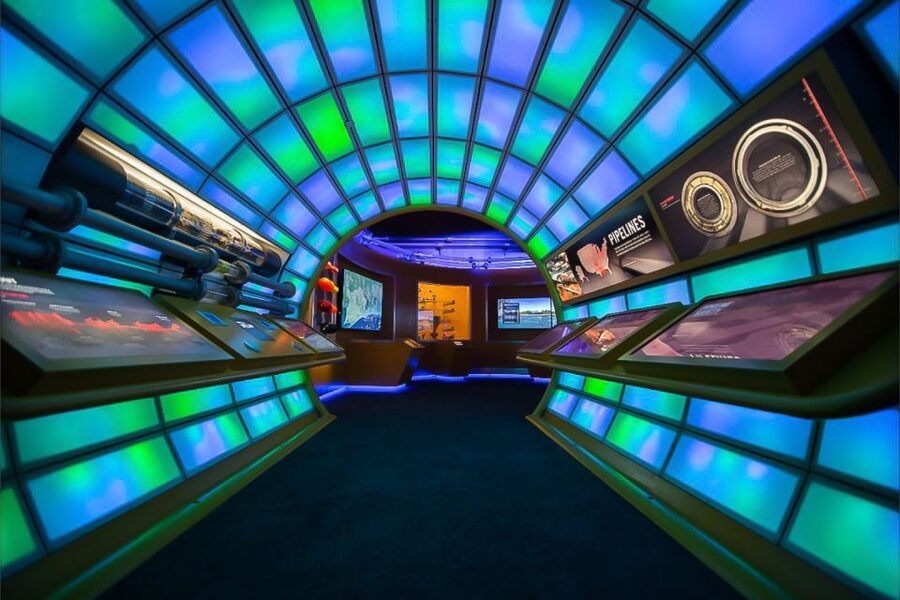
The $25 admission ticket is for the Houston Museum of Natural Science main exhibit hall. It is valid for one day, so you can take your time rather than rush through every room in a couple of hours.
That matters here. The museum covers several subjects that do not naturally fit into one short route. You may begin with fossils, shift to crystals, then spend a surprising amount of time with shells or wildlife. I prefer this sort of museum to one that gives you a single narrow theme, because you can adjust the day to suit your interests and energy.
The main hall also works well for mixed groups. One person can linger over minerals while another heads for dinosaurs. Parents do not need every exhibit to appeal to every member of the family, and adults can find plenty of detail beyond the biggest displays.
The ticket does not include transportation, food, drinks, or additional exhibits and experiences. You should treat it as entry to the core museum rather than an all-access pass.
A few more museum visits around the USA worth comparing
- NYC: 9/11 Memorial & Museum Timed-Entry Ticket
★ 4.8 · 31,428 reviews - NYC: Empire State Building Tickets – Observatory & Museum
★ 4.7 · 25,757 reviews - New York City: American Museum of Natural History Ticket
★ 4.5 · 15,447 reviews
Make the dinosaur hall your anchor
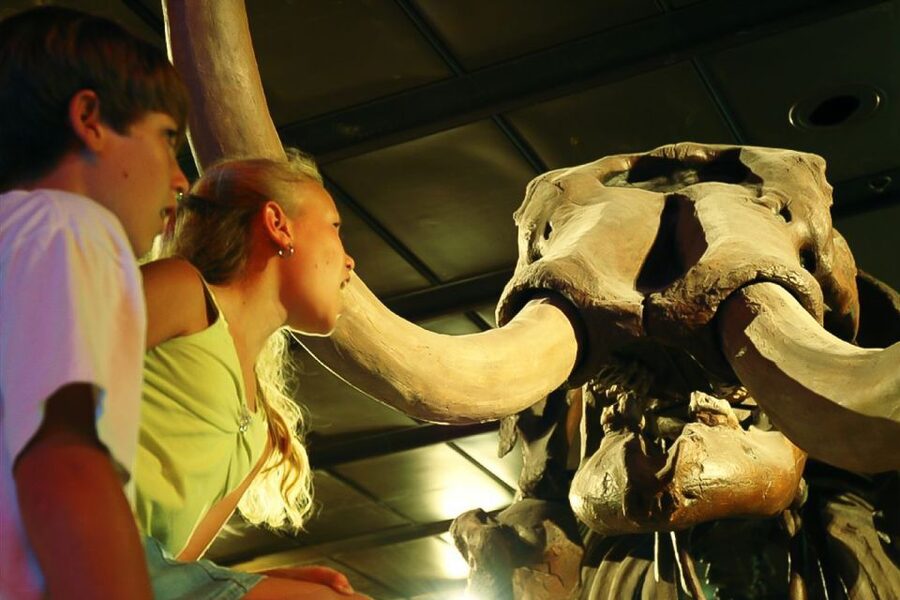
The Morian Hall of Paleontology is likely to be the main reason many people book this visit. It presents dozens of prehistoric animals in active scenes, with displays designed to suggest the struggle to survive rather than simply line up skeletons against a wall.
That approach gives the fossils a sense of purpose. You are not only looking at bones and trying to guess what they once belonged to. You are also considering how these animals lived, fought, and responded to their surroundings.
I would use the dinosaur hall as your anchor point, then build the rest of the visit around it. If you are visiting with children, this is an easy place to create a shared starting point. If you are an adult with a serious interest in paleontology, give yourself time to look closely instead of treating it as a quick photo stop.
One practical warning: part of the museum was being remodeled during a recent visit, and the route to the dinosaur section was not clearly marked. Conditions can change, but it is worth paying attention to signs and asking staff if a corridor seems to lead nowhere.
Give the Cullen Hall of Gems and Minerals time

The Cullen Hall of Gems and Minerals is one of the museum’s strongest visual stops. Its collection includes a blue topaz crystal weighing more than 2,000 carats, an object large enough to make the idea of a gemstone feel less like jewelry and more like geology on display.
The hall is reportedly large, so do not save it for the final ten minutes. Minerals can look deceptively simple at first, but the pleasure comes from comparing color, shape, size, and natural formation. This section gives you a calmer pause after the busy dinosaur displays.
Some labels may be in the process of being updated. A recent visit found a few missing or incorrect tags, with temporary information not always available. That will matter more to you if you want precise scientific details than if you mainly want to see the specimens.
Still, I would put this hall near the top of the day’s list. It is especially useful for visitors who are less interested in fossils but still want a major visual payoff.
Explore wildlife in the Frensley Graham Hall
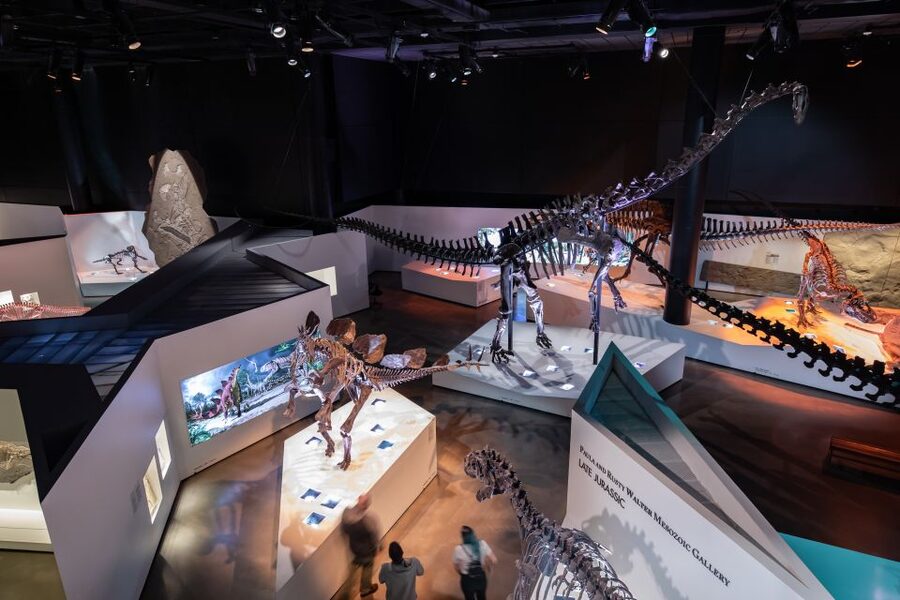
The Frensley Graham Hall of African Wildlife focuses on wildlife ecology. That wording matters because the hall is not simply a collection of animal figures. It aims to connect animals with the environments and living systems that support them.
You can use this section to slow the pace after the larger spectacle of dinosaurs and crystals. It gives you a chance to look at wildlife in a broader scientific setting, rather than treating each animal as an isolated object.
The supplied information does not specify the individual species or the exact layout, so I would not arrive expecting a particular animal display. Instead, think of this as a good choice if you enjoy ecology, animal life, and displays that explain how living things fit together.
For families, it also offers a change of subject. A child who has had enough prehistoric creatures may respond better to recognizable wildlife, while adults can focus on the ecological ideas behind the displays.
Same city, a completely different collection:
- NYC: Museum of Modern Art (MoMA) Entry Ticket
★ 4.6 · 12,540 reviews - 9/11 Memorial, Ground Zero Tour with Optional 9/11 Museum Ticket
★ 5.0 · 6,381 reviews - 9/11 Memorial Museum Admission Ticket
★ 4.5 · 6,376 reviews - All-Access 9/11: Ground Zero Tour, Memorial and Museum, One World Observatory
★ 5.0 · 4,886 reviews
See Indigenous cultures in the Americas hall
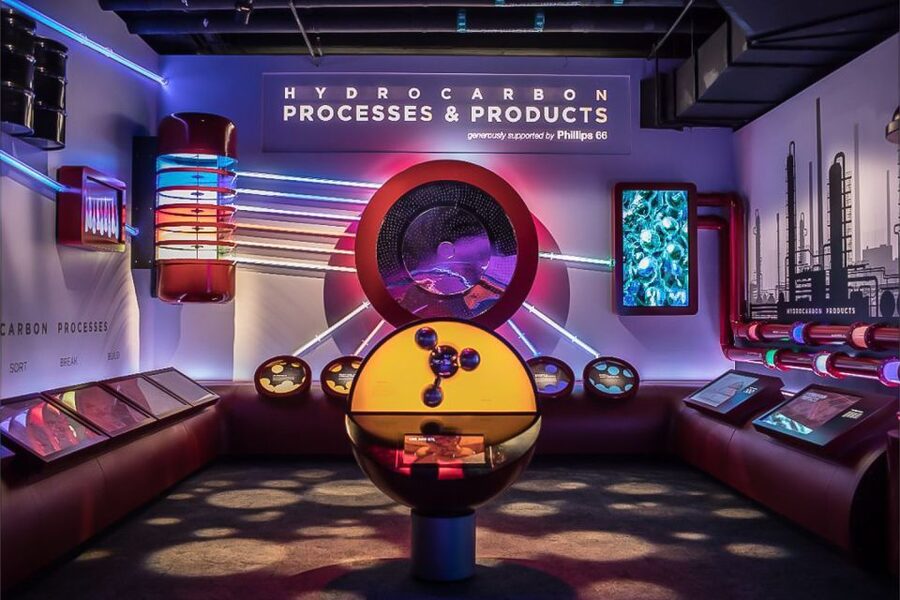
The John P. McGovern Hall of the Americas looks at the diversity of America’s Indigenous peoples. This section broadens the museum beyond natural specimens and prehistoric animals, placing human cultures within the larger story of the Americas.
I value that change of focus. A museum visit can become too narrowly focused on bones and objects unless it also makes room for people, traditions, and cultural variety. Give this hall the same attention you give the fossils, rather than treating it as a passage between bigger exhibits.
The available details do not identify specific communities, objects, or interpretive displays, so I would avoid planning your visit around one particular artifact. Go for the wider subject and the chance to see a different kind of science museum presentation.
This hall may be especially worthwhile if your group has varied interests. It gives you something to discuss beyond age, extinction, and geological processes.
Look closer at mollusks in Strake Hall
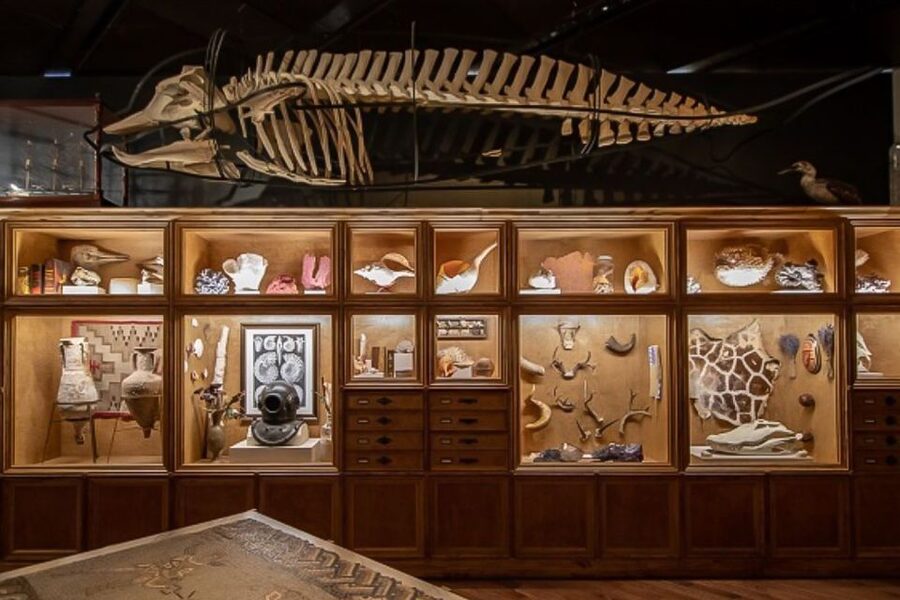
The Strake Hall of Malacology covers shell science and the study of mollusks. It is a more specialized stop than the dinosaur or gem halls, but that is precisely why it can be rewarding.
Shells are familiar objects, yet malacology shows how much there is to study in them. If you enjoy collections, patterns, natural forms, or small details, this room can provide a welcome contrast to the museum’s largest displays.
I would not place it first on a one-day visit unless mollusks are your main interest. Instead, use it as one of the quieter sections between major halls. You may find that a focused subject such as shells holds your attention longer than a broad exhibit packed with large objects.
The information provided does not list specific shell species or display features. Keep your expectations general, but do not dismiss the hall simply because its subject sounds narrower.
Add space science carefully
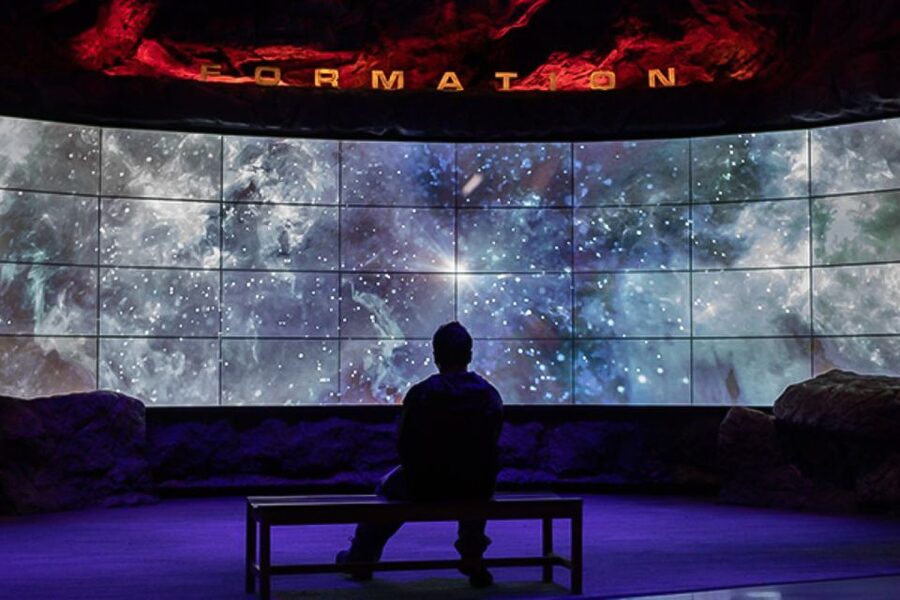
Space stations and other space-related models are part of the museum’s broader collection, giving you a look at human engineering alongside natural history. These displays can help connect the museum’s earthbound subjects with technology and exploration beyond Earth.
There is also a planetarium, but it should be treated as a separate choice. One person expected a program about galaxies, stars, black holes, or planets and instead found a psychedelic Pink Floyd show. That is not necessarily a bad program, but it is a poor match if you want a traditional astronomy presentation.
Check the title and description before paying for a planetarium experience. Do not assume that every showing is a science lecture or a tour of the night sky.
The main admission ticket includes the main exhibit hall, while additional experiences are not included unless you choose them at checkout. This distinction is important because a $25 ticket can feel like a different deal once you add several extras.
Oil and gas adds a local Texas angle
One visitor particularly enjoyed the oil and gas sections. The available information does not give the full layout or list the specific objects, but the subject provides a useful Texas connection within a museum otherwise filled with ancient animals, minerals, and global wildlife.
I like the idea of including this section in your route if you want something tied to the region’s modern identity. It also gives you a break from displays based mainly on natural specimens.
Your interest may depend on how you feel about industry and technology. If you prefer only dinosaurs and gems, this may be a lower priority. If you want a wider picture of natural resources and human use of them, it is worth adding.
How much time should you allow?

You can enter for one day, but that does not mean you need to spend every hour inside. The museum has enough separate halls for a full-day visit, especially if you read labels and include the paleontology, minerals, wildlife, Indigenous cultures, mollusk, and space-related sections.
A shorter visit can still work if you choose two or three priorities. I would select the dinosaur hall, the gem and mineral hall, and one subject that matches your group’s interests.
A full day makes more sense if you are visiting with children who need breaks, or if your party has different tastes. You can move between large, dramatic displays and quieter collections instead of forcing everyone through the same material at the same speed.
Food and drinks are not included, so plan for those separately. The provided information does not specify dining arrangements inside the museum, so do not count on the ticket itself covering a meal.
Is $25 good value?
At $25 per person, the ticket is reasonably priced if you plan to spend several hours in the main exhibit hall. The dinosaur displays, large gem collection, wildlife ecology, Indigenous cultures, malacology, and space models give you several distinct subjects for one admission fee.
The value drops if you only want one quick photo with a dinosaur or crystal. It also changes if you expect planetarium access or temporary exhibits to be included. Those are additional choices, and you should check the checkout options before assuming the base price covers them.
I see this as a flexible museum ticket rather than a single-attraction ticket. You are paying for the freedom to choose your route and stay for much of the day. That makes it a stronger deal for families and curious adults than for people with only a short gap in their schedule.
Temporary exhibitions can add interest, though the exact offerings may change. Remodeling and label updates may also affect parts of the museum at a given time, so keep your expectations practical.
Who will enjoy this museum most?
I would recommend it most strongly to:
- Families who need several subjects under one roof
- Dinosaur fans who want more than a small fossil display
- People who enjoy crystals, minerals, and natural collections
- Visitors interested in wildlife ecology or Indigenous cultures
- Adults who like spending a full day moving between different scientific topics
- Anyone looking for an indoor Houston activity with wheelchair-accessible entry
It is less ideal if you want a tightly guided tour with one clear story from beginning to end. There is no guide named in the available information, and the ticket is for independent entry rather than a guided experience.
It may also disappoint you if your main goal is a traditional planetarium show. Check the program first, especially if you expect serious astronomy rather than a music-based presentation.
Booking, cancellation, and access
You can cancel up to 24 hours in advance for a full refund, which gives you some protection if your Houston plans change. A reserve-now, pay-later option is also available, so you do not have to pay at the time of booking.
The ticket is valid for one day, with starting times shown when you check availability. It is wheelchair accessible. Flash photography is not allowed, so bring your camera but leave the flash turned off.
Since transportation is not included, you need to arrange your own way to the museum. Food and drinks are also separate from the ticket price.
Should you book the Houston Museum of Natural Science?
Book it if you want a flexible, full-day museum with dinosaurs as the headline and plenty of worthwhile subjects beyond them. The Morian Hall of Paleontology and Cullen Hall of Gems and Minerals provide the strongest reasons to go, while the wildlife, Indigenous cultures, malacology, oil and gas, and space displays help keep the visit from feeling one-note.
I would book the basic ticket first if you are unsure about extras. Add a planetarium or special exhibit only after checking exactly what it presents. That small bit of planning can prevent the main disappointment reported by one visitor, expecting astronomy and receiving a Pink Floyd program instead.
At $25, this is a good-value choice for a long indoor outing. Just allow enough time, expect occasional remodeling or label updates, and remember that the main ticket is not an all-access pass.
FAQ
What does the Houston Museum of Natural Science ticket include?
The ticket includes entrance to the Houston Museum of Natural Sciences main exhibit hall for one day.
How much does general admission cost?
The listed price is $25 per person.
How long is the ticket valid?
The ticket is valid for one day. Available starting times are shown when you check availability.
Are planetarium shows included?
No. Additional exhibits and experiences, including options such as planetarium programs, are not included unless selected at checkout.
Is transportation included?
No. Transportation is not included in the ticket.
Are food and drinks included?
No. Food and drinks are not included.
Is the museum wheelchair accessible?
Yes. The activity is wheelchair accessible.
Can I cancel for a refund?
Yes. You can cancel up to 24 hours in advance for a full refund.
Just added around the USA
- Museum of Ice Cream Austin★ 3.5 · 85 reviews
- Admission to Richard Nixon Presidential Library and Museum Ticket★ 5.0 · 123 reviews
- The Turquoise Museum Curator’s Tour★ 5.0 · 12 reviews
- Turquoise Museum Visit★ 4.5 · 194 reviews
- Orlando: Titanic Artifact Exhibition Ticket★ 4.5 · 246 reviews
- The St. Augustine Old Jail Museum Guided Tour★ 4.6 · 68 reviews
- San Diego: San Diego Natural History Museum Ticket★ 4.7 · 33 reviews
- The Museum of Fine Arts, Houston Entry Ticket★ 4.6 · 82 reviews
Museum Tours in the USA, compared.




9/11 Memorial, Ground Zero Tour with Optional 9/11 Museum Ticket
Read our review →

All-Access 9/11: Ground Zero Tour, Memorial and Museum, One World Observatory
Read our review →

Browse the lists this tour appears in