
Review · THE USA
Honolulu: Bishop Museum General Admission Ticket
Bishop Museum gives you a clear window into Hawaii beyond beaches and resorts. Its collections range from Hawaiian royal heirlooms to native species, Pacific artifacts, documents, and photographs, all spread through one of the state’s most important cultural institutions.
I like the grand Hawaiian and Pacific Hall Complex, where the setting itself helps frame the objects. I also like the Science and Adventure Center, especially if you want lava demonstrations and geology shows to balance the cultural exhibits. The main drawback is that parking, planetarium shows, food, and some special exhibits cost extra, so the $38 ticket is not the whole bill.
Key points to know before you go
- Plan three to four hours: The museum is large enough to fill most of a half day, and you can stay all day with the one-day admission.
- Start with Hawaiian and Pacific Hall: This is the heart of the cultural visit, with Hawaiian objects and royal family heirlooms.
- Save time for the Science and Adventure Center: Lava pour demonstrations and geology shows add motion and spectacle to the museum visit.
- Guided Hawaiian Hall tours are included: Public tours are offered at 10:00 AM and 11:00 AM when a docent is available.
- Budget for extras: Parking costs $15 per car for nonmembers, planetarium shows cost $3 per person, and special exhibits may have separate pricing.
- Wear comfortable shoes: You will cover a lot of ground indoors, and the museum is open from 9:00 AM to 5:00 PM, with last admission at 4:00 PM.
Why Bishop Museum matters in Honolulu
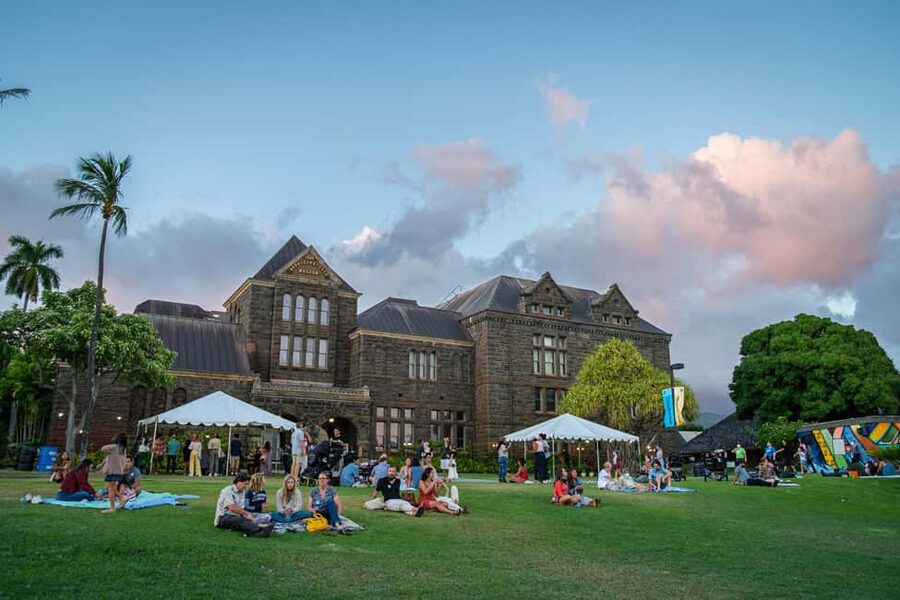
Bishop Museum was founded in 1889 by Charles Reed Bishop in memory of his wife, Princess Bernice Pauahi Bishop. She was the last descendant of the royal Kamehameha family, and the museum began as a home for her Hawaiian objects and royal family heirlooms.
That origin gives the museum a purpose beyond simply displaying old things. The collections connect Hawaii’s royal past with the wider story of Native Hawaiian culture and the peoples of the Pacific. The museum also serves as a major natural history institution, with collections covering the islands, the ocean, and native species.
I find that context useful before walking through the halls. You are not looking at disconnected souvenirs. You are seeing objects gathered under a clear cultural responsibility, with Native Hawaiian interests at the center of the institution’s work.
The museum has grown far beyond its first collection. Today, it holds millions of objects, documents, and photographs connected with Hawaii and other Pacific cultures. Its natural history holdings are also among the largest in the world.
You do not need to understand the full scale of those collections to enjoy your visit. The practical point is that Bishop Museum offers much more than a short exhibit about Hawaiian royalty. You can spend a few focused hours here, or use the one-day ticket for a slower visit with time for science displays and the planetarium.
A few more museum visits around the USA worth comparing
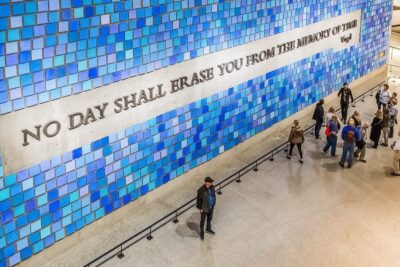
- NYC: 9/11 Memorial & Museum Timed-Entry Ticket
★ 4.8 · 31,428 reviews - NYC: Empire State Building Tickets – Observatory & Museum
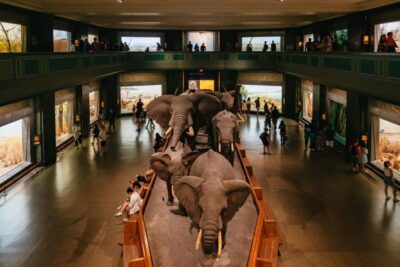
★ 4.7 · 25,757 reviews - New York City: American Museum of Natural History Ticket
★ 4.5 · 15,447 reviews
Start in the Hawaiian and Pacific Hall Complex
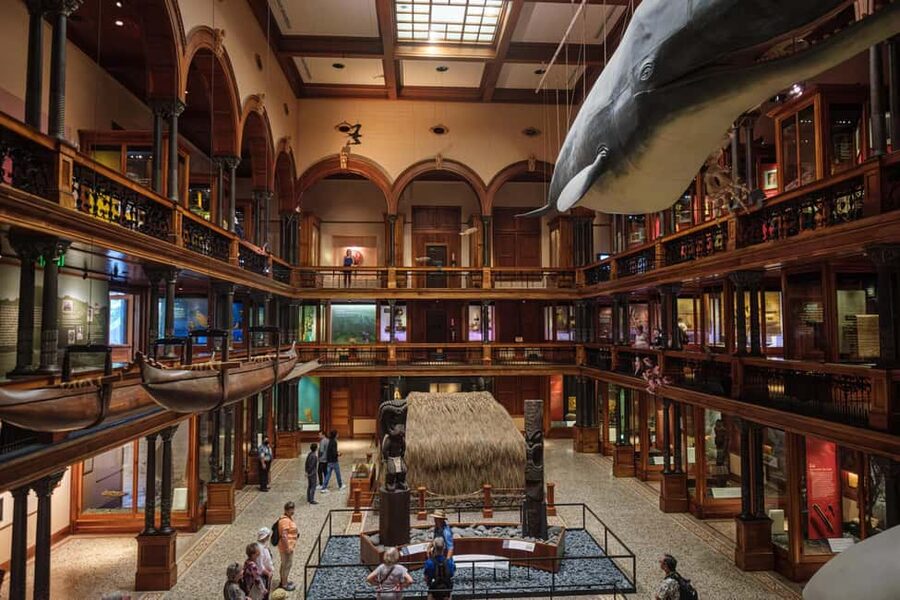
For most people, the Hawaiian and Pacific Hall Complex is the best place to begin. It provides the cultural foundation for everything else you see in the museum.
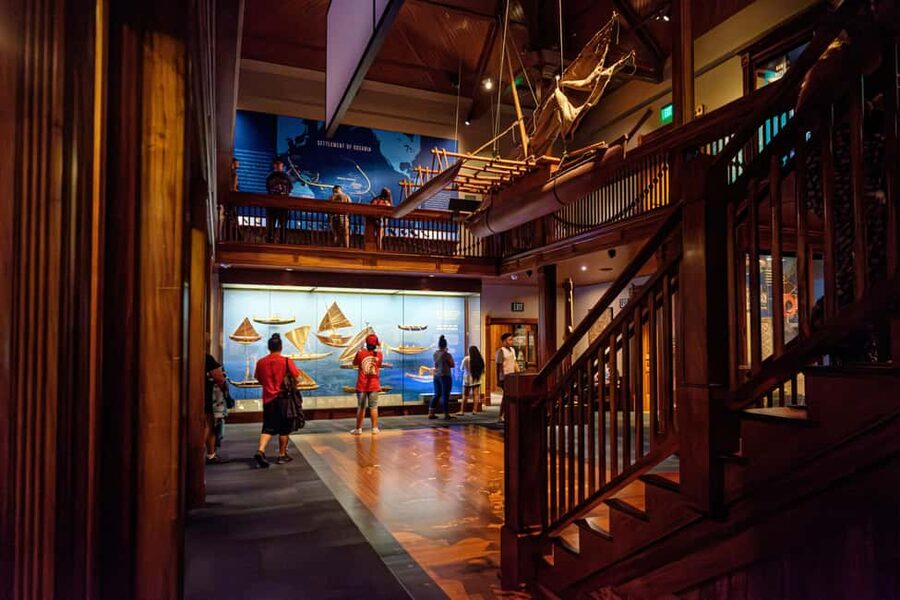
The displays include Hawaiian cultural objects and royal family heirlooms connected to Princess Bernice Pauahi Bishop and Hawaii’s royal family. The grand interior is part of the appeal. This is not a plain room of cases with labels competing for your attention. The architecture gives the collection a sense of importance and ceremony.
Take your time here. You can rush through a museum by reading every label only halfway, but Bishop Museum rewards a slower pace. Choose a few displays that catch your eye, then read enough to understand what the object means and how it fits into Hawaiian life.
The included public guided tours inside Hawaiian Hall can help you get oriented. They are offered at 10:00 AM and 11:00 AM, subject to docent availability. If you want the best chance of joining one, arrive early enough to enter before the morning schedule passes.
The guided tour is also useful if you are visiting with children or family members who might otherwise lose interest in a large museum. A docent can give the room a human rhythm, helping you connect individual objects with the larger story of Hawaii.
Do not treat the hall as something to check off in 20 minutes. The museum’s cultural collections are the main reason to come, and this section gives the visit its strongest sense of place.
See Hawaii through the wider Pacific
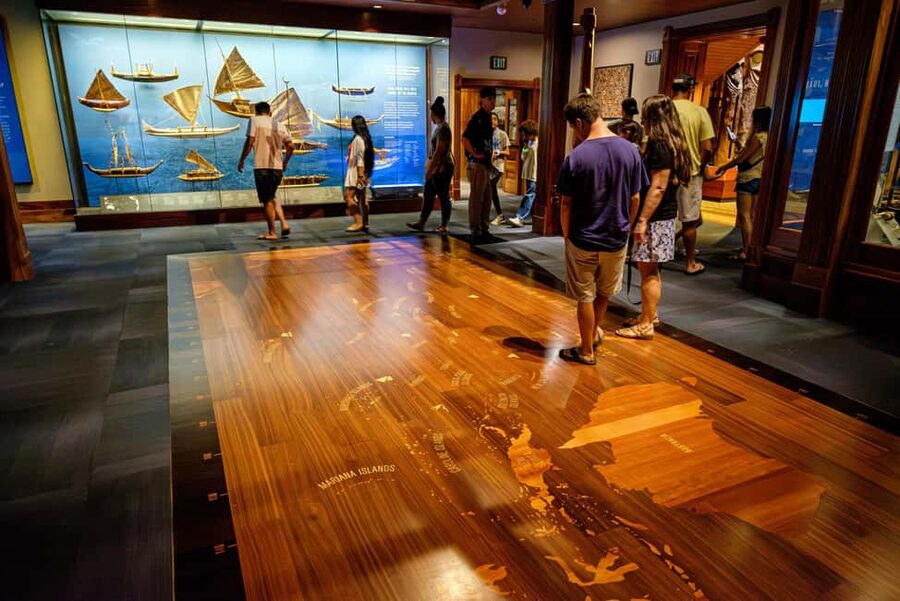
Bishop Museum does not present Hawaii as an isolated island story. The Pacific Hall collections place Hawaii within a wider network of island cultures and histories.
That broader view matters. Hawaii’s identity developed through its own traditions, but it also belongs to a much larger Pacific world. The museum’s holdings from other Pacific cultures help you see common themes, local differences, and the scale of ocean voyaging and island life.
The collection includes cultural objects, documents, and photographs from Hawaii and across the Pacific. Since the material ranges widely, you may find some displays more immediately engaging than others. Give yourself permission to focus on what speaks to you rather than trying to read every panel.
This is one of the strongest reasons to choose Bishop Museum over a quick heritage stop. You get both the close-up story of Hawaiian culture and a wider regional setting. For anyone who wants more than postcard images of Hawaii, that combination is valuable.
Make time for the Science and Adventure Center
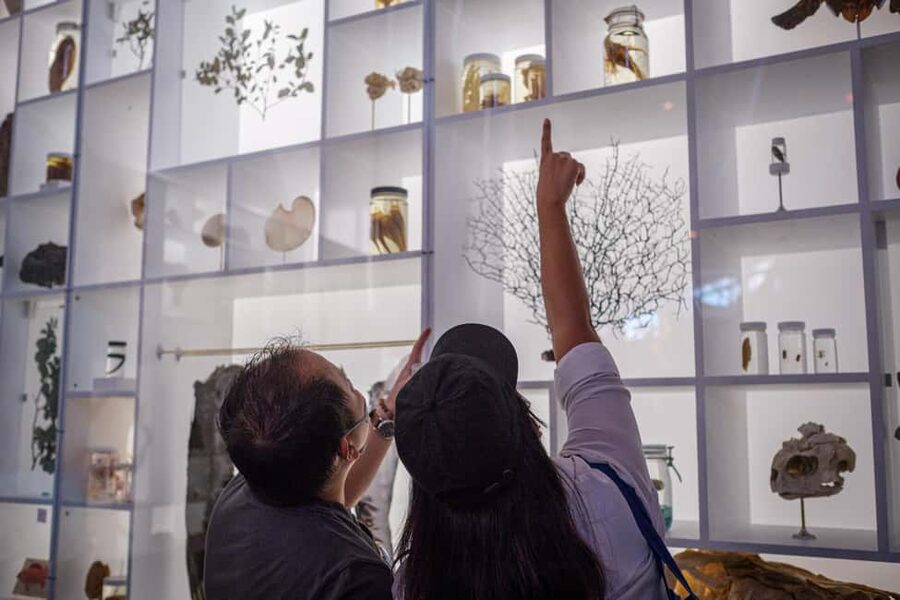
After the cultural halls, head to the Science and Adventure Center. The mood changes here. Instead of focusing mainly on cultural objects and history, the center explores Hawaii’s natural world and geology.
The lava pour demonstrations and geology shows are especially useful for making the islands’ volcanic nature easier to understand. Hawaii is often presented through beaches, palm trees, and ocean views. This center reminds you that the islands are also shaped by powerful geological forces.
A live or demonstration-based presentation can hold your attention in a way a static display sometimes cannot. It is a good change of pace after the formal Hawaiian and Pacific halls, particularly for families and anyone who prefers hands-on science.
The supplied details do not guarantee a specific show schedule, so check the museum’s current operating information when planning your day. The key point is to avoid treating the Science and Adventure Center as a quick add-on. Give it enough time for the demonstrations and geology programming.
The center also helps connect the museum’s cultural and natural sides. The island environment is not just background scenery. It has shaped settlement, daily life, resources, and the stories people tell about Hawaii.
Same city, a completely different collection:
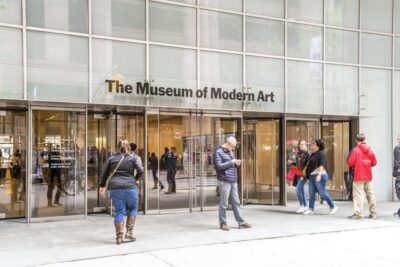
- NYC: Museum of Modern Art (MoMA) Entry Ticket
★ 4.6 · 12,540 reviews - 9/11 Memorial, Ground Zero Tour with Optional 9/11 Museum Ticket
★ 5.0 · 6,381 reviews - 9/11 Memorial Museum Admission Ticket
★ 4.5 · 6,376 reviews - All-Access 9/11: Ground Zero Tour, Memorial and Museum, One World Observatory
★ 5.0 · 4,886 reviews
Add the planetarium if space is available
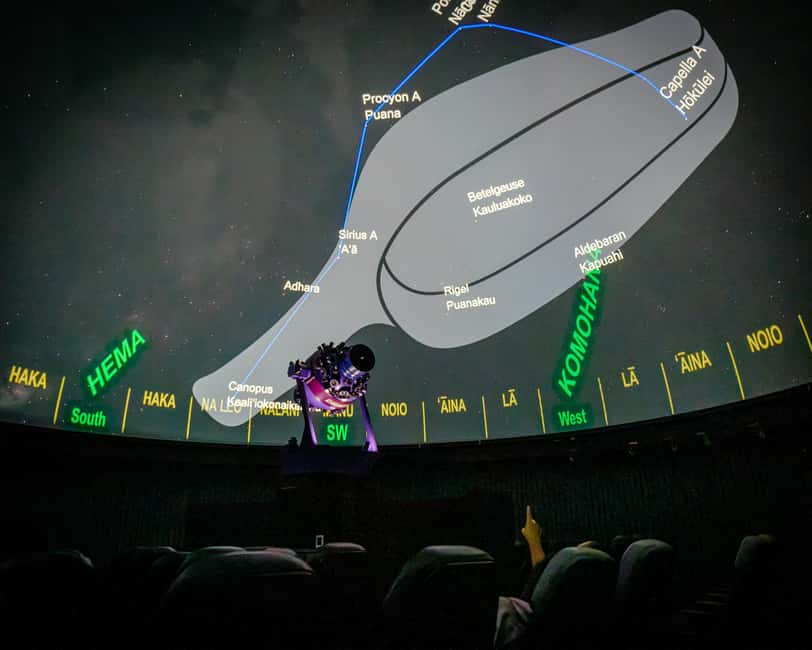
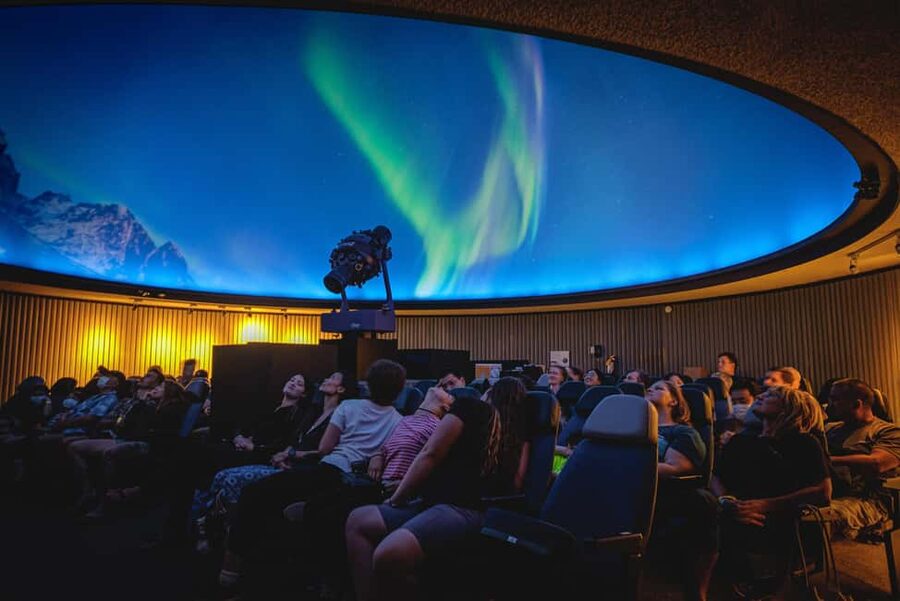
Admission includes access to the planetarium lobby, but planetarium shows cost an additional $3 per person. That is a modest supplement, though it changes the budget slightly if you are paying for a family.
The planetarium programming is described as an enriching part of the museum visit, and it can add another layer to your understanding of the Pacific and the night sky. Since the show schedule is not provided here, check times before you arrive or ask at the museum.
I would consider the planetarium if you already enjoy astronomy or want a seated program during a long museum visit. It is also a sensible extra if you have three or four hours available and want to round out the day with something different.
If your time is tight, prioritize Hawaiian and Pacific Hall and the Science and Adventure Center first. The planetarium is an optional addition, not a reason to skip the main exhibits.
Consider the temporary dinosaur exhibition
From May 24, 2025 through January 25, 2026, GetYourGuide customers can purchase admission to Expedition Dinosaurs: Into the Deep for a discounted $5 per person.
This special exhibition is separate from the standard admission, so do not assume it is included in the $38 ticket. The added cost is small, but the dates matter. If you are visiting outside that period, this particular offer does not apply.
A dinosaur exhibition can be a good choice for families or anyone who wants another science-focused section after the geology displays. Still, the main museum already offers enough material for a half day, so you do not need the special exhibit to justify your visit.
How much time should you allow?
The ticket is valid for one day from first activation, and the museum is open daily from 9:00 AM to 5:00 PM. Last admission is at 4:00 PM.
For a useful first visit, I would allow at least three hours. That gives you time for Hawaiian and Pacific Hall, the Science and Adventure Center, and a reasonable look at the other included areas.
A four-hour visit is more comfortable. It leaves room for the 10:00 AM or 11:00 AM Hawaiian Hall tour, a geology demonstration, stops to read labels, and perhaps a planetarium show.
You can spend more time if you enjoy museums and research displays. The one-day validity gives you breathing room, but most short Honolulu itineraries will probably treat Bishop Museum as a half-day stop rather than a full morning and afternoon commitment.
Wear comfortable shoes. There is a lot of walking, and the museum’s size makes footwear a practical concern rather than a minor suggestion.
What the $38 admission really covers
The $38 price includes admission to Bishop Museum and access to the Hawaiian and Pacific Hall, Science and Adventure Center, and planetarium lobby. It also includes the public guided tours inside Hawaiian Hall at 10:00 AM and 11:00 AM when a docent is available.
That is fair value if you plan to spend three or four hours inside. You are paying for access to both cultural and natural history collections, not just one small gallery. The scale of the museum makes the ticket more worthwhile for people who enjoy taking their time.
The value drops if you only have an hour or if you mainly want a single photo stop. In that case, the admission may feel high compared with the amount of the museum you can see.
Remember the extra costs:
- Parking is $15 per car for nonmembers.
- Museum members with a parking sticker park free.
- Planetarium shows cost $3 per person.
- The Expedition Dinosaurs: Into the Deep exhibition has a separate $5 charge during its stated run.
- Food and drinks are not allowed inside the exhibits.
The Bishop Museum Cafe by Highway Inn is to the right of the museum entrance doors. That gives you a place to eat before or after your visit, but plan around the exhibit rules rather than carrying snacks through the galleries.
Practical details that affect your visit
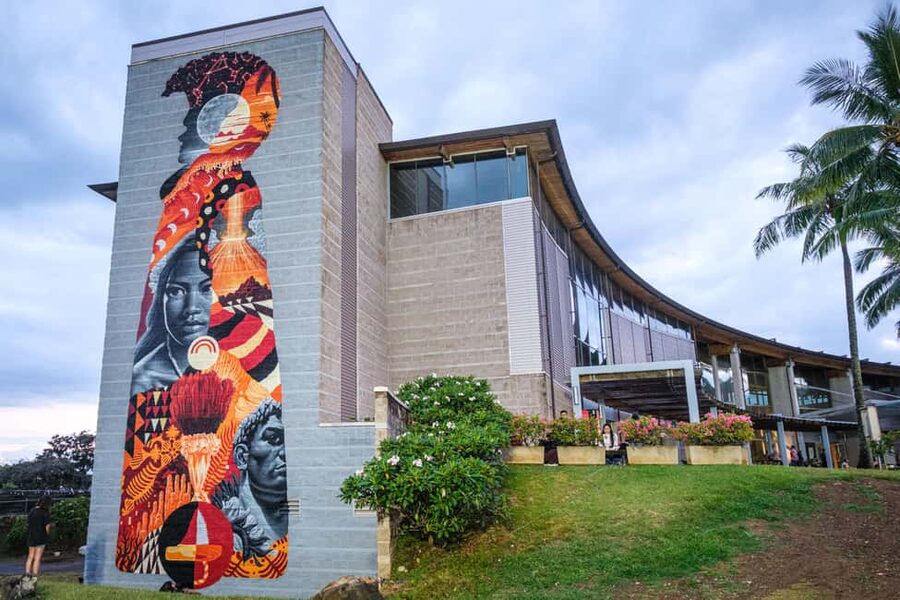
The museum is wheelchair accessible, which makes the large complex easier to plan for people with mobility needs. You should still allow extra time, since the collections cover substantial indoor space.
Photography is allowed, but flash photography is not permitted inside the museum. A phone or camera is fine for personal photos as long as you follow the no-flash rule.
Food and drinks are not allowed inside the museum exhibits. If you need a drink or meal, use the cafe near the entrance rather than expecting to snack while walking through the halls.
The museum closes on Thanksgiving, Christmas Eve, Christmas, and New Year’s Day. Operating information can change, and a severe weather closure has also been announced for Sunday, February 8 and Monday, February 9. Check the museum’s website before setting out, especially during unusual weather.
The ticket offers free cancellation up to 24 hours in advance, and you can reserve now and pay later. That is useful if your Honolulu schedule depends on weather or changing plans, but it does not remove the need to confirm opening conditions before you go.
Who will get the most from Bishop Museum?
I would recommend this visit to anyone who wants cultural context for a Hawaii trip. It suits adults, families, students, and museum fans who enjoy moving between history, art, science, and the natural world.
It is especially good for a rainy day or for a break from outdoor activities. You can spend several hours indoors without feeling that you have abandoned the character of Hawaii, since the collections are directly tied to the islands and the wider Pacific.
Families should appreciate the mix of royal history, science displays, lava demonstrations, geology shows, and optional dinosaur programming. The museum is not limited to quiet object viewing, although younger children may still need breaks during the more text-heavy sections.
You may want to skip it if your Honolulu schedule is extremely short and you prefer to spend every hour outdoors. The $38 admission makes most sense when you can give the museum at least three hours.
Should you book the Bishop Museum ticket?
Book it if you want to understand Hawaii through its culture, royal past, Pacific connections, and geology. The strongest plan is to arrive in the morning, try for the 10:00 AM or 11:00 AM Hawaiian Hall tour, then continue through the Science and Adventure Center.
The ticket is good value for a half-day visit, but budget for the $15 parking charge, the $3 planetarium show, and any special exhibition you choose. If you want a quick stop, the price may feel less attractive.
For most people with enough time, Bishop Museum is one of Honolulu’s most useful indoor cultural visits. It gives you far more than a collection of artifacts, and the combination of Hawaiian history, Pacific culture, native species, and geology makes the day varied without requiring a separate attraction for each subject.
FAQ
How long is the Bishop Museum ticket valid?
The admission ticket is valid for one day from first activation.
What are the museum’s opening hours?
Bishop Museum is open daily from 9:00 AM to 5:00 PM. Last admission is at 4:00 PM.
Is parking included with admission?
No. Parking costs $15 per car for nonmembers. Museum members with a parking sticker can park for free.
Are guided tours included?
Public guided tours inside Hawaiian Hall are included at 10:00 AM and 11:00 AM, subject to docent availability.
Do planetarium shows cost extra?
Yes. Planetarium shows cost an additional $3 per person. The standard ticket includes access to the planetarium lobby.
Can I take photographs inside the museum?
Yes. Photography is allowed, but flash photography is not permitted inside the museum.
Is Bishop Museum wheelchair accessible?
Yes. Bishop Museum is wheelchair accessible.
Just added around the USA
- Museum of Ice Cream Austin★ 3.5 · 85 reviews
- Admission to Richard Nixon Presidential Library and Museum Ticket★ 5.0 · 123 reviews
- The Turquoise Museum Curator’s Tour★ 5.0 · 12 reviews
- Turquoise Museum Visit★ 4.5 · 194 reviews
- Orlando: Titanic Artifact Exhibition Ticket★ 4.5 · 246 reviews
- The St. Augustine Old Jail Museum Guided Tour★ 4.6 · 68 reviews
- San Diego: San Diego Natural History Museum Ticket★ 4.7 · 33 reviews
- The Museum of Fine Arts, Houston Entry Ticket★ 4.6 · 82 reviews
Museum Tours in the USA, compared.

9/11 Memorial, Ground Zero Tour with Optional 9/11 Museum Ticket
Read our review →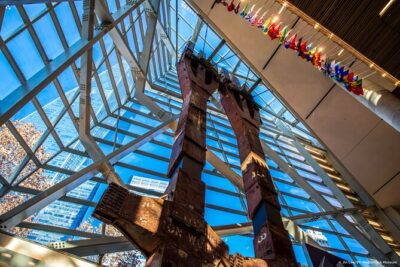

All-Access 9/11: Ground Zero Tour, Memorial and Museum, One World Observatory
Read our review →

Browse the lists this tour appears in