
Review · THE USA
Great American Ball Park Tour with Reds HOF & Museum Entry
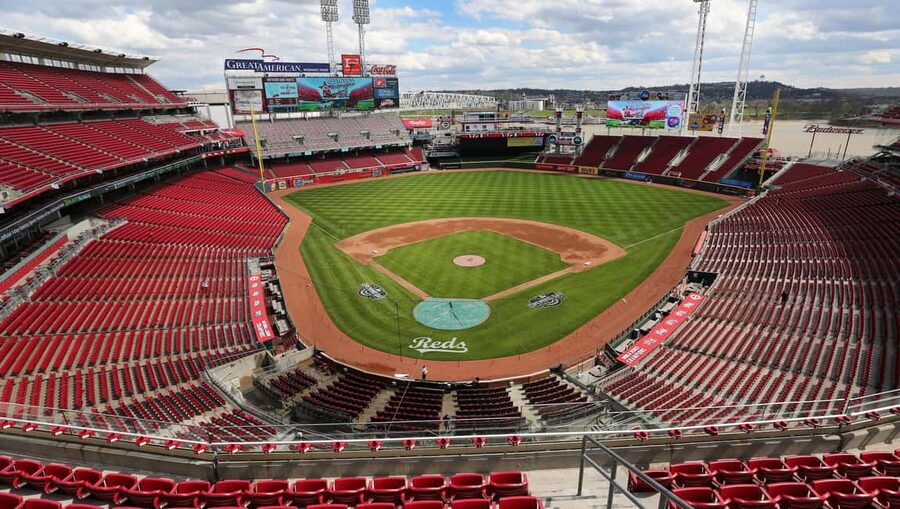
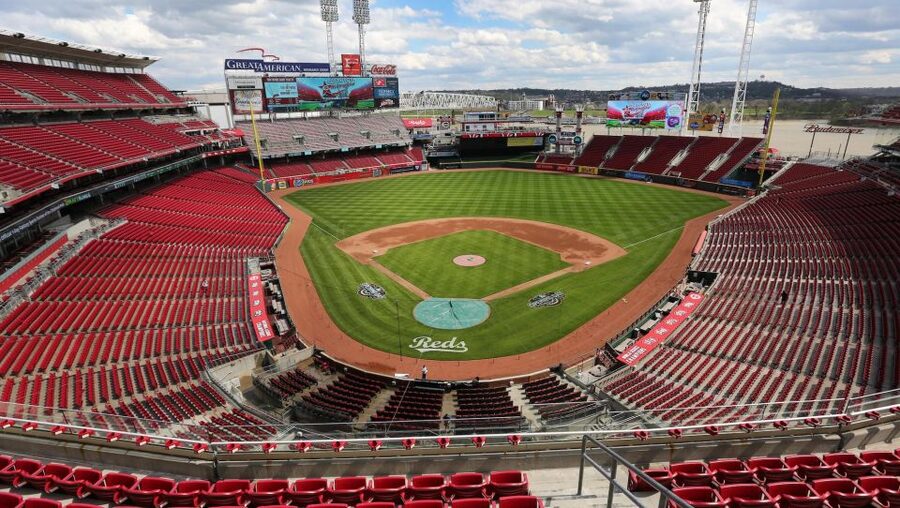
Seeing a major-league ballpark from the warning track and dugouts is the main draw here. At Great American Ball Park, you move beyond the regular fan experience and get onto the field, into premium seating areas, and through parts of the stadium most people only glimpse on game day.
I like the small groups, limited to 10 people, and the access to the Reds Hall of Fame and Museum on the same day. I also like the guides’ personal style. Brad, Craig, Dave, Dan, Jim, and others have been praised for their stories, humor, and patience with questions. The main consideration is that this is a walking tour of roughly three-quarters of a mile, and some areas can close for weddings, games, or other events.
Key points to know
- Walk on the actual field: The tour can include the field, warning track, and both dugouts, subject to stadium operations.
- See more than the seats: You may visit the Crosley Terrace, Handlebar, Bally Sports Club, Scouts Club, premium seats, media areas, and other stadium spaces.
- Museum entry is included: Your same-day admission covers 16,000 square feet of Reds history and more than 150 artifacts.
- Small groups make questions easy: The group limit is 10, a useful size for hearing the guide and stopping for photos.
- Guides add personality: Brad, Craig, Dave, Dan, and Jim have each been praised for clear explanations, humor, and strong knowledge of the ballpark.
- Plan for changing access: The route can shift without notice, especially when a wedding, non-MLB game, or other event is using the stadium.
Starting at the Reds Hall of Fame lobby
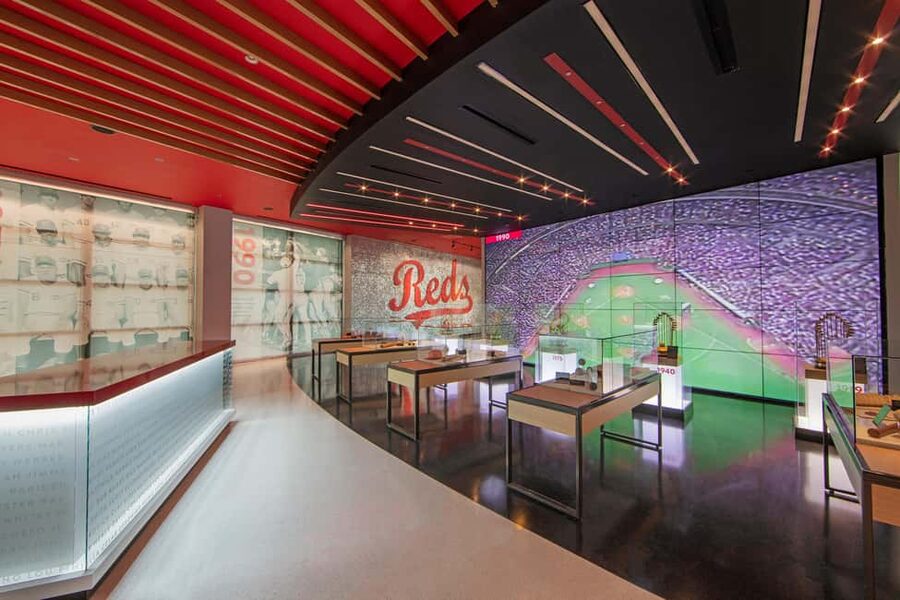
You check in at the box office in the lobby of the Cincinnati Reds Hall of Fame and Museum. The museum sits on the west side of Great American Ball Park, facing The Banks entertainment complex along the Ohio River in downtown Cincinnati.
That location makes the tour easy to pair with other time in the area, but give yourself enough time to find the correct entrance. You are not meeting at a random stadium gate. The starting point is specifically inside the museum lobby.
The group limit is 10 people, which matters in a stadium tour. A guide can speak to everyone without needing to shout across a crowd, and you have a better chance to ask about odd corners of the ballpark or the team’s past. The tour is conducted in English.
The listed duration is 85 minutes. That is enough time for a good look around, but not enough for a slow visit to every public room and every museum display. Wear comfortable shoes and bring water, especially in warm weather. One particularly hot-day outing left a visitor wishing bottled water had been supplied, and no water inclusion is listed.
A few more museum visits around the USA worth comparing
- NYC: 9/11 Memorial & Museum Timed-Entry Ticket
★ 4.8 · 31,428 reviews - NYC: Empire State Building Tickets – Observatory & Museum
★ 4.7 · 25,757 reviews - New York City: American Museum of Natural History Ticket
★ 4.5 · 15,447 reviews
Walking through Great American Ball Park

The tour begins as a walking circuit through the stadium. The point is not simply to admire the seating bowl. You get a sense of how the building works for different types of fans, from ordinary seating areas to club spaces and premium restaurants.
The route can include Crosley Terrace, a named area that connects the ballpark with the surrounding downtown setting. You may also visit the Handlebar, Bally Sports Club, and the Scouts Club presented by Belterra Park. These areas show how a modern ballpark is organized around more than nine innings of baseball.
Several people have especially enjoyed seeing premium seats and the stadium’s club areas. This is useful if you are considering a future Reds game and want to understand what the different spaces offer. The tour is not a sales pitch, but it gives you a practical look at the places you might otherwise pass without knowing what lies inside.
You can also see sections of regular fan seating and media areas. That mix gives the tour a broader feel. You are not looking at the ballpark from one carefully chosen viewpoint. You are comparing how the venue feels from different parts of the building.
The field, warning track, and dugouts
The strongest part of the route is the field-level access. You may walk along the warning track and visit both the visitor and home dugouts. The chance to stand on the actual field is what makes this different from simply buying a museum ticket or attending a game from the stands.
The dugouts are especially effective for children and baseball fans. Sitting where players sit, looking out toward the field, and seeing the game from that low position gives you a more physical sense of the sport. It is a small moment, but it turns an abstract stadium tour into something you can picture and remember.
Access is not guaranteed at every departure. The route and locations can change without notice. During one tour, a wedding closed several club areas and prevented access to the Reds dugout and warning track. On another occasion, an upcoming non-MLB game limited the time in the dugouts.
That is worth understanding before you book. The tour promises behind-the-scenes access, not a fixed list of rooms under every circumstance. Stadiums are working venues, and event schedules can take priority. If walking on the field is your single reason for coming, accept that conditions may alter the route.
Guides who turn a walk into a story
The guide has a large effect on the experience. A silent walk through a stadium would be pleasant but limited. The best guides add context, explain how spaces are used, and answer questions without rushing you.
Brad has been singled out for detailed information, baseball facts, and a good sense of humor. Craig has been praised for explaining both the ballpark and the small details people usually walk past. Dave, Dan, and Jim have also received strong marks for friendly, clear presentations.
You should expect the guide to talk about the stadium and the Reds rather than deliver a formal lecture at every stop. The tone can be conversational. That suits this setting, since you are moving, looking, and asking questions at the same time.
The guide’s personality also helps families. One account described a guide patiently interacting with young children before the tour. If you are bringing a child who asks a steady stream of questions, the small group and informal approach should help.
Same city, a completely different collection:
- NYC: Museum of Modern Art (MoMA) Entry Ticket
★ 4.6 · 12,540 reviews - 9/11 Memorial, Ground Zero Tour with Optional 9/11 Museum Ticket
★ 5.0 · 6,381 reviews - 9/11 Memorial Museum Admission Ticket
★ 4.5 · 6,376 reviews - All-Access 9/11: Ground Zero Tour, Memorial and Museum, One World Observatory
★ 5.0 · 4,886 reviews
The Reds Hall of Fame and Museum
After the stadium walk, you can continue into the Reds Hall of Fame and Museum with same-day access. This part adds team context to the physical tour. First you see where baseball is played, then you explore the people, moments, and objects connected with the Reds.
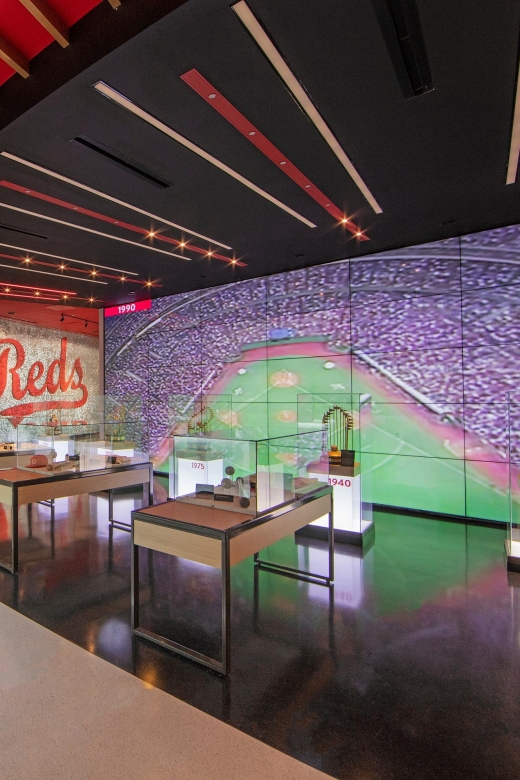
The museum covers 16,000 square feet and displays more than 150 artifacts. You will find photographs, multimedia exhibits, and objects reaching back to the team’s beginnings in the 1800s. That time span gives the museum a larger purpose than a collection of modern jerseys and signed balls.
The bronze statues of the Great Eight from the Big Red Machine are among the key sights. They offer a strong visual reminder of the Reds’ most celebrated period, and they give younger fans a way to connect names and faces with the team’s story.
The George and Kim Vincent Baseball Archive provides another angle. It is aimed at preserving baseball material and team records, while the Williams Family Champions Gallery focuses on the club’s winning tradition. Together, these spaces make the museum useful even if you are more interested in baseball culture than in following every Reds season.
The museum is not an afterthought. It is a substantial part of the experience, and several guides and visitors have rated it as highly as the stadium portion. If you only have time for one part, the field access is the emotional highlight, but the museum supplies the background that makes the ballpark visit mean more.
What the $30 price includes
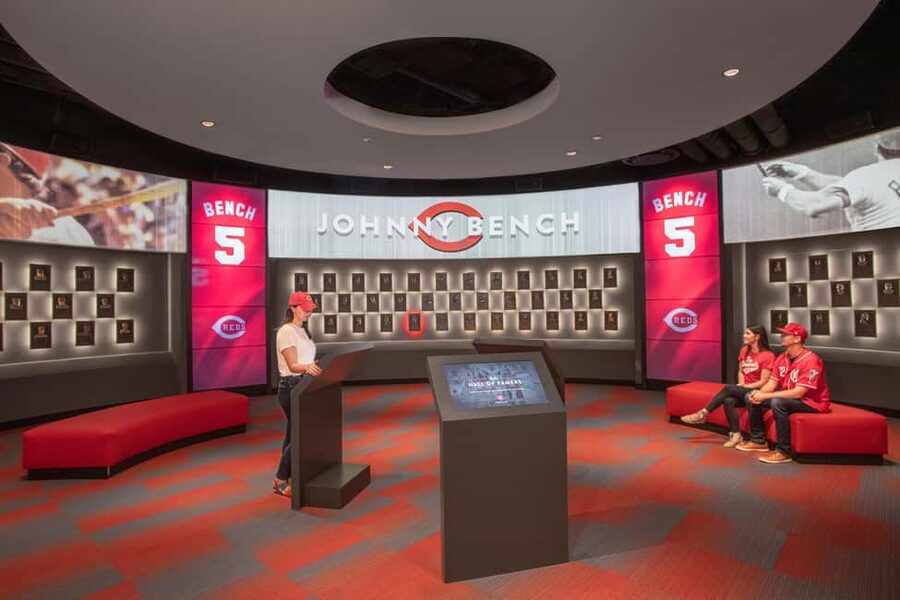
At $30 per person, the value is solid if you care about baseball, stadium design, or Cincinnati sports history. You receive a guided behind-the-scenes walk, access to areas outside the normal fan routine, and same-day entry to a 16,000-square-foot museum.
A standard museum visit would not give you the same field-level access. A game ticket, meanwhile, gives you the excitement of live baseball but does not normally let you explore the dugouts, media spaces, club areas, and other parts of the venue at your own pace.
The price makes less sense if you want only a quick look at the field or if you dislike walking tours. The route covers about three-quarters of a mile, and the experience lasts 85 minutes. You are paying for access and explanation, not a brief photo stop.
The souvenir shop is available, but prices were described as high. Treat it as an optional extra rather than part of the tour’s value. The included museum and guided stadium access are the main reasons to book.
Timing, weather, and access

Because part of the route is outdoors, the weather matters. You are walking through an active ballpark and may be exposed to the elements along the warning track or other open areas. On hot days, bring water and dress for the conditions.
The walking requirement is moderate, but it is still a walking tour. Wheelchair and stroller access is available, and the Reds Hall of Fame provides complimentary wheelchairs for people who may have trouble walking. If you need a wheelchair, confirm the practical details when booking so the staff can assist you smoothly.
The route can also be affected by stadium activity. Weddings, games, and other events may close certain rooms or shorten time in the dugouts. That is not a flaw unique to this tour. It is the tradeoff for touring a live sports venue rather than a building used only as a museum.
Free cancellation is available up to 24 hours before the tour for a full refund. You can also reserve now and pay later, which helps if your Cincinnati plans are still shifting.
Who will enjoy this most
This is a natural fit for Reds fans, baseball families, and anyone who enjoys seeing how a major sports venue operates. Children often get the biggest thrill from the dugouts and field access, while adults may prefer the premium areas, media spaces, and team exhibits.
You do not need to be a lifelong Reds supporter. The tour’s value also comes from architecture, sports culture, and the chance to see a downtown Cincinnati landmark from unusual angles. The museum helps if you know little about the team, since the exhibits provide the names and events behind the ballpark’s identity.
I would be more cautious if you have a tight schedule or are driving a long distance solely for guaranteed field access. The route may change, and one scheduled tour had several areas closed because of a wedding. If that possibility would ruin the day, choose a time with fewer known stadium events if possible, though the supplied information does not promise any particular departure will have full access.
Practical tips for a better visit
Arrive at the Reds Hall of Fame and Museum lobby with time to check in. The meeting point is inside the museum, not simply somewhere outside the ballpark.
Wear supportive shoes. The route is about three-quarters of a mile, and you may spend time standing in the dugouts, on the field, and in different seating areas.
Bring water and prepare for sun or changing weather. No bottled water is included, and part of the tour is exposed to the elements.
Keep your expectations flexible. The listed areas include the warning track, both dugouts, Crosley Terrace, the Handlebar, Bally Sports Club, and the Scouts Club, but stadium operations can change the route.
Save time for the museum after the guided walk. Same-day access means you do not have to rush through the artifacts while the group is moving. The museum has enough material to reward a slower look.
Should you book the Great American Ball Park tour?
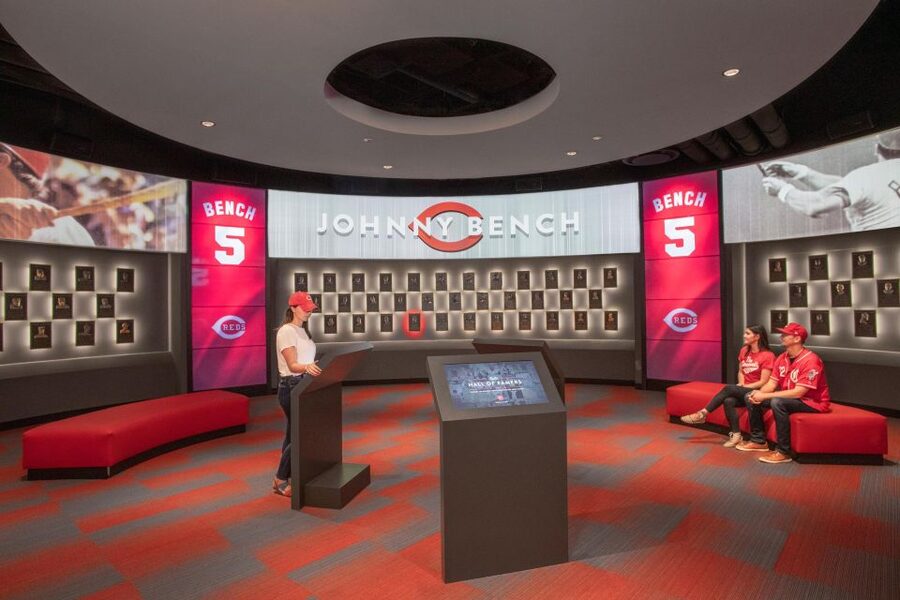
I would book it for the combination of field access and museum entry. For $30, you get more than a guided look at the seats. You get a close view of the dugouts, a walk near the field, access to selected club and media areas, and a substantial museum devoted to the Reds.
The best reason to book is the small-group format and the guides. Brad, Craig, Dave, Dan, and Jim have all been praised for adding facts and humor without turning the tour into a dry history lesson.
The main warning is simple: no stadium tour can promise every room on every day. If you accept the possibility of a changed route, this is a well-priced Cincinnati activity with genuine behind-the-scenes access. If you want a guaranteed locker-room visit or a fixed list of club areas, this may disappoint. For most baseball fans and curious first-time visitors, the field, dugouts, and museum make it a worthwhile choice.
FAQ
Where does the Great American Ball Park tour begin?
Check in at the box office in the lobby of the Cincinnati Reds Hall of Fame and Museum. The museum is on the west side of Great American Ball Park, facing The Banks entertainment complex along the Ohio River in downtown Cincinnati.
How long does the tour last?
The listed duration is 85 minutes. The experience includes the guided ballpark walk and same-day access to the Reds Hall of Fame and Museum.
What is included in the $30 price?
The price includes a guide, the behind-the-scenes Great American Ball Park tour, access to exclusive areas, and same-day entry to the Reds Hall of Fame and Museum.
Can I walk on the field and visit the dugouts?
The tour can include the field, warning track, visitor dugout, and home dugout. Access can change without notice because of stadium events, games, weddings, or other operations.
Is the tour wheelchair accessible?
Yes. The tour and museum are wheelchair accessible. The Reds Hall of Fame also provides complimentary wheelchairs for people who may have difficulty walking.
How far do you walk?
The tour is approximately three-quarters of a mile and is subject to the elements. Comfortable shoes and water are sensible choices.
Can I cancel the tour?
You can cancel up to 24 hours in advance for a full refund. Reserve now and pay later is also available.
Just added around the USA
- Museum of Ice Cream Austin★ 3.5 · 85 reviews
- Admission to Richard Nixon Presidential Library and Museum Ticket★ 5.0 · 123 reviews
- The Turquoise Museum Curator’s Tour★ 5.0 · 12 reviews
- Turquoise Museum Visit★ 4.5 · 194 reviews
- Orlando: Titanic Artifact Exhibition Ticket★ 4.5 · 246 reviews
- The St. Augustine Old Jail Museum Guided Tour★ 4.6 · 68 reviews
- San Diego: San Diego Natural History Museum Ticket★ 4.7 · 33 reviews
- The Museum of Fine Arts, Houston Entry Ticket★ 4.6 · 82 reviews
Museum Tours in the USA, compared.




9/11 Memorial, Ground Zero Tour with Optional 9/11 Museum Ticket
Read our review →

All-Access 9/11: Ground Zero Tour, Memorial and Museum, One World Observatory
Read our review →

Browse the lists this tour appears in