
Review · GERMANY
Dresden: Dresden Transport Museum Entrance Ticket
Dresden’s Transport Museum brings the story of getting from place to place into one handsome setting. Inside the Johanneum, you can move from steam locomotives and vintage cars to ship models and flying machines, then test parts of the collection through hands-on displays.
I like the freedom to explore at your own pace, and I like that the audio guide adds stories about the people and technology behind the objects. The main drawback is that no live guide is included, so you will need your own mobile device and some interest in reading, listening, and following the museum at your chosen speed.
Key things to know before you go
- Four transport worlds in one visit: See exhibits covering rail, shipping, road travel, and air travel.
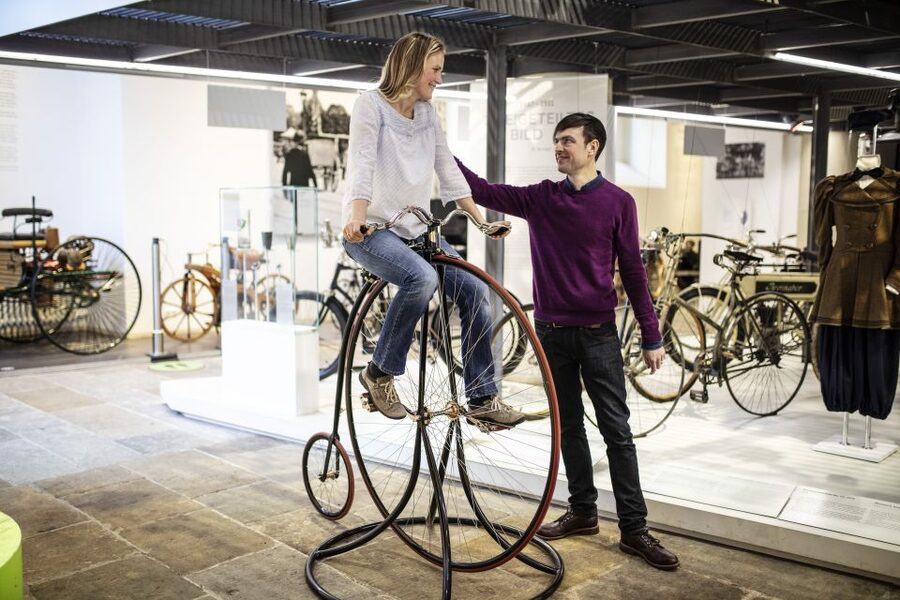
- Hands-on exhibits for all ages: Ride a penny-farthing, board a steam locomotive, and design a boat for a digital regatta.
- Audio stories on your phone: Use the free Wi-Fi to download the app in one of several available languages.
- A full-day ticket: Your admission is valid for one day, giving you time to explore without rushing.
- Central museum setting: The collection is housed in Dresden’s Johanneum building.
- Good value at $14: The price includes every exhibition, Wi-Fi, and the downloadable audio guide, but not food, parking, or transport.
Why Dresden’s Transport Museum is worth your time
The best reason to visit is the range. Many transport museums focus on one subject, usually trains or cars. This one lets you compare the machines that changed travel on land, water, and in the air.
That wide scope makes the museum useful for families, couples, and solo visitors with different interests. You might arrive for the locomotives and end up spending just as much time with ship models or aircraft. If your group cannot agree on one transport theme, this museum gives everyone a fair chance.
The collection mixes original vehicles, large models, and rare examples. That variety matters because not every object can be displayed at full size. A full vehicle gives you a sense of scale, while a detailed model can show how a ship, railway system, or other machine was designed.
The museum also avoids making you look at rows of objects without context. The audio guide is designed to explain the vehicles, the people connected with them, and the technology that shaped modern transport. I like that approach because a locomotive or car becomes more interesting when you understand what problem it was meant to solve.
The museum has a 4.6 rating based on 189 reviews, and the praise centers on the quality of the exhibitions. One verified booking described the displays as beautiful and expressed a wish to return. That matches the main strength of this visit: there is enough here to reward a second look, especially if you prefer to take your time.
A few more museum visits around Germany worth comparing
- Berlin: Jewish Museum Berlin Entrance Ticket
★ 4.5 · 8,393 reviews - Berlin: DDR Museum Tickets
★ 4.3 · 3,443 reviews - Berlin: Natural History Museum Entrance Ticket
★ 4.6 · 3,382 reviews
Starting in the Johanneum
Your visit begins at the Johanneum, where you must exchange your voucher at the ticket counter before entering. Build this short step into your arrival plan. A mobile voucher alone is not the final entrance process.
The building gives the museum a strong sense of place, but the real focus begins once you reach the galleries. Since the ticket is valid for one day, you do not need to race through the displays. You can give the larger vehicles the attention they deserve and pause at the interactive sections when they appeal to you.
There is no live guide included. Instead, free Wi-Fi lets you download the audio-guide app onto your own mobile device. Download it early in the visit, before you become absorbed in the first exhibition. You will also want your phone available for listening as you move through the galleries.
The guide is offered in several languages, though the available language list is not specified in the booking details. If language support matters to you, check the app or the museum information before committing to the visit.
Rail exhibits with real scale
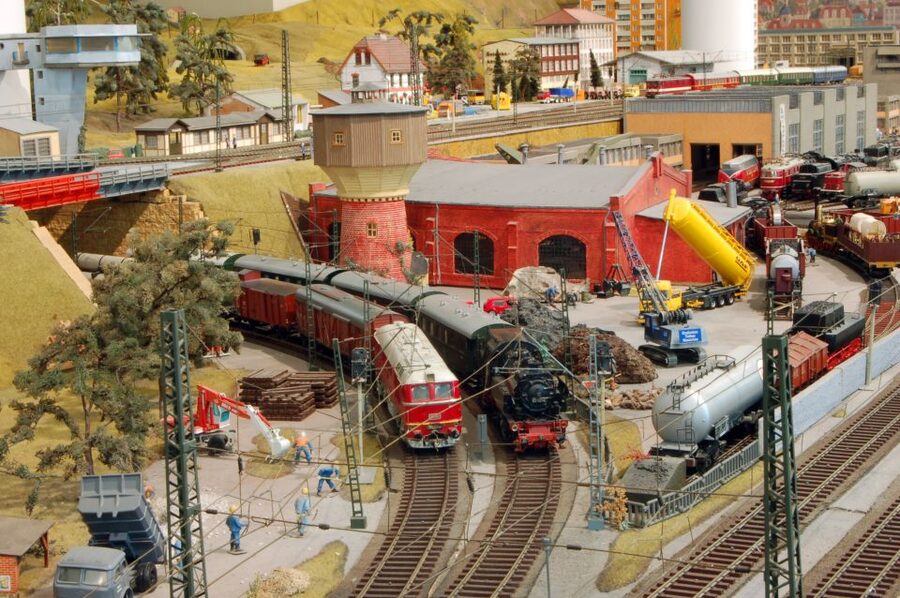
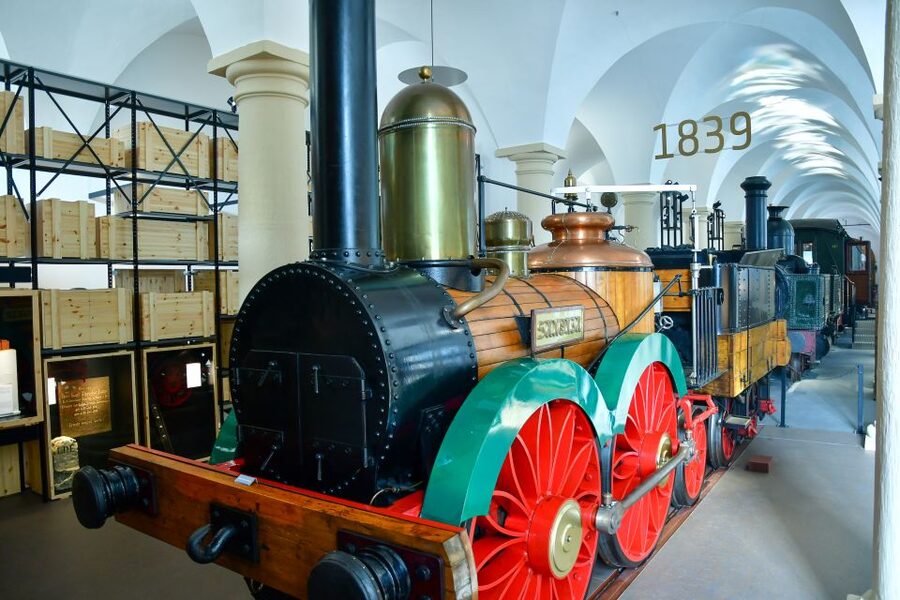
The railway section is likely to be a major draw, especially if you enjoy machinery. You can see once-powerful locomotives and board a steam locomotive, an experience that helps turn technical history into something physical.
Large engines are hard to understand from photographs alone. Their height, weight, and dense mechanical parts make more sense when you stand beside them. The museum’s original vehicles let you see how much engineering had to be packed into a working machine.
The audio guide can add useful background here. Listen for the stories about the people and technology connected with the exhibits rather than treating the app as a simple list of dates. That extra context helps you understand why certain machines mattered.
The railway displays should suit both adults who enjoy engineering and children who want to see something big. Still, do not assume every exhibit is interactive. The hands-on features are part of the wider museum, while some vehicles are best appreciated through close viewing and audio explanation.
Road travel, from bicycles to elegant cars
The road transport section adds a more personal side to the museum. Cars, bicycles, and other vehicles show how transport moved from shared systems and early experiments toward private travel.
One of the most memorable activities is the chance to ride a penny-farthing. This is more than a photo opportunity. The unusual design helps you understand how early bicycles balanced speed, height, and control in ways that modern bikes no longer require.
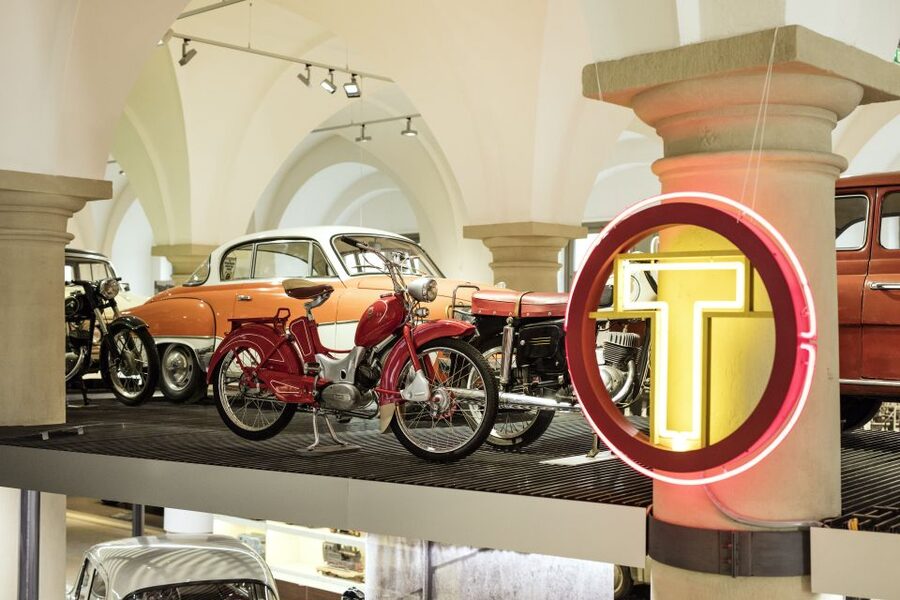
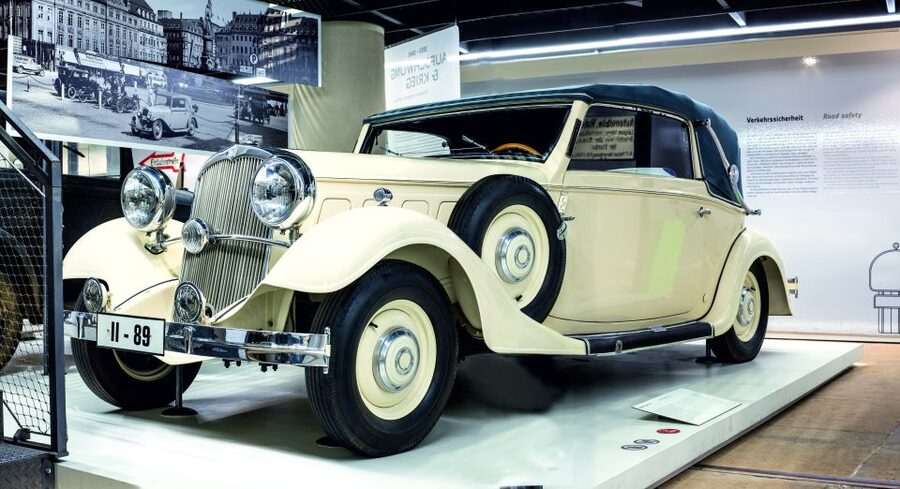
The display of elegant vintage cars provides a different kind of appeal. Their shapes and finishes may catch your eye first, but the audio guide can help connect them to changing technology and everyday life. I find that combination useful: the vehicles remain attractive objects, yet they also show how transport design changed over time.
This section should work well for a mixed-age group because it offers both visual appeal and an activity. If you are visiting with children, the penny-farthing gives them a clear task instead of asking them to stand quietly beside display cases. If you are visiting alone, you can spend longer with the vehicles that interest you without following a group schedule.
Same city, a completely different collection:
- Berlin: Neues Museum Entry Ticket
★ 4.6 · 3,261 reviews - Berlin: Museum Island Multiple Museum Entry Ticket
★ 4.4 · 2,861 reviews - Cologne: Chocolate Museum Entrance Ticket
★ 4.4 · 2,790 reviews - Dresden: Church of Our Lady Guided Tour of Gallery
★ 4.7 · 2,421 reviews
Ships, models, and the digital regatta
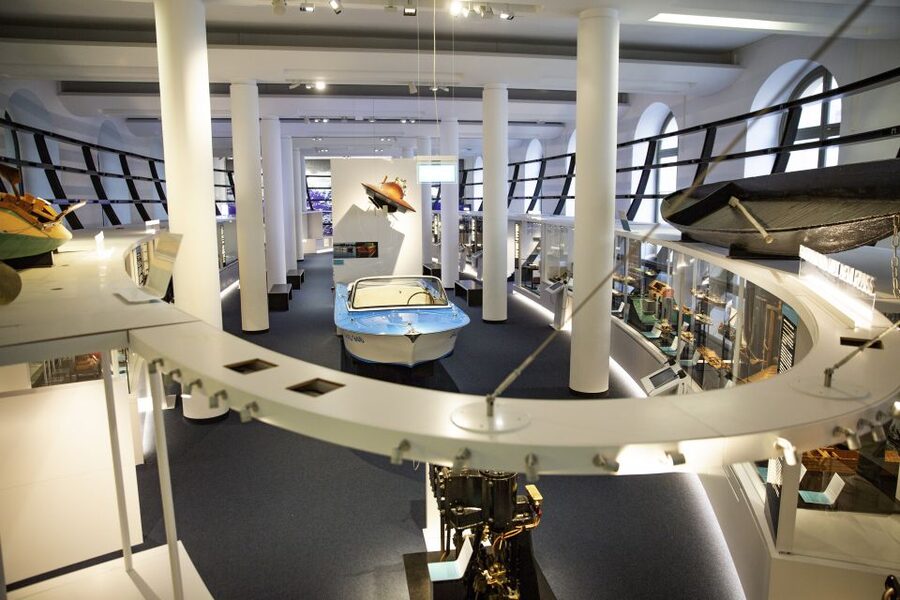
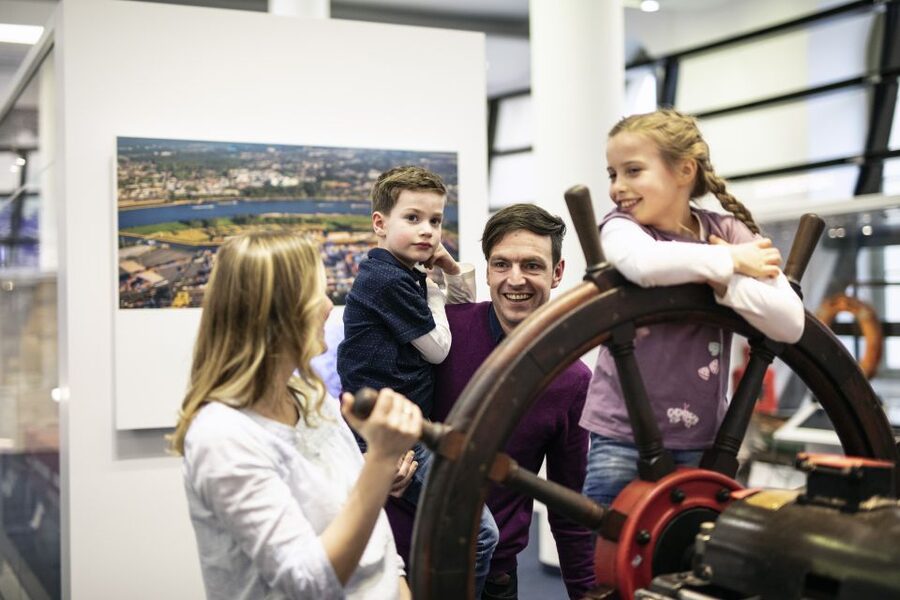
Shipping receives its own place in the museum, with stunning ship models and displays about travel on water. Models can be especially helpful here because they show details that would be impossible to take in from a full-size vessel.
Look closely at the construction and arrangement of the models, then use the audio guide to connect what you see with the people and technology behind it. The information provided does not promise a particular list of ships, so you should expect a broad look at water transport rather than a narrowly focused maritime collection.
The most playful feature in this section is the chance to design your own boat and enter it in a digital regatta. This gives you a simple way to test ideas rather than just observe finished machines.
I like this kind of exhibit because it explains design through action. You make choices, see how the boat performs, and gain a basic feel for the relationship between shape and movement. It also gives younger visitors a clear reason to spend time in the shipping area.
Flying machines and the challenge of air travel
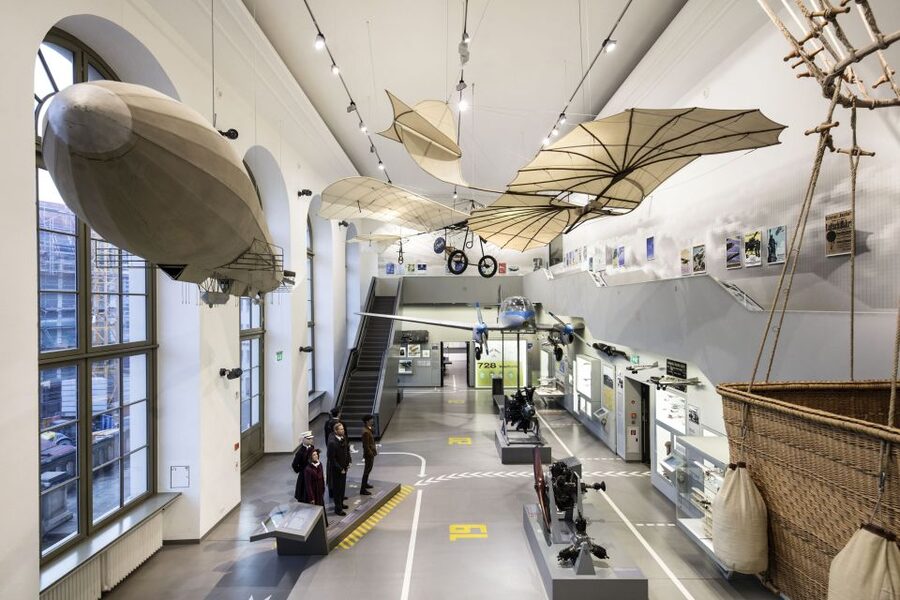
The aviation section completes the museum’s look at the main forms of transport. Adventurous flying machines show how people approached the difficult task of leaving the ground and controlling movement through the air.
Aircraft can be difficult to display in a crowded museum because their size and shape demand space. The museum uses both vehicles and models, allowing you to see the subject at different scales. A model may reveal structure and form more clearly, while a larger aircraft gives you a stronger impression of the machine itself.
The available information does not specify a flight simulator or a particular aircraft you can enter, so keep your expectations focused on viewing, listening, and learning. The museum’s interactive features are found across the wider collection, but not every display is designed as a ride or game.
For many people, this section will be a natural finish because it brings the collection from rail and road to the sky. The audio guide is useful here, since the development of flying machines makes more sense when you hear the human stories alongside the technical details.
How to use the audio guide well
The audio guide is included, but it is not a separate device handed to you. You download the app on your own phone using the museum’s free Wi-Fi.
Bring your phone charged and ready. The supplied details do not mention loaner headphones, so you may prefer to carry your own pair if you want to listen without disturbing other people. That is a practical precaution rather than a stated museum rule.
You do not have to listen to every entry. I would use the app selectively, starting with vehicles that catch your attention. Choose a few objects in each transport section and listen for the human story, the design problem, and the technology involved.
The app is also useful when an object looks familiar. A vintage car or ship model may seem self-explanatory, but the audio can show why it belongs in the museum and how it fits into the larger story of transport.
Because the visit is self-guided, you control the balance between audio, reading, and simply looking. Families may prefer to choose only short sections, while enthusiasts can spend much longer with the technical material.
Is the $14 price good value?
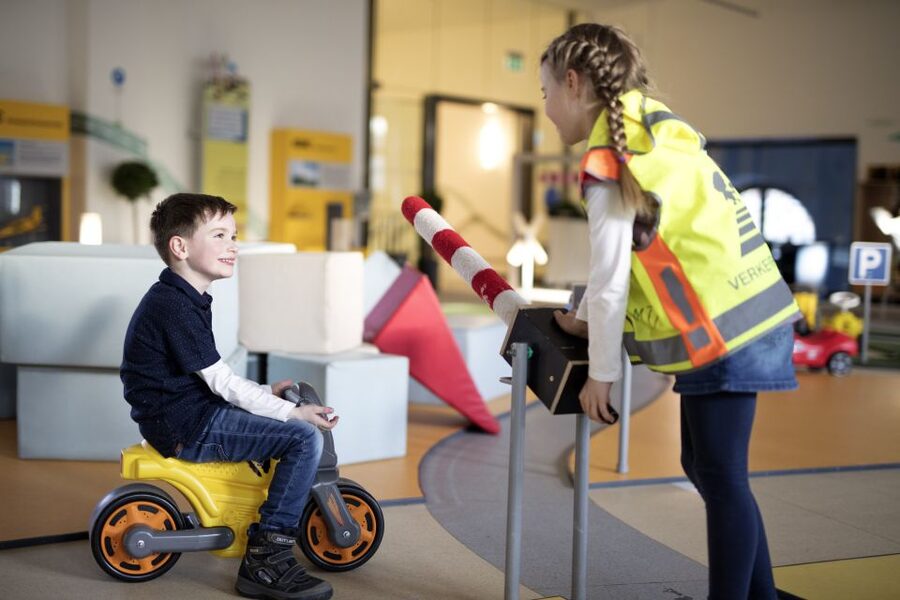
At $14 per person, the ticket is fairly priced for a full-day museum visit. Admission covers all exhibitions, not just one themed area, and the audio-guide app and Wi-Fi are included.
The value improves if you plan to stay for several hours. The collection covers four major transport areas, with original objects, models, rare vehicles, and interactive displays. You are not paying for a short timed activity that ends after a single highlight.
The ticket is less of a bargain if you only want to see one specific vehicle and plan to leave quickly. The museum works best when you give its range a chance. Since the ticket is valid for one day, you can take breaks and return to sections that deserve more time, subject to the museum’s opening arrangements.
Remember to budget separately for food and drinks, transport to and from the museum, and parking. None of those costs are included. The booking details also do not include a live tour guide, so the audio app is the main source of guided information.
Who will enjoy this museum most?
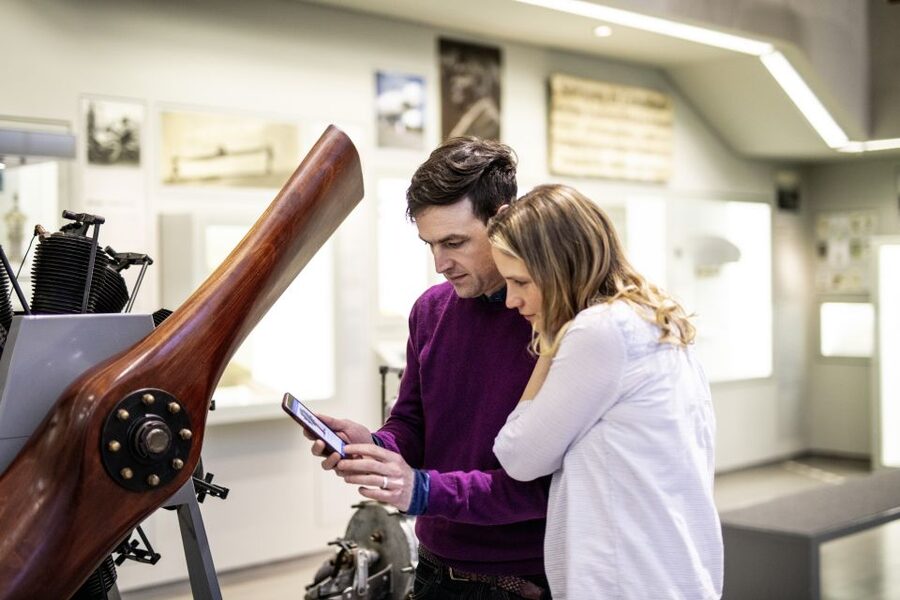
I would recommend this visit to anyone who enjoys machines, design, engineering, or the story of everyday travel. It is particularly useful for families because the penny-farthing, steam locomotive, and digital boat race give children something active to do.
It also suits adults who prefer a museum with plenty of variety. You can focus on railways, cars, ships, or aircraft without being confined to one subject. If you have a mixed group, that flexibility may prevent the usual museum problem where one person is ready to leave while another has only reached the first gallery.
The museum may be less satisfying if you want a live expert to lead you through a fixed route. You will need to exchange your voucher, download the app, and choose your own order. That independence is a benefit for some people and extra work for others.
The museum is wheelchair accessible, which makes it a practical choice for visitors who need accessible facilities. The supplied information does not give further details about lifts, rest areas, or gallery-specific access, so contact the museum directly if you need those details before booking.
Simple planning advice for your visit
Check available starting times before you book. Although the ticket is valid for one day, the booking system still asks you to check availability.
Allow enough time for the app download at the beginning. Free Wi-Fi is provided, but you should not assume that downloading and setting up the guide will take no time.
Exchange your voucher at the ticket counter before entering. Keep the process simple by having the voucher ready when you arrive.
If you are coming by car, remember that parking fees are not included. Transportation to and from the museum is also your responsibility.
The ticket offers free cancellation up to 24 hours in advance for a full refund, and you can reserve now and pay later. Those terms help if your Dresden plans are still shifting, but check the final booking conditions at the time you reserve.
Should you book the Dresden Transport Museum?
Book it if you want a flexible, self-guided museum with more than one subject. The combination of locomotives, cars, ships, aircraft, original objects, models, and hands-on displays gives you enough range to justify the $14 price.
I would especially choose it for a family day, a rainy-weather plan, or a mixed group with different interests. The audio guide adds useful context, while the activities keep the visit from feeling like a long walk past silent display cases.
Skip it only if you strongly prefer a live guide or have little interest in transport. For everyone else, the full-day ticket and broad collection make this one of Dresden’s more adaptable museum visits.
FAQ
Where is the Dresden Transport Museum located?
The museum is located in the Johanneum building in Dresden, Germany.
How much does admission cost?
The listed price is $14 per person.
How long is the ticket valid?
The ticket is valid for one day.
What does the entrance ticket include?
It includes entrance to all exhibitions, the downloadable audio-guide app, and free Wi-Fi.
Is a live tour guide included?
No. A tour guide is not included. The visit is supported by a downloadable audio-guide app.
How do I get the audio guide?
Use the museum’s free Wi-Fi to download the audio-guide app onto your own mobile device.
What languages are available for the audio guide?
The audio guide is available in several languages, but the specific language list is not provided in the booking details.
Do I need to exchange my voucher?
Yes. You must exchange your voucher at the ticket counter before entering the museum.
Is the museum wheelchair accessible?
Yes, the activity is listed as wheelchair accessible.
Can I cancel my booking?
Yes. You can cancel up to 24 hours in advance for a full refund. The booking also offers a reserve-now, pay-later option.
Just added around Germany
- Stuttgart: Stuttgart Wine Museum Wine Tasting★ 4.7 · 55 reviews
- Stuttgart: Museum of Illusions Entry Ticket★ 4.2 · 507 reviews
- Stein: Public guided tour of the “Old Mine” museum★ 4.5 · 18 reviews
- Speyer: Technik Museum Speyer Ticket with an IMAX Dome Film★ 4.7 · 360 reviews
- Berlin: Bode Museum Ticket★ 4.5 · 214 reviews
- Munich: WOW Museum – Room for Illusions Ticket★ 3.5 · 14 reviews
- Munich Private Walking Tour with BMW Museum & Welt Entry★ 4.2 · 19 reviews
- Munich: Residenz Palace, Museum and Treasury Private Tour★ 4.9 · 15 reviews
Museum Tours in Germany, compared.







Dresden: Church of Our Lady Guided Tour of Gallery
Read our review →
Skip-the-Line: Berlin Wall Museum at Checkpoint Charlie
Read our review →Browse the lists this tour appears in