
Review · GERMANY
Deutsches Museum Nürnberg – das Zukunftsmuseum
The most interesting thing here is the museum’s focus on what comes next, not only what came before. At the Deutsches Museum Nürnberg, you can test ideas about artificial intelligence, smart cities, personalized medicine, climate action, and space travel, then think about how those changes may affect your own daily life.
I like the first-floor AI section, which gives the museum a clear modern edge, and I like the Body and Mind displays, where medical progress comes with hard questions about privacy, enhancement, and human limits. The main consideration is time: the museum is priced like a quick stop at $7, but the amount of material can easily fill much of a day.
Key points to know before you go
- AI takes center stage in Work and Daily Life, with technology linked to jobs, routines, and productivity.
- Body and Mind connects biology with healthcare, including personalized medicine and neuro-enhancement.
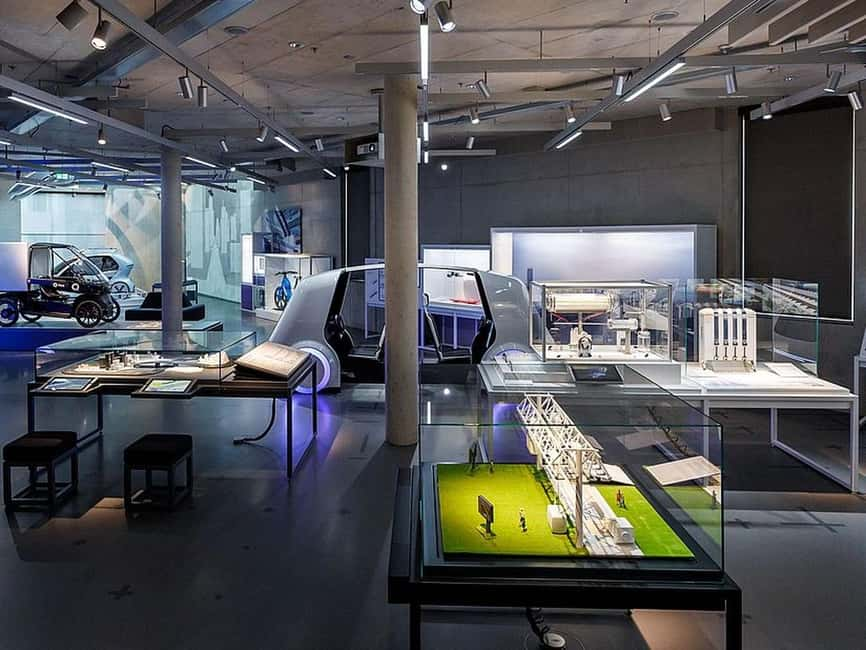
- Urban Systems looks at smart cities, congestion, sustainability, and the choices behind urban planning.
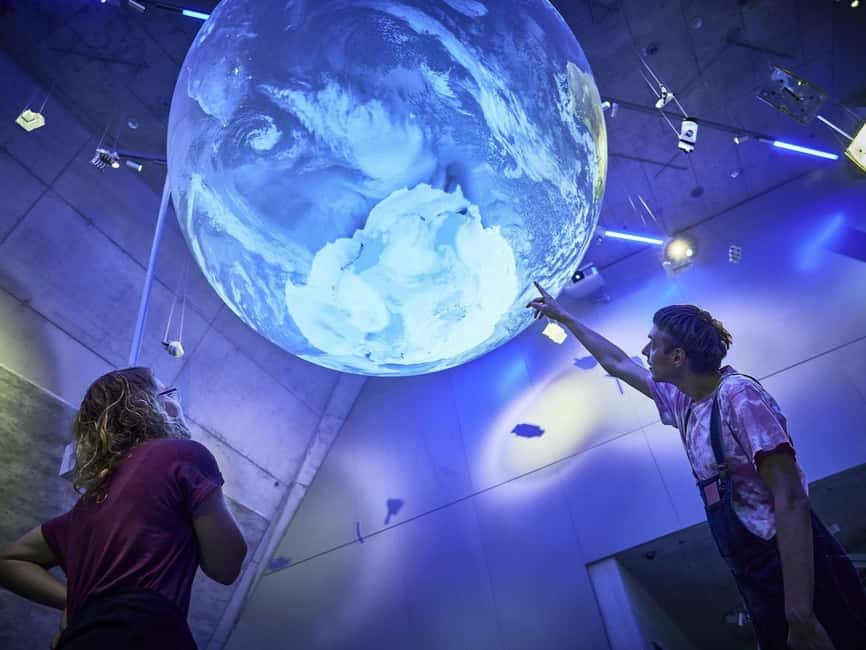
- Earth Systems links technology with climate and biodiversity, rather than treating the environment as a separate topic.
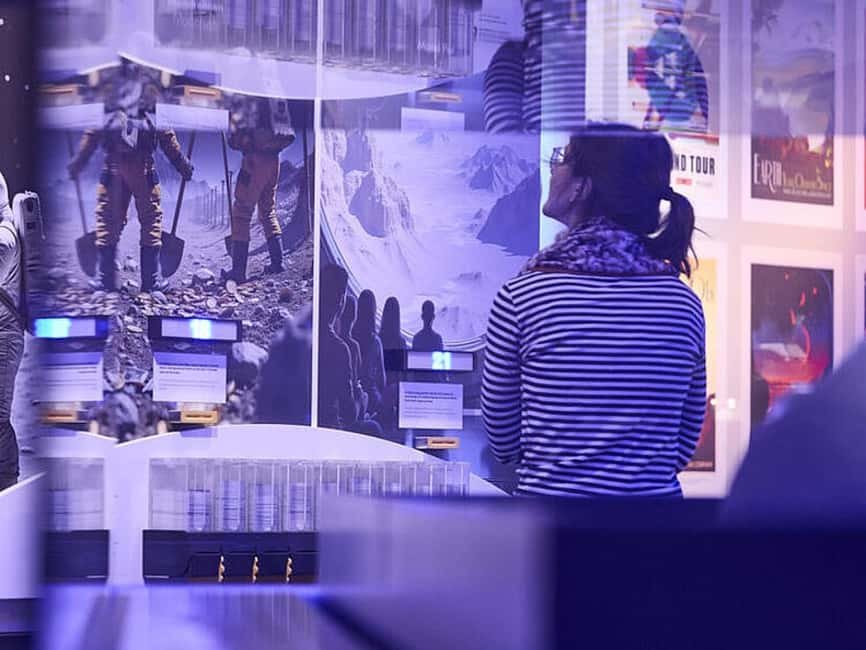
- Space and Time shifts your attention to the cosmos, space travel, and the search for life beyond Earth.
- The $7 ticket includes every exhibition and interactive workshops, making this an unusually affordable full-day activity.
A museum built around questions about tomorrow
The Deutsches Museum Nürnberg is a branch of the famous Deutsches Museum in Munich, but it has a different job. Instead of taking you through a long story of inventions, it asks you to consider technologies still taking shape.
That makes the visit more active than a standard display of old machines. You are not simply looking at finished objects. You are asked to consider how automation might change work, how medical tools might alter the body, and how cities could function with less waste and congestion.
I find this approach useful because it leaves room for doubt. The museum does not need every future idea to become reality for the exhibits to matter. A display about artificial intelligence can help you ask who benefits, who makes decisions, and what happens to jobs. A display about smart cities can raise questions about convenience, surveillance, and access.
The tone is suited to families, school groups, students, and adults who enjoy technology. You do not need a technical background to get something from it. Still, some themes are more thought-provoking than entertaining, so younger children may enjoy the interactive parts more than the long explanations.
A few more museum visits around Germany worth comparing
- Berlin: Jewish Museum Berlin Entrance Ticket
★ 4.5 · 8,393 reviews - Berlin: DDR Museum Tickets
★ 4.3 · 3,443 reviews - Berlin: Natural History Museum Entrance Ticket
★ 4.6 · 3,382 reviews
Start with Work and Daily Life, especially the AI displays
Begin with Work and Daily Life, the section that connects future technology to familiar routines. Its focus is automation and artificial intelligence, with examples of how digital systems could shape professions, workplaces, and home life.
This is a smart place to begin because it gives you an immediate point of reference. You can compare the imagined future with your own job, school, or household. The subject is not remote space science. It is the question of who, or what, may handle tasks that people do today.
The first-floor AI section deserves extra time. It was the most frequently singled-out theme in the feedback available for this experience, and it is easy to see why. Artificial intelligence touches nearly every other section in the museum. It affects healthcare, city planning, environmental monitoring, and space research.
Look for the difference between technology that assists people and technology that replaces decisions. That distinction helps you get more from the displays than simply admiring clever machines. The strongest moments here are the ones that make you pause and consider how much control you would hand over to an automated system.
Interactive elements make this section more approachable for children and teenagers. Hands-on features give them a way to test ideas rather than read a wall of text. Adults may appreciate the practical angle, especially if they work in education, business, science, or public services.
Body and Mind puts medical progress under a human lens
Next, move to Body and Mind, one of the most appealing areas for people interested in health and biology. The section looks at personalized medicine, biological research, and neuro-enhancement, while also asking where medical treatment ends and human improvement begins.
Personalized medicine is an especially useful subject for a museum because it connects large scientific ideas with individual care. Instead of treating every patient in the same way, future medicine may use personal data and biological information to guide treatment. That sounds promising, but it also raises questions about cost, privacy, and who controls such sensitive information.
The neuro-enhancement material adds another layer. Medical technology can help restore lost abilities, but the same tools might one day be used to improve abilities beyond ordinary limits. You are encouraged to think about fairness and consent, not just technical progress.
This was the favorite section for one reviewer, and it is easy to understand its appeal. Body and Mind feels personal in a way that space travel or city planning may not. You can connect the topic to your own health, family, and ideas about what it means to be human.
Give this section time if you prefer social questions to machinery. It is also a good choice for older children and students, though some of its ethical issues may need a little discussion afterward.
Urban Systems explains the choices behind a smart city
The Urban Systems section turns to the places where most people live. It examines smart city projects, urban planning, traffic, environmental pressures, and the ways digital systems might help cities work better.
A smart city is not simply a city with more screens and sensors. The important question is how technology changes daily life. Can traffic systems reduce congestion? Can energy use become more efficient? Can city services respond faster while still protecting personal privacy?
The museum presents these issues as connected problems. Congestion affects air quality. Urban growth affects energy use. New systems may improve convenience but also create new forms of monitoring. That wider view makes the section more useful than a simple display of futuristic gadgets.
I recommend spending time here even if city planning is not your usual museum subject. Urban systems shape the practical details of a trip, from transport to public space, and they shape the lives of people who live in cities year-round. The displays can help you notice those choices in Nuremberg and elsewhere.
For families, this is a good section for conversation. Ask children what they would change in their own town, then compare their ideas with the systems shown here. Students may find useful material for projects about sustainability, transport, architecture, or public policy.
Same city, a completely different collection:
- Berlin: Neues Museum Entry Ticket
★ 4.6 · 3,261 reviews - Berlin: Museum Island Multiple Museum Entry Ticket
★ 4.4 · 2,861 reviews - Cologne: Chocolate Museum Entrance Ticket
★ 4.4 · 2,790 reviews - Dresden: Church of Our Lady Guided Tour of Gallery
★ 4.7 · 2,421 reviews
Earth Systems links climate action with biodiversity
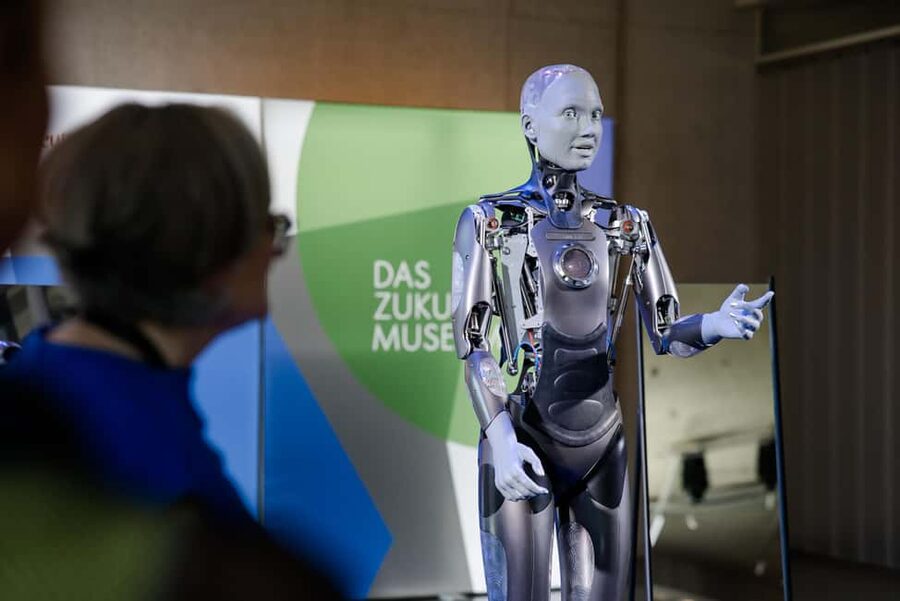
Earth Systems looks at technology intended to address climate change and protect biodiversity. The central idea is that human systems and the natural world cannot be treated as separate concerns.
The displays explore ways people might reduce environmental harm while still meeting the needs of growing communities. You may encounter ideas about balancing human activity with the health of the planet, presented through interactive material rather than a simple list of warnings.
This section matters because future technology is often presented as an automatic solution. The museum’s broader approach encourages a more careful view. New tools can help measure, conserve, and manage resources, but they also depend on choices about funding, access, and acceptable levels of risk.
The biodiversity theme adds welcome range. Climate discussion can become narrowly focused on energy or emissions. Here, the subject also includes the variety of living things and the need to protect natural systems. That makes the section relevant to biology students, families, and anyone trying to understand the practical meaning of sustainability.
Do not rush through Earth Systems simply because the space exhibits sound more exciting. The environmental sections may be less flashy, but they connect directly to decisions made in homes, businesses, and cities.
Space and Time opens the biggest questions
The final major theme, Space and Time, shifts your attention from local problems to the cosmos. It covers advances in space travel and the search for extraterrestrial life, two subjects that naturally appeal to children and adults.
Space displays often work best when they combine engineering with wonder. Here, you can consider how humans might travel farther while also thinking about why we search for life beyond Earth. The section gives the visit a broad ending, moving from work, health, cities, and climate to humanity’s place in the universe.
This area was another strong point for the people who shared feedback about the experience. One particularly enthusiastic response highlighted the space material alongside plants and food from different countries and cultures. That detail suggests the museum can move between serious science and more unexpected topics without feeling locked into one narrow definition of the future.
The space section is also a good place to slow down. You do not need to understand every technical detail to enjoy the questions. How far can people travel? What would life away from Earth require? Could the search for extraterrestrial life change how we view our own planet?
If you are visiting with children, this may be the easiest section to use as a reward after the more demanding displays. If you are an adult with an interest in science, allow extra time here rather than treating it as a quick final room.
Interactive workshops make the ideas easier to grasp
Entry includes access to interactive workshops as well as the exhibitions. That matters because future technology can be difficult to understand through text alone.
The workshops give you a chance to work with ideas in a more direct way. The supplied information does not specify the exact workshop schedule or activities, so check the current availability when you plan your visit. Some sessions may be especially useful for school groups, while others may suit families or independent learners.
I would treat the workshops as part of the value of the ticket, but not build a strict timetable around them unless you have confirmed the times. The museum is designed for exploration, and a flexible plan lets you spend longer in the sections that catch your interest.
Schools and educational institutions can also arrange tailored programs. These are intended to help students consider future technologies and their effects on society. If you are organizing a class visit, ask about the current educational offer before booking.
Plan the visit as a full day, not a quick photo stop
The ticket is valid for one day, and that is useful here. The museum covers five broad themes, each with its own mix of explanations, questions, and hands-on material. You can skim the galleries in a short visit, but you will understand more if you slow down.
A practical order is:
- Start with Work and Daily Life and the AI displays.
- Continue to Body and Mind while your attention is fresh.
- Take a break before Urban Systems and Earth Systems.
- Finish with Space and Time.
- Leave time for a workshop if one fits your schedule.
- Visit the museum shop before leaving.
This order moves from personal life to the wider world, then out toward space. You can also choose sections based on your interests. A student studying biology may want to begin with Body and Mind. A child fascinated by rockets may prefer Space and Time first.
Meals and drinks are not included, so plan for those separately. The available information does not specify food facilities or opening hours, so do not assume you can rely on an on-site meal. The museum shop sells books, games, and gifts connected with the themes, which makes it a useful final stop for families and students looking for something more meaningful than a generic souvenir.
Who gets the best value from the $7 ticket?
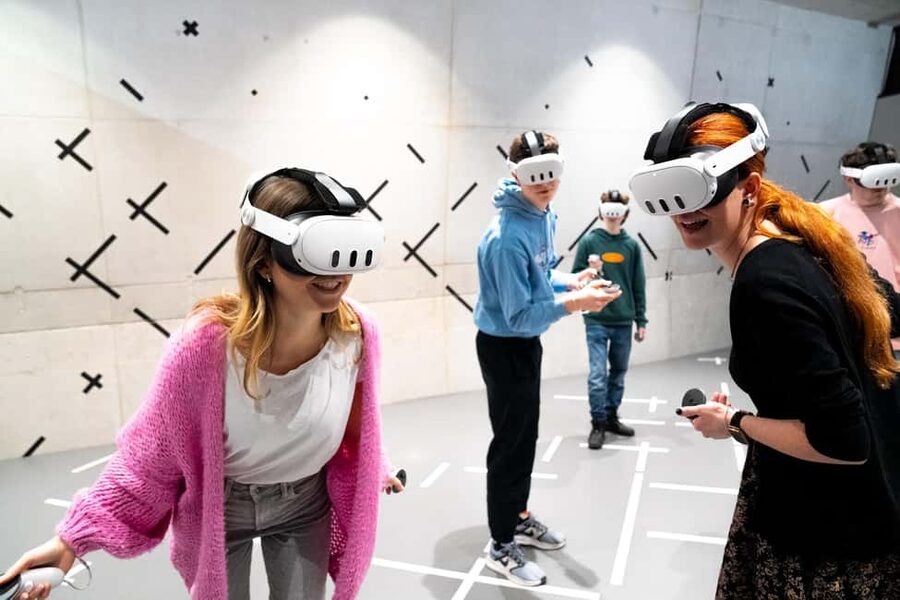
At $7 per person, this is one of the easier museum visits to justify. The price includes the entry ticket, all exhibitions, and interactive workshops. Even if you spend only a few hours inside, the cost is modest. If you use the full day, the value becomes especially strong.
The low price does not mean the experience is lightweight. The museum deals with complex topics, from AI and medical ethics to climate change and extraterrestrial life. Its value comes from the range of subjects and the chance to think through them at your own pace.
Discounted admission is available for pupils, trainees, and full-time students. Severely disabled adults receive the reduced rate, with an accompanying person admitted free. Severely disabled children and young people from ages 6 to 17 can enter free, and an accompanying person with the registered entitlement can also receive free admission as specified in the booking information.
Children under 12 must be accompanied by an adult. The museum is wheelchair accessible, which makes it suitable for visitors who need step-free access, though the available details do not describe every facility.
Free cancellation is available up to 24 hours before the visit, and you can reserve now and pay later. Those terms are useful if your Bavaria plans may change.
Who should book, and who may prefer another museum?
I would recommend this museum to families who want more than a simple science display, students working on technology or society, and adults who enjoy asking what progress should look like. It is also a good rainy-day choice because the visit can fill a full day without relying on outdoor sightseeing.
The museum suits curious minds more than visitors seeking a traditional collection of historic objects. If you want famous paintings, old architecture, or a chronological story of German history, this is not the right stop. If you prefer interactive exhibits and future-facing questions, it is a strong choice.
You should also know that not every display will appeal equally. AI may grab your attention while urban planning feels slower, or space may be your favorite while medical ethics takes more effort. That variety is part of the point, but it means you should give yourself freedom to move at your own pace.
Should you book Deutsches Museum Nürnberg?
Yes, if you want an affordable, hands-on museum that connects technology with real choices about work, health, cities, climate, and space. The $7 price is easy to defend, especially when workshops and all exhibition areas are included.
Book it if the AI, Body and Mind, or space themes appeal to you, and plan several hours rather than squeezing it between short sightseeing stops. Families should check the age rule for children under 12, students should select the youth admission option, and everyone should remember that food and drinks are separate.
The best reason to go is simple: the museum does not ask you only to admire inventions. It asks what kind of future those inventions may create, and what role you want to play in it.
FAQ
Where is the Deutsches Museum Nürnberg located?
It is in Bavaria, Germany, and is a branch of the Deutsches Museum Munich.
How much does admission cost?
The listed price is $7 per person. Discounted admission is available for pupils, trainees, full-time students, and severely disabled adults.
What does the ticket include?
Your ticket includes entry, access to all exhibitions, and interactive workshops.
How long is the ticket valid?
The ticket is valid for one day. You should check availability for the available starting times.
Are children allowed to visit alone?
No. Children under the age of 12 must be accompanied by an adult.
Is the museum wheelchair accessible?
Yes, the activity information states that the museum is wheelchair accessible.
Can I cancel or pay later?
You can cancel up to 24 hours in advance for a full refund. Reserve now and pay later is also available, so you do not have to pay at the time of booking.
Just added around Germany
- Stuttgart: Stuttgart Wine Museum Wine Tasting★ 4.7 · 55 reviews
- Stuttgart: Museum of Illusions Entry Ticket★ 4.2 · 507 reviews
- Stein: Public guided tour of the “Old Mine” museum★ 4.5 · 18 reviews
- Speyer: Technik Museum Speyer Ticket with an IMAX Dome Film★ 4.7 · 360 reviews
- Berlin: Bode Museum Ticket★ 4.5 · 214 reviews
- Munich Private Walking Tour with BMW Museum & Welt Entry★ 4.2 · 19 reviews
- Munich: Residenz Palace, Museum and Treasury Private Tour★ 4.9 · 15 reviews
- Munich: WOW Museum – Room for Illusions Ticket★ 3.5 · 14 reviews
Museum Tours in Germany, compared.


Dresden: Church of Our Lady Guided Tour of Gallery
Read our review →
Skip-the-Line: Berlin Wall Museum at Checkpoint Charlie
Read our review →Browse the lists this tour appears in