
Review · GERMANY
Bremen: Übersee Museum Entrance Ticket
The best part of Bremen’s Übersee-Museum is its wide view of the world. In one building, you move from an Asian rainforest at night to African wildlife, Indigenous cultures in the Americas, ancient Egypt, modern migration, and climate change. The exhibits connect people, trade, and nature, so this feels like more than a collection of unrelated displays.
I like the museum’s hands-on approach, especially the stations where you can stop, sit, and try things for yourself. I also like the way it places Germany’s colonial history beside present-day global issues instead of treating world cultures as frozen in the past. The main drawback is simple: there is a lot to take in, and some sections may feel more educational than entertaining if you prefer a small, tightly focused museum.
Key points to know
- One ticket covers a full day: Activate your admission when you enter, then take your time with the galleries.
- The museum spans three big themes: People, trade, and nature are presented together rather than in separate blocks.
- Nighttime Asian rainforest displays: Expect atmospheric scenes, sensory elements, and interactive educational stations.
- Africa includes wildlife and ancient history: Animal dioramas sit alongside sections on the cradle of mankind and ancient Egypt.
- Modern global concerns get serious attention: Migration and climate change feature in What makes the world go round.
- Übermaxx adds a treasure-hunt feel: This exhibit presents objects from around the world in a more collection-focused setting.
Starting at Bremen’s Übersee-Museum
Your visit begins at the Übersee-Museum in Bremen. Show your voucher at the museum entrance, then begin exploring with the included media guide. There is no live tour guide, so you control the pace and decide how much time to give each section.
That freedom matters here. The museum covers a large range of places and subjects, and you will probably want to pause in some galleries while moving faster through others. The ticket is valid for one day from first activation, which gives you room to build the museum around the rest of your Bremen plans.
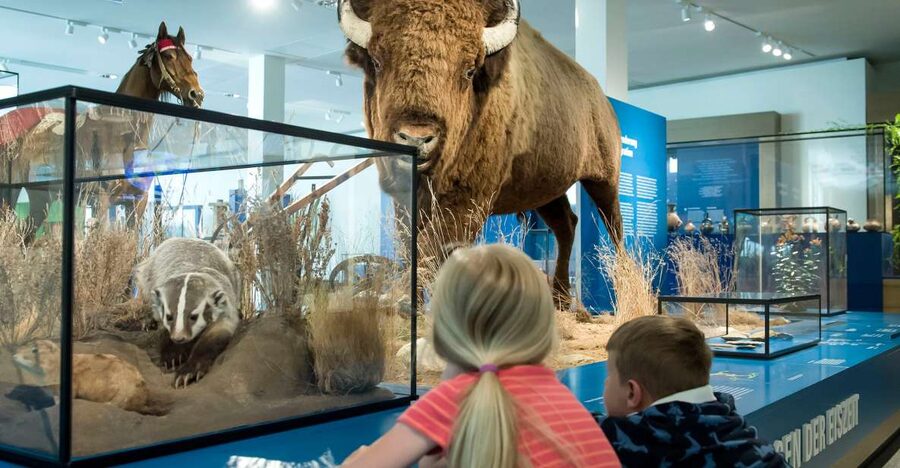
I would avoid treating this as a quick 45-minute stop. You can certainly see the main areas in less time, but the displays are designed for lingering. Interactive stations invite you to stop, rest, and test what you are learning instead of simply walking past glass cases.
The museum provides free Wi-Fi, and the media guide is included in the admission price. That is useful if you want more explanation while moving through the galleries, though the experience remains self-guided.
A few more museum visits around Germany worth comparing
- Berlin: Jewish Museum Berlin Entrance Ticket
★ 4.5 · 8,393 reviews - Berlin: DDR Museum Tickets
★ 4.3 · 3,443 reviews - Berlin: Natural History Museum Entrance Ticket
★ 4.6 · 3,382 reviews
An Asian rainforest after dark
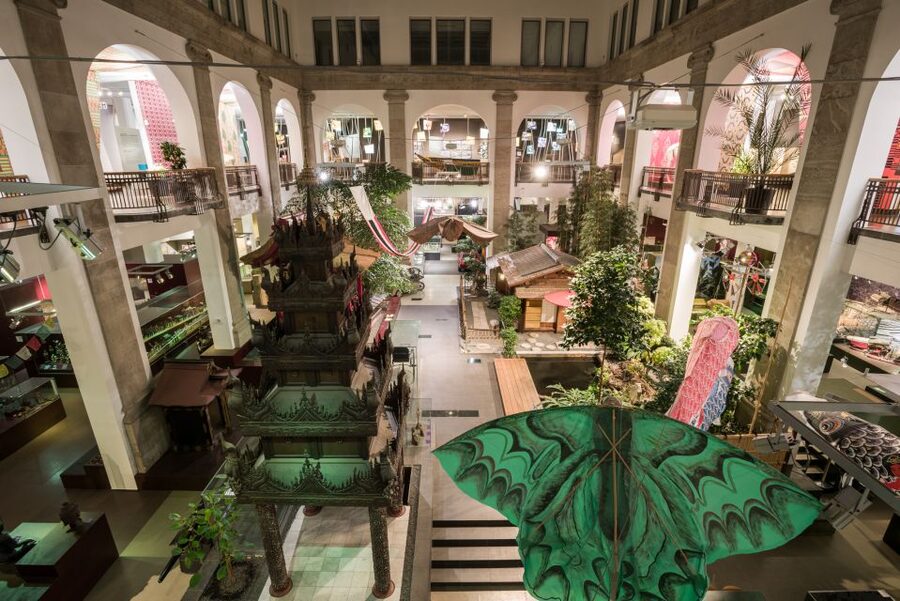
The Asian section offers one of the more memorable changes of mood in the museum. You can encounter an Asian rainforest by night, with exhibits designed to suggest the setting and its natural life rather than present only isolated objects.
The nighttime arrangement gives this area a stronger sense of place. It also helps show how animals, plants, people, and trade are connected within a larger environment. The displays are not just about identifying species. They encourage you to consider how people live alongside natural systems and how those systems are affected by human activity.
This section should work well for families because the museum uses sensory and interactive elements throughout the visit. You may find it easier to keep younger visitors interested here than in a room made up only of text panels. Adults, meanwhile, get a wider look at Asian cultures, spiritual traditions, and modern mega cities.
The tradeoff is that some topics receive only an introduction. A museum covering much of the world cannot give every country or culture equal space. If you want a detailed study of one Asian society, this is not that kind of museum. If you want a broad starting point, the section gives you plenty to consider.
Africa, from ancient Egypt to animal dioramas
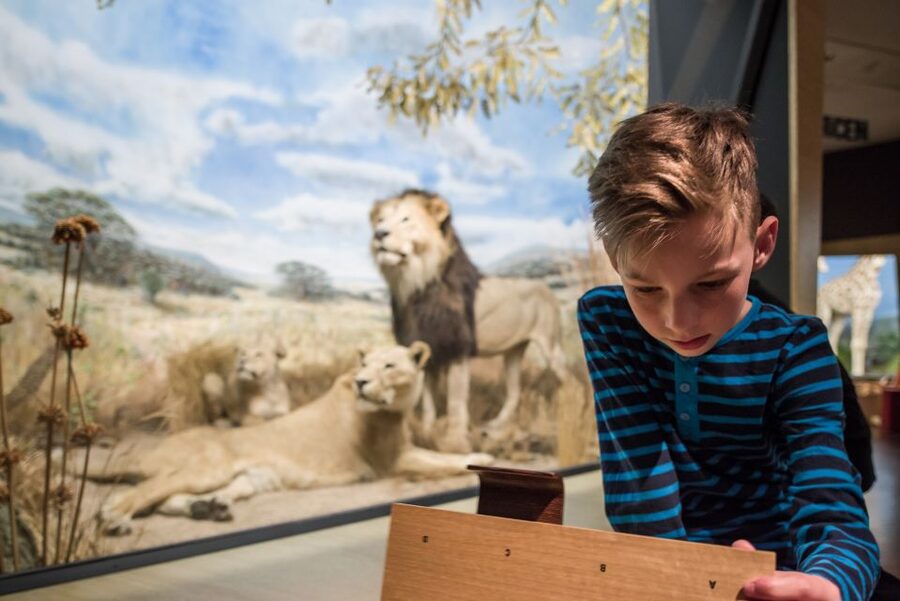
The Africa galleries combine human history with carefully staged animal displays. You can explore the cradle of mankind, learn about ancient Egypt, and then turn to natural settings represented through large animal dioramas.
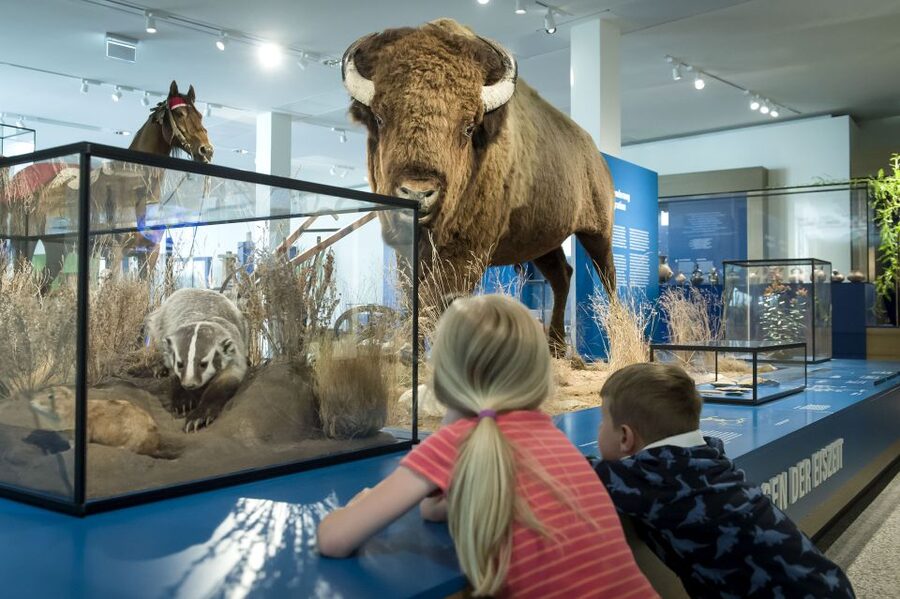
The dioramas help you picture wildlife within its surroundings instead of viewing each animal as a separate specimen. That approach gives the natural displays a more direct connection to geography and habitat. It also makes the section easier to follow for children, who often respond to the scale and detail of animal scenes.
The ancient Egypt material adds another layer. Rather than presenting Africa only through wildlife, the museum places human achievement, belief, and long cultural development in the same broad regional story. That balance matters. It pushes back against the old museum habit of showing Africa mainly as a place of exotic animals.
You should allow extra time here if natural history interests you. The animal displays are likely to slow your pace, especially if you want to read the accompanying information. The museum’s overall strength is this combination of visual staging and wider context, although the sheer range of subjects can sometimes make the visit feel dense.
The Americas and Pre-Columbian gold
The America zone looks at Indigenous life in North and Latin America and includes Pre-Columbian golden treasure. This gives you both cultural material and striking objects to focus on.
The Indigenous sections are important because they present people and traditions rather than reducing the Americas to a route toward European arrival. You can use this part of the museum to think about how communities lived, created, traded, and maintained spiritual traditions before and beyond colonial contact.
The golden treasure offers a very different visual experience. Gold catches your eye immediately, but the value of this display is not only its appearance. It provides a concrete entry into the skill, belief, and social meaning represented by Pre-Columbian objects.
This area may appeal most to you if you enjoy archaeology, material culture, or the history of the Americas. It also gives families a clear visual anchor, since the gold objects are easier to appreciate at a glance than a long written explanation.
Still, you should expect a broad museum treatment rather than a specialist archaeological exhibition. The American galleries are one part of a much larger route through world cultures. Their strength is the range of the presentation and the chance to place Indigenous traditions next to global trade and environmental themes.
Same city, a completely different collection:
- Berlin: Neues Museum Entry Ticket
★ 4.6 · 3,261 reviews - Berlin: Museum Island Multiple Museum Entry Ticket
★ 4.4 · 2,861 reviews - Cologne: Chocolate Museum Entrance Ticket
★ 4.4 · 2,790 reviews - Dresden: Church of Our Lady Guided Tour of Gallery
★ 4.7 · 2,421 reviews
Germany’s colonial past in the museum
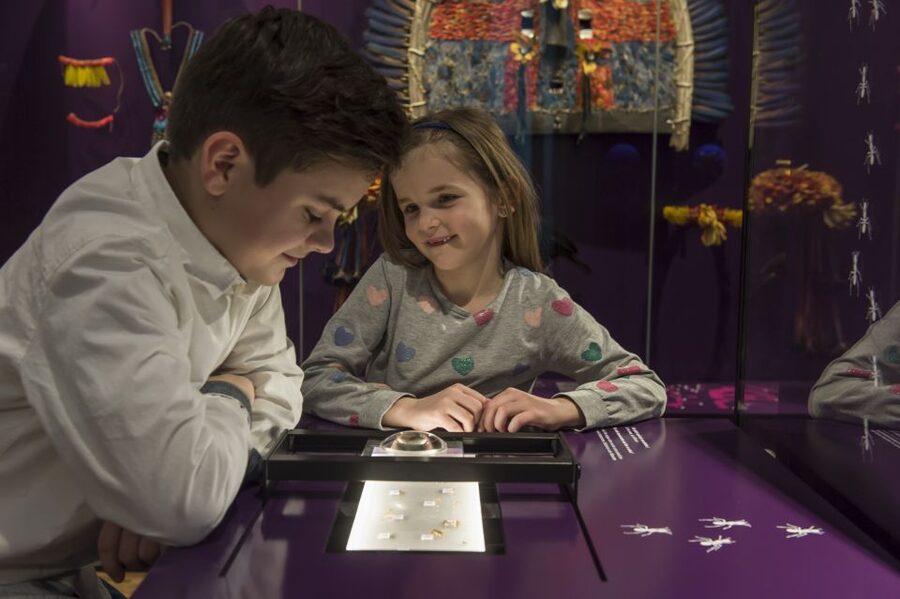
The museum directly addresses Germany’s colonial history. That makes the visit more useful than a simple display of objects from distant places, because it asks how those objects, ideas, and trading networks reached European institutions.
Colonial history can be uncomfortable, and it should be. The subject affects how museums collected material, how cultures were described, and how power shaped trade. Giving it a place in the museum helps you view the rest of the collection with more questions in mind.
I appreciate that this topic appears alongside present-day concerns. It keeps the past from feeling sealed off in a separate room. You can connect colonial trade to wider issues of movement, unequal power, and the way cultures are represented.
Do not expect the ticket to turn the museum into a full course on German colonial rule. The supplied information points to an exhibition treatment rather than a specialist seminar. But for a general museum visit, this is a valuable part of the experience, especially if you want more than attractive objects and staged natural scenes.
Modern questions in What makes the world go round
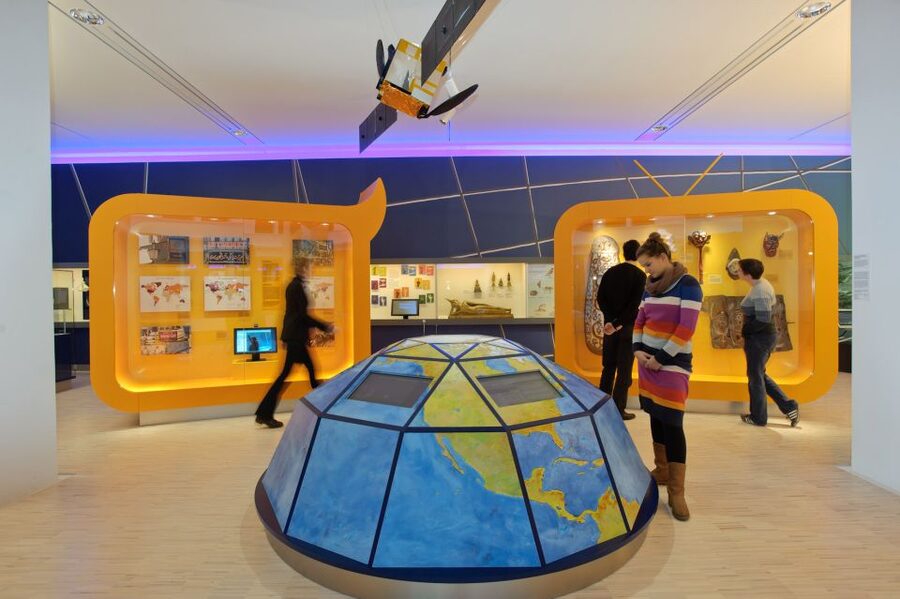
The exhibition What makes the world go round shifts attention from historical cultures to current global problems. Migration and climate change are among the main subjects, giving the museum a clear link to the world you live in now.
This section helps tie the museum’s many regions together. Migration relates to people and movement. Climate change affects natural systems, trade, food, and daily life. Instead of treating Asia, Africa, and the Americas as isolated destinations, the exhibition asks you to look at shared problems that cross borders.
Interactive stations are particularly useful here. They can make difficult topics easier to approach because you are not only reading long blocks of text. You can stop, consider a question, and continue when you are ready.
The modern focus may be the strongest reason to choose this museum over a collection that only presents historical artifacts. It gives the visit a clear purpose. The drawback is that current issues can feel more serious and less visually spectacular than wildlife dioramas or gold objects. Plan your time so you do not rush through this section at the end.
Finding the world’s objects in Übermaxx
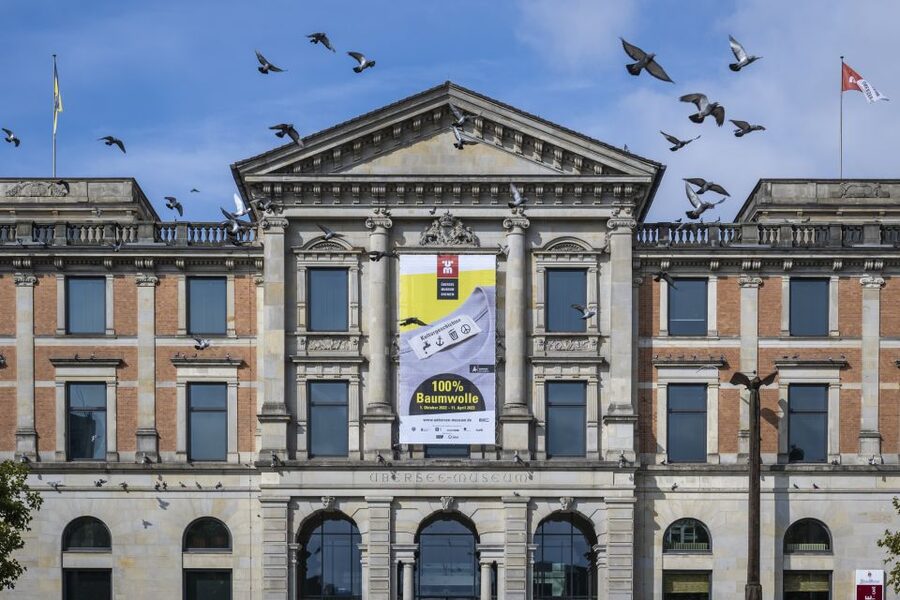
Übermaxx offers another angle on the museum’s collection. It is a place to uncover treasures from around the world, and it adds a sense of discovery after the larger regional sections.
The appeal here is the range of objects. Instead of following one geographic story, you can encounter items that prompt questions about use, origin, craftsmanship, and cultural meaning. This makes Übermaxx a good area for browsing without a strict route.
I would save this section for the middle or end of your visit. After seeing the main regional displays, you have more context for understanding why an object matters. If you visit Übermaxx first, you may enjoy the visual variety but miss some of the connections the broader museum makes.
The name suggests a lighter, more playful mood, but the objects still fit the museum’s larger purpose. You are looking at a world shaped by exchange, movement, and different ways of making and using things.
How the self-guided format works
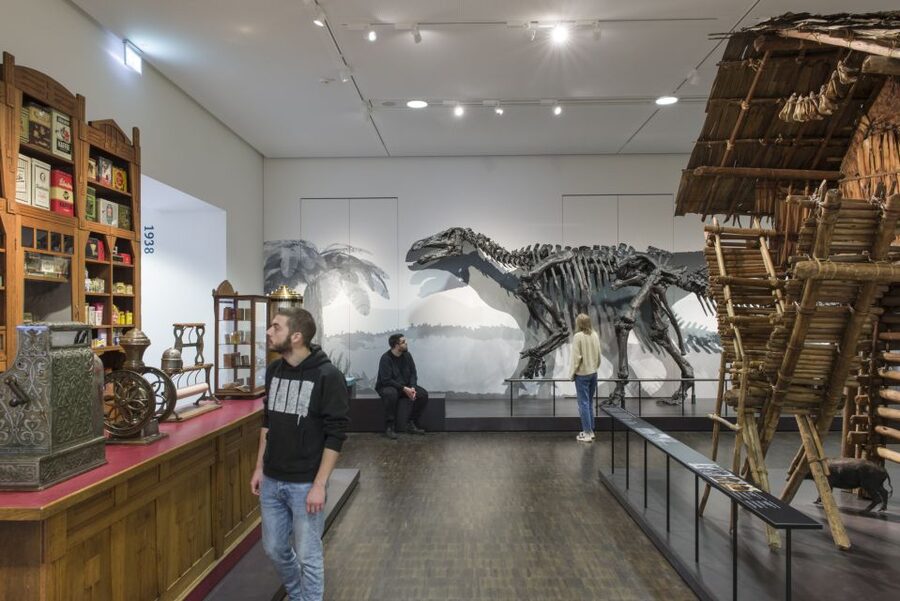
The included media guide gives you added information without tying you to a set group or schedule. You can move at your own pace, skip a display that does not interest you, and spend longer with the subjects that do.
That is a good arrangement for mixed groups. One person can focus on wildlife while another reads about trade or colonial history. Families also get more flexibility than they would on a fixed guided tour.
The lack of a live guide is the main limitation. You cannot ask an expert to explain a display on the spot, and the experience depends on how much you choose to read and explore. If you prefer a personal guide with a set storyline, this ticket will feel more independent than guided.
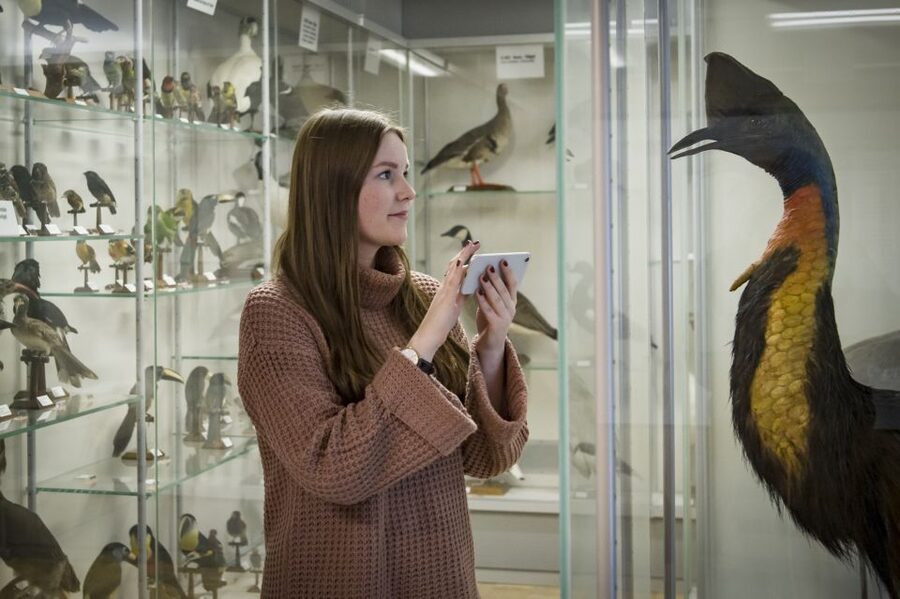
For most museum visitors, the media guide is a useful middle ground. You get help with the collection but keep control of the visit. Free Wi-Fi adds a practical benefit, especially if you want to stay connected while using your phone alongside the museum material.
Is the $17 ticket good value?
At $17 per person, the ticket offers solid value if you plan to spend several hours inside. You are paying for access to a broad museum with regional galleries, interactive displays, natural history scenes, current affairs content, a media guide, and free Wi-Fi.
The value drops if you only want a short stop between other attractions. The museum covers many subjects, and its displays reward time. A rushed visit may leave you with a blur of rainforest, wildlife, gold, cities, and political questions rather than a clear sense of what you saw.
The one-day validity helps. You are not forced to finish every section in a single fast circuit, although the ticket is only valid for one day from the time you first activate it. That makes it easier to fit the museum into a flexible day in Bremen.
You can cancel for a full refund up to 24 hours in advance, and the reserve-now, pay-later option keeps payment flexible. These policies matter if your plans are still changing, but the main value remains the museum itself and the time you spend with it.
Practical tips before you go
Start with the media guide and use it selectively. You do not need to listen to or read every available explanation, but it can help you choose which galleries deserve more of your time.
Plan around your own interests. If you like animals, give Africa extra attention. If you prefer social issues, leave enough time for What makes the world go round. If objects and archaeology catch your eye, include the American galleries and Übermaxx.
The museum is wheelchair accessible, which makes the self-guided format easier for visitors who need to set their own pace. Food and drinks are not included, so plan those separately from the museum visit.
Photography for private use is allowed, but you must not use flash or a tripod. Any display that cannot be photographed is marked. This is a small point, but it saves you from assuming that every object can be captured.
Who should book this museum ticket?
I would recommend the Übersee-Museum to you if you enjoy museums that mix nature, culture, history, and present-day issues. It suits families, curious adults, rainy-day planners, and anyone who wants a broad introduction to global cultures without joining a fixed tour.
It is also a good choice if you like to control your own pace. The media guide gives you direction, while the one-day ticket leaves room for a thoughtful visit rather than a quick dash through the galleries.
I would be more cautious if you want a small specialist collection, a live expert guide, or one tightly focused subject. The museum’s range is its greatest strength, but that same range can feel crowded if you prefer depth in one narrow field.
Should you book the Übersee-Museum?
Book it if you want an informative, varied museum visit that goes beyond pretty objects. The combination of Asian rainforest scenes, African wildlife, Indigenous cultures, Pre-Columbian gold, colonial history, migration, climate change, and Übermaxx gives you plenty of reasons to keep moving from one section to the next.
The strongest praise is deserved by the museum’s variety and its informative presentation. Just give it enough time. At $17, it is a sensible Bremen choice for a half-day or longer visit, especially when you want a thoughtful indoor activity with wheelchair access, free Wi-Fi, and a media guide included.
FAQ
How long is the Übersee-Museum ticket valid?
The ticket is valid for one day from the time you first activate it.
Where do I start the visit?
Start at the Übersee-Museum in Bremen and show your voucher at the entrance. The activity ends back at the museum.
Is a live tour guide included?
No. The ticket includes a media guide, but not a live tour guide.
Is the museum wheelchair accessible?
Yes, the activity is wheelchair accessible.
Can I take photographs inside?
You may take photographs for private purposes, but flash photography and tripods are not allowed. Displays that cannot be photographed are marked.
Are food and drinks included?
No. Food and drinks are not included with the admission ticket.
Just added around Germany
- Stuttgart: Stuttgart Wine Museum Wine Tasting★ 4.7 · 55 reviews
- Stuttgart: Museum of Illusions Entry Ticket★ 4.2 · 507 reviews
- Stein: Public guided tour of the “Old Mine” museum★ 4.5 · 18 reviews
- Speyer: Technik Museum Speyer Ticket with an IMAX Dome Film★ 4.7 · 360 reviews
- Berlin: Bode Museum Ticket★ 4.5 · 214 reviews
- Munich Private Walking Tour with BMW Museum & Welt Entry★ 4.2 · 19 reviews
- Munich: Residenz Palace, Museum and Treasury Private Tour★ 4.9 · 15 reviews
- Munich: WOW Museum – Room for Illusions Ticket★ 3.5 · 14 reviews
Museum Tours in Germany, compared.

Dresden: Church of Our Lady Guided Tour of Gallery
Read our review →
Skip-the-Line: Berlin Wall Museum at Checkpoint Charlie
Read our review →Browse the lists this tour appears in