
Review · BERLIN
Berlin: Museum Island Guided Walking Tour
Berlin’s Museum Island is easier to understand once you know why these grand buildings were put here. This two-hour walk links the museums, courtyards, churches, and public spaces into one clear story, from Germany’s first purpose-built museum to the huge Granitschale, the famous granite dish in Lustgarten.
I especially like the chance to enter parts of the Altes Museum rotunda and Humboldt Forum courtyard rather than simply admire façades from the pavement. I also like the tour’s practical purpose: it helps you decide which museums deserve your time afterward. The main consideration is that museum admission is not included, so this is an introduction, not a full collection tour.
Key points to know
- A fast orientation to nine major sights: Cover the Bode Museum, Pergamon Museum, German Historical Museum, Neue Wache, Friedrichswerder Church, Humboldt Forum, Lustgarten, Berlin Cathedral, Altes Museum, Alte Nationalgalerie, and Neues Museum in two hours.
- Three worthwhile interior visits: See the Bode Museum entrance hall, the sculpture collection at Friedrichswerder Church, the Schlüter Courtyard at Humboldt Forum, and the Altes Museum rotunda.
- A guide-led history lesson: Klaus Wehner explains how Berlin’s political changes shaped the island’s buildings and collections.
- No museum admission included: You will learn what each institution offers, then return later if you want to see the exhibitions inside.
- A good short-time choice: At $34 per person, the tour can save you from wandering among several large museums without knowing where to begin.
- English or German tours: The activity is wheelchair accessible, and a private group option is available.
Why Museum Island makes a good walking tour
Museum Island can look simple on a map. In practice, it is a tightly packed group of museums with different eras, collections, entrances, and stories. A guided walk gives you the connecting thread before you commit half a day to one building.
The site is a UNESCO World Heritage location, but the label alone does not explain what makes it special. Here, architecture reflects changing ideas about education, monarchy, archaeology, national identity, and Berlin itself. The buildings were not all planned at once, and their differences are part of the story.
This tour focuses on that wider picture. You are not hurried through galleries or asked to remember a long list of dates. Instead, you move around the island, pausing for explanations at each major stop. That approach works well if this is your first visit to Berlin or if you have only a short stay.
It also helps you avoid a common Museum Island mistake: trying to see everything. The museums are large, and each could take hours. After this walk, you can choose one or two with a better sense of what you will find inside.
More Museum Tours in Berlin
- Berlin: Natural History Museum Entrance Ticket
★ 4.6 · 3,382 reviews - Berlin: Museum Island Multiple Museum Entry Ticket
★ 4.4 · 2,861 reviews - Skip-the-Line: Berlin Wall Museum at Checkpoint Charlie
★ 4.1 · 2,041 reviews
Starting at the Bode Museum
Meet your guide in front of the main entrance to the Bode Museum, at the bottom of the stairs. Look for the guide wearing a name tag. The Bode Museum is an effective starting point because its rounded form and prominent position at the northern tip of the island immediately show how ambitious Berlin’s museum planning was.
The first guided visit includes the entrance hall. This matters because the inside gives you a quick taste of the building’s formal design, rather than leaving you to judge it from the riverbank. The Bode Museum is associated with sculpture and Byzantine art, but the walk uses it mainly as a starting point for the island’s architecture and development.
Guide Klaus Wehner has led this route with a lively, personal style. His background as a freelance artist and guide helps explain why the tour gives attention to both buildings and objects. Expect room for questions, not just a memorized speech. Several parts of the experience are especially suited to curious people who want to understand how art, architecture, and Berlin’s past connect.
The Pergamon Museum and the cost of seeing it later
From the Bode Museum, the route continues to the Pergamon Museum. The stop lasts about ten minutes, so you will not tour its major galleries. Instead, you get context for one of Museum Island’s best-known institutions and its place within the larger group.
This is an important point to understand before booking: entry to any museum is not included. The guide can explain what the buildings and collections represent, but you will need a separate ticket if you want to return inside.
That arrangement keeps the walk focused and makes the $34 price easier to assess. You are paying for a two-hour orientation with a live guide, not for admission to several museums. If you were already planning to visit Museum Island but felt unsure how to organize your day, the fee can be useful. If you want a long gallery visit, spend the money on museum entry instead.
The Pergamon stop also shows the value of seeing the site now as a group of buildings, rather than treating each museum as an isolated attraction. Its story makes more sense when placed beside the Altes, Neues, Bode, and Alte Nationalgalerie.
The German Historical Museum and Old Arsenal
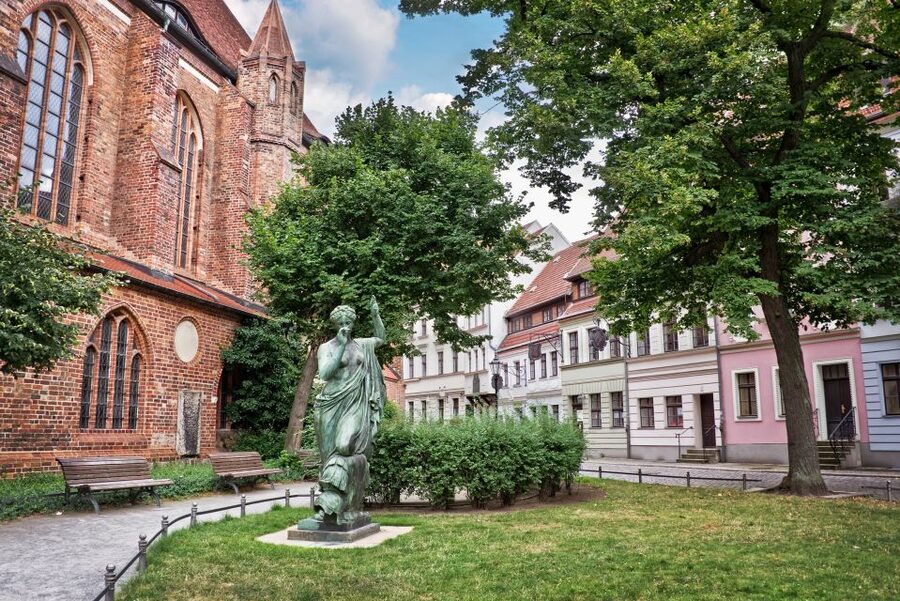
The walk leaves Museum Island briefly for the historic Old Arsenal, or Zeughaus, on Unter den Linden. The building now houses the German Historical Museum. This stop adds a broader political frame to the museum district.
The Old Arsenal’s own story follows Berlin’s changes over time. You are not simply looking at an old military building. You are seeing how a building can be reused and reinterpreted as the city changes around it.
The guided portion here is brief, around ten minutes, but it gives the route a useful change of pace. Museum Island is often discussed as an art destination. The Zeughaus reminds you that Berlin’s cultural institutions also grew from power, war, government, and national ambition.
A few more museum visits around Berlin worth comparing
- Berlin: Berlin Wall & East Side Gallery Walking Tour
★ 4.9 · 264 reviews - Berlin: Museum Island Guided Walking Tour
★ 4.9 · 28 reviews - Acropolis monuments & Parthenon Walking Tour with Optional Acropolis Museum
★ 5.0 · 2,678 reviews - Frida Kahlo VIP [Museum Tickets Included] Walk, Markets & Churros
★ 5.0 · 982 reviews
Neue Wache and Friedrichswerder Church
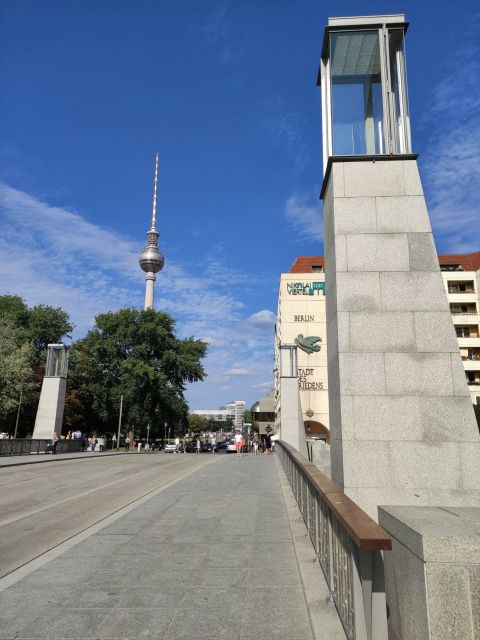
The next stop is Neue Wache, a memorial building on Unter den Linden. It offers another reminder that Berlin’s central monuments often carry more than one meaning. The guide places the site within the city’s changing political story, helping you read the street as part of a larger historical setting.
Friedrichswerder Church is one of the tour’s more unusual inclusions. Its sculpture collection is included, giving you a chance to enter a quieter cultural site rather than simply pass another major museum façade.
That interior visit is valuable because it breaks up the outdoor walking. It also gives the tour a less predictable feel. You see how Berlin’s artistic story extends beyond the headline museums, and you get a closer look at sculpture in a smaller setting.
The tour lasts two hours, so stops are compact. If you prefer slow looking, long explanations, and time for photographs at every building, the pace may feel brisk. If you want a clear first look at the area, the rhythm is sensible.
Humboldt Forum and the Schlüter Courtyard
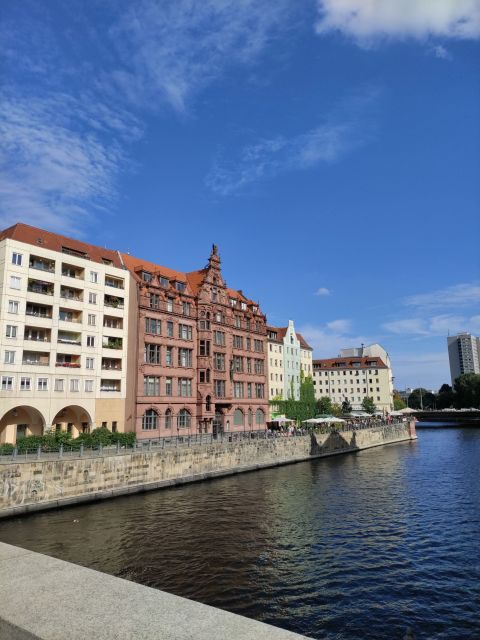
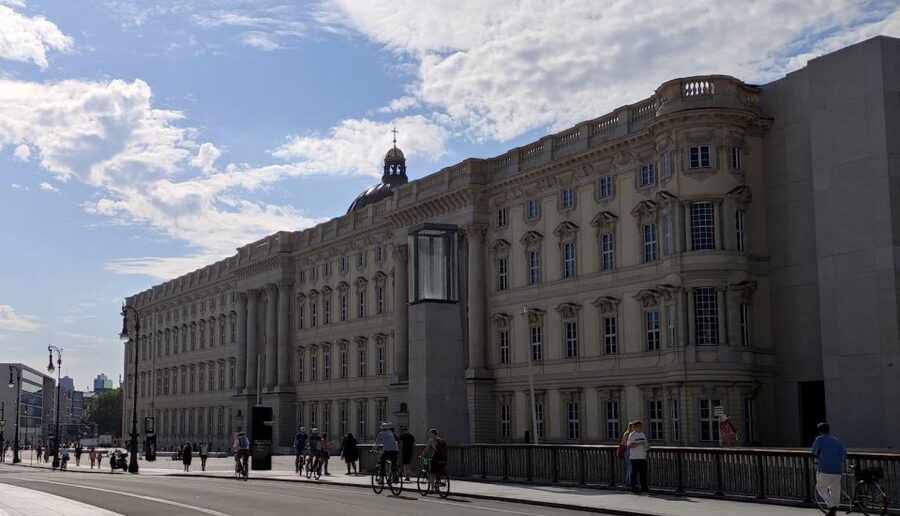
The Humboldt Forum is one of the most important modern additions to Berlin’s historic center. The route includes the Schlüter Courtyard, one of the specific interior spaces covered by the tour.
Here you can compare restored or reconstructed historic forms with newer museum planning. That contrast is central to understanding present-day Berlin. The city has repeatedly had to decide what to preserve, what to rebuild, and how to present difficult chapters of its past.
The guide’s explanation is particularly useful here because a photograph cannot tell you why the building looks the way it does or how it fits into the former palace site. You get architecture, urban history, and museum purpose in one stop.
The visit to the courtyard is not the same as entry to the Humboldt Forum’s full exhibitions. If you want to explore its collections, plan a separate visit. Still, the courtyard provides more than a quick exterior view and adds one of the tour’s strongest visual moments.
Lustgarten, the granite dish, and Berlin Cathedral
Lustgarten gives the group space to consider Museum Island as a public setting, not only as a collection of buildings. The square links the Altes Museum, Berlin Cathedral, and the wider Unter den Linden area.
One detail worth watching for is the Granitschale, described as the largest granite dish in the world. It is the kind of object easy to walk past without context. With an explanation, it becomes part of the island’s story and a memorable marker along the route.
Berlin Cathedral follows. Its large dome and formal position make it one of the easiest sights to recognize, but the guided stop explains how it relates to the surrounding museums and public spaces. You will see why the island feels planned as a grand cultural center rather than a random cluster of attractions.
You should expect exterior commentary here rather than a cathedral interior tour. That distinction is typical of the experience: the route introduces the setting and the meaning of the buildings, then leaves you free to choose which interiors merit a return visit.
The Altes Museum and Germany’s first purpose-built museum
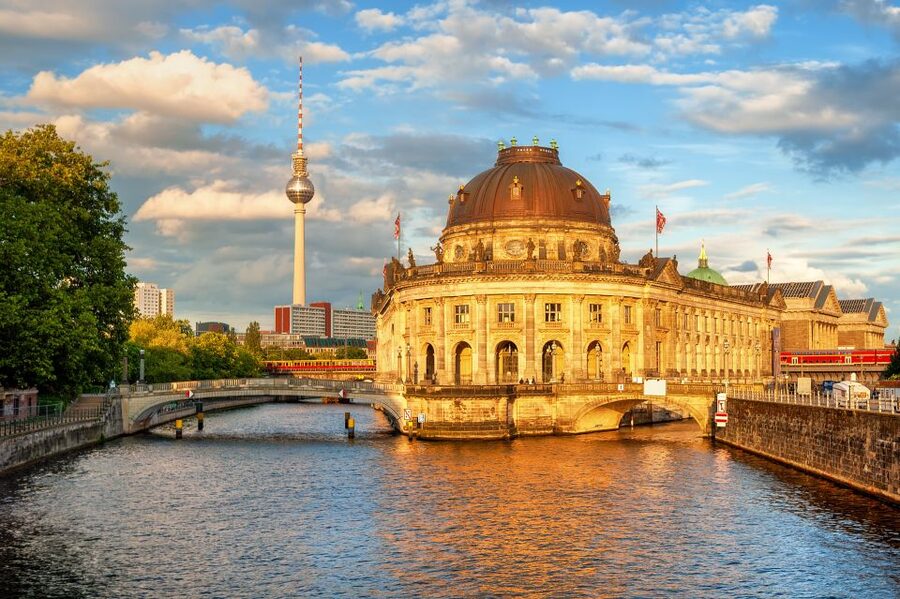
The Altes Museum is one of the tour’s central stops. It is known as Germany’s first purpose-built museum building, a fact that gives the entire island a clearer starting point.
The museum was designed as a public cultural institution, not a private palace room or a temporary exhibition hall. That difference matters. The architecture reflects the idea that art and learning should be presented to the public in a grand civic setting.
The tour includes entry to the rotunda. This is one of the strongest parts of the experience because the interior reveals the building’s scale and ceremonial design. A façade can suggest grandeur, but standing inside the rotunda gives you a better sense of how the building was meant to shape the visitor’s experience.
You will not tour the full Altes Museum collection during this walk. Instead, the rotunda acts as a sample and a prompt. If classical antiquities or formal museum architecture appeal to you, you may decide to come back for a longer visit.
Alte Nationalgalerie and Neues Museum
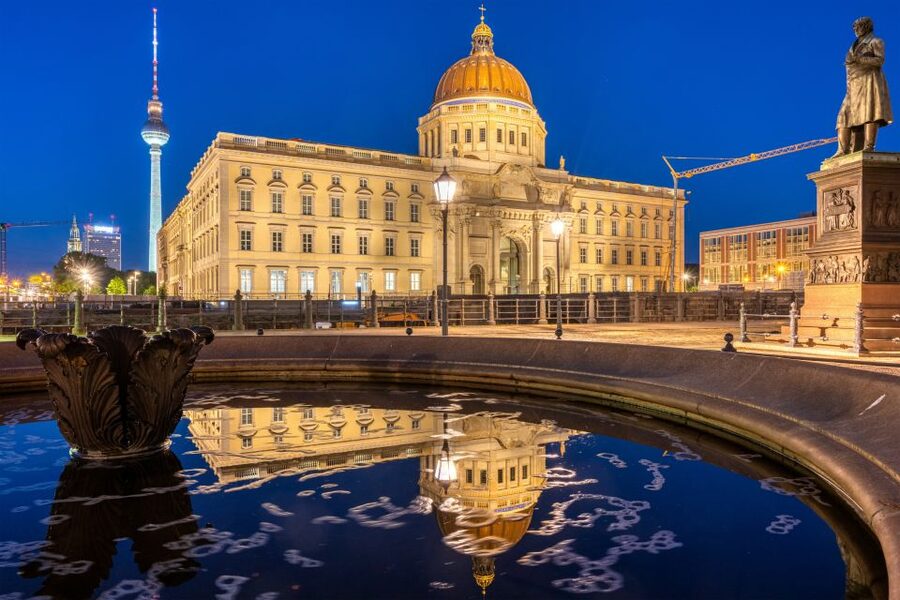
The route continues to the Alte Nationalgalerie, another essential piece of Museum Island’s architectural sequence. The guide explains how its design and purpose fit into the group, giving you a chance to compare it with the Altes and Neues Museums.
The building’s position matters as much as its collection. From outside, you can see how the museums were arranged to create a strong civic and cultural center. The tour lets you consider the island as a planned experience, with buildings meant to be viewed together.
The final museum stop is the Neues Museum. Its name can mislead you because the building is historically important and has undergone major change. The guide discusses its place in the island’s development and the way Berlin’s past affected its condition and later presentation.
Again, this is not a full museum entry. You get a guided exterior explanation, then decide if you want to return for the collections. That is a sensible arrangement for first-time visitors because it keeps the two-hour route moving while leaving room for your own choices afterward.
Pace, language, and accessibility
The route is conducted in English or German. The guide’s style is a major part of how much you get from it, and Klaus Wehner has been praised for making detailed material engaging rather than dry. He also adjusts the pace when families need it, including groups with a seven-year-old child.
The walk is listed as wheelchair accessible. Since the experience includes outdoor movement and several historic buildings, it is still sensible to confirm current access details when booking, especially if you need specific assistance.
Private groups are available. That may suit families, friends, or visitors who want more time for questions. The standard format is a good fit if you enjoy learning with other people and want a social but focused introduction.
Wear comfortable shoes and prepare for changing weather. The tour is outdoors for much of its two hours, with selected interior visits. There is no need to carry museum gear or plan a full gallery session during the walk, but leave enough energy for a museum visit afterward if you decide to continue.
Who should pay $34 for this introduction?
At $34 per person, the tour offers fair value if you want structure, context, and help choosing what to see next. It is particularly useful for:
- First-time Berlin visitors with limited time
- Art lovers who want a map of Museum Island before buying museum entry
- History enthusiasts interested in how Berlin’s political past shaped its cultural buildings
- Families who prefer a guided introduction to a large cultural district
- Visitors who enjoy architecture as much as collections
The value is less clear if you already know the island well or plan to spend most of your day inside one museum. In that case, your money may be better spent on admission and extra time with the collection.
The tour also works well early in a Berlin visit. You can use the guide’s explanations to plan the rest of your museum days. Booking with free cancellation up to 24 hours before the start adds useful flexibility, and reserve-now, pay-later booking lets you hold a place without paying immediately.
Should you book the Museum Island walking tour?
Book it if you want a smart, compact introduction rather than a long museum visit. The strongest features are the clear route, the selected interior access, and Klaus Wehner’s energetic explanation of architecture, art, and Berlin’s political changes.
Do not book it expecting entry to every museum or time to study major collections. This is a foundation for later exploring, not a replacement for it. For $34, two hours, and a route that includes the Altes Museum rotunda, Humboldt Forum courtyard, Friedrichswerder Church, and the island’s major façades, it is a practical choice for getting your bearings fast and choosing your next museum with purpose.
FAQ
Where does the Museum Island tour start?
Meet your guide in front of the main entrance to the Bode Museum, at the bottom of the stairs. The guide will wear a name tag.
How long does the walking tour last?
The tour lasts two hours. Starting times vary, so check availability when booking.
Does the tour include entry to the museums?
No. Entry to the museums is not included. The tour does include visits to the Friedrichswerder Church sculpture collection, the Schlüter Courtyard at Humboldt Forum, and the rotunda of the Altes Museum.
Which languages are available?
The live tour guide is available in English or German.
Is the tour wheelchair accessible?
Yes, the activity is listed as wheelchair accessible.
Can I book a private group?
Yes. A private group option is available.
Just added around Berlin
- From Berlin: Sachsenhausen Concentration Camp Museum Tour★ 4.8 · 514 reviews
- Cold War, Berlin Wall, Spies and the East Side Gallery★ 4.8 · 254 reviews
- Bubble Planet Berlin: An Experience Museum for All Your Senses★ 4.1 · 38 reviews
- Berlin: Tickets to the Computer Games Museum★ 4.5 · 363 reviews
- Berlin Trabi Museum: Day Ticket★ 4.1 · 63 reviews
- Berlin: The Wall Museum East Side Gallery Ticket★ 4.1 · 292 reviews
- Berlin: Stasi Museum Private Guided Tour with Entry Ticket★ 4.8 · 13 reviews
- Berlin: Ticket for Photography Exhibitions at C/O Berlin★ 4.5 · 39 reviews
Museum Tours in Berlin, compared.
Skip-the-Line: Berlin Wall Museum at Checkpoint Charlie
Read our review →
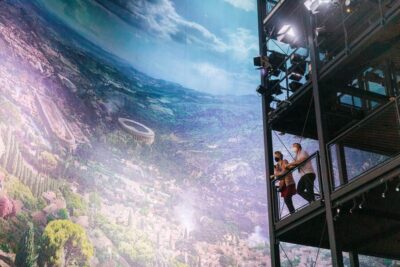
“Pergamonmuseum. The Panorama” Exhibition Tickets
Read our review →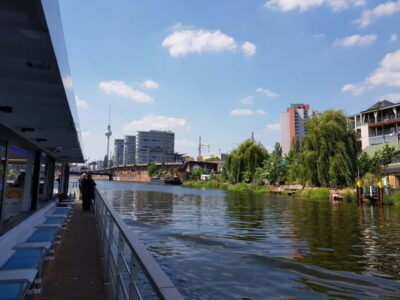
East Side Gallery Spree Cruise in a Solar Catamaran
Read our review →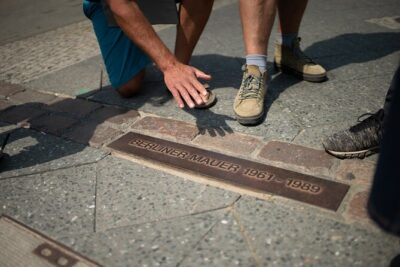
Cold War, Berlin Wall, Spies and the East Side Gallery
Read our review →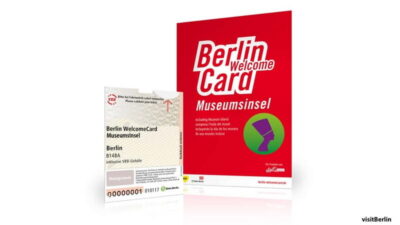
Berlin WelcomeCard: Museum Island & Public Transport
Read our review →Browse the lists this tour appears in