
Review · BERLIN
Berlin: Classical concerts at the Bode Museum Berlin
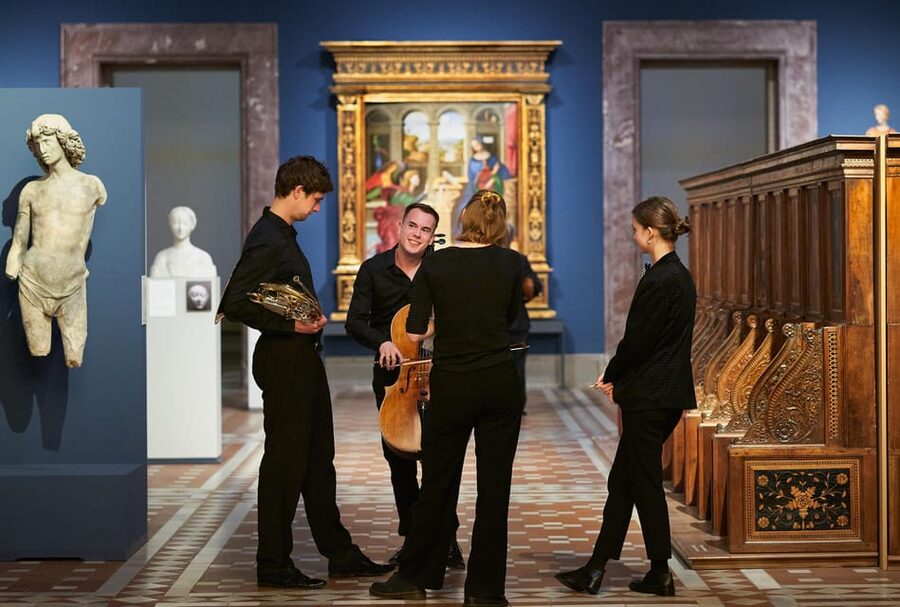
Classical music takes on a special color in the Bode Museum’s Gobelin Room, where the setting is part of the evening. You sit in a grand museum interior rather than a plain concert hall, with programs ranging from Baroque recorder and organ music to Mozart opera, Haydn, Beethoven, and Romantic piano works.
I like the strong mix of music, art, and history, and I like that museum admission is included with the concert ticket. The program list also gives you real choice: a Mozart Ensemble performance suits a traditional concert night, while a small group with recorder, flute, guitar, or piano offers a more intimate sound.
The main caution is practical. Finding the concert room can take a little effort, and you receive a seating category rather than a specific seat. Also check the final price carefully, since one December booking recorded a much higher online price than the box office price.
Key points to know before you book
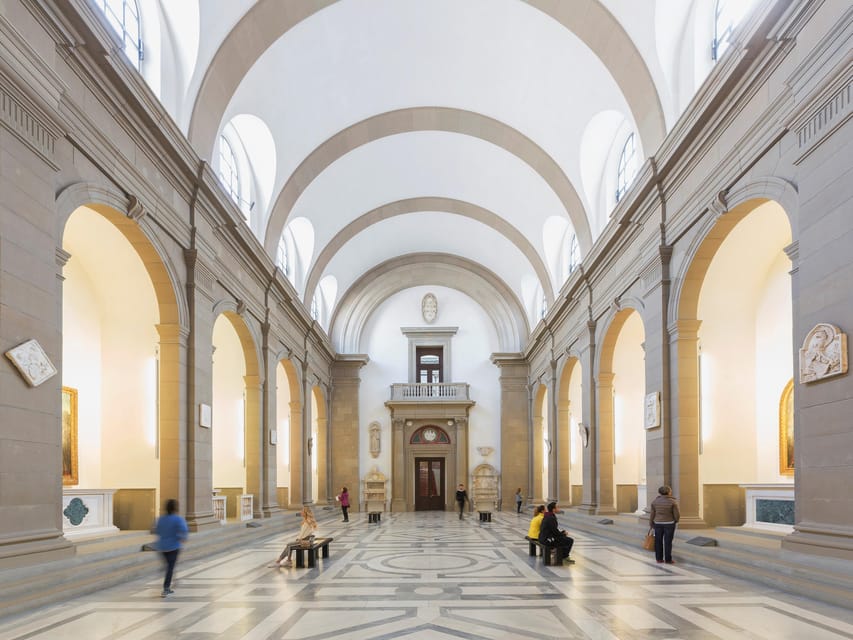
- The Gobelin Room is on the first floor of the Bode Museum, giving the concert a grand museum setting.
- Programs vary widely, from Italian Baroque and Bach sonatas to Mozart opera, Haydn, Liszt, and Romantic duets.
- The Mozart Ensemble Berlin appears several times, including programs on the birth of Romanticism and Haydn’s The Seven Last Words.
- Concerts last 90 minutes to two hours, and usually include a 20-minute break.
- Museum admission is included, along with the concert ticket, but food is not.
- You choose a seating category, not an individual seat, so arriving with time to find the room is wise.
Why the Bode Museum setting matters
The Bode Museum is not just a place where the concert happens. The room helps shape the evening. The Gobelin Room, located on the first floor, gives the music a formal backdrop and places you inside one of Berlin’s major museum buildings.
That changes the mood from a standard recital. You are surrounded by art and museum architecture before the first note begins, and the concert becomes part of a wider cultural outing. I especially like this format for a Berlin evening when you want something more focused than a large tourist show, but more atmospheric than a routine chamber recital.
The setting may be the best reason to choose this experience over a conventional concert hall. A museum room can make early music feel at home, while piano and vocal programs gain a sense of occasion from the historic surroundings.
There is one practical tradeoff. Museum buildings can be less obvious to navigate than a theater with a large foyer and clear signs. One booking found the concert room difficult to locate and could not find a representative at the museum. You should allow extra time to reach the first-floor Gobelin Room and go to the box office with your voucher to receive your tickets.
More Museum Tours in Berlin
- Berlin: Natural History Museum Entrance Ticket
★ 4.6 · 3,382 reviews - Berlin: Museum Island Multiple Museum Entry Ticket
★ 4.4 · 2,861 reviews - Skip-the-Line: Berlin Wall Museum at Checkpoint Charlie
★ 4.1 · 2,041 reviews
Picking the right 2026 concert
The concert dates are not interchangeable. Each has a different scale and musical character, so I would choose based on the kind of evening you want rather than simply picking the most convenient date.
February 14: Italian Masters of the Baroque
Susanne Ehrhardt plays recorders and Christian Finke plays chest organ in this program devoted to Italian Baroque music. The pairing should appeal to you if you prefer early music and the sound of period-style instruments over a full orchestra.
This is a compact program built around two performers, which can make the musical conversation easier to follow. It is also a good choice for anyone who wants a Valentine’s Day concert without choosing an opera or a large production.
March 28: The Birth of Romanticism
The Mozart Ensemble Berlin presents this program. The title points to the change from Classical-era balance toward the greater emotional weight associated with Romantic music.
This is a sensible pick if you want a traditional ensemble concert and prefer a broad historical theme. The program information does not list the exact works, so you should check the final program before booking if particular composers are essential to your choice.
A few more museum visits around Berlin worth comparing
- Venice: Vivaldi’s Four Seasons Concert & Music Museum Visit
★ 4.8 · 2,065 reviews - Rome: Capuchin Crypt & Museum Tour with Choral Concert
★ 4.3 · 54 reviews - Funchal: MAMMA Museum & Concert Ticket with 1 Drink
★ 4.8 · 29 reviews - Chopin Tour in Warsaw with Skip-the-line Museum & Concert
★ 4.9 · 18 reviews
April 1: Pure Romance, Romantic Duets
Inês Pinto, soprano, Kristina Naudé, alto, and Beatrice Wehner-Schaller, piano, perform this vocal program. Two voices with piano can create a more personal evening than an orchestral opera performance.
The presence of both soprano and alto gives the program contrast, while the piano provides the main accompaniment. This should suit you if you enjoy song, vocal blend, and the intimacy of a small recital. Some of the content may be presented in its original language, so you should not assume every work will be performed in German.
April 2: Italian Impressions
Marianne Boettcher plays violin, Yasuko Fuchs-Imanaga plays flute, and Karin Leo plays guitar. This is one of the most unusual combinations in the series, with three instruments that can produce very different textures from one another.
I would choose this night if you want variety and a lighter chamber sound. The guitar adds a different color from the keyboard instruments used in several other programs, while the flute and violin provide both clarity and lyrical lines.
April 3: Haydn’s The Seven Last Words
The Mozart Ensemble Berlin performs Joseph Haydn’s The Seven Last Words, Op. 51. This is the most serious and reflective choice in the April series.
Haydn’s work carries a strong devotional and contemplative character. It is better suited to focused listening than to a casual stop between sightseeing plans. If you want the museum setting to support a quiet, weighty concert, this is likely one of the strongest dates.
April 4: Piano Music to Dream To
Maria-Magdalena Pitu-Jokisch performs this solo piano program. The title tells you what kind of evening to expect: a calm recital centered on atmosphere and unhurried listening.
A solo piano concert can be a good fit after a full day in Berlin, especially if you want to sit quietly rather than follow a staged plot. The drawback is simple: if you prefer vocal music or ensemble variety, this program may feel too narrow.
April 5: Romanticism in Women’s Hands
Beatrice Wehner-Schaller plays this solo piano program. The title focuses on women composers or women’s role in Romantic piano music, though the exact works are not listed in the available program details.
This is a useful choice for listeners who want a subject with a clear point of view. You can expect a piano-centered evening, but you should check the final repertoire if you are booking specifically to hear a particular composer.
April 6: Beethoven and Liszt in Dialogue
Naoko Fukumoto presents this piano program. Putting Beethoven and Liszt together suggests a direct look at influence, development, and the changing demands of piano writing.
This date should work well for you if you enjoy major piano repertoire and want a program with a clear comparison at its center. It is also an easy format to understand, even if you are not a specialist in Classical or Romantic music.
May 9: Bach Violin Sonatas 2
Marianne Boettcher plays violin with Yuko Tomeda on harpsichord. The program continues a focus on Bach’s violin sonatas, with the harpsichord providing the second musical voice.
This is a strong choice for Baroque music lovers. The violin and harpsichord pairing keeps the sound lean and detailed, with no large ensemble to cover the dialogue between the instruments.
May 10: Mozart and Gluck opera
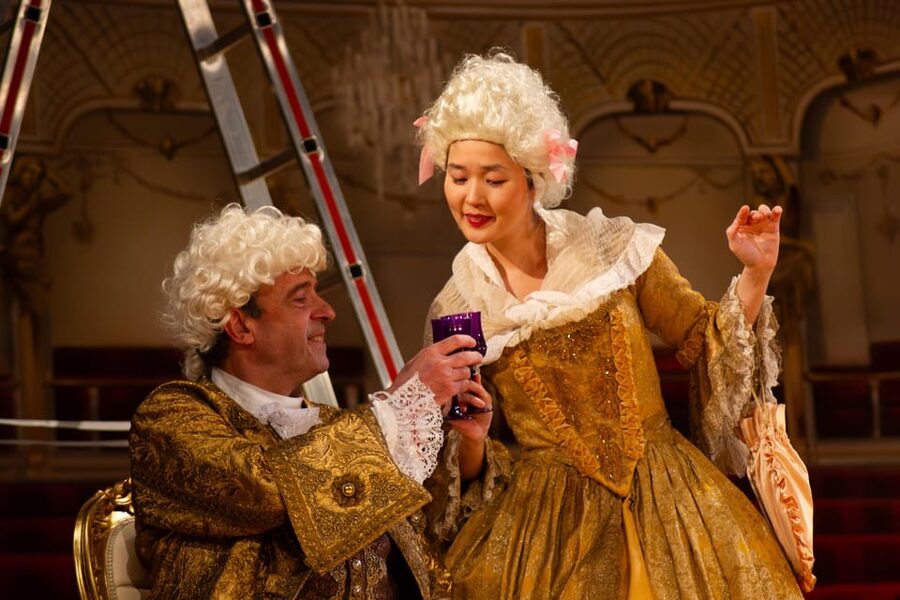
This is the most theatrical program in the series. Mozart’s Bastien and Bastienne is paired with Gluck’s The Converted Drunkard, with staging by Roland Treiber and the Mozart Ensemble Berlin.
The cast includes Yuri Mizobuchi as Bastien, Inês Pinto as Bastienne, and Stephen Barchi as the magician in Bastien and Bastienne. In The Converted Drunkard, Marcel Benedikt performs Jacob Ofenloch, Kristina Naudé performs Barbara, Inês Pinto returns as Bastienne, Yuri Mizobuchi as Bastien, and Stephen Barchi as Luke.
Choose this date if you want characters, voices, and stage action rather than an instrumental recital. Some content is shown in its original language, so this may be less convenient if you need every word translated. Still, the combination of two short operatic works gives the evening more theatrical variety than the solo concerts.
What the 90-minute schedule means

The listed duration is 90 minutes, but the full concert can last between 90 minutes and two hours. A 20-minute break is usually included.
That difference matters when you are arranging dinner, a museum visit, or a later train. Do not schedule another fixed activity immediately afterward. The concert itself is long enough to feel substantial, but it is not an all-night performance.
The break can also make the evening easier on you. A pause helps during a vocal or piano program, and it gives you time to reset in the museum setting. The exact start time varies by date, so check availability for the concert you select rather than relying on a single standard schedule.
Ticket value at about $37 per person
At approximately $37 per person, the experience can be good value if you care about both the music and the setting. Your ticket includes the concert and free museum admission, so you are not paying only for a short performance in a rented room.
The value depends heavily on the program. A named ensemble such as the Mozart Ensemble Berlin, or performers such as Marianne Boettcher, Beatrice Wehner-Schaller, and Naoko Fukumoto, may make the price worthwhile for serious classical listeners. The opera date also offers a fuller evening than a short instrumental recital.
I would compare prices before paying. A December booking recorded a charge of 64 euros through the online seller, while the box office prices were reported as 48 or 40 euros. That does not necessarily mean every date has the same difference, but it is a clear reason to check the final total and, if possible, compare it with the venue’s direct price.
The online booking does offer flexibility. You can reserve now and pay later, and cancellation is allowed up to 24 hours in advance for a full refund. Those terms may justify some price difference if your Berlin schedule is still changing.
Seating, access, and finding the room
You select a seating category rather than a particular seat. If sitting in a certain area is important to you, this arrangement gives you less control than a normal theater booking.
I would arrive early enough to locate the first-floor Gobelin Room without rushing. Present your voucher at the box office to receive your tickets. The published meeting point is inside the museum, not at a separate street-side concert office.
The activity is wheelchair accessible. That makes it suitable for more visitors, though the information supplied does not explain the exact route or seating layout. If you need a particular access arrangement, contact the provider before booking rather than assuming every seating category works in the same way.
Because the room can be hard to find, do not treat the museum entrance as the end of the planning. You need to reach the building, locate the box office, collect your tickets, and then find the concert room upstairs.
Who will enjoy this evening most
I would recommend this experience to you if you meet one or more of these descriptions:
- You enjoy classical music but want a smaller setting than a major concert hall.
- You like combining a museum visit with an evening performance.
- You want a choice between instrumental music, vocal recital, chamber music, and opera.
- You are interested in Baroque, Classical, or Romantic repertoire.
- You value atmosphere as much as the length of the program.
- You are comfortable hearing some works in their original language.
It is less suitable if you need a precise seat, a fully translated performance, or a tightly timed evening. It may also disappoint you if you expect a full orchestra for every program. Several dates feature soloists or small ensembles, and the scale is part of the appeal.
The program choice is especially important for first-time classical listeners. Mozart and Gluck’s staged operas offer the clearest story element. The Romantic duets add voices without a large production. The Bach and Italian Baroque dates are more focused on instrumental detail.
My practical booking advice
First, decide on the music, not just the date. Read the program title and performers carefully. A recorder and chest organ concert is a very different night from Mozart and Gluck opera.
Second, check the final price against the box office if you can. The recorded difference between online and direct prices is large enough to affect the value calculation.
Third, build in extra arrival time. The venue is a museum, and the room is on the first floor. Have your voucher ready at the box office, and do not assume you can walk straight from the entrance to your seat.
Finally, leave room after the concert. The performance may last up to two hours, usually with a 20-minute break, and the start time changes by date.
Should you book the Bode Museum concert?
Book it if the idea of hearing classical music in a museum appeals to you and you are willing to choose the program carefully. The combination of free museum entry, respected performers, and a historic room gives the evening more substance than a standard short recital.
I would be most tempted by the Mozart and Gluck opera, Haydn’s The Seven Last Words, or the Bach violin sonatas, depending on your taste. I would be more cautious about booking without checking the exact repertoire, the final price, and the seating category.
This is a good cultural evening for a curious listener, especially one who values atmosphere and variety. Just arrive early, compare prices, and choose the music that fits your interests.
FAQ
Where does the concert take place?
The concert takes place in the Gobelin Room on the first floor of the Bode Museum in Berlin.
What does the ticket include?
The ticket includes admission to the concert and free museum admission.
How long does the concert last?
The listed duration is 90 minutes, but concerts can last between 90 minutes and two hours. A 20-minute break is usually included.
Can I choose my exact seat?
No. You can select a seating category, but not a specific seat.
Is the concert wheelchair accessible?
Yes, the activity is listed as wheelchair accessible.
Are the performances always in German?
No. Some content is presented in its original language, so the language can vary by program.
Can I cancel my booking?
Yes. You can cancel up to 24 hours in advance for a full refund. You can also reserve now and pay later.
Just added around Berlin
- From Berlin: Sachsenhausen Concentration Camp Museum Tour★ 4.8 · 514 reviews
- Cold War, Berlin Wall, Spies and the East Side Gallery★ 4.8 · 254 reviews
- Bubble Planet Berlin: An Experience Museum for All Your Senses★ 4.1 · 38 reviews
- Berlin: The Wall Museum East Side Gallery Ticket★ 4.1 · 292 reviews
- Berlin: Tickets to the Computer Games Museum★ 4.5 · 363 reviews
- Berlin Trabi Museum: Day Ticket★ 4.1 · 63 reviews
- Berlin: Stasi Museum Private Guided Tour with Entry Ticket★ 4.8 · 13 reviews
- Berlin: Ticket for Photography Exhibitions at C/O Berlin★ 4.5 · 39 reviews
Museum Tours in Berlin, compared.

Skip-the-Line: Berlin Wall Museum at Checkpoint Charlie
Read our review →
“Pergamonmuseum. The Panorama” Exhibition Tickets
Read our review →
East Side Gallery Spree Cruise in a Solar Catamaran
Read our review →
Cold War, Berlin Wall, Spies and the East Side Gallery
Read our review →
Berlin WelcomeCard: Museum Island & Public Transport
Read our review →Browse the lists this tour appears in