
Review · GERMANY
Potsdam: Museum Barberini Entry Ticket
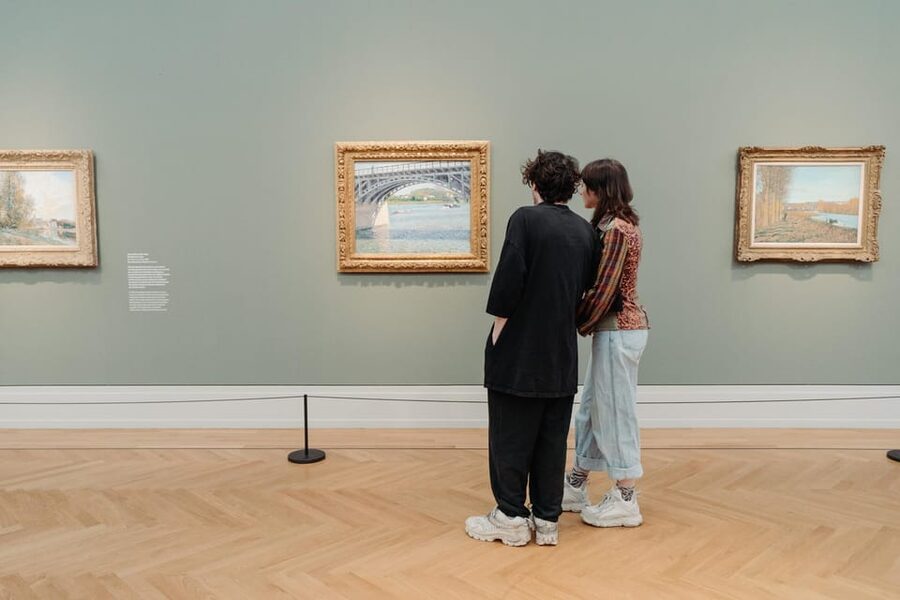
Museum Barberini puts a remarkable group of Impressionist paintings inside a rebuilt palace in Potsdam’s historic center. The collection includes more than 100 works by Monet, Renoir, Morisot, Cézanne, Caillebotte, and Signac, with Monet receiving especially strong attention as the museum holds Europe’s second-largest collection of his paintings.
I like the chance to see how painters turned careful observation into loose, almost abstract marks, and I like the freedom of a self-guided visit. At $11, the ticket gives you about two hours with both the permanent collection and a special exhibition. The main drawback is that workshops, readings, concerts, and other programs cost extra, so this ticket is for looking rather than taking part.
Key points to know before you go
- More than 100 Impressionist works: See paintings by Monet, Renoir, Morisot, Cézanne, Caillebotte, and Signac.
- A major Monet collection: Museum Barberini holds the second-largest group of Claude Monet paintings in Europe.
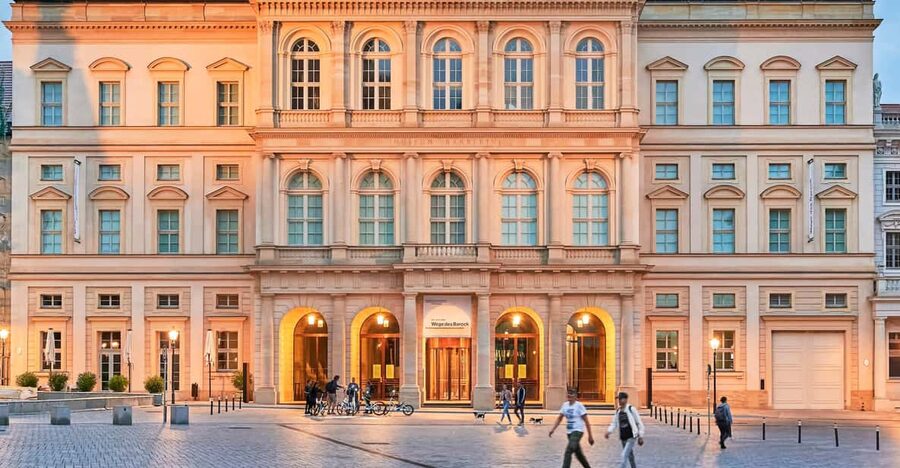
- A palace setting in Potsdam: The museum occupies a reconstructed palace in the city’s historic center.
- Two hours is a sensible visit: You have enough time for a focused art visit without committing half a day.
- A free app replaces a standard tour guide: Download the Barberini app to use the digital audio guide on your phone.
- Three special exhibitions each year: The museum regularly adds loans from international museums and private collections.
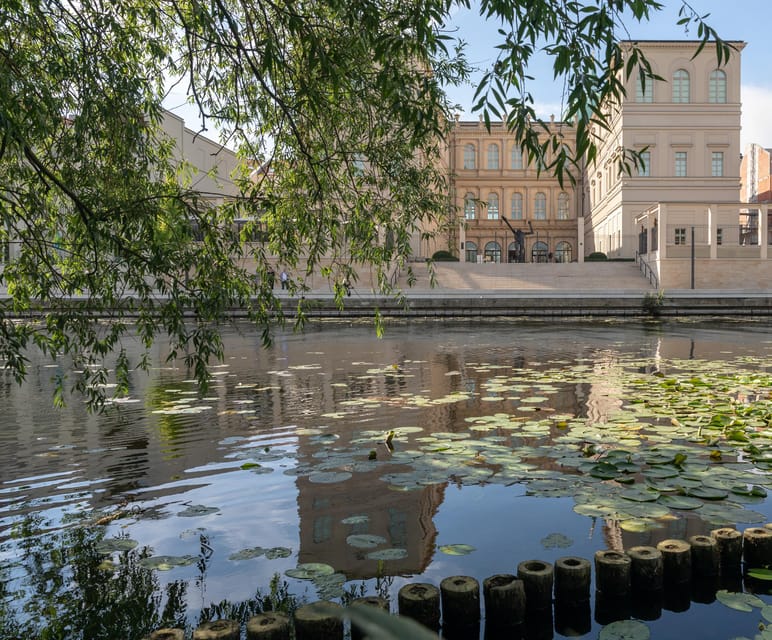
Entering Museum Barberini in Potsdam’s historic center
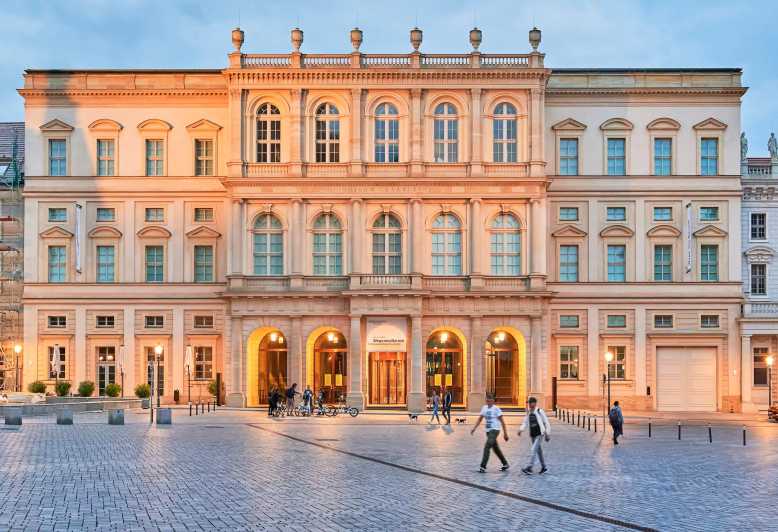
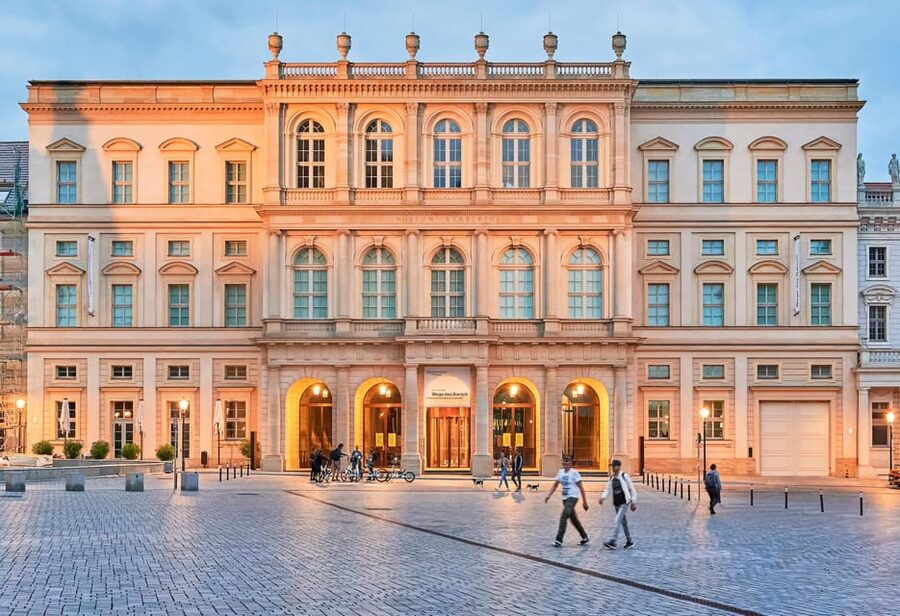
Museum Barberini gives you an art museum and a city-center setting in one stop. The building is a reconstructed palace, which gives the visit a formal backdrop before you even reach the galleries.
That setting matters because the museum does not feel like a bare exhibition hall. The palace architecture frames the paintings, while the central Potsdam location makes the museum easy to pair with other sightseeing in town. You can plan it as a focused art stop rather than a full-day commitment.
The ticket costs $11 per person. I consider that a fair price for access to the permanent Impressionist collection and the special exhibition, especially if you care about Monet or late 19th-century French painting. The value is less clear if you only have a passing interest in art, since two hours may feel long if you move quickly through galleries.
You should allow about two hours. The exact starting times depend on availability, so check the schedule before booking. That duration works well for visitors who want to study key paintings but still have room in the day for Potsdam’s other sights.
A few more museum visits around Germany worth comparing
- Berlin: Jewish Museum Berlin Entrance Ticket
★ 4.5 · 8,393 reviews - Berlin: DDR Museum Tickets
★ 4.3 · 3,443 reviews - Berlin: Natural History Museum Entrance Ticket
★ 4.6 · 3,382 reviews
What you see in the Impressionist collection
The heart of the visit is the collection of more than 100 Impressionist paintings gathered by founder Hasso Plattner. The names alone make this a serious stop: Claude Monet, Pierre-Auguste Renoir, Berthe Morisot, Paul Cézanne, Gustave Caillebotte, and Paul Signac are all represented.
You will see different answers to the same basic artistic problem: how can paint suggest a real scene without recording every detail? Impressionist artists often watched changing light, weather, color, and movement closely, then used visible brushwork to build the image.
That is why these paintings can feel both realistic and close to abstraction. From a short distance, patches of color may form water, buildings, trees, or sky. Up close, you may notice that the image is made from marks that do not look literal on their own.
The collection is particularly useful if you want to follow that change in painting style. Monet can show how repeated views and shifting light became a subject in their own right. Cézanne offers a different path, with firmer shapes and a more structured approach. Morisot brings a distinctive sensitivity to light and everyday scenes, while Caillebotte is known for strong composition and careful observation.
You also get a chance to compare artists rather than see a single famous name in isolation. Renoir, Morisot, Monet, Cézanne, Caillebotte, and Signac worked in different ways, and the collection lets you notice those differences across several rooms.
Why the Monet rooms deserve extra time
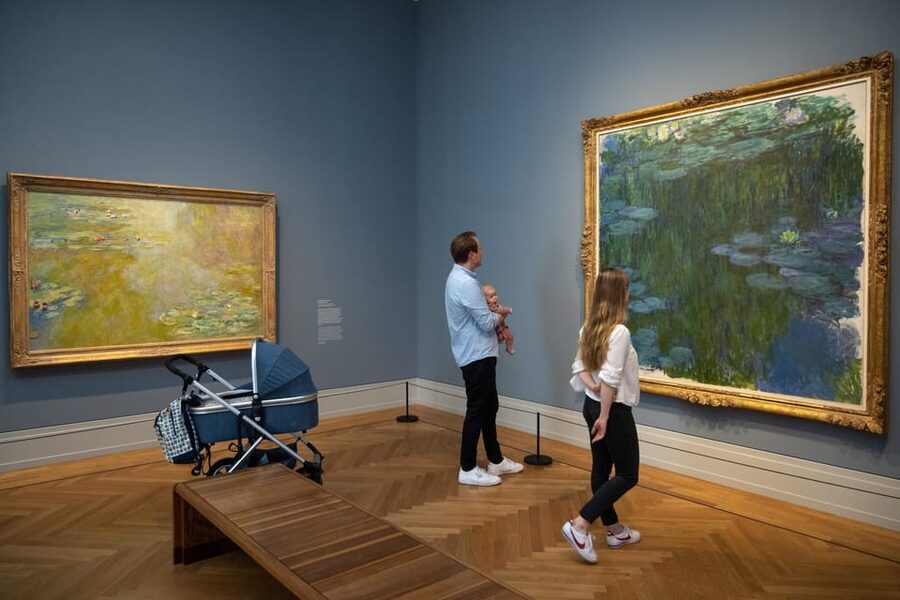
The museum’s second-largest collection of Monet paintings in Europe is the clearest reason to book this ticket if Monet is high on your list. You will not simply find one isolated example tucked into a larger display. The number of works gives you a better sense of his changing methods and interests.
I suggest slowing down in front of the Monet paintings instead of treating them as quick photo stops. Look first at the full image, then at the brush marks and color choices. You might find that what appears to be a precise scene is built from suggestions rather than hard edges.
This collection also helps explain why Monet remains so accessible. You can recognize the subject quickly, but the painting asks you to look longer at light and atmosphere. The effect is direct without being simple.
The museum does not promise that every Monet work will be on display at every moment, since galleries and exhibitions can change. Still, the stated size of the collection makes the museum a strong choice for anyone seeking more than a single famous painting.
Berthe Morisot, Cézanne, Caillebotte, and Signac
A visit focused only on Monet would miss much of the collection’s appeal. Berthe Morisot brings a different view of Impressionist painting, with an approach that rewards close attention to light, gesture, and the feel of a moment.
Paul Cézanne helps you see how Impressionism began to move toward more structured and less purely visual painting. His works can make you think about the shapes beneath a scene and the ways an artist reorganizes what the eye sees.
Gustave Caillebotte offers another useful comparison. His paintings are known for careful observation and strong arrangements of space. You may find his work appealing if you like images that feel solid and deliberate while still belonging to the changing world of Impressionism.
Paul Signac represents yet another direction. His color and brushwork can help you understand how close looking at nature led some artists toward more divided, patterned marks. The collection therefore works well as a lesson in artistic change, not just a parade of famous names.
The museum’s theme of observation is important here. These painters were not simply copying what stood before them. They were deciding what to include, what to leave out, and how color could suggest a complete scene.
Same city, a completely different collection:
- Berlin: Neues Museum Entry Ticket
★ 4.6 · 3,261 reviews - Berlin: Museum Island Multiple Museum Entry Ticket
★ 4.4 · 2,861 reviews - Cologne: Chocolate Museum Entrance Ticket
★ 4.4 · 2,790 reviews - Dresden: Church of Our Lady Guided Tour of Gallery
★ 4.7 · 2,421 reviews
Using the Barberini app as your guide
Your ticket includes a digital audio guide through the Barberini app. You download it to your phone, giving you a self-guided way to add context as you move through the galleries.
I like this format for visitors who want information without being tied to a group schedule. You can spend more time with a painting that catches your eye and move on when you are ready. It also lets you control how much explanation you receive.
Bring a charged phone and make sure you are comfortable using an app before entering the galleries. The supplied information does not name a live guide, so you should book this as an independent museum visit, not as a guided tour led by a person.
The app is also useful for first-time art museum visitors. Impressionist painting can look easy at first glance, but a few well-placed explanations can show you why a particular work matters. You can use the guide to connect the painters, styles, and changes in visual technique.
Special exhibitions and changing reasons to return
The permanent collection is only part of Museum Barberini’s program. The museum presents three special exhibitions each year, using loans from international museums and private collections.
That schedule gives the museum a changing character. A return visit may offer a new subject, different artists, or a fresh way to view the permanent collection. If you are planning your trip around a particular exhibition, check the current program before reserving a ticket, since the available show will depend on your visit date.
The same ticket includes access to the special exhibition listed for your visit. That adds value to the $11 admission, particularly if the temporary show contains works that are not normally in Potsdam.
The museum also runs symposia, readings, guided tours, concerts, film evenings, and workshops. These events can turn the museum into a meeting place for discussion and performance, but they are not included in this basic entry ticket. You need an extra ticket for education programs, workshops, and events.
Planning your two hours inside the museum
A two-hour visit gives you enough time to see the main collection at a thoughtful pace. I would begin with the permanent Impressionist paintings, then spend the remaining time on the special exhibition and any works that deserve a second look.
Do not rush past the less familiar names. The famous Monet paintings will likely draw your attention first, but the comparisons with Morisot, Cézanne, Caillebotte, Renoir, and Signac are what make the visit more rewarding.
You should also allow a little time for the museum store and Barberini Café. These are natural places to finish, especially if you want a book or a quiet pause after concentrating on paintings.
The museum has several clear restrictions. Food and drinks, bags, backpacks, bikes, pets, and touching the exhibits are not allowed. Assistance dogs are allowed. You should also avoid bringing more than you need, since bags and backpacks are specifically listed among the prohibited items.
The museum is wheelchair accessible, which makes this a practical art stop for visitors who need step-free access. The available information does not provide further details about routes or facilities, so contact the museum directly if you need a particular accommodation.
Who will get the most from this ticket?
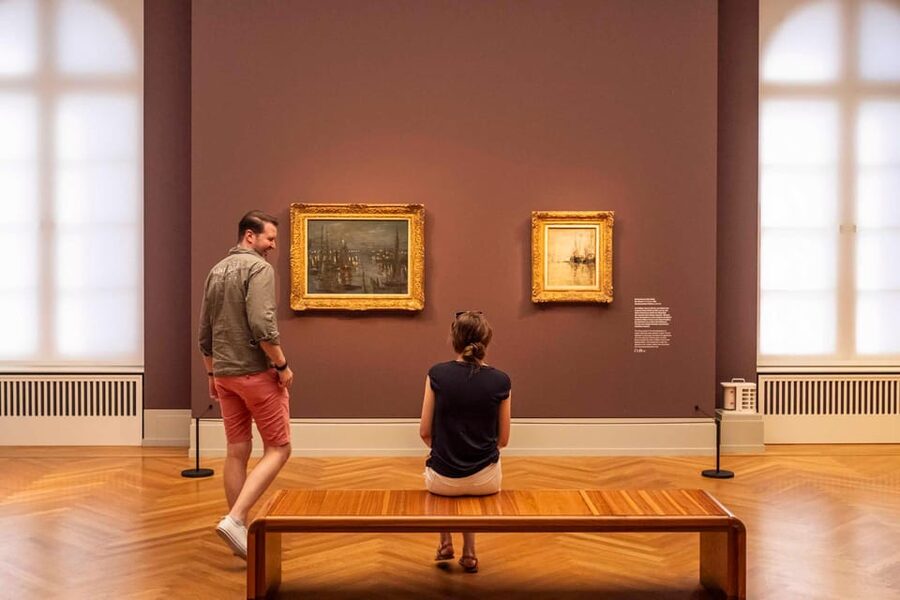
I would choose Museum Barberini if you enjoy Impressionism, want a major Monet collection, or need a manageable art visit in Potsdam. It also suits you if you prefer to explore at your own speed rather than join a scheduled group.
Families and mixed-interest groups may find the two-hour length useful. Someone can focus on Monet while another person spends more time with Cézanne or Morisot, and the app lets each person decide how much information to hear.
Art students and serious museum fans may want more than the standard entry ticket. The events and workshops offer added depth, but they require separate tickets and are not part of this booking.
You may want to skip it if your Potsdam schedule is already packed or if you have little interest in painting. The palace setting and café add to the visit, but the main attraction is still the art.
Should you book Museum Barberini?
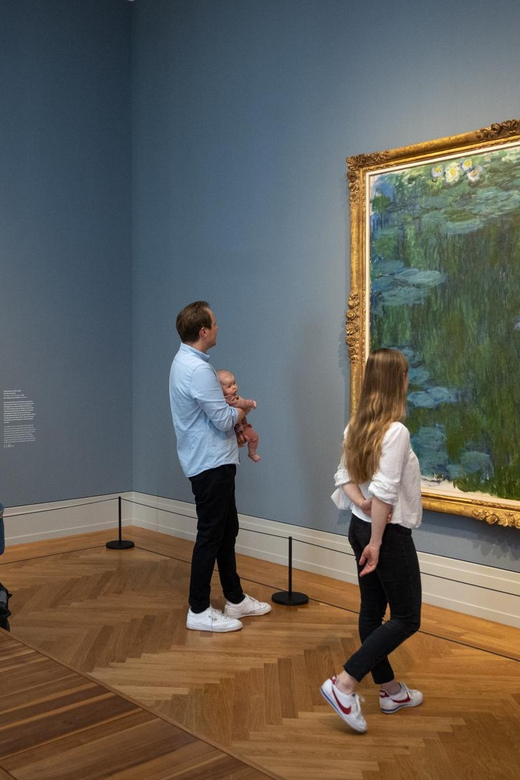
Book this ticket if you want a focused art visit with strong Monet content and a useful digital guide. At $11, admission is reasonably priced for the permanent collection plus a special exhibition, and two hours is easy to fit into a day in Potsdam.
The best reason to go is the chance to compare more than 100 Impressionist paintings in one place. The main caution is to treat it as a museum visit, not an all-inclusive cultural program. Workshops, concerts, readings, and other events cost extra.
With a reported rating of 4.6 from 403 bookings, the experience has a solid record of satisfaction. I would make the call based on your interest in Monet and Impressionism: if those names appeal to you, Museum Barberini is a worthwhile Potsdam stop.
FAQ
How long does a visit to Museum Barberini take?
The planned duration is about two hours. That gives you time to see the permanent Impressionist collection, the special exhibition, and possibly visit the museum store or Barberini Café.
What artists can I see at Museum Barberini?
The collection includes Claude Monet, Pierre-Auguste Renoir, Berthe Morisot, Paul Cézanne, Gustave Caillebotte, and Paul Signac, among others.
Does the ticket include a digital guide?
Yes. The ticket includes a digital audio guide through the Barberini app, which you download to your phone.
Does the entry ticket include special exhibitions?
Yes. Entry includes access to the permanent collection and the special exhibition available during your visit.
Are workshops and events included?
No. Education programs, workshops, and events such as concerts, readings, film evenings, and guided programs require an extra ticket.
Is Museum Barberini wheelchair accessible?
Yes. Museum Barberini is wheelchair accessible.
Just added around Germany
- Stuttgart: Stuttgart Wine Museum Wine Tasting★ 4.7 · 55 reviews
- Stuttgart: Museum of Illusions Entry Ticket★ 4.2 · 507 reviews
- Stein: Public guided tour of the “Old Mine” museum★ 4.5 · 18 reviews
- Speyer: Technik Museum Speyer Ticket with an IMAX Dome Film★ 4.7 · 360 reviews
- Berlin: Bode Museum Ticket★ 4.5 · 214 reviews
- Munich Private Walking Tour with BMW Museum & Welt Entry★ 4.2 · 19 reviews
- Munich: Residenz Palace, Museum and Treasury Private Tour★ 4.9 · 15 reviews
- Munich: WOW Museum – Room for Illusions Ticket★ 3.5 · 14 reviews
Museum Tours in Germany, compared.

Dresden: Church of Our Lady Guided Tour of Gallery
Read our review →
Skip-the-Line: Berlin Wall Museum at Checkpoint Charlie
Read our review →Browse the lists this tour appears in