
Review · GERMANY
Dresden: Albertinum Museum Entry Ticket
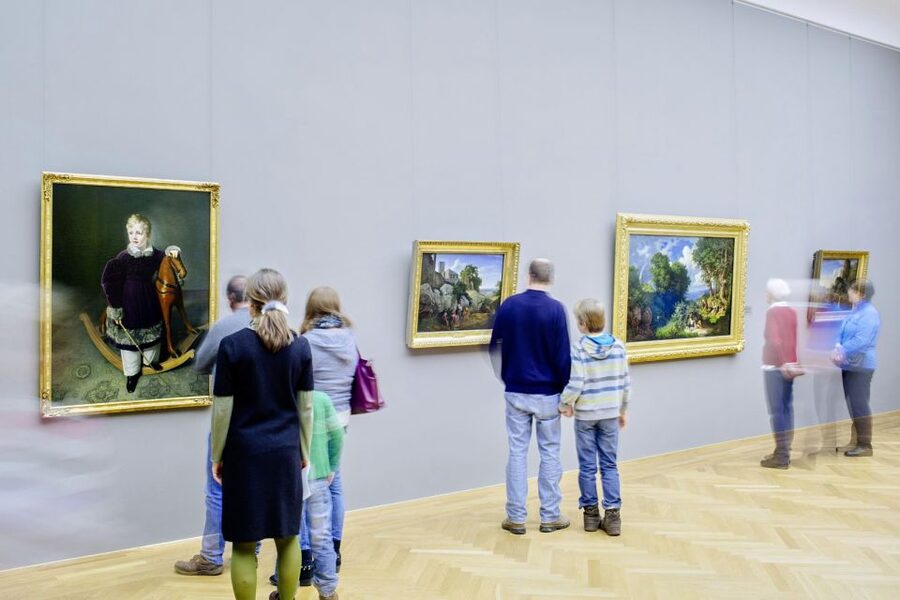
The Albertinum begins with Rodin’s The Thinker, then moves through painting and sculpture from Romanticism to the present. You’ll see Caspar David Friedrich’s brooding German landscapes alongside works that feel sharply modern, including Tony Cragg’s unusual cube sculpture made with wood, fabric scraps, and loose-leaf binders.
I like the mix of famous names and less familiar artists, and I like that one ticket gives you both the Galerie Neue Meister and the sculpture collection. The main consideration is simple: the Albertinum is best for art lovers who want range. If you only have time for one quick masterpiece, the museum may feel larger than necessary.
Key points at a glance
- Rodin greets you first: Begin with the famous sculpture The Thinker by Auguste Rodin.
- Caspar David Friedrich takes center stage: See works by Germany’s great Romantic painter.
- Painting meets sculpture: The museum connects 19th-century art with modern and contemporary work.
- A one-day ticket gives you flexibility: Explore at your own pace rather than follow a fixed tour.
- The collection crosses East and West: The Albertinum places different artistic traditions and periods side by side.
- Children under 17 enter free: They need a child ticket and must be accompanied by an adult.
Entering the Albertinum and meeting The Thinker
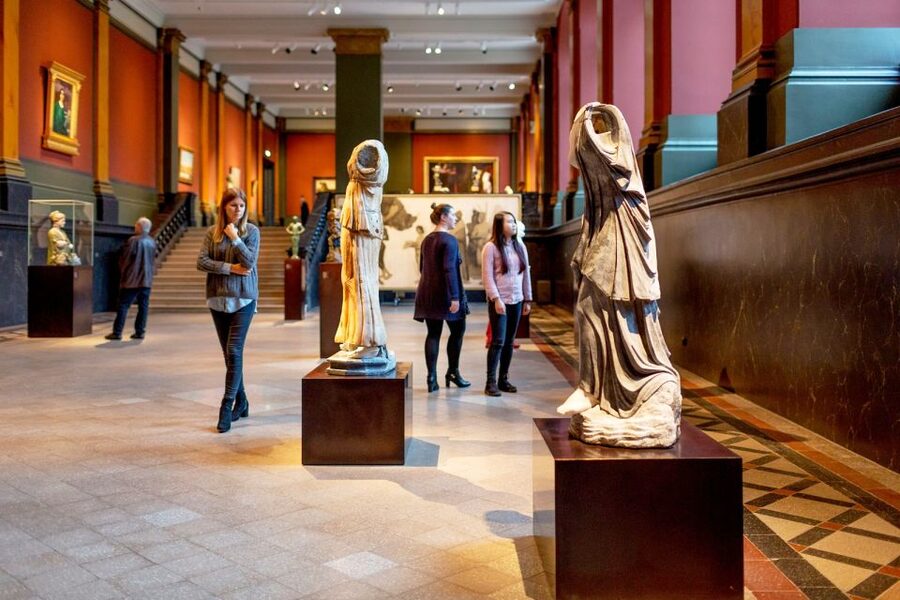
Your visit starts with a major name. Auguste Rodin’s The Thinker is the first work described on the route, a fitting introduction to a museum that links traditional art with the experiments of the 20th century.
Rodin’s sculpture is familiar from reproductions, but seeing it inside a museum devoted to changing ideas about art gives it a useful setting. The figure is not just a famous seated man. It represents the turn toward more expressive, less formal sculpture, and it points toward the artistic changes explored in the rooms ahead.
Take a little time here before hurrying into the galleries. The Albertinum is not arranged as a single story with one clear hero. Instead, it asks you to notice how artists handle the body, emotion, materials, and space in different ways.
That makes the opening especially useful if you are visiting with someone who prefers sculpture to painting, or the other way around. You can begin with a work that most people recognize, then let the collection broaden your idea of what modern art can be.
A few more museum visits around Germany worth comparing
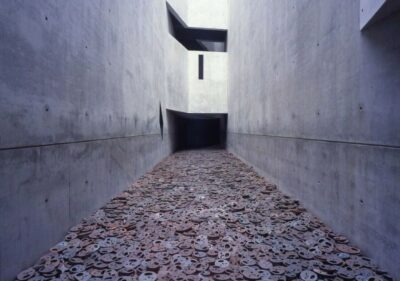
- Berlin: Jewish Museum Berlin Entrance Ticket
★ 4.5 · 8,393 reviews - Berlin: DDR Museum Tickets
★ 4.3 · 3,443 reviews - Berlin: Natural History Museum Entrance Ticket
★ 4.6 · 3,382 reviews
Caspar David Friedrich and the Romantic imagination
The Galerie Neue Meister covers works from the 19th century through contemporary art, but Caspar David Friedrich is likely to be the biggest draw for many people. His paintings are closely linked with German Romanticism, a movement that treated nature, solitude, and human feeling as serious subjects.
Friedrich’s work rewards patience. His scenes often ask you to slow down and look at the relationship between a small human presence and a large natural setting. You might find yourself focusing first on the mood, then on the details that create it.
I recommend giving these paintings more than a quick glance. Friedrich is not an artist to rush past while hunting for a checklist of famous names. His work helps explain why Romantic painting remains so powerful: the subject is visible, but the emotional question is often left open.
The surrounding collection gives you a chance to see how later artists moved away from Romantic ideals. That contrast matters. You are not looking at Friedrich in isolation, but as part of a longer story that reaches toward modern and contemporary art.
From 19th-century painting to modern sculpture

The Albertinum’s appeal comes from the change in scale and medium. One room may ask you to study brushwork and atmosphere, while another shifts your attention to the human body, abstract form, or the physical materials used to make a sculpture.
Wilhelm Lehmbruck’s 1911 Kneeling Woman is one important stop. The work belongs to the period when sculpture was becoming more expressive and less tied to perfect natural detail. A kneeling figure can suggest vulnerability, tension, or inward thought without relying on a polished, lifelike surface.
That change in artistic language becomes easier to understand when you have already seen Rodin and Friedrich. You can trace a movement from recognizable forms and Romantic feeling toward sculpture that communicates through proportion, posture, and distortion.
The collection covers sculpture from 1800 onward. That long time span is useful because it lets you compare artists across generations rather than treating modern sculpture as something that appeared without warning.
You should expect some works to appeal immediately and others to take more effort. That is normal here. The Albertinum is not designed as a quick parade of universally pleasing objects. It gives you a broad sample of how artists have questioned the human figure and the nature of beauty.
Contemporary works and surprising materials
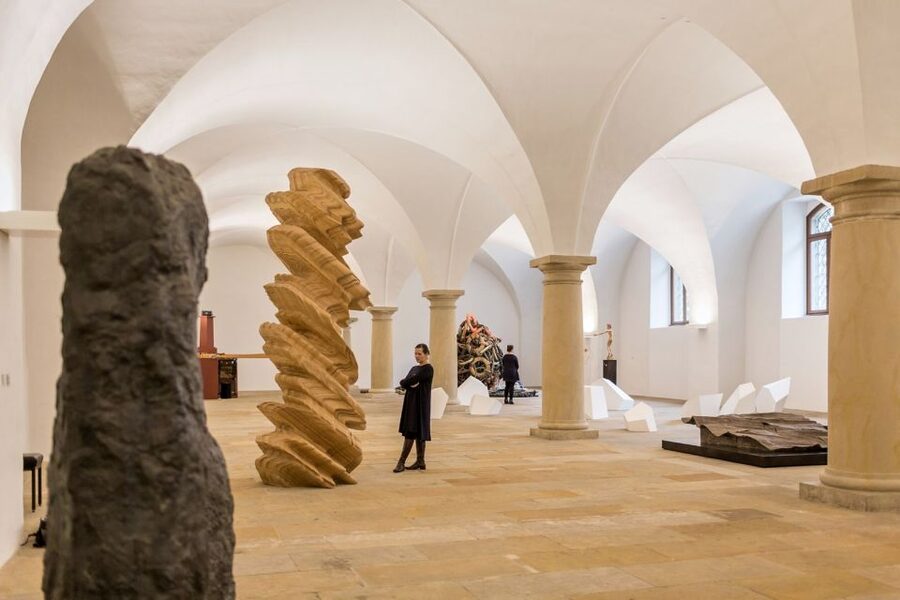
Birgit Diecker’s Seelenfänger and Tony Cragg’s mathematically stacked cube offer a sharper break from the older paintings and sculptures. The Cragg work is made from wood, fabric scraps, and loose-leaf binders, materials that can seem ordinary until an artist changes their scale, order, and purpose.
This is one of the best reasons to visit the Albertinum with an open mind. The collection does not limit sculpture to marble, bronze, or carved stone. It shows how everyday materials can become part of a serious artistic idea.
Cragg’s work is especially useful for families and first-time modern-art visitors because its construction gives you something concrete to examine. You can look at the stacked structure, the materials, and the mathematics of the form before deciding what you think it means.
Seelenfänger adds another contemporary voice to the route. Since the collection includes work from the present day, you should expect a mix of styles rather than a single definition of modern art. One piece may seem direct, another puzzling, and a third may reward a longer pause.
I find this contrast more valuable than a museum that keeps old and new art in separate worlds. At the Albertinum, you can see how concerns about the body, identity, structure, and perception change over time.
Same city, a completely different collection:
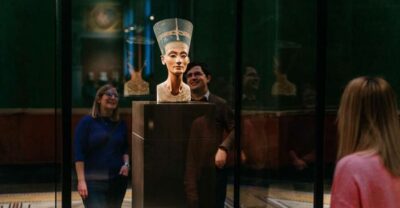
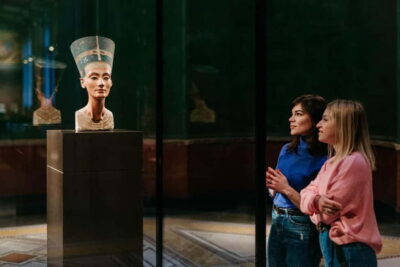
- Berlin: Neues Museum Entry Ticket
★ 4.6 · 3,261 reviews - Berlin: Museum Island Multiple Museum Entry Ticket
★ 4.4 · 2,861 reviews - Cologne: Chocolate Museum Entrance Ticket
★ 4.4 · 2,790 reviews - Dresden: Church of Our Lady Guided Tour of Gallery
★ 4.7 · 2,421 reviews
How to plan your one-day visit
The ticket is valid for one day, and the visit is self-paced. You do not need to fit yourself into a guided timetable, which gives you room to spend ten minutes with Friedrich or move quickly through a section that does not hold your attention.
Plan your visit around your energy rather than trying to see every work with equal care. Start with The Thinker, give the Friedrich paintings proper attention, and then move through Lehmbruck, Diecker, Cragg, and the other works at a pace that suits you.
Comfortable shoes are a sensible choice. Even an art museum visit can involve a lot of standing and walking, especially when you are comparing rooms and returning to a work you want to see again.
A camera is listed as something you may bring. You should still follow the museum’s rules about photography once inside, since the ticket information does not specify which works or rooms permit photographs.
Opening times can change, so check the official museum website before setting your schedule. This matters particularly if you are building a tight day around other sights in Dresden.
There is also a specific temporary limitation to note: the second floor is closed for necessary technical construction work from April 7 through April 17. If your visit falls in that period, check the current museum information before booking so you know which parts of the collection are available.
Is $16 a fair price?
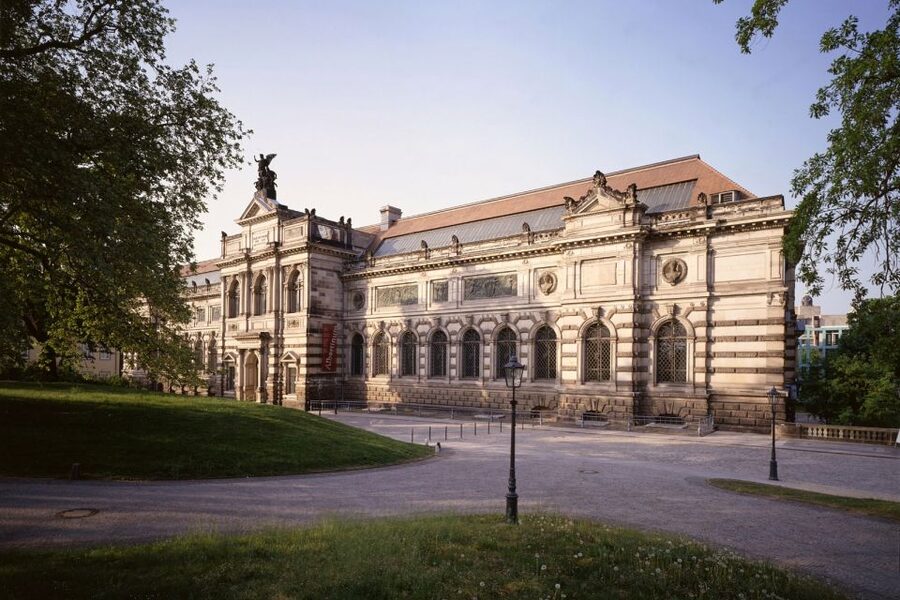
At $16 per person, the ticket offers good value if you want both major parts of the Albertinum: the Galerie Neue Meister and the sculpture collection from 1800 onward. You are paying for a broad art visit rather than a single temporary exhibit or one famous object.
The value is strongest for people who enjoy comparisons. You can look at Romantic painting, early modern sculpture, and contemporary mixed-material work in one place. That range makes the ticket more useful than it may first appear.
The price is less compelling if you are not interested in art or if your Dresden schedule allows only a very short stop. In that case, you may spend too much of your day moving through galleries without having time to absorb what you see.
Children under 17 can enter the exhibition free when accompanied by an adult, but you should book a child ticket. For families, that policy improves the overall value and makes it easier to include younger members of your group.
You can also reserve now and pay later, which helps if your plans are still shifting. Free cancellation is available up to 24 hours before the visit for a full refund. Those terms are useful, but the main value still comes from how much time and interest you can give the museum.
Who will enjoy the Albertinum most?
I would choose this experience for anyone who likes to see art develop across time. It suits you especially well if Caspar David Friedrich is on your Dresden list, or if you want a serious sculpture collection alongside paintings.
It also works for mixed-interest groups. One person can focus on Friedrich and other painters, while another spends more time with Rodin, Lehmbruck, Diecker, and Cragg. The broad range gives each person a reasonable chance of finding something memorable.
Families can benefit from the free entry for children under 17. Contemporary works made from unusual materials may also give younger visitors an easier way into the collection than a room filled only with formal historical painting.
You may want to skip or shorten the visit if you prefer a tightly focused museum with one period, one artist, or one clear theme. The Albertinum asks you to make your own connections, and that can feel demanding if you want a quick, simple route.
Wheelchair access is available. That makes the museum practical for visitors who need an accessible venue, though you should still confirm current conditions with the museum if you have specific access requirements.
A practical route through the collection
Here is the order I would use:
- Start with Rodin’s The Thinker. Let the sculpture establish the museum’s interest in changing artistic styles.
- Move toward the 19th-century paintings and spend time with Caspar David Friedrich. Look for mood, scale, and the relationship between people and nature.
- Continue into sculpture from 1800 onward, where Wilhelm Lehmbruck’s Kneeling Woman shows how artists began to stretch and simplify the human form.
- Look for Birgit Diecker’s Seelenfänger and compare its approach with the older works.
- Finish with Tony Cragg’s cube made from wood, fabric scraps, and loose-leaf binders, then return to any earlier work that stayed in your mind.
This is not a required route, but it gives your visit a natural progression from famous traditional forms to more experimental work. You can also reverse it if contemporary art is your main reason for coming.
The important thing is to leave room for your own pace. The ticket lasts one day, so you do not need to treat the Albertinum as a race.
Final verdict: should you book it?
Book the Albertinum if you want more than a quick look at one famous painting. For $16, you get access to a wide span of painting and sculpture, including Caspar David Friedrich, Rodin, Lehmbruck, Birgit Diecker, and Tony Cragg.
I especially recommend it if you enjoy seeing how artistic ideas change from Romanticism to the present. The museum’s strongest feature is the conversation between periods and materials.
Skip it if your Dresden plan is already overloaded or if modern and contemporary art hold little interest for you. But if you can give the Albertinum a relaxed part of your day, it offers a thoughtful mix of familiar masterpieces, unusual objects, and works that may surprise you.
FAQ
How long is the Albertinum ticket valid?
The ticket is valid for one day.
What collections are included?
The ticket includes the Galerie Neue Meister, or New Masters Gallery, and the Skulpturensammlung, or Sculpture Collection.
Which art periods are represented?
The museum presents works from Romanticism through contemporary art. The sculpture collection includes works from 1800 onward.
Can I see Caspar David Friedrich’s work?
Yes. The Albertinum includes masterworks by the German Romantic artist Caspar David Friedrich.
Is Auguste Rodin’s The Thinker on display?
Yes. The Thinker is described as the first work you will see on the route through the Albertinum.
Is the museum wheelchair accessible?
Yes, the activity is wheelchair accessible.
Do children need a ticket?
Children under 17 can enter free when accompanied by an adult, but you should book a child ticket.
What should I bring?
Comfortable shoes and a camera are recommended.
Is the second floor always open?
The second floor is scheduled to close for technical construction work from April 7 through April 17. Check the official museum website for the latest information before your visit.
Can I cancel the booking?
You can cancel up to 24 hours in advance for a full refund. You can also reserve now and pay later.
Just added around Germany
- Stuttgart: Stuttgart Wine Museum Wine Tasting★ 4.7 · 55 reviews
- Stuttgart: Museum of Illusions Entry Ticket★ 4.2 · 507 reviews
- Stein: Public guided tour of the “Old Mine” museum★ 4.5 · 18 reviews
- Speyer: Technik Museum Speyer Ticket with an IMAX Dome Film★ 4.7 · 360 reviews
- Berlin: Bode Museum Ticket★ 4.5 · 214 reviews
- Munich Private Walking Tour with BMW Museum & Welt Entry★ 4.2 · 19 reviews
- Munich: Residenz Palace, Museum and Treasury Private Tour★ 4.9 · 15 reviews
- Munich: WOW Museum – Room for Illusions Ticket★ 3.5 · 14 reviews
Museum Tours in Germany, compared.



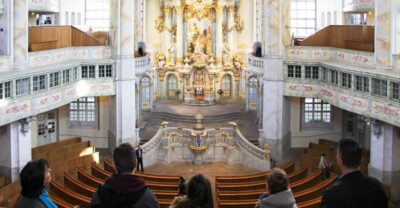
Dresden: Church of Our Lady Guided Tour of Gallery
Read our review →
Skip-the-Line: Berlin Wall Museum at Checkpoint Charlie
Read our review →Browse the lists this tour appears in