
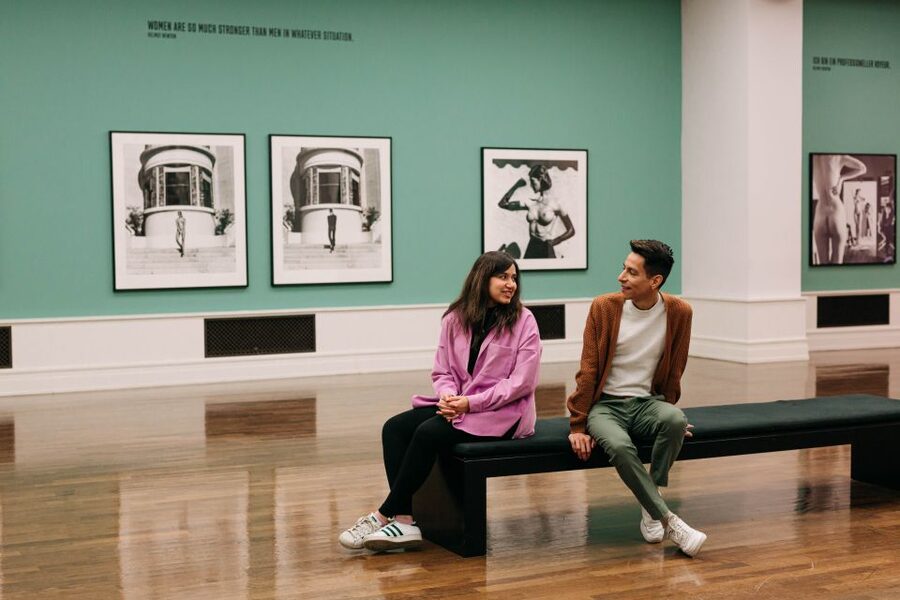
Review · GERMANY
Berlin Museum of Photography Entry Ticket
The Museum of Photography takes you from the first days of the medium to present-day images, with five distinct collections and a permanent exhibition devoted to Berlin-born fashion photographer Helmut Newton. I like that the visit is not limited to famous prints. You can also see personal archives, early photographs, photogrammetric holdings, and historical postcards.
I also like the freedom of a one-day ticket. There is no guide or fixed route, so you can move quickly through familiar material or slow down when a photograph catches you. The main drawback is that the ticket is non-refundable, and the experience may feel different from what you imagine if you expect a small, tightly focused gallery rather than a broad museum.
Key points to know before you go
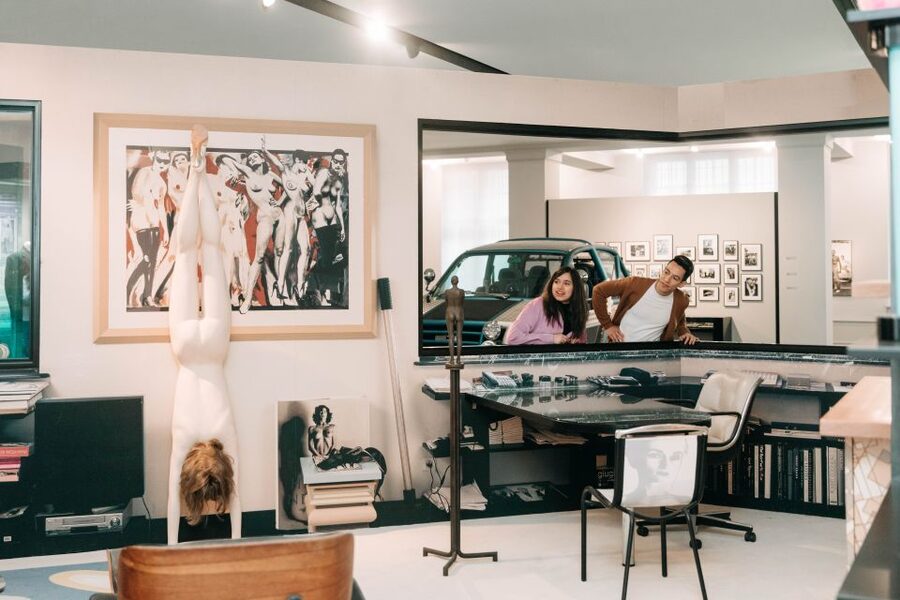
- Helmut Newton’s Berlin connection: See the work and personal objects of the provocative fashion photographer, including his cameras, art collection, and famous Newton-mobile.
- Five parts of the collection: The museum covers photographic archives, artistic photography, personal archives, photogrammetric material, and historical postcards.
- Photography from the 19th century onward: You can compare early photographic methods with images from the modern day.
- Temporary exhibitions add variety: Current displays include Body Performance and Post-War Modern Photography, though exhibition titles can change.
- $14 buys a full day of entry: The value is strongest if you plan to spend several hours with both the permanent and temporary displays.
- Pack light: Backpacks, oversize luggage, food, and drinks are not allowed in the exhibition areas.
What the Museum of Photography offers
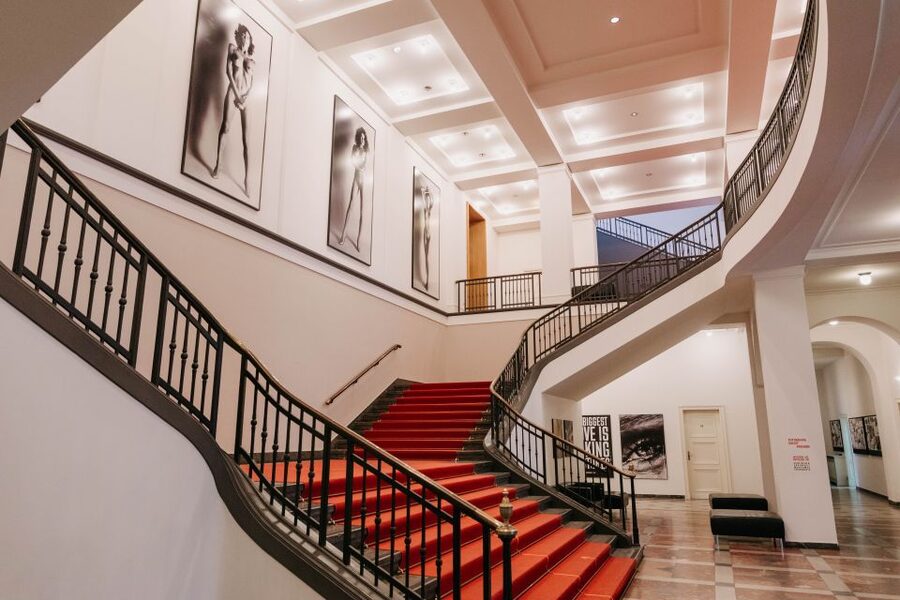
This is a museum about photography as both an art form and a record of life. You will see images made for artistic purposes, but also material that documents people, places, events, and changing ways of seeing.
The museum opened in 2004 and is divided into five main sections. That arrangement gives your visit a useful shape. Instead of one long stream of framed photographs, you can consider how photographs were made, collected, used, and preserved.
The experience is self-guided. You go directly to the museum entrance, show your ticket, and set your own pace. The ticket is valid for one day, so you are not tied to a short timed visit once inside. Check the available starting times when booking, since the ticket information asks you to select from the times offered.
I would allow several hours if you want to give the material proper attention. You could see the main highlights more quickly, but the museum’s appeal lies in comparing different types of photography rather than rushing from one famous image to the next.
A few more museum visits around Germany worth comparing
- Berlin: Fotografiska Photography Exhibition Ticket
★ 4.6 · 168 reviews - Berlin: Ticket for Photography Exhibitions at C/O Berlin
★ 4.5 · 39 reviews - Amsterdam: Foam Photography Museum Admission Ticket
★ 4.2 · 141 reviews
Five collections that give the visit its shape
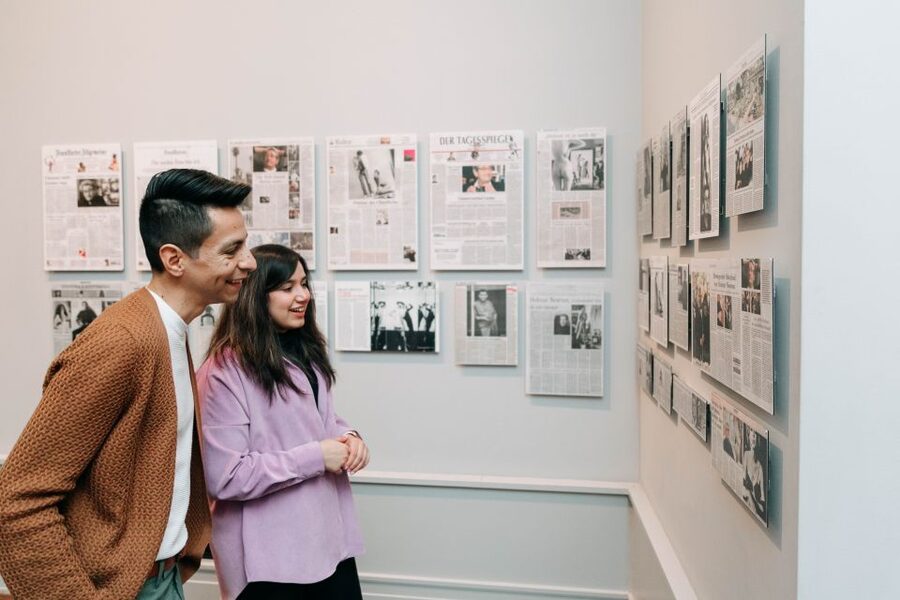
The first major area is the photographic archive. This is where you can see photography treated as a record of people, events, and changing times. The collection stretches from the 19th century to the present, so the experience gives you a broad view of how photographs have served different purposes.
Early photography deserves patience. Images from the first years of the medium can look formal and carefully arranged compared with modern pictures. That contrast helps explain how photography changed from a demanding, unusual process into a fast part of daily life.
The collection of artistic photography offers a different way to look. Here, the photograph is not simply proof that something existed. Composition, light, subject, and the photographer’s decisions matter. If you already enjoy photography as an art form, this section may be your main reason for coming.
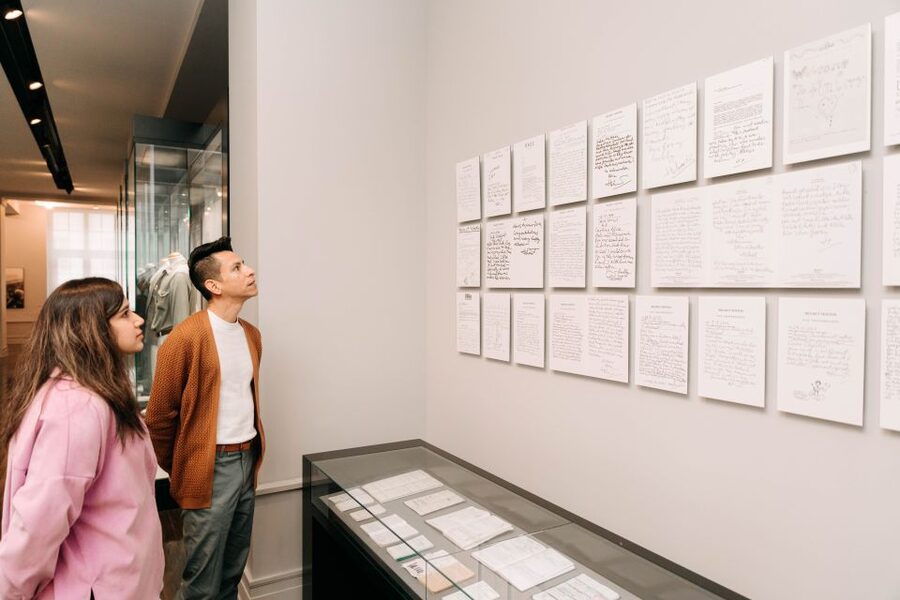
The personal archive adds another layer. Personal papers and related material can show how a photographer worked and how a body of images developed over time. The supplied information does not promise a specific set of personal documents on the day you visit, so think of this as a type of collection rather than a guaranteed display of one particular person’s papers.
You will also find photogrammetric holdings. This material reflects photography’s technical and measuring side, rather than only its artistic use. It is a useful reminder that photographs have long been used to record and analyze the physical world.
The fifth area covers historical postcards. These may seem less grand than major art photographs, but postcards can be wonderfully revealing. They show what people thought was worth sharing, how places were presented, and how ordinary images traveled beyond the photographer’s own circle.
Taken together, these five sections keep the museum from feeling like a single-theme exhibition. You can move between art, technology, memory, documentation, and popular visual culture.
Early photographs and modern images side by side
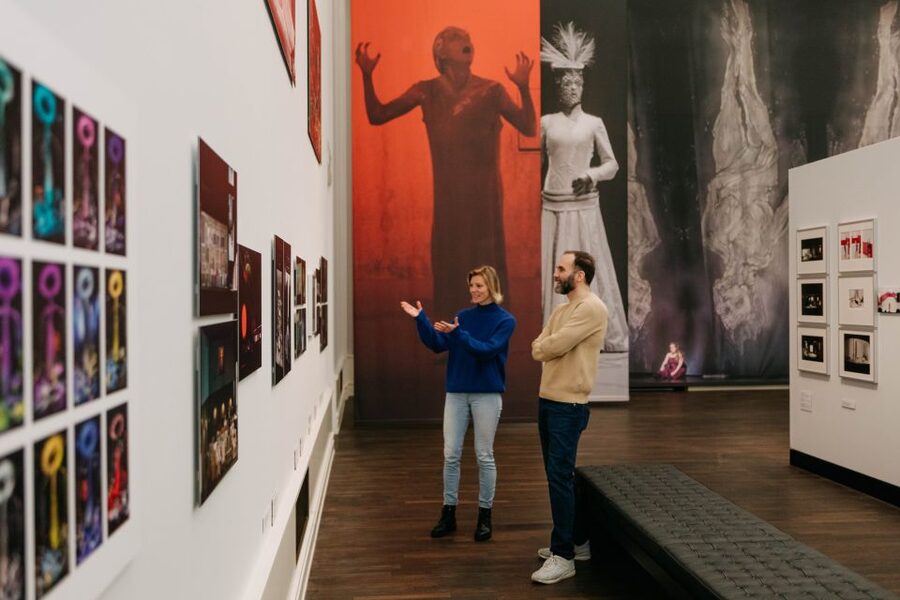
One of the best reasons to visit is the span of time. The museum includes photographs from the 19th century through the modern day, allowing you to see changes in equipment, technique, subject matter, and purpose.
I find this kind of range more useful than a display focused only on masterpieces. You begin to notice what changed and what did not. People still pose, record important occasions, preserve memories, and use pictures to shape public opinion. The tools and visual language shift, but the basic human reasons for making photographs remain familiar.
The modern material also gives the early work more meaning. Once you have seen how quickly images can now be made and shared, older photographs seem even more deliberate. A photograph that required planning, equipment, and time carries a different feeling from a picture made in an instant.
Do not expect every item to have the same immediate impact. Some displays may appeal most to people interested in photographic technique or archives. That is part of the balance here: the museum is broad, but not every room will suit every taste.
Helmut Newton’s permanent exhibition
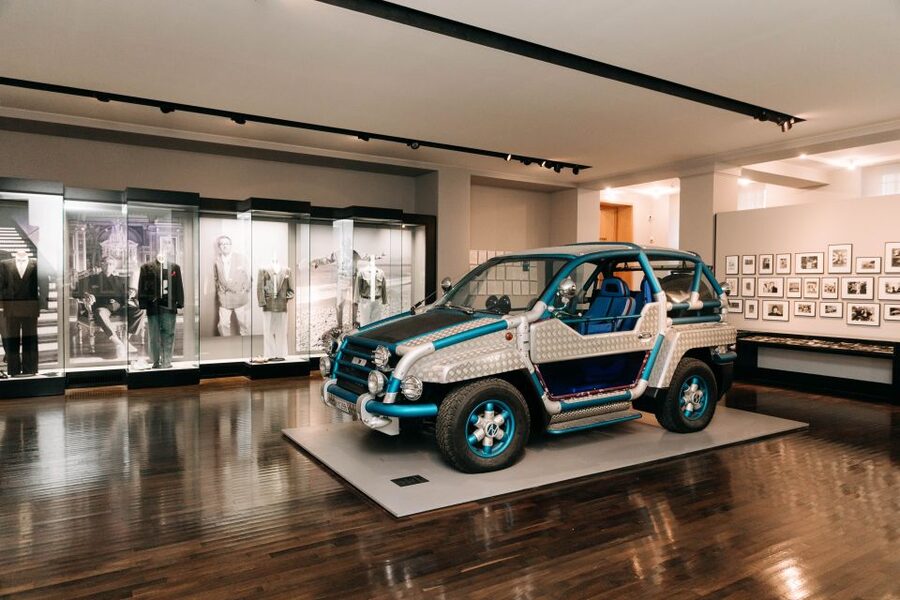
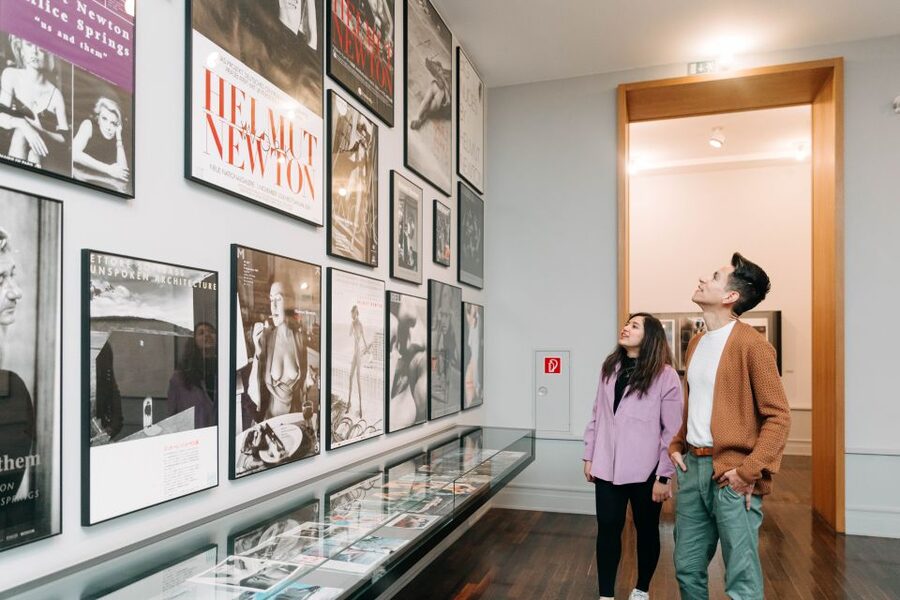
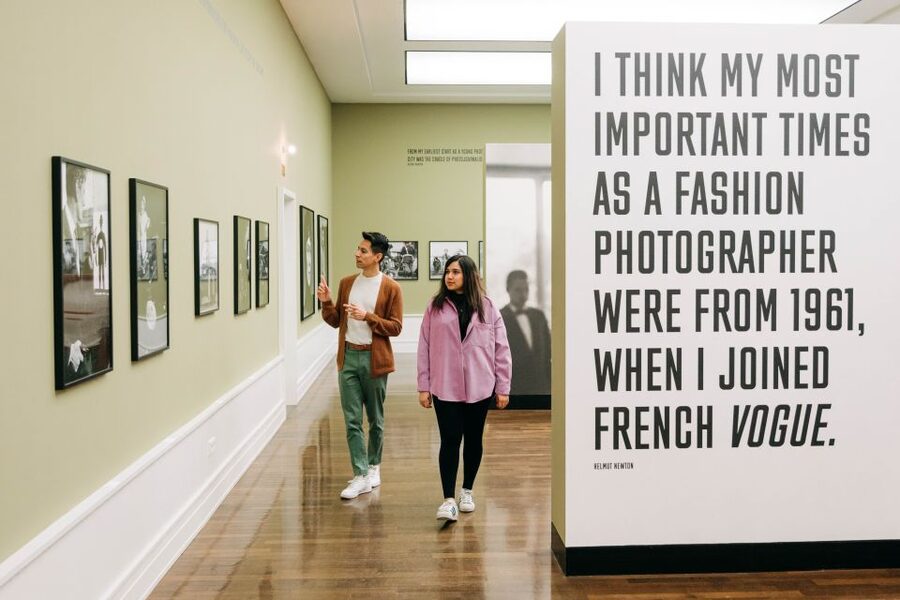
The permanent Helmut Newton exhibition is the museum’s most recognizable draw. Newton was born in Berlin and became one of the major fashion photographers of the modern era. His work is known for its provocative approach, so this section has a sharper, more theatrical character than a traditional historical archive.
You can see Newton’s photographs along with objects connected to his life and work. The exhibition includes his cameras, his art collection, and the famous Newton-mobile. These details help turn the display into more than a wall of fashion images. You get a sense of the person behind the photographs and the tools connected with his career.
Newton’s work will not appeal to everyone. Some people will admire its bold style and its challenge to conventional fashion imagery. Others may find the provocative quality uncomfortable or simply prefer the quieter historical collections. That is useful to know before you book: this is not a museum devoted only to neutral documentary photography.
For fans of fashion photography, the permanent exhibition is a major reason the $14 ticket can be good value. Even if Newton is not your main interest, the display gives the museum a clear focal point and breaks up the chronological sweep of the broader collections.
Same city, a completely different collection:
- Berlin: Jewish Museum Berlin Entrance Ticket
★ 4.5 · 8,393 reviews - Berlin: DDR Museum Tickets
★ 4.3 · 3,443 reviews - Berlin: Natural History Museum Entrance Ticket
★ 4.6 · 3,382 reviews - Berlin: Neues Museum Entry Ticket
★ 4.6 · 3,261 reviews
Temporary exhibitions: Body Performance and Post-War Modern Photography
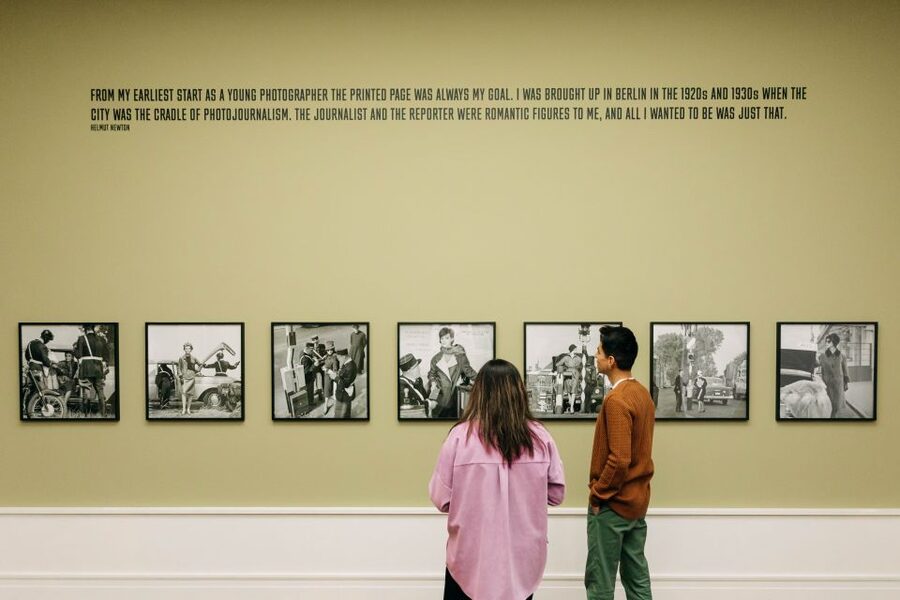
Your ticket also includes the temporary exhibitions on display during your visit. The examples provided are Body Performance and Post-War Modern Photography, but temporary programs change, so check the current schedule if one particular show matters to you.
Body Performance suggests a focus on the body, movement, and the way photographers present physical expression. Post-War Modern Photography points toward work made after the Second World War and the changing visual ideas of that period. Together, exhibitions of this kind can connect the museum’s older material with more recent debates about artistic photography.
Temporary displays are important here because they keep the visit from being only a tour through permanent collections. You can begin with the broad history of photography, see Newton’s fashion work, and then encounter a focused theme that asks you to look at images in a different way.
The drawback is simple: the exact experience depends on when you go. A temporary exhibition may be the highlight of your visit, or it may not match your interests. Treat the named exhibitions as examples of the program rather than a permanent promise.
How much time should you allow?
The ticket is valid for one day, which is generous for a museum visit. You do not need to race through the galleries simply because your entry is limited to a short window.
If you are mainly interested in Helmut Newton, you can make the permanent exhibition your anchor and then sample the other sections. If you enjoy photographic history, allow more time for the early images, archives, postcards, and technical holdings.
I would plan on a few hours rather than treating this as a quick stop between other sights. There is enough variety to reward a slower visit, especially if you like reading about how photographs were made and used.
Because there is no guide mentioned, you should expect to direct yourself. That is a benefit if you prefer independence. You can linger over one photograph, skip a section that does not catch you, or return to a work later in the day. It is less ideal if you want a narrated explanation that tells you exactly what to notice.
Practical rules for a smoother visit
Go directly to the museum entrance. The activity ends back at the same meeting point because there is no separate tour route or transportation arrangement.
Pack lightly. Backpacks and oversize luggage are not allowed, and food and drinks cannot be taken into the exhibitions. Heavy jackets, coats, and wet clothing may also be kept out of the exhibition areas for conservation reasons. On a rainy Berlin day, this matters. Dress in layers and be ready to leave bulky outerwear elsewhere according to the museum’s instructions.
Wheelchair access is available, which makes this a practical museum choice for visitors who need an accessible venue. A medical or FFP2 mask is recommended but not required. Follow staff instructions during the visit, particularly around the protection of photographs and other sensitive material.
The ticket includes both the entrance fee and booking fee. At $14 per person, the cost is reasonable if you plan to see the permanent collections, Helmut Newton display, and temporary exhibitions. It is less attractive if you want only a brief look at one room.
Remember that the booking is non-refundable. Before paying, check the date, starting time, current temporary exhibitions, and your own schedule. That small bit of planning matters more here because you cannot simply cancel if your plans change.
Who will enjoy this museum most?
I would recommend this museum to anyone who enjoys photography beyond famous portraits and glossy fashion images. It works especially well for people who like to compare eras and ask how photographs function in society.
Helmut Newton fans have an obvious reason to come. The cameras, art collection, Newton-mobile, and personal objects add context to the photographs and make the permanent exhibition more than a standard fashion display.
It is also a good choice for visitors who want a self-guided cultural stop in Berlin. You do not need to join a group, keep up with a guide, or follow a fixed sequence. The one-day validity gives you room to set your own pace.
Families and casual museumgoers may enjoy the variety, but the experience is not designed as a hands-on attraction. Some material may be most rewarding for people already interested in photography, archives, fashion, or visual culture.
If your taste runs only to famous works and quick highlights, the broad collection may feel uneven. One review described the experience simply as a great museum, while another found it different from what was expected. That contrast is fair advice: come for range and discovery, not a single blockbuster display.
Is the $14 ticket good value?
For $14, you receive entry for one day, the permanent collections, the Helmut Newton exhibition, and the temporary exhibitions currently on show. That is strong value if you spend enough time to see the museum as a whole.
The price is less compelling if you arrive with only one narrow target. Someone interested solely in Newton may still find the ticket worthwhile, but the museum’s full strength comes from moving between the five collection areas and the special exhibitions.
The booking fee is included, so the advertised price is not just a partial admission figure. Still, verify the final price and available time before completing the purchase, since the ticket is non-refundable and the temporary program can change.
Should you book the Museum of Photography?
Book it if you want a broad, self-guided look at photography from the 19th century to today, with a strong Helmut Newton section and changing exhibitions. The museum rewards curiosity more than speed, and the $14 price works well for a visit of several hours.
Skip it if you want a short, tightly focused attraction or a guided tour with a named expert. You should also think twice if you dislike provocative fashion photography or technical and archival material.
For most photography fans, the mix is the appeal. You can see early images, artistic work, personal archives, technical holdings, postcards, Newton’s world, and current exhibitions under one roof. Pack light, check the current displays, and give yourself enough time to wander without rushing.
FAQ
How long is the Museum of Photography ticket valid?
The ticket is valid for one day. Check availability for the starting times offered when booking.
How much does admission cost?
The listed price is $14 per person. The entrance fee and booking fee are included.
Is the Helmut Newton exhibition included?
Yes. The permanent Helmut Newton exhibition is included with museum entry.
Which collections can I see?
The museum includes a photographic archive, artistic photography collection, personal archive, photogrammetric holdings, and historical postcards.
Are backpacks and food allowed inside?
No. Backpacks, oversize luggage, food, and drinks are not allowed in the exhibitions. Heavy coats, jackets, and wet clothing may also be kept out for conservation reasons.
Is the museum wheelchair accessible?
Yes. The activity is wheelchair accessible. A medical or FFP2 mask is recommended but not mandatory.
Just added around Germany
- Stuttgart: Stuttgart Wine Museum Wine Tasting★ 4.7 · 55 reviews
- Stuttgart: Museum of Illusions Entry Ticket★ 4.2 · 507 reviews
- Stein: Public guided tour of the “Old Mine” museum★ 4.5 · 18 reviews
- Speyer: Technik Museum Speyer Ticket with an IMAX Dome Film★ 4.7 · 360 reviews
- Berlin: Bode Museum Ticket★ 4.5 · 214 reviews
- Munich Private Walking Tour with BMW Museum & Welt Entry★ 4.2 · 19 reviews
- Munich: Residenz Palace, Museum and Treasury Private Tour★ 4.9 · 15 reviews
- Munich: WOW Museum – Room for Illusions Ticket★ 3.5 · 14 reviews
Museum Tours in Germany, compared.


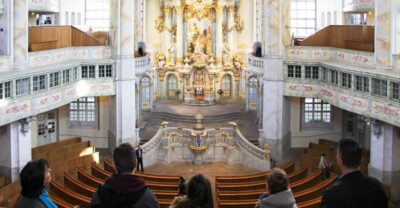
Dresden: Church of Our Lady Guided Tour of Gallery
Read our review →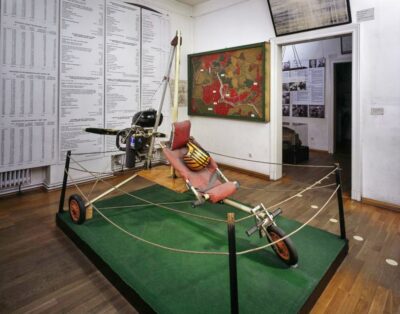
Skip-the-Line: Berlin Wall Museum at Checkpoint Charlie
Read our review →Browse the lists this tour appears in