
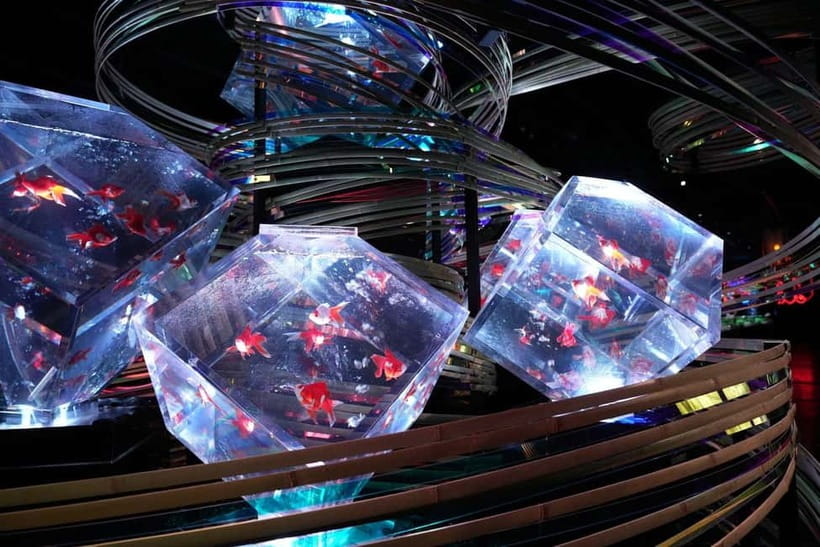
Review · TOKYO
Tokyo: Art Aquarium Museum GINZA Entry Ticket
The main attraction here is not a traditional aquarium. It is a room-sized art show where goldfish glide through sculptural tanks, colored lights shift around them, music fills the air, and scent adds another layer. The museum gives an old Edo-period fondness for goldfish a polished modern setting.
I like the beautiful lighting and unusual tank designs, which turn a familiar fish into the focus of each scene. I also like the compact format: you can see the main displays in about 45 minutes to an hour, then continue shopping or sightseeing in Ginza.
The main consideration is that this is a small, highly designed exhibition rather than a full aquarium with many kinds of aquatic life. Some displays may also raise questions about fish care, and the museum does not suit you if you prefer natural habitats over theatrical presentation.
Key points to know
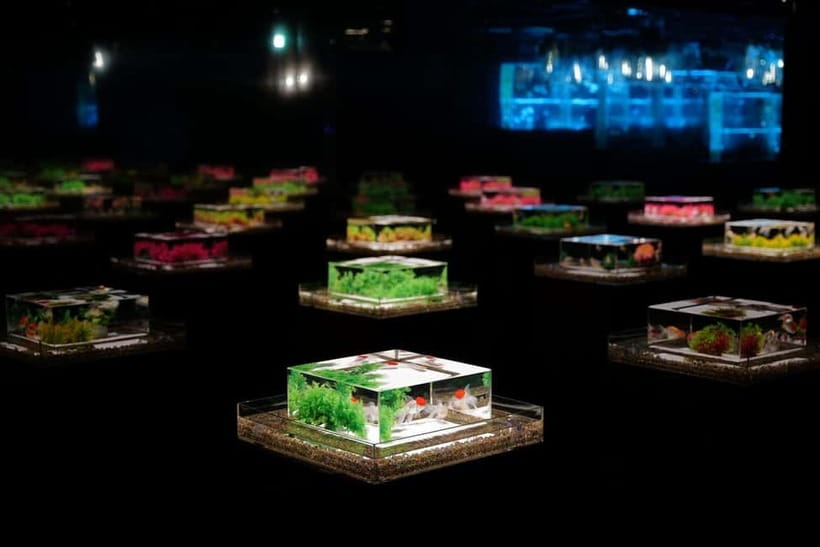
- Goldfish as living art: The fish are shown in sculptural tanks surrounded by light, music, and scent.
- Inside Ginza Mitsukoshi: Admission reception and same-day tickets are on the 9th floor of the new building.
- About one hour: The museum is compact, making it easy to fit into a Ginza afternoon or rainy-day plan.
- Photography is welcome: You can take pictures, but tripods, monopods, strobes, and extra lighting are not allowed.
- Seasonal changes: The permanent venue changes parts of its presentation during the year.
- Good family value: Up to two children under elementary school age may enter free with one paying adult.
A modern goldfish show in the middle of Ginza
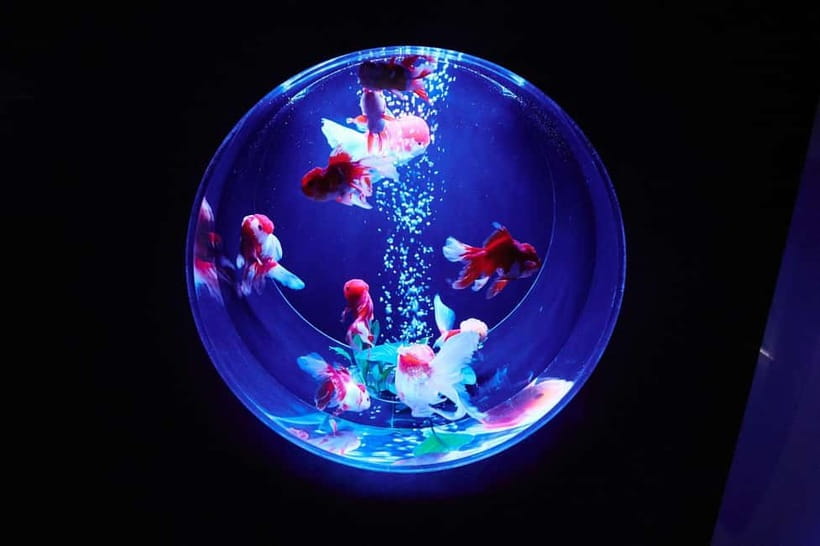
Art Aquarium Museum GINZA takes a simple subject, the goldfish, and gives it an elaborate stage. Instead of walking past ordinary tanks with information panels, you move through rooms where the fish become part of a carefully arranged visual scene.
The concept draws on Edo-period goldfish appreciation. Goldfish were admired in Japan for their color, shape, and graceful movement, and this museum presents that tradition through contemporary design. The result is part art gallery, part aquarium, and part sensory installation.
You will see several distinct aquarium presentations rather than one long tank. The shape of each display, the placement of the fish, and the lighting all affect how you view them. In one area, color may be the main feature. In another, the tank itself may frame the fish like a moving sculpture.
Music plays throughout the museum, and scent is part of the setting as well. The combination creates a quiet, dreamlike mood, though the effect will depend on your taste. I found the atmosphere appealing for a short visit, but you may prefer it with less sound and fewer theatrical effects.
More Museum Tours in Tokyo
- Tokyo: teamLab Planets TOKYO Digital Art Museum Entry Ticket
★ 4.6 · 9,779 reviews - Tokyo: Samurai Ninja Museum Guided tour and Experience
★ 4.6 · 1,010 reviews - Ninja Experience (Family Friendly) at Samurai Ninja Museum TOKYO
★ 5.0 · 441 reviews
Finding the museum at Ginza Mitsukoshi
The museum is inside Ginza Mitsukoshi, a major department store at 4-6-16 Ginza, Chuo-ku. This central location is one of the experience’s practical strengths. You do not need to set aside a whole day, and the museum is easy to pair with department-store shopping, a meal, or a walk through Ginza.
From Ginza Station, use Exit A7 on the Tokyo Metro Ginza, Marunouchi, or Hibiya lines. From Ginza 1-chome Station on the Yurakucho Line, it is about a five-minute walk from Exit 9. Higashi Ginza Station is especially convenient, with a roughly two-minute walk through the underground passage toward Ginza Station.
Once inside, go to the 9th floor of the new building for admission reception and same-day tickets. This detail matters because arriving at the department store is not the same as arriving at the museum entrance. Give yourself a few extra minutes to find the right elevator and floor.
Business hours and closing days can change, so check the available entry times and operating information for your date. The ticket is valid for one day, but the provided details do not specify a fixed visit time beyond the available starting times shown when booking.
What the one-hour visit feels like
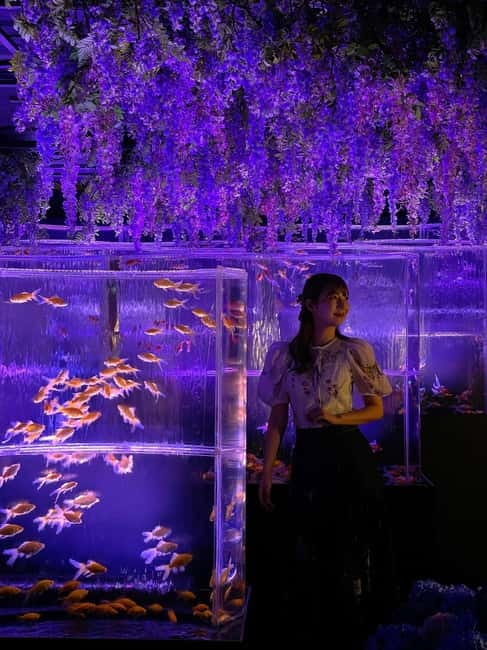
Plan on about an hour if you want to view the displays at a comfortable pace. Some people may finish in around 30 minutes, especially if they are mainly there to take photographs. Others will want longer to study the tank designs, watch the fish, and wait for better lighting moments.
There is no guide named for this activity, and the visit is self-directed. That gives you freedom to stop wherever you like rather than moving with a group. It also means the value comes from your own pace and interest in visual details, not from a spoken explanation.
The exhibition is compact, which works well in Tokyo. You can place it between lunch and shopping, use it as a rainy-day stop, or visit it before an evening reservation. It is less useful as the main event of an entire day. The museum offers a focused hour, not a large complex with several halls of exhibits.
English information about the goldfish is available, which helps you understand more than just the colors and lighting. If you want context for the traditional side of the display, take time to read these explanations instead of rushing from tank to tank.
Why the lighting and music matter
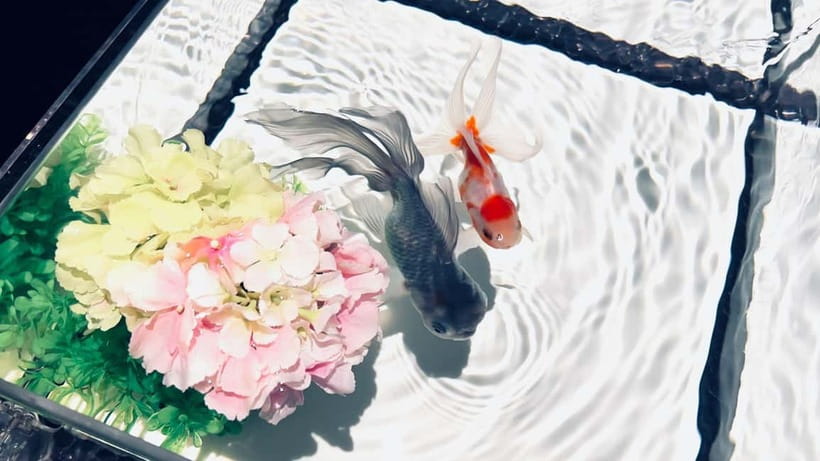
The strongest part of the museum is the presentation. Goldfish are already visually striking, but the lighting changes how you read their movement. A fish passing through a softly lit tank can look delicate and slow. The same kind of fish under stronger color can become part of a bold, graphic scene.
The music supports the mood without turning the experience into a live performance. Several people find the background sound tranquil, and I can see why. It encourages you to slow down and watch the fish rather than simply checking off each tank.
Scent is another unusual addition. Aromatic elements are used in parts of the museum, giving the rooms a fuller sensory character. This can make the visit feel more special than a standard aquarium stop, but scent is personal. If you are sensitive to fragrance, you may want to keep your visit brief.
The displays are also made for cameras. Strong color, reflective surfaces, and moving fish give you plenty to frame. Still, do not expect every picture to look like the exhibition itself. Aquariums can create reflections, and moving fish are not always easy to capture sharply.
A few more museum visits around Japan worth comparing
- Antalya: Aquarium and Wax Museum Entry Ticket
★ 4.4 · 192 reviews - Genoa: Aquarium, Galata Museum and Submarine Entry Tickets
★ 4.6 · 190 reviews - Antalya: Aquarium, Wax Museum & Combo Package Options
★ 4.1 · 128 reviews - Antalya: Aquarium, Wax Museum & Combo Package Options
★ 4.5 · 35 reviews
Taking photographs without slowing the room
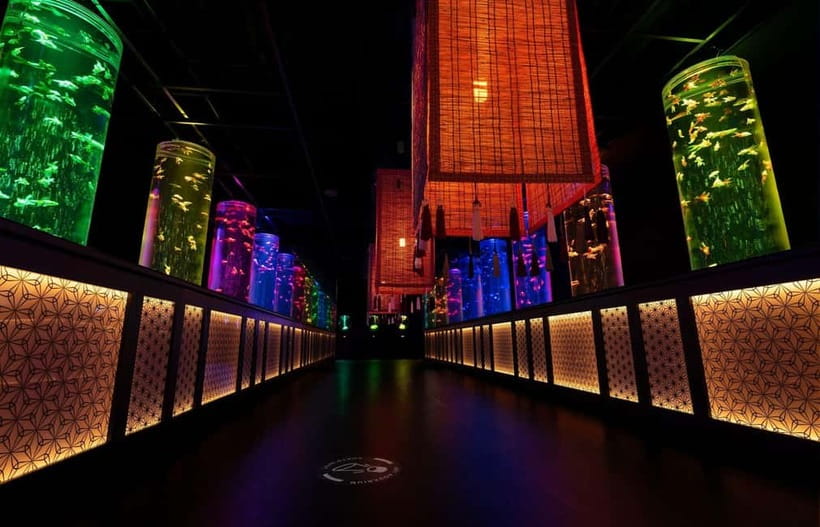
Photography is permitted, and this is an important part of the appeal. The exhibition gives you many chances to make unusual pictures, particularly if you enjoy color, patterns, reflections, and close views of fish.
You cannot use tripods, monopods, or similar equipment. Strobes and additional lighting are also prohibited. These rules keep the rooms clear and prevent bright flashes from disturbing the presentation or other people.
For the best chance at a calm visit, consider a weekday morning. A midweek entry around 10:30 a.m. can be relatively quiet, giving you more room to compose photographs without blocking the displays. Crowds can change, of course, and the museum’s compact size means even a moderate number of photographers can affect the flow.
Be considerate with your camera. Take a few pictures, then move on so the next person can see the tank. The displays are shared spaces, and the museum works better when photography supports the visit rather than taking it over.
Seasonal displays and repeat visits
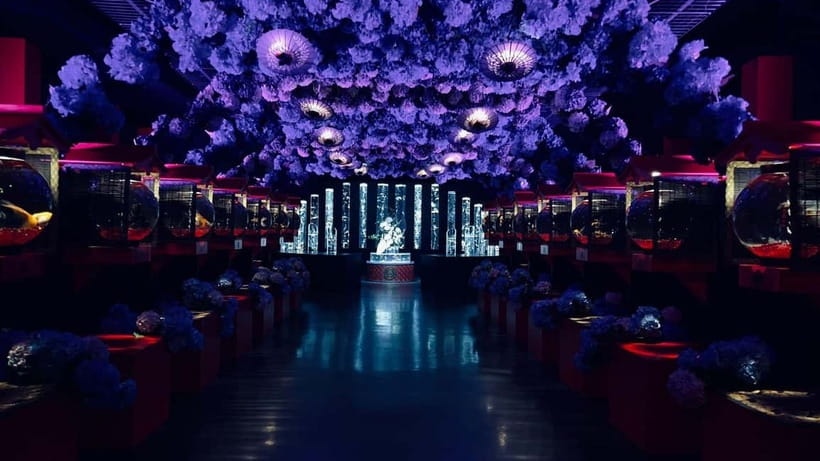
Art Aquarium Museum GINZA is a permanent venue, but parts of its art presentation change with the seasons. That gives the museum more life than a one-time temporary installation. The overall idea remains the same, but the colors, decoration, and visual mood may shift during the year.
A return visit can therefore offer something new. One repeat visitor found that more than half of the art had changed over a two-year period. That does not guarantee a specific amount of change on your next visit, but it suggests the museum is not completely fixed.
This seasonal quality matters most if you are already spending time in Ginza. You do not need to build a special trip around a second visit. If you return to Tokyo at a different time of year, checking the current presentation may be worthwhile.
Is $17 good value?
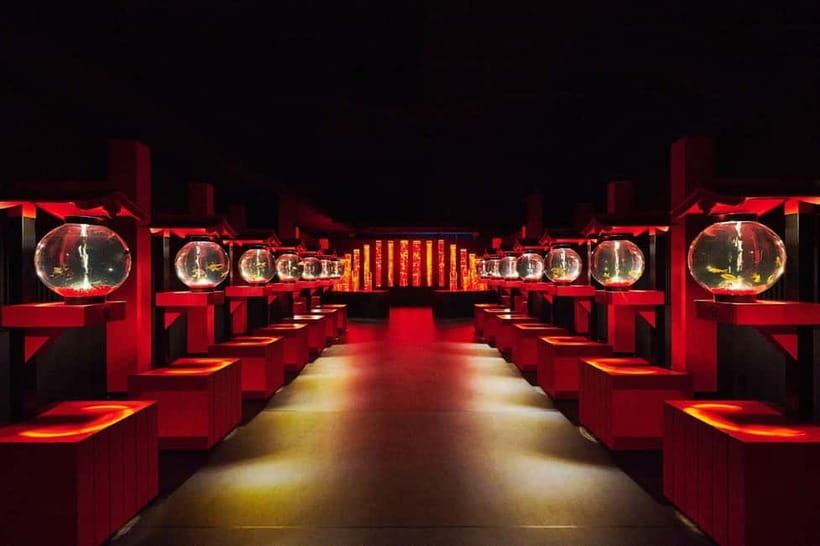
At $17 per person, the ticket is reasonably priced if you want a polished indoor experience in central Tokyo and are happy with a visit lasting roughly an hour. The cost compares well with the time saved by its convenient location and the care put into the visual presentation.
Value depends on what you expect. If you want a large aquarium, many species, long educational sections, or natural underwater habitats, this ticket may feel expensive for the size of the museum. If you enjoy art installations, photography, Japanese design, or unusual city stops, the price is easier to justify.
Families get a useful break on admission. Up to two children under elementary school age may enter free with one adult. The museum’s short length can also work well for younger children who may tire during a larger museum visit.
I would think of the ticket as paying for a concentrated art experience, not hours of entertainment. The $17 price makes the most sense when you combine it with other Ginza plans rather than treating it as your only activity that day.
Who will enjoy it most
This museum is a strong choice for photographers, design fans, couples looking for a quiet date stop, and anyone who wants something different from Tokyo’s major temples, observation decks, and shopping streets. The colors and slow movement also make it appealing to visitors who enjoy atmospheric settings.
Families can manage the compact visit, especially with the free entry allowance for young children. The English goldfish information adds some educational value, though the central experience remains visual and sensory.
It may be less satisfying for serious aquarium fans. The focus is not on a broad range of marine life or detailed natural habitats. You are here to see goldfish framed as art.
You should also consider your response to animal displays. The museum offers a highly controlled presentation, and one aspect worth thinking about is fish welfare. Some people may feel uneasy about the way certain fish appear in the displays. The available information does not provide enough detail about care standards to settle that question, so visitors who place this first may prefer a conventional aquarium.
Practical planning for your Ginza day
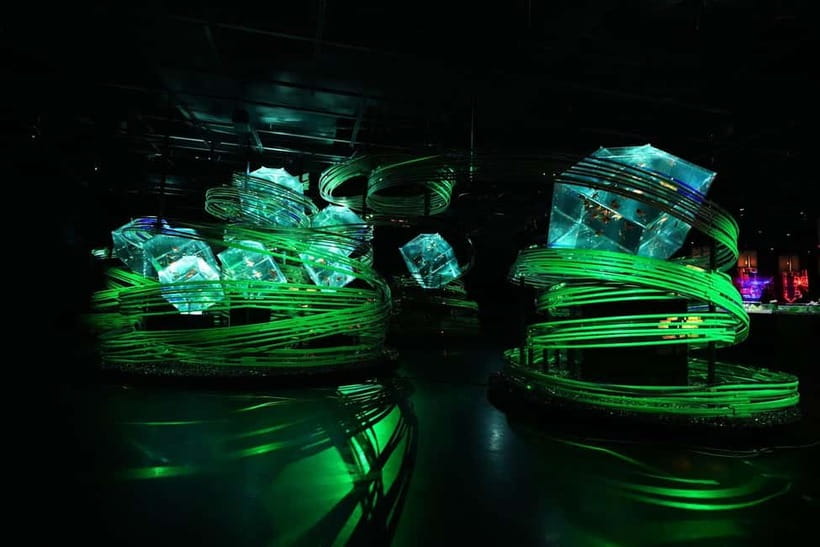
The museum’s central position makes pairing easy. You can arrive through Ginza Station, visit the 9th floor, spend 45 minutes to an hour inside, and then remain in the department store or continue through Ginza.
Because the experience is short, avoid placing it too far from the rest of your schedule. It works best as one stop among several, especially when the weather is poor or you want a break from walking. The department store location also means you have an obvious place to regroup before or after the museum.
Same-day tickets are available at the admission reception, but closing days and business hours vary. Check the current schedule before you set out, particularly if your Tokyo plans are tight.
The activity is non-refundable, so choose your date carefully. If you are uncertain about your schedule, check the availability and operating details before purchasing rather than assuming you can change plans later.
Should you book Art Aquarium Museum GINZA?
Book it if you want a short, stylish, camera-friendly stop with a distinctly Japanese idea behind it. The blend of goldfish, sculptural tanks, light, music, and scent is unusual, and the Ginza location makes it easy to fit into a busy day.
Skip it if you are seeking a full-scale aquarium, a long museum visit, or a naturalistic look at aquatic life. I would also pause if fish welfare is a major concern and you need clear care information before visiting.
For most people who enjoy visual art and have an hour free in Ginza, the $17 ticket is a fair buy. Aim for a weekday morning if photography matters, check the opening details, and give yourself time to enjoy the displays instead of racing through them.
FAQ
Where is Art Aquarium Museum GINZA located?
It is inside Ginza Mitsukoshi at 4-6-16 Ginza, Chuo-ku, Tokyo. Admission reception and same-day tickets are on the 9th floor of the new building.
How do I reach the museum from Ginza Station?
Use Exit A7 from Ginza Station on the Tokyo Metro Ginza, Marunouchi, or Hibiya lines.
How far is the museum from Ginza 1-chome Station?
It is about a five-minute walk from Exit 9 of Ginza 1-chome Station on the Tokyo Metro Yurakucho Line.
How far is it from Higashi Ginza Station?
It is about a two-minute walk through the underground passage toward Ginza Station from Higashi Ginza Station.
How long should I allow for the visit?
The estimated viewing time is about one hour. Some people may complete the museum in around 30 minutes, while others may spend 45 minutes to an hour viewing and photographing the displays.
How much does admission cost?
The listed price is $17 per person. Up to two children under elementary school age may enter free with one adult.
Can I take photographs inside?
Yes. Photography is permitted, but tripods, monopods, and similar equipment are not allowed.
Can I use a flash or extra lighting?
No. Strobes and lighting equipment are not permitted.
Is the ticket refundable?
No. This activity is non-refundable. Check the available date, starting time, closing days, and business hours before booking.
Just added around Japan
- Skip the lines Basic Ticket at SAMURAI NINJA MUSEUM TOKYO★ 5.0 · 470 reviews
- Tokyo: Mt. Fuji, Owakudani, Hakone Shrine, & Open-Air Museum★ 4.7 · 25 reviews
- Private Tour Through the Tokyo National Museum & Ukiyo-e★ 4.7 · 17 reviews
- Samurai Ninja Museum Asakusa: Kid-Friendly Ninja Training★ 4.7 · 67 reviews
- Tokyo National Museum Private Tour★ 4.9 · 28 reviews
- Tokyo: Kichijoji Gourmet Tour with Lunch★ 4.5 · 40 reviews
- Samurai Ninja Museum Asakusa: Samurai Sword Lesson & Tour★ 4.8 · 306 reviews
- (Ticket Included) Explore Osaka Castle & Museum of History★ 4.8 · 21 reviews
Museum Tours in Tokyo, compared.
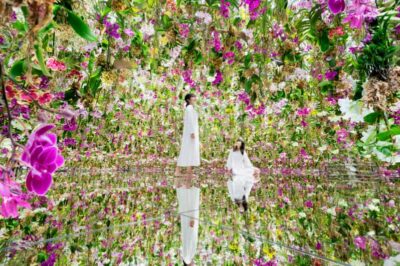
teamLab Planets TOKYO Digital Art Museum Entry Ticket
Read our review →
Samurai Ninja Museum Guided tour and Experience
Read our review →
Ninja Experience (Family Friendly) at Samurai Ninja Museum TOKYO
Read our review →
Tokyo Studio Ghibli Museum and Ghibli Film Appreciation Tour
Read our review →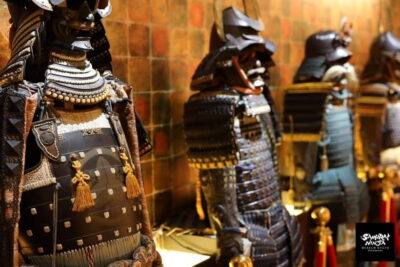
Samurai Ninja Museum Asakusa: Samurai Sword Lesson & Tour
Read our review →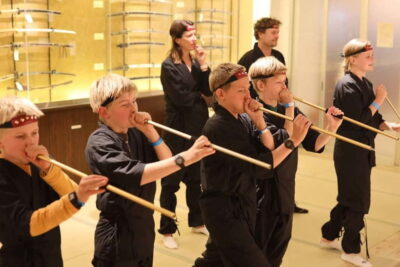
Samurai Ninja Museum Asakusa: Kid-Friendly Ninja Training
Read our review →
Browse the lists this tour appears in