

Review · THE USA
St. Petersburg, FL: Imagine Museum Admission Ticket
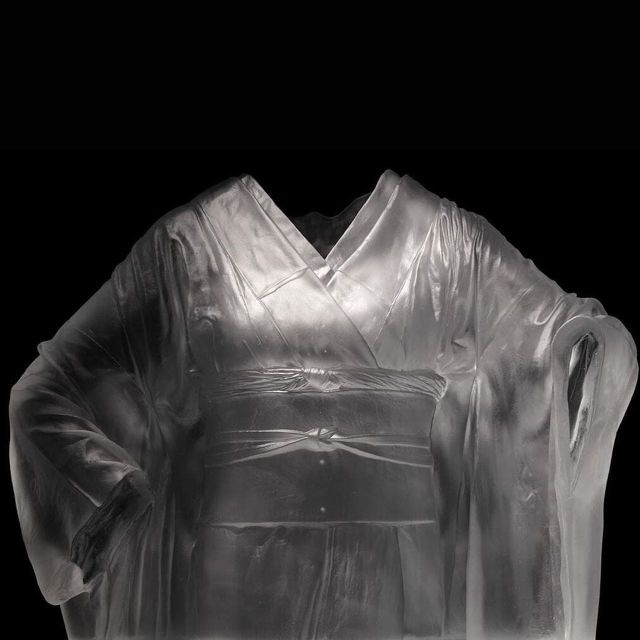
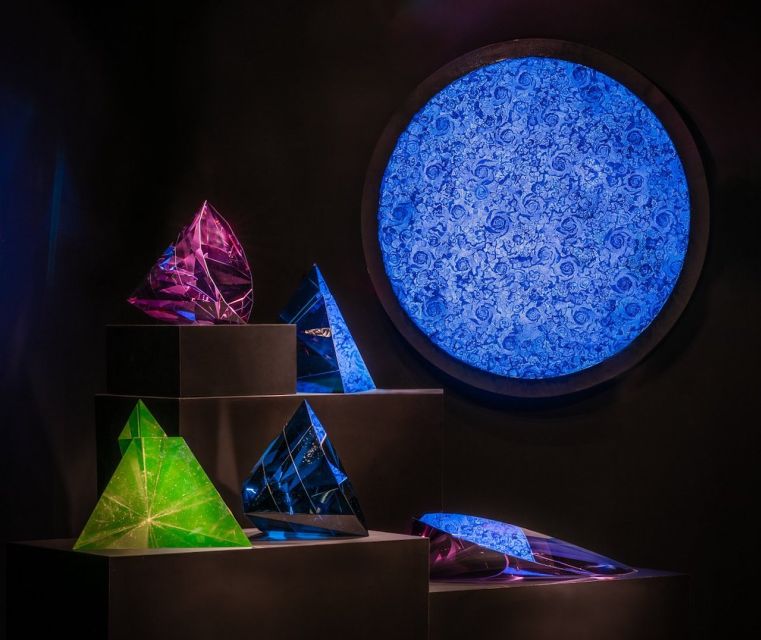
Imagine Museum turns glass into something far stranger and more exciting than a drinking vessel. Inside its 34,000-square-foot galleries, you’ll see more than 500 works drawn from a 1,500-piece collection, including glowing sculptures, cast forms, sandcast figures, and installations that play with light, science, and transformation.
I like the range of techniques, from Lino Tagliapietra’s Murano glassblowing to Petr Hora’s casting and Bertil Vallien’s moody sandcasting. I also like that the museum traces the American Studio Glass Movement from Harvey Littleton through the artists working in glass today.
The main consideration is that this is a self-guided museum visit, not a scheduled demonstration with a glassblower. Plan on roughly two hours if you want to look closely, and remember that large bags, umbrellas, packages, and laptop bags must be stored before entering the galleries.
Key Points to Know Before You Go
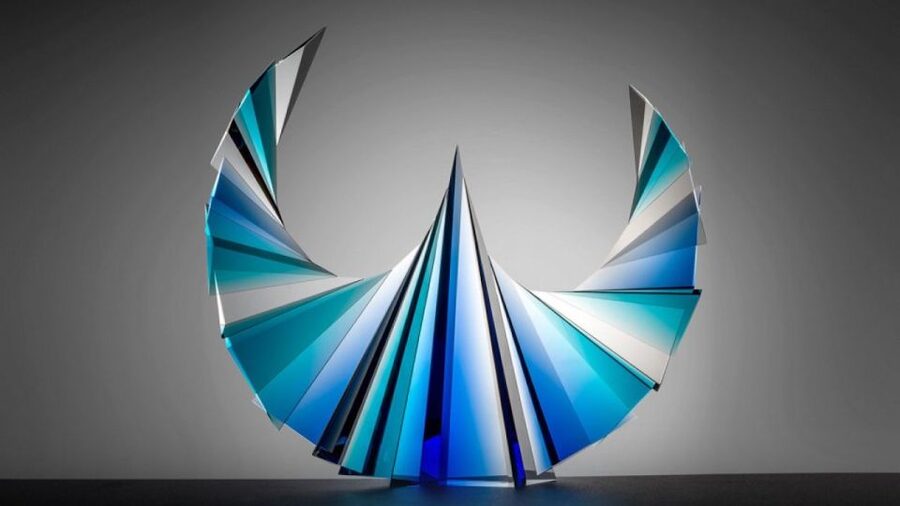
- More than 500 works are on display: The galleries present a wide range of contemporary American and international glass art.
- The building covers 34,000 square feet: You have room to move at your own pace without trying to see everything in a cramped display area.
- Artists use very different methods: Look for blown glass, casting, sandcasting, and installations built around light and illusion.
- The museum connects past and present: The story begins with Harvey Littleton and the early American Studio Glass Movement, then moves toward current artists.
- Two hours is a sensible visit: That gives you time to study major works without rushing, though your ticket is valid for one day.
- Parking and lockers are free: Parking is available behind the museum, and lockers on the first floor handle bags that cannot enter the galleries.
Why Glass Makes a Good Museum Subject

Glass can look solid, liquid, fragile, heavy, weightless, or almost alive. That shifting quality is the key to enjoying Imagine Museum. You are not simply looking at pretty objects. You are watching artists test what the material can do.
Some works may appear clear and delicate. Others use dense color, rough surfaces, trapped shapes, or dark interiors. The lighting is part of the presentation, so a piece can change as you walk around it. The result is closer to a carefully arranged visual experience than a room full of ordinary objects.
I like museums that give you a clear reason to look twice. Imagine Museum does that through contrast. A polished blown-glass form can sit near a rough sandcast figure. A work built through heat and movement may be followed by one made through pressure, molds, or controlled casting.
This variety also makes the museum approachable for people who do not normally spend much time with contemporary art. You do not need to recognize every artist or understand every process at once. Start with what catches your eye, then read the label and consider how the material helped create the effect.
A few more museum visits around the USA worth comparing
- NYC: 9/11 Memorial & Museum Timed-Entry Ticket
★ 4.8 · 31,428 reviews - NYC: Empire State Building Tickets – Observatory & Museum
★ 4.7 · 25,757 reviews - New York City: American Museum of Natural History Ticket
★ 4.5 · 15,447 reviews
Start with the American Studio Glass Movement
One of the most useful parts of the collection is its connection to the American Studio Glass Movement. The story begins with Harvey Littleton, identified as the first pioneer of the movement, and continues with artists he influenced in the early 1960s.
This background gives the museum a clear thread. Instead of treating every glass object as an isolated decoration, the collection shows how artists helped move glass out of industrial settings and into the studio. The material became a serious way to make sculpture, explore ideas, and express personal style.
For you, that context makes the newer work easier to read. You can notice how later artists keep, change, or reject earlier approaches. Some focus on technical control. Others use glass to suggest bodies, landscapes of the imagination, natural forces, or scientific change.
You will not need to follow a strict tour route. Take a little time with the early works, then compare them with the more recent pieces. The contrast is often more useful than trying to memorize names and dates.
Lino Tagliapietra and the Art of Glassblowing
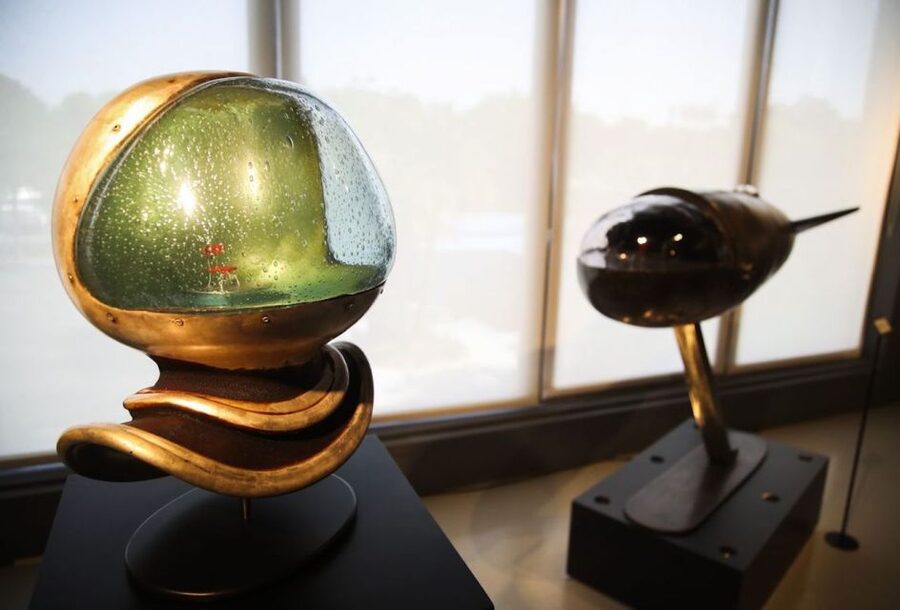
Lino Tagliapietra brings the Murano tradition into the museum’s international story. Murano, an island near Venice, is closely linked with glassmaking, and Tagliapietra is known here for his glassblowing technique.
As you view these works, pay attention to their movement and balance. Blown glass often carries the marks of heat, air, gravity, and timing. A finished piece may look effortless, but its shape depends on decisions made while the glass is hot and changing.
This is a good place to slow down. Look for stretched forms, layered color, thin edges, and repeated patterns. The point is not only to admire the finished surface. Try to imagine how the artist controlled a material that could not simply be handled like wood or stone.
The museum does not promise a live glassblowing show as part of this admission. You are seeing the finished results rather than watching the process happen. That is a limitation if you came hoping for a working studio, but the displays still give you plenty to think about.
Petr Hora’s Cast Glass and Controlled Forms
Czech artist Petr Hora represents a different approach. His work is associated with perfected glass casting techniques, which allow the artist to build forms through molds and controlled pours rather than the fast, fluid action of blowing.
Casting can produce a different visual language. Forms may feel weightier, more architectural, or more carefully contained. Details can appear suspended inside the glass, while the outer shape may suggest stone, ice, or another solid material.
I recommend comparing Hora’s work with blown glass in the same visit. Ask yourself how each process affects your sense of weight. One piece may seem ready to move, while another appears fixed and monumental. The contrast helps you see technique as part of the meaning, not merely a behind-the-scenes fact.
This is also useful for children and first-time museum visitors. A simple question such as How do you think this shape was made? can turn a quiet gallery into a small investigation.
Same city, a completely different collection:
- NYC: Museum of Modern Art (MoMA) Entry Ticket
★ 4.6 · 12,540 reviews - 9/11 Memorial, Ground Zero Tour with Optional 9/11 Museum Ticket
★ 5.0 · 6,381 reviews - 9/11 Memorial Museum Admission Ticket
★ 4.5 · 6,376 reviews - All-Access 9/11: Ground Zero Tour, Memorial and Museum, One World Observatory
★ 5.0 · 4,886 reviews
Bertil Vallien’s Mystical Sandcasting
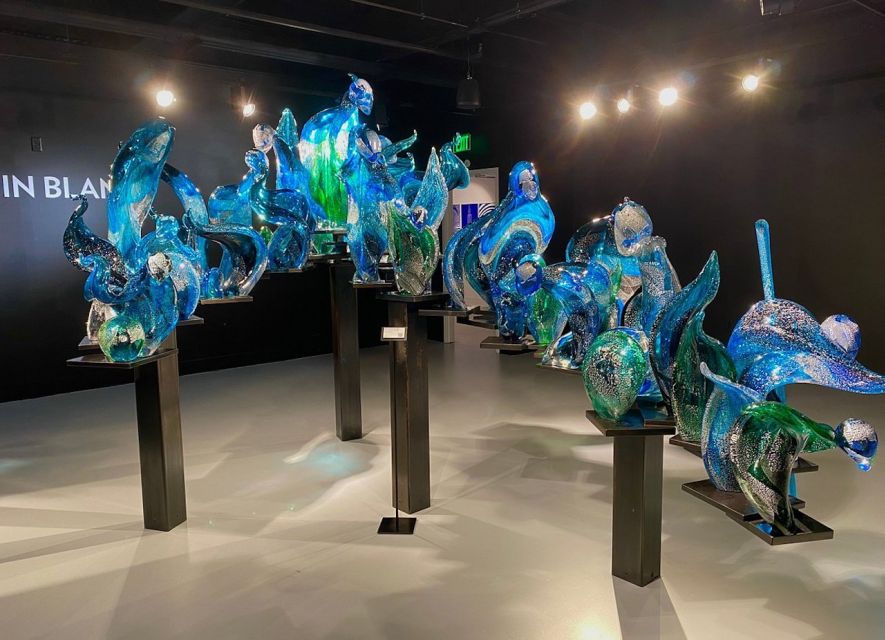
Bertil Vallien’s work brings a darker, more mysterious mood. His groundbreaking sandcasting technique creates pieces with an earthy, almost archaeological character. The results can feel like objects recovered from a dream or an unknown civilization.
That mood is different from the bright precision of some blown glass. Sandcasting can leave surfaces that feel textured and grounded, even though the material remains glass. You may notice figures, enclosed shapes, or shadowy interiors that invite interpretation without giving you one clear answer.
I would give Vallien’s pieces extra time. They reward a slower look, especially when the lighting reveals shapes inside or across the surface. The works may not appeal to you in the same way as colorful glass sculpture, but they show how broad the medium can be.
This section also explains why the museum is more than a collection of decorative objects. Glass can carry atmosphere, memory, and mystery. It can be beautiful without being cheerful, and strange without being difficult to appreciate.
Women Artists and New Directions in Glass
The collection includes contemporary American women artists who are pushing glass in new directions. That focus matters because the story of glass art is not limited to a single generation, country, or artistic style.
Look for differences in scale, color, surface, and purpose. Some artists may use glass as a sculptural material. Others may use it to question ideas about nature, the body, science, or identity. The strongest way to approach these works is to let the material catch your attention first, then consider the larger idea.
You may find that the women artists’ work changes the pace of your visit. A large, dramatic piece can pull you across a gallery, while a smaller work may require a closer look. Do not assume that size equals importance. Glass often rewards careful attention to small details.
This section is also helpful for families and groups with different tastes. One person may prefer clean geometric forms, while another likes organic shapes or unusual textures. With so many techniques and intentions on display, you can look at the same gallery through very different eyes.
Flight and Illusion, Where Glass Meets Science
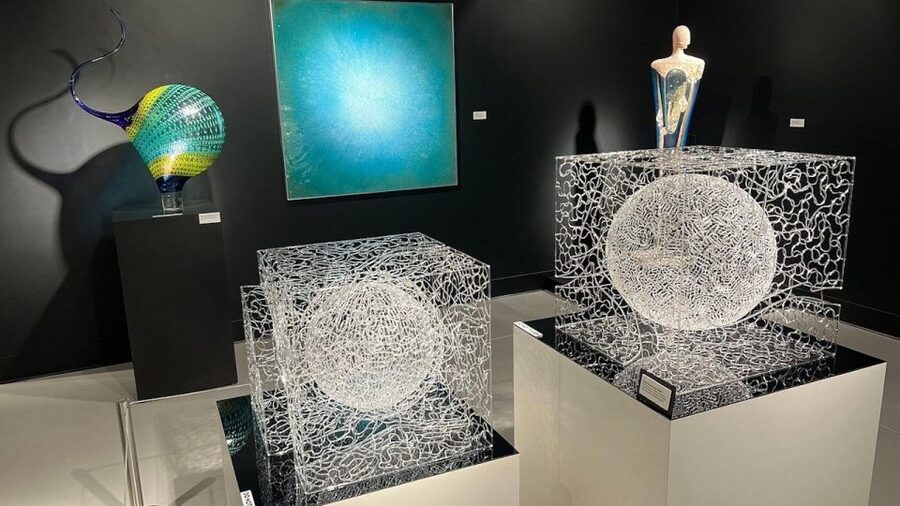
The Flight and Illusion installation asks you to think about transformation in science, nature, and art. It is one of the places where the museum moves beyond individual objects and creates a larger idea.
The title gives you a useful way into the work. Consider how flight can suggest freedom, motion, lift, migration, or a change in physical state. Illusion raises another question: What does the eye believe, and what is the material actually doing?
This is a good stop for anyone who likes art that invites questions instead of offering a single answer. You may respond to the visual effect first and the scientific idea second. That is fine. You do not need to solve the installation to enjoy it.
The experience can also work well for couples or families. One small interactive marble element has been especially enjoyable for people visiting together, offering a playful change after several rooms of looking and thinking. It is a modest feature, but it adds a hands-on note to a museum where the main rule is clear: look, but do not touch the artworks.
How Long to Plan and How to Pace the Visit
Your admission is valid for one day, so you have flexibility. Still, most people will find about two hours enough for a thoughtful visit. That gives you time to study the major rooms, pause at the works that interest you, and browse the gift store without turning the museum into an all-day commitment.
If you love contemporary art or glass, you may want longer. The collection contains about 1,500 pieces, with more than 500 on display, so a single visit cannot cover everything in equal depth. You can make a first pass through the galleries, then return to the works that held your attention.
I suggest resisting the urge to photograph every appealing piece. One visitor chose not to post pictures after being asked to respect the museum’s request, and that is a useful reminder to check the museum’s photography preferences on arrival. The art is best experienced at a human pace, with your eyes rather than your phone doing most of the work.
Wear comfortable shoes and leave room in your schedule for a quiet visit. The displays are dramatically lit, and some works deserve a few minutes rather than a quick glance.
Parking, Bags, and Practical Details
Free parking is available behind the museum. You can enter from the 1st Avenue North side or from 20th Street North, which helps if you are approaching from different directions.
Large purses, bags, backpacks, packages, and laptop bags are not permitted in the galleries. Free lockers are available on the first floor, so you do not need to plan a separate storage stop. Umbrellas also must stay out of the galleries and go in the stand beside the lockers.
Service animals are welcome. The museum is wheelchair accessible, making it a practical choice for a broad range of visitors. Weapons of any kind are not allowed inside.
These rules are simple, but they matter because glass displays need clear walkways and careful spacing. Travel light if you can. You will move more easily and spend less time managing belongings.
Is the $15 Admission a Good Value?
At $15 per person, Imagine Museum is a reasonably priced cultural stop in St. Petersburg. The value comes from the scale of the collection and the freedom to look at your own pace. You are not paying for a short viewing of one special exhibit. You are entering a large gallery space with hundreds of works from American and international artists.
I especially like the value for couples, families with older children, and anyone looking for a break from outdoor activities. The visit can fill roughly two hours without requiring a full-day commitment. It also gives you something different from a standard history museum or a general art museum.
The price may feel less worthwhile if you want a live demonstration, a scheduled guide, or a highly interactive attraction. This is mainly a visual art experience. The interactive elements are limited, and touching the works is not allowed.
For anyone interested in sculpture, design, craft, or contemporary art, $15 is a fair price for the amount of material on display. The high rating of 4.5 from 23 recorded ratings fits the experience’s main strengths: beautiful objects, friendly staff, and a museum that feels unusual without being hard to enter.
Who Will Enjoy Imagine Museum Most?
I would recommend this museum to anyone who likes art with a strong visual effect. Glass catches light in ways that photographs cannot fully explain, so you will get more from seeing the works in person than from scrolling through images.
It is also a good choice for couples. The collection gives you plenty to discuss, and the interactive marble feature offers a small shared activity. One visitor described the museum as a memorable stop with a partner, and I can see why the mix of beauty, mystery, and conversation works well for two people.
Families can enjoy it too, especially if children are old enough to follow the no-touch rule. Ask them to find the piece that looks heaviest, strangest, brightest, or most impossible. Those questions make the galleries easier to approach.
You may want to skip it if you are looking for live glassblowing, a guided tour, or a place where children can handle many objects. The museum asks for attentive looking and quiet respect. That is part of its appeal, but it will not suit every mood.
Should You Book This Admission?
Book it if you want a distinctive St. Petersburg art stop with a strong collection, manageable timing, free parking, and a reasonable $15 price. The mix of Murano glassblowing, Czech casting, sandcasting, American Studio Glass history, women artists, and Flight and Illusion gives you more variety than the simple word glass might suggest.
Go with about two hours, travel light, and expect to look rather than touch. If you want a live craft demonstration, this admission may leave you wanting more. If you want to see what artists can do with light, heat, texture, and imagination, Imagine Museum is a smart choice.
FAQ
How much does admission to Imagine Museum cost?
Admission costs $15 per person.
How long is the ticket valid?
The ticket is valid for one day.
How many glass artworks can I see?
More than 500 glass art masterpieces may be on display in the museum’s 34,000-square-foot gallery space.
Is parking available?
Yes. Free parking is available behind the museum. You can enter from the 1st Avenue North side or from 20th Street North.
Is Imagine Museum wheelchair accessible?
Yes. The museum is wheelchair accessible.
Can I bring a large bag or umbrella into the galleries?
No. Large purses, bags, backpacks, packages, laptop bags, and umbrellas are not allowed in the galleries. Free lockers are available on the first floor, and umbrellas can be placed in the stand beside the lockers.
Just added around the USA
- Museum of Ice Cream Austin★ 3.5 · 85 reviews
- Admission to Richard Nixon Presidential Library and Museum Ticket★ 5.0 · 123 reviews
- The Turquoise Museum Curator’s Tour★ 5.0 · 12 reviews
- Turquoise Museum Visit★ 4.5 · 194 reviews
- Orlando: Titanic Artifact Exhibition Ticket★ 4.5 · 246 reviews
- The St. Augustine Old Jail Museum Guided Tour★ 4.6 · 68 reviews
- San Diego: San Diego Natural History Museum Ticket★ 4.7 · 33 reviews
- The Museum of Fine Arts, Houston Entry Ticket★ 4.6 · 82 reviews
Museum Tours in the USA, compared.



9/11 Memorial, Ground Zero Tour with Optional 9/11 Museum Ticket
Read our review →

All-Access 9/11: Ground Zero Tour, Memorial and Museum, One World Observatory
Read our review →

Browse the lists this tour appears in