
Review · THE USA
St Louis: City Museum General Admission Ticket
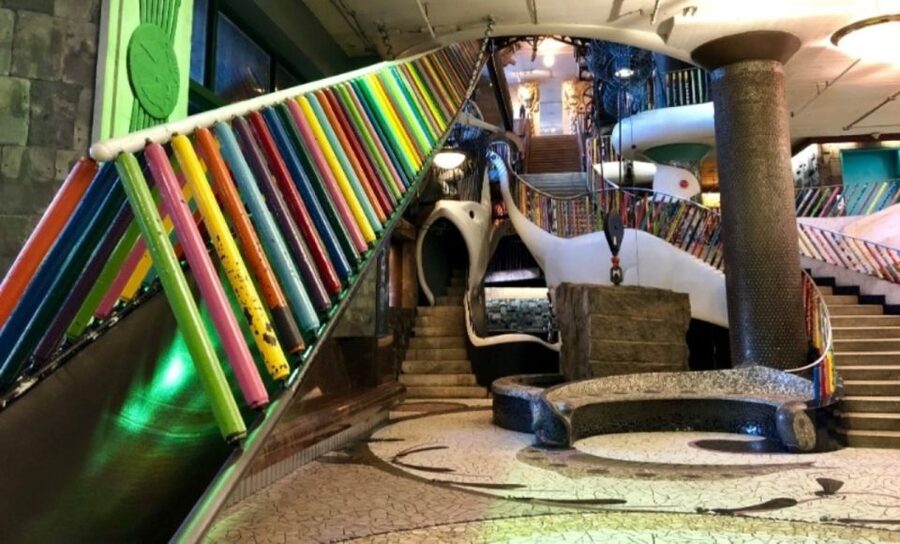
The City Museum is less a museum than a giant three-dimensional puzzle built inside an old warehouse. Artists have turned architectural scraps, industrial parts, tunnels, slides, bridges, castles, and odd creatures into a place where you can climb, crawl, squeeze, and slide instead of simply looking at exhibits. I like the way the building rewards curiosity, and I especially like that the strange details come from reused pieces of real cities. The world’s largest working pencil is another wonderfully eccentric touch.
I also like the value of the $22 admission, since it covers the indoor museum and outdoor MonstroCity for a full day. Same-day re-entry gives you a chance to step out for food or a rest. The main caution is that this is a physical experience, not a gentle gallery visit. Stairs, tight passages, dark tunnels, and active climbing are part of the fun, while parking and some on-site purchases can add a sizable cost.
Key points to know before you go
- The Slides turn gravity into the museum’s main attraction: You will find slides throughout the building, including routes built into the former shoe warehouse.
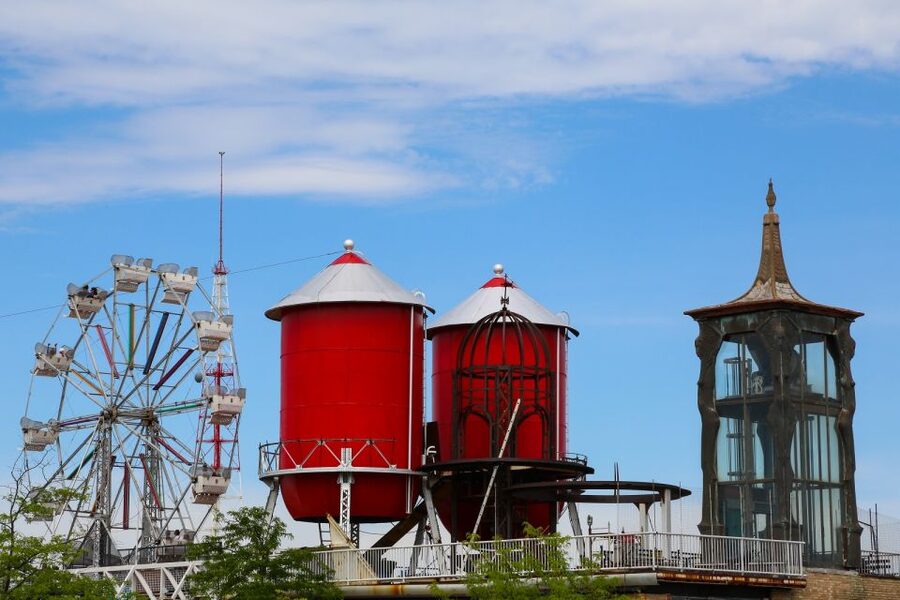
- MonstroCity takes the climbing outdoors: Expect salvaged airplanes, fire engines, bridges, castles, ball pits, and other large structures.
- The Caves are dark and maze-like: Kneepads and headlamps are available on-site for visitors who want extra help in the tighter passages.
- The $22 ticket lasts one day: Indoor admission and exterior MonstroCity are included, while rooftop access costs extra.
- Toddler Town gives younger children a smaller play area: Visitors under 16 must still be accompanied by an adult aged 18 or older.
- This is a hands-on art space: Stairs, crawling, climbing, and squeezing through openings are central to the visit.
Inside a warehouse built for getting lost
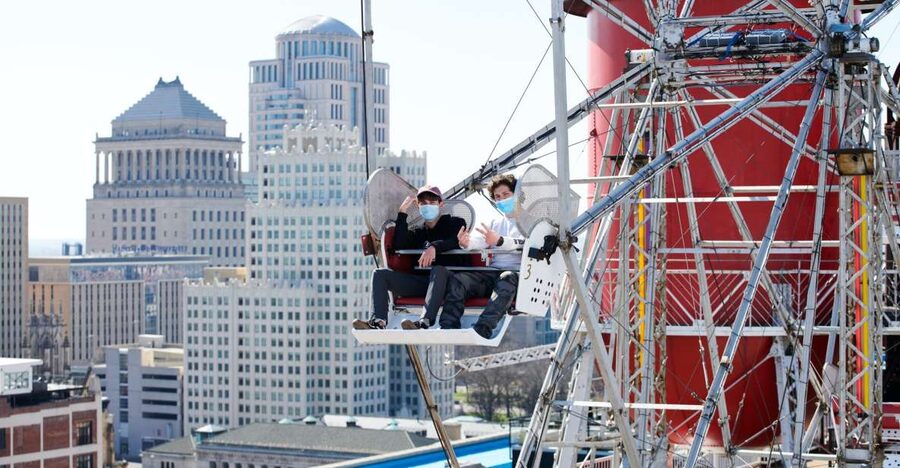
City Museum occupies a historic warehouse in downtown St. Louis, and the building itself is part of the exhibit. Instead of moving from one quiet room to another, you make your own route through a maze of old architectural pieces and handmade structures.
I would arrive ready to explore slowly. The best parts are not always in front of you. A doorway may lead to a tunnel, a staircase may end at a slide, and a structure that looks like decoration may actually be something you can climb through. This setup is exciting for children, but adults who enjoy unusual architecture, photography, and hands-on art will find plenty to keep them busy too.
The museum is built from up-cycled material, so the finish is intentionally rough and inventive. Do not expect polished interactive displays with obvious instructions. You are often meant to look closely, test a route, and decide how far you want to go.
That freedom is a major strength, but it can also make the first few minutes feel confusing. If you prefer a clear order and a set route, you may need patience. City Museum rewards exploration rather than efficiency.
A few more museum visits around the USA worth comparing
- NYC: 9/11 Memorial & Museum Timed-Entry Ticket
★ 4.8 · 31,428 reviews - NYC: Empire State Building Tickets – Observatory & Museum
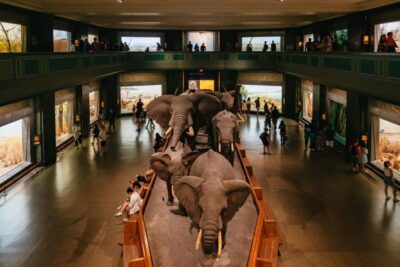
★ 4.7 · 25,757 reviews - New York City: American Museum of Natural History Ticket
★ 4.5 · 15,447 reviews
Slides from the first floor to the lower tunnels
Slides are one of the defining features here. The building was once a shoe warehouse with old spiral chutes, and the artists used that history as a starting point. Slides appear throughout the installations, turning ordinary movement between levels into part of the experience.
Some slides are a quick way to get from one section to another. Others are the reason to pause and decide if you are ready for another ride. I like this design because it gives the museum a physical rhythm: climb, search, squeeze through a passage, then slide back down.
You should wear clothes that allow easy movement and expect your knees and elbows to get involved. Kneepads are available on-site, which is useful for anyone planning to spend serious time in the tunnels. A headlamp is also available for the darker sections.
The slides do not make the museum ideal for every adult or child. Anyone uneasy with enclosed spaces, stairs, or active play should take the visit at a comfortable pace. You can enjoy the art and collections without tackling every route, but the building is designed for visitors who want to move.
The Caves and the 1925 Wurlitzer organ
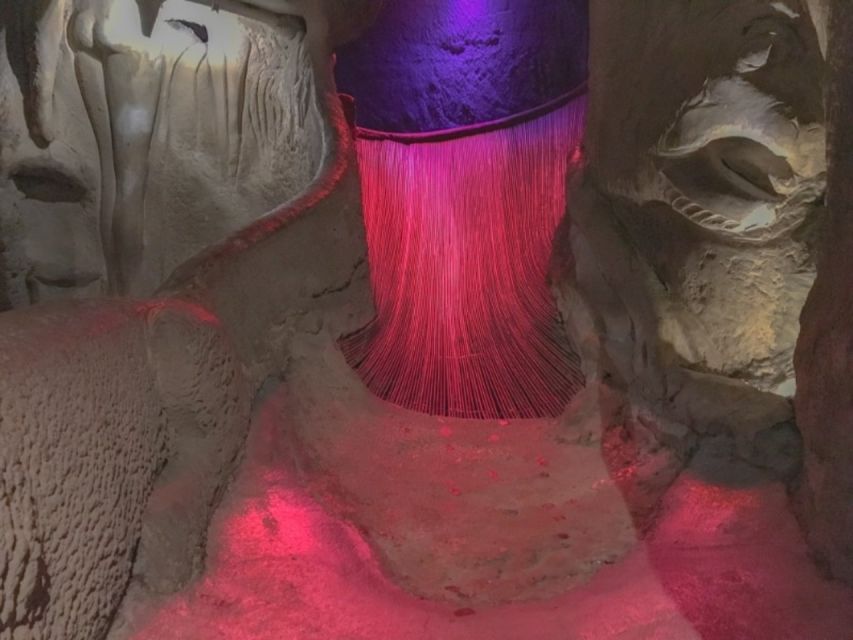
The Caves are among the most atmospheric areas in the museum. These man-made chambers wind through the building, passing sculptures of mythical creatures and a 1925 Wurlitzer organ.
This section changes the mood. MonstroCity is open and exposed, while the Caves make you pay attention to sound, light, and the shape of the passage around you. The route may feel like a maze, and that is the point. I would not rush through it.
The Caves also show why City Museum is more interesting than a standard indoor play center. The art is not placed beside the activity. It forms the walls, ceilings, paths, and obstacles. You are not just looking at a sculpture of a creature. You may be crawling past it or finding it at the end of a tunnel.
Because some attractions require stairs and tight navigation, keep your party together and allow time for slower members. The museum is wheelchair accessible, but not every physical feature is suited to every mobility level. The available information specifically notes stairs at some attractions, so check your preferred route on arrival.
Treehouse and Tunnels across several floors
The Treehouse and Tunnels spread across the second and third floors. Giant tree trunks, slides, and passages extend upward through the building and then burrow into tunnels below.
This area makes good use of vertical space. You are not simply walking across a floor plan. You are moving through a structure that rises, drops, bends, and reconnects. Children may treat it as a giant playground, while adults can focus on the clever use of salvaged materials and the odd views created by the construction.
I would plan on spending more time here than you first expect. The routes can lead you away from your starting point, and it is easy to stop for photographs or to watch someone tackle a tricky section. Creative photos are encouraged by the setting, but keep your equipment secure while climbing.
There is no need to conquer every tunnel. City Museum works best when you choose a mix of easy viewing and active exploration. That makes the experience more manageable for families with different ages and energy levels.
Same city, a completely different collection:
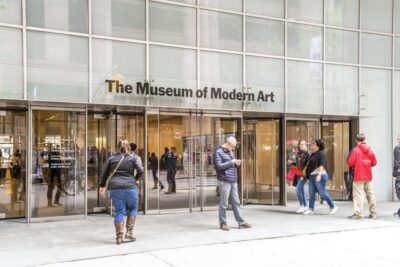
- NYC: Museum of Modern Art (MoMA) Entry Ticket
★ 4.6 · 12,540 reviews - 9/11 Memorial, Ground Zero Tour with Optional 9/11 Museum Ticket
★ 5.0 · 6,381 reviews - 9/11 Memorial Museum Admission Ticket
★ 4.5 · 6,376 reviews - All-Access 9/11: Ground Zero Tour, Memorial and Museum, One World Observatory
★ 5.0 · 4,886 reviews
MonstroCity and Skateless Park outdoors
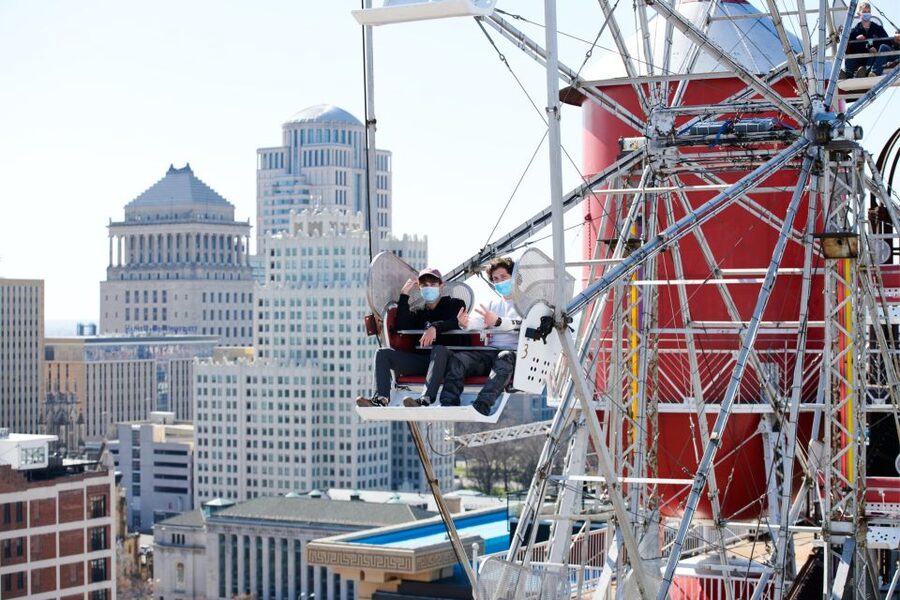
Admission includes MonstroCity, the outdoor sculpture area. Here, repurposed technology and industrial objects become an enormous climbing zone with airplanes, fire engines, castles, bridges, and ball pits.
MonstroCity is one of the clearest examples of the museum’s central idea: old objects can gain a new life when artists arrange them in unexpected ways. It feels more open than the indoor sections, but it remains active and physical. I would save this area for a point in the day when you still have energy for climbing.
Weather may affect how comfortable the outdoor space is, though no weather policy is provided here. Check conditions before setting aside a large part of your visit for MonstroCity.
Skateless Park offers another collection of slides and ramps. It is built around the World’s Largest Working Pencil, a detail that sounds too strange to be real until you see it listed among the main attractions. This is exactly the sort of playful scale and odd subject matter that gives City Museum its personality.
The outdoor areas also make same-day re-entry useful. You can leave for a meal or a break, then return with your intact wristband. That matters because a single visit can be tiring, especially for younger children.
Collections for a slower change of pace
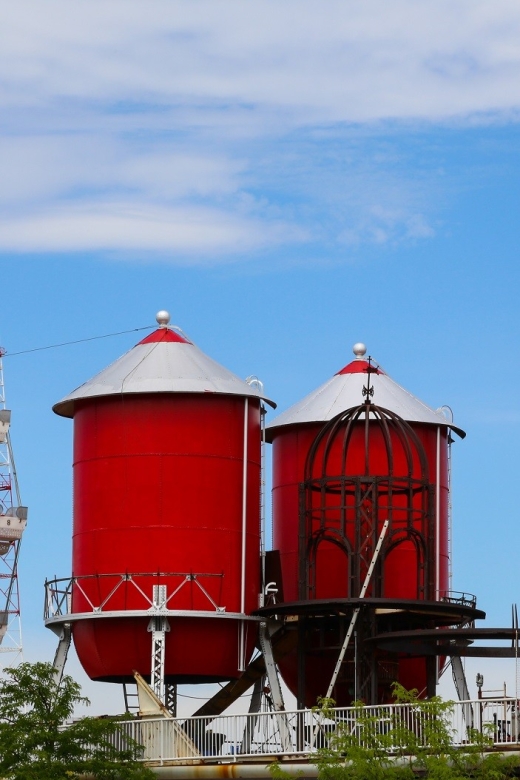
Not every part of City Museum asks you to climb. You can also wander through collections of taxidermy butterflies, moths, and insects assembled by George Dehil, thousands of art slides from The Metropolitan Museum of Art, and historic architectural remnants from cities near and far.
These displays give the visit some breathing room. After a stretch of crawling and sliding, I would take time to look at the smaller objects and the details in the architectural pieces. They help explain the visual language of the building: fragments that once served a practical purpose now become part of a strange new setting.
The art slide collection and architectural remnants are especially useful for adults who might not want to spend the entire day on playground-style attractions. They also show that City Museum is not only about speed and physical challenge. Its best moments come from the mix of collections, craftsmanship, humor, and movement.
Circus Harmony and the miniature train
Circus Harmony is a nonprofit circus organization connected with the museum. Its work includes juggling, acrobatics, magic, and other performance skills used to encourage social change.
The exact experience can depend on what is operating during your visit, so treat it as an additional part of the museum rather than a guaranteed scheduled show. Its presence adds a human and educational element to an otherwise highly physical setting.
A miniature train may also be available to take children into tunnels and through a solar system-themed route. The information describes this as a chance for children to ride, so it may be especially appealing to younger visitors who need a break from climbing.
These features help families build variety into the day. You can alternate between active structures, quieter collections, and child-focused attractions instead of trying to keep everyone on the same type of activity.
Toddler Town for children age six and under
Toddler Town is designed for younger children, with smaller versions of slides and climbers. This gives families with children aged six and under a place where the scale is less intimidating.
I see this as one of the most practical parts of the museum for families with mixed ages. Older children may want MonstroCity or the larger tunnels, while toddlers need a space that matches their size and ability. The smaller structures can also help a child gain confidence before trying anything more demanding.
An adult must accompany anyone under 16, and the adult must be at least 18 years old. Bring proof of age, since the age rule is specifically enforced by the admission conditions.
What the $22 admission really covers
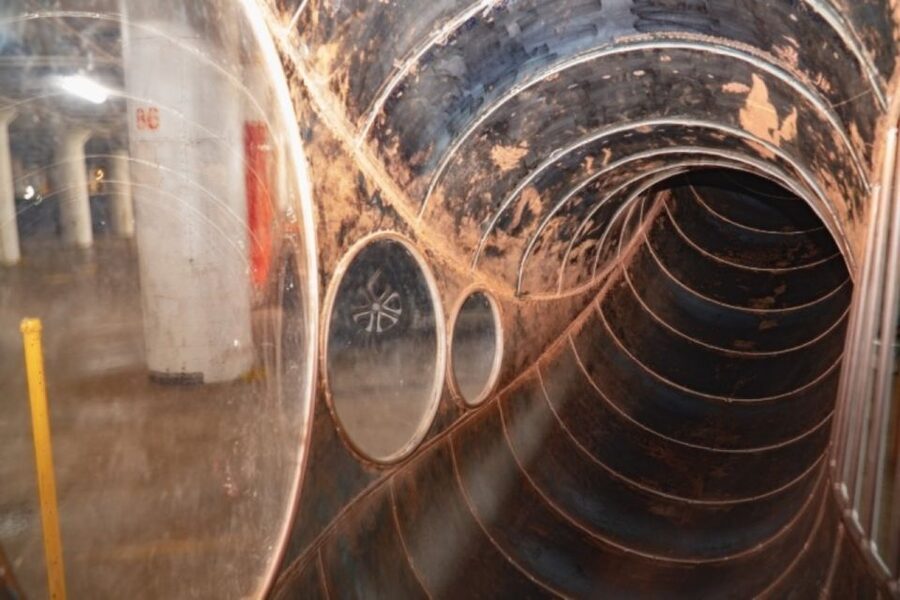
At $22 per person, the ticket is a fair buy if you plan to stay for several hours and use both the indoor areas and MonstroCity. You are paying for access to a large collection of interactive structures, art displays, tunnels, slides, and climbing spaces rather than for a short guided tour.
The value is strongest for families and active adults who want a full day with plenty to do. It is less compelling if you only want to look at traditional exhibits for an hour, or if stairs and tight spaces will limit how much of the building you can use.
Food and drinks are not included. Parking is also separate, and one recent account describes a $45 parking charge with credit cards required, so I would confirm the current parking cost before arriving. On-site water sales have also been described as credit-only, so bring a payment card even if you usually carry cash.
Rooftop admission costs extra and can be purchased on-site. The general ticket includes the interior and MonstroCity, but not the rooftop, so consider that add-on only after you know how much time and energy you have left.
A wristband allows same-day re-entry, but it must remain intact and cannot be used after removal. That small detail matters if you plan to leave for lunch or a rest.
Practical preparation for a better visit
Wear clothes that can handle climbing and crawling. Kneepads and headlamps are available on-site, but you may prefer to use them from the start if you plan to explore the tunnels.
Bring a passport or ID card. Visitors under 16 need an adult aged 18 or older, and proof of age is required.
The museum is wheelchair accessible, but some attractions involve stairs. If a member of your group needs to avoid stairs or narrow passages, ask staff which areas will work best before setting off.
Staff service may not always feel warm or polished. One account describes curt answers at a food and drink point and confusion about wristbands for repeated outdoor rides. I would keep your admission and add-on details easy to show, and clarify any outdoor access rules before paying for extras.
The general admission experience received a 4.6 rating from 50 reviews, with especially strong enthusiasm for the museum’s appeal across age groups and the availability of kneepads for the tunnels. That fits the nature of the place: its greatest strength is the sheer range of ways to play and explore.
Who should book City Museum
I would recommend City Museum to families with energetic children, adults who enjoy unusual art, and anyone who likes making their own route through a building. It is also a strong choice for creative photographers, provided you can carry your equipment safely through active spaces.
You should think twice if you want a quiet museum, dislike enclosed passages, or need a fully predictable route. The building can be physically demanding, and the unusual design may feel chaotic rather than charming if you prefer clear signs and orderly galleries.
For most people, the smartest plan is to treat the $22 ticket as a full-day activity. Start with the indoor sections, take breaks, head outside to MonstroCity, and use re-entry if you need food or recovery time. Book it if the idea of turning an old warehouse into a giant climbable artwork sounds more appealing than a conventional museum visit.
FAQ
What does the $22 City Museum ticket include?
The general admission ticket includes access to the indoor museum and the outdoor MonstroCity area for one day.
Is rooftop admission included?
No. Rooftop admission is not included, but it can be purchased on-site.
Can I leave and return on the same day?
Yes. You receive a wristband that allows same-day re-entry, provided it remains intact and has not been removed.
Do children need an accompanying adult?
Yes. Anyone under 16 must be accompanied by an adult aged 18 or older, and proof of age is required.
Are kneepads and headlamps available?
Yes. Kneepads and headlamps are available on-site for visitors exploring the tunnels and other active areas.
Is City Museum wheelchair accessible?
Yes, the experience is wheelchair accessible. Some attractions require stairs, so ask about suitable routes if your group needs to avoid them.
Just added around the USA
- Museum of Ice Cream Austin★ 3.5 · 85 reviews
- Admission to Richard Nixon Presidential Library and Museum Ticket★ 5.0 · 123 reviews
- The Turquoise Museum Curator’s Tour★ 5.0 · 12 reviews
- Turquoise Museum Visit★ 4.5 · 194 reviews
- Orlando: Titanic Artifact Exhibition Ticket★ 4.5 · 246 reviews
- The St. Augustine Old Jail Museum Guided Tour★ 4.6 · 68 reviews
- San Diego: San Diego Natural History Museum Ticket★ 4.7 · 33 reviews
- The Museum of Fine Arts, Houston Entry Ticket★ 4.6 · 82 reviews
Museum Tours in the USA, compared.

9/11 Memorial, Ground Zero Tour with Optional 9/11 Museum Ticket
Read our review →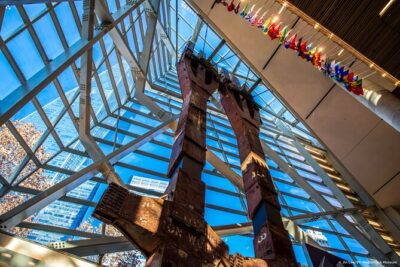

All-Access 9/11: Ground Zero Tour, Memorial and Museum, One World Observatory
Read our review →

Browse the lists this tour appears in