
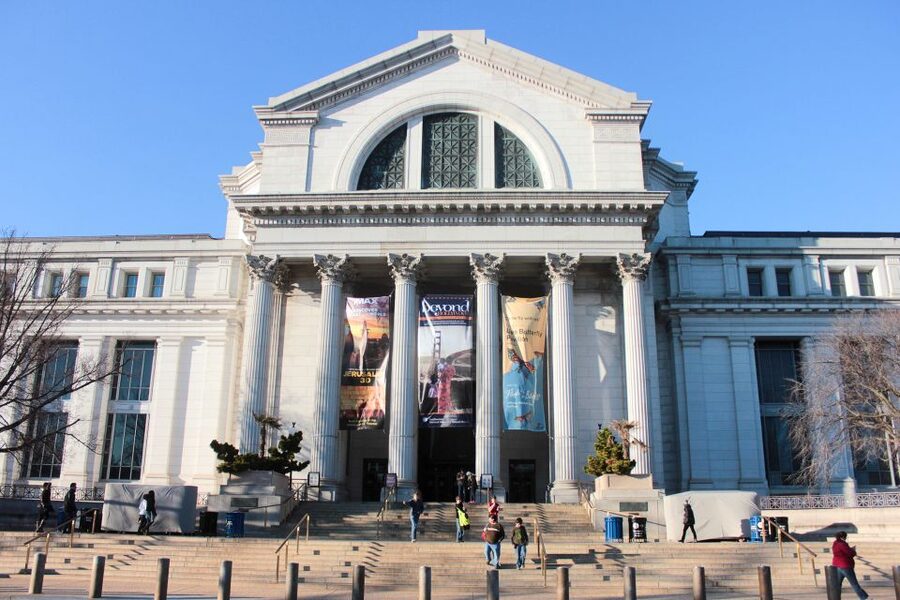
Review · WASHINGTON DC
Smithsonian Natural History Museum Tour Semi-Private 8ppl
The most useful thing about this Smithsonian Natural History Museum tour is its sense of direction. The building covers the area of 18 football fields and holds more than 126 million objects, so a guide helps you reach the famous displays before your attention, and your feet, give out. In 150 minutes, you can see the 46-karat Hope Diamond, real mummies, ocean exhibits, fossils, and giant animals.
I like the choice between a small group of no more than eight and a private tour. I also like the way the guides adjust the visit to your interests. Tim has asked groups what they want to focus on, while Brenda, Amanda, Richard, Tony, and Leigh have each been praised for lively explanations and family-friendly storytelling.
The main drawback is time. Two and a half hours is enough for a smart highlights tour, not a full museum visit. Some rooms may have quiet rules, some collections can change, and temporary exhibits are not included. Bring photo ID, avoid large bags, and confirm accessibility before booking if you use a wheelchair.
Key points to know before you book
- The Hope Diamond and other famous stones: See the 46-karat Hope Diamond, the Dom Pedro Aquamarine, and the Star of Asia Sapphire.
- A guide saves you from wandering: The museum is enormous, and the route focuses on major displays rather than trying to cover every room.
- Phoenix gives the Ocean Hall a story: Learn about the museum’s connection with a 45-ton whale followed in the wild.
- Small groups make questions easy: Semi-private tours allow up to eight people, while private bookings offer a more personal format.
- Families have a good reason to consider it: Guides such as Leigh and Amanda have kept teenagers and younger children involved.
- Pack light: Only handbags or small thin backpacks are allowed through security, and large luggage is not permitted.
Why a guide matters in an 18-football-field museum

You can spend hours in a major natural history museum and still miss the displays you came to see. That is the basic case for this tour. The collection is too large to treat like a normal afternoon stop, especially if you are in Washington for a short visit and have other museums on your list.
The guide’s job is not simply to point at cases. You receive historical and scientific background, stories behind individual objects, and answers to questions as you go. The best part of a small group is the chance to shape the route a little. If you care more about marine life than minerals, or fossils than mammals, you can say so.
The format also helps families. Amanda has been especially good at holding younger children’s attention, while Leigh’s storytelling worked well for a 16-year-old. That matters here because many displays reward explanation. A case of bones, a large mineral, or a preserved specimen can look impressive, but the story behind it gives you a reason to remember it.
The guide may also add broader suggestions for the rest of your time in Washington. Tony, for example, has offered ideas about other places to see around the city. That kind of local advice is useful, though it depends on the guide assigned to your date.
More Museum Tours in Washington DC
- Guided African American History Tour with Reserved Museum Entry
★ 4.5 · 1,180 reviews - Washington DC: Museum of the Bible General Admission
★ 4.8 · 494 reviews - Smithsonian Museum of Natural History – Exclusive Guided Tour
★ 5.0 · 446 reviews
The Hope Diamond, Dom Pedro Aquamarine, and Star of Asia
The mineral displays provide one of the clearest reasons to choose this tour. The 46-karat Hope Diamond is the headline object, and the guide places it in a larger story about famous stones, color, size, and scientific interest.
You will also see the Dom Pedro Aquamarine, described as the largest aquamarine of its type, along with the Star of Asia Sapphire. These are not just quick photo stops. Their scale and appearance make more sense when someone explains what you are looking at and why each piece matters.
The value of the guide is particularly clear in rooms where several displays compete for your attention. You can pause for the objects that catch your eye, ask questions, and avoid spending too long on cases that do not interest you. A private group gives you the most control, while the eight-person limit keeps the semi-private format more manageable than a large coach-style tour.
The drawback is that the mineral displays may be busy during popular visiting times, and the museum can change some collections. No route can promise every object will be available on every date. The advertised highlights are a useful guide, not a guarantee that every case will look exactly the same.
Mummies and the human side of natural history
The real mummies add a very different mood to the visit. They are not as colorful as the mineral displays or as enormous as the whale, but they connect the museum’s scientific work with human lives and past cultures.
This section can be especially useful if you want context rather than a quick look. Your guide can explain what the museum is showing and help place the objects within a wider scientific and historical frame. The supplied details do not specify which individual mummies are on view or how long the route stays in this area, so expect the guide to manage the timing according to the group.
Some museum rooms require quiet or limit speaking. In those spaces, the guide will explain the contents before you enter. That rule can interrupt the usual back-and-forth, but it also means you should listen carefully before going in. If you want to ask something, do it before entering or after leaving.
The Ocean Hall and Phoenix the 45-ton whale
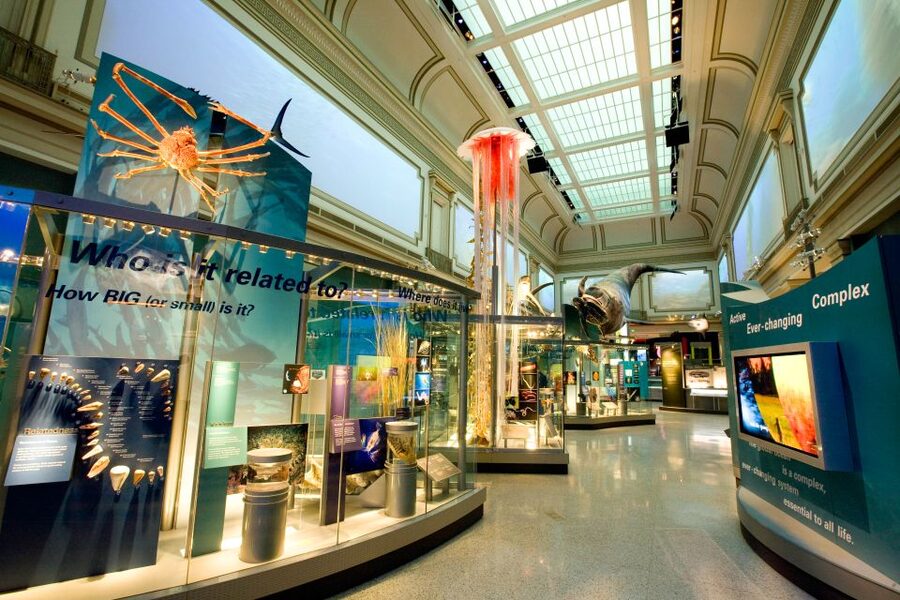
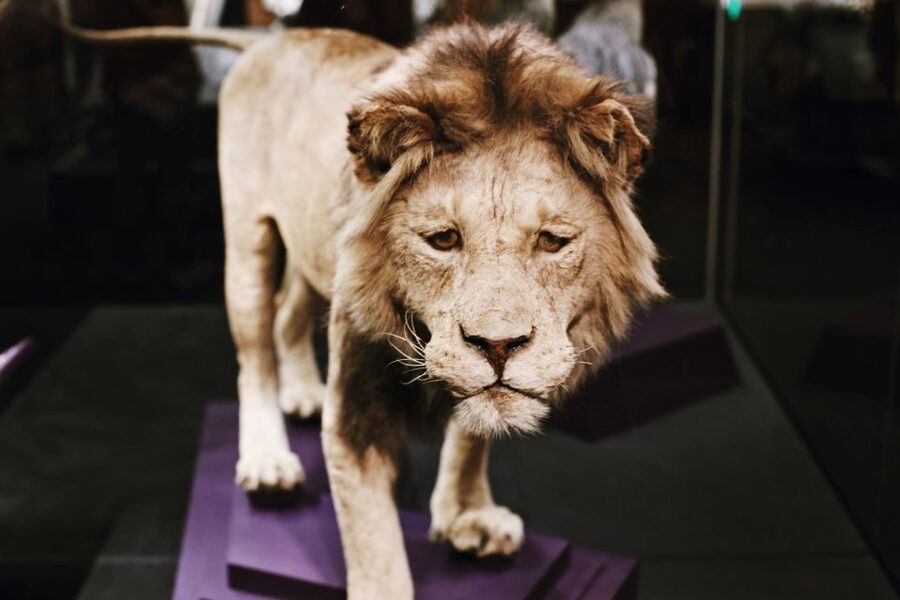
The Ocean Hall is likely to be one of the most memorable sections for many people. A real coral reef exhibit brings the sea into the museum, while the display of Phoenix, a replica of a 45-ton whale, gives the area a strong focal point.
Phoenix is more than a large object hanging in a room. The museum has followed the whale in the wild, so the guide can connect the replica with real scientific observation. That link helps you understand how a museum can show nature while also taking part in ongoing research.
The Ocean Hall works well for mixed-age groups because it gives you several ways to look at the subject. Children can respond to the size and color of the displays, while adults may prefer the science and the story of the whale. The guide can adjust the amount of detail, which is one reason a small group is more useful than simply walking through on your own.
The coral reef exhibit is still one stop in a large museum. If marine science is your main interest, ask for extra time in this area when you meet your guide. The tour has many highlights to cover, and a fixed 150-minute schedule means you may need to choose between lingering and seeing more rooms.
More natural history museums in Washington Dc:
- Smithsonian National Museum of Natural History Guided Tour
★ 4.1 · 159 reviews - Smithsonian Natural History + Air & Space Museum Tour 8ppl
★ 5.0 · 17 reviews - New York City: American Museum of Natural History Ticket
★ 4.5 · 15,447 reviews - Berlin: Natural History Museum Entrance Ticket
★ 4.6 · 3,382 reviews
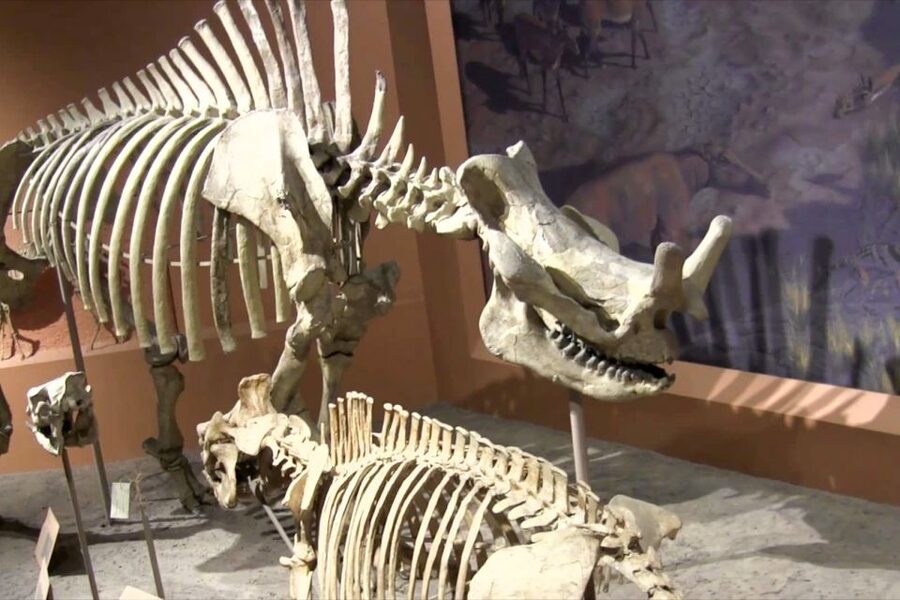
Fossils, the Arctic Narwhal, and giant land animals
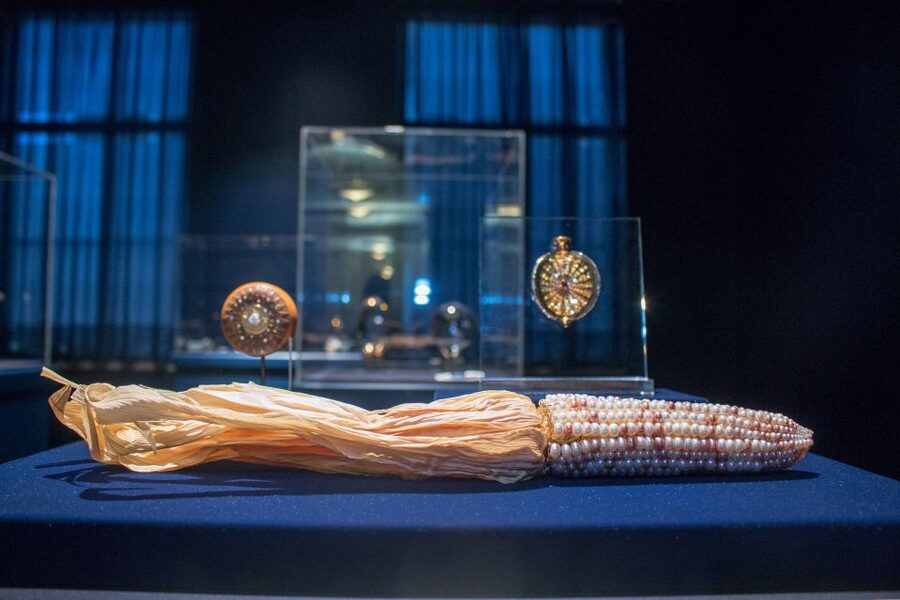
The Fossil Lab adds a look at the work behind the finished displays. Instead of seeing only polished cases, you can learn about the process of examining and preparing fossils. The supplied tour details do not promise a particular activity inside the lab, so think of it as a guided stop rather than a hands-on workshop.
The Arctic Narwhal is another memorable object. Its unusual shape gives the guide an easy way to talk about animals adapted to cold waters, though the exact explanation will depend on the person leading your tour.
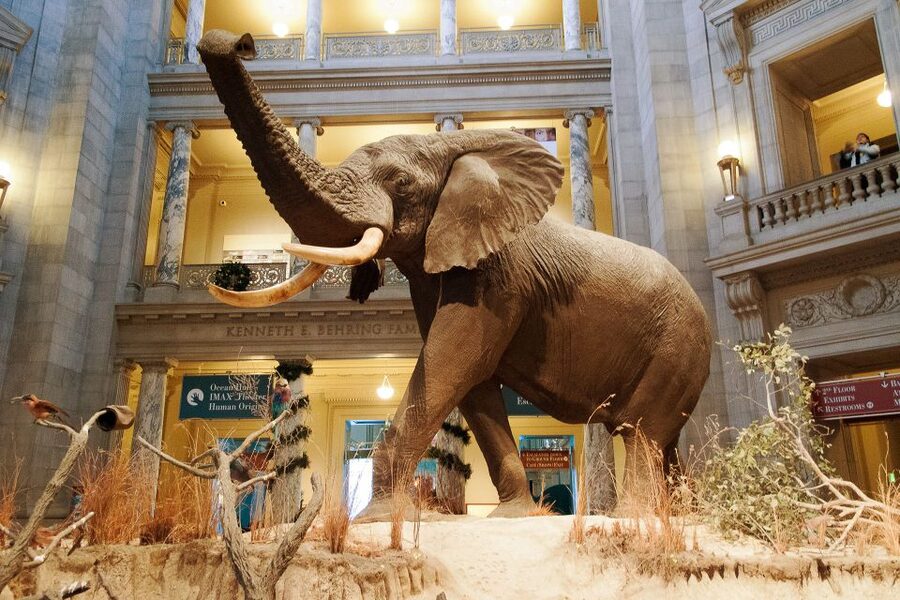
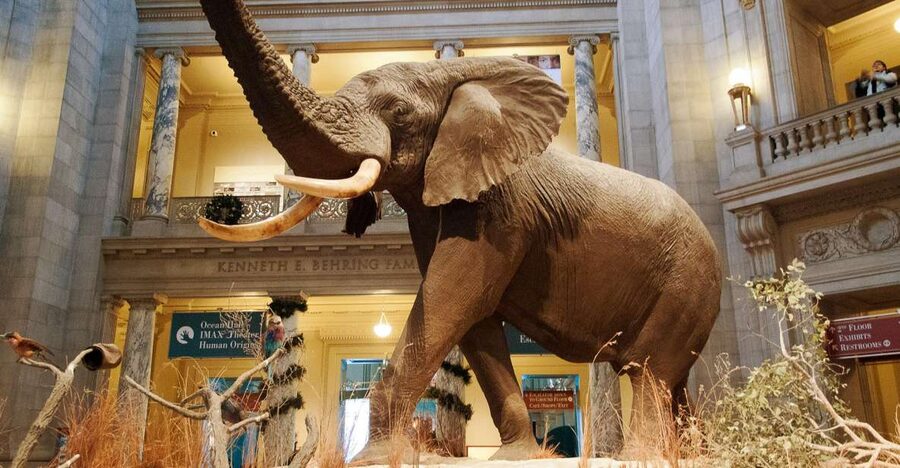
On land, the museum displays giraffes, elephants, polar bears, and other large animals. These specimens give you a quick tour of different habitats without leaving the building. They are also a practical choice for families because the scale is immediately clear, even when younger children do not follow every scientific detail.
The route is designed around major sights, not a room-by-room survey. That is a strength if you want an efficient first visit. It is a limitation if you already have a detailed list of less famous objects. Tell the guide your priorities early so the time is used well.
What the 150-minute format feels like
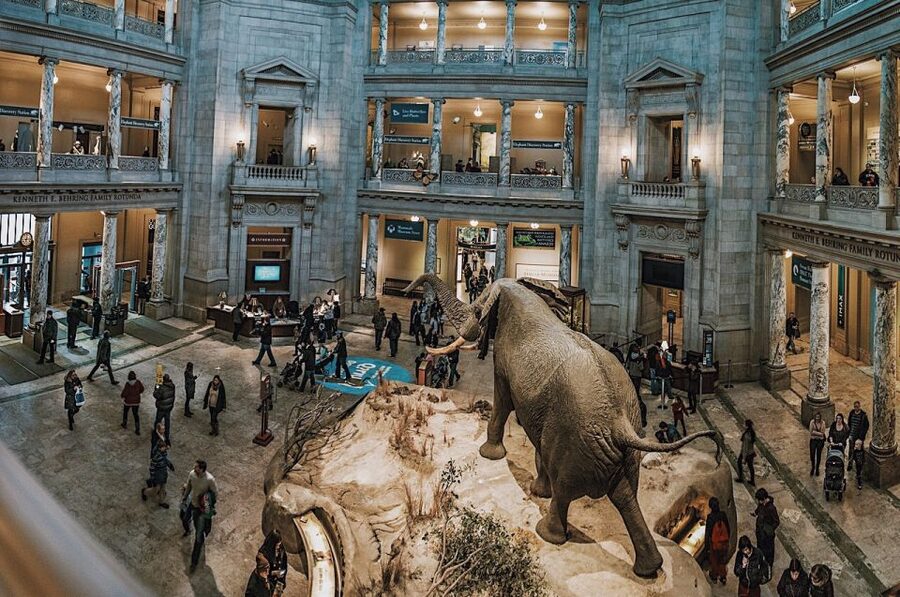
The tour lasts 2.5 hours and is described as a walking tour. You should expect to be on your feet for much of that time, moving through several sections of a very large building. Wear suitable clothing for museum entry and choose comfortable shoes.
The timing gives you enough room to understand the main displays without turning the visit into an all-day commitment. It also fits neatly into a Washington schedule that includes another museum or monument. Still, do not book this expecting a relaxed look at every floor. The guide must keep the group moving.
Skip-the-line entry is another practical benefit. It does not mean you bypass every security step or walk straight through every possible queue, but it is intended to help you avoid the main ticket line. Security still matters, so bring valid photo ID and keep your belongings small.
The meeting point can vary by the option booked. Check the exact instructions on your confirmation instead of assuming every group meets in the same place. Hotel pickup and drop-off are not included, and food and drinks are not part of the tour.
Small group or private tour?
The semi-private format allows a maximum of eight people, with at least two participants required. If that minimum is not met, an alternative date or refund will be offered. For many people, eight is a good balance: small enough to hear the guide and ask questions, but less costly than a fully private booking.
A private tour makes more sense if your group has strong interests or a tight schedule. You can focus more closely on minerals, marine life, fossils, or the animals, depending on what matters to you. It can also suit a family that wants the guide to adjust explanations for children.
The small group option is likely the better value at $95 per person. You are paying for 150 minutes of a professional English-speaking guide and a focused route through one of the largest museum collections in the country. The value depends on how much you want interpretation. If you are happy to wander at your own pace, free museum access or an independent visit may suit you better. If you want to see the major objects quickly and understand their stories, the price is easier to justify.
The high overall rating, 4.9 from 34 ratings, fits the strongest pattern in the feedback: guides are praised for clear explanations, good conversation, and the ability to respond to different ages and interests. Tim, Richard, Brenda, Tony, Leigh, and Amanda are all named positively in individual accounts. You are not guaranteed one of these guides, but the repeated emphasis on the human side of the tour is worth noting.
Families, first-time visitors, and museum fans
I would recommend this tour most strongly to first-time visitors who want the main sights without spending a whole day planning a route. It also suits families, especially when children need stories and questions to keep them engaged.
The experience can work well for a teenager who is old enough to follow scientific ideas but may not enjoy reading every museum panel. Leigh’s storytelling kept a 16-year-old interested, and Amanda has done the same for younger children. That does not guarantee every child will enjoy every section, but the format gives the guide a chance to adjust.
It is also a good choice for adults who enjoy science but do not want a lecture. The guides are described as conversational and open to questions. Tim, in particular, has been praised for discussing new discoveries, theories, and the future of science. That kind of exchange can turn a standard museum route into a more personal visit.
You may want to skip it if you prefer complete independence, dislike walking, or hope to spend long stretches in one specialist section. The tour has a clear pace and a set list of major stops.
Practical details that affect your visit
Bring a passport or other valid photo ID. Large bags and luggage are not allowed, and only handbags or small thin backpacks are permitted through security.
The tour is in English and is led by a live guide. Temporary exhibits are not included, and some collections can change. The museum may also close without warning, although an alternative is offered if opening is delayed by more than one hour. The supplier does not provide refunds or discounts in that situation.
Accessibility needs careful checking. Wheelchair tours are listed as available by request, but the booking information also says the activity is not suitable for wheelchair users. Contact the provider before paying if this applies to you, rather than relying on the general tour description.
You can cancel up to 24 hours before the start for a full refund, and the reserve-now, pay-later option keeps you from paying at the time of booking. Starting times vary, so check availability for your date.
Should you book this Smithsonian museum tour?
Book it if you want a focused first look at the Smithsonian Natural History Museum, value a good guide, and like having the major highlights explained in plain language. The Hope Diamond, Dom Pedro Aquamarine, mummies, Phoenix, coral reef, Fossil Lab, narwhal, and giant animals make a strong two-and-a-half-hour route.
I would choose the small group for the best balance of cost and attention. Choose private if you have a particular scientific interest or need the guide to shape the visit around your family. Skip it if you want to explore every room alone or spend the whole day with the collection.
At $95, the tour is not the cheapest way into a museum. It can be good value when your Washington time is limited, your group wants context, and you would rather not lose an hour finding the famous displays yourself.
FAQ
How long does the Smithsonian Natural History Museum tour last?
The tour lasts 150 minutes, or 2.5 hours, and is presented as a walking tour.
How many people can join the semi-private tour?
A maximum of eight people is permitted on each tour. Semi-private tours require at least two participants.
Is a private tour available?
Yes. You can choose between a private tour and a small group tour of no more than eight people.
What language is the tour in?
The tour is conducted in English with a live English-speaking guide.
Which exhibits are included?
The route includes the Hope Diamond, Dom Pedro Aquamarine, Star of Asia Sapphire, real mummies, the Ocean Hall, Phoenix the whale replica, the Fossil Lab, the Arctic Narwhal, and displays of giraffes, elephants, polar bears, and other large animals. Collections can vary.
Are temporary exhibits included?
No. Temporary exhibits are not included in this activity.
What should I bring?
Bring a valid passport or other photo ID. Only handbags or small thin backpacks are allowed through security, and large luggage is not permitted.
Is the tour wheelchair accessible?
Wheelchair tours are listed as available by request, but the activity information also says it is not suitable for wheelchair users. Contact the provider before booking to confirm whether your needs can be accommodated.
More Historical Tours in Washington Dc
- African American History Tour with Museum of African American History Ticket
★ 4.5 · 390 reviews - Washington, DC: African American History Tour & Museum Entry
★ 4.9 · 312 reviews - Washington DC: African American History Museum Private Tour
★ 4.7 · 54 reviews - Venice: St. Mark Basilica Ticket, Audioguide+History Gallery
★ 3.9 · 4,780 reviews
Just added around Washington Dc
- Smithsonian Air & Space Museum Guided Tour 8ppl Max★ 4.8 · 89 reviews
- Smithsonian Natural History + Air & Space Museum Tour 8ppl★ 5.0 · 17 reviews
- Smithsonian National Museum of Natural History Guided Tour★ 4.1 · 159 reviews
- DC: All Creation Sings- Museum of the Bible Exhibition Entry★ 4.8 · 26 reviews
- Washington DC: African American History Museum Private Tour★ 4.7 · 54 reviews
- DC National Gallery of Art Guided Tour with 8ppl Max★ 5.0 · 16 reviews
- Washington, DC: African American History Tour & Museum Entry★ 4.9 · 312 reviews
- The National Gallery of Art DC – Exclusive Guided Museum Tour★ 5.0 · 166 reviews
Museum Tours in Washington DC, compared.

Guided African American History Tour with Reserved Museum Entry
Read our review →

Smithsonian Museum of Natural History – Exclusive Guided Tour
Read our review →
African American History Tour with Museum of African American History Ticket
Read our review →
Washington, DC: African American History Tour & Museum Entry
Read our review →
The National Gallery of Art DC – Exclusive Guided Museum Tour
Read our review →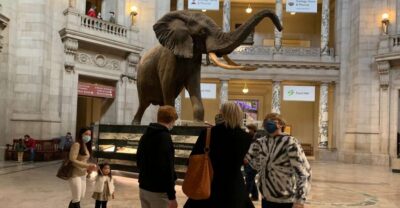
Smithsonian National Museum of Natural History Guided Tour
Read our review →
Smithsonian Air & Space Museum Guided Tour 8ppl Max
Read our review →Browse the lists this tour appears in