
Review · WASHINGTON DC
Washington, DC: African American History Tour & Museum Entry
Washington, DC’s African American story is not confined to one museum. This guided bus tour connects the Lincoln Memorial, Howard University, U Street, and the African American Civil War Memorial before leaving you at the Smithsonian National Museum of African American History and Culture. The route helps you see how monuments, neighborhoods, schools, churches, and individual lives fit together.
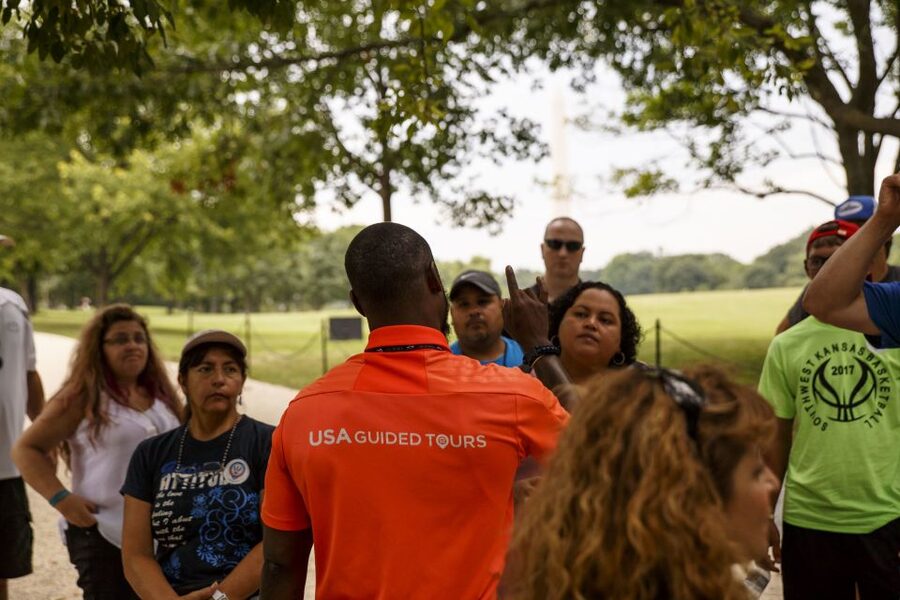
I like two things right away: the air-conditioned bus saves your feet and time, and the guides bring attention to places many sightseeing tours skip. Guides such as Dre and Elvis are especially good at linking a statue or street corner to the larger civil rights struggle. The museum entry is another strong point, since you can continue at your own pace after the guided portion.
The main drawback is the amount of ground covered in roughly three and a half to four hours. Some stops are photo stops rather than long visits, and the museum is self-guided rather than part of the live tour. Bring water and consider carrying food, since there is no meal included and the schedule can make a proper break awkward.
Key points to know before booking
- See Washington through a Black history lens: The route covers memorials, neighborhoods, institutions, and political landmarks rather than only the famous monuments.
- Hear strong live interpretation: Guides including Dre and Elvis are praised for clear explanations, humor, passion, and an ability to connect lesser-known facts to familiar sights.
- Ride between stops in air-conditioned transport: This matters in Washington’s summer heat, winter cold, and changeable weather.
- Visit Howard University and historic U Street: These stops add living community history to the better-known national memorials.
- Finish at the Smithsonian museum: Your timed entry lets you explore its extensive collection independently after the bus tour.
- Allow extra energy for the museum: Three to four hours is enough for an introduction, but not enough to see every floor carefully.
Why this tour adds more than a museum visit
The National Museum of African American History and Culture is one of Washington’s most important museums, but going there alone can leave you with a huge amount of material and little sense of the city around it. This tour gives you a geographic frame first. You see where people worshiped, studied, organized, performed, marched, and pushed the country toward change.
That context is the real value. A guide can point out how a grand memorial tells one part of the national story while a neighborhood such as U Street reveals another. You also hear about people whose names may not appear on the standard monument circuit.
The tone is educational and serious, but it is not meant to be a dry lecture. Dre, one of the most frequently praised guides, uses humor and a direct speaking style. Elvis has also been singled out for making the bus feel welcoming and personal. The exact guide depends on the departure, but the strongest part of the experience is clearly the human explanation between stops.
The tour is conducted in English. Private groups are available, which may suit a family or small party that wants a more personal pace. Shared departures provide the convenience of a scheduled route, but the group format means you should expect the timing to be set by the operator.
More Museum Tours in Washington DC
- Guided African American History Tour with Reserved Museum Entry
★ 4.5 · 1,180 reviews - Washington DC: Museum of the Bible General Admission
★ 4.8 · 494 reviews - Smithsonian Museum of Natural History – Exclusive Guided Tour
★ 5.0 · 446 reviews
Starting at the U.S. Navy Memorial
The main meeting area is around the U.S. Navy Memorial on Pennsylvania Avenue, with listed meeting points at 701 Pennsylvania Avenue NW and 700 Pennsylvania Avenue NW. The exact point can vary with the option you book, so check your confirmation carefully before setting out.
The location is central and useful for a day of sightseeing. You are not being collected from your hotel unless you choose a private option that includes hotel pickup and drop-off. Plan to arrive ready for a coordinated departure, since the route has several stops and a timed museum finish.
The bus is air-conditioned, a practical feature rather than a luxury in Washington. Summers can be hot and humid, while winter tours can be cold at the outdoor stops. The bus gives you a place to reset between visits, though one person found the van a little tight. If you prefer extra personal space, a private option is worth considering.
The Lincoln Memorial and the meaning of the reflecting pool
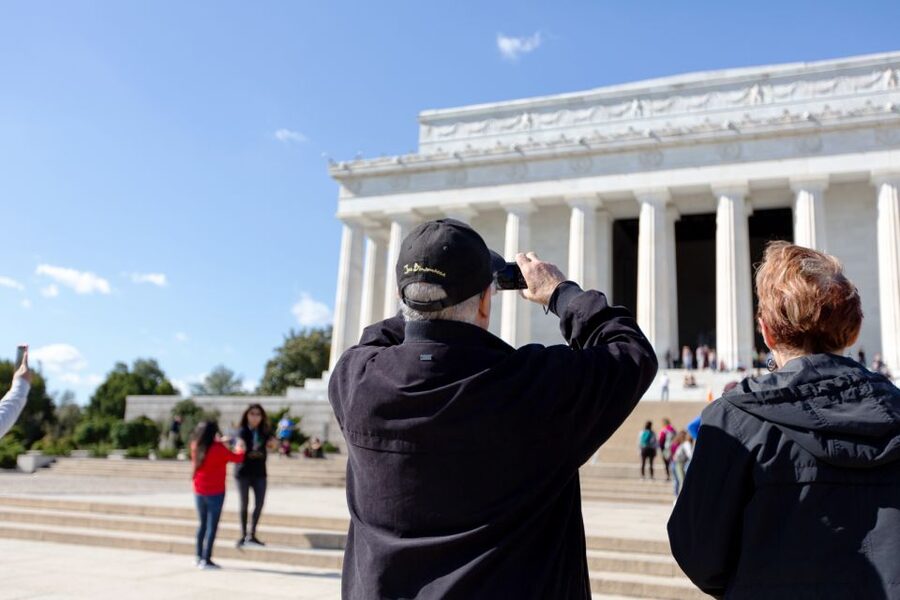
The Lincoln Memorial is one of the most familiar sights in Washington, but the guide gives it a more specific connection to the civil rights movement. You stand near the place where Martin Luther King Jr. delivered his 1963 I Have a Dream speech and look across the reflecting pool toward the heart of the National Mall.
This is generally a photo stop, not an extended indoor visit. That distinction matters. You have time to take in the setting and hear the historical explanation, but you should not expect a long, quiet examination of every inscription or interior detail.
The stop works well because the physical setting is so powerful. The speech is often remembered as an abstract national moment. Standing in the same broad space helps you understand its public reach and its connection to the monuments around it.
The tour also includes photo stops at the White House and the Martin Luther King Jr. Memorial. These are brief visits, but they broaden the route beyond one site. The White House places civil rights within the story of federal power, while the King memorial gives the movement a dedicated presence on the National Mall.
Frederick Douglass and Lincoln Park
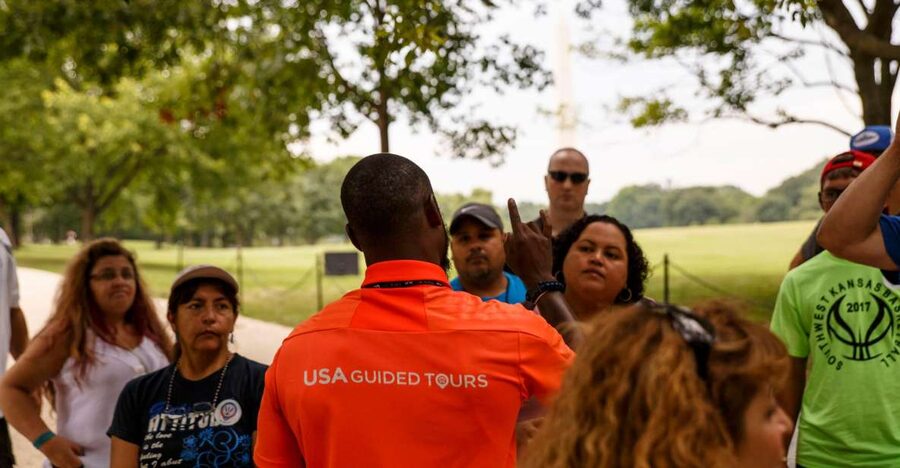
The stop outside the home of Frederick Douglass adds an important personal scale to the day. Douglass was an abolitionist whose life connected enslavement, self-education, public speaking, writing, and political action. You do not simply pass another grand building. You hear about a person whose work helped shape the fight against slavery and for equal rights.
The tour then goes to Lincoln Park, where you see the statue of Mary McLeod Bethune. Bethune was an educator, activist, and founder of the National Council of Negro Women. Her presence here helps widen the story beyond the best-known male leaders.
This is one of the route’s useful choices. The civil rights story is often reduced to a short list of famous men and major speeches. A stop focused on Bethune points you toward education, organization, women’s leadership, and the long work that happens outside headline events.
Again, the itinerary lists this as a photo stop. You should expect interpretation and a chance to see the setting, rather than a long walking tour through the surrounding area.
A few more museum visits around Washington Dc worth comparing
- African American History Tour with Museum of African American History Ticket
★ 4.5 · 390 reviews - Smithsonian National Museum of Natural History Guided Tour
★ 4.1 · 159 reviews - Washington DC: African American History Museum Private Tour
★ 4.7 · 54 reviews - Smithsonian Natural History Museum Tour Semi-Private 8ppl
★ 4.9 · 34 reviews
Howard University and the power of education
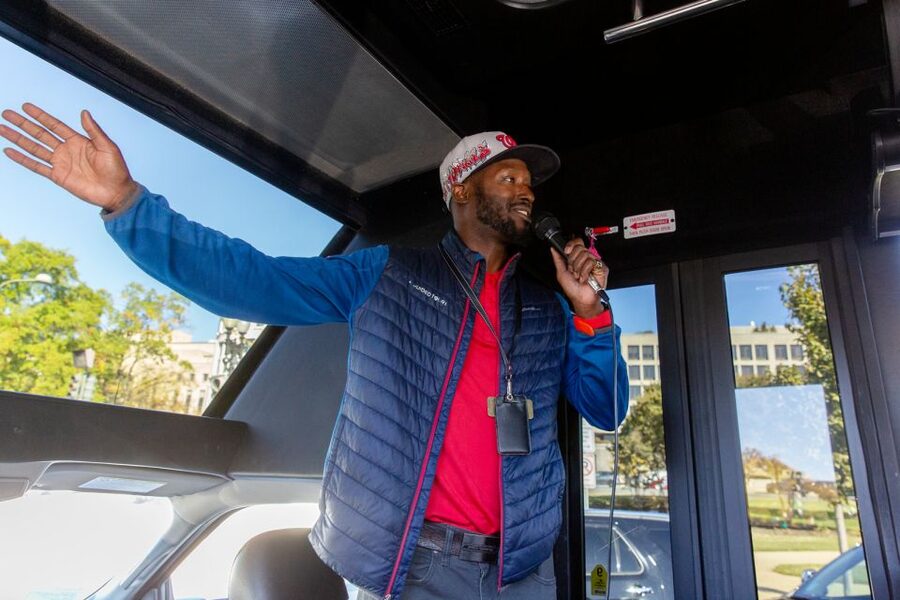
Howard University is one of the oldest historically Black universities in the United States. Here, the tour includes a walk around the maintained campus while the guide explains its role in African American life and the civil rights movement.
This is a welcome change from looking at monuments from the bus. You get a chance to stretch your legs and see an institution that remains part of Washington’s living community. The university is not presented only as a historic relic. It represents education, leadership, debate, and the creation of opportunity under conditions that often denied Black Americans access elsewhere.
The campus stop also shows why a guided route is useful. A visitor passing by on a general city tour might recognize the name Howard University but miss its place in the national story. A strong guide can give that setting meaning without requiring you to research it in advance.
The walk may be more comfortable in moderate weather than in intense heat or cold. Wear practical shoes, since the day includes several outdoor stops even though the bus handles most of the distance.
Le Droit Park, Shaw, and historic U Street
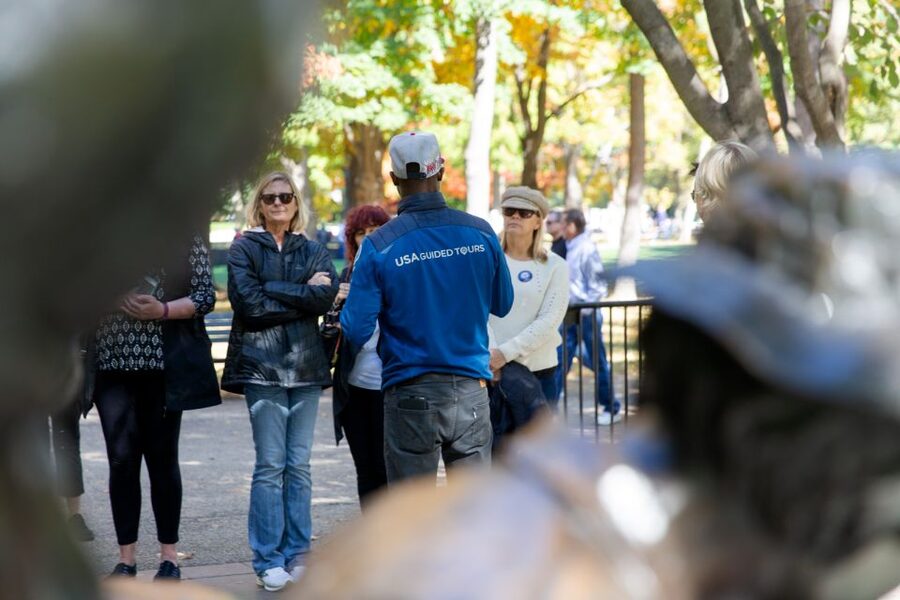
The bus continues through Le Droit Park, the Shaw neighborhood, and historic U Street. This section is especially valuable because it moves away from official memorials and into the city’s neighborhood history.
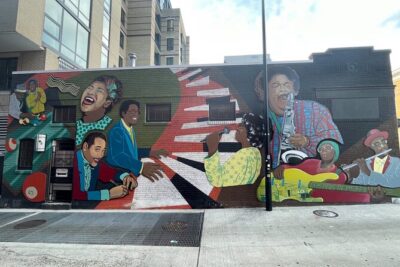
U Street was once home to one of the largest urban African American communities in the United States. The area became known for its Black Broadway, with entertainment venues linked to major performers and cultural figures. The guide explains how music, business, nightlife, and community life shaped the district.
This part of the ride may be more about seeing and listening than getting out for a long walk. That can feel less dramatic than the Lincoln Memorial, but it gives you a better sense of African American Washington as a city where people built institutions and culture, not simply a backdrop for national events.
One useful practical point: U Street would be a natural place for a snack, but food is not included and the tour does not promise a food stop. Carry something small if you need to eat on schedule. The museum has food service, but one account specifically found the food less appealing and the lines long.
The African American Civil War Memorial
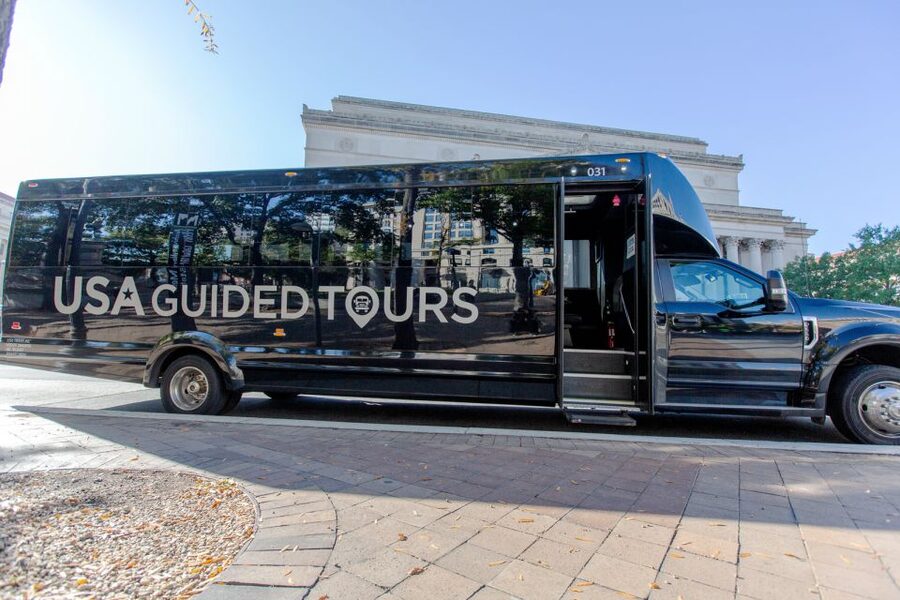
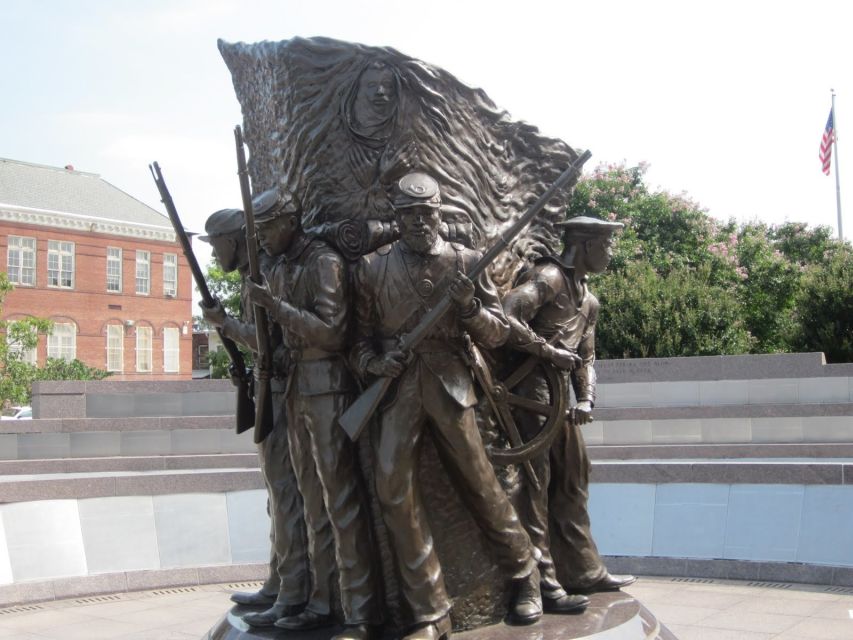
The African American Civil War Memorial and Museum brings the tour to the service of Black soldiers during the Civil War. You stop outside the memorial and hear how African American troops affected the course of the conflict, along with the human cost paid by those who served.
This stop adds an earlier chapter to a tour that might otherwise focus mainly on the twentieth-century civil rights movement. It shows that the fight for freedom and citizenship did not begin with the modern civil rights era.
The memorial can also be personally meaningful. One person was able to locate an ancestor’s name on the wall with help from the guide. That possibility is worth keeping in mind if your family has connections to Black Civil War service. The tour does not promise genealogical research, but a well-prepared guide may help you understand what you are seeing.
The itinerary describes this as a photo stop, so do not count on a full museum visit there. The larger museum experience comes later at the Smithsonian.
Downtown landmarks and Logan Circle

The bus passes through downtown Washington, including Freedom Plaza on Pennsylvania Avenue and the White House area. It also visits the Martin Luther King Jr. Memorial and the National Council of Negro Women.
The Logan Circle historic district adds two more important sites: Metropolitan AME Church and the Mary McLeod Bethune Council House. These locations help explain the role of churches, civic groups, and organized community leadership. The story becomes less about one famous speech and more about sustained work by institutions and people.
This range is one of the tour’s best features. You see federal landmarks, neighborhood streets, educational institutions, religious spaces, and memorials in one route. The connections are not always obvious from a standard sightseeing bus, so the guide’s commentary matters greatly.
The tradeoff is pace. Since many of these locations are viewed from outside or from the bus, you should book this tour for interpretation and orientation, not for detailed interior visits at every site.
Entering the Smithsonian National Museum of African American History and Culture
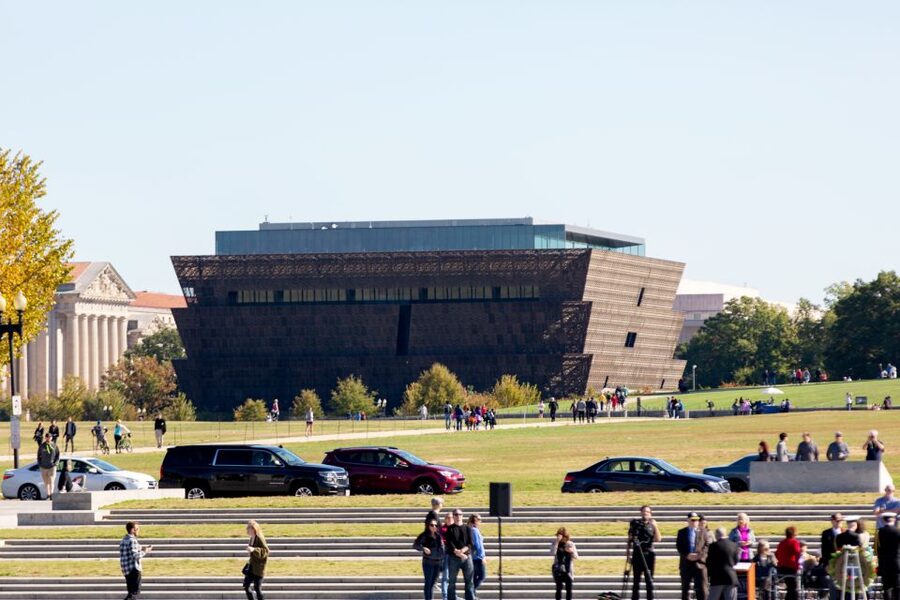
The tour finishes at the Smithsonian National Museum of African American History and Culture, with reserved timed entry included in the price. You then explore on your own rather than staying with the bus guide.
That arrangement has real advantages. You can spend more time on subjects that matter to you, move at your own speed, and pause when an exhibit needs more thought. The museum is large, so a self-guided finish is more flexible than being hurried through in a fixed group.
At the same time, do not mistake the reserved entry for a Smithsonian-led tour. The bus operator supplies the transportation, guide, and perspective. The Smithsonian entry is a timed ticket, not an official museum tour, and the supplier’s interpretation does not represent the Smithsonian.
Plan your energy. The bus portion already includes outdoor stops, walking, and a lot of spoken information. By the time you enter the museum, you may want to focus on selected sections rather than attempt to see everything. One participant who had studied history still wanted several days to take in the museum properly. That is a good warning: treat this outing as an introduction, not a complete museum visit.
The museum’s opening status can affect the final part of the experience. A timed pass does not make the building immune to closures or wider government disruptions, so check current operating information close to your date.
What the $89 price includes
The price is $89 per person. It covers the bus tour, an English-speaking guide, air-conditioned transportation, and reserved entry to the National Museum of African American History and Culture. Food, drinks, and hotel pickup are not included unless you select a private option with those arrangements.
I consider the price reasonable if you want several parts of Washington connected in one outing. You are paying for transportation between spread-out sites, live interpretation, and a museum ticket. The value is strongest for a first visit, a family group, or anyone who wants more context than a general monument tour provides.
The calculation changes if your only goal is the museum. You could spend the entire day there and skip the bus, though you would miss Howard University, U Street, the Civil War memorial, and the neighborhood stops. The tour earns its price through the route and the guide, not through museum entry alone.
Free cancellation up to 24 hours before departure and a reserve-now, pay-later option provide useful flexibility. Confirm the exact meeting and drop-off choices before paying, since the meeting point can vary.
Who should book this experience
I would choose this tour if you want a structured introduction to African American history in Washington and prefer not to piece together distant sites by public transport or taxi. It suits families, first-time visitors, history-minded adults, and anyone who wants a guide to explain what lies behind the familiar monuments.
It is also a good fit for mixed-age groups. The bus limits long walks, while the stops give children and teenagers concrete places to connect with the subject. One family even found it worthwhile with a large group of children, though younger participants still need to be ready for serious material and a fairly full schedule.
You may prefer another plan if you want long visits inside each site, extensive free time, or a quiet museum day. The route is packed, several stops are brief, and the museum portion is on your own. The shared bus can also feel compact, and audio equipment may occasionally be less than perfect. One person found the microphone muffled, so sit where you can hear clearly and tell the guide if sound becomes a problem.
Should you book the African American History Tour?
Book it if you want the city itself to become part of the lesson. The strongest guides, especially Dre and Elvis, bring clarity, humor, and personal force to material that can otherwise feel scattered across Washington. You will see major memorials, but you will also visit places tied to education, music, military service, women’s leadership, and neighborhood life.
Skip it if your priority is a slow, museum-only visit or detailed entry into every landmark. For everyone else, the combination of a climate-controlled bus, a focused route, and reserved museum entry makes this a useful way to begin understanding Washington’s African American story. Plan for food, comfortable shoes, and extra time at the Smithsonian if you can manage it.
FAQ
How long does the tour last?
The published duration is 210 minutes to four hours, depending on the departure and option selected.
What language is the tour conducted in?
The live tour guide speaks English.
Where does the tour begin?
Starting points include the U.S. Navy Memorial Plaza and addresses around 700 and 701 Pennsylvania Avenue NW. The exact meeting point may vary by booking option.
Where does the tour finish?
Drop-off options include the National Museum of African American History and Culture and the U.S. Navy Memorial area.
Is museum entry included?
Yes. The price includes a reserved, timed-entry ticket to the Smithsonian National Museum of African American History and Culture.
Is the museum tour guided?
No. The museum portion is self-guided, so you explore the collection at your own pace. The activity is not an official Smithsonian tour.
Is transportation included?
Yes. Transportation between the listed stops is provided by an air-conditioned bus.
Is hotel pickup included?
Hotel pickup and drop-off are not included unless you select a private option that offers them.
Are food and drinks included?
No. Food and drinks are not included. It is sensible to plan ahead, since the schedule does not promise a meal stop.
Can I cancel the booking?
You can cancel up to 24 hours in advance for a full refund. The reserve-now, pay-later option lets you book without paying immediately.
Just added around Washington Dc
- Smithsonian Air & Space Museum Guided Tour 8ppl Max★ 4.8 · 89 reviews
- Smithsonian Natural History + Air & Space Museum Tour 8ppl★ 5.0 · 17 reviews
- Smithsonian Natural History Museum Tour Semi-Private 8ppl★ 4.9 · 34 reviews
- Smithsonian National Museum of Natural History Guided Tour★ 4.1 · 159 reviews
- DC: All Creation Sings- Museum of the Bible Exhibition Entry★ 4.8 · 26 reviews
- Washington DC: African American History Museum Private Tour★ 4.7 · 54 reviews
- DC National Gallery of Art Guided Tour with 8ppl Max★ 5.0 · 16 reviews
- The National Gallery of Art DC – Exclusive Guided Museum Tour★ 5.0 · 166 reviews
Museum Tours in Washington DC, compared.
Guided African American History Tour with Reserved Museum Entry
Read our review →

Smithsonian Museum of Natural History – Exclusive Guided Tour
Read our review →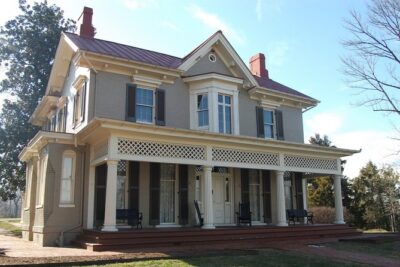
African American History Tour with Museum of African American History Ticket
Read our review →
The National Gallery of Art DC – Exclusive Guided Museum Tour
Read our review →
Smithsonian National Museum of Natural History Guided Tour
Read our review →
Smithsonian Air & Space Museum Guided Tour 8ppl Max
Read our review →
Browse the lists this tour appears in