
Review · CANADA
Quebec City: MNBAQ National Fine Arts Museum Entry Ticket
The Musée national des beaux-arts du Québec gives you two good reasons to visit in one stop: Quebec art under one roof and the open green space of the Plains of Abraham outside. Inside, four permanent displays range from Inuit art to contemporary work, while Jean Paul Riopelle’s enormous fresco gives the visit a powerful focal point.
I like the low $10 price and the freedom of a one-day ticket. I also like the setting. You can spend time with serious art, then step outside into Battlefield’s Park for trees, gardens, and views toward the St. Lawrence River. The main drawback is current construction: several pavilions are closed, and you may need to walk outdoors from the parking lot to the entrance.
Key points to know before you go
- Four permanent exhibitions: See Contemporary Art, Us, Inuit Art, and Decorative Arts and Design in Québec.
- Riopelle’s monumental fresco: Tribute to Rosa Luxemburg is one of the museum’s most memorable works.
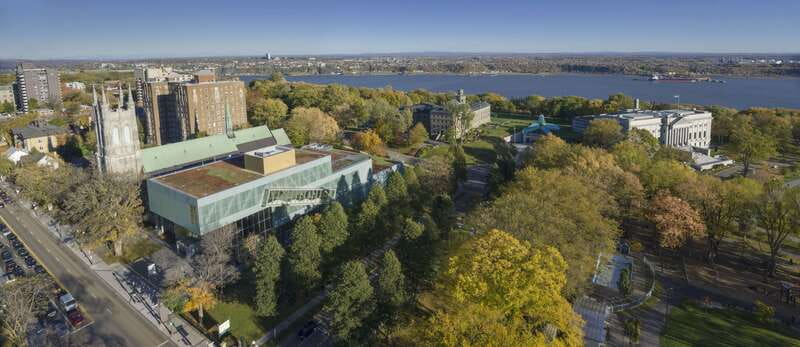
- Plains of Abraham setting: The museum sits in a 108-hectare park with wooded areas, gardens, and historic surroundings.
- Pierre Lassonde Pavilion entrance: Go to 179 Grande Allée Ouest for tickets, the cloakroom, café, and shop.
- Strong value at $10: Your ticket covers the permanent collection and special exhibitions scheduled during your visit.
- Useful family services: Free Wi-Fi, a cloakroom, baby strollers, wheelchairs, and audio guides are available.
Why this museum earns a place in your Quebec City plans
Quebec City has plenty of handsome streets and old stone buildings, but the MNBAQ gives you a different way to understand the province. Its focus is not general European art. It is art made in, connected to, and shaped by Quebec.
That focus makes the visit easier to grasp than a huge encyclopedic museum. You can move from Indigenous art to modern painting, then to furniture and design, while keeping a clear sense of place. I appreciate museums that give a region its own voice, and this one does exactly that.
The museum complex includes four buildings: the Gérard-Morisset Pavilion, the Charles Baillairgé Pavilion, the Pierre Lassonde Pavilion, and the Espace Riopelle, planned for fall 2026. A network of tunnels connects the pavilions, although construction work currently affects which buildings you can enter.
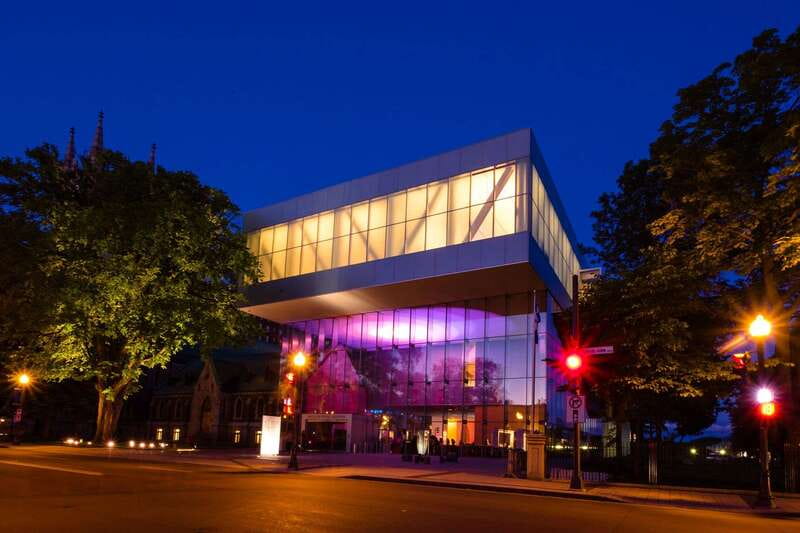
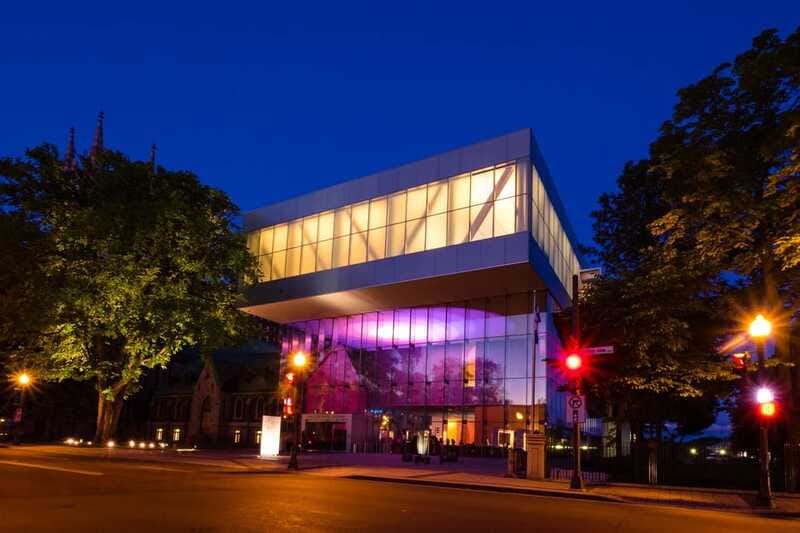
At present, the Pierre Lassonde Pavilion is your main gateway. It sits on Grande Allée and has a striking glass exterior. The building lets in plenty of light, and the glass gives the interior a close connection with the Plains of Abraham outside. You get a museum visit that feels tied to its surroundings, not sealed away from them.
The museum is rated 4.6 out of 5 from 63 reviews, and the most consistent praise is easy to understand. The building is attractive, the welcome is warm, the free cloakroom is useful, and the galleries work well for a full indoor day. One recent French-language review called it a perfect choice for a rainy day alone or with family. That is a fair description.
A few more museum visits around Canada worth comparing
- Toronto: Royal Ontario Museum Admission Ticket
★ 4.6 · 1,237 reviews - Toronto: Art Gallery of Ontario General Admission Ticket
★ 4.6 · 251 reviews - Toronto: Bata Shoe Museum Entrance Ticket
★ 4.7 · 133 reviews
Starting at the Pierre Lassonde Pavilion
Make the Pierre Lassonde Pavilion your first stop at 179 Grande Allée Ouest. This is where you find the ticket counter, receive your entry bracelet, use the cloakroom, and get oriented.
The pavilion itself deserves a few minutes before you rush to the galleries. It is covered in glass and arranged in broad, tiered spaces. Six galleries show post-1960 collections, while two temporary galleries host major special exhibitions. The four permanent galleries give you the core of the museum.
Because of preparatory work for Espace Riopelle, the Central Pavilion, Gérard-Morisset Pavilion, and Charles Baillairgé Pavilion are closed at present. That is the key practical limitation. The ticket still gives you access to the current displays in the Pierre Lassonde Pavilion and the exhibitions listed for your visit, but do not expect every part of the full complex to be open.
If you drive, the parking lot behind the Charles Baillairgé Pavilion is open. You must walk outdoors for several minutes to reach the Pierre Lassonde entrance. This matters in winter, rain, or when you are visiting with a stroller. Plan your footwear and outerwear accordingly.
The museum is fully accessible, and courtesy wheelchairs and baby strollers are available. The free cloakroom is especially handy in cold weather, when coats can otherwise become an annoying burden in a gallery.
Contemporary art after 1960
The Contemporary Art in Québec display is the place to see how Quebec artists responded to the modern world. The museum describes the Pierre Lassonde Pavilion as home to post-1960 collections, so this part of the visit has a more recent feel than the museum’s older holdings.
You should allow time for the work to slow you down. Contemporary art often asks more questions than it answers, and the value is not always immediate. I find it useful to look first at the title and date, then step back and decide what the piece is doing before reading the wall text.
This gallery also helps you see Quebec as a place with its own artistic debates and experiments. Instead of treating Canadian art as one broad category, the museum keeps attention on Quebec’s particular culture and creative life.
If you prefer easily recognizable paintings, this may be the section that takes the most patience. That is not a flaw, but it is worth knowing. Give yourself time, and use the free audio guide if one is available when you arrive. A little context can make unfamiliar work much more approachable.
Us, a portrait of Quebec through art
The Us exhibition gives the museum a human center. The name points to questions of identity, community, and belonging, subjects that are central to Quebec’s cultural story.
I like this kind of exhibition because it helps connect individual works to ordinary life. You are not only looking at an artist’s technique. You are considering how people see themselves, how communities are represented, and how a society changes over time.
The display is also a useful counterpoint to the Contemporary Art gallery. After seeing work organized around recent artistic practice, Us asks you to think about the people and ideas behind the art. It can be one of the best sections for a first-time visitor who wants more than a room-by-room art survey.
You may find this exhibition especially rewarding if you are visiting Quebec City as part of a wider trip through the province. It gives you another way to notice local identity, beyond food, architecture, and language.
Same city, a completely different collection:
- Royal Ontario Museum Admission
★ 4.5 · 411 reviews - Britannia Mine Museum General Admission
★ 5.0 · 233 reviews - Ottawa: Canadian War Museum Admission
★ 4.7 · 232 reviews - Gatineau: Canadian Museum of History Admission
★ 4.8 · 230 reviews
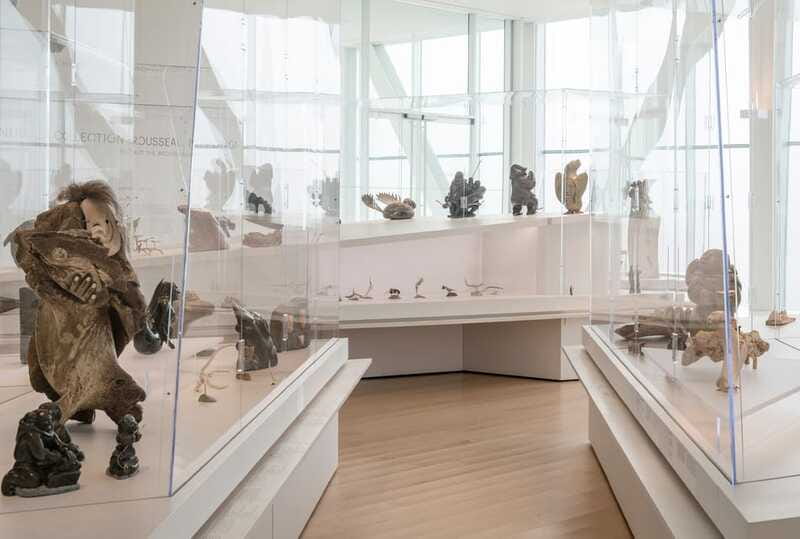
Inuit art and the Brousseau Collection
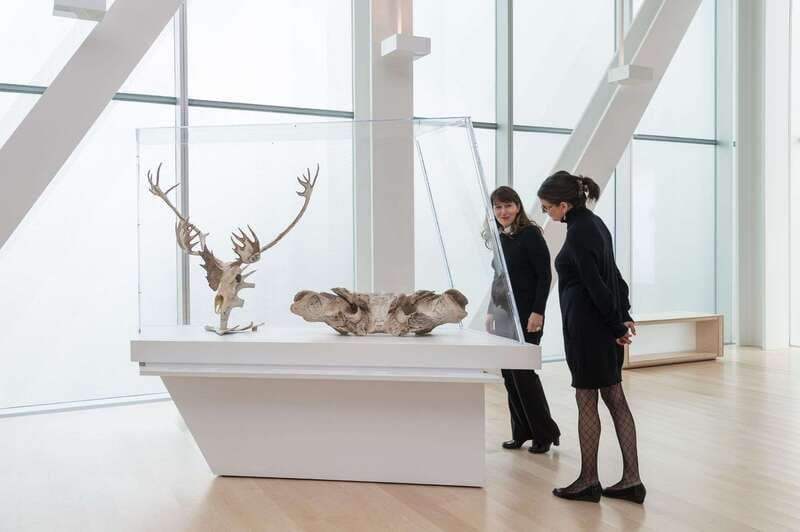
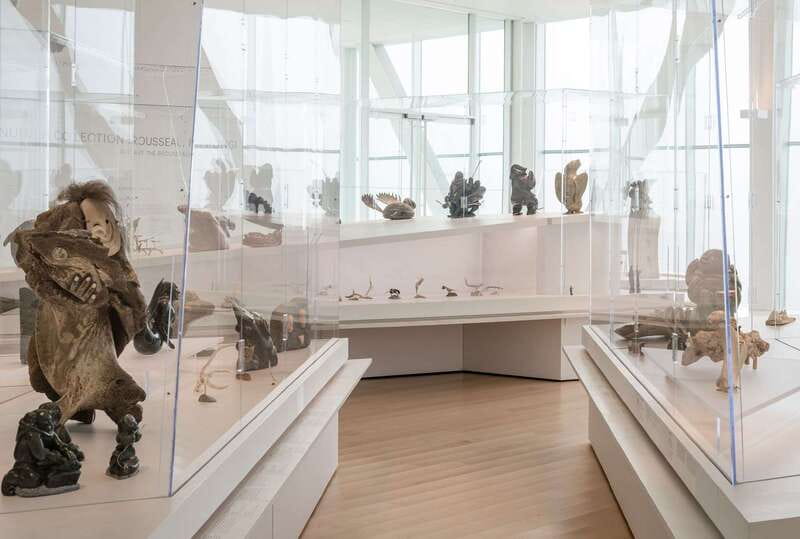
The Inuit Art exhibition, identified as The Brousseau Collection, is one of the museum’s most distinctive attractions. MNBAQ is the only museum entirely devoted to Quebec art, and its dedicated Inuit display adds an important northern perspective.
This is not a minor side room. It is one of the four permanent exhibitions, and it gives you a chance to see a body of art that is central to the museum’s mission. The collection is connected to the Brousseau name, while the wider presentation is titled Illipunga.
For many people, this will be the most unfamiliar section of the museum. Take your time with the materials, forms, and subjects. The Inuit gallery broadens your idea of what Quebec art includes and helps prevent the province from being reduced to its southern cities and French colonial past.
I would make this a planned stop rather than something you visit only if you have extra time. The dedicated exhibition is a real point of difference between MNBAQ and a general city museum. If your schedule is tight, do not skip it simply because the contemporary galleries seem more immediately familiar.
Decorative arts and design in Québec
The Decorative Arts and Design in Québec gallery shifts the mood from painting and sculpture to objects made for use, display, or daily life. This is where design becomes part of the story of Quebec homes, interiors, and material culture.
I often find decorative arts helpful because they reveal habits that formal paintings may overlook. Furniture, objects, and design choices show how people wanted their surroundings to look and function. They also make the museum feel less distant from everyday life.
This exhibition gives your visit some variety. After concentrating on large ideas in contemporary art or identity in Us, you can focus on shape, craft, materials, and practical design. Families may find this section easier to discuss together because the objects invite direct questions: What was this made for? How would it feel to use? Why was it designed that way?
The exact display can change as galleries are updated, so treat it as a chance to see Quebec design in the museum’s current presentation rather than expecting one fixed arrangement forever.
Riopelle’s Tribute to Rosa Luxemburg
Jean Paul Riopelle’s monumental fresco Tribute to Rosa Luxemburg is one of the visit’s essential stops. It is not just another work to pass on your way to the next gallery. Its scale changes the pace of the building around it.
Riopelle is one of Quebec’s best-known artists, and seeing a work of this size gives you a stronger sense of his ambition than a small reproduction ever could. The title connects the fresco to Rosa Luxemburg, the Polish-German revolutionary and political thinker, adding historical and political weight to the visual experience.
Stand back before moving closer. Large works can be difficult to take in from only a few feet away. Let your eyes travel across the whole surface, then look at sections. The museum’s architecture gives the fresco room to function as a major visual event.
If you are visiting with children, this is a good place to pause and ask what they notice first. It offers an immediate scale that does not require a long explanation. For adults, it provides a strong link between the museum’s Quebec focus and the wider international reach of its artists.
Special exhibitions and the changing program
Your ticket includes special exhibitions and blockbuster presentations scheduled during your visit. The program changes, so check the dates before you buy and again before you arrive.
The listed program includes Early Days, shown from October 17, 2024, through April 21, 2025. It presents the diversity and vitality of Indigenous art in Canada and was the first exhibition of Canadian Indigenous art to circulate internationally, with an exclusive Quebec City engagement at MNBAQ.
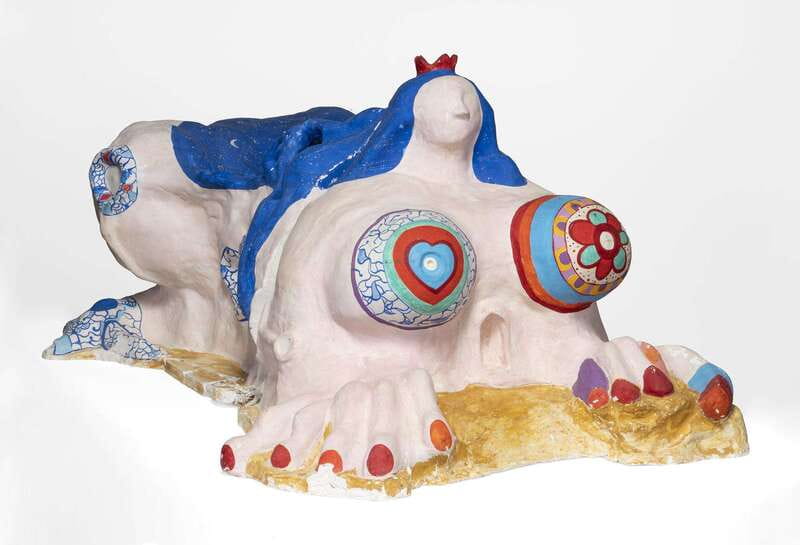
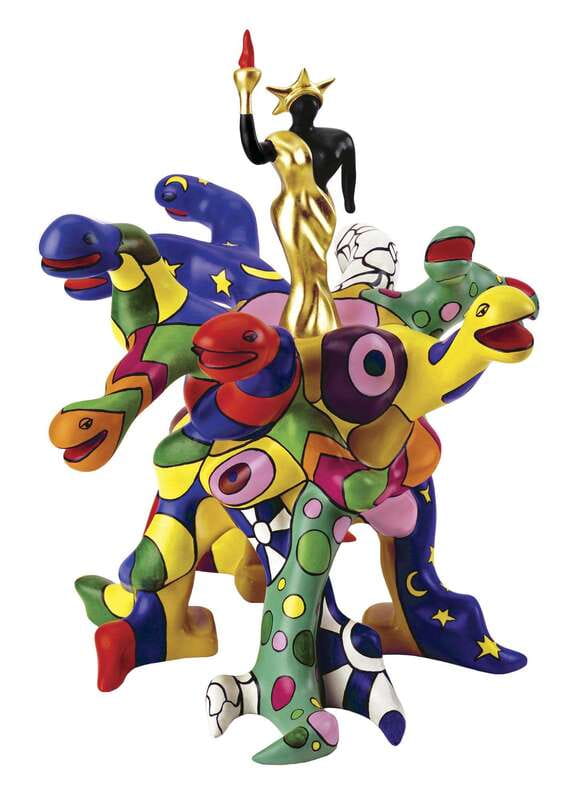
The next listed exhibition is Niki de Saint Phalle, scheduled from June 12, 2025, through January 4, 2026. It focuses on the French-American artist’s final two decades, beginning in 1978, when she launched the monumental Tarot Garden in Italy.
Hyperrealistic Sculpture is scheduled for February 26 through October 12, 2026. It brings together more than 30 sculptures by 25 international artists and follows the changing treatment of the human figure in sculpture since the 1970s.
These shows can change the value calculation. At $10, the ticket is already inexpensive for the permanent displays. If a major temporary exhibition is open during your visit, the price becomes even more attractive. If your dates fall between major shows, the permanent galleries and Riopelle fresco still provide the main reason to go.
The Plains of Abraham outside the museum
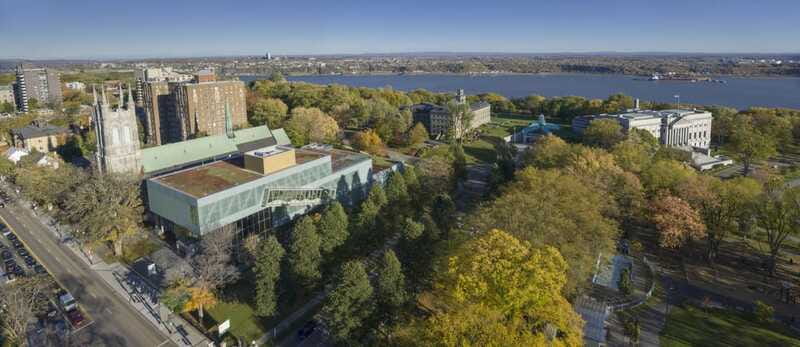
The setting is not a minor bonus. The museum sits in Battlefield’s Park, within the Plains of Abraham, a 108-hectare urban park with open plains, wooded areas, and gardens.
You can build the museum into a larger walk rather than treating it as an isolated indoor attraction. The back of the museum looks toward the park and the St. Lawrence River, giving you a pleasant change after time in the galleries. The park also adds breathing room to a day spent looking closely at art.
This is one reason I would not rush through the museum in a single hour. The ticket is valid for one day, and the location gives you room to combine art, fresh air, and Quebec City history. You can visit the galleries, take a break outside, then return to the museum while your admission remains valid.
The museum’s location on Grande Allée also makes it easy to connect the visit with a walk through one of Quebec City’s well-known avenues. The exact route and timing are yours to choose, but the setting makes the museum a practical part of a day’s sightseeing rather than a difficult detour.
Café Québecor and the museum shop
The Café Québecor is not included in the ticket, but it is inside the Pierre Lassonde Pavilion and open to both museum visitors and the general public. It offers a bright urban setting in the main glass lobby, where you can feel close to the Plains of Abraham and Grande Allée while remaining indoors.
The menu changes with the seasons and connects at times with the museum’s exhibition program. You can order main courses, shareable dishes, or takeout items. If you want to eat there, book a table before your visit rather than leaving the decision until the last moment.
The Librairie-Boutique is also worth a look, especially if you want an art book or a gift tied to Quebec. It carries exhibition-related products and what the museum describes as Quebec’s biggest selection of art books. You do not need to buy anything, but the shop can help extend the visit beyond the galleries.
How long to allow and who will enjoy it
The admission is valid for one day, but no fixed visit length is given. I would plan several hours if you want to see all four permanent exhibitions, the Riopelle fresco, and a special show without rushing.
You can make the visit shorter if you are focused on Inuit art, Riopelle, or a temporary exhibition. You can also turn it into a longer stop by using the café and walking in the Plains of Abraham.
This experience suits:
- Art lovers who want a museum focused on Quebec rather than a broad international collection.
- Families looking for an indoor activity with a park outside and free stroller access.
- Visitors planning a rainy-day activity.
- Anyone interested in Inuit art and Indigenous art in Canada.
- Architecture fans drawn to the glass Pierre Lassonde Pavilion.
- Visitors who want good value at a low admission price.
It may be less satisfying if you want every pavilion open right now. Construction limits the complex, and the walk from the open parking lot to the entrance may be inconvenient in poor weather.
Practical details for a smooth visit
Entry is at the Pierre Lassonde Pavilion, 179 Grande Allée Ouest. Pick up your bracelet at the ticket counter, then use the free cloakroom before heading into the galleries.
Ask about the free audio guides when you arrive. They can turn the visit into a self-guided audio tour and may be especially useful in the contemporary and Inuit art sections, where a little background can add meaning.
The museum offers free Wi-Fi, courtesy baby strollers, wheelchairs, and space rentals. It is fully accessible. The café can be booked ahead, and the shop is a useful final stop before you leave.
The ticket is non-refundable, so check the exhibition schedule and your timing before purchase. Since access is for one day, allow enough time for the art and the park instead of squeezing the museum into a hurried morning.
Should you book the MNBAQ ticket?
I would book it if you want a reasonably priced, flexible art stop with a strong local focus. The $10 admission covers four permanent exhibitions, Riopelle’s large fresco, and the special exhibition program, which is excellent value even if you spend only a few hours inside.
The best reason to choose MNBAQ is the combination: Quebec art, Inuit art, modern architecture, and the Plains of Abraham. The main reason to hesitate is the current pavilion closures. Check what is open on your date, then decide how much those limits matter to you.
If you are in Quebec City on a wet day, traveling with family, or looking for something beyond the historic core, this is an easy recommendation. Give yourself time, use the cloakroom, ask for the audio guide, and save a little energy for the park outside.
FAQ
How much does admission to MNBAQ cost?
The admission price is $10 per person.
How long is the ticket valid?
The ticket is valid for one day.
Which permanent exhibitions are included?
The ticket includes Contemporary Art in Québec, Us, Inuit Art including The Brousseau Collection and Illipunga, and Decorative Arts and Design in Québec.
Is Jean Paul Riopelle’s Tribute to Rosa Luxemburg included?
Yes. Entry includes Tribute to Rosa Luxemburg, Jean Paul Riopelle’s monumental fresco.
Where is the museum entrance?
The entrance is at the Pierre Lassonde Pavilion, 179 Grande Allée Ouest, in Quebec City.
Are all the museum pavilions currently open?
No. Because of preparatory work for Espace Riopelle, the Central Pavilion, Gérard-Morisset Pavilion, and Charles Baillairgé Pavilion are currently closed. The Pierre Lassonde Pavilion is the entrance and active visitor area.
Is the museum accessible?
Yes. The museum is fully accessible and offers courtesy wheelchairs and baby strollers.
Is food included with admission?
No. Café Québecor and its takeout counter are not included. The café is located in the Pierre Lassonde Pavilion, and you can book a table before your visit.
Just added around Canada
- Toronto: Bata Shoe Museum Entrance Ticket★ 4.7 · 133 reviews
- Toronto: Museum of Illusions Entry Ticket★ 4.0 · 31 reviews
- Toronto: Royal Ontario Museum Special Exhibits Voucher★ 4.7 · 65 reviews
- Sydney: Highland Village & Bell Museum Cruise Excursion★ 4.7 · 20 reviews
- Royal B.C. Museum in Victoria: Full-Day Admission Ticket★ 4.3 · 17 reviews
- Ottawa: Canadian War Museum Admission★ 4.7 · 232 reviews
- Ottawa: Canadian Museum of Nature Admission★ 4.6 · 226 reviews
- Montreal: Museum of Illusions Entry Ticket★ 4.6 · 25 reviews
Museum Tours in Canada, compared.
Art Gallery of Ontario General Admission Ticket
Read our review →
Calgary: 3.5-Hour Bus City Tour with Gasoline Alley Museum
Read our review →Browse the lists this tour appears in