
Review · GERMANY
August Horch Museum Entrance Ticket
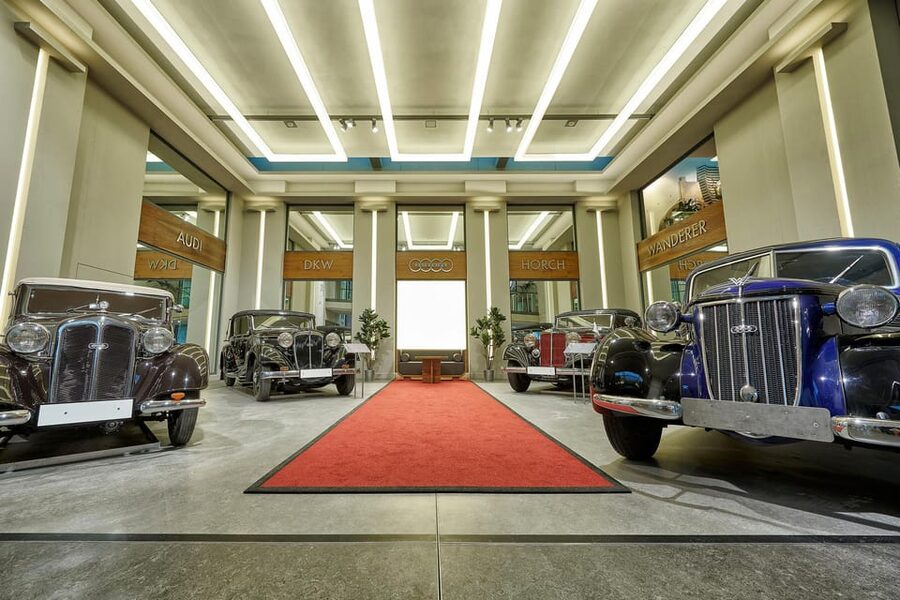
The August Horch Museum takes you straight to the birthplace of Audi, in the old factory halls where Horch, DKW, Trabant, and later Volkswagen production shaped Zwickau. I like the way the collection links elegant early cars with everyday East German motoring, instead of treating automobiles as isolated showpieces. I also like the rare look at how Trabant body panels were made from Duroplast, a detail that gives the famous little car a practical story. The one thing to keep in mind is that this ticket is for entry only, so you will explore without a guided tour.
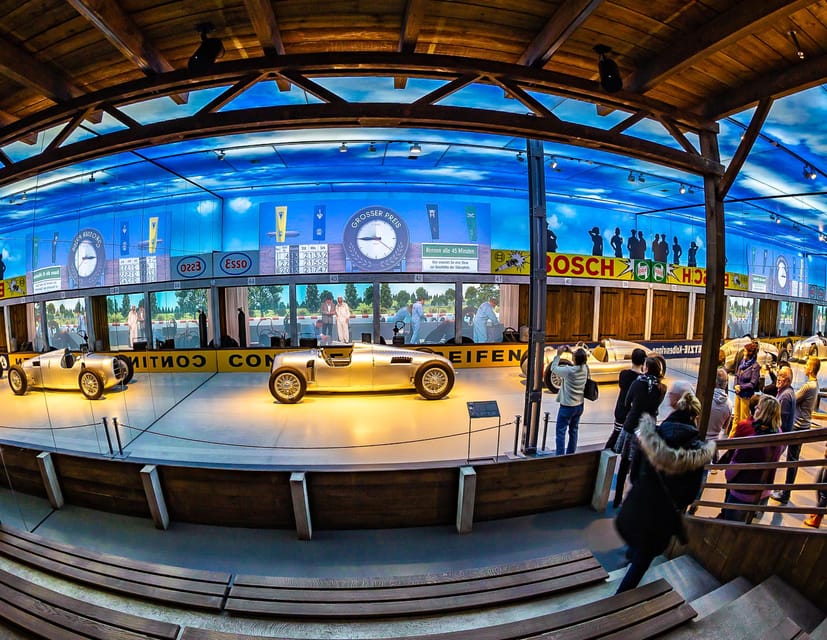
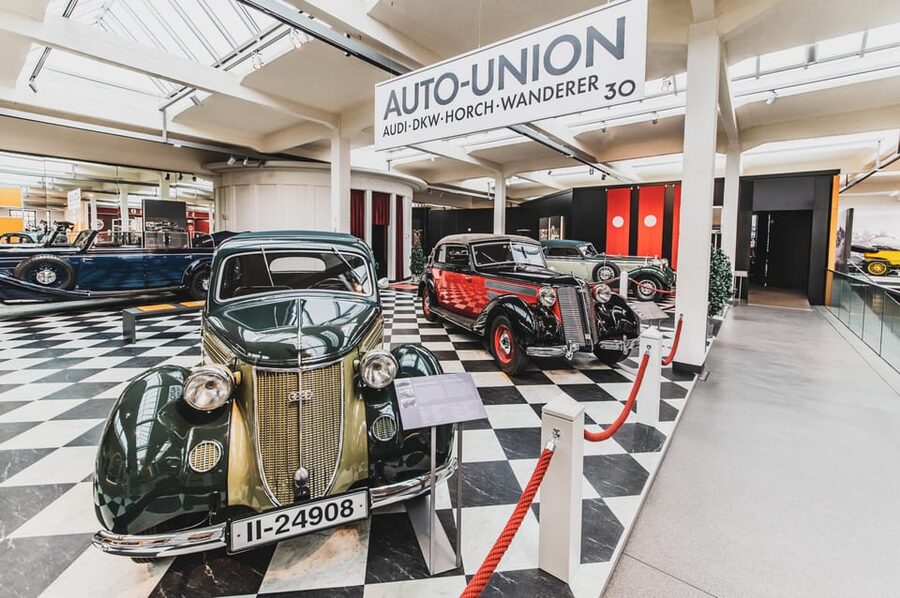
I especially value the museum’s scale: about 160 large exhibits spread across roughly 6,500 square metres. The displays run from cars dating to 1911 and earlier Horch and Audi examples through luxury models of the 1920s, DKW and Trabant production, and Volkswagen’s current presence in Zwickau. The museum can easily fill two hours or more, particularly if you stop for the films and read the production details.
Key points at the August Horch Museum
- Factory-ground setting: You visit the actual site of Zwickau’s first Audi factory, not a collection separated from the place where the cars were made.
- More than 160 vehicles: The exhibits cover more than 120 years, from early motorcars to present-day models.
- A rare Trabant production display: See a production line for Duroplast, the patented material used for Trabant bodies.
- A full Zwickau story: Horch, Audi, DKW, Trabant, and Volkswagen all appear in the museum’s account of local carmaking.
- About 6,500 square metres to explore: Plan enough time to move beyond the headline cars and take in the smaller displays and films.
- Accessible for most of the exhibition: The museum is wheelchair accessible except for the August Horch Mansion.
Why the factory location matters
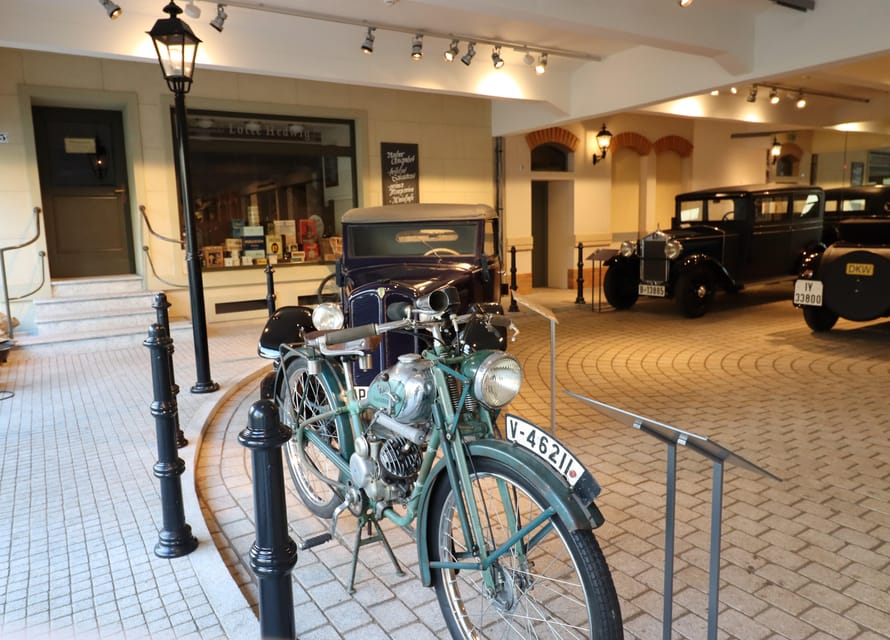
A car museum can show you beautiful machines anywhere. This one gives you the ground beneath the story. The August Horch Museum occupies the site of the first Audi factory, making Zwickau itself part of the experience.
That setting helps explain why the collection feels broader than a parade of polished cars. You are following the rise and fall of different makes, changing political systems, new materials, and shifting ideas about what a car should do. The museum traces more than 120 years of production in one Saxon city.
The name August Horch is central. Horch founded the company that helped put Zwickau on the automotive map, and Audi grew from that early work. The displays then carry the story into later brands and eras, including DKW and Trabant. By the final section, Volkswagen is still producing cars in Zwickau, so the story does not stop with the classic vehicles.
I like this local focus. You do not need to be an expert in German motoring to follow it. The museum gives you a clear line from invention and luxury to mass production and modern industry.
A few more museum visits around Germany worth comparing
- Berlin: Jewish Museum Berlin Entrance Ticket
★ 4.5 · 8,393 reviews - Berlin: DDR Museum Tickets
★ 4.3 · 3,443 reviews - Berlin: Natural History Museum Entrance Ticket
★ 4.6 · 3,382 reviews
From 1904 Horch to the first Audi cars
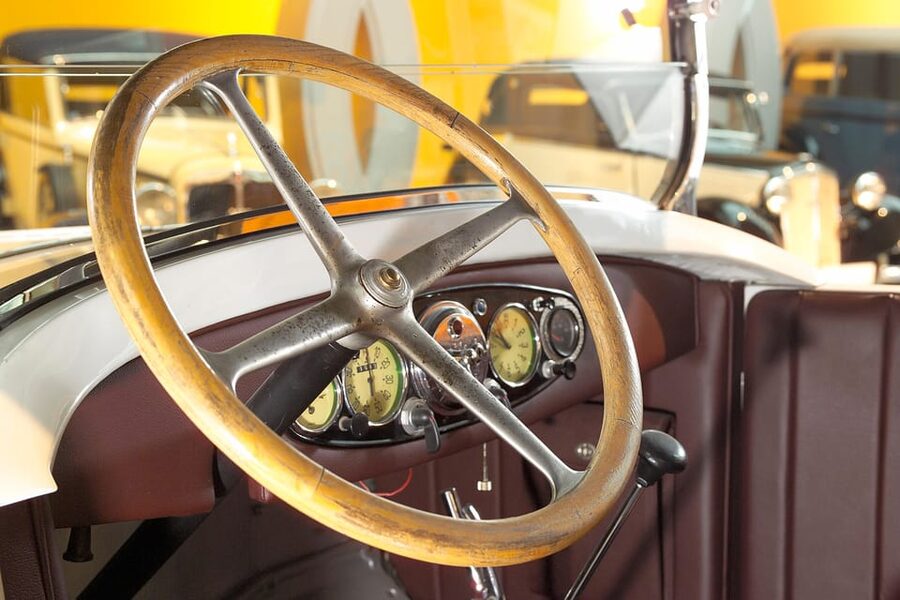
The early section sets the tone with an Audi and a Horch from around 1904, along with cars dating from 1911 onward. These vehicles show how different early motoring was from today’s driving. Their design makes the car look like a crafted object first and a practical appliance second.
Take your time here. The oldest cars are not simply warm-up exhibits before the famous models. They explain the ambition behind Zwickau’s early manufacturers and help you see the technical and visual changes that follow.
The museum’s collection includes large exhibits as well as many smaller objects. That matters because the story of car production is not only told through finished vehicles. Smaller displays can help connect the cars with the people, methods, and industrial setting behind them.
You will not have a personal guide included with this ticket, so the pace is yours. If you enjoy reading labels and comparing details, that freedom is useful. If you prefer a narrated story with someone answering questions as you go, you should know that a guided tour is not part of the admission.
The luxury cars of the 1920s
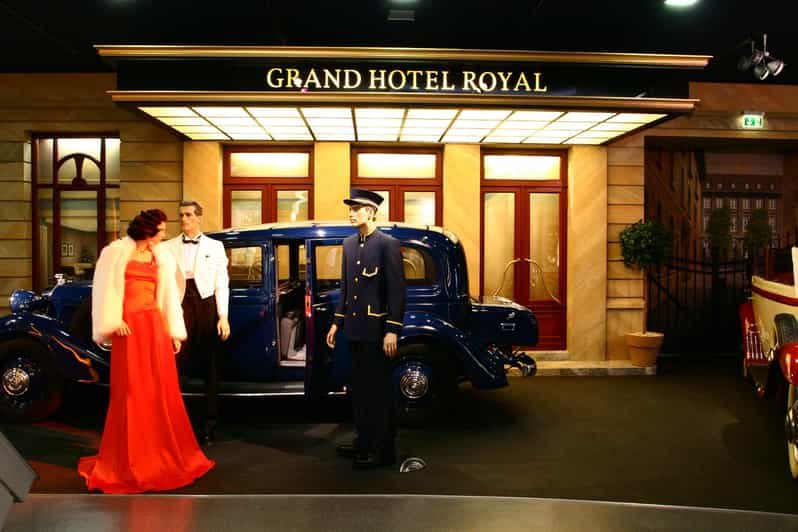
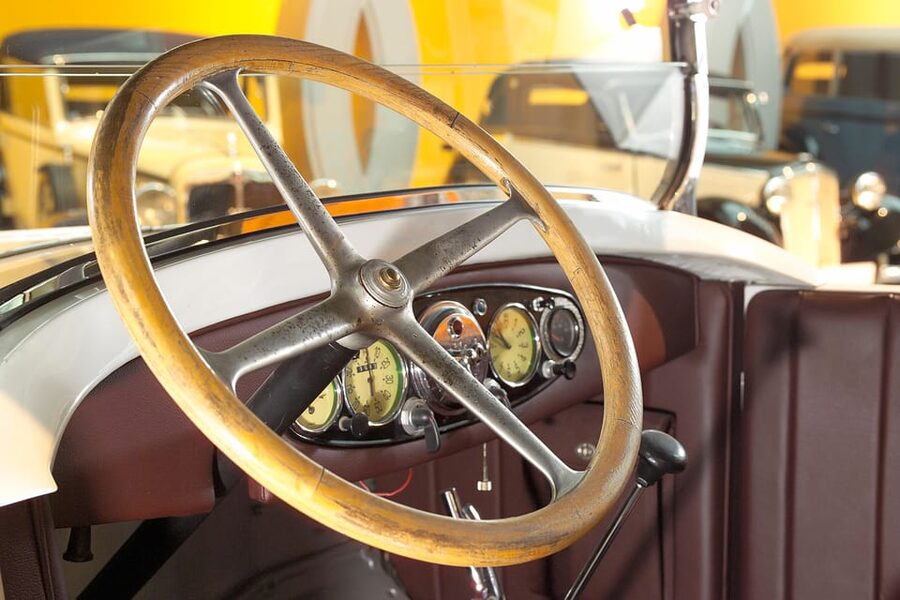
The 1920s section brings a different mood. After the early pioneers, the museum shows luxurious cars from the decade, giving you a look at the period when a motorcar could signal wealth, taste, and social position.
I find this change important because it prevents the exhibition from becoming a simple technical timeline. The cars also reflect changing expectations. Some were built to carry families and goods, while others were designed to impress.
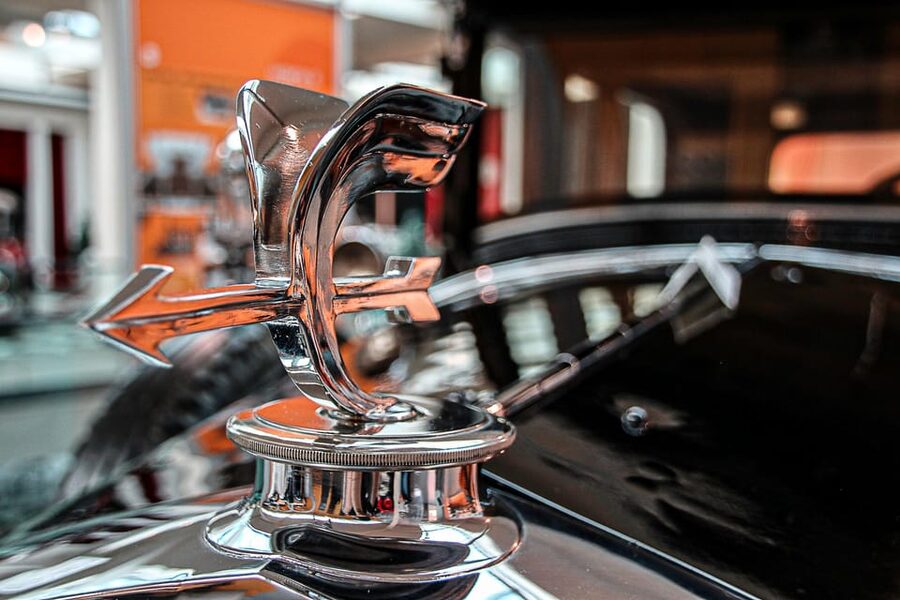
The contrast between the early Horch and Audi examples and the luxury cars helps you read the collection visually. You can watch body shapes, proportions, and finishes change as the industry matures. Even if your interest is mainly the Trabant, these earlier displays give useful context for the long road that led there.
The museum also includes racing car history, with films that add movement to the static displays. A visit can otherwise become a quiet walk past parked vehicles. The film material helps show how racing and performance fit into the wider story of automotive design.
DKW, Trabant, and life behind the famous badge
The Trabant is one of the strongest reasons to visit this museum. It is not presented only as a quirky East German car. You learn how it fits into Zwickau’s production story and why its body material became such a defining feature.
The museum is especially valuable here because it shows a Duroplast production line. Duroplast was the patented material used for Trabant body panels. Seeing the production process gives you a clearer idea of the engineering choices behind the car. The Trabant’s lightweight body was not just a visual oddity, it was tied to materials, manufacturing needs, and the conditions of its time.
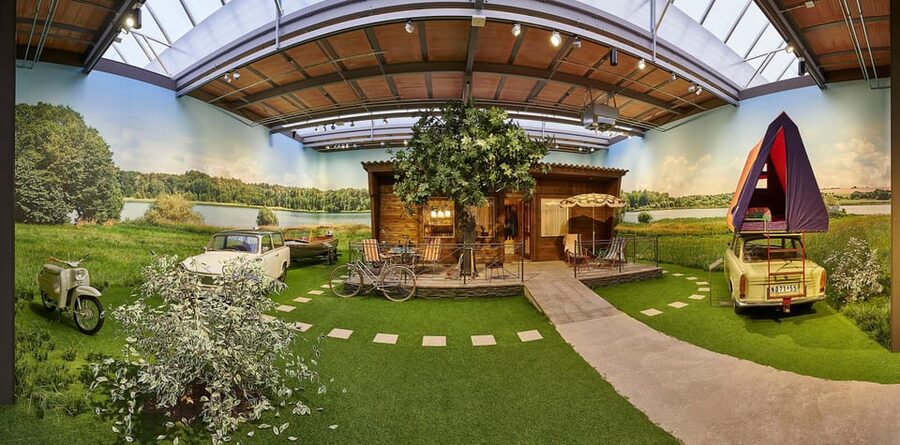
This display adds substance to a car that is often reduced to a joke. You can appreciate its limitations while also understanding why it mattered to so many people. The museum’s treatment makes the Trabant part of industrial and social history, not just a novelty for photographs.
DKW also belongs in this middle section of the story. The halls later produced DKW and Trabant, showing how one factory complex moved through different brands and eras. I like that the museum does not pretend automotive progress moved in a straight line. Different companies and systems left their mark on the same place.
Same city, a completely different collection:
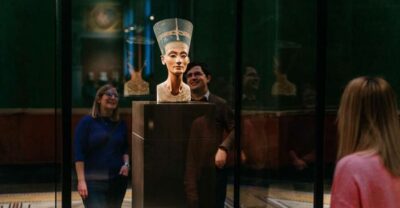
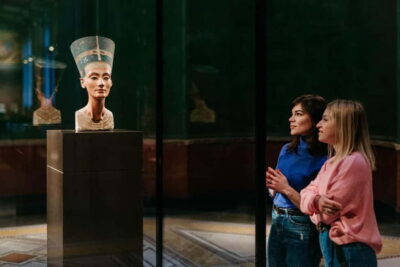
- Berlin: Neues Museum Entry Ticket
★ 4.6 · 3,261 reviews - Berlin: Museum Island Multiple Museum Entry Ticket
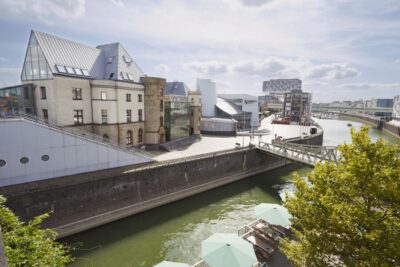
★ 4.4 · 2,861 reviews - Cologne: Chocolate Museum Entrance Ticket
★ 4.4 · 2,790 reviews - Dresden: Church of Our Lady Guided Tour of Gallery
★ 4.7 · 2,421 reviews
Films, smaller displays, and the two-hour question
You should allow more time than a quick look at the headline vehicles. The museum covers about 6,500 square metres and includes numerous small exhibits alongside the 160 large ones. A recent visit can easily run beyond two hours without feeling repetitive.
The films are worth allowing time for, especially if you want more than a visual collection. They can help explain the racing cars and production history in a way that labels alone cannot.
Your ideal visit length depends on your interest. A casual visitor may focus on the best-known cars and finish sooner. A car enthusiast, or anyone interested in East German industry, will find plenty to examine. Families and mixed-interest groups may want to set a loose pace, since one person may want to read every panel while another is ready for the next hall.
The museum is not an amusement attraction with a tightly scheduled program. It is a substantial exhibition that rewards curiosity. You can linger at the cars that catch your eye and move quickly through sections that matter less to you.
What the $17 ticket gives you
At about $17 per person, this is a fair admission price for the amount of material on display. You are paying for entry to a major museum with more than 160 vehicles, a 6,500-square-metre exhibition area, films, smaller objects, and the special Trabant Duroplast production line.
The value improves if you are willing to spend two hours or more inside. A quick visit can still work, but you may not get the full return from the ticket. I would treat this as a substantial stop in Zwickau, not a brief add-on between other sights.
The price does not include a guided tour, food, drinks, or transportation to and from the museum. Those omissions are standard for an entrance ticket, but they affect your planning. You need to arrange your own route and decide how much time you want to spend with the displays.
The ticket is valid for one day. Availability determines the possible starting times, so check that before you book. A printed voucher is required, which is easy to overlook if you normally rely on a phone.
Who will enjoy this museum most
I would recommend the museum first to anyone interested in cars, German manufacturing, or the history of everyday life in East Germany. You do not need to know the difference between every Audi, Horch, and DKW model to enjoy the visit.
It also suits visitors who like seeing how a place changes over time. Zwickau’s story moves from early automotive invention to luxury cars, racing, mass production, Trabant, and Volkswagen. That broad span gives non-specialists a useful way into the subject.
The museum may be less satisfying if you want a short, highly interactive attraction or a live demonstration. The ticket does not include a guide, and the supplied information does not promise hands-on activities. You should come ready to look, read, watch films, and make your own way through the story.
Small groups are limited to 10 participants. That makes the booking feel more controlled, although you should not assume the ticket includes personal attention from a guide. The admission remains a self-guided museum visit.
Access and practical planning
The exhibition is wheelchair accessible except for the August Horch Mansion. If full access is important for your visit, take that exception seriously and plan around it. The main exhibition spaces are the focus of the ticket, but not every part of the site has the same access.
Pets are not allowed, although assistance dogs are permitted. Food and drinks are not included, so plan accordingly rather than expecting refreshments as part of admission.
You can cancel up to 24 hours in advance for a full refund, and the reserve-now, pay-later option keeps payment flexible. These policies are useful if your plans in Saxony may shift. Still, the printed voucher requirement remains: bring the required paper document even if you also have booking details on your phone.
Should you book the August Horch Museum?
I would book this museum if you want a serious look at Zwickau’s place in German automotive history, especially if the Trabant interests you. The combination of early Audi and Horch cars, 1920s luxury models, DKW, racing material, modern Volkswagen production, and the Duroplast line gives you far more than a display of famous badges.
The $17 price makes good sense if you can give the museum at least two hours. I would be less enthusiastic only if your schedule allows a very short stop or if you expect a guided tour to be included.
Bring the printed voucher, set aside time for the films and smaller exhibits, and pay close attention to the Trabant production display. For a self-guided museum visit with a clear local story and a strong collection, this is one of the better-value stops for an automotive-minded visit to Saxony.
FAQ
Where is the August Horch Museum located?
The museum is in Zwickau, Saxony, Germany, on the site of the first Audi factory.
How long is the ticket valid?
The entrance ticket is valid for one day. Check availability for the applicable starting times.
What does the admission ticket include?
It includes entrance to the August Horch Museum.
Is a guided tour included?
No. A guided tour is not included with this ticket.
Do I need a printed voucher?
Yes. A printed voucher is required for this activity.
Is the museum wheelchair accessible?
The exhibition is wheelchair accessible except for the August Horch Mansion.
Can I bring a pet?
Pets are not allowed. Assistance dogs are permitted.
Just added around Germany
- Stuttgart: Stuttgart Wine Museum Wine Tasting★ 4.7 · 55 reviews
- Stuttgart: Museum of Illusions Entry Ticket★ 4.2 · 507 reviews
- Stein: Public guided tour of the “Old Mine” museum★ 4.5 · 18 reviews
- Speyer: Technik Museum Speyer Ticket with an IMAX Dome Film★ 4.7 · 360 reviews
- Berlin: Bode Museum Ticket★ 4.5 · 214 reviews
- Munich Private Walking Tour with BMW Museum & Welt Entry★ 4.2 · 19 reviews
- Munich: Residenz Palace, Museum and Treasury Private Tour★ 4.9 · 15 reviews
- Munich: WOW Museum – Room for Illusions Ticket★ 3.5 · 14 reviews
Museum Tours in Germany, compared.

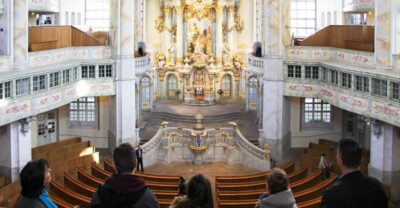
Dresden: Church of Our Lady Guided Tour of Gallery
Read our review →
Skip-the-Line: Berlin Wall Museum at Checkpoint Charlie
Read our review →Browse the lists this tour appears in