
Review · PORTO
Porto Region Museum: a Thousand Years Of History
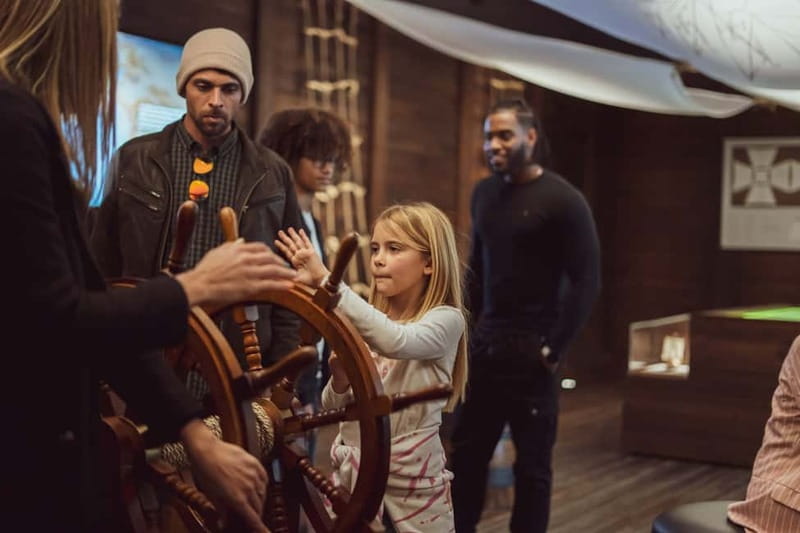
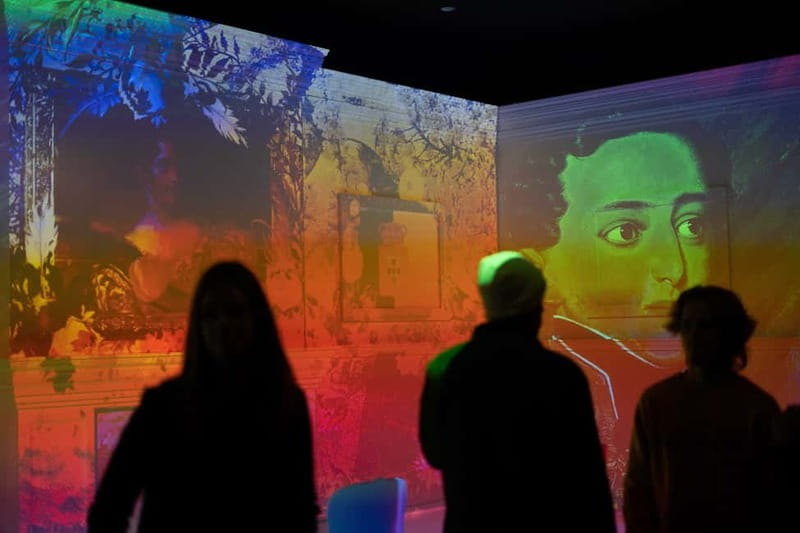
Porto Region Across the Ages turns the city’s past into a cinematic walk through time, with video mapping, a film presentation, and a life-size replica of Porto’s famous tram. You move from ancient origins toward the city’s role in Portugal, trade, wine, and world affairs without needing a traditional guided tour.
I like the mix of big-screen storytelling and physical displays, especially the tram, which gives the experience a clear local flavor. I also like the flexible timing: you can plan around 90 minutes, then take your time until closing if you want to read every panel.
The main caution is that this is not a quiet, object-filled museum with a guide beside you. Much of the information comes through reading, film, and audio, and the audio system may take some effort to find or activate.
Key points at a glance
- A 1,000-year story: Follow Porto from its early beginnings to its international reputation for wine and trade.
- Video mapping and cinema: Expect a visual presentation rather than a standard collection of cases and labels.
- A full-size Porto tram replica: Stop for a photo and enjoy one of the most memorable hands-on parts of the visit.
- Flexible visit length: Most people can allow around 90 minutes, but the ticket permits entry at any time on your chosen date during opening hours.
- Six audio languages: Commentary is available in Portuguese, English, Spanish, French, Korean, and German.
- A good first stop: The experience gives you a broad outline of Porto before you explore the city’s churches, streets, riverfront, and wine lodges.
Porto’s Story Told Through Film, Sound, and Light
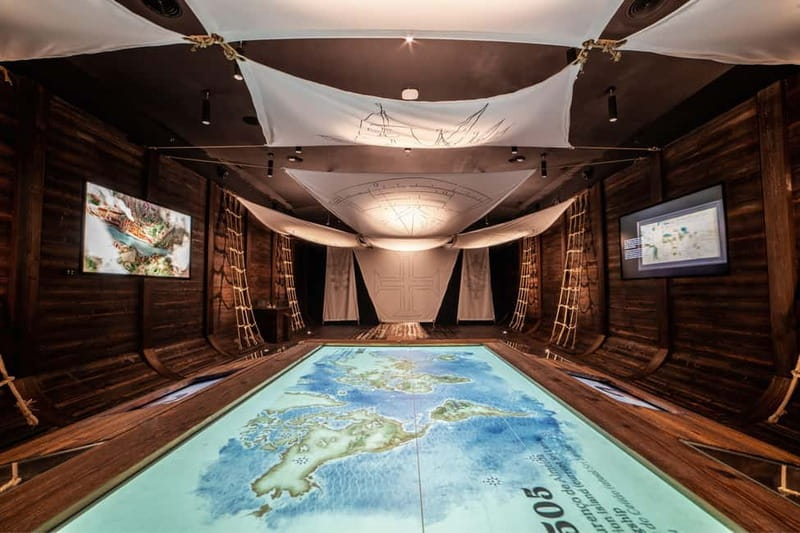
The main appeal here is the way the experience presents Porto as a living story instead of a list of dates. You are introduced to ancient origins, major figures, conquerors, pioneers, visionaries, and ordinary people who helped shape the city.
That approach works well if you are just arriving in Porto and want a quick sense of what makes the city important. You get a broad framework for understanding its resilience, its role in forming Portugal, and its lasting connection with the wider world.
This is also a useful choice for families and mixed-interest groups. A serious history fan may want more detail than the displays provide, but the moving images and film help keep the visit active for people who would lose patience in a conventional museum.
The story reaches toward Porto’s reputation for wine, though this is not simply a wine tasting experience. The focus is the city and region across the ages, with wine appearing as one part of Porto’s wider economic and cultural story.
More Museum Tours in Porto
- FC Porto: Museum & Tour
★ 4.6 · 3,807 reviews - Porto: The Wine Experience, Best Wine Museum in the World
★ 4.7 · 621 reviews - Porto: 3D Fun Art Museum Porto Entry Ticket
★ 4.6 · 302 reviews
Entering the Museum at the WOW Complex
You show your ticket directly at Porto Region Across the Ages. There is no hotel pick-up or drop-off, so you need to make your own way to the museum and plan the visit as part of your day in the Norte Region.
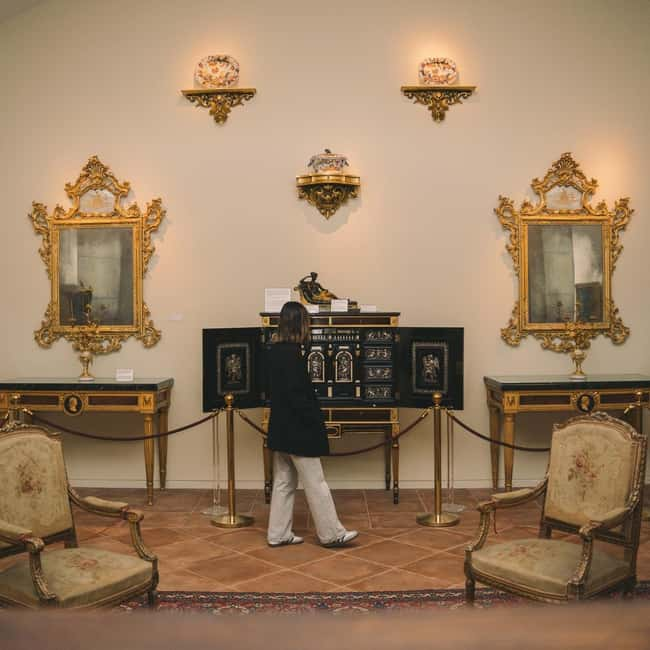
The setting has a useful sense of place. One French visitor liked the building’s warehouse-style architecture by the quay, and that detail matters because the surroundings connect naturally with Porto’s commercial and wine past. The museum does not feel like an isolated modern box with no link to the city around it.
The attraction is part of The World of Wine, known as WOW. Staff may also discuss tickets for other museums in the complex, so be clear about what you have booked and where you want to go. If you are interested in several WOW attractions, this could help you plan. If you only want this museum, do not feel obliged to add more.
Opening hours are listed as 10:00 AM to 7:00 PM, with last entrance at 7:00 PM. Bank holiday hours can change, so check before setting out on a public holiday.
The First Rooms: Porto’s Early Origins
The opening section sets up the long view. Instead of beginning with the Porto you see today, the experience reaches back to the city’s early roots and follows the changes that shaped its identity.
This part is most useful if you know little about Porto beyond its river, bridges, and wine. It gives you basic context before you start exploring the city in person. You can then look at a street, a church, or a riverfront building with a better sense of how the city grew.
Much of the material is presented through written information. One visitor found there was a lot to read, which is worth noting if you prefer a fast visual attraction. Bring patience for the panels, and use the flexible ticket to your advantage if you do not want to rush.
The layout may require attention. A French visitor found that the direction of the information was confusing, particularly because the reading order did not always feel natural when entering each room. My practical advice is to pause at the start of every section and work out the intended sequence before moving on.
The City’s Role in Portugal
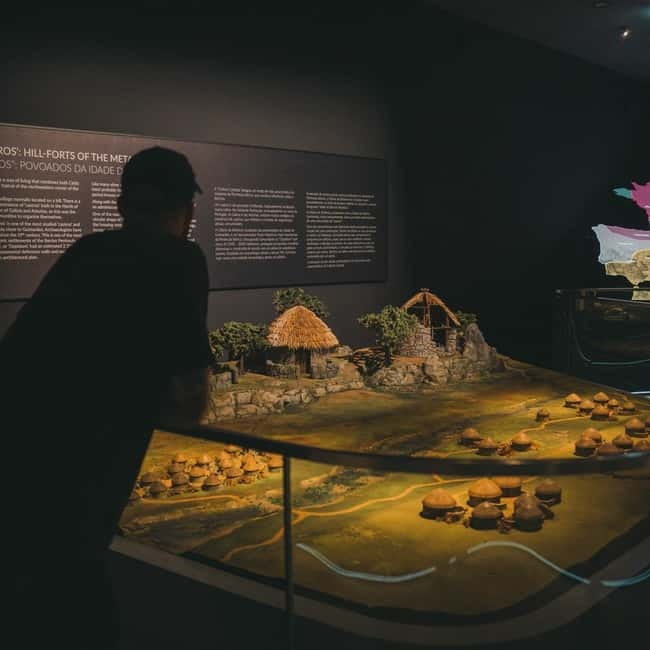
As you continue, the story broadens from local origins to Porto’s part in shaping a nation. The displays introduce the city’s political and social importance, along with the people who influenced its direction.
This is where the experience has value beyond simple sightseeing. Porto is often reduced to pretty buildings and port wine, but the attraction presents a city marked by struggle, ambition, trade, and change. You get a sense of why Porto has such a strong character and why its history cannot be separated from Portugal’s story.
The exact amount you take from this section depends on how much you read and how closely you follow the audio. The museum provides audio commentary in Portuguese, English, Spanish, French, Korean, and German. The basic ticket includes the audio guide, but you may need to scan a QR code or follow the instructions provided at the venue.
Do not assume the audio will be obvious the moment you walk in. One visitor had difficulty finding the translated information after scanning the QR code and felt the audio did not work properly. If you want the full experience, sort out the audio at the beginning rather than waiting until later.
A few more museum visits around Portugal worth comparing
- New York City: American Museum of Natural History Ticket
★ 4.5 · 15,447 reviews - Venice: St. Mark Basilica Ticket, Audioguide+History Gallery
★ 3.9 · 4,780 reviews - Berlin: Natural History Museum Entrance Ticket
★ 4.6 · 3,382 reviews - Paris: Louvre Museum Entry with History of Mona Lisa
★ 3.9 · 2,823 reviews
Video Mapping That Makes the Past Feel Present
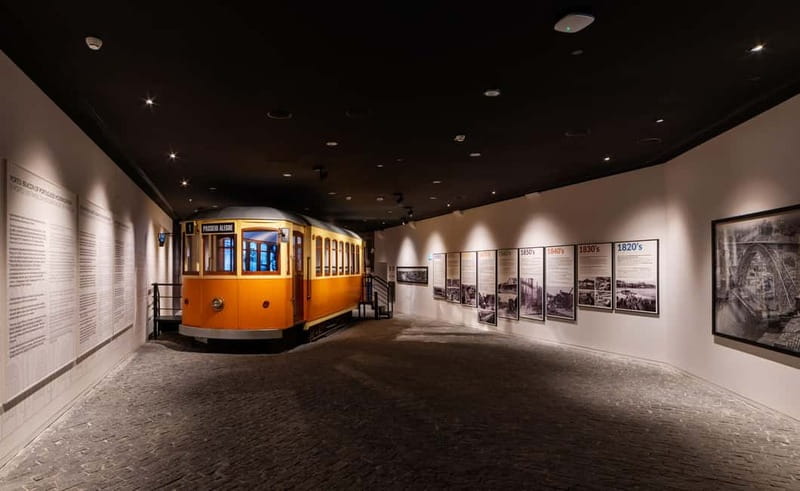
The video mapping is one of the strongest reasons to choose this attraction. Projected images and changing visuals give movement to events that can feel flat on a standard timeline.
I like this format because it gives you emotional shape as well as facts. A date on a wall tells you when something happened. A carefully staged film or mapped projection can show how the city changed and why its people mattered.
The visual work also breaks up the reading. After several panels, a film sequence or projected display gives you a chance to watch, listen, and reset. This makes the visit easier for families and for anyone who does not want to spend an entire afternoon reading labels.
The balance is not perfect for every visitor. If you prefer original objects, detailed maps, or long explanations from a museum specialist, the visual presentation may feel lighter than expected. The attraction is built around storytelling technology, so you should choose it for the format rather than expect a traditional history collection.
The Cinema: A Short, Memorable Overview
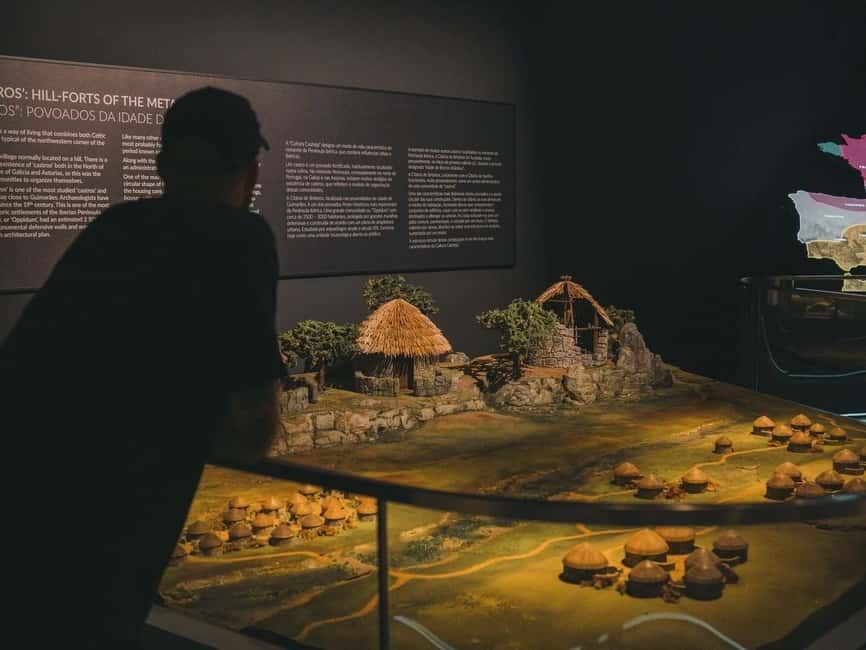
The cinematic theatre is another key part of the visit. It gathers the story into a more focused presentation and helps tie the separate sections together.
A French visitor specifically enjoyed the film, and I can see why this part may be the easiest section to appreciate. You sit back and let the story unfold instead of deciding which panel to read next. The film gives the experience a clear rhythm and may be especially helpful if you are visiting with children or a group that has different reading speeds.
Treat the film as an overview rather than a complete history lesson. It is designed to make Porto’s long story accessible and memorable. If you want to investigate a particular period later, you will need a separate source or another museum.
The film also helps solve one problem created by the reading layout. If the order of the rooms feels unclear, the cinema offers a more direct narrative line. I would make sure not to skip it.
The Porto Tram Replica and the Best Photo Stop
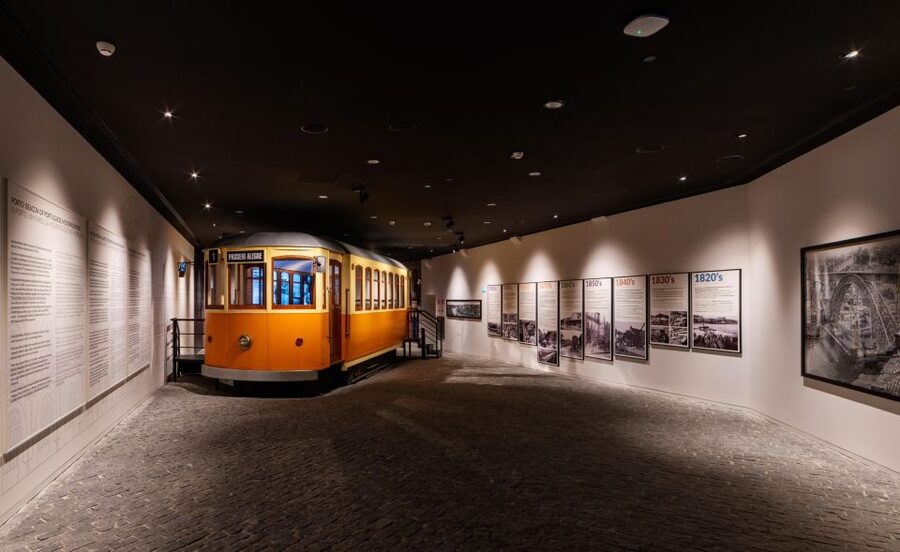
The life-size replica of Porto’s iconic tram is the most tangible feature in the experience. It gives you something to step toward, look around, and photograph after spending time with projected images and text.
This is more than a decorative prop. The tram connects the historical story with the Porto you can see outside. It is one of the few parts of the attraction that feels immediately physical and playful, making it a good pause for families and a natural selfie spot.
You should not expect a working tram ride. The supplied information describes it as a life-size replica, so think of it as an interactive display and photo opportunity rather than transport.
For many visitors, this will be the most instantly memorable detail. It also gives the museum a local stamp. Video mapping can look similar in many cities, but a full-size Porto tram anchors the experience in this particular place.
Porto, Wine, and Global Influence
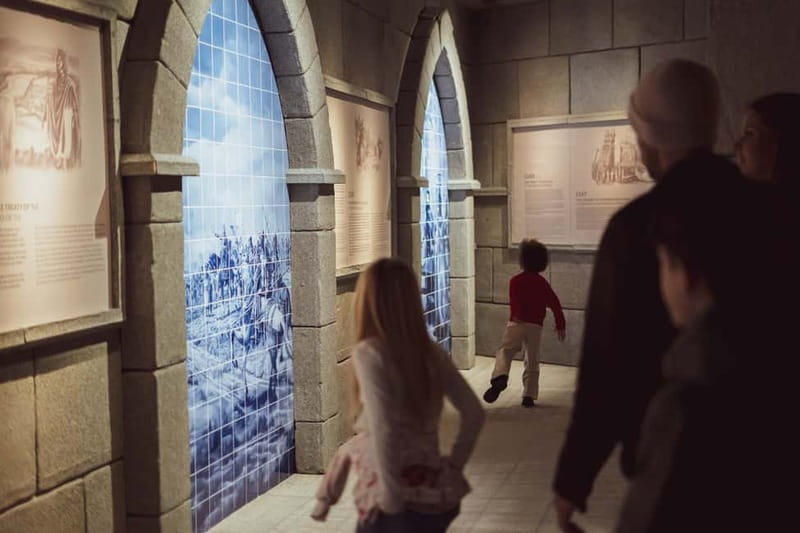
Later sections trace Porto’s growth into a city known far beyond Portugal. The story includes its wine fame and its international influence, placing local events within a larger network of trade and cultural exchange.
This part is useful if you plan to visit the region’s wine attractions. It helps explain why wine is so closely tied to Porto’s identity, while also showing that the city’s story is not only about bottles and tasting rooms.
The attraction also highlights resilience, passion, and the people who helped keep the city moving through periods of change. It introduces both famous figures and everyday heroes, which gives the account a more human feel than a simple list of rulers and dates.
At the same time, do not book this expecting a detailed study of every century. A 90-minute visit can offer a strong outline, but it cannot give equal space to all periods. The value is in the sweep of the story and the links between Porto’s past and present.
How Much Time Should You Allow?

The advertised visit length ranges from 90 minutes to a full day because your ticket can be used at any point on the selected date during opening hours. In practical terms, I would allow about 90 minutes for the museum itself.
You can move faster if you focus on the film, mapped displays, and tram. You may need longer if you read all the panels, use the audio in detail, or stop often for photographs.
The all-day flexibility is handy if you are building a larger day around the World of Wine complex. You can visit in the morning, take a break, and return later during the same opening day. Still, check the exact entry conditions when booking, since the ticket information says to use it on the selected date and during museum hours.
Do not arrive at the last minute. The listed last entrance is 7:00 PM, but a late arrival would leave little time for the displays. Bank holiday schedules may vary.
Is the $18 Price Good Value?
At $18 per person, this is not the cheapest way to spend an hour and a half in Porto. The value depends on what you want from a museum.
I think the price is reasonable if you appreciate film, projection, and an easy-to-follow introduction to the city. The ticket includes the museum entry and audio guide, and the flexible all-day use adds some value. The tram and cinema also give you more variety than a basic row of panels.
The price feels less convincing if you are mainly looking for original historical objects or a specialist-led tour. One French visitor felt the entrance cost was high, especially alongside the promotion of other WOW museum tickets. That is a fair concern, particularly for a family or anyone planning several paid attractions in the same day.
Before booking, compare the cost with your wider plans at WOW. If you intend to visit only this attraction, ask yourself if a visual introduction to Porto is worth $18. If the answer is yes, the format offers enough variety to justify the spend.
Who Will Enjoy Porto Region Across the Ages?
I would recommend this experience to you if you want a quick orientation before exploring Porto. It is especially useful for first-time visitors who want to understand the city’s place in Portuguese history rather than simply collect photographs.
It also suits families, couples, and groups with mixed interests. The film and projection displays provide a break from reading, while the tram gives younger visitors something concrete to enjoy.
History enthusiasts should come with realistic expectations. You will find a broad account of Porto across 1,000 years, but not a detailed academic treatment of every period. The written material can be worthwhile, yet the attraction’s main strength is presentation.
You may want to skip it if you dislike audio guides, digital displays, or reading-heavy museums. The staff experience may not feel warm to everyone, and the audio instructions may require some patience.
The museum is wheelchair accessible, which makes it a practical option for visitors who need an accessible attraction. The provided information does not describe every route or facility, so contact the venue directly if you need specific access details.
My Practical Advice Before You Go
Use the museum as an opening chapter, not the entire story of Porto. Afterward, the city’s streets, river, churches, and wine-related sights will have more context.
Allow 90 minutes at a minimum, and more if you like to read. Arrive early enough to sort out the audio guide, especially if you want commentary in Korean, German, French, Spanish, English, or Portuguese.
Take your time in the film and video mapping rooms. These are central to the experience, not filler between exhibits. Also leave a few minutes for the tram replica, which is the best place for a memorable photo.
Pay attention to the reading direction in each room. The information may not always follow the order you expect, so take a moment to identify the beginning of each section.
Should You Book It?
Book Porto Region Across the Ages if you want an entertaining, visual introduction to Porto and can spare about 90 minutes. The film, video mapping, audio options, and full-size tram make it more varied than a standard museum visit.
Skip it if you want rare objects, a personal guide, or detailed historical research. At $18, the attraction earns its price through presentation and convenience rather than depth.
For a first day in Porto, I think it can work well as a starting point. You leave with a clearer sense of the city’s long story, its connection with wine, and the resilience that shapes its character.
FAQ
How long does Porto Region Across the Ages take?
The visit is designed to take about 90 minutes, but your ticket can be used during opening hours on the selected date, so you may stay longer.
What are the opening hours?
The museum is open daily from 10:00 AM until 7:00 PM, with last entrance at 7:00 PM. Hours may change on bank holidays.
What languages are available for the audio guide?
The audio guide is available in Portuguese, English, Spanish, French, Korean, and German.
Is the audio guide included in the ticket?
Yes. The museum entry ticket includes access to the audio guide.
Can I use my ticket at any time during the day?
Yes. You can use the ticket at any time on the selected date during the museum’s opening hours.
Is the museum wheelchair accessible?
Yes. Porto Region Across the Ages is wheelchair accessible.
Is transport or hotel pick-up included?
No. Pick-up and drop-off are not included. You show your ticket directly at Porto Region Across the Ages.
Can I cancel my booking?
You can cancel up to 24 hours in advance for a full refund. You can also reserve now and pay later, according to the booking conditions.
Just added around Portugal
- Museum Heist Escape Game★ 5.0 · 28 reviews
- Tavira Total Tuk Tuk Tour: Tavira Tour & Tuna Museum Visit★ 4.9 · 21 reviews
- Lisbon: Benfica Museum Tour with Souvenir Scarf★ 4.8 · 27 reviews
- Madeira: Signature Wine Tasting, Skywalk & Nature Expedition★ 4.7 · 49 reviews
- Porto: Cork Museum: Immersive and Perfect for Families★ 4.2 · 54 reviews
- Porto: Taylor’s Port Cellar Tour & WOW Museum Pack★ 4.7 · 24 reviews
- Porto: National Museum Soares dos Reis E-Ticket & City Tour★ 4.0 · 18 reviews
- Portimao: 3D Fun Art Museum Entry Ticket★ 4.7 · 106 reviews
Museum Tours in Porto, compared.


The Wine Experience, Best Wine Museum in the World
Read our review →
Chocolate Museum – Unwrap the Secrets of Chocolate
Read our review →
National Museum Soares dos Reis E-Ticket & City Tour
Read our review →Browse the lists this tour appears in