
Review · THE USA
Plymouth: Plimoth Patuxet Museums – 3 tickets available
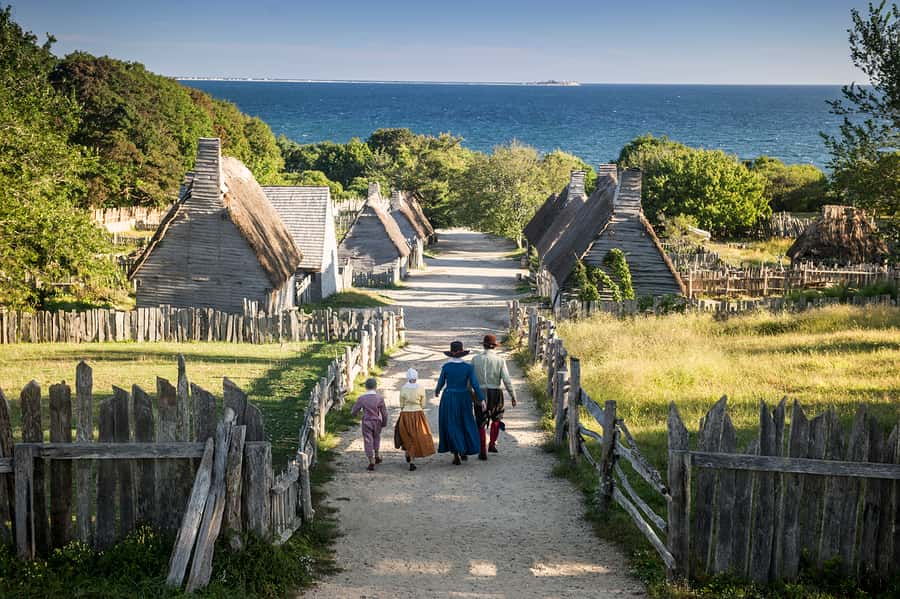
Plymouth’s past feels most immediate at Plimoth Patuxet Museums, where you do more than look at old buildings. You can ask a Pilgrim about a garden chore, watch a mill grind blue corn, or hear Indigenous culture keepers explain a living tradition that reaches back more than 12,000 years. I especially like the direct conversations and the working details, from rare-breed farm animals to historic pottery.
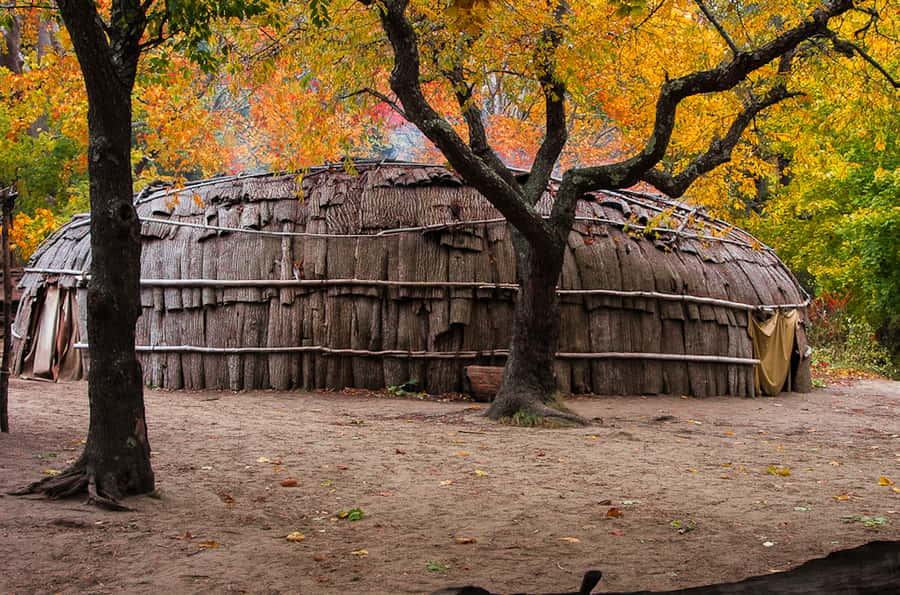
I also like that the experience does not present the English settlement by itself. The Historic Patuxet Homesite makes clear that Indigenous people were here long before Europeans arrived and remain here today. The main drawback is that this is spread across several sites, and the $35 admission does not automatically include Mayflower II or the Grist Mill. You need an upgrade and your own transportation.
Key points to know before you go
- Step into a working 1627 English village: First-person interpreters invite you to join chores, dances, games, songs, and militia drills.
- Hear Indigenous perspectives at Patuxet: Culture keepers discuss a continuous Indigenous presence in the Northeast, not just a story from the past.
- Add the ship and mill for better value: Combo tickets connect the main campus with Mayflower II and Plimoth Grist Mill, both under three miles away.
- Allow two to three hours at the main campus: The ship takes about 30 minutes, while the Grist Mill takes 30 to 45 minutes.
- Expect craft and animal programs: Historic pottery, rotating artisan exhibits, heritage-breed animals, and seasonal demonstrations add variety.
- Plan around the walking and access limits: The main campus is wheelchair accessible, but Mayflower II has stairs and is not ADA accessible.
Why Plimoth Patuxet works better than a standard museum
Many historical sites ask you to read labels and imagine the past. Here, interpreters speak to you as people living in the year 1627. That changes the visit. You are not simply looking into a house. You can ask how food is stored, what a chore involves, or why a settlement makes a particular choice.
The approach is especially effective for families and anyone who learns best through conversation. Children can help in a garden, play period games, listen to a song, or watch a presentation. Adults get more from the visit if they ask questions rather than simply walk from building to building.
The setting also gives the story some needed balance. The English village is only one part of the experience. At the Patuxet Homesite, culture keepers and educators speak from an Indigenous perspective and explain that Native communities have not disappeared from the story. That framing matters, since a visit focused only on Pilgrim life would leave out much of the human history of the region.
You should still expect a museum designed for public education, not an untouched settlement. The historic roles are carefully presented, and some parts are more interactive than others. One area may invite an extended conversation, while another may offer a shorter demonstration. The quality of your visit depends partly on how much you engage.
A few more museum visits around the USA worth comparing
- NYC: 9/11 Memorial & Museum Timed-Entry Ticket
★ 4.8 · 31,428 reviews - NYC: Empire State Building Tickets – Observatory & Museum
★ 4.7 · 25,757 reviews - New York City: American Museum of Natural History Ticket
★ 4.5 · 15,447 reviews
The Historic Patuxet Homesite and a longer view of Plymouth
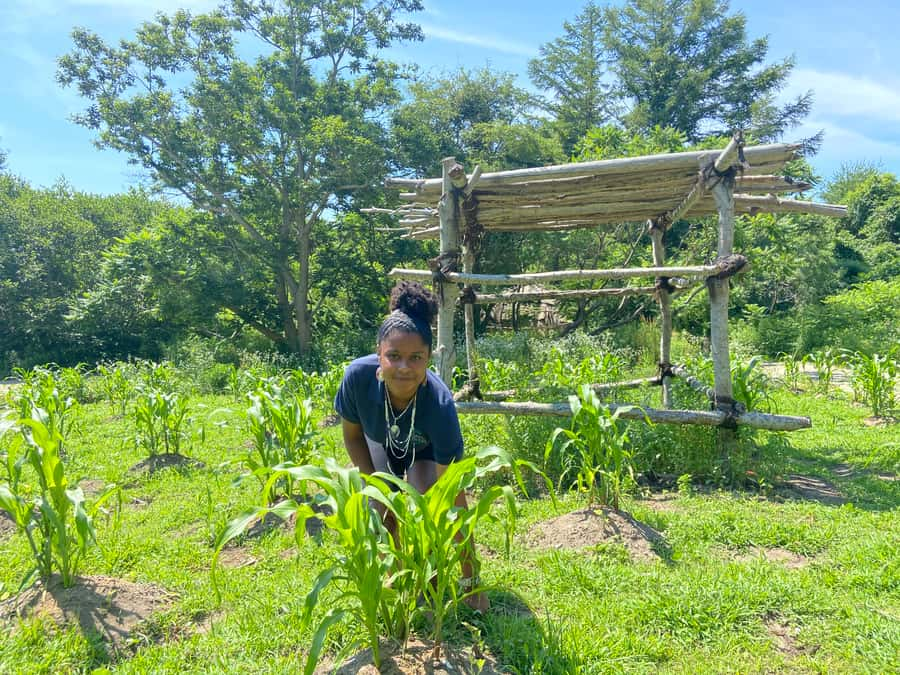
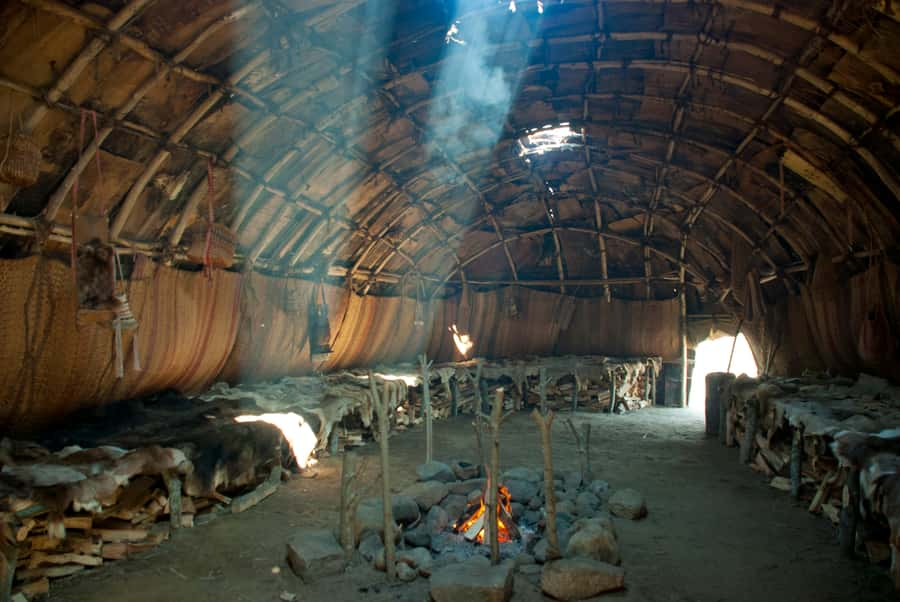
Start here if you want the visit to establish context before you enter the English settlement. The homesite represents Patuxet life and gives Indigenous educators room to discuss foodways, tools, family life, land use, and cultural continuity. The central point is clear: Indigenous history in the Northeast did not begin or end with the arrival of Europeans.
I appreciate that the educators present Indigenous people as communities with a present, not as background characters in a Pilgrim story. The site encourages you to listen, ask respectful questions, and notice how the setting supports the larger explanation.
This section can feel less dramatic than the ship or the English village because it is built around conversation and interpretation. Give it time. If you hurry through, you may miss the most important part of the museum’s message.
Special events add another reason to return. The Strawberry Thanksgiving in June and the Green Corn Festival in August connect seasonal food and community traditions to the site. Indigenous Peoples Weekend takes place in October. These events are included with admission, but dates and activities may vary, so check the schedule before setting your plans.
Life inside the 17th-Century English Village
The English Village is the most theatrical part of the visit, but it is not just a performance to watch from a distance. Interpreters portray people in 1627 and remain in character as they explain work, beliefs, household routines, and settlement life.
You can lend a hand in a garden, learn a dance, sing a song, play games, help with chores, or join a militia drill. The precise activities depend on the day and the interpreter, but the design gives you many chances to take part. Families should encourage children to ask questions and accept invitations to participate.
The first-person approach also creates useful limits. An interpreter may answer as a person from the period rather than as a modern museum lecturer. That can make the encounter feel more immediate, though it may not answer every modern question in a straightforward way. If you want wider historical context, ask questions between presentations or use the orientation film and written maps.
The village changes focus in November, when the year becomes 1621 for the First Harvest Feast associated with American Thanksgiving. That seasonal change can be appealing if you want the holiday story presented through food, work, and settlement life rather than through a short classroom explanation.
Look for the heritage rare-breed animals program, too. Cows, sheep, goats, pigs, and chickens help explain the practical side of a settlement. The animals are not a separate petting zoo attraction. They show how much daily life depended on food production, labor, and care.
The English Village received some of the strongest praise for its interpreters and recurring presentations. The main weakness is that not every building or encounter will offer the same amount of interaction. Plan to stay long enough for several presentations instead of judging the village after one quick circuit.
The Craft Center, Davis Gallery, and historic work

The Craft Center gives the visit a useful change of pace. You can watch reproduction 17th-century European pottery and see artisan exhibits that rotate during the year. This is a good stop for anyone interested in how objects were made, not just how they looked once finished.
The work also connects the museum to present-day makers. Plimoth artisan-made pottery is sold in the retail store, along with other New England artisan items. You will find four retail stores across the museum experience, including modern souvenirs and craft pieces with a stronger local connection.
The Davis Gallery adds another indoor element. Exhibits can provide a quieter way to absorb information after time outside in the village and homesite. Since the displays change, check what is showing during your visit.
No audio tours are available. The museum provides written translated maps, and the orientation films are in English with subtitles. That is worth knowing if you prefer audio interpretation or need a language other than English.
Same city, a completely different collection:
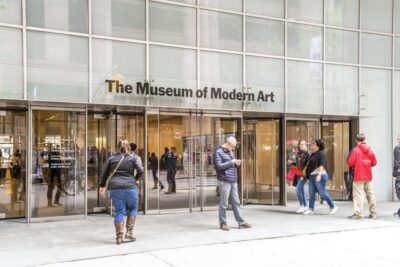
- NYC: Museum of Modern Art (MoMA) Entry Ticket
★ 4.6 · 12,540 reviews - 9/11 Memorial, Ground Zero Tour with Optional 9/11 Museum Ticket
★ 5.0 · 6,381 reviews - 9/11 Memorial Museum Admission Ticket
★ 4.5 · 6,376 reviews - All-Access 9/11: Ground Zero Tour, Memorial and Museum, One World Observatory
★ 5.0 · 4,886 reviews
Mayflower II: the best add-on for the 1620 crossing
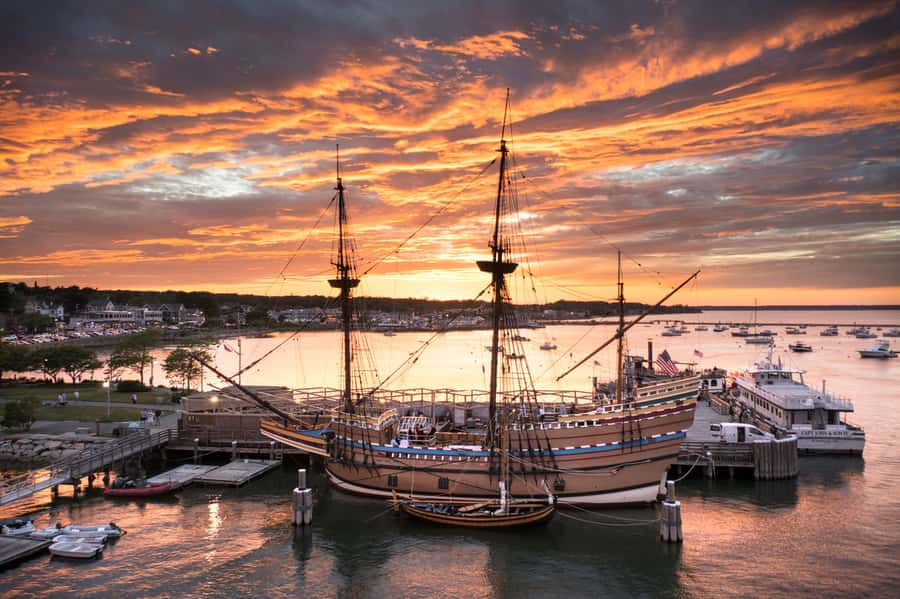
Mayflower II is at the downtown waterfront, less than three miles north of the main campus. The ship is listed on the U.S. Register of Historic Places, and it gives you a physical sense of the 1620 crossing that buildings alone cannot provide.
Modern guides are on hand to explain the voyage and the ship’s history. The visit usually takes about 30 minutes, though you should allow more time if you also plan to see Plymouth Rock and Cole’s Hill, which together can fill about an hour.
The ship is compact, and the stairs are part of the experience. Mayflower II is not ADA accessible. There is a ramp and stairs, and a wheelchair can reach the exhibit dock area to view the ship from inside, but it cannot travel through the full ship visit.
If you have limited mobility, plan this stop carefully rather than treating it as a minor detail. A sprained ankle or similar injury can make the stairs difficult. The waterfront setting does offer a useful alternative: you can still read the displays and view the ship from the dock area.
Mayflower II is not included in the basic $35 ticket. If you want to see all four major sites, the Combo Ticket or Heritage Pass is the better choice. The additional cost makes sense if you already expect to visit the waterfront, since the ship is one of Plymouth’s clearest links to the 1620 voyage.
Plimoth Grist Mill and the mechanics of food
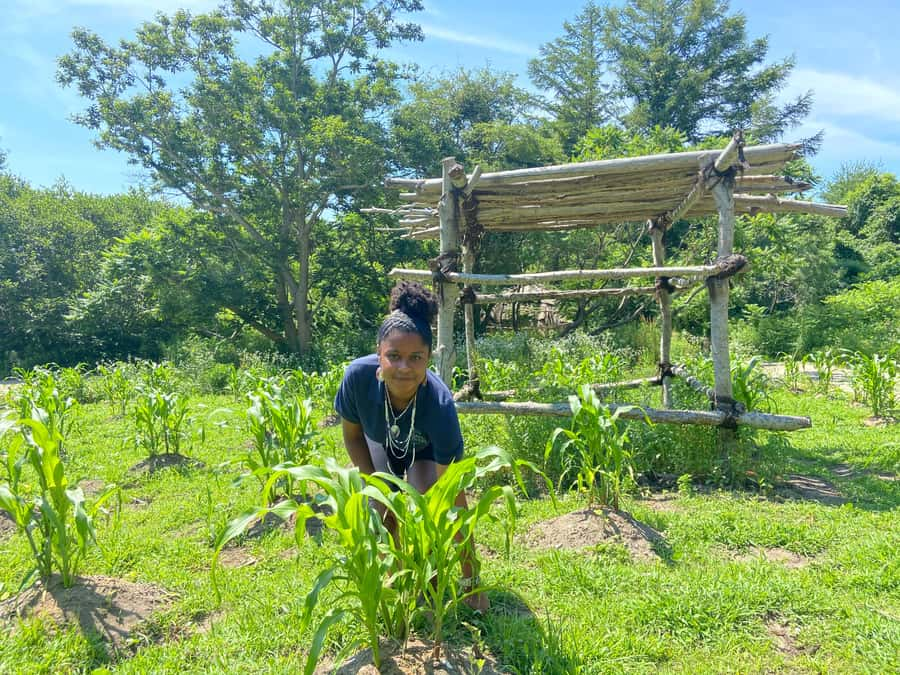
The Grist Mill is also less than three miles from the main campus, in the Downtown Waterfront District. It is a working reproduction of the mill built by Pilgrim John Jenney, located along the original Town Brook site.
This is where the past becomes mechanical. You can watch water power turn the mill and learn how the system connects to the ecology of Town Brook. The experience takes about 30 to 45 minutes, making it easy to fit into a day that includes the village and Mayflower II.
The mill works well for children because motion makes the process easy to follow. It also gives adults a more practical understanding of settlement life. Grain does not become food by itself. It must be grown, transported, stored, and processed, and the mill shows one important step.
Cornmeal and grits are available for purchase. Seasonal events include the Herring Run Festival in April and the Grist Mill Grain Fest in November. If you time your visit for one of these events, the mill can feel more like a community site than a short technical demonstration.
I would add the Grist Mill if you have an interest in crafts, machinery, food, or early industry. It is a particularly good companion to the English Village because it explains one of the systems that helped a settlement function.
How to plan the sites in one day
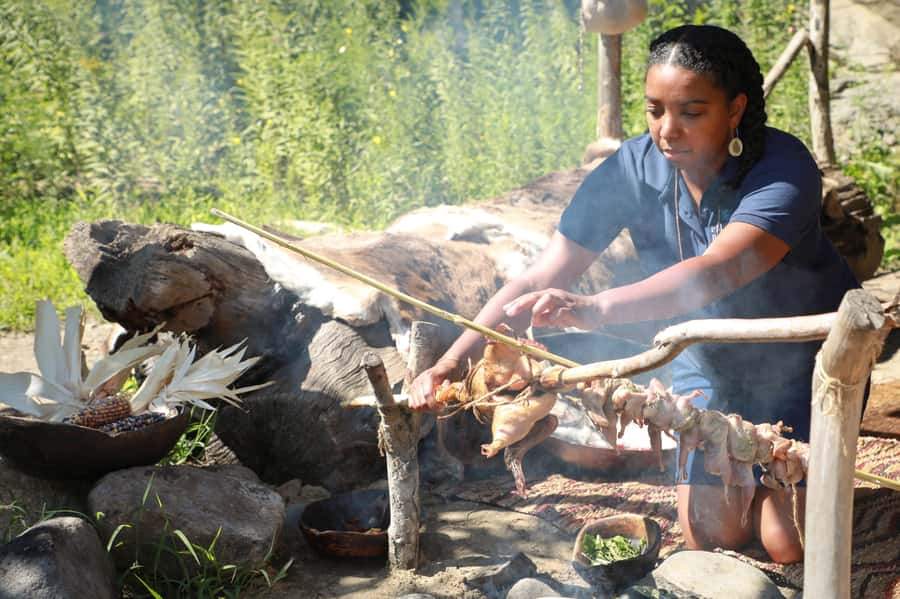
Begin at the Henry Hornblower Visitor Center at 137 Warren Avenue, where you exchange your electronic voucher for admission. Free parking is available at Plimoth Patuxet. The main campus includes the Patuxet Homesite, English Village, Craft Center, and Davis Gallery.
Allow two to three hours at the main campus. Some people finish in about an hour and a half, but that shorter visit leaves less room for conversations and scheduled presentations. If you want the full educational value, arrive with enough time to pause.
Then drive or arrange your own transportation to the waterfront for Mayflower II and the Grist Mill. Transportation between sites is not included. Waterfront parking is metered, so include that cost and a little extra time in your plan.
The multi-exhibit ticket can be used on different days. Keep the receipt you receive when exchanging your voucher, since you may need it when visiting the second location. This is helpful if you want to split the experience instead of packing all the sites into one long day.
The Plentiful Cafe is open from 11 a.m. to 4 p.m. It serves 17th-century tastings as well as modern favorites. Four retail stores give you plenty of browsing time, but do not let shopping replace the talks in the living-history areas. Those conversations are the part you cannot reproduce later with a souvenir.
Who gets the most from the $35 ticket

At $35 per person, the basic admission is not a cheap quick stop. It is good value if you spend two or three hours on the main campus and take part in the conversations and activities. If you only want a brief look at one village, the price may feel high.
The ticket is strongest for families, school-age children, history-minded adults, and anyone interested in Indigenous heritage or traditional crafts. It also suits visitors who prefer talking with interpreters to reading long museum panels.
The upgrade makes more financial sense if you want a full Plymouth history day. Mayflower II and the Grist Mill each add a distinct experience, and both are close enough to combine with a waterfront walk. If you have only 90 minutes, stick with the main campus rather than rushing through three locations.
The museum is wheelchair accessible overall, but the ship is the clear exception. Written translated maps and subtitled English orientation films are available, but there are no audio tours. Keep those limits in mind when deciding if the visit fits your needs.
Should you book Plimoth Patuxet?
I would book the basic ticket if you want history presented through people, work, food, animals, and craft rather than through display cases alone. The English interpreters are a major strength, and the Patuxet Homesite gives the visit a broader and more honest frame.
Choose the Combo Ticket or Heritage Pass if you can spare a full day and have transportation between sites. Mayflower II adds the physical reality of the crossing, while the Grist Mill shows how food was processed. Together, they make the $35 starting price feel like the beginning of a larger visit rather than the whole cost.
Skip the add-ons if stairs are a serious concern, your schedule is tight, or you prefer a quiet, self-guided museum. For everyone else, arrive ready to ask questions, allow more than an hour and a half, and treat the interpreters as the main attraction.
FAQ
Where do I begin the Plimoth Patuxet visit?
Begin at the Henry Hornblower Visitor Center at Plimoth Patuxet Museums, 137 Warren Avenue, Plymouth, Massachusetts 02360. This is where you exchange your electronic voucher for admission.
What does the $35 ticket include?
The basic admission includes the Historic Patuxet Homesite, 17th-Century English Village, Craft Center, and Davis Gallery Exhibit. Mayflower II and Plimoth Grist Mill require a Combo Ticket or Heritage Pass upgrade.
How long should I spend at Plimoth Patuxet?
Plan two to three hours at the main campus. Some people spend less time, but staying longer gives you more chances to join activities and speak with interpreters.
How long do Mayflower II and Plimoth Grist Mill take?
Mayflower II takes about 30 minutes. Plimoth Grist Mill takes about 30 to 45 minutes. Seeing Plymouth Rock and Cole’s Hill along with Mayflower II takes about one hour.
Are Mayflower II and the Grist Mill close to the main campus?
Both are less than three miles north of the main campus in Plymouth’s Downtown Waterfront District. Transportation between the sites is not included.
Is Mayflower II wheelchair accessible?
No. Mayflower II has a ramp and stairs, but the ship itself is not ADA accessible. Wheelchairs can access and view the ship from inside the exhibit dock area.
Are audio tours available?
No audio tours are available. The museum provides written translated maps, and the orientation films are in English with subtitles.
Can I use a multi-exhibit ticket on different days?
Yes. Multi-exhibit tickets may be used on different days. Keep the receipt you receive when exchanging your voucher for admission to the second location.
Just added around the USA
- Museum of Ice Cream Austin★ 3.5 · 85 reviews
- Admission to Richard Nixon Presidential Library and Museum Ticket★ 5.0 · 123 reviews
- The Turquoise Museum Curator’s Tour★ 5.0 · 12 reviews
- Turquoise Museum Visit★ 4.5 · 194 reviews
- Orlando: Titanic Artifact Exhibition Ticket★ 4.5 · 246 reviews
- The St. Augustine Old Jail Museum Guided Tour★ 4.6 · 68 reviews
- San Diego: San Diego Natural History Museum Ticket★ 4.7 · 33 reviews
- The Museum of Fine Arts, Houston Entry Ticket★ 4.6 · 82 reviews
Museum Tours in the USA, compared.
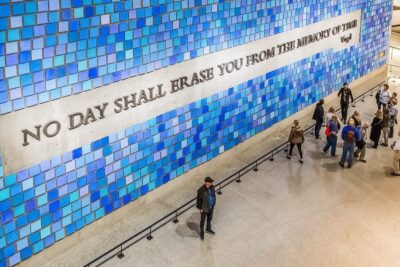


9/11 Memorial, Ground Zero Tour with Optional 9/11 Museum Ticket
Read our review →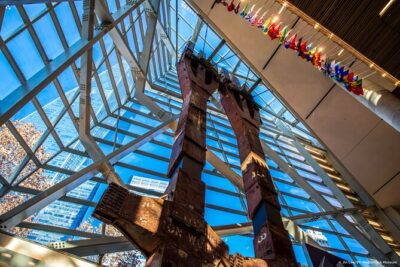

All-Access 9/11: Ground Zero Tour, Memorial and Museum, One World Observatory
Read our review →

Browse the lists this tour appears in