
Review · THE USA
Center for Puppetry Arts: Worlds of Puppetry Museum
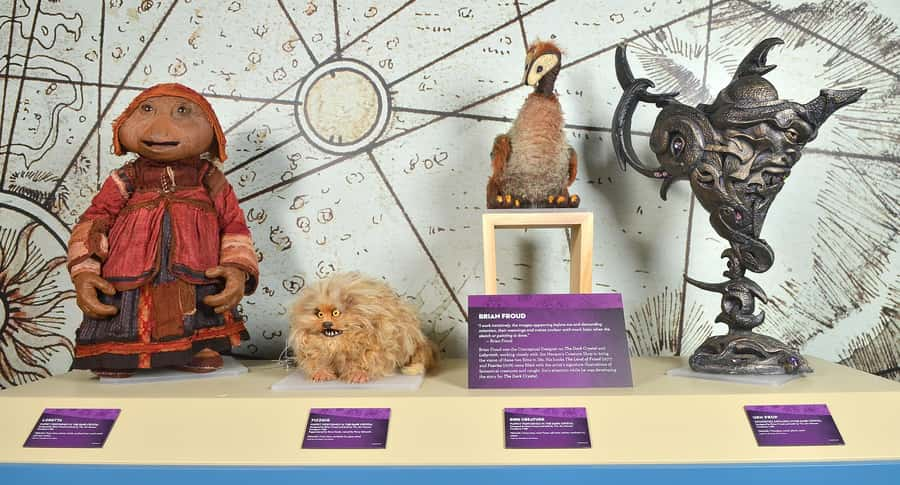
The most memorable part of Atlanta’s Center for Puppetry Arts is the chance to see real Jim Henson puppets and props up close, not just photographs of them. Kermit the Frog, Miss Piggy, Sesame Street figures, Fraggle Rock creations, and pieces from The Dark Crystal and Labyrinth connect childhood memories with the craft behind the characters.
I like the museum’s two-part design. The Global Collection shows how puppets have served as teaching and communication tools across Asia, Africa, Europe, and the Americas, while the Jim Henson Collection follows one artist’s work through offices, television sets, and familiar characters. I also like the Interactive TV Studio, where you can put on your own puppet show.
The main drawback is that the museum is self-guided, so you need to read and explore at your own pace rather than rely on a scheduled tour. Displays are also rotated for preservation, which means a favorite puppet shown in promotional photos may not be on view during your visit.
Key things to know before you go
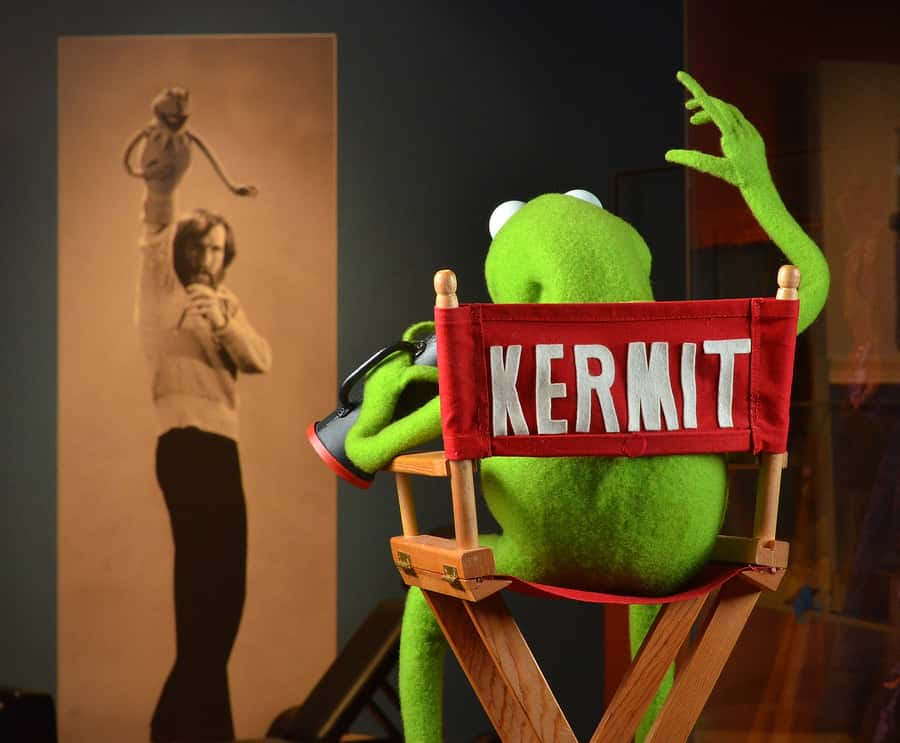
- Kermit and Miss Piggy are part of a working history: See how Henson’s characters were built, performed, and presented on television.
- The Global Collection reaches far beyond American television: Puppets from several continents show how this art form carries stories, lessons, and cultural traditions.
- The Interactive TV Studio adds a hands-on break: You can create your own puppet performance instead of only looking into display cases.
- Admission costs $17 per person: That covers the museum for one day, but not a performance or Create-A-Puppet Workshop.
- Children ages 2 and older need tickets: Free parking is available onsite, and the museum is wheelchair accessible.
- Displays change over time: Preservation work keeps the collection in good shape, but it also means the exact lineup is not fixed.
Start with puppetry from around the world
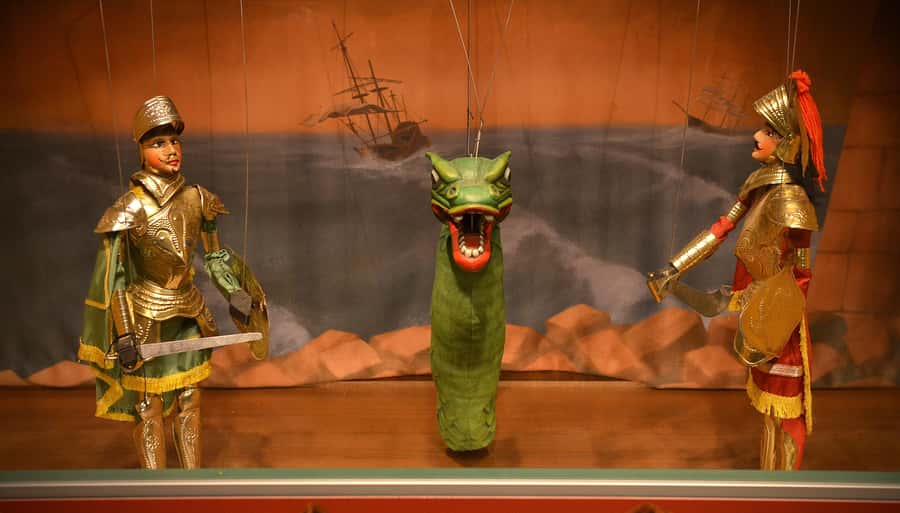
Begin in the Global Collection, where the museum places puppets into a wider cultural setting. Instead of treating puppetry as only a children’s pastime, the displays explain how communities have used puppets to teach, communicate, and pass on stories.
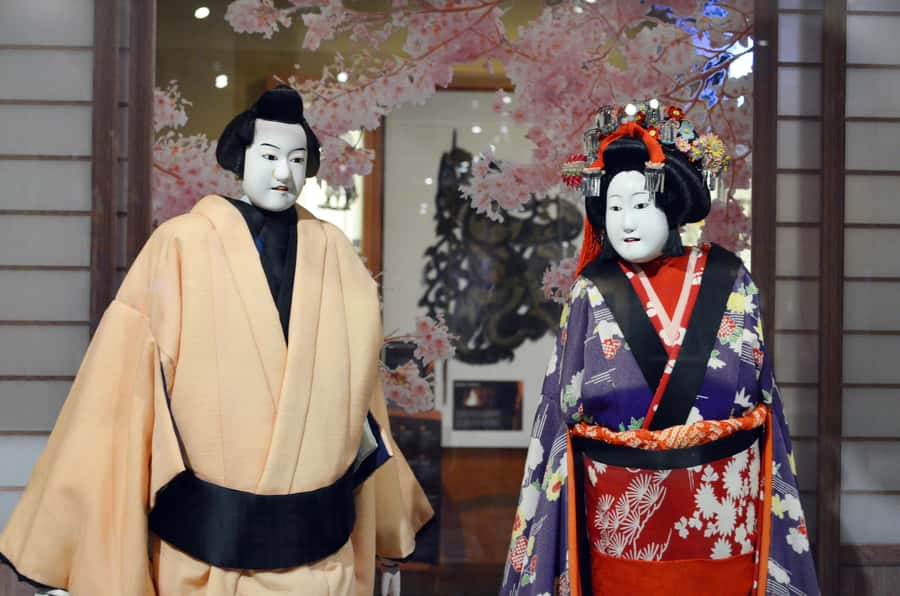
The collection is arranged by continent, with sections covering Asia, Africa, Europe, and the Americas. That layout gives you a useful way to compare forms and materials. You may see how different traditions use puppets for performance, instruction, ritual, or public storytelling.
The displays include contextual backdrops and hands-on interactives. I find that combination useful because it gives children something to do while adults read the background material. It also keeps the visit from feeling like a line of glass cases with no explanation.
Plan to spend time here rather than racing straight to the Henson material. The Global Collection gives you the basic idea of what puppetry can do, and the Jim Henson section then shows how one modern creator used those ideas in television and film.
The arrangement may not suit everyone. One past assessment described the space and organization as areas that could improve. If you want a tightly ordered museum with a simple route from beginning to end, take your time getting oriented. The variety is the point, but it can also make the visit feel less direct.
A few more museum visits around the USA worth comparing
- NYC: 9/11 Memorial & Museum Timed-Entry Ticket
★ 4.8 · 31,428 reviews - NYC: Empire State Building Tickets – Observatory & Museum
★ 4.7 · 25,757 reviews - New York City: American Museum of Natural History Ticket
★ 4.5 · 15,447 reviews
Follow Jim Henson’s work from early ideas to television
The Interactive Jim Henson Collection is the museum’s emotional center for many people. It follows Henson’s imagination chronologically, allowing you to see how his work developed rather than presenting the Muppets as isolated stars.
You move through environments connected with his creative world, including Jim’s Office and a Television Studio. These settings help explain the work behind the finished characters. You are not only looking at a famous puppet. You are seeing the setting and tools associated with the process of creating, shaping, and performing it.
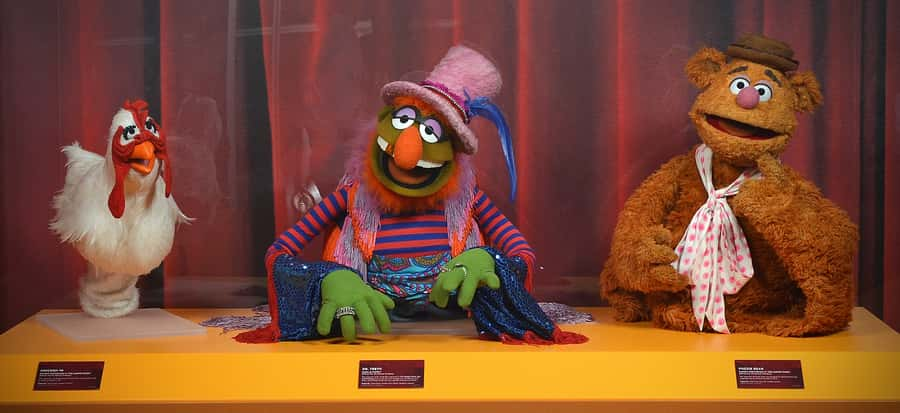
Kermit the Frog and Miss Piggy are among the best-known figures on display. Depending on the current rotation, you may also encounter puppets, costumes, and props connected with Sesame Street, Fraggle Rock, The Dark Crystal, Labyrinth, and other Henson projects.
The exact objects change. The museum regularly rotates puppets for preservation and to keep the displays fresh, so the material shown in online photos may not match what you see. If you have your heart set on one specific character, treat its appearance as a possibility rather than a promise.
That changing display is a small inconvenience, but it serves a good purpose. Puppets are working objects made from materials that need care. A museum that rotates them can protect the collection while giving repeat visitors a reason to return.
See the craft behind familiar characters
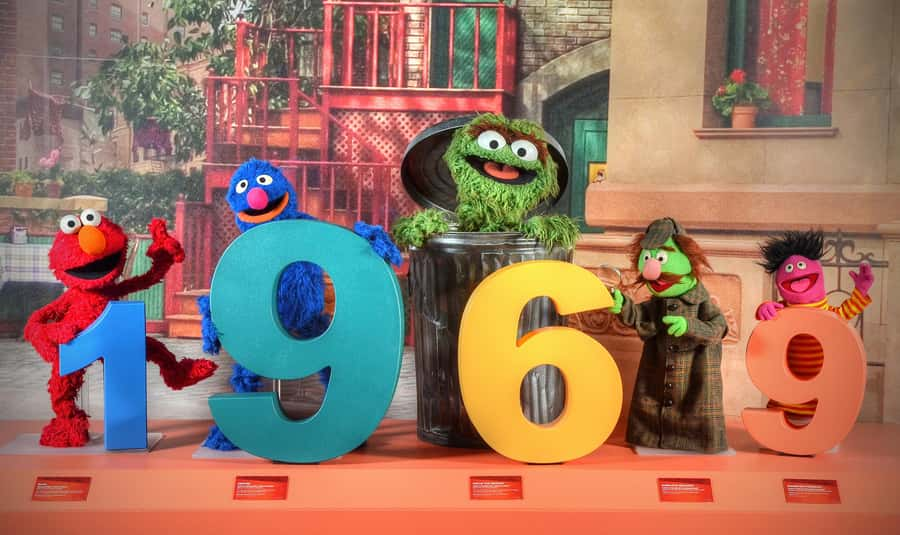
The Henson section works best when you look past recognition. It is fun to see a character you know from childhood, but the stronger experience comes from noticing how a puppet communicates through shape, costume, expression, and movement.
The museum displays puppets alongside props, costumes, and other artifacts. Together, these objects show that a television character is more than a face. The performer, costume details, stage setting, and camera environment all help make the character believable.
That is why this museum appeals to more than lifelong Muppet fans. You can visit for the memories, then leave with a clearer sense of the practical work required to bring those figures to life.
For families, the familiar characters provide an easy entry point. A child may head straight toward Kermit or Miss Piggy, then become interested in the world puppetry displays after seeing how many different forms the art can take.
For adults, the visit can work as a return to childhood without being stuck in nostalgia. The material connects old television favorites with design, performance, communication, and visual storytelling.
Make time for the Interactive TV Studio
The Interactive TV Studio gives the visit a different rhythm. After looking at historic puppets and reading exhibit panels, you can take part in a puppet show of your own.
This is one of the museum’s strongest features for families and groups. It turns the question of how puppets work into something you can test directly. You do not have to settle for admiring the finished product. You can try performing and see how much coordination goes into a simple scene.
The activity also helps younger children stay engaged. A museum visit can lose a child’s attention when every stop requires quiet looking. The television studio provides a hands-on pause and gives your group a shared activity to remember.
I would not plan the entire visit around it, since the museum’s main strength is the breadth of the collections. Think of the studio as an important part of the experience, not a separate attraction that replaces the galleries.
Same city, a completely different collection:
- NYC: Museum of Modern Art (MoMA) Entry Ticket
★ 4.6 · 12,540 reviews - 9/11 Memorial, Ground Zero Tour with Optional 9/11 Museum Ticket
★ 5.0 · 6,381 reviews - 9/11 Memorial Museum Admission Ticket
★ 4.5 · 6,376 reviews - All-Access 9/11: Ground Zero Tour, Memorial and Museum, One World Observatory
★ 5.0 · 4,886 reviews
How long to allow and how to pace the visit
The admission is valid for one day, and the visit is self-guided. That gives you freedom to spend more time with the Henson material, move quickly through a section that interests you less, or return to a favorite display.
No fixed duration is provided, so your pace matters. A quick visit can focus on the Jim Henson Collection and the Interactive TV Studio. A slower visit can give proper attention to the Global Collection, videos, background information, and hands-on features.
I would allow enough time for both main sections rather than treating the museum as a brief stop. The range of puppets and the amount of supporting information can be greater than expected, especially if you stop to read and use the interactive elements.
The museum’s self-guided format is practical for mixed groups. Children can move toward the hands-on features while adults spend longer with the historical material. Couples and solo visitors can also set their own pace without waiting for a group.
The tradeoff is that you must create your own structure. There is an English host or greeter, but the museum experience itself is not described as a guided tour. If you want a narrator explaining every display in sequence, this may feel less satisfying than a scheduled performance or guided program.
What the $17 admission includes
At $17 per person, admission covers entry to the Worlds of Puppetry Museum for one day. That is a fair price if you plan to explore both collections and use the interactive areas.
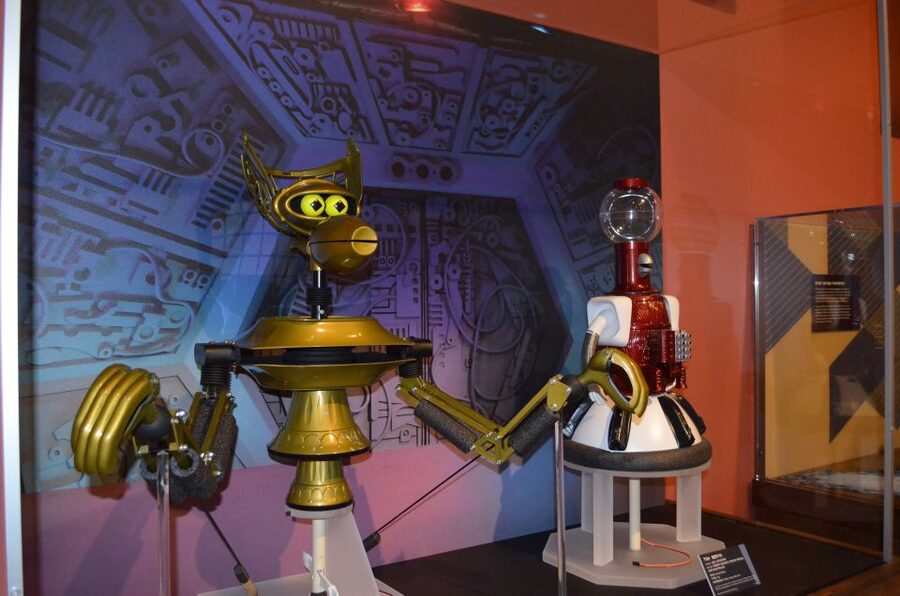
The value is strongest for people who care about Jim Henson’s work, puppetry, television production, or family activities. The museum contains original puppets, costumes, props, and artifacts, so you are paying for access to material that cannot be replicated by a general film museum or an ordinary children’s attraction.
Admission does not include a performance or the Create-A-Puppet Workshop. Keep that distinction in mind when planning your budget. If you want a live show or a craft activity, those are separate from the museum ticket.
The price also works well for a flexible visit. You are not buying a short timed display with only one theme. You can use the full day of validity and decide how much attention to give each section.
All adults and children age 2 and older need tickets. That rule matters for families with toddlers, since a very young child is not automatically free.
Practical details for families and access
The meeting point is the Center for Puppetry Arts lobby. Free parking is available onsite, which is helpful if you are visiting as part of a wider Atlanta day and want to avoid adding a separate parking cost.
The museum is wheelchair accessible. That makes it a practical choice for groups with different mobility needs, although the provided information does not describe specific routes, seating, or exhibit dimensions.
English is the listed language, and an English host or greeter is available. The museum itself combines written displays, videos, and interactive material, so you can build your visit around the formats that work best for your group.
Flash photography is not allowed. Bring a camera if you want photographs, but leave the flash off and follow any on-site instructions around the displays.
The collection is regularly rotated. This is worth repeating because it affects expectations. Online photos may show puppets that are not currently displayed, and a character you hope to see could be temporarily off view.
Who will get the most from this museum
The clearest match is anyone who loves The Muppets, Sesame Street, Fraggle Rock, The Dark Crystal, or Labyrinth. The chance to see actual puppets, costumes, and props at close range gives those films and shows a physical presence.
It is also a good choice for families with children old enough to enjoy hands-on activities and visual storytelling. The Interactive TV Studio gives kids something active to do, while the Global Collection adds educational value beyond the Henson characters.
Adults without a strong Henson connection can still enjoy the visit if they are interested in design, performance, or world cultures. The Global Collection gives the museum a wider purpose, and the Henson section offers a practical look at television puppetry.
You may want to choose another activity if you need a fast, highly structured attraction or a live performance included in the ticket. This is a museum visit, not a stage show, and the experience depends on how much time you give the displays.
My take on the overall experience
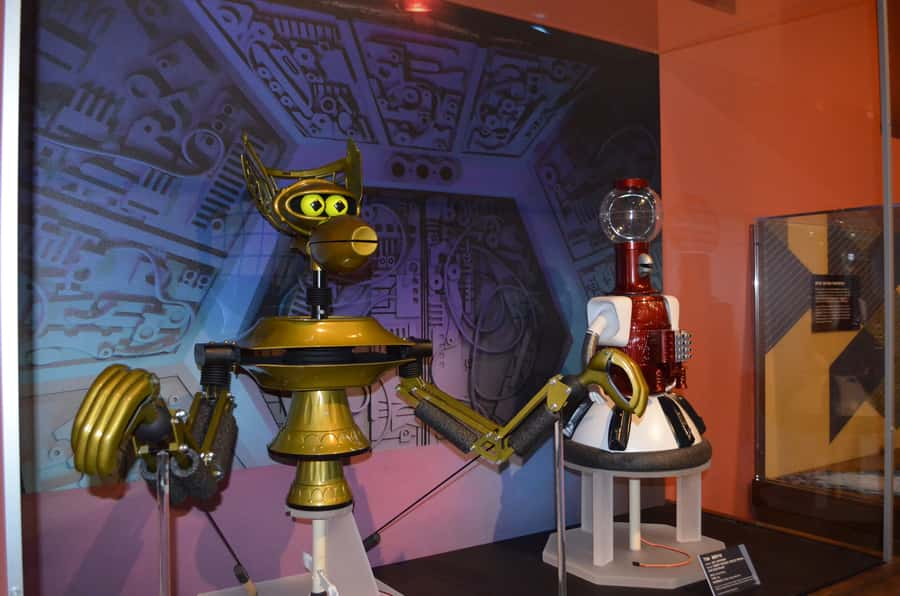
The museum works because it brings together memory and context. You can see a beloved character, then step back and learn how puppetry functions across different cultures and forms of communication.
I especially like the balance between looking and doing. The galleries provide objects and background, while the Interactive TV Studio lets you try a small part of the performance process. That mix helps explain why the experience appeals across generations.
The main limits are clear. The space and arrangement may feel less polished than those of Atlanta’s largest attractions, and the museum’s changing displays mean you cannot count on every pictured character being present. It is also self-guided, so you need to shape the visit yourself.
Still, the $17 ticket gives you a focused attraction with genuine artifacts, global material, and a strong connection to American television history. For a city visit filled with larger, louder attractions, this offers a quieter and more personal change of pace.
Should you book the Worlds of Puppetry Museum?
Book it if you enjoy Jim Henson, want to see original puppets and props, or need a family activity that combines education with hands-on fun. I would also recommend it to anyone curious about how puppetry works across different parts of the world.
Skip it if you only want a live performance, since the museum ticket does not include one. Also adjust your expectations if you need to see a particular Henson character. The rotating displays are part of responsible preservation, but they mean the current collection can differ from online images.
For most visitors who have room in their Atlanta schedule, the museum earns its $17 price. Give yourself time for both the Global Collection and the Jim Henson Collection, and do not rush past the Interactive TV Studio.
FAQ
How much does admission cost?
Admission costs $17 per person.
What does the ticket include?
The ticket includes entrance to the Center for Puppetry Arts, Worlds of Puppetry Museum, for one day.
Are performances included?
No. Performances are not included in the museum admission.
Is the Create-A-Puppet Workshop included?
No. The Create-A-Puppet Workshop is not included in the museum admission.
Do children need tickets?
Yes. All adults and children age 2 and older must have a ticket.
Is the museum wheelchair accessible?
Yes. The museum is wheelchair accessible.
Is parking available?
Yes. Free parking is available onsite.
Can I use flash photography?
No. Flash photography is not allowed.
Just added around the USA
- Museum of Ice Cream Austin★ 3.5 · 85 reviews
- Admission to Richard Nixon Presidential Library and Museum Ticket★ 5.0 · 123 reviews
- The Turquoise Museum Curator’s Tour★ 5.0 · 12 reviews
- Turquoise Museum Visit★ 4.5 · 194 reviews
- Orlando: Titanic Artifact Exhibition Ticket★ 4.5 · 246 reviews
- The St. Augustine Old Jail Museum Guided Tour★ 4.6 · 68 reviews
- San Diego: San Diego Natural History Museum Ticket★ 4.7 · 33 reviews
- The Museum of Fine Arts, Houston Entry Ticket★ 4.6 · 82 reviews
Museum Tours in the USA, compared.


9/11 Memorial, Ground Zero Tour with Optional 9/11 Museum Ticket
Read our review →

All-Access 9/11: Ground Zero Tour, Memorial and Museum, One World Observatory
Read our review →

Browse the lists this tour appears in