
Review · MALTA
Palazzo Falson Historic House Museum entrance ticket
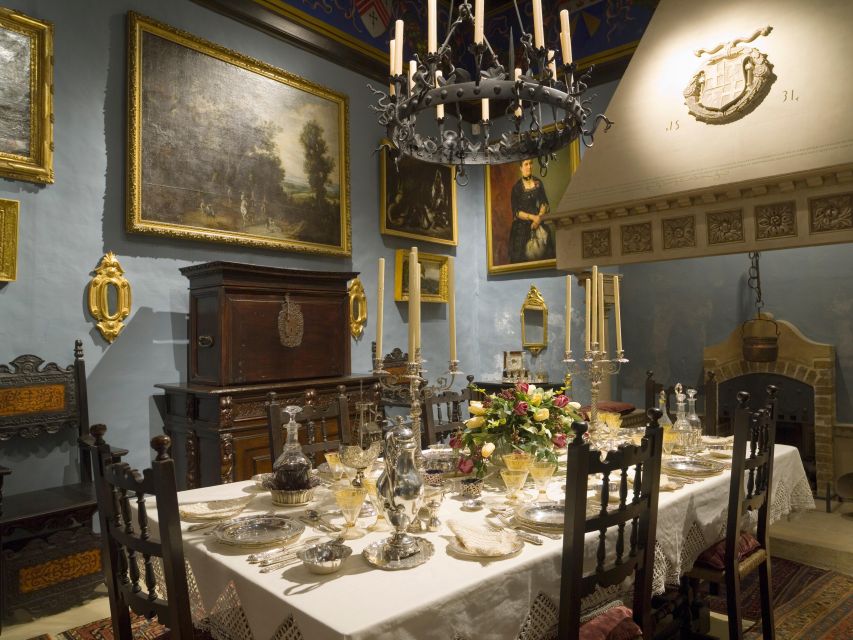
Palazzo Falson is not a grand empty shell. It is a medieval family home packed with the things one extraordinary collector chose to live with: paintings, armour, jewellery, books, rugs, furniture, and silver. The building itself is the star, but Captain Olof Frederick Gollcher’s collection gives each room a personal edge.
I like the chance to see 45 separate collections in 17 rooms, rather than just a few ceremonial halls. I also like the rooftop café, where a coffee and wide views over Mdina make a natural pause after the house tour. The main consideration is simple: $15 is good value for serious art and history fans, but younger children may find the quiet, object-filled rooms less engaging. Children under six are not admitted.
Key points to know before you go
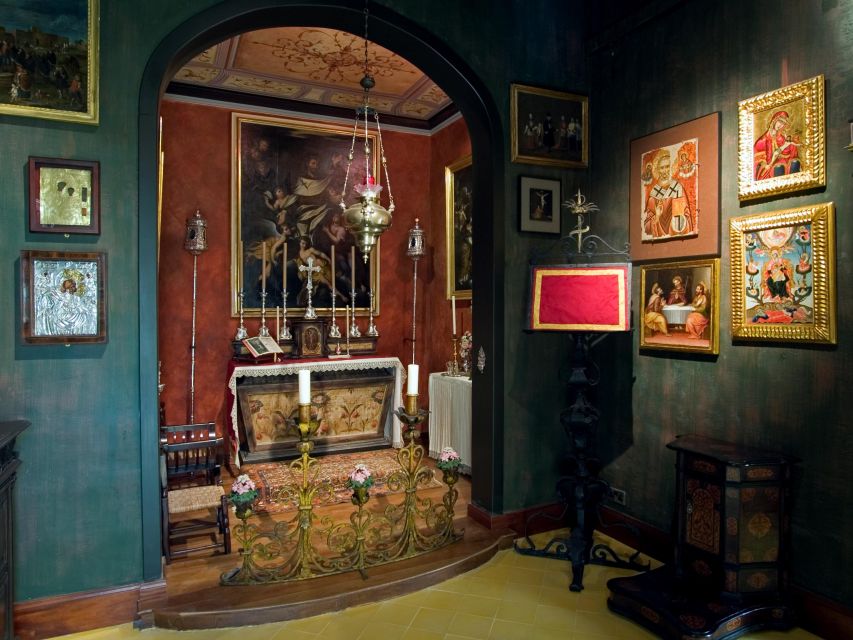
- A medieval house in Mdina: Palazzo Falson is described as the second-oldest building still standing inside Malta’s former capital.
- More than 3,500 objects: Paintings, silver, furniture, jewellery, Oriental rugs, armoury, books, and manuscripts fill the house.
- Seventeen rooms, 45 collections: The visit feels like a house museum, not a single-gallery exhibition.
- Important old paintings: Works attributed to Mattia Preti, Jusepe de Ribera, Jakob-Ferdinand Voet, Charles Beale, and Juriaen van Streeck are part of the display.
- A library of about 4,500 books: The books and manuscripts add a scholarly side to the collection.
- Rooftop views included: The upper-floor cafeteria offers a good place to stop after seeing the rooms.
Why Palazzo Falson feels different from a standard museum
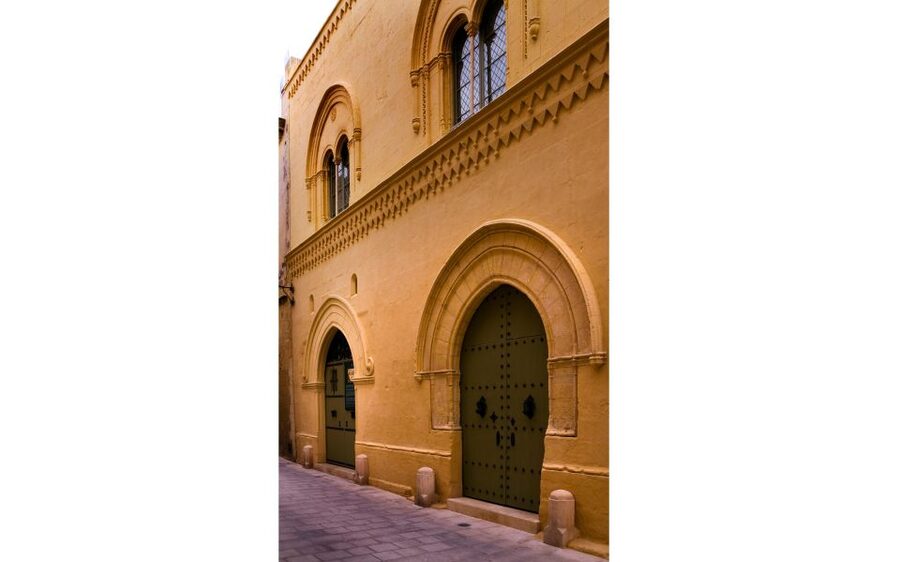
Many historic buildings in Mdina ask you to admire walls, arches, and age. Palazzo Falson asks you to picture daily life inside them. Its rooms hold the belongings of people who collected, studied, displayed, and used objects over many years.
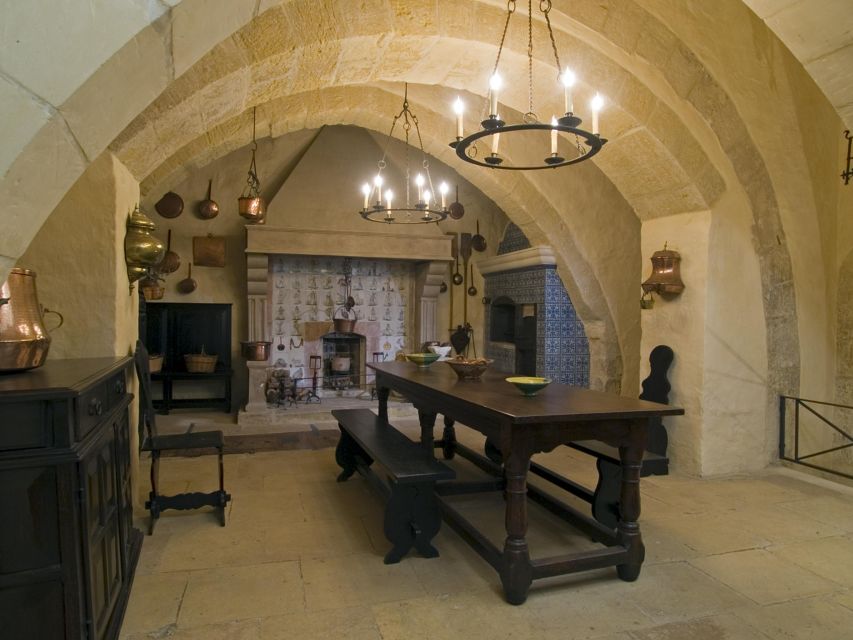
The result is more intimate than a large national museum. You move through a home arranged around an internal courtyard, with rooms that connect to the building’s domestic past. The collection is large, yet the house gives it a human scale.
I like this combination. You get architecture first, then the chance to inspect the objects that make the building feel occupied rather than frozen. A piece of furniture, a silver item, or an old book has more meaning when you see it in a home with original living quarters.
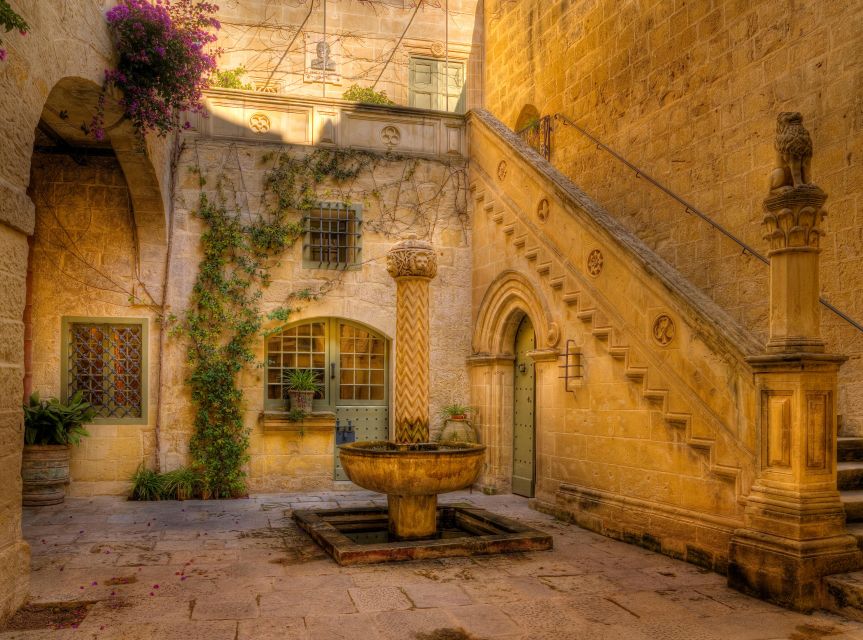
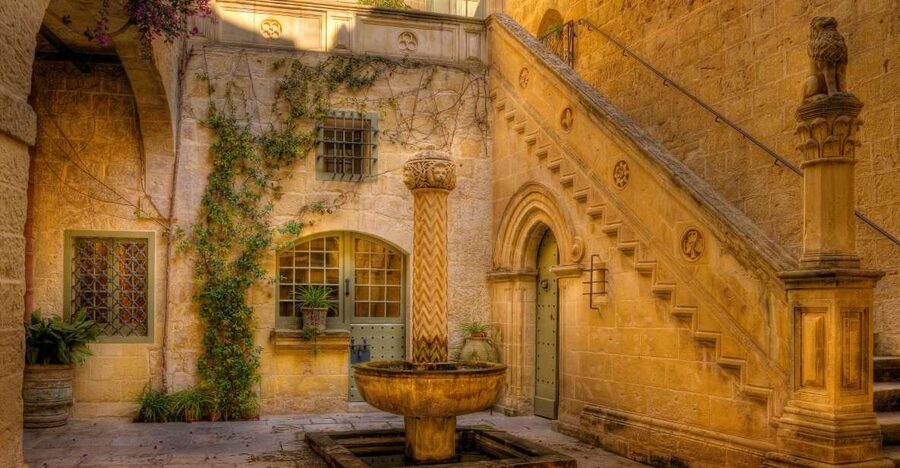
The building’s long story also gives the visit a useful sense of time. Its origins go back to the early 13th century, when it was built as a residence for Maltese nobility. It follows Sicilian examples of the period and has two main floors, with rooms arranged around a courtyard.
The rooms at the back of the courtyard form the oldest part of the property. That detail is easy to miss if you rush, so take a moment to notice how the house changes as you move through it. The oldest areas help you understand that Palazzo Falson developed over time rather than appearing as one perfectly planned palace.
A few more museum visits around the world worth comparing
- New York City: American Museum of Natural History Ticket
★ 4.5 · 15,447 reviews - Venice: St. Mark Basilica Ticket, Audioguide+History Gallery
★ 3.9 · 4,780 reviews - Berlin: Natural History Museum Entrance Ticket
★ 4.6 · 3,382 reviews
From medieval residence to Palazzo Falson
The property was once known by several names, including Palazzo Cumbo-Navarra, Casa dei Castelletti, and the Norman House. Its present name comes from the Falson family, who became connected with the property in the early 16th century.
Michele Falson, a vice admiral and head of the town council, inherited the property at that time. The house also played a role in a major moment for Mdina. After Malta was given to the Knights of the Order of St. John by Emperor Charles V, the first Grand Master in Malta, Philippe Villiers de L’Isle Adam, was hosted here after taking possession of Mdina on 13 November 1530.
You do not need to memorize every name to enjoy the visit. Still, this background explains why the palace matters. It was not simply an old address. It was connected with Malta’s nobility, local government, and the change from one important period of Maltese rule to another.
This is one reason I would choose Palazzo Falson over a quick look at an attractive street façade. The building gives you a physical sense of Mdina’s former importance, while the collections show how later residents filled that old setting with their own interests.
Olof Gollcher’s house of collected objects
The most recent owner and resident was Captain Olof Frederick Gollcher, who lived from 1889 to 1962. He was Swedish by descent and had several careers and interests: researcher, artist, philanthropist, and collector.
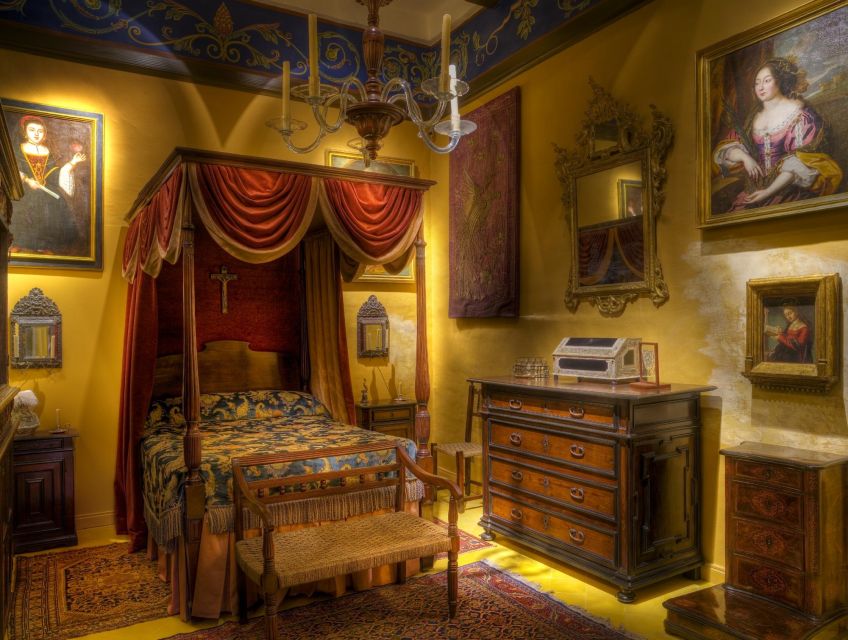
His collection is the heart of the house museum. More than 3,500 objects are arranged across 45 specific collections. That number sounds abstract until you begin moving from room to room and realize that the visit is not built around one type of object.
You might see paintings in one area, then move toward silver, furniture, jewellery, armoury, or Oriental rugs. The variety is valuable because it gives you a sense of Gollcher’s curiosity. This is not a museum with one narrow subject. It is a portrait of a person who wanted to understand and keep many kinds of art and historical material.
That variety can also be the only drawback for visitors who prefer a tightly organized collection. There is a lot to take in, and a short visit may leave you remembering only a few highlights. Use the audio guide and printed information to give the objects some order.
The restored house reopened to the public in May 2007 after a major restoration project by Fondazzjoni Patrimonju Maltija, the Maltese Heritage Foundation. The restoration matters because you are seeing both a historic building and a preserved domestic setting, not simply a modern gallery fitted into an old shell.
Seventeen rooms with more than 3,500 objects
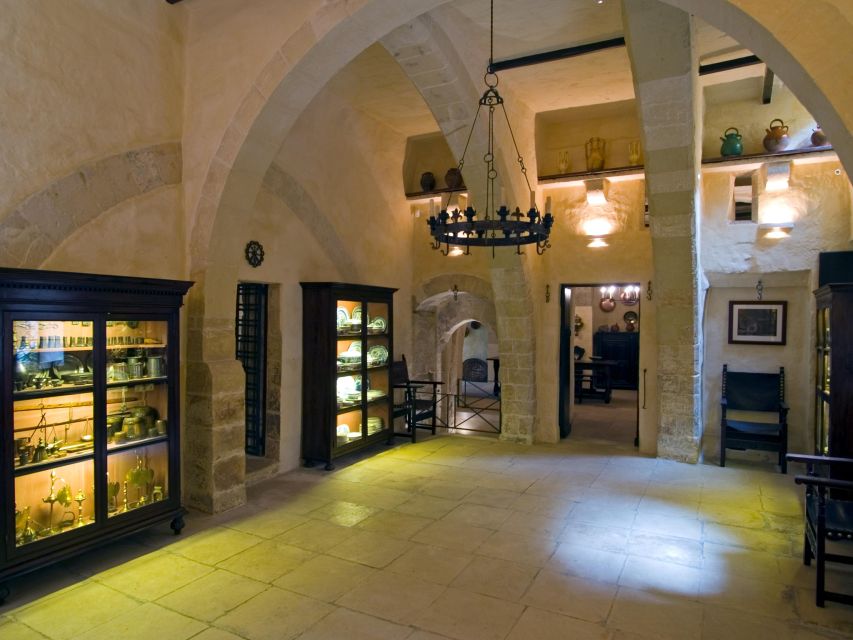
The best way to approach the visit is to slow down. Palazzo Falson is valid for one day, so you do not need to race through it. Start by getting a feel for the layout, then return your attention to individual rooms and displays.
The 17 rooms provide the basic shape of the visit. Each one contributes to the overall picture, but not every room will appeal equally to you. Art lovers may spend the most time with the paintings. Readers and students of history may linger over the library and manuscripts. Visitors drawn to decorative objects may prefer the silver, jewellery, furniture, and rugs.
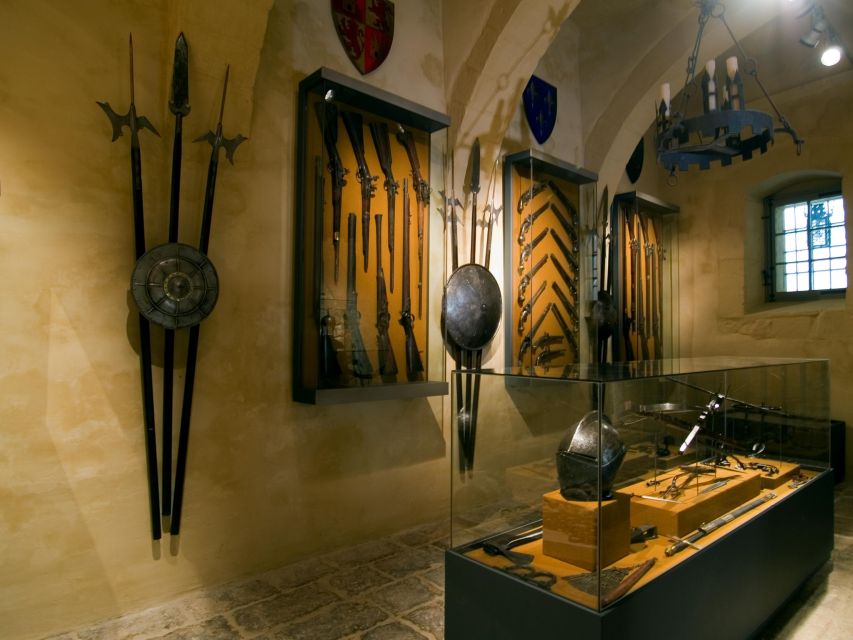
The armoury adds another note. It links the house to the military and aristocratic world of Malta, while the domestic pieces remind you that this was also a residence. The interest comes from seeing these different parts together.
The house contains a remarkable library of more than 4,500 books, along with valuable manuscripts. You should not expect to read through the collection, but its presence changes the mood of the visit. Books tell you that Gollcher’s collecting was not only about display. It also involved study, research, and the preservation of written material.
Printed information is available in Arabic, Chinese, Czech, Dutch, English, French, German, Greek, Hungarian, Italian, Japanese, Maltese, Polish, Portuguese, Russian, Slovak, Spanish, and Swedish. That is useful if you want to read at your own pace instead of relying only on the audio commentary.
Same city, a completely different collection:
- Vatican: Museums & Sistine Chapel Entrance Ticket
★ 4.5 · 144,003 reviews - Vatican Museums, Sistine Chapel & St. Peter’s Basilica Tour
★ 4.3 · 73,970 reviews - Paris: Louvre Museum Timed-Entrance Ticket
★ 4.6 · 71,977 reviews - Amsterdam: Van Gogh Museum Ticket
★ 4.7 · 52,054 reviews
The paintings worth slowing down for
The paintings collection includes several important 17th-century works. Some are attributed to Mattia Preti, Jusepe de Ribera, Jakob-Ferdinand Voet, Charles Beale, and Juriaen van Streeck.
The word attributed matters. It means the works are connected with these artists, but the museum is not claiming that every painting was definitely painted by the named person. If you enjoy art history, this is a reason to pay close attention to the information provided rather than treating every label as a firm signature.
You do not need to be an expert to enjoy this section. The paintings give the rooms a stronger artistic focus, and the audio guide can help explain why certain pieces matter. I would plan extra time here if 17th-century European art interests you.
At the same time, do not make the paintings your only goal. The appeal of Palazzo Falson is the mix. A painting may catch your eye, then a nearby piece of furniture or silverwork may tell you more about the house as a lived-in place.
The audio guide and printed information
Your ticket includes an audio guide in English, French, German, Italian, Maltese, or Spanish. An English-speaking host or greeter is also part of the visit, while the printed information covers 19 languages.
This arrangement suits different visiting styles. I like using an audio guide for a house museum because it can point out details that are easy to overlook, such as the building’s oldest areas, the history of the owners, or the significance of a particular painting.
You can also choose to read instead. That is useful if you want to move at your own speed or if a long audio commentary becomes tiring. The language range for the printed material is especially broad, so you should check the available option that works best for your group.
There is no named personal guide listed for this experience. The visit is built around the museum setting, the audio guide, and the information provided on site. That makes it a good fit for independent sightseeing, but less suitable if you want a lively guide leading a group from room to room.
The upper terrace and views across Mdina
Leave time for the cafeteria on the terrace upstairs. From there, you can enjoy magnificent views of Mdina and beyond.
This is not an unrelated add-on. It gives you a change of pace after the enclosed rooms and helps you understand the city’s position above the surrounding area. A coffee on the rooftop is a sensible way to finish rather than walking straight back into Mdina’s lanes.
A recent booking included touring the house and then having coffee on the rooftop. That pairing makes sense: see the collection first, then use the terrace for a quiet break and a broader view.
The café also helps balance the visit. Palazzo Falson can be visually dense, with many small objects competing for attention. Sitting down afterward gives you time to sort through what you saw.
Is $15 good value?
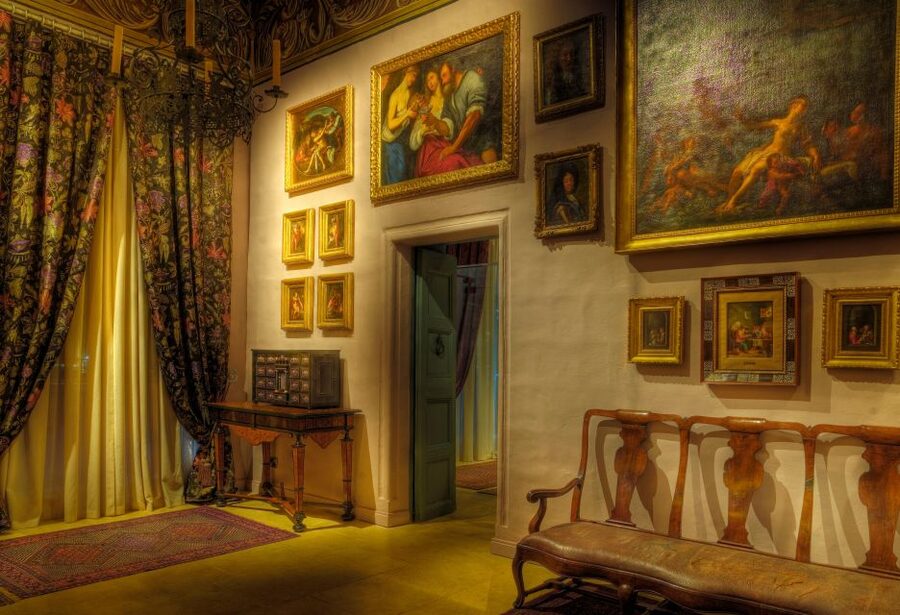
At $15 per person, this is a reasonable ticket for a one-day visit if you care about historic interiors, collecting, art, or books. You are not paying only to enter an old building. The price includes access to 17 rooms, 45 collections, more than 3,500 objects, the library and manuscripts, an audio guide, and the terrace views.
The value depends on how you travel. If you want a quick, highly interactive attraction, you may feel that the house requires too much patience. If you enjoy examining objects and reading about their owners, $15 buys a substantial cultural stop in Mdina.
The ticket is also useful as part of a larger Mdina day. You can fit the house museum into a visit focused on the old city, then take a break at the terrace. Since the ticket is valid for one day, you have some flexibility in planning your visit, though starting times depend on availability.
You can reserve now and pay later, and cancellation is allowed up to 24 hours in advance for a full refund. Those terms are helpful if you are planning around changing Malta schedules, but the main value still comes from your interest in the house itself.
Who will enjoy Palazzo Falson most?
I would recommend this experience to you if you enjoy:
- Historic houses with original domestic character
- Art collections that mix famous names with decorative objects
- Old books, manuscripts, and libraries
- Malta’s medieval and early modern story
- Quiet sightseeing rather than a large group attraction
- Rooftop views and a café stop after a museum visit
It is less likely to suit very young children, especially since children under six are not suitable for the experience. Older children may enjoy the armoury or the unusual objects, but the visit is mainly built around close looking and listening.
Art and history enthusiasts should allow enough time to avoid turning the museum into a checklist. You will get more from it if you let the house set the pace.
Should you book Palazzo Falson?
Book it if you want to see how a medieval Mdina residence became a personal museum filled with art, books, furniture, silver, rugs, jewellery, and armour. The strongest reasons are the unusual range of the collection, the 17-room house setting, and the rooftop café with views beyond Mdina.
Skip it if your Malta plans allow time only for fast outdoor sightseeing and you have little interest in indoor collections. For most visitors who enjoy historic houses, the $15 price is fair, and the combination of building, objects, audio guide, and terrace makes this one of Mdina’s more rewarding cultural stops.
FAQ
How much does the Palazzo Falson entrance ticket cost?
The ticket costs $15 per person.
How long is the ticket valid?
The ticket is valid for one day. Starting times depend on availability.
What does the ticket include?
It includes entrance to Palazzo Falson Historic House Museum and an audio guide in English, French, German, Italian, Maltese, or Spanish.
Is printed information available in other languages?
Yes. Printed information is available in Arabic, Chinese, Czech, Dutch, English, French, German, Greek, Hungarian, Italian, Japanese, Maltese, Polish, Portuguese, Russian, Slovak, Spanish, and Swedish.
Are children under six allowed?
No. The experience is not suitable for children under six.
Can I cancel the booking?
Yes. You can cancel up to 24 hours in advance for a full refund. You can also reserve now and pay later.
Just added around the world
- Girona, Figueres, Dalí Museum and Cadaqués Tour from Barcelona★ 4.5 · 36 reviews
- Football Club Barcelona Museum Immersive Tour Guided Visit★ 3.5 · 52 reviews
- Erotic Museum Admission Ticket with Audioguide★ 5.0 · 527 reviews
- Dali Museum and Costa Brava Small Group Day Trip from Barcelona★ 5.0 · 77 reviews
- Madrid by High-Speed Train with Prado Museum Private Tour★ 4.0 · 33 reviews
- Guitar Legends Hall: Entrance to the Immersive Rock Museum★ 5.0 · 25 reviews
- White Rabbit Museum: The Best Immersive Experience in Catalonia★ 5.0 · 538 reviews
- Private Dali Museum, Besalú & Girona Tour from Barcelona★ 5.0 · 15 reviews
Museum Tours in Malta, compared.

Malta Classic Car Collection Museum Entry Ticket
Read our review →
Casa Rocca Piccola Palace and Museum Entrance Ticket
Read our review →
Skip the Line: Malta Classic Car Museum Admission Ticket
Read our review →
Mdina: St. Paul’s Cathedral and Mdina Museum Entrance Ticket
Read our review →
Browse the lists this tour appears in