
Review · MALTA
Mdina: The Knights of Malta Museum Entry Ticket
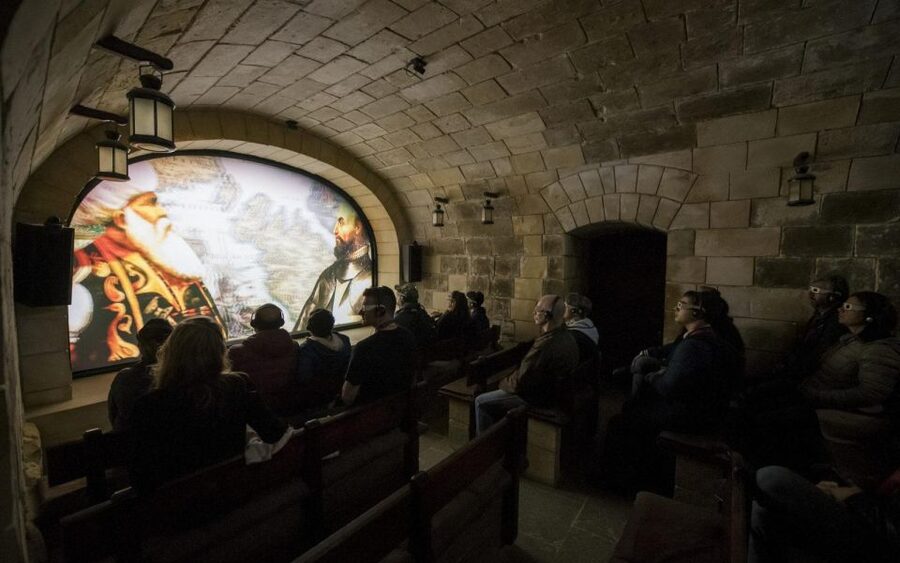
The Knights of Malta Museum brings Mdina’s past to life with a 3D presentation and 34 full-size tableaux showing the order’s triumphs, battles, disasters, and daily routines. You begin with the arrival of Grand Master L’Isle Adam in 1530, then follow the Knights through roughly 200 years of rule over Malta.
I like the short, clearly timed visit, which fits neatly into a day of exploring Mdina. I also like the 13-language audio commentary, since you can follow the story in English, Maltese, German, French, Italian, Spanish, Dutch, Russian, Greek, Swedish, Danish, Norwegian, or Japanese.
The main drawback is that the presentation may feel simplified if you already know a lot about the Knights. One French visitor found it repetitive and not especially useful for learning more, so I would treat this as an accessible introduction rather than a serious history lesson.
Key points about the Knights of Malta Museum
- A 40-minute visit: You watch a 3D digital show, then walk through the museum’s staged historical scenes.
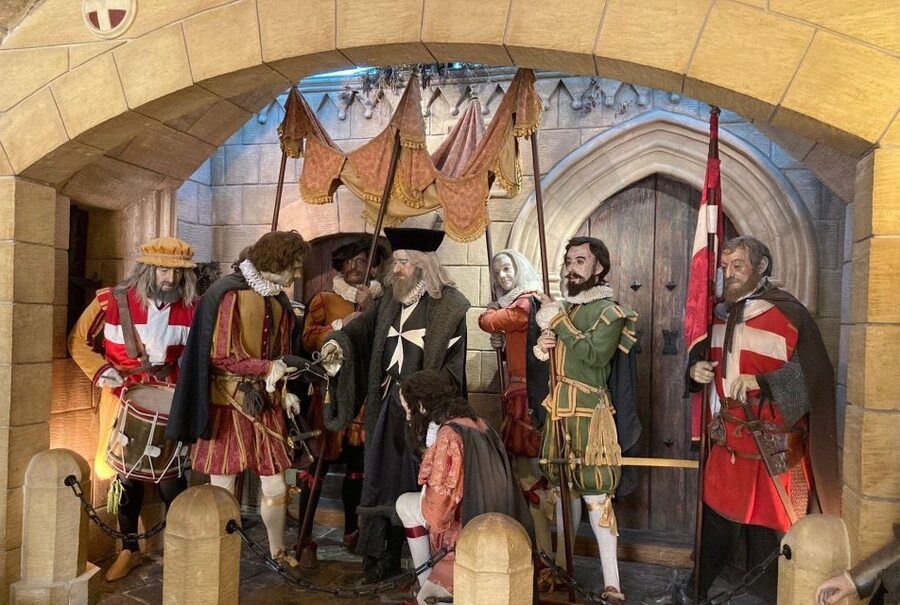
- Thirty-four full-size tableaux: Knights, Grand Masters, hospital workers, townspeople, and battle scenes fill the reconstructed interiors.
- A wide historical sweep: The presentation touches on 7000 years of Maltese history, with special attention to the Knights’ 200-year rule.
- Thirteen audio languages: Commentary is available in English, Maltese, German, French, Dutch, Spanish, Italian, Russian, Greek, Swedish, Danish, Norwegian, and Japanese.
- A family-friendly format: The visual scenes and dramatic lighting can appeal to children, though the museum is not stroller accessible.
- Low admission price: At $8 per person, it is an inexpensive add-on to a day in Mdina, especially if you enjoy theatrical history displays.
Entering Casa Magazzini in Mdina
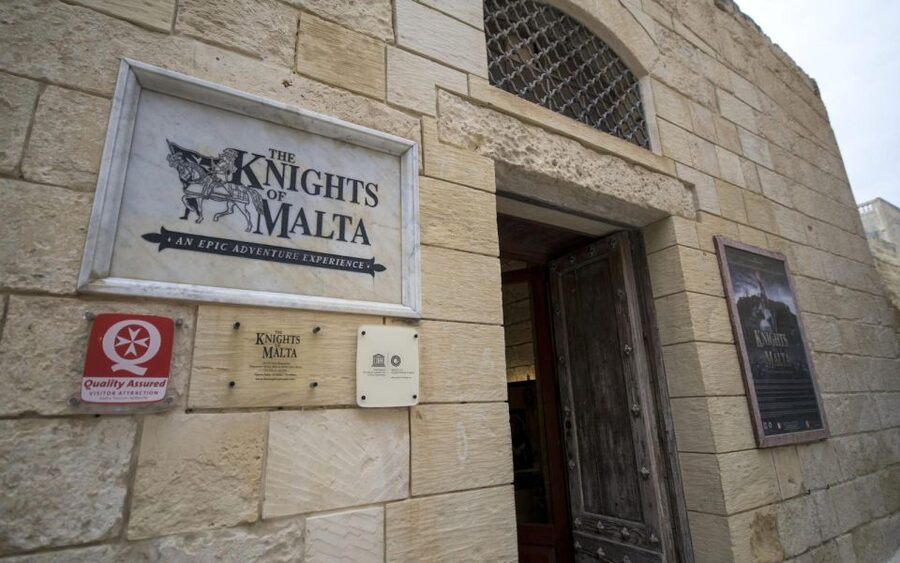
The museum is housed at Casa Magazzini in Mdina, Malta’s fortified old city. Your visit begins at the theatre reception area, where you check in before entering the presentation.
This matters because the attraction is not a free-flowing museum where you wander in any order. It has a clear sequence: first the digital audio-visual introduction, then the walkthrough of the historical scenes. The full visit lasts about 40 minutes, so you can fit it between Mdina’s cathedral, lanes, viewpoints, and cafés without giving up half your day.
The ticket is an open ticket. You can use it on any day during the museum’s opening hours, but it is valid for one entry only. Once you leave, you cannot return on the same ticket.
The museum opens every day from Monday through Sunday throughout the year, except Christmas Day. Opening hours can change, so I would confirm them during your stay, especially if you are planning the museum around a bus connection or a timed visit elsewhere in Mdina.
A few more museum visits around the world worth comparing
- Vatican: Museums & Sistine Chapel Entrance Ticket
★ 4.5 · 144,003 reviews - Paris: Louvre Museum Timed-Entrance Ticket
★ 4.6 · 71,977 reviews - Amsterdam: Van Gogh Museum Ticket
★ 4.7 · 52,054 reviews
The 3D introduction and the arrival of L’Isle Adam
The first part of the visit is an introductory 3D digital audio-visual presentation. It sets the scene with the arrival of Grand Master L’Isle Adam through Mdina’s fortified gates in 1530.
That date gives the museum a useful starting point. The Knights of St. John had arrived in Malta after leaving Rhodes, and the order would shape the islands’ military, religious, medical, and architectural life for the next two centuries. The presentation uses light, sound, and narration rather than a live guide, so you can follow the story at your own pace within the show.
The format is designed for broad appeal. You do not need to arrive with a background in the Crusades or Maltese history. The production supplies the basic setting, introduces the order’s leaders, and presents the conflict between the Knights and their Ottoman enemy.
The audio track is important here. The show has no live guide, and the host or greeter speaks English, but the recorded commentary is available in 13 languages. If you want English, select it when you check in or follow the instructions provided at the venue.
Thirty-four scenes from war, illness, and daily life
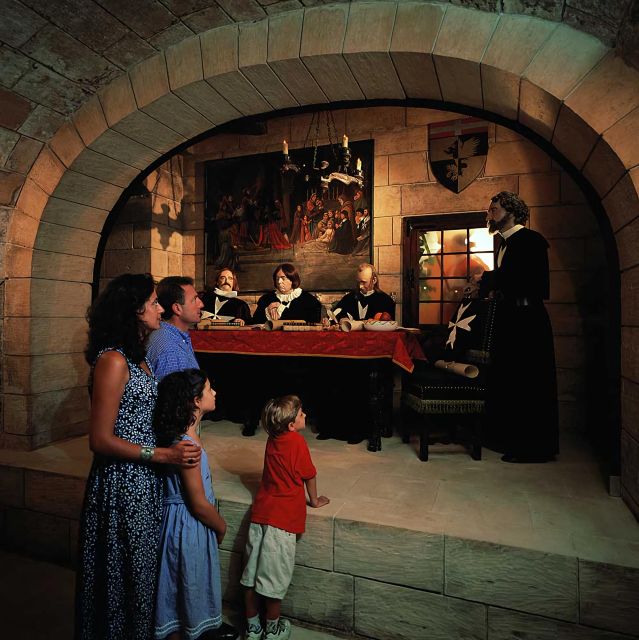
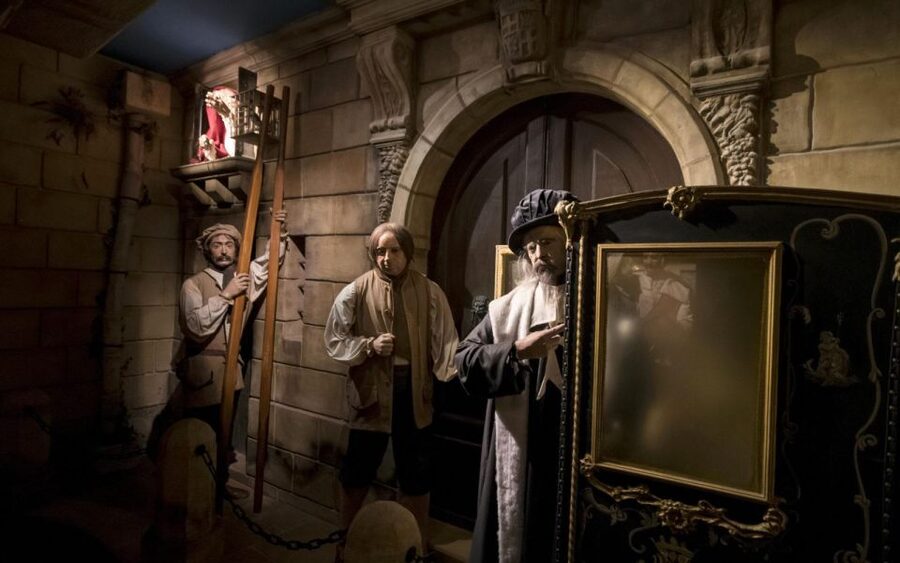
After the introduction, you walk through 34 staged scenes. Full-size figures represent Knights, Grand Masters, medical workers, ordinary residents, and other people connected with life under the order.
The scenes are built as still-life displays rather than live performances. That means you should expect figures posed in place, reconstructed interiors, theatrical lighting, and recorded narration. This is closer to a historical pageant than a conventional museum filled with artifacts and labels.
The strength of this approach is clarity. You can see the roles people played instead of reading a long wall panel about them. The scenes show the Knights meeting in conference, appearing in battle, helping the sick, and dealing with major disasters.
The limitation is just as clear. The figures do not offer the subtle detail of original objects, paintings, or documents. If you want close study of weapons, uniforms, architecture, or primary sources, this short attraction will not replace Malta’s larger museums.
Still, the staging gives the visit a sense of movement. You see the order not only as soldiers, but also as administrators, builders, hospital workers, and patrons of the arts. That broader view is one of the better reasons to include it in a Mdina visit.
Siege, piracy, and the Ottoman enemy
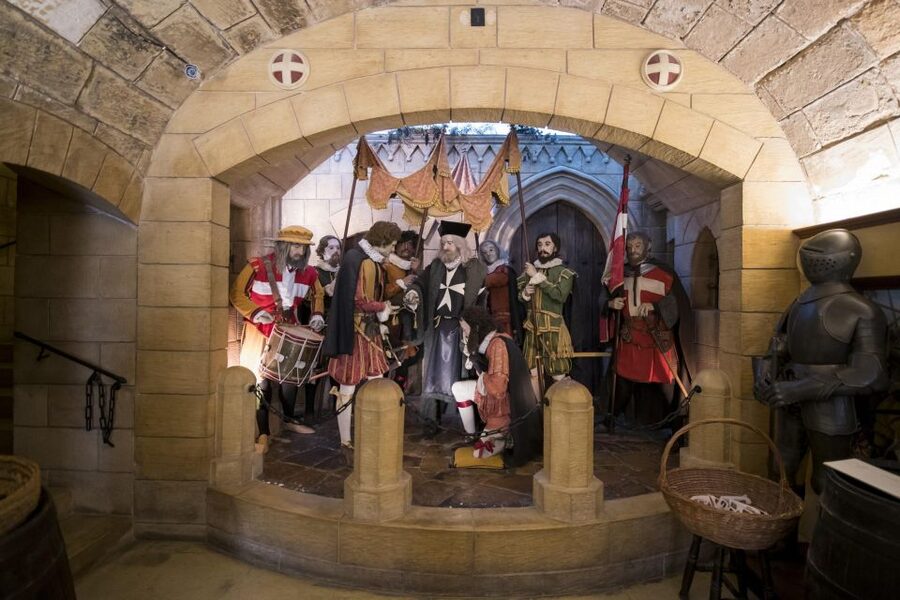
War is a major part of the presentation. The Knights’ story is often reduced to fortifications and famous battles, but the museum also brings in piracy, sieges, and the constant threat from the Ottoman Empire.
The dramatic lighting is used to show the danger and urgency of these scenes. You see the Knights in combat and face the harsher side of life during periods of attack. Adults may appreciate the military context, while children are likely to respond to the clear heroes, enemies, uniforms, and action.
The production does not appear to linger over every campaign or explain every political argument. For that reason, I would not use it as your only source if you are keen on military history. Instead, it gives you a quick framework that can make Mdina’s walls, gates, and defensive position easier to understand as you continue walking through the city.
Same city, a completely different collection:
- Vatican Museums, Sistine Chapel & St. Peter’s Basilica Tour
★ 4.3 · 73,970 reviews - Vatican Museums, Sistine Chapel & St Peter’s Basilica Guided Tour
★ 4.5 · 39,149 reviews - NYC: 9/11 Memorial & Museum Timed-Entry Ticket
★ 4.8 · 31,428 reviews - London: Tower of London and Crown Jewels Exhibition Ticket
★ 4.6 · 28,769 reviews
The 1693 earthquake and the human side of the order
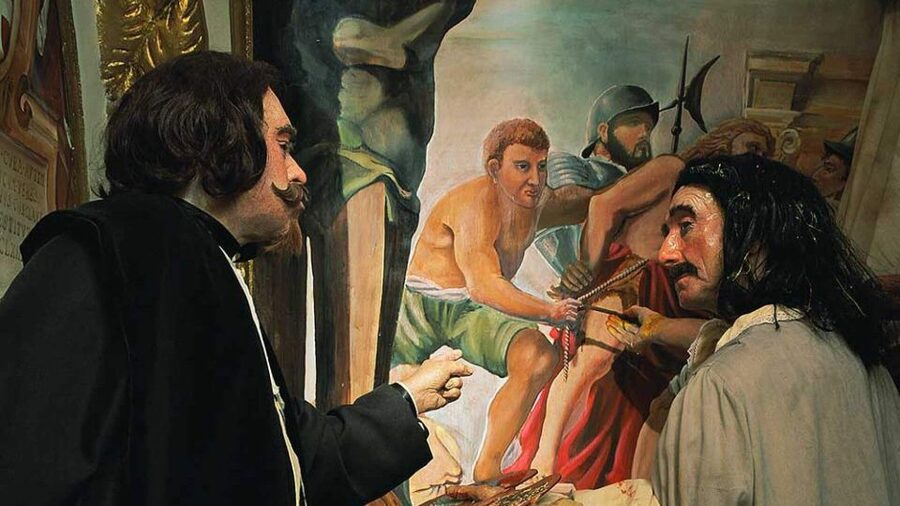
One of the more distinctive scenes deals with the 1693 earthquake in Mdina. Natural disasters can disappear from a standard account of military history, so this moment helps show how life on Malta was shaped by more than battles.
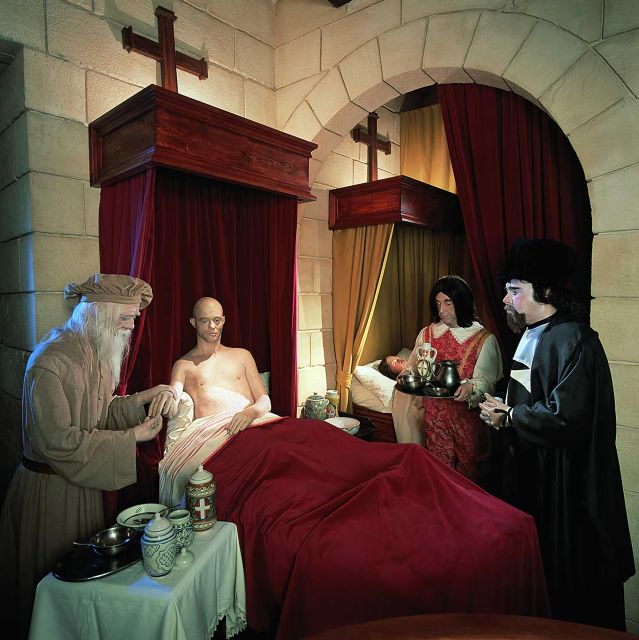
The tableaux also present the Knights’ work in the order’s hospital. Here, the focus shifts from conquest and defense to care for the sick. That is an important part of the story, since the Knights’ legacy included medical service as well as military power.
I like this wider balance. The museum shows the order in conference, in war, in disaster response, and in service to patients. You get a more complete picture of the institution, even if the treatment remains brief.
The displays also include ordinary people alongside the Knights and Grand Masters. That helps prevent the visit from becoming only a parade of powerful men. You see the order in relation to the wider population it governed and served.
From fortified Mdina to Valletta’s grand ambitions
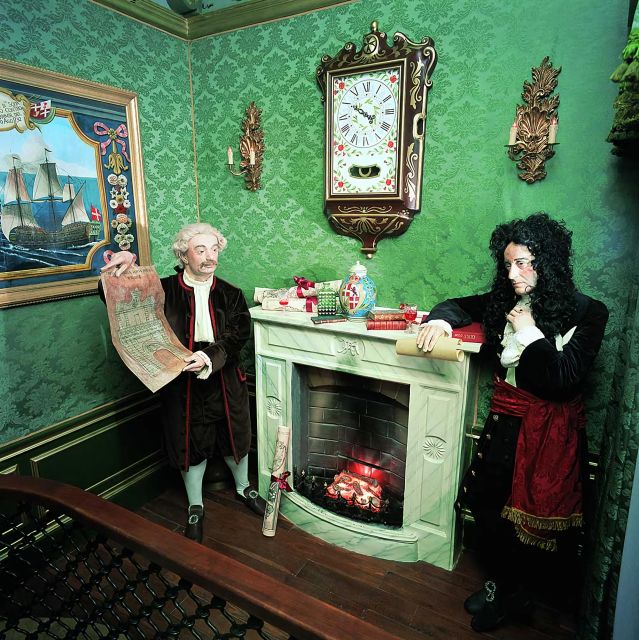
The Knights’ building program receives attention as well. Their leaders worked with architects and artists to create Valletta, described in the presentation as a city for gentlemen, along with grand monuments across Malta.
This part connects the museum to places you may visit later in your trip. The streets, churches, palaces, and public buildings of Valletta are easier to appreciate when you understand that the Knights wanted architecture to express order, power, faith, and status.
The museum does not give you a walking tour of Valletta, and it does not replace seeing those buildings in person. What it does is provide a short visual explanation of why the order invested so heavily in art and construction.
If you are spending several days in Malta, this connection makes the $8 admission easier to justify. You can use the museum as an introduction, then look for the Knights’ influence in Mdina, Valletta, and other historic sites.
Is the $8 ticket good value?
At $8 per person, I consider this a reasonably priced short attraction. You receive entry, the 3D introductory show, and the audio commentary, with no added guide fee or required food purchase.
The value depends on what you want from a museum. If you enjoy theatrical displays, full-size figures, sound effects, and a quick historical story, the price is modest. The roughly 40-minute length also makes it easy to add to a day without committing to a long indoor visit.
If you are looking for original artifacts, detailed scholarship, or a large collection, you may find the experience limited. The staged scenes are the main event, and the commentary moves across a huge period in a short time. One visitor described it as a cute little exhibit with a short 3D film followed by a tour around the displays. That is a fair description of its scale and purpose.
I would especially consider it good value for families, first-time visitors to Malta, and anyone who wants a basic explanation before seeing the island’s major Knights-era buildings. For a history specialist, the price is still low enough to make the visit a harmless extra, but expectations should stay modest.
Who should visit, and who should skip it?
You should consider booking this museum if you want:
- A short indoor activity in Mdina
- A simple introduction to the Knights of Malta
- A visual presentation suitable for adults and children
- Audio commentary in a language other than English
- A low-cost stop that leaves plenty of time for other sights
You may want to skip it if you prefer original objects, detailed museum labels, or a live expert guide. The attraction does not include a personal guide, and the story is delivered through recorded narration, staged figures, lighting, and sound.
The venue is not wheelchair accessible. It is also not stroller accessible, though a secure storage place is available for strollers. If you are visiting with a very young child, an infant harness is a practical choice. Infants are allowed, but pets are not.
The experience is not suitable for people with hearing impairments because its main historical content comes through the audio-visual presentation and narrated commentary.
How to fit it into a Mdina day
Because the museum takes about 40 minutes, I would place it between longer outdoor stops rather than build an entire day around it. Use the open ticket to choose a convenient time during the museum’s hours, then continue exploring Mdina afterward.
The visit works well early in your time in the old city because it gives you context for the fortified setting and the Knights’ place in Maltese history. It can also work later, when you want a seated, climate-controlled break from walking.
There is no hotel pickup or drop-off, and food and drinks are not included. You make your own way to Casa Magazzini, check in at reception, and follow the set presentation and walkthrough.
Since the ticket allows one entry only, gather anything you need before checking in. The open-date feature gives you flexibility, but it does not mean you can leave and return later.
Should you book the Knights of Malta Museum?
Book it if you want a short, inexpensive, visual introduction to Malta’s Knights. The 3D show, 34 tableaux, and 13-language narration make the story easy to follow, and the scenes cover more than battles alone.
Skip it if you already know the order’s history well or want a museum based on original objects and detailed research. At $8, the risk is small, but the attraction works best when you see it as a theatrical primer, not a definitive account.
For most first-time visitors spending a day in Mdina, I would add it when the timing suits you. It gives you a useful overview, takes less than an hour, and leaves you free to spend the rest of your day among Malta’s actual walls, churches, streets, and monuments.
FAQ
How long does the Knights of Malta Museum visit take?
The complete experience lasts approximately 40 minutes. This includes the introductory 3D digital audio-visual presentation and the walkthrough of the museum’s historical scenes.
What languages are available for the audio commentary?
The audio guide is available in English, German, French, Dutch, Spanish, Italian, Russian, Greek, Swedish, Danish, Norwegian, Japanese, and Maltese.
Is the ticket valid on any day?
Yes. This is an open ticket that can be used on any day during the museum’s opening hours. It allows one-time entry only, with no re-entry.
Is the museum open every day?
The museum is open from Monday through Sunday all year, except Christmas Day on December 25. Opening hours may change, so confirm them during your stay in Malta.
Is the venue wheelchair and stroller accessible?
No. The venue is not wheelchair accessible and is not stroller accessible. A secure storage place is available for strollers, and an infant harness is advised for visitors with very young children.
Is a guide or hotel transfer included?
No live guide, hotel pickup, hotel drop-off, food, or drinks are included. The ticket includes admission and the audio-visual introduction with commentary in 13 languages.
Just added around the world
- Girona, Figueres, Dalí Museum and Cadaqués Tour from Barcelona★ 4.5 · 36 reviews
- Football Club Barcelona Museum Immersive Tour Guided Visit★ 3.5 · 52 reviews
- Erotic Museum Admission Ticket with Audioguide★ 5.0 · 527 reviews
- Dali Museum and Costa Brava Small Group Day Trip from Barcelona★ 5.0 · 77 reviews
- White Rabbit Museum: The Best Immersive Experience in Catalonia★ 5.0 · 538 reviews
- Madrid by High-Speed Train with Prado Museum Private Tour★ 4.0 · 33 reviews
- Guitar Legends Hall: Entrance to the Immersive Rock Museum★ 5.0 · 25 reviews
- Private Dali Museum, Besalú & Girona Tour from Barcelona★ 5.0 · 15 reviews
Museum Tours in Malta, compared.

Malta Classic Car Collection Museum Entry Ticket
Read our review →
Casa Rocca Piccola Palace and Museum Entrance Ticket
Read our review →
Skip the Line: Malta Classic Car Museum Admission Ticket
Read our review →
Mdina: St. Paul’s Cathedral and Mdina Museum Entrance Ticket
Read our review →
Palazzo Falson Historic House Museum entrance ticket
Read our review →Browse the lists this tour appears in