
Review · BASILICA AND CATHEDRAL
Mdina: St. Paul’s Cathedral and Mdina Museum Entrance Ticket
Mdina’s St. Paul’s Cathedral is a showy surprise: inside, colored marble, painted ceilings, carved wood, silverwork, and stained glass compete for your attention. The same ticket takes you next door to a museum with Albrecht Dürer prints, rare coins, Maltese art, and a clever Baroque dome.
I like that you get two very different stops for one $18 ticket, and I like the freedom to visit both in any order after checking in. The main catch is simple but easy to miss: you must present your ticket at the museum first, and this is an admission ticket, not a guided tour.
Key points to know before you go
- Start at the museum reception: Your ticket is checked there before you enter the cathedral.
- Two sites, one day: Visit St. Paul’s Cathedral and the adjacent Mdina Cathedral Museum at your own pace.
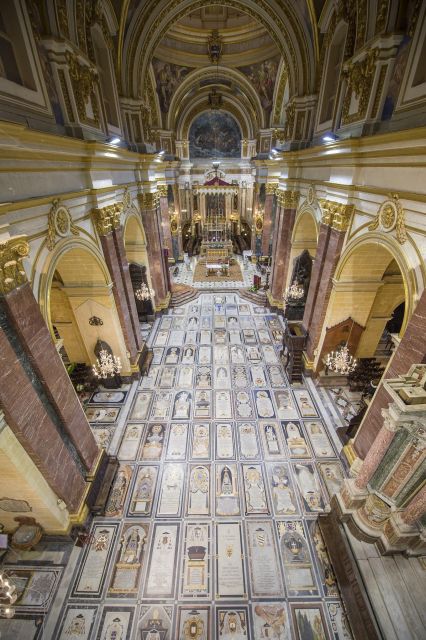
- Look down as well as up: The cathedral’s colorful inlaid marble floor is as important to see as its frescoed ceiling.
- Dürer is a major draw: The museum holds an important collection of prints and engravings by Albrecht Dürer.
- No live guide is included: The listed host language is English, but you should expect a self-guided visit.
- Useful access provisions: Shawls and wraps are supplied for cathedral entry, and noise-canceling headphones are available for people with autism and similar special needs.
Why this Mdina ticket is worth your time
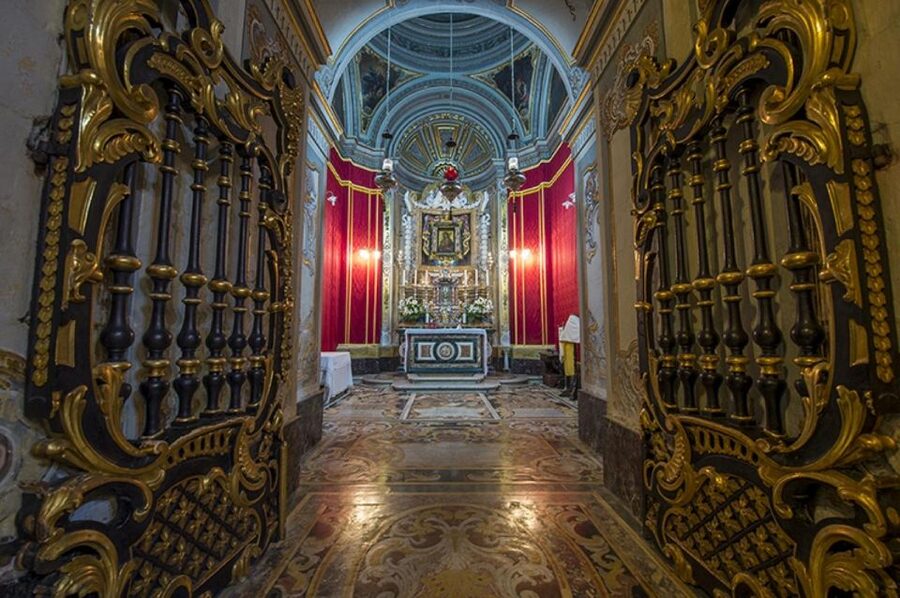
Mdina is best enjoyed slowly, and this ticket fits that mood. Instead of rushing through a short guided stop, you can look closely at the cathedral’s floor, ceiling, chapels, paintings, statues, and small decorative details. Then you can move into the museum when you are ready.
The price is $18 per person. That is fair if you plan to see both sites, especially since the ticket remains valid for one day and does not force you into a fixed starting time. You are paying for two substantial cultural stops in Mdina rather than a single quick church visit.
I would not book it if you want a guide explaining every painting or telling stories as you walk. The English-speaking host helps with admission, but no named guide or guided commentary is included. Bring your own curiosity, read the available displays, and give yourself enough time to look carefully.
One practical point deserves bold treatment: the museum is your first stop, even if the cathedral is the sight you are most eager to see. Go to the Mdina Cathedral Museum reception desk with your ticket. This avoids the small confusion that has caught some visitors off guard.
More basilicas and cathedrals in the world:
- Vatican Museums, Sistine Chapel & St. Peter’s Basilica Tour
★ 4.3 · 73,970 reviews - Vatican Museums, Sistine Chapel & St Peter’s Basilica Guided Tour
★ 4.5 · 39,149 reviews - Rome: Vatican Museums, Sistine Chapel and Basilica Tour
★ 4.3 · 16,039 reviews
Begin at the Mdina Cathedral Museum reception
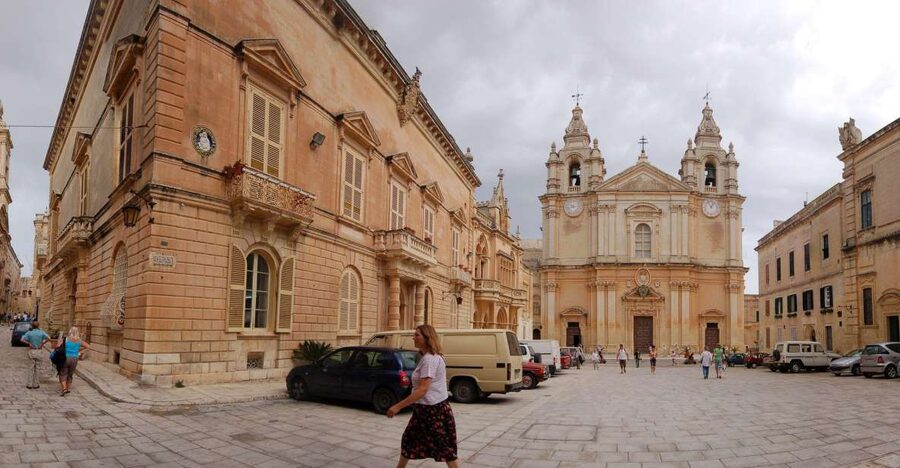
The meeting point is the reception desk at the Mdina Cathedral Museum. Present your ticket there before visiting St. Paul’s Cathedral. The two attractions are adjacent, so you do not need transport between them or a complicated plan for the day.
You can visit the museum and cathedral in either order after your ticket has been handled. In practical terms, the smoothest plan is to check in at the museum, look around there first, then enter the cathedral while the visual details are fresh in your mind.
The one-day validity gives you room to set your own pace. The activity does not list a fixed tour duration or a required starting time, so you should check availability when booking and then allow enough time for both interiors. A rushed visit would miss much of the appeal.
There is no mention of a group size because this is an entrance ticket rather than a group excursion. That is good news if you prefer to move independently. It also means you should not expect a guide to gather you, lead you from room to room, or explain the meaning of every object.
St. Paul’s Cathedral: look up, down, and around
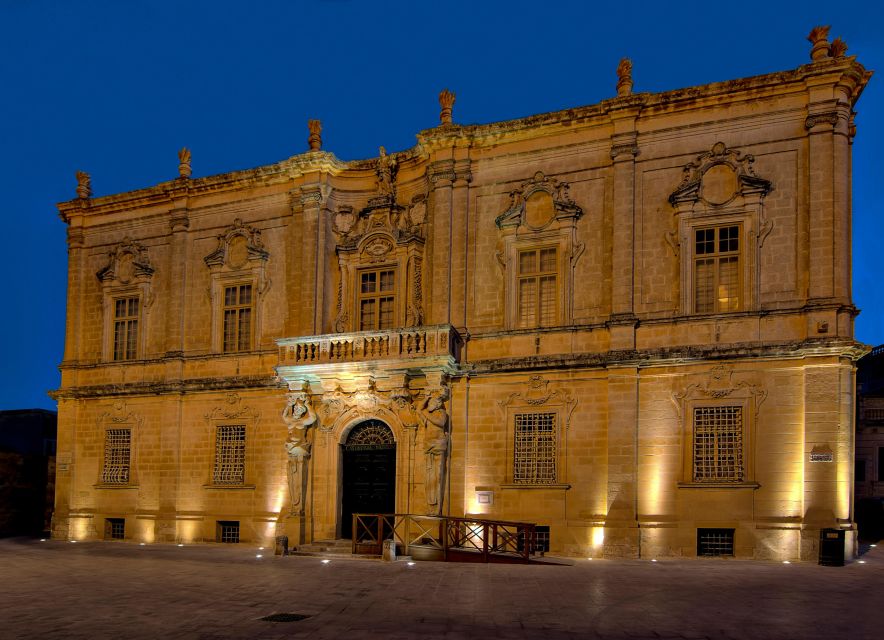
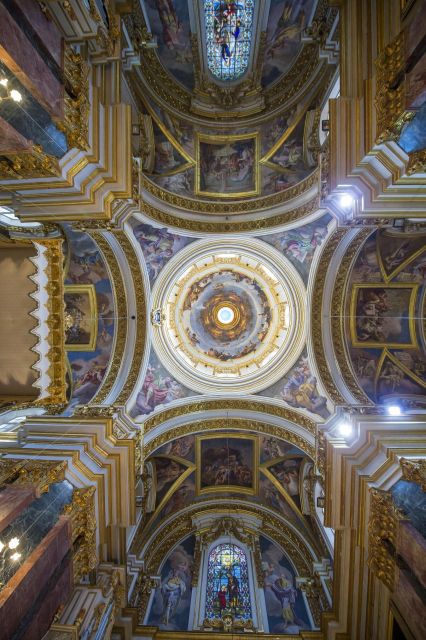
St. Paul’s Cathedral was built in 1702. Its interior gives you a lot to take in at once, but three areas deserve special attention: the floor, the ceiling, and the collection of decorative and religious works spread through the building.
Start with the inlaid marble floor. The colored stone patterns are not just background decoration. They shape the whole feel of the interior and reward a slow walk through the nave. Take care with where you step, and pause to study the colors and designs rather than treating the floor as something you pass over on your way to the altar.
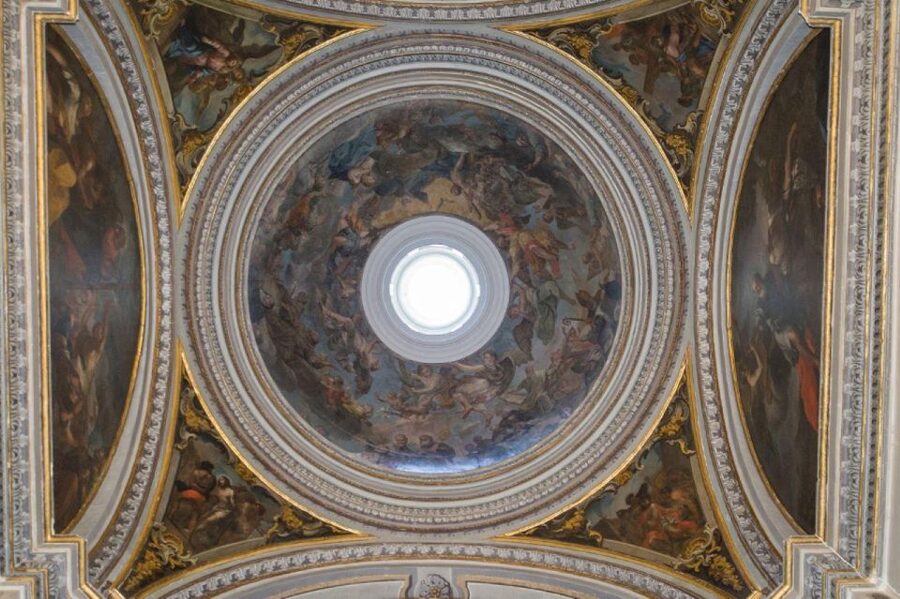
Then look up. The frescoed ceiling provides a strong counterpoint to the hard, polished marble below. This up-and-down contrast is one reason the cathedral feels more layered than a quick glance suggests. You are looking at painted surfaces, stonework, wood, metal, and glass working together.
The cathedral also contains altarpieces, paintings, marble work, intricate woodwork, silver artifacts, statues, and stained glass windows. These are not presented as a single narrow collection. You get a broad look at church art and craftsmanship, from large altar compositions to smaller objects that can be easy to overlook.
I would take a quiet circuit rather than heading straight to the most obvious central view. Notice how the woodwork frames parts of the interior, how the marble details continue through the building, and how the stained glass changes the quality of the light. The attraction is strongest for people who enjoy examining materials and workmanship, not only taking a quick photograph.
The church remains a place of worship, so modest behavior and suitable clothing matter. Shawls and wraps are provided for cathedral entry. That is a thoughtful practical touch, particularly if your clothing is not suitable for a religious interior or the day has been warm outside.
The museum’s Dürer prints are the specialist highlight
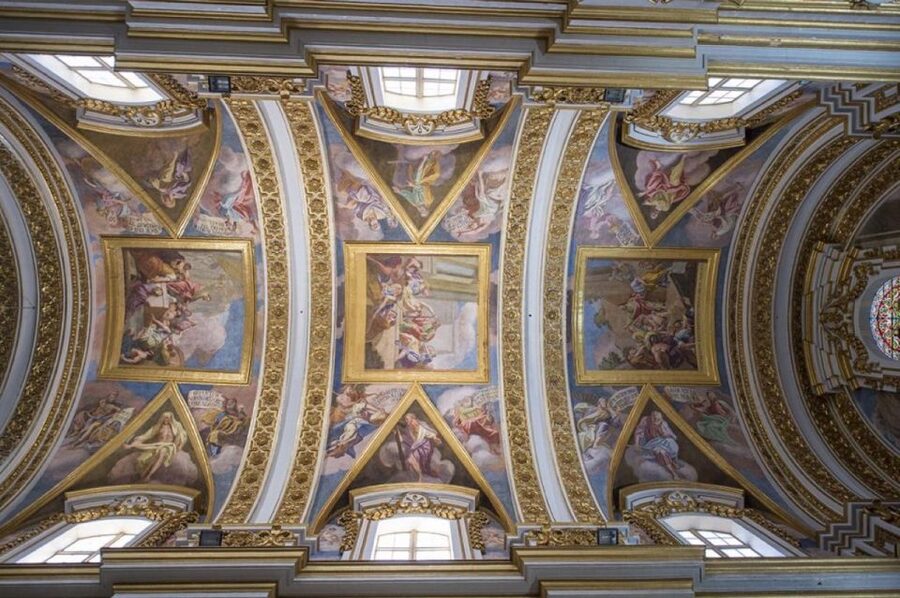
The Mdina Cathedral Museum changes the pace. The cathedral surrounds you with architecture and decoration, while the museum lets you focus on objects, works on paper, and smaller pieces that need closer attention.
The museum’s most distinctive collection is its prints and engravings by Albrecht Dürer, one of the major artists of the Northern Renaissance. For many visitors, this is the strongest reason to include the museum rather than stopping at the cathedral.
Dürer’s prints are especially interesting because they reward close looking. You can study line, detail, and the way an image is built from marks on paper. The collection gives the visit an art-history angle that goes beyond Malta’s churches and architecture.
The museum also displays fine silverware and rare coins. These objects help you notice the practical and ceremonial side of religious institutions. Silver is not simply decoration here, and coins are not just old money. Together, they give you smaller, more tangible objects to examine after the large-scale drama of the cathedral.
The museum’s Maltese objects d’art add a local element. The description does not provide individual names or dates for each piece, so I would not arrive expecting a fully explained specialist catalogue. Still, the mix of Maltese art, religious objects, and European works makes the museum a useful companion to the cathedral.
A few more museum visits around the world worth comparing
- Vatican: Museums & Sistine Chapel Entrance Ticket
★ 4.5 · 144,003 reviews - Paris: Louvre Museum Timed-Entrance Ticket
★ 4.6 · 71,977 reviews - Amsterdam: Van Gogh Museum Ticket
★ 4.7 · 52,054 reviews - NYC: 9/11 Memorial & Museum Timed-Entry Ticket
★ 4.8 · 31,428 reviews
Wax reliefs and the Trompe-l’oeil dome
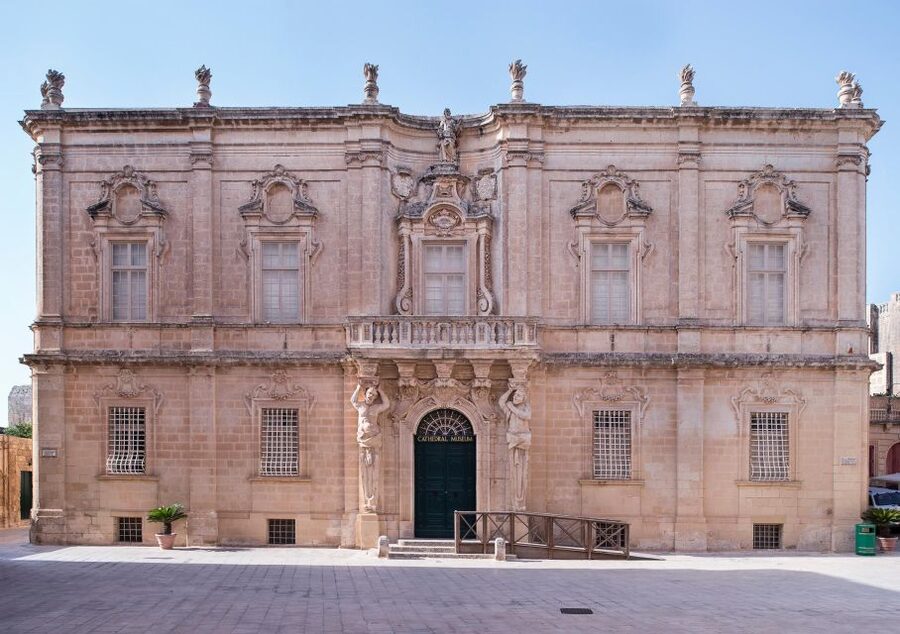
Two features give the museum extra visual interest: its wax reliefs and a Trompe-l’oeil Baroque dome.
Wax reliefs have a different character from paintings and engravings. Their raised surfaces create shadows and texture, so you should view them from more than one angle if the room allows. They are the kind of objects that can disappear in a fast visit, particularly when you are focused on the better-known Dürer collection.
The Trompe-l’oeil Baroque dome is another change of pace. Trompe-l’oeil means an optical illusion designed to make a painted surface look more three-dimensional than it really is. The museum’s dome gives you a chance to appreciate that visual trick in person rather than seeing it reduced to a photograph.
The museum also contains many paintings and other artifacts. Because the visit is self-guided, you control how much attention each room receives. If you like art, give yourself time to compare the large paintings with the more intimate works on paper, metal, wax, and coinage.
This is where the $18 price makes the most sense. The cathedral gives you a grand interior, while the museum provides a varied collection with a clear Dürer highlight. You are not paying for a single viewpoint and leaving after ten minutes.
What you should not expect
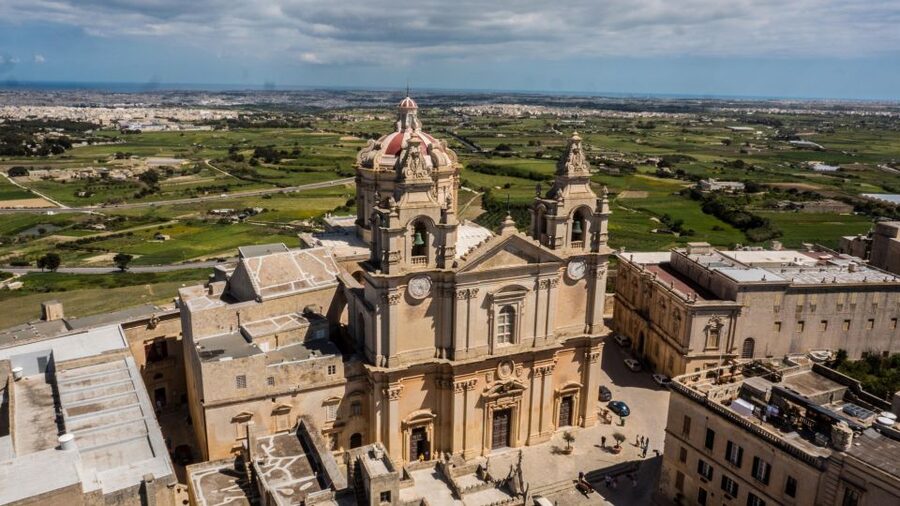
This is not a guided walking tour of Mdina. You will not be led through the city by a guide, and the activity information does not name a guide or promise live explanations inside the buildings. The listed host language is English, which is useful for the admission arrangements, but you should treat the experience as independent sightseeing.
That distinction matters. If you want local stories about St. Paul, Mdina’s streets, or the history behind every object, you may want to pair this ticket with a separate city tour or guidebook. If you prefer to pause, backtrack, and spend extra time on one painting, the lack of a fixed group schedule is a benefit.
The ticket also does not include transportation, food, or any other Mdina attraction. Its value rests on the cathedral and museum alone. That is not a weakness, but it helps you compare the price fairly with a larger sightseeing package.
One piece of the cathedral’s story connects it with St. Paul. The site is associated with governor Publius, who is said to have lived there when he was appointed Malta’s first bishop by St. Paul in 60 AD after Paul’s shipwreck on the island. This link gives the cathedral a useful place in Malta’s Christian story, even though the visit itself focuses more on the building and collections than on a guided retelling of that event.
Accessibility and practical comfort
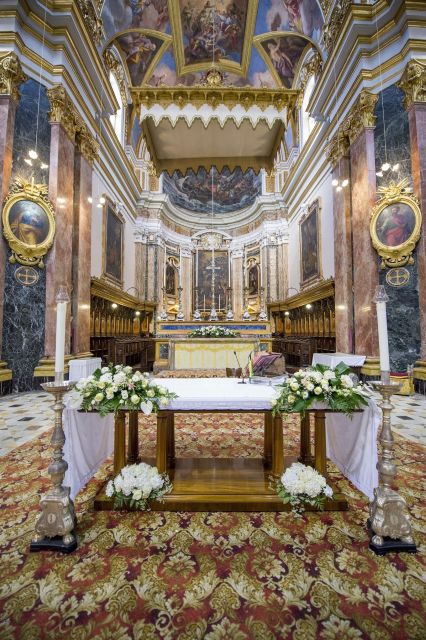
The experience is listed as wheelchair accessible. That makes the ticket more usable for people who need step-free access, though the supplied details do not specify the exact route, restroom arrangements, or whether every display is reachable from the same path. If you have a particular mobility need, confirm the current setup before booking.
Noise-canceling headphones and other facilities are available for people with autism and similar special needs. This is valuable in a church and museum setting, where sound, crowds, or visual density can affect comfort. The information does not specify which other facilities are provided, so ask at reception if you need a particular accommodation.
The cathedral supplies shawls and wraps for entry. You should still dress with a place of worship in mind, but you have a practical backup if needed.
The cancellation policy is friendly: you can cancel up to 24 hours in advance for a full refund. You can also reserve now and pay later, which helps if you are arranging several stops around changing plans. These terms do not change what you see, but they reduce the risk of booking too early.
Who will get the most from this visit
I would recommend this ticket to you if you enjoy church interiors, historic art, decorative craftsmanship, or museum collections that mix famous names with local objects. It works particularly well for an independent day in Mdina because you are not tied to a tour group.
Art lovers should allow extra time for the Dürer prints and engravings. Architecture fans will likely spend more time in the cathedral, studying the marble floor, ceiling, woodwork, and stained glass. Families may appreciate the freedom to move at their own pace, though the amount of close-looking and religious art will suit older children better than a very young audience.
This is also a good add-on for anyone already visiting Mdina. Since the museum and cathedral are adjacent, the ticket does not require a separate excursion or a long transfer. You can fit it into a wider day in the city, provided you do not squeeze it into a few spare minutes.
I would be more cautious if your main goal is entertainment, live storytelling, or a quick panoramic attraction. The experience asks you to look closely and supply some of your own context. It is rewarding when you are ready for that, but it is not designed as a fast, guided highlight reel.
My verdict on the $18 ticket
At $18 per person, this is a sensible buy if you will visit both locations and can spare enough time to appreciate them. The cathedral alone offers a strong visual stop, but the museum makes the ticket more distinctive through its Dürer prints, silverware, rare coins, wax reliefs, Maltese art, and Trompe-l’oeil dome.
The best plan is simple: go first to the museum reception, have your ticket checked, visit both sites without rushing, and remember that no guide is included. If you want quiet access to two important Mdina interiors and prefer setting your own pace, book it. If you need a detailed spoken explanation at every step, choose a guided experience instead or pair this ticket with one.
FAQ
How much does the Mdina cathedral and museum ticket cost?
The ticket costs $18 per person.
How long is the ticket valid?
The ticket is valid for one day.
Where do I present my ticket?
Present your ticket at the Mdina Cathedral Museum reception desk first. This is required even if you plan to visit St. Paul’s Cathedral before exploring the museum.
Can I visit the cathedral and museum in either order?
Yes. After presenting your ticket at the museum reception, you can visit St. Paul’s Cathedral and the Mdina Cathedral Museum in either order.
Is a guide included?
No guided tour is specified. The listed host language is English, but this is an entrance ticket for independent sightseeing.
Is the experience wheelchair accessible?
Yes, the activity is listed as wheelchair accessible.
What is available for cathedral entry and special access needs?
Shawls and wraps are provided for entry to the place of worship. Noise-canceling headphones and other facilities are available for people with autism and similar special needs.
Just added around the world
- Girona, Figueres, Dalí Museum and Cadaqués Tour from Barcelona★ 4.5 · 36 reviews
- Erotic Museum Admission Ticket with Audioguide★ 5.0 · 527 reviews
- Dali Museum and Costa Brava Small Group Day Trip from Barcelona★ 5.0 · 77 reviews
- Football Club Barcelona Museum Immersive Tour Guided Visit★ 3.5 · 52 reviews
- Madrid by High-Speed Train with Prado Museum Private Tour★ 4.0 · 33 reviews
- Guitar Legends Hall: Entrance to the Immersive Rock Museum★ 5.0 · 25 reviews
- White Rabbit Museum: The Best Immersive Experience in Catalonia★ 5.0 · 538 reviews
- Private Dali Museum, Besalú & Girona Tour from Barcelona★ 5.0 · 15 reviews
Basilica and Cathedral Tours, compared.
Vatican Museums, Sistine Chapel & St. Peter’s Basilica Tour
Read our review →
Vatican Museums, Sistine Chapel & St Peter’s Basilica Guided Tour
Read our review →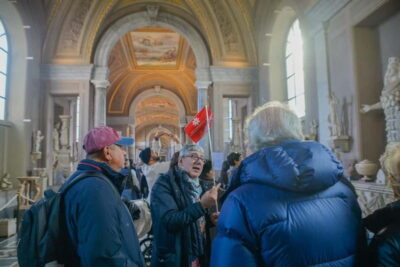
Vatican Museums, Sistine Chapel and Basilica Tour
Read our review →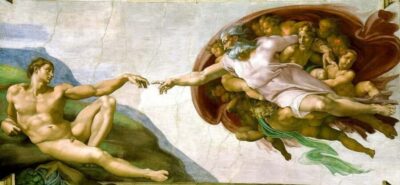
Vatican Museums, Sistine Chapel & Basilica Tour
Read our review →Vatican Museums, Sistine Chapel & St Peter’s Basilica Tour
Read our review →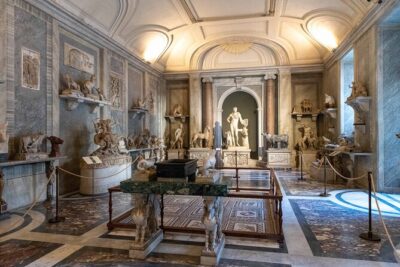
Vatican Museums, Sistine Chapel and St. Peter’s Basilica Tour
Read our review →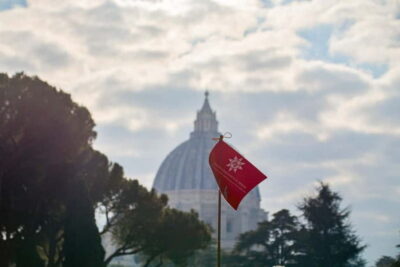
Sistine Chapel, Vatican Museums and Basilica Entry
Read our review →
Skip the Line: Vatican Museum, Sistine Chapel + Optional Basilica
Read our review →Browse the lists this tour appears in