
Review · THE USA
Newport: Colonial History Walking Tour
Newport’s colonial story comes alive one short block at a time on this 75-minute walking tour, which begins inside the 1739 Old Colony House and moves through the city’s Historical District. You’ll connect Newport’s pre-colonial past with the people, beliefs, buildings, and political events that shaped the town.
I like the low $20 price and the chance to see several important landmarks in one compact outing. I also like that the tour includes access to the Colony House’s second floor for a self-guided visit. The main caution is the short length: one guide gave a very quiet presentation, and another participant wished the tour lasted longer.
Key points
- Begins inside the 1739 Old Colony House, not just outside on the sidewalk.
- Covers 400 years of Newport settlement, beginning before the colonial era.
- Visits major sites including the Great Friends Meeting House, Touro Synagogue, City Hall, and Wanton-Lyman-Hazard House.
- Includes a self-guided second-floor visit at the Colony House after the guided portion.
- Costs $20 per person, a fair price for a short introduction to Newport’s historic center.
- Guide quality matters, with Patsy praised for clear, interesting storytelling and another guide criticized for being hard to hear.
Starting at the 1739 Old Colony House
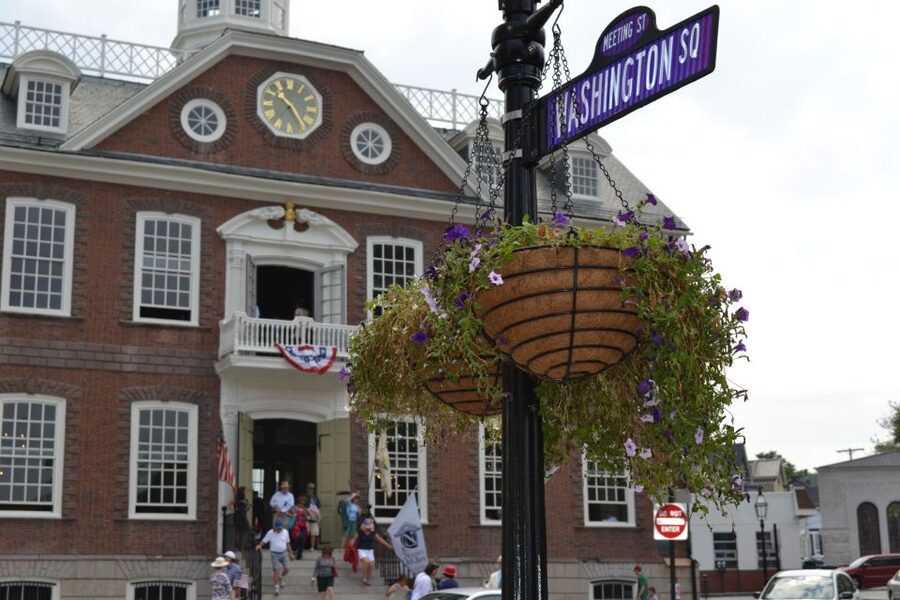
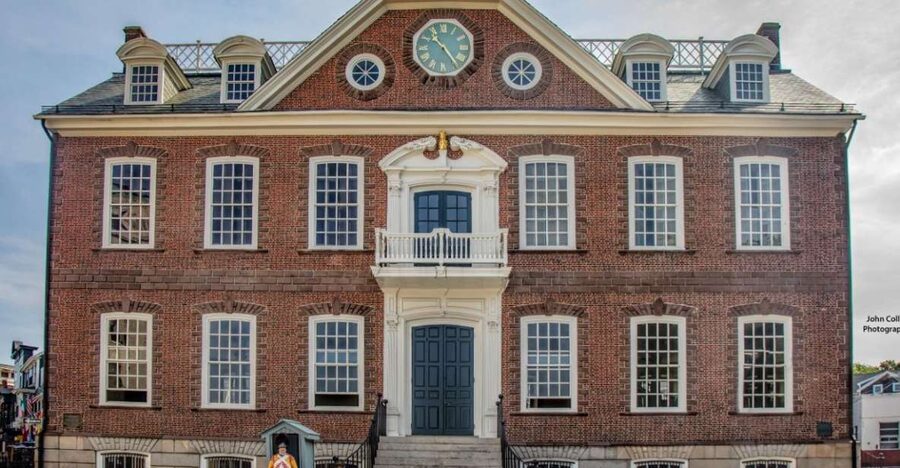
The tour begins inside the Museum of Newport History and Shop, where you meet your English-speaking guide. From there, the opening focus is the Old Colony House, built in 1739.
That starting point gives the tour a useful sense of place. You are not beginning with a generic street-corner lecture. You are inside one of Newport’s key colonial buildings, then stepping into the streets with that setting fresh in your mind.
The tour’s story begins before the colonial period. You’ll hear how Newport developed over roughly 400 years and how different groups shaped the town. That broad starting point matters because Newport’s story is not only about old houses or famous residents. It is also about settlement, religion, government, and the many communities that made the town what it became.
The included access to the Colony House’s second floor is self-guided. That means the guide-led portion and the building visit are slightly different experiences. Listen closely during the walking tour, then use the second-floor visit to look around at your own pace.
I see this as a useful arrangement for a short tour. A guide cannot stop for every architectural detail, and a self-guided visit gives you a little breathing room. Still, keep in mind that the included access is specifically to the second floor, not an open-ended visit to every part of the building.
A few more museum visits around the USA worth comparing
- New York City: American Museum of Natural History Ticket
★ 4.5 · 15,447 reviews - American Museum of Natural History Admission Ticket
★ 4.0 · 1,931 reviews - Guided African American History Tour with Reserved Museum Entry
★ 4.5 · 1,180 reviews
Following Newport’s settlement story through the Historical District
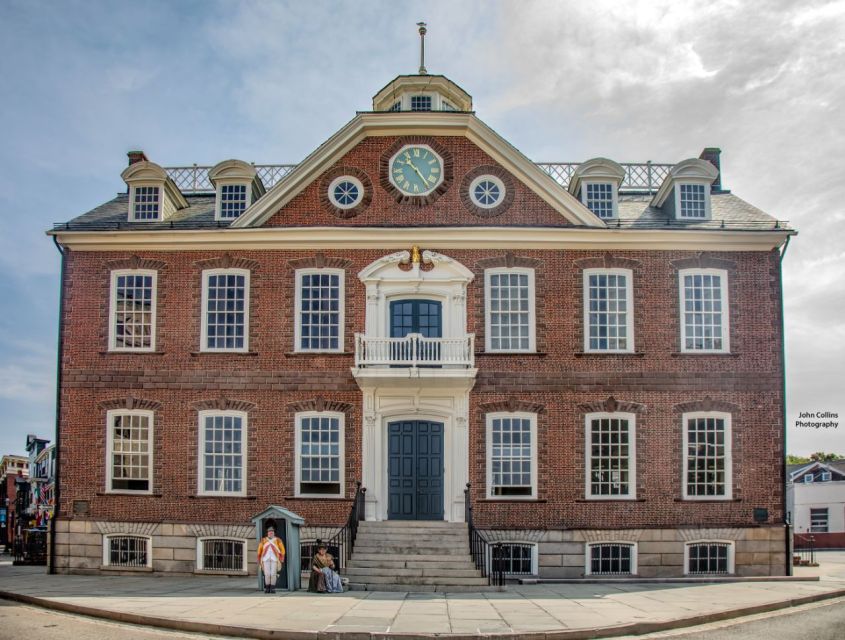
After the Colony House, the group moves through Newport’s Historical District. The value here is the connection between the sites. You are not simply collecting photographs of old buildings. You are walking through the area while the guide explains how the town changed over time.
The route is designed around important colonial landmarks, so the experience suits you best if you want a first look at Newport’s early history before exploring on your own. In 75 minutes, you get a framework that can help the rest of your visit make more sense.
The tour starts with the pre-colonial era and then moves forward. That time-based structure should help you follow the story without needing much prior knowledge. It also keeps the tour from becoming a list of dates and building names.
The short duration is both a strength and a limit. At $20, the tour is easy to fit into a morning or afternoon, and you still have most of the day for Newport’s other sights. But the schedule leaves little room for long stops, extended questions, or detailed treatment of every building.
One participant specifically wished the tour were longer. I think that is a fair concern if you already enjoy colonial history and want a close look at each site. If you prefer a focused orientation, 75 minutes is more manageable.
The Great Friends Meeting House and Newport’s religious history
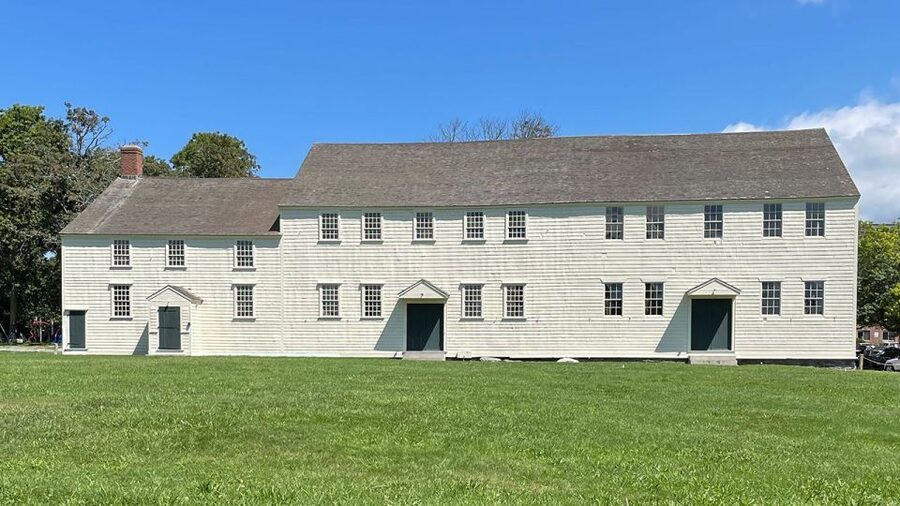
The Great Friends Meeting House is one of the listed stops, and it gives the tour a chance to discuss the religious forces that shaped Newport.
Its place in the route is important because Newport’s colonial story cannot be separated from religious diversity. A stop here helps broaden the usual picture of colonial America, which is often reduced to a single tradition or a handful of famous political figures.
You should expect the guide to use the building and surrounding district as evidence of how different groups found a place in Newport. The precise amount of time spent here can depend on the guide and the pace of the group, so treat it as part of the larger story rather than a full building tour.
This is also one reason to pay attention to the guide’s delivery. Several people found the tour highly informative, and Patsy was singled out for interesting information about colonial Newport. One person, however, found the guide difficult to hear and came away with only a few facts.
That difference is practical, not minor. A history walk depends on spoken explanation. If you have trouble hearing, stay close to the guide and ask for a repeat when needed. The content may be worthwhile, but you need to catch it.
Touro Synagogue and the wider colonial story
Touro Synagogue is another major stop. Its inclusion helps show that Newport’s past involved more than government buildings and colonial residences.
The synagogue adds a strong reminder of the town’s religious and cultural variety. Since the tour begins with a broad account of the people who called Newport home, this stop fits naturally into the main theme.
You should not expect a full interior tour of every landmark on the route. The activity is a guided walking tour of the Historical District, with the stated included building access focused on the second floor of the Colony House. Touro Synagogue is best understood as an important stop for context and exterior orientation unless your guide explains otherwise.
That distinction can help you set the right expectations. If your main goal is to visit the interiors of Newport’s religious buildings, you may need separate admission or a separate visit. If your goal is to understand how those places fit into the city’s development, the stop adds useful depth without taking up an entire afternoon.
Same city, a completely different collection:
- NYC: 9/11 Memorial & Museum Timed-Entry Ticket
★ 4.8 · 31,428 reviews - NYC: Empire State Building Tickets – Observatory & Museum
★ 4.7 · 25,757 reviews - NYC: Museum of Modern Art (MoMA) Entry Ticket
★ 4.6 · 12,540 reviews - 9/11 Memorial, Ground Zero Tour with Optional 9/11 Museum Ticket
★ 5.0 · 6,381 reviews
City Hall and the Wanton-Lyman-Hazard House
City Hall and the Wanton-Lyman-Hazard House add two more pieces to the walk. Together with the Colony House, they show how Newport’s public life and domestic architecture developed side by side.
A stop at City Hall gives the route a civic anchor. The Old Colony House already introduces government and colonial public life, while City Hall helps carry that story into the town’s later development. The guide’s job is to connect these places rather than leave you with isolated facts.
The Wanton-Lyman-Hazard House brings the focus back to residential life and architecture. A house can reveal a different side of history from a government building. Its design, position, and association with residents can help you picture how people lived within the town’s social structure.
The tour does not promise a full interior visit at each location, so you should think of these stops as part of a guided street-level history lesson. You’ll get the most from them if you pay attention to the relationship between the buildings and the streets around them.
That is where this tour can be more useful than a quick self-guided stroll. You might notice a handsome doorway or an old façade on your own, but a guide can explain why the site matters and how it fits into Newport’s timeline.
How the guide shapes the experience
The best comments about this tour focus on the guide’s enthusiasm, information, and pacing. Patsy was praised for making the colonial story interesting, and another person appreciated the friendly manner and steady pace.
Those qualities matter in Newport, where there is a lot to see in a compact area. A guide who keeps moving without rushing can give you enough context while still leaving time to look around.
The experience is not entirely consistent. One person found the guide tired and extremely difficult to hear. That account also noted that the main benefits were the exercise and the low cost. Since the tour is built around live narration, this is the clearest risk to consider before booking.
I would approach it as a good-value introduction rather than a guaranteed master class. A strong guide can make the buildings and events memorable. A weak or quiet guide can leave you with only a few facts after the same 75 minutes.
If you join, stand where you can see and hear the guide clearly. The supplied information does not specify group size or audio equipment, so you should not count on a headset or amplified commentary.
What $20 gets you
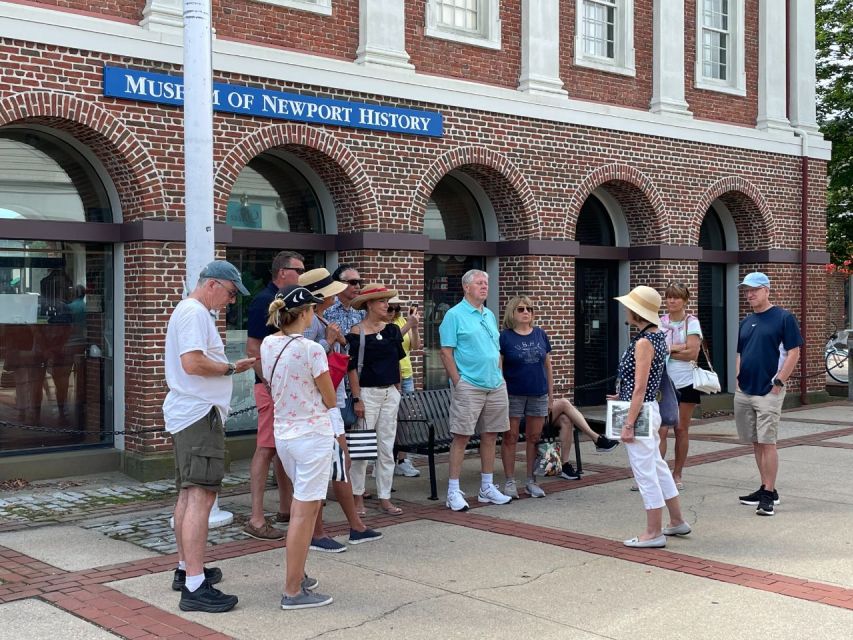
The price is $20 per person. For that fee, you get the guided walking tour and access to the second floor of the Old Colony House for a self-guided visit.
I think the price is fair for three reasons. First, the route covers several significant sites instead of focusing on one building. Second, the tour gives you a chronological framework, beginning before the colonial era and moving through Newport’s development. Third, it is short enough to combine with other plans.
The value is strongest for first-time visitors or anyone who wants an introduction before choosing which historic buildings deserve more time. You are paying for organization and explanation, not just entry to a single attraction.
The value is less obvious if you already know Newport’s colonial story or want lengthy interior visits. The tour is not designed as a full-day historical program, and one participant felt 75 minutes was not enough.
At the end, you can visit the Newport Historical Society’s Museum and Shop at the Brick Market. The museum asks for a suggested donation of $4 per adult and $2 per child over age five. That donation is separate from the $20 tour price, so keep a few extra dollars in mind if you plan to continue there.
Who should book this Newport history walk?
I would recommend this tour to you if you like history but want a clear, manageable introduction rather than a long lecture. It is also a good fit if you want to understand Newport’s colonial center before exploring other historic attractions independently.
Families with older children may appreciate the 75-minute length, though the amount they enjoy it will depend on their interest in buildings, settlement, and civic history. The walking format also gives the experience a little energy compared with sitting inside a museum for the entire lesson.
This tour suits you especially well if you want to learn about:
- Newport’s pre-colonial and colonial settlement
- The range of people and communities connected to the city
- Religious history represented by sites such as the Great Friends Meeting House and Touro Synagogue
- Public buildings, homes, and architecture in the Historical District
- The role of the Old Colony House in Newport’s early civic life
You may want something else if you are looking for a specialist architectural tour, a longer program, or guaranteed access to the interiors of every landmark named along the route.
Timing, meeting point, and practical planning
Meet inside the Museum of Newport History and Shop. Arriving at the correct starting place matters because the tour begins indoors at the museum rather than at a landmark somewhere along the route.
The duration is 75 minutes, and starting times depend on availability. You can reserve a place and pay later, which is useful if your Newport plans are still shifting. Cancellation is allowed up to 24 hours before the tour for a full refund.
The tour is conducted in English. Gratuity is not included, so you can decide afterward if the guide’s work deserves a tip.
Wear shoes you can walk in comfortably. The route moves through the Historical District, and even a short tour is more enjoyable when you are not distracted by sore feet. Since the guide’s voice is central to the experience, stay close enough to hear and do not hesitate to ask for clarification.
My call: a useful introduction at a modest price
I would book the Newport Colonial History Walking Tour if I wanted a short, affordable way to get oriented in the city. The combination of the Old Colony House, the Historical District, several religious and civic landmarks, and a broad 400-year story gives you a solid starting point.
The main question is how much detail you want. At $20, the tour offers good value, but 75 minutes means you will get an overview, not an exhaustive study. Guide quality also matters, so be prepared for the possibility that the presentation may be less clear than expected.
Book it if you value historical context, a compact route, and a low price. Skip it if your priority is lengthy interior access or a highly specialized tour. For many visitors, it works best early in a Newport visit, when you can use the guide’s explanations to make sense of the historic streets and buildings you see afterward.
FAQ
Where does the Newport Colonial History Walking Tour begin?
The tour begins inside the Museum of Newport History and Shop.
How long does the tour last?
The guided tour lasts 75 minutes.
How much does the tour cost?
The price is $20 per person.
What language is the tour conducted in?
The live guided tour is conducted in English.
Is entrance to the Old Colony House included?
Yes. The tour includes entrance to the second floor of the Old Colony House for a self-guided visit.
Which historic sites does the tour visit?
The route includes the Old Colony House, Great Friends Meeting House, Touro Synagogue, City Hall, and Wanton-Lyman-Hazard House, among other sites in Newport’s Historical District.
Is the Newport Historical Society Museum included?
At the end of the tour, you have the opportunity to visit the Newport Historical Society’s Museum and Shop at the Brick Market. A suggested donation of $4 per adult and $2 per child over age five applies.
Can I cancel the booking for a refund?
Yes. You can cancel up to 24 hours in advance for a full refund. You can also reserve now and pay later.
More Walking Tours in the USA
- French Quarter Walking Tour With Comp 1850 House Museum Admission
★ 5.0 · 781 reviews - NYC: Ground Zero Walking Tour and 9/11 Museum Ticket
★ 4.9 · 260 reviews - Acropolis monuments & Parthenon Walking Tour with Optional Acropolis Museum
★ 5.0 · 2,678 reviews - Frida Kahlo VIP [Museum Tickets Included] Walk, Markets & Churros
★ 5.0 · 982 reviews
Just added around the USA
- Museum of Ice Cream Austin★ 3.5 · 85 reviews
- Admission to Richard Nixon Presidential Library and Museum Ticket★ 5.0 · 123 reviews
- The Turquoise Museum Curator’s Tour★ 5.0 · 12 reviews
- Turquoise Museum Visit★ 4.5 · 194 reviews
- Orlando: Titanic Artifact Exhibition Ticket★ 4.5 · 246 reviews
- The St. Augustine Old Jail Museum Guided Tour★ 4.6 · 68 reviews
- San Diego: San Diego Natural History Museum Ticket★ 4.7 · 33 reviews
- The Museum of Fine Arts, Houston Entry Ticket★ 4.6 · 82 reviews
Museum Tours in the USA, compared.
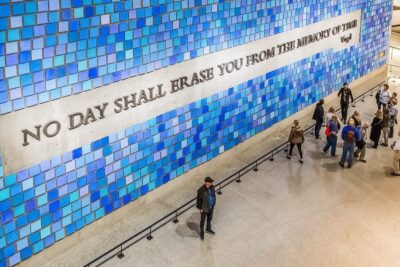

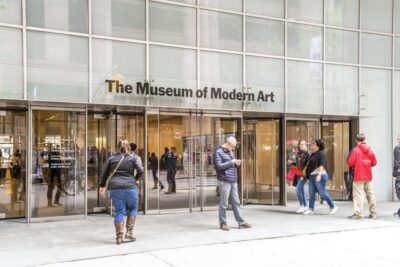

9/11 Memorial, Ground Zero Tour with Optional 9/11 Museum Ticket
Read our review →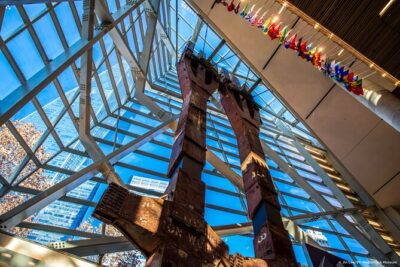

All-Access 9/11: Ground Zero Tour, Memorial and Museum, One World Observatory
Read our review →

Browse the lists this tour appears in