
Review · THE USA
New Orleans: The National WWII Museum Ticket
The National WWII Museum tells the war through real artifacts, first-person stories, and large-scale displays, not just rows of old uniforms. You can follow a soldier’s path with a paper dog tag, examine D-Day craft designed and built in New Orleans, then look up at restored aircraft from two catwalks. I like the clear focus on how the war was fought and how ordinary people experienced it at home.
I also like the museum’s emotional range. The Pacific and European campaigns receive serious attention, while the Home Front exhibit shows the conflict beyond the battlefield. The main drawback is simple: this is a huge museum, and a few hours will not do it justice. Crowds can also make some exhibit areas tight.
Key points to know before you go
- Plan most of a day: You can make a useful visit in four hours, but five buildings hold far more material than that.
- Add Beyond All Boundaries: The optional 4D film uses physical effects, large screens, sound, and Tom Hanks narration.
- Look up in the Freedom Pavilion: Restored aircraft hang overhead, with catwalks that bring you closer to the machines.
- Follow a personal story: Paper dog tags help connect the broad war to one soldier’s experience.
- Choose a guided add-on carefully: The two-hour Campaigns of Courage tour covers the Road to Tokyo and Road to Berlin exhibits.
- Book an early entry: Reservations after 3 PM may leave too little time for the museum’s five buildings.
Why the National WWII Museum needs more than an afternoon
The National WWII Museum is the official World War II museum of the United States, and its size explains the designation. Five large pavilions cover the causes of the war, American mobilization, the campaigns in Europe and the Pacific, the final months, and the years that followed.
The museum sits downtown on Andrew Higgins Boulevard. You enter at the north-side main entrance, where staff scan your barcoded ticket and direct you to a visitor guide. The layout is modern and polished, but it is not a quick walk-through attraction. You will read, watch short films, examine artifacts, and pause at recreated settings.
I would allow at least half a day for a focused visit. If you want to read most of the labels, watch the films, see the aircraft, eat onsite, and add the 4D presentation or a guided tour, plan on a full day. Some people return for a second day because the material is simply too extensive to absorb in one pass.
That size is both the museum’s greatest strength and its main challenge. The exhibits give the war room to breathe, but you need to pace yourself. Volunteers are posted at checkpoints and can help you find the next pavilion, which matters when you are managing several buildings and timed activities.
A few more museum visits around the USA worth comparing
- NYC: 9/11 Memorial & Museum Timed-Entry Ticket
★ 4.8 · 31,428 reviews - NYC: Empire State Building Tickets – Observatory & Museum
★ 4.7 · 25,757 reviews - New York City: American Museum of Natural History Ticket
★ 4.5 · 15,447 reviews
Starting with D-Day and the American Home Front
The Louisiana Memorial Pavilion is a strong place to begin. Its D-Day Invasion of Normandy exhibit explains the invasion and includes the landing craft connected to New Orleans. Seeing these vessels in the city where they were designed and built gives the local setting real weight.
The D-Day material works best when you take your time. The invasion was not just a famous beach landing. It required vast planning, specialized equipment, transport, and thousands of people working far from the shoreline. The museum’s displays help connect those pieces.
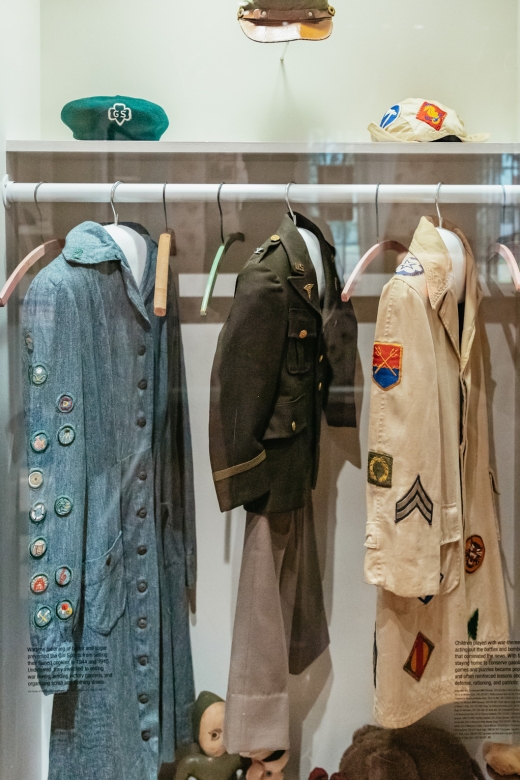
The Home Front exhibit shifts the focus from soldiers to the people who stayed in the United States. You see how the war affected work, production, family life, and national effort. This is an important part of the visit because it keeps the story from becoming only a record of battles and generals.
You can also find short films and personal accounts along the route. They add human scale to the displays. If you are visiting with teenagers, this section offers useful context before the more technical military exhibits. A 13-year-old or 16-year-old may connect faster with individual stories than with long campaign timelines.
Following the war from Pearl Harbor to Berlin

The Campaigns of Courage area contains two major exhibits: Road to Tokyo and Road to Berlin. Together, they trace the difficult campaigns that carried American forces from the shock of Pearl Harbor toward the defeat of Germany and Japan.
Road to Tokyo follows the Pacific war. The exhibit presents the long advance across a vast region, where distance, terrain, sea power, and brutal combat all shaped the campaign. It is not a short chapter, and you should not expect to cover it properly by skimming a few panels.
Road to Berlin recreates battle settings and villages connected with the European campaign. These settings give you a better sense of the physical conditions faced by troops than a map alone can provide. The staged environments also help younger visitors understand how soldiers moved through towns, fields, and contested ground.
The museum’s strength here is the blend of strategy and individual experience. You can learn about military decisions, then stop to read what a person living through the campaign faced. That balance helps keep the displays from feeling like a dry military timeline.
You can add a two-hour Campaigns of Courage guided tour covering Road to Tokyo and Road to Berlin. An expert docent leads this option, so it makes sense if you want more explanation and a clear route through the material. The tradeoff is time. Two hours with a guide can add useful context, but it leaves less unstructured time for the other pavilions.
Looking up at the aircraft in the Freedom Pavilion
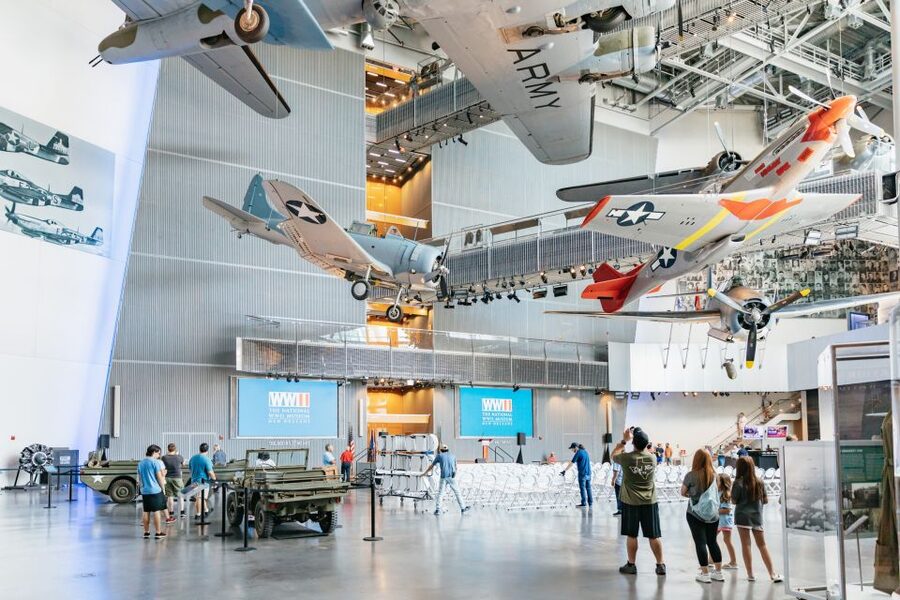
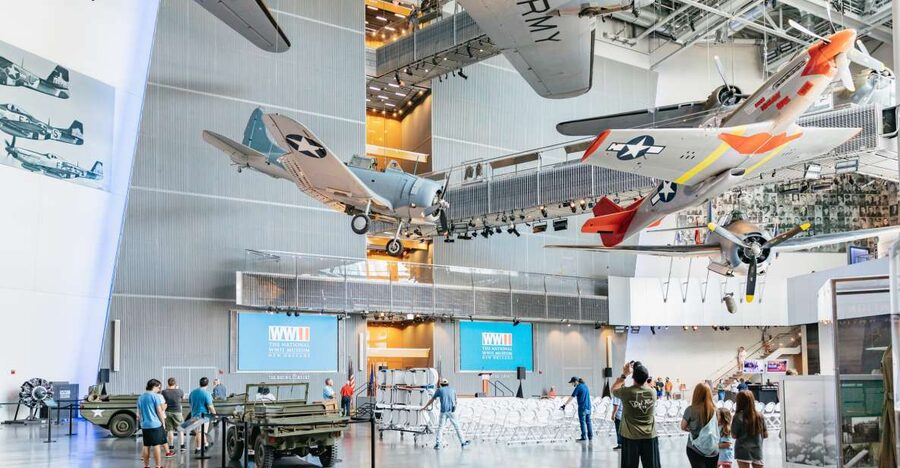
The U.S. Freedom Pavilion is one of the museum’s most memorable spaces. Restored World War II aircraft hang overhead, including a B-17E Flying Fortress, while tanks and trucks fill out the ground-level displays.
The aircraft are impressive from below, but the sky-high catwalks are the reason to spend extra time here. They let you examine the planes from closer range and see positions that disappear when you view an aircraft only from the floor. The display also includes figures in wartime positions and explanatory material about the machines.
This area is especially good for visitors who enjoy engineering, aviation, or military equipment. It also breaks up the reading-heavy sections. After several galleries of text and video, looking closely at the aircraft gives you a more physical sense of the war’s machinery.
The catwalks may not suit everyone. If heights make you uneasy, you can still see plenty from below. Older visitors or anyone who needs extra assistance should take the pace slowly. The museum is wheelchair accessible, and a limited number of wheelchairs are available on a first-come, first-served basis, but you should not count on one being available at the last minute.
Same city, a completely different collection:
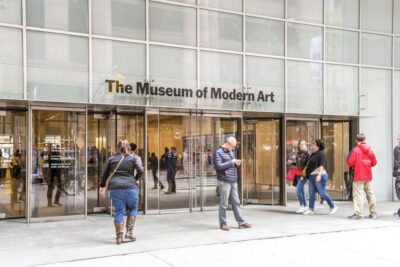
- NYC: Museum of Modern Art (MoMA) Entry Ticket
★ 4.6 · 12,540 reviews - 9/11 Memorial, Ground Zero Tour with Optional 9/11 Museum Ticket
★ 5.0 · 6,381 reviews - 9/11 Memorial Museum Admission Ticket
★ 4.5 · 6,376 reviews - All-Access 9/11: Ground Zero Tour, Memorial and Museum, One World Observatory
★ 5.0 · 4,886 reviews
Ending with Liberation Pavilion and the war’s aftermath
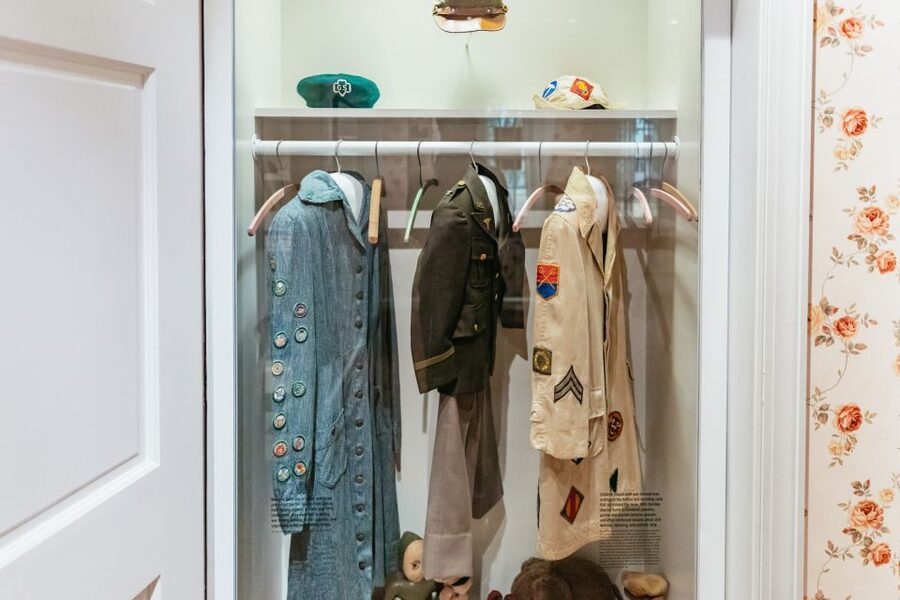
Liberation Pavilion examines the closing months of World War II and the immediate postwar years. It also links those events to life today, giving the museum a chance to ask what the war changed rather than stopping at the surrender ceremonies.
That final connection matters. A museum about World War II can easily become a collection of weapons, dates, and famous battles. By looking at the postwar period, the exhibit asks you to consider the consequences of victory, the people returning home, and the world that followed.
The museum’s broad story includes all races, men and women, soldiers and civilians. That wider view helps the visit feel like a record of a national and global experience, rather than a narrow account of battlefield action.
You may find this section emotionally heavy, especially after spending hours with personal testimony and wartime images. Give yourself time to pause. This is not a place to rush from one display to the next simply to claim that you saw every building.
Should you add Beyond All Boundaries?

If your ticket option includes the timed 4D film Beyond All Boundaries, the time printed on your ticket is your reserved movie time. Your museum admission remains valid for anytime entry that day, so you can visit other exhibits around the screening.
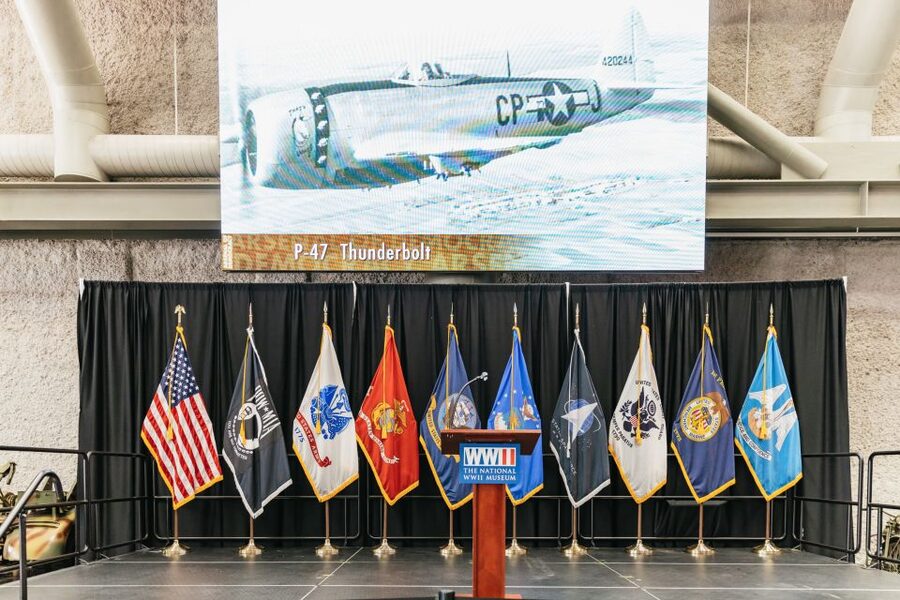
The film is presented in the Solomon Victory Theatre and is narrated by Tom Hanks. It uses large screens, sound, physical effects, and other sensory elements to tell the World War II story. The result is more dramatic than a standard museum film and can feel intense.
I would add it if you want a strong overview before or during your visit. It gives the war a sweeping structure and can help you place the galleries in context. It is also a good choice for younger visitors who may tire during long stretches of reading.
The film is not a substitute for the exhibits. Its broad presentation cannot give you the same detail as the D-Day, Home Front, Pacific, and European galleries. Some scenes may also feel emotionally powerful, so it is worth considering the ages and sensitivities of everyone in your group.
Food, rest stops, and the practical rhythm of a full day
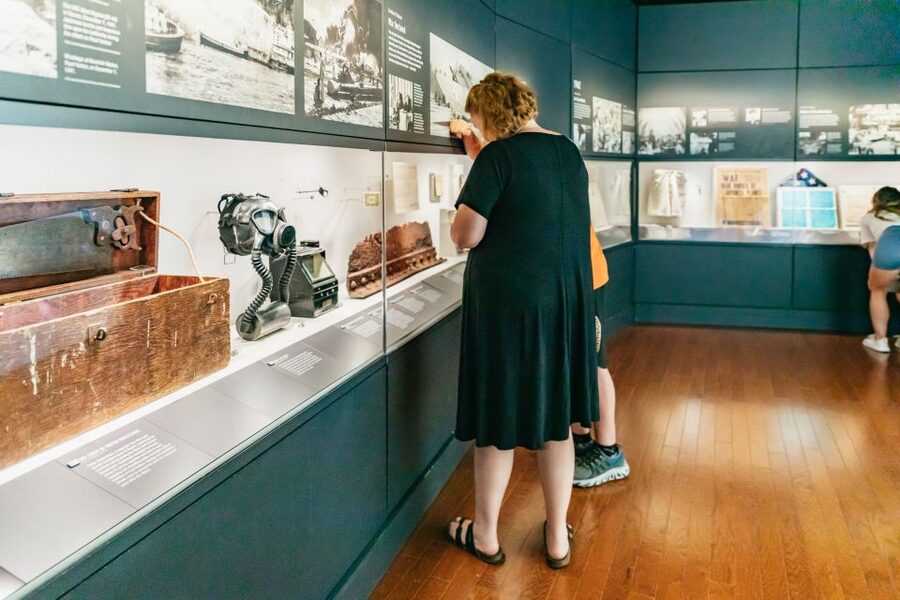
The museum has places to pause, which is essential for a visit of this length. The American Sector Restaurant & Bar serves lunch Sunday through Friday from 11 AM to 2 PM, and Saturday from 11 AM to 3 PM. There are also snack options, including Jeri’s, where a chocolate shake can provide a welcome finish to a long museum day.
Taking a meal break is not wasted time. You will absorb more if you stop before fatigue turns every label into a blur. The museum’s dining options also mean you do not have to leave the site at midday and lose your place.
Restrooms are easy to find, and volunteers can point you toward the next gallery or checkpoint. Visitor guides are available onsite in Chinese, English, French, Japanese, and Spanish. No flash photography or video is allowed, so bring your attention rather than planning to document every display.
The museum has two gift shops. Paid parking is available in the garage at 1024 Magazine Street. The information provided does not include public transit details, so check your route separately if you are not driving.
Is $37 good value for one day?
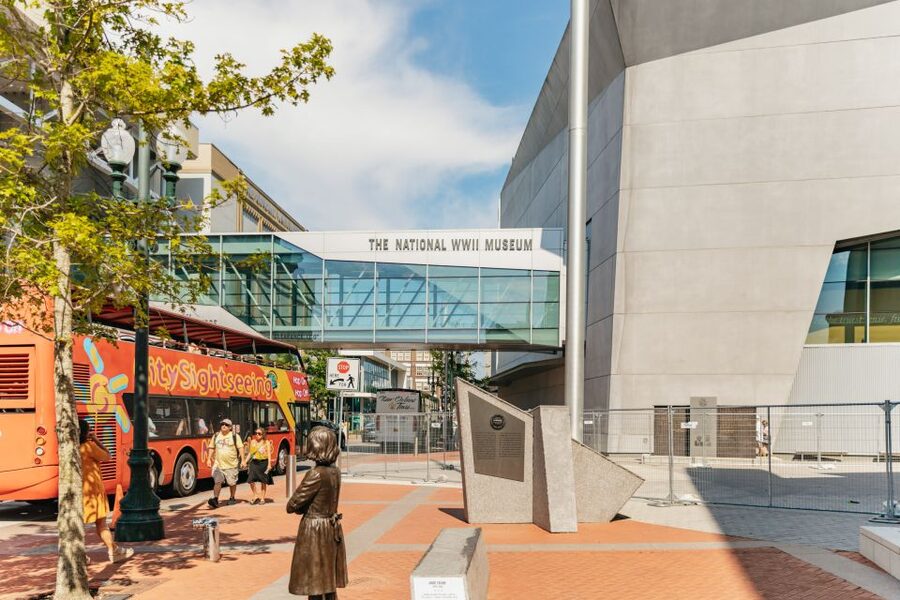
At $37 per person, the basic ticket is not a bargain attraction in the casual sense. It is a serious museum admission, and the value depends on how much time you give it.
For a short two-hour stop, the price may feel high because you will see only part of the collection. For a full day, the cost is easier to justify. You are paying for five pavilions, major artifacts, restored aircraft, battle recreations, films, and a carefully organized account of the American experience during the war.
The 4D film and guided tours require options that cost more than basic admission. I would choose the film for a first visit if you enjoy cinematic presentations. Choose the Campaigns of Courage tour if you prefer a docent’s explanation of the Pacific and European campaigns.
The museum also allows in-and-out access during the day with the admission sticker supplied after scanning, according to the stated visitor procedure. That makes the ticket more useful if you want to eat elsewhere or take a short break downtown, though you should confirm current entry procedures when you arrive.
Who will get the most from this museum?
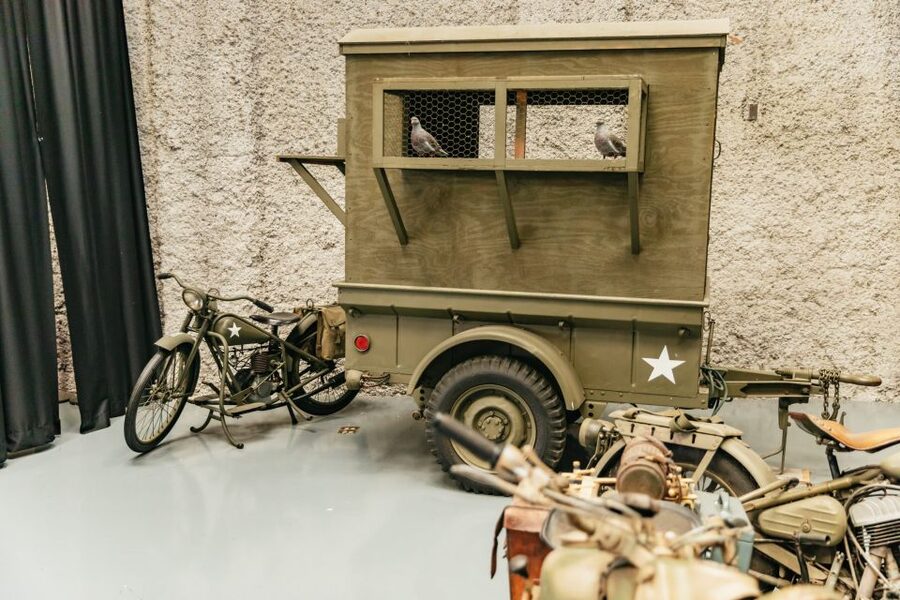
This is a strong choice for history fans, veterans and military families, aviation enthusiasts, students, and anyone who wants more than a quick attraction between meals in New Orleans. It also works well for families, provided you accept that younger children may not have the patience for every label.
The personal stories give the visit an emotional center. A paper dog tag lets you follow one soldier’s experience through the museum, turning a global conflict into something more personal. That simple device can help children and teenagers stay connected to the story.
You should also come if you have a family link to World War II. The museum’s first-person accounts and artifacts can make that connection feel immediate. At the same time, you do not need a relative who served to appreciate the visit.
I would be cautious about booking it as a late-afternoon filler. Reservations after 3 PM may result in a shortened visit, and the museum’s size makes rushing frustrating. Crowds can also create narrow, uncomfortable moments in popular galleries, especially around major displays.
Helpful booking advice before you arrive
Book timed entry ahead if you want a specific movie or guided-tour time. For basic admission, check whether your selected option is timed or non-timed. If you choose the film or a guided tour, the time on your ticket applies to that activity, not to museum admission.
Student tickets cover children ages 5 through 18 and students age 19 or older with identification. Canceling up to 24 hours before the visit allows a full refund, and a reserve-now, pay-later option is available for eligible bookings.
Arrive early, especially if you want to see several pavilions. Wear comfortable shoes, pace yourself, and avoid scheduling another major activity immediately afterward. The museum is clean and well maintained, but the emotional weight and sheer amount of material can leave you ready for a quiet evening.
Should you book the National WWII Museum?
Yes, if you can give it at least half a day, and ideally most of a day. The museum delivers far more than a standard military collection, combining D-Day equipment, Home Front stories, campaign exhibits, aircraft, personal testimony, and a strong film option.
Buy the basic ticket if your schedule is tight or you prefer to explore at your own speed. Add Beyond All Boundaries for a dramatic introduction, or choose the two-hour Campaigns of Courage tour if you want an expert docent to guide you through Road to Tokyo and Road to Berlin.
Skip it only if you have no room for a long, serious museum visit. For most people with an interest in history, family experience, aviation, or the human cost of war, this is one of the New Orleans attractions worth planning around rather than squeezing in at the end of the day.
FAQ
Where is the National WWII Museum located?
The museum is in downtown New Orleans, Louisiana, on the north side of Andrew Higgins Boulevard.
How long is the museum ticket valid?
The admission ticket is valid for one day. The museum has five pavilions, so a full-day visit gives you more time to explore.
What does the $37 ticket include?
The standard ticket includes museum admission. Depending on the selected option, admission may be timed or non-timed.
Is the Beyond All Boundaries film included?
The 4D film is included only with an option that specifically includes the timed movie ticket.
Who narrates Beyond All Boundaries?
The film is narrated by Tom Hanks.
Is there a guided tour of the museum?
A two-hour Campaigns of Courage guided tour is available as an additional option. It covers the Road to Tokyo and Road to Berlin exhibits.
What aircraft can I see inside the museum?
The U.S. Freedom Pavilion includes restored World War II aircraft, including a B-17E Flying Fortress, along with tanks and trucks.
Is the museum wheelchair accessible?
Yes, the museum is wheelchair accessible. A limited number of wheelchairs are available for use on a first-come, first-served basis.
Can I take photographs inside?
Photography is allowed, but flash photography and video are not allowed.
Is food available at the museum?
The American Sector Restaurant & Bar serves lunch Sunday through Friday from 11 AM to 2 PM and Saturday from 11 AM to 3 PM. Snack options are also available onsite.
Just added around the USA
- Museum of Ice Cream Austin★ 3.5 · 85 reviews
- Admission to Richard Nixon Presidential Library and Museum Ticket★ 5.0 · 123 reviews
- The Turquoise Museum Curator’s Tour★ 5.0 · 12 reviews
- Turquoise Museum Visit★ 4.5 · 194 reviews
- Orlando: Titanic Artifact Exhibition Ticket★ 4.5 · 246 reviews
- The St. Augustine Old Jail Museum Guided Tour★ 4.6 · 68 reviews
- San Diego: San Diego Natural History Museum Ticket★ 4.7 · 33 reviews
- The Museum of Fine Arts, Houston Entry Ticket★ 4.6 · 82 reviews
Museum Tours in the USA, compared.
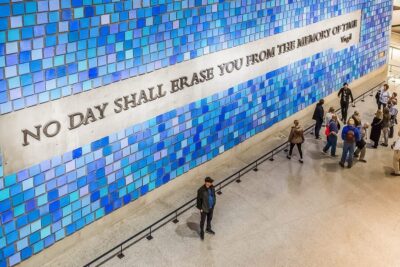


9/11 Memorial, Ground Zero Tour with Optional 9/11 Museum Ticket
Read our review →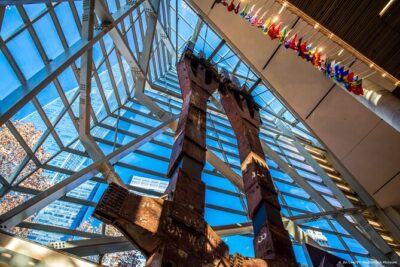

All-Access 9/11: Ground Zero Tour, Memorial and Museum, One World Observatory
Read our review →
Browse the lists this tour appears in