
Review · THE USA
Nashville: National Museum of African American Music Entry
African American music is not one chapter of American culture. It is the driving rhythm behind many chapters, from spirituals and gospel to blues, jazz, soul, R&B, country, and hip hop. The National Museum of African American Music makes that story the main event, using a 56,000-square-foot museum filled with sound, film, clothing, objects, and hands-on technology.
I like two things right away: the exhibits connect music to the lives and struggles of the people who made it, and the interactive stations keep this from feeling like a quiet march past glass cases. You can listen, sing, create, and in some areas save your work to enjoy later. The main drawback is that the museum can feel like too much to absorb in one visit, while a few electronic displays may not always work perfectly.
Key Points to Know Before You Go
- More than 50 musical genres: Follow the story from spirituals and gospel through blues, jazz, R&B, hip hop, and other American styles shaped by African American creativity.
- Hands-on music stations: Try singing, rapping, and other interactive activities, with options to save some of your creations.
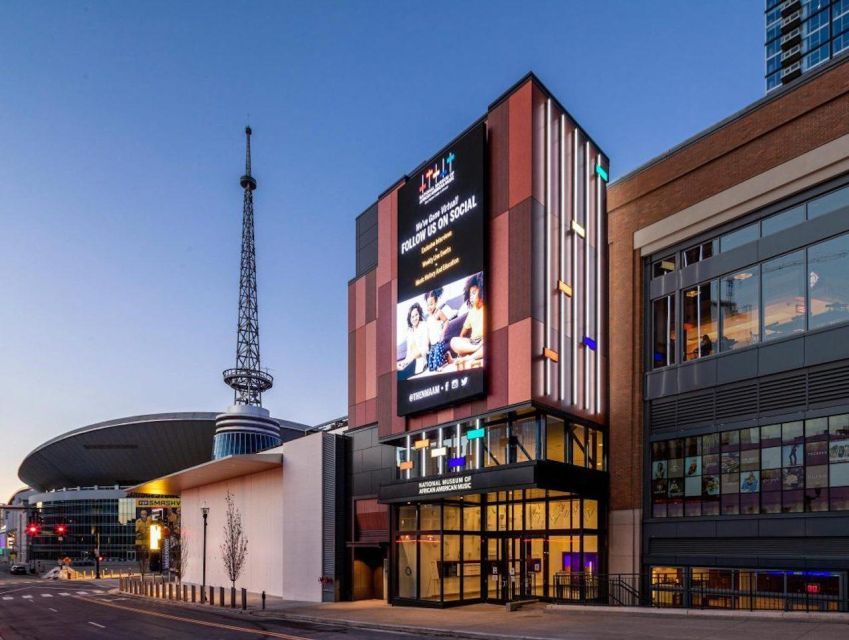
- A major downtown location: The museum is at 510 Broadway, making it easy to add to a day in central Nashville.
- Allow at least 90 minutes: Two hours is more comfortable, and devoted music fans may want much longer.
- Good for several generations: Children, parents, grandparents, and solo visitors can each find a useful way into the exhibits.
- A $35 choice: The ticket is worthwhile if you use the listening stations and interactive displays, but less so if you rush through only the cases.
Why This Museum Matters in Nashville
Nashville is famous for country music, but its musical story is much larger than the honky-tonks along Broadway. The National Museum of African American Music gives you a clear place to understand how African American artists and communities shaped the sound of the United States.
The museum does not treat music as a list of famous names. Its larger purpose is to show how music carried faith, pain, protest, celebration, identity, and invention across generations. That context gives the familiar songs and performers more weight.
You will see how different styles developed, crossed paths, and influenced one another. The museum includes spirituals, blues, gospel, jazz, R&B, and hip hop, along with other genres and forms connected to African American musicians. This wider approach is important because it shows that music rarely stays in one box.
I especially like that the exhibits connect sound to social experience. You are not simply looking at costumes and instruments. You are learning how a distinct group of people used art to respond to the world and change it.
A few more museum visits around the USA worth comparing
- NYC: 9/11 Memorial & Museum Timed-Entry Ticket
★ 4.8 · 31,428 reviews - NYC: Empire State Building Tickets – Observatory & Museum
★ 4.7 · 25,757 reviews - New York City: American Museum of Natural History Ticket
★ 4.5 · 15,447 reviews
Entering the 56,000-Square-Foot Museum
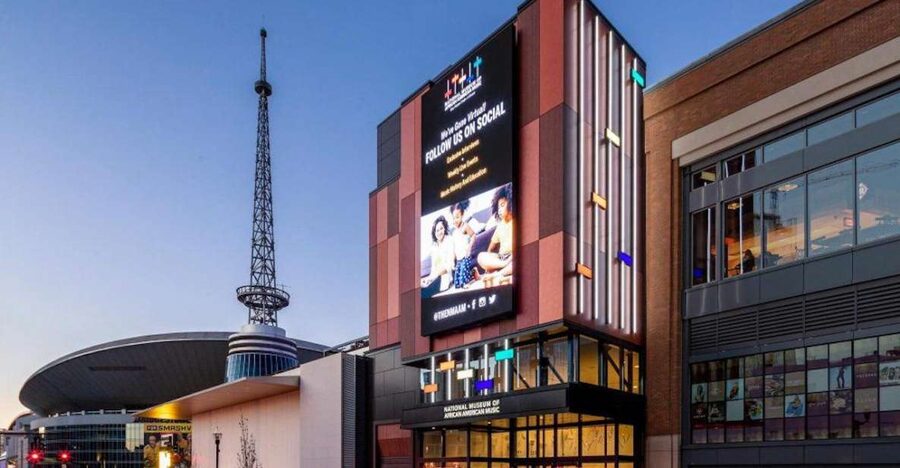
The museum is located at 510 Broadway, Nashville, Tennessee 37203, in the heart of downtown. You do not need hotel transportation because admission is for the museum itself, and no pickup or drop-off is included.
At the box office, show your mobile voucher for entry. The museum is wheelchair accessible, which makes it a practical choice for mixed-age groups and visitors who need step-free access. One family specifically appreciated the lift, and the staff helped make the visit easier for a parent with limited mobility.
Before you settle into the exhibits, pay attention to the building’s scale. This is not a small collection you can casually sweep through in 20 minutes. The amount of material is one of its strengths, but it also means you should avoid arriving near closing time with a plan to see everything.
The ticket is listed at $35 per person. That is a serious admission price for a museum, so your value depends on how you visit. If you read the panels, listen to the music, use the activity stations, and watch the video material, you can spend well over 90 minutes here. If you only glance at the objects and move on, the price will feel harder to justify.
One practical note: a visitor reported learning about free admission on the first Wednesday of the month. Since that detail is not part of the standard admission information, check the museum’s current schedule before paying for a ticket on that day.
Following the Story Through Spirituals and Gospel
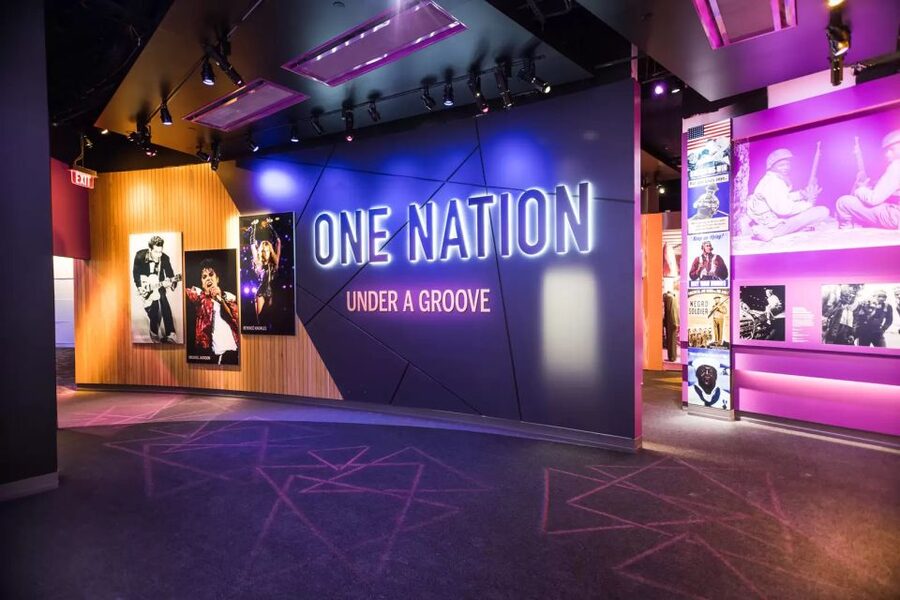
The early sections give the museum its emotional foundation. Spirituals and gospel are not presented only as musical styles. They are tied to faith, endurance, community, and the way people used their voices when formal power was denied to them.
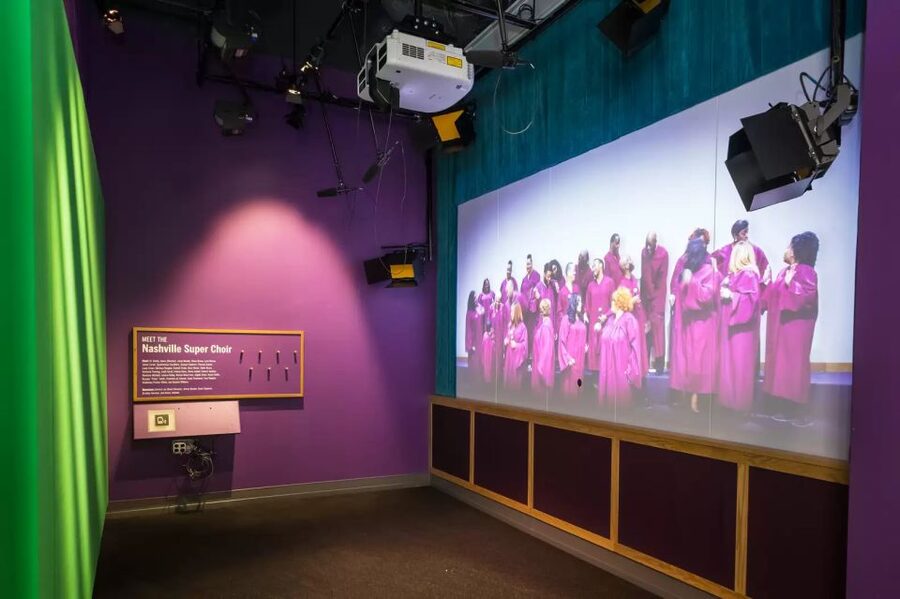
The gospel area is likely to be a favorite for visitors who enjoy vocal music and church traditions. Its presentation helps explain how gospel shaped later soul, R&B, and popular music. You can also expect video, recorded sound, and visual material rather than only written information.
Families can get a lot from this section. Children do not need to recognize every performer to understand the basic ideas of group singing, rhythm, call and response, and music used to express hope. Older visitors may find familiar sounds that bring back personal memories.
The museum also includes an activity connected with the Bobby Jones choir. That gives younger visitors a way to take part instead of only reading about music. If you are visiting with children, leave room for them to use the interactive features at their own pace.
Blues, Jazz, and the Sound of Change
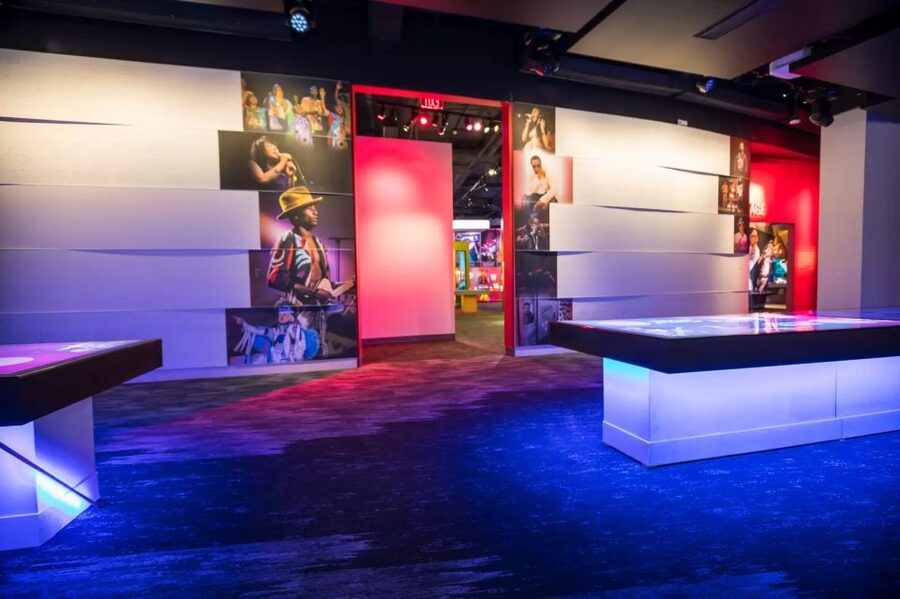
The blues and jazz material shows how African American musicians developed new forms from earlier traditions and then pushed those forms in fresh directions. These galleries are useful for anyone who knows the music but wants a stronger sense of where it came from and why it mattered.
Listening stations are a major part of the experience. You can choose from a large selection of artists and songs, then connect what you hear with the historical information nearby. That pairing works better than a wall of dates because the music itself remains at the center.
Jazz can be a difficult subject for a museum to explain. There are many artists, styles, and periods, and a short display can easily become a blur of names. Here, the combination of audio and multimedia helps you hear the changes rather than simply read about them.
I recommend slowing down in these sections. It is tempting to race toward the better-known performers, but the earlier material gives you a useful frame for understanding later genres. Visitors who rushed have sometimes left feeling they missed major pieces. The museum rewards a patient visit.
Same city, a completely different collection:
- NYC: Museum of Modern Art (MoMA) Entry Ticket
★ 4.6 · 12,540 reviews - 9/11 Memorial, Ground Zero Tour with Optional 9/11 Museum Ticket
★ 5.0 · 6,381 reviews - 9/11 Memorial Museum Admission Ticket
★ 4.5 · 6,376 reviews - All-Access 9/11: Ground Zero Tour, Memorial and Museum, One World Observatory
★ 5.0 · 4,886 reviews
Soul, R&B, and the Familiar Voices
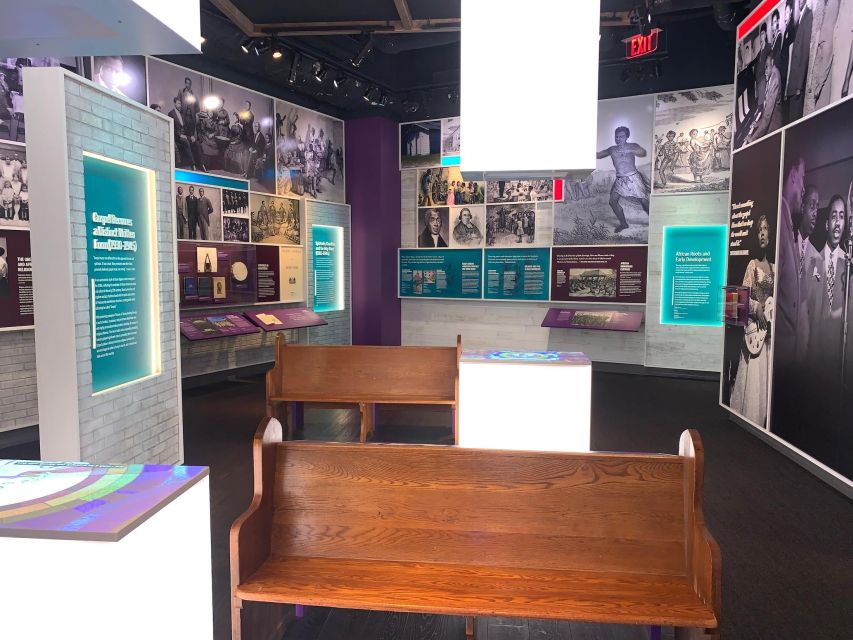
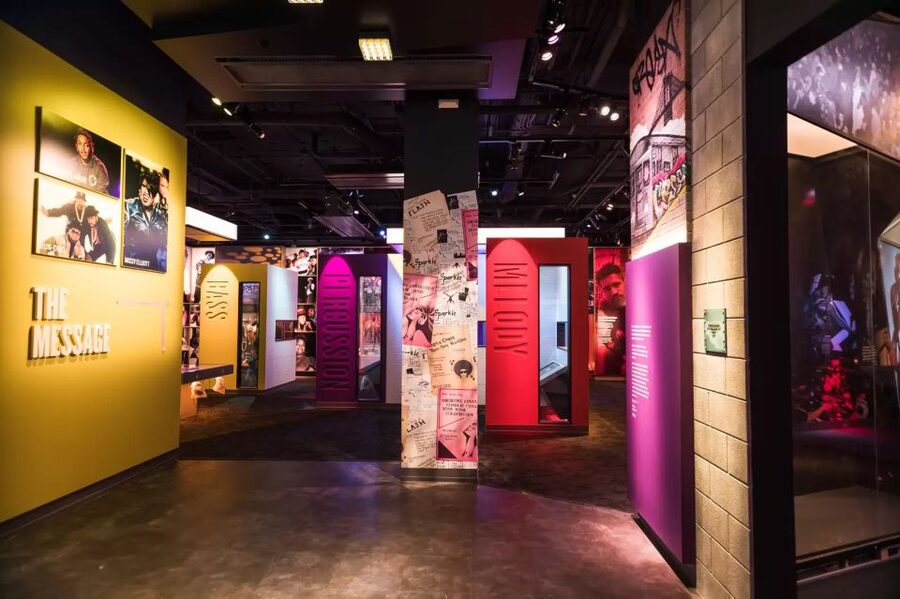
The galleries covering soul and R&B are where many people begin to recognize the music from their own lives. Costumes, photographs, video clips, and recordings bring the story closer to home, especially if you grew up with these styles.
The museum displays clothing, memorabilia, objects, and other artifacts associated with major performers. Some pieces are valuable because of the artist connected with them. Others matter because they show how performers presented themselves and how popular music changed over time.
This is also where the museum’s multigenerational appeal becomes clear. Grandparents may remember the original records, parents may recognize the artists from their youth, and children can connect the sounds to music they hear today. The museum does not require everyone in your group to have the same musical background.
Do not plan to listen to every track. Instead, choose a few artists you know and then give yourself time for one or two names you do not. The listening stations make this easy, and some interactive features allow you to download or save music for later listening.
The technology is generally a strength, but it is not flawless. A few electronic displays may be out of service or only partly functional. That should not ruin the visit, though it is worth knowing if you are paying mainly for the digital features.
Hip Hop, Performance, and Making Your Own Sound
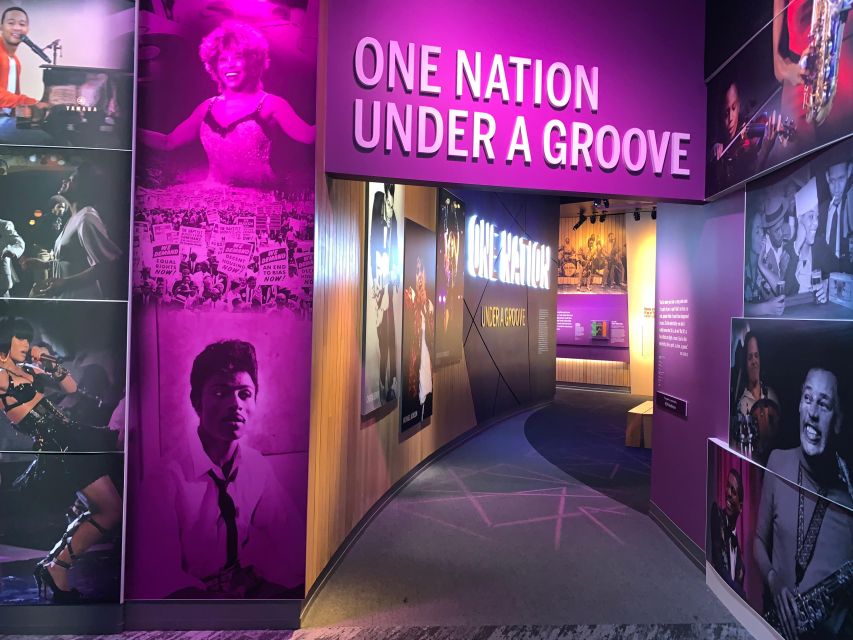
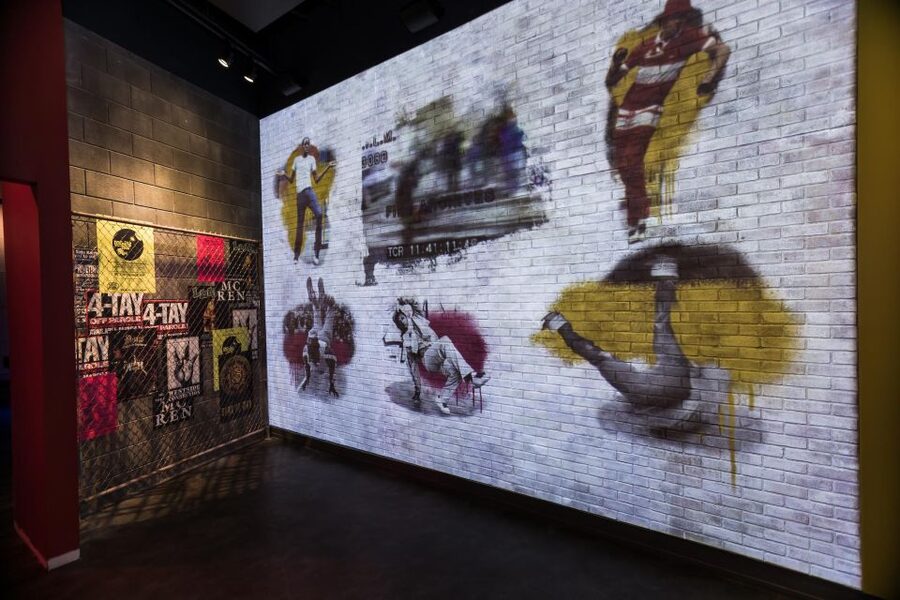
The hip hop section gives the museum a direct connection to modern music and performance. Here, the focus shifts toward rhythm, language, identity, and the ways artists used limited resources to create something new.
The rap booth is one of the most memorable activities for many visitors. You can take part in a freestyle session or rap battle, with the performance recorded. That makes the museum feel personal rather than purely observational. You are not only hearing about creativity. You are asked to try some yourself.
This activity works particularly well for groups of friends and families with older children. Solo visitors can use the stations too, though you may feel more comfortable exploring the listening displays if you do not want to perform.
The ability to save or send recordings is a smart touch. It gives the interactive sections a life beyond the building and creates a small souvenir that costs nothing extra. Still, do not assume every activity will be available at every moment. Technology can occasionally need attention, and crowded areas may require patience.
Artifacts, Clothing, and Multimedia Displays
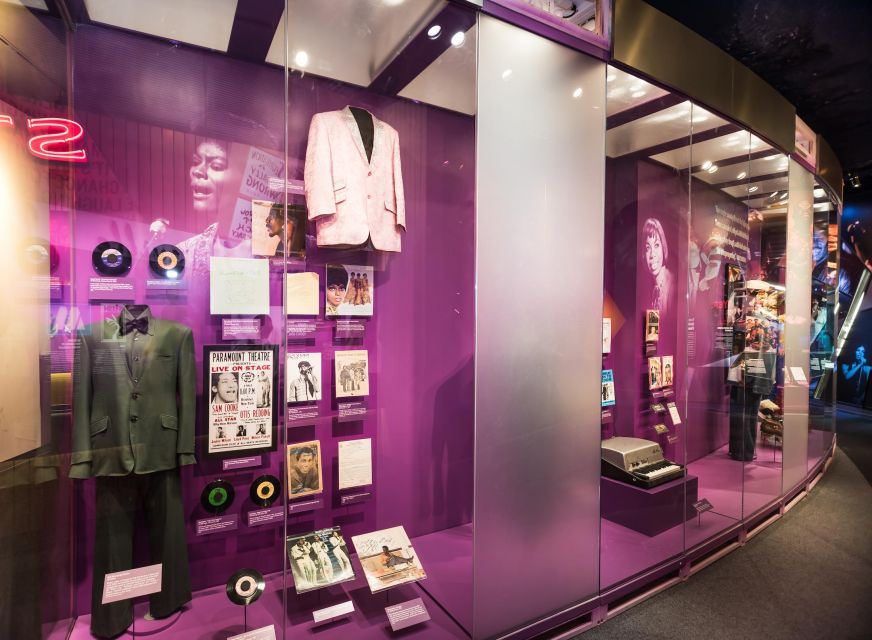
The physical objects help anchor the museum’s larger ideas. Clothing and stage items show how artists built public identities, while photographs and memorabilia place individual performers inside a wider story.
The displays are not limited to one generation. You will find material connected with older musical traditions as well as more recent stars. That range helps explain why the museum includes so many different genres instead of separating them into isolated rooms.
Video is used heavily, and the multimedia approach keeps the experience lively. You can read a short explanation, hear a recording, then watch a related performance or historical segment. For most people, that mix is easier to absorb than pages of text.
Some areas may have objects roped off or temporarily unavailable. If a particular artifact is the main reason for your visit, keep your expectations flexible. The museum’s value comes from the full combination of sound, stories, objects, and activities, not from one case alone.
How Long to Stay and How to See It Well
The official validity is one day, so you have flexibility around your visit time. Availability and starting times should be checked when booking, but once inside, you should plan around your own pace rather than trying to complete a fixed tour schedule.
At an absolute minimum, allow about 90 minutes. Two hours is a better starting point if you want to read, listen, and use a few interactive stations. Music fans may want several hours, and some people could reasonably return for another visit because there is too much material to absorb at once.
I suggest this approach:
- Begin with the museum’s overall story instead of rushing to famous artists.
- Choose a few listening stations in each major section.
- Save time for at least one interactive activity.
- Let each person in your group pick a favorite genre.
- Take a short pause before the final galleries so the later material does not blur together.
The museum is not always arranged in a perfectly obvious chronological flow. You may find yourself moving between periods or genres without a strong directional path. That can be slightly confusing, but it also reflects the way musical styles overlap and influence each other.
Practical Rules, Access, and Timing
Admission includes entry to the National Museum of African American Music. Hotel pickup, drop-off, food, drinks, luggage storage, and large-bag handling are not included.
Weapons, sharp objects, smoking, food, drinks, flash photography, and video recording are not allowed. Pack lightly and leave large bags behind so you do not arrive at the door with something that cannot enter.
The museum is wheelchair accessible. Staff members are available to help explain how the experience works, and the building has been described as clean and welcoming. If you are visiting with a wheelchair user or someone who tires easily, the accessible lift and the option to move at your own pace are useful advantages.
Free cancellation is available up to 24 hours before the visit for a full refund. You can also reserve now and pay later, which helps if your Nashville schedule is still changing.
Who Will Enjoy This Museum Most?
I would recommend this museum to anyone who wants more than a quick photo stop on Broadway. It is especially strong for:
- Music lovers who enjoy listening as much as looking.
- Families with children or teenagers who need hands-on activities.
- Older visitors who want to reconnect with music from different eras.
- Solo visitors who appreciate moving through a museum at their own speed.
- People who want cultural context alongside Nashville entertainment.
- Anyone curious about the connections between gospel, blues, jazz, R&B, soul, and hip hop.
It may be less satisfying if you have only a few minutes, dislike multimedia exhibits, or plan to skip the listening stations. The museum asks for attention. Its best material is spread across the whole visit, not concentrated in one spectacular room.
Is the $35 Ticket Worth It?
At $35, this is not a casual bargain attraction. The price makes sense when you treat it as a substantial museum visit rather than a quick downtown add-on.
I think the ticket offers good value if you stay for two hours or more, use the listening stations, and take part in the interactive booths. The saved music and recorded performance features add something that ordinary displays cannot. The museum also gives you a fuller understanding of Nashville’s musical identity than a standard nightlife stop can provide.
The value is weaker if sections are roped off during your visit or several electronic stations are not operating. Those issues do not erase the museum’s educational material, but they can affect how much you feel you received for the price.
Check for special free-admission dates before booking, especially the reported first Wednesday offer. Confirm the current terms directly because free-day schedules can change.
Should You Book the National Museum of African American Music?
Yes, if you want a thoughtful and entertaining Nashville experience built around music rather than just celebrity displays. The strongest reasons to go are the broad range of genres, the connection between music and African American life, and the chance to make your own recording in the interactive areas.
Give yourself at least 90 minutes, and preferably two hours or more. Bring curiosity, travel light, and do not try to force the entire museum into a rushed schedule. If $35 feels high, check for a free day first. If you can give the museum the time it deserves, it is one of downtown Nashville’s most worthwhile cultural stops.
FAQ
Where is the National Museum of African American Music?
It is located at 510 Broadway, Nashville, Tennessee 37203, United States.
How much does admission cost?
The listed price is $35 per person.
How long is the admission valid?
Admission is valid for one day. Check availability for the available starting times.
What does the ticket include?
The ticket includes admission to the National Museum of African American Music.
Is hotel transportation included?
No. Hotel pickup and drop-off are not included.
Is the museum wheelchair accessible?
Yes. The museum is wheelchair accessible.
What should I bring to enter the museum?
Bring your mobile voucher and show it at the box office. Large bags and luggage are not allowed.
What items and activities are prohibited?
Weapons, sharp objects, smoking, food, drinks, flash photography, and video recording are not allowed.
Just added around the USA
- Museum of Ice Cream Austin★ 3.5 · 85 reviews
- Admission to Richard Nixon Presidential Library and Museum Ticket★ 5.0 · 123 reviews
- The Turquoise Museum Curator’s Tour★ 5.0 · 12 reviews
- Turquoise Museum Visit★ 4.5 · 194 reviews
- Orlando: Titanic Artifact Exhibition Ticket★ 4.5 · 246 reviews
- The St. Augustine Old Jail Museum Guided Tour★ 4.6 · 68 reviews
- San Diego: San Diego Natural History Museum Ticket★ 4.7 · 33 reviews
- The Museum of Fine Arts, Houston Entry Ticket★ 4.6 · 82 reviews
Museum Tours in the USA, compared.


9/11 Memorial, Ground Zero Tour with Optional 9/11 Museum Ticket
Read our review →

All-Access 9/11: Ground Zero Tour, Memorial and Museum, One World Observatory
Read our review →

Browse the lists this tour appears in