
Review · THE USA
Memphis: Entry Ticket to the Edge Motor Museum
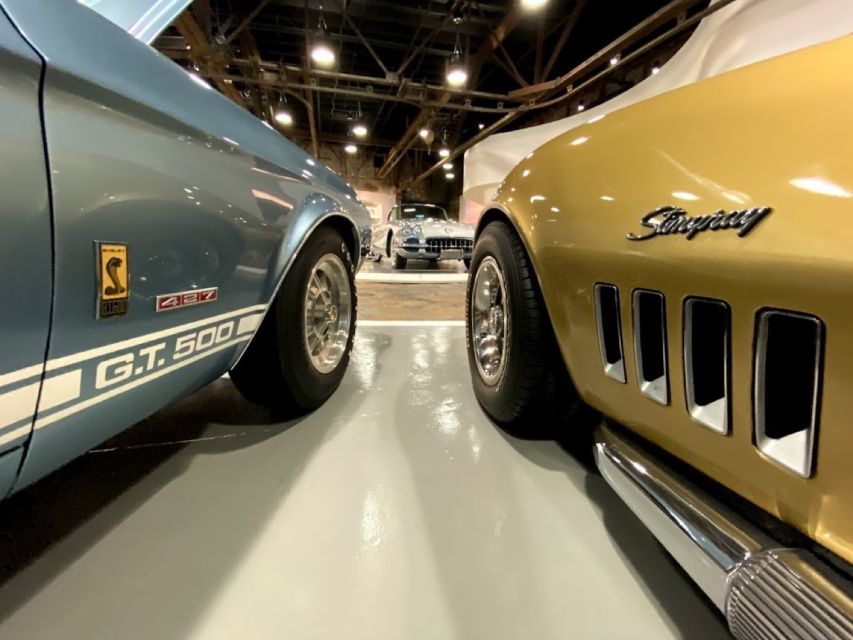
The Edge Motor Museum tells the story of the American sports car through the cars themselves, but it also explains the world that shaped them. You move from the postwar years to 1974, tracing how politics, money, popular culture, and new technology turned fast cars into national symbols. The cars are chosen for their historical and cultural meaning, not simply because they are rare or shiny.
I like the museum’s preservation-over-restoration approach, which lets you see vehicles as objects from their own time rather than perfect modern rebuilds. I also like the iPads placed by the cars and the wall of information along the ramp, since both help you understand what you are seeing instead of merely walking past polished metal.
The main thing to consider is scale. At $10 per person, the ticket is modest, but the display has a relatively small number of cars. If you expect a giant collection, you may finish sooner than expected, and all written material is in English.
Key points at a glance
- A 30-year American sports-car story: Follow the rise, boom, plateau, and fall of the American sports car from the postwar era through 1974.
- Cars chosen for meaning: The collection focuses on vehicles that reflect important moments in design, engineering, culture, politics, and economics.
- Helpful digital displays: iPads beside the cars provide extra information, while the ramp wall gives useful background before you reach the main display.
- A family-friendly stop: Interactive exhibits give children and adults something to do beyond looking at cars.
- Convenient Memphis location: The museum is at 645 Marshall Avenue, close to Sun Studio.
- Good access, limited language choice: The museum is wheelchair accessible, but the available language is English.
Why Edge Motor Museum is more than a car collection
Many car museums are built around one person’s taste. You see a row of beautiful vehicles, learn a few dates, and leave knowing which ones look fastest. Edge Motor Museum takes a broader approach. Its cars act as markers of American life.
The central question is not simply how a car was built. It is why that car looked and performed the way it did at that particular moment. A change in technology could alter an engine or body shape. A shift in the economy could affect what buyers could afford. Popular culture could turn a certain kind of speed or styling into a national dream.
That makes the museum useful even if you are not a serious car collector. You can read the exhibits as a short history of American confidence, excess, anxiety, and change. The display covers only a few decades, but those years brought major changes in how Americans thought about speed, freedom, design, and personal identity.
The museum’s theme begins with the postwar period and runs through 1974. That period gives the visit a clear shape. You are not looking at random automobiles from unrelated years. You are following a story with a beginning, a peak, and a downturn.
A few more museum visits around the USA worth comparing
- NYC: 9/11 Memorial & Museum Timed-Entry Ticket
★ 4.8 · 31,428 reviews - NYC: Empire State Building Tickets – Observatory & Museum
★ 4.7 · 25,757 reviews - New York City: American Museum of Natural History Ticket
★ 4.5 · 15,447 reviews
Start with the ramp and read the background
The ramp leading toward the cars is more important than it may first appear. A wall of information introduces the setting before you reach the main vehicle display, and I recommend taking time with it rather than hurrying straight to the automobiles.
This section helps you place each car in its era. You learn to look for links between design and the larger world. Styling can suggest optimism or restraint. Performance can reflect a desire for freedom and status. Materials, engineering choices, and market trends can show what manufacturers believed buyers wanted.
If you simply want quick photos, you can move through this area fast. That would miss much of the museum’s purpose. The wall gives you the framework needed to understand why one car matters beyond its color, shape, or engine.
The information is in English, so this section may take more effort for anyone who does not read English comfortably. There is no French content listed, and the museum does not advertise multilingual displays.
Follow the American sports car from postwar optimism to 1974
The main display tracks the American sports car through four broad stages: its rise, boom, plateau, and fall. That structure gives your visit a natural rhythm.
The early portion presents the conditions that allowed the American sports car to become an icon. After the war, new ideas about leisure, mobility, design, and speed helped create a market for cars that were about more than basic transportation.
The boom period is where the culture around the car becomes especially important. Sports cars could represent youth, independence, technical skill, and glamour. Their appeal was emotional as well as practical. You are encouraged to consider not just how fast a vehicle could go, but what owning or driving one said about its time.
The plateau suggests a period when the formula had reached a high point. Design and engineering had developed familiar patterns, and the sports car had become a recognized part of American culture. At the same time, success can bring limits. The ideas that made these cars exciting could also become excessive or less suited to changing conditions.
By 1974, the story reaches its fall. The museum uses the end of this period to show how quickly a national obsession can meet new economic, political, cultural, and technical pressures. You do not need to know every model beforehand. The larger pattern is the point.
Look closely at preservation rather than perfect restoration
Edge Motor Museum focuses on preservation over restoration. That choice changes how you look at the automobiles.
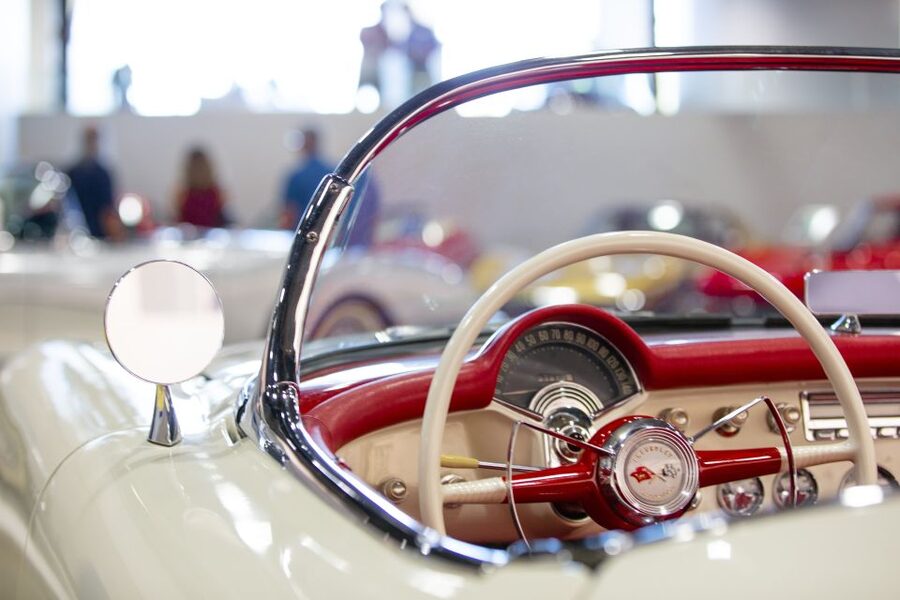
A fully restored car often presents an ideal version of the past. Every surface is polished, every detail corrected, and every flaw removed. Preservation can tell a different story. It keeps the connection to the period in which the vehicle was designed, built, sold, and driven.
That does not mean you should expect neglected cars. The display has been described as immaculately presented and well maintained. The distinction is that the museum gives priority to historical character over making every automobile look newly manufactured.
I find that approach valuable because cars are physical records. Their forms reflect the technology and taste of their time. Their place in the museum reflects what the institution believes is culturally important. You are seeing both an automobile and a piece of the era that produced it.
The selection also means the museum is not trying to display every possible model. Each automobile has been chosen for its historical and cultural significance. You may see fewer cars than in a huge automotive hall, but the visit has a more focused argument.
Same city, a completely different collection:
- NYC: Museum of Modern Art (MoMA) Entry Ticket
★ 4.6 · 12,540 reviews - 9/11 Memorial, Ground Zero Tour with Optional 9/11 Museum Ticket
★ 5.0 · 6,381 reviews - 9/11 Memorial Museum Admission Ticket
★ 4.5 · 6,376 reviews - All-Access 9/11: Ground Zero Tour, Memorial and Museum, One World Observatory
★ 5.0 · 4,886 reviews
Use the iPads to turn looking into learning
An iPad is placed in front of each car, giving you information about the vehicle on display. This is one of the most useful features for a self-guided visit.
Without labels, a car museum can become a guessing game. You may recognize a famous shape but know little about its background. The digital information lets you connect the vehicle to the larger story and understand why it earned a place in this collection.
The iPads are also useful for families. A child who wants facts about a specific car can explore that vehicle directly, while another family member can continue reading the broader historical material. The setup gives people different ways to move through the same visit.
You should still allow time for the printed information on the ramp. The iPads explain individual cars, while the ramp material helps explain the changes linking one period to the next. Together, they provide more context than either part could offer alone.
A practical stop for families and car enthusiasts
This museum works best for people who enjoy both machines and stories. Dedicated car fans will have plenty of design and engineering details to study, while casual visitors can follow the cultural changes without knowing technical terms.
It is also a sensible family stop. The interactive exhibits offer a break from long blocks of text, and children who love old cars can focus on the vehicles that catch their attention. A family does not need to share the same level of interest to enjoy the visit.
I would bring comfortable shoes, as requested for the activity. The exact time needed inside is not specified, so plan around your own pace rather than treating the ticket as a fixed guided tour. Someone who reads every panel and uses every iPad will need more time than someone making a quick visit.
The museum is wheelchair accessible, which matters for anyone planning a visit with mobility needs. The ramp is part of the exhibit route, and the listed accessibility information makes this a practical option for many visitors.
How the $10 ticket measures up
The entry price is $10 per person, with taxes and fees included. Food and drinks are not included, although those are not part of the museum visit itself.
For a focused museum built around historically important cars, $10 is a reasonable price. You are paying for more than access to a room of vehicles. The displays connect the cars to politics, economics, culture, and technology, and the iPads add another layer of information.
The value depends on your expectations. If you want a long day of automotive exhibits with dozens of halls, this may feel limited. One criticism of the museum is that there are relatively few cars, and that concern is fair. The collection is selective rather than large.
If you are already visiting the area around Sun Studio, the price becomes easier to justify. The museum is conveniently close, so you can pair it with a music-focused stop without arranging a separate trip across Memphis. That combination also shows two sides of the city’s cultural identity: the music that shaped popular culture and the cars that reflected American speed and design.
Location at 645 Marshall Avenue
The meeting point is 645 Marshall Avenue, Memphis, Tennessee 38103. The museum is close to Sun Studio, making it a useful addition to an itinerary in that part of Memphis.
This is a walk-in museum experience rather than a city tour with transport. You make your own way there, explore at your own speed, and leave when you are finished. That flexibility is useful if you are fitting the museum between other Memphis sights.
The ticket is valid for one day. Starting times depend on availability, so check the current options before booking. You can also reserve now and pay later, which helps if you are still arranging the rest of your Memphis plans.
Free cancellation is available up to 24 hours in advance for a full refund. Bring a passport or ID card and wear comfortable shoes.
What the English-language format means
The listed host or greeter language is English, and the museum content is also presented in English. If you are comfortable reading English, the written panels and iPads should give you plenty to work with.
If you need another language, check carefully before booking. French information is not provided, and there is no indication of translations in the supplied details. This is the clearest practical limitation for international visitors.
There is no named guide attached to the experience. The format is primarily self-guided, with the exhibits, ramp information, and iPads doing the teaching. An on-site staff member may be available to help, but you should not book this expecting a scheduled guided lecture.
Who should book this museum
I would recommend Edge Motor Museum to:
- People who enjoy American car design and engineering
- Families with children interested in automobiles
- Visitors who want a focused indoor stop near Sun Studio
- Anyone curious about how cars reflect American culture
- Wheelchair users looking for an accessible Memphis museum
- Visitors who prefer a self-guided experience
I would be more cautious if you want a huge collection, a long guided tour, or extensive multilingual material. The museum’s strength is its focused story and carefully selected cars, not sheer quantity.
Should you book the Edge Motor Museum?
Book it if you want to understand why the American sports car became an icon, not just see a row of old vehicles. The historical context, preserved condition of the cars, ramp display, and iPads make the $10 ticket worthwhile for most car fans and curious families.
Skip it if your main goal is a massive automotive collection or a visit in a language other than English. The number of cars is limited, so pair the museum with Sun Studio or another Memphis sight to make the most of your time in the area.
FAQ
Where is Edge Motor Museum located?
Edge Motor Museum is at 645 Marshall Avenue, Memphis, Tennessee 38103.
How much does admission cost?
The entry ticket costs $10 per person. Taxes and fees are included.
How long is the ticket valid?
The ticket is valid for one day. The exact time you spend inside depends on your pace.
What years does the museum cover?
The main story follows American sports cars from the postwar period through 1974.
What does the museum focus on?
The museum focuses on the rise, boom, plateau, and fall of the American sports car, with attention to politics, economics, culture, and technology.
Are the cars restored?
The museum emphasizes preservation over restoration. The cars are selected for historical and cultural significance.
Is the museum wheelchair accessible?
Yes, Edge Motor Museum is listed as wheelchair accessible.
What language is available?
The listed language is English. French information is not provided.
Are food and drinks included?
No. Food and beverages are not included with the entry ticket.
Can I cancel my booking?
Yes. You can cancel up to 24 hours in advance for a full refund.
Just added around the USA
- Museum of Ice Cream Austin★ 3.5 · 85 reviews
- Admission to Richard Nixon Presidential Library and Museum Ticket★ 5.0 · 123 reviews
- The Turquoise Museum Curator’s Tour★ 5.0 · 12 reviews
- Turquoise Museum Visit★ 4.5 · 194 reviews
- Orlando: Titanic Artifact Exhibition Ticket★ 4.5 · 246 reviews
- The St. Augustine Old Jail Museum Guided Tour★ 4.6 · 68 reviews
- San Diego: San Diego Natural History Museum Ticket★ 4.7 · 33 reviews
- The Museum of Fine Arts, Houston Entry Ticket★ 4.6 · 82 reviews
Museum Tours in the USA, compared.




9/11 Memorial, Ground Zero Tour with Optional 9/11 Museum Ticket
Read our review →

All-Access 9/11: Ground Zero Tour, Memorial and Museum, One World Observatory
Read our review →

Browse the lists this tour appears in