
Review · THE USA
Los Angeles: Grammy Museum Entry Ticket
The most fun part of the GRAMMY Museum is not simply looking at costumes and awards behind glass. It is making noise yourself in studio rooms, testing beat machines, and seeing how sound changes from early recordings to modern surround sound. The four floors also cover major genres and artists, with a current Luther Vandross exhibit and the hands-on Sonic Playground.
I especially like the Mono to Immersive exhibit, where you can hear the same kind of music in different recording formats, and the Ray Charles Terrace, which gives you a useful Hollywood Sign photo opportunity. The main caution is scale: at $22, this is a fair-priced stop, but the museum is smaller than some visitors expect, and a few galleries or interactive stations may be closed for private events or repairs.
Key points to know before you go

- Sonic Playground puts you in the music-making role, with 17 interactive stations spread across a 3,000-square-foot gallery.
- Mono to Immersive traces sound from the 19th century to surround sound, with concert footage and listening experiences.
- Four floors cover artists, genres, clothing, awards, and recording technology, not only the GRAMMY Awards themselves.
- The Ray Charles Terrace offers views toward the Hollywood Sign, a welcome outdoor pause between galleries.
- Special exhibits change often, with Luther Vandross, RetroBlakesberg, and other artist-focused displays adding a changing reason to return.
- The $22 ticket works best for music fans and hands-on learners, but you should not expect a huge national museum.
Four floors of music, not just Grammy trophies
The GRAMMY Museum sits in Downtown Los Angeles and uses its four floors to tell several stories at once. You will see music memorabilia from different genres, recordings, costumes, photographs, awards, and displays about the people who shaped popular music.
That variety is the museum’s strength. You can move from hip-hop to rock, folk, blues, pop, and alternative music without treating any one style as the whole story. The displays also connect music to technology, fashion, performance, and the changing ways people listen.
I would not approach this as a traditional museum where you read every label in order. The experience works better if you choose a few areas that interest you and give the interactive stations time. A music fan can spend hours testing equipment and listening to performances, while someone with less interest in recording technology may move more quickly through those sections.
The museum’s size is worth keeping in mind. It is packed with material, but it is not enormous. One visitor found it smaller than expected, and that is a fair warning. You get a concentrated visit rather than a full-day institution with endless rooms.
A few more museum visits around the USA worth comparing
- NYC: 9/11 Memorial & Museum Timed-Entry Ticket
★ 4.8 · 31,428 reviews - NYC: Empire State Building Tickets – Observatory & Museum
★ 4.7 · 25,757 reviews - New York City: American Museum of Natural History Ticket
★ 4.5 · 15,447 reviews
Sonic Playground puts you behind the controls
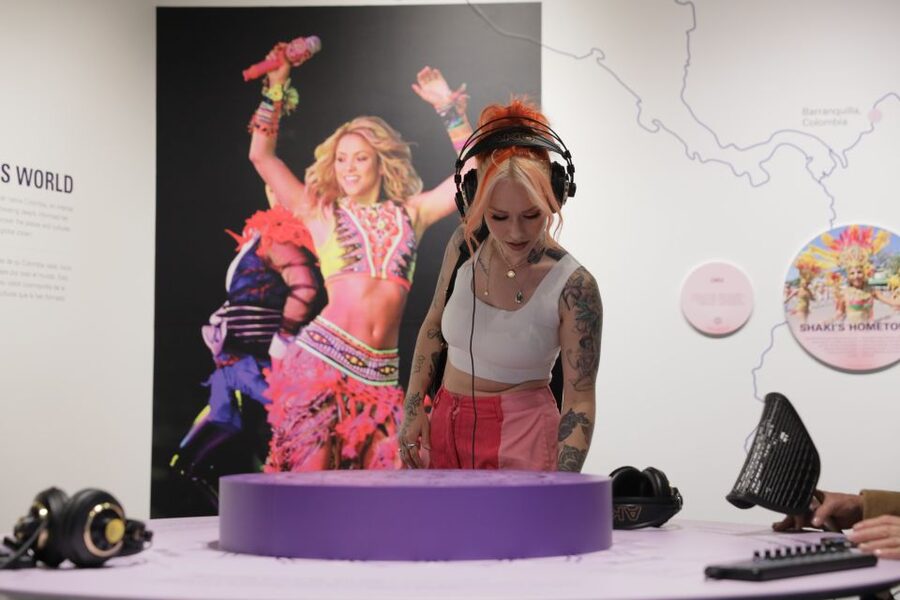
Sonic Playground is the clearest reason to bring children, teenagers, or anyone who likes to press buttons instead of standing quietly beside display cases. The 3,000-square-foot gallery includes 17 interactive stations designed to show how music is created and changed.
You might work with microphones, beats, rhythm, or other parts of the production process. The studio rooms are especially appealing because you can use microphones, play music, and experiment with beat machines. This gives the exhibit a practical edge. You are not only reading about a producer’s work. You are trying a small part of it.
I like this approach because it explains music without making the subject feel like school. You can hear how a beat is built, how separate sounds fit together, and how technology changes the final result. You do not need formal musical training to take part.
Interactive exhibits can be busy, and some stations may not operate perfectly on every visit. Still, Sonic Playground is one of the museum’s strongest sections because it gives you something to do. If you are visiting with family, allow extra time here rather than treating it as a quick walk-through.
Mono to Immersive turns recording history into a listening lesson
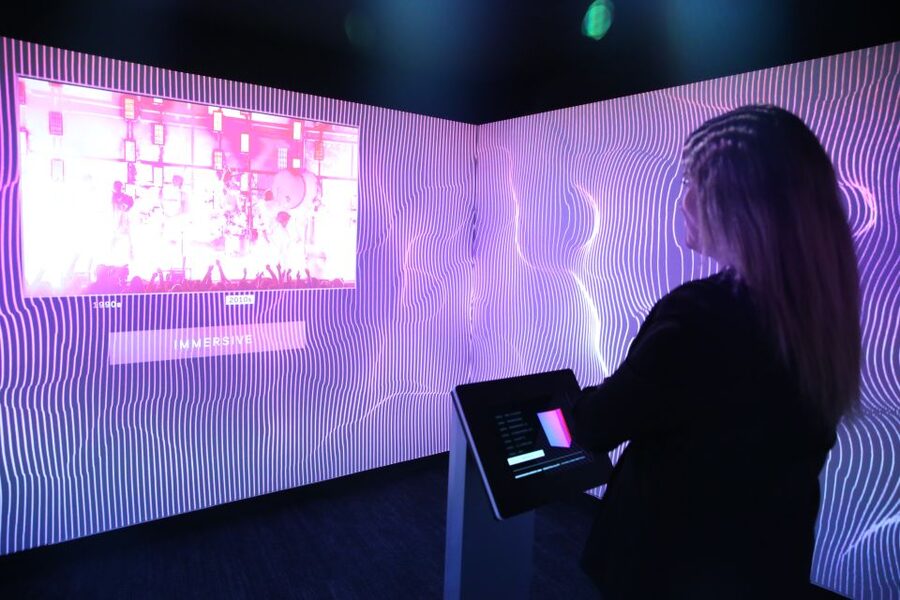
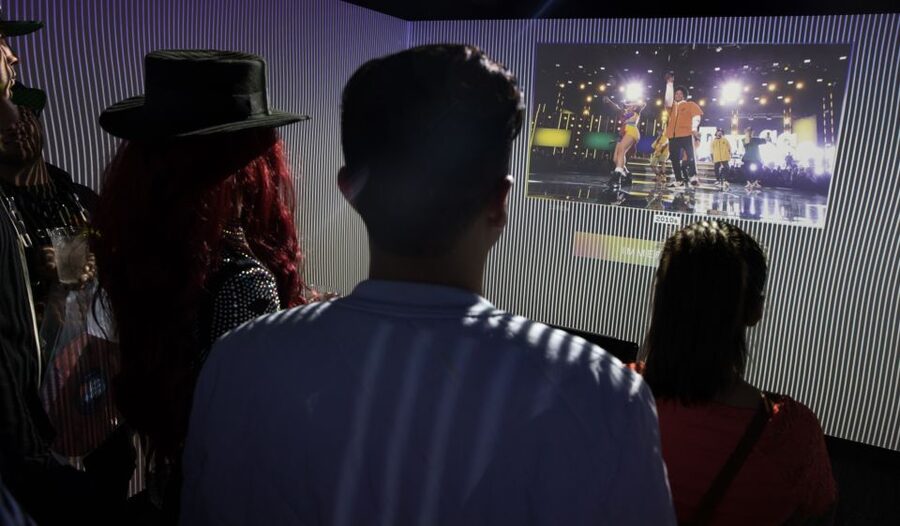
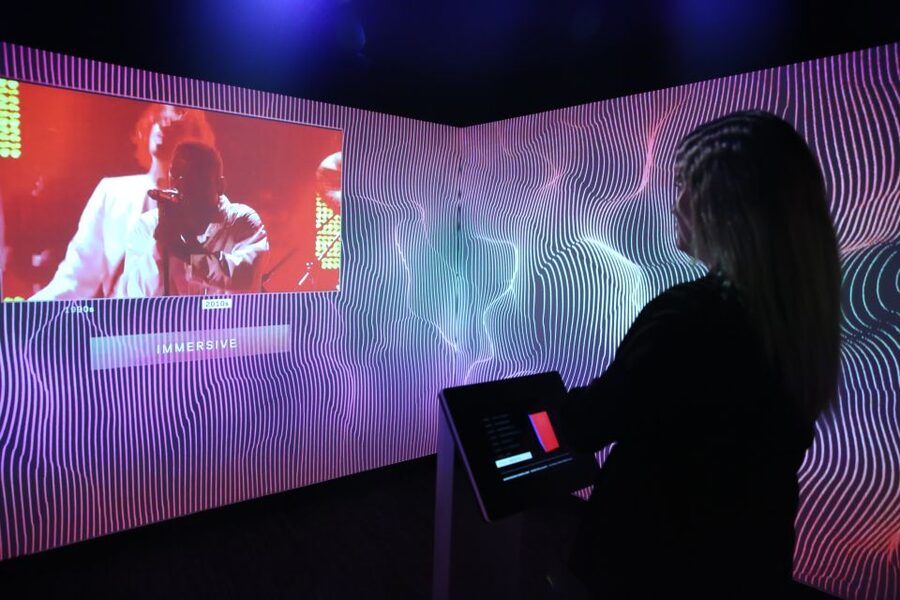
The Mono to Immersive exhibit follows the development of recorded sound from the 19th century to today’s surround-sound systems. It also connects that technical story to GRAMMY performances, so you can revisit familiar moments while hearing how the presentation of music has changed.
This is more than a display about old equipment. The point is to notice what happens when sound moves from a single-channel recording to a wider and more detailed format. Concert footage and music samples help make the difference clear.
One of the most memorable parts is the room where you can hear the progression of audio quality while watching performances. You can compare different versions of music and see how recording technology affects the feeling of a concert. I would give this section more time than you might expect. It is easy to walk through, but the listening experience rewards patience.
The exhibit also follows the GRAMMY Award from 1959 to the present. That gives you some institutional context, though it may not answer every question about how nominations are made or how the awards show is produced.
That gap matters. If you are mainly interested in the GRAMMYs as an organization, you may want more about voting, eligibility, production, and the award’s development. The museum often focuses more on music and musicians than on the machinery behind the ceremony.
Artist exhibits bring the museum closer to the people
The displays become more personal when they focus on individual performers. You can see material connected to artists such as Michael Jackson, Taylor Swift, and Stevie Wonder, along with rotating exhibitions that change over time.
The current Luther Vandross: Artistry and Elegance exhibition examines the life and work of the eight-time GRAMMY winner. Vandross was a songwriter, arranger, producer, performer, and vocalist, so the exhibit has several ways into his career. It is not limited to a list of awards. It looks at the range of work behind the public image.
This kind of artist exhibition is useful because it gives context to music you may already know. You can connect the finished recording with the person’s work as a writer, arranger, or producer. If you are a Luther Vandross fan, this should be one of your first stops.
Special displays change regularly, so the exact mix will depend on your visit. Past exhibitions have included artist-focused presentations on Selena, BTS, ATEEZ, and xikers. That rotation is a plus for repeat visits, but it also means you should check the current schedule if one particular performer is the main reason you want to go.
Same city, a completely different collection:
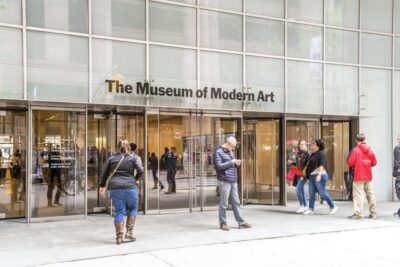
- NYC: Museum of Modern Art (MoMA) Entry Ticket
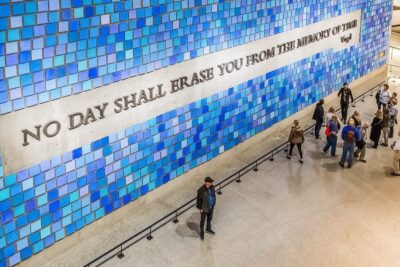
★ 4.6 · 12,540 reviews - 9/11 Memorial, Ground Zero Tour with Optional 9/11 Museum Ticket
★ 5.0 · 6,381 reviews - 9/11 Memorial Museum Admission Ticket
★ 4.5 · 6,376 reviews - All-Access 9/11: Ground Zero Tour, Memorial and Museum, One World Observatory
★ 5.0 · 4,886 reviews
RetroBlakesberg shows music through the camera lens
RetroBlakesberg covers 30 years of music history through photographer Jay Blakesberg’s work. The exhibit moves through blues, folk, rock ’n’ roll, hip-hop, and alternative music.
Photography changes the pace of the museum. Instead of focusing only on sound or objects, this section shows how performers, audiences, venues, and music culture looked across different decades. It gives you a visual record of change and helps link separate genres into a wider story.
I find this type of exhibit most useful when you take time to study the dates and setting of the images. The photographs are not simply decoration. Together, they show how musicians presented themselves and how the culture around live music shifted over 30 years.
The Ray Charles Terrace adds a welcome pause
After several indoor galleries, the Ray Charles Terrace gives you a place to step outside and reset. The terrace includes views toward the Hollywood Sign, so have your camera ready.
The view is not the same as a dedicated Hollywood Sign viewpoint, and you should not book the museum only for the panorama. Still, it adds value to a museum visit in an urban setting. You can take a few pictures, get some air, and return to the exhibits with fresh attention.
This is also a practical spot for anyone who prefers to break the visit into shorter sections. Four floors can feel like a lot of material, especially when several stations invite you to stop and listen. The terrace makes the visit feel less like one long indoor circuit.
How long to allow and how to plan your visit
The ticket is valid for one day from first activation, so you have flexibility rather than a tightly timed guided itinerary. There is no guided tour included, which means you can set your own pace and return to sections that interest you.
I would plan at least several hours if you want to use the interactive displays, listen carefully in Mono to Immersive, and read the artist material. A shorter visit can cover the main floors, but rushing will reduce the value of the hands-on areas.
Wear comfortable shoes. You will be moving among multiple floors, and the museum rewards a slow visit more than a quick photo stop.
The museum may occasionally close parts of the building for private events. A fifth-floor area has also been closed on at least one visit, and individual interactive exhibits may not always work. This is not a reason to skip the museum, but it is a reason to keep your expectations flexible.
The facility is wheelchair accessible. Food, drinks, souvenirs, and a guided tour are not included in the ticket. You can browse the shop afterward, which carries a range of music-related items, but remember to budget separately if you want something to take home.
Is $22 a fair price?
At $22 per person, the GRAMMY Museum is reasonably priced for Downtown Los Angeles if you enjoy music, technology, or pop culture. The value improves when you use the interactive studios and stay for the sound exhibits rather than treating the museum as a quick display of famous clothing.
The price feels less compelling if you want a large, exhaustive account of the GRAMMY Awards. The museum does not devote every room to award-show history, voting, or production. Instead, you are paying for a broad music museum with GRAMMY connections, artist displays, recording technology, and hands-on activities.
That distinction helps you make the right choice. If you want to see how music is made, hear changes in recording quality, and look at memorabilia from different genres, $22 is sensible. If you only want trophies and facts about the awards ceremony, you may find the visit less focused than expected.
Free cancellation up to 24 hours before the visit and reserve-now, pay-later booking make the ticket easier to fit into a changing Los Angeles schedule. Those policies are useful, but the main value still comes from allowing enough time inside.
Who will enjoy this museum most?

I would recommend the GRAMMY Museum to:
- Music fans who want more than static displays
- Families with children or teenagers who enjoy interactive exhibits
- Visitors interested in recording technology and concert sound
- Fans of Luther Vandross or the current special exhibitions
- Anyone looking for an indoor Downtown Los Angeles activity
- People who want to connect different music genres in one visit
It is less ideal for someone expecting a huge museum devoted only to the GRAMMY Awards. It may also feel light if you are hoping for a detailed account of every award year from 1959 onward.
The strongest experiences are Sonic Playground, Mono to Immersive, and the rotating artist displays. Those areas give you something to hear, operate, or examine closely. The weaker point is the uneven amount of information from one section to another. Some walls may feel underused, and some parts may not explain the development of the awards as fully as you expect.
Should you book the GRAMMY Museum?
Book it if you want an active music museum rather than a quiet collection of objects. The microphone and beat-machine stations, the changing sound formats, the artist exhibitions, and the Hollywood Sign view give the $22 ticket several useful layers.
Go with realistic expectations about size and focus. This is not a giant museum, and it does not explain every part of the GRAMMY institution. But for a compact Downtown stop that lets you listen, experiment, and see music memorabilia across four floors, it offers solid value.
FAQ
Where is the GRAMMY Museum located?
The GRAMMY Museum is in Downtown Los Angeles, California.
How much does admission cost?
The entry ticket costs $22 per person.
How long is the ticket valid?
The ticket is valid for one day from the time you first activate it.
Is a guided tour included?
No. The ticket includes entry to the GRAMMY Museum, but not a guided tour.
Is the museum wheelchair accessible?
Yes, the museum is wheelchair accessible.
Can I cancel the ticket?
Yes. You can cancel up to 24 hours in advance for a full refund. You can also reserve now and pay later.
Just added around the USA
- Museum of Ice Cream Austin★ 3.5 · 85 reviews
- Admission to Richard Nixon Presidential Library and Museum Ticket★ 5.0 · 123 reviews
- The Turquoise Museum Curator’s Tour★ 5.0 · 12 reviews
- Turquoise Museum Visit★ 4.5 · 194 reviews
- Orlando: Titanic Artifact Exhibition Ticket★ 4.5 · 246 reviews
- The St. Augustine Old Jail Museum Guided Tour★ 4.6 · 68 reviews
- San Diego: San Diego Natural History Museum Ticket★ 4.7 · 33 reviews
- The Museum of Fine Arts, Houston Entry Ticket★ 4.6 · 82 reviews
Museum Tours in the USA, compared.


9/11 Memorial, Ground Zero Tour with Optional 9/11 Museum Ticket
Read our review →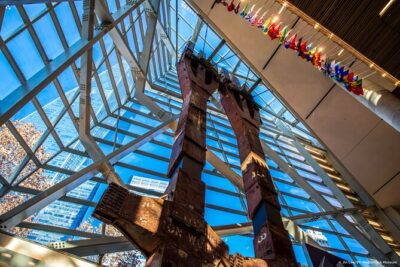

All-Access 9/11: Ground Zero Tour, Memorial and Museum, One World Observatory
Read our review →

Browse the lists this tour appears in