
Review · THE USA
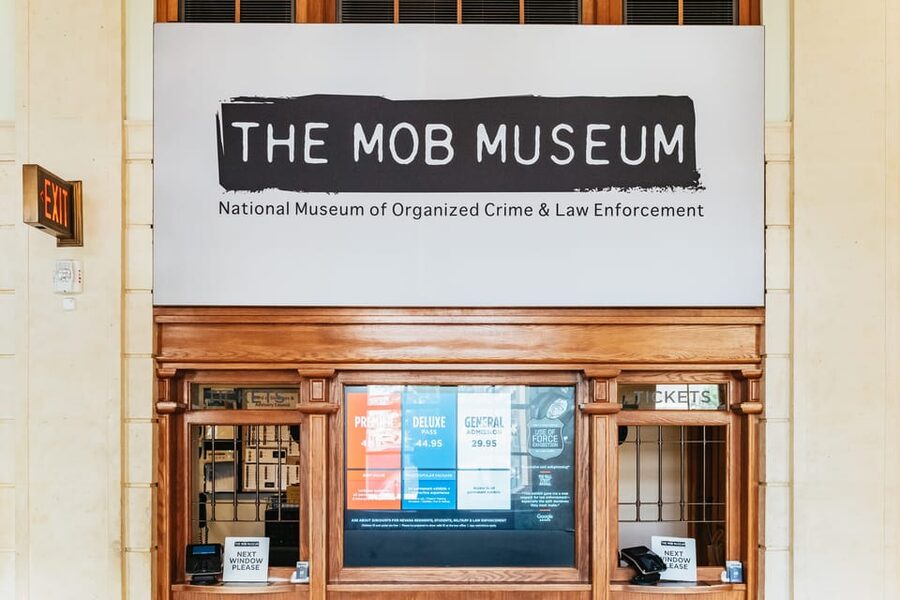
Las Vegas: Mob Museum General Admission
The Mob Museum does more than display gangster photos. It places you inside the long contest between organized crime and law enforcement, using wiretap recordings, films, courtroom testimony, weapons, and the actual wall from the St. Valentine’s Day Massacre. I especially like the restored courtroom, where one of the federal Kefauver Hearings took place, and the working basement speakeasy, which gives the visit a lively finish.
I also like that the museum gives law officers equal billing with the criminals. You meet figures such as Al Capone, Bugsy Siegel, John Gotti, Joe Petrosino, Eliot Ness, and Estes Kefauver, then see how new police methods and prosecution tactics changed the fight. The main drawback is the sheer amount of reading and the number of names. At $34, the ticket is fair for a two-and-a-half to three-hour visit, but it feels costly if you rush through in an hour.
Key points to know before you go
- The courtroom is easy to miss: Make time for the presentation about the Kefauver Hearings, one of the museum’s strongest sections.
- The St. Valentine’s Day Massacre wall is real: This famous Chicago crime artifact gives the museum a jarring physical link to the past.
- The exhibits cover both sides: You follow mob operations and the law officers who built new ways to stop them.
- The Underground is part museum, part night out: The basement speakeasy and distillery offer period displays, food, and cocktails at an extra cost.
- Plan on 1.5 to 3 hours: Careful readers can spend longer, especially if they watch the films and try the interactive stations.
- Extra experiences cost more: Firearms and forensic activities are not part of basic admission.
Downtown Las Vegas history inside an old courthouse
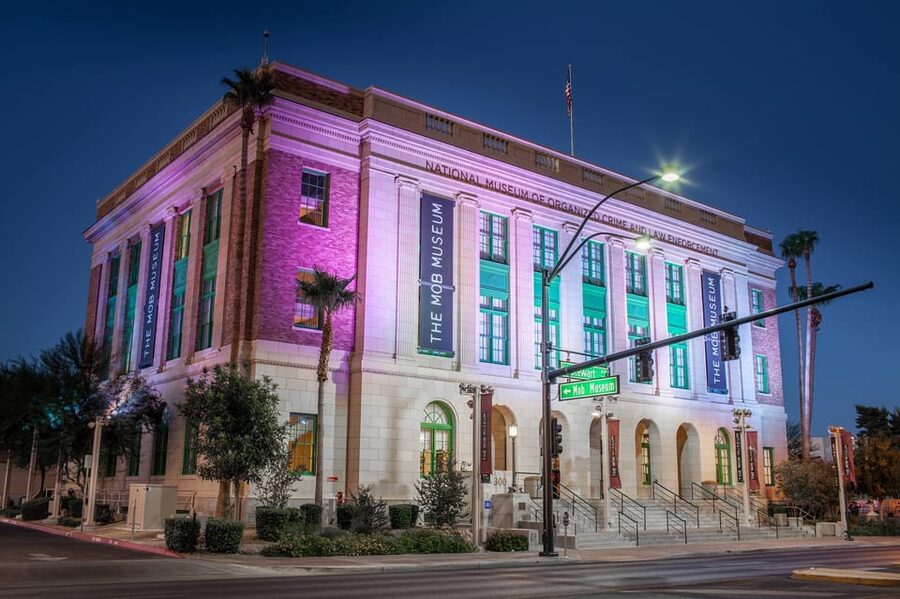
The Mob Museum is at 300 Stewart Avenue, near Fremont Street. Its setting matters. This is not a generic attraction placed in a casino resort. The building itself connects to the civic and legal history of downtown Las Vegas, and the old courtroom gives the visit a sense of place before you even start reading the displays.
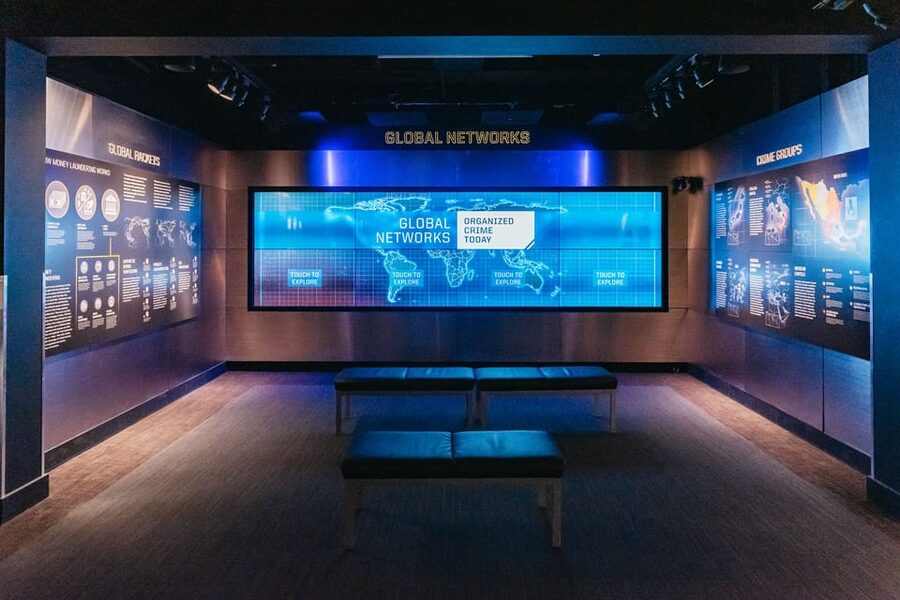
The museum follows organized crime across the United States, with Las Vegas as an important part of the story rather than the entire subject. You learn about rackets before Prohibition, the growth of national crime groups, gambling operations, money skimming, and the ways organized crime reached beyond one city or one ethnic group.
That wider scope is useful. If you come expecting only stories about Las Vegas casinos, you may find the first sections broader than expected. I prefer this approach because it explains how Las Vegas fit into a national system of gambling, corruption, labor influence, and illegal business.
The museum also makes clear that the word mob can hide a complicated reality. Organized crime was not one single organization with one leader. The displays trace different groups, rivalries, and methods, including crime figures connected with Chicago, New York, Las Vegas, Cuba, and other places.
A few more museum visits around the USA worth comparing
- NYC: 9/11 Memorial & Museum Timed-Entry Ticket
★ 4.8 · 31,428 reviews - NYC: Empire State Building Tickets – Observatory & Museum
★ 4.7 · 25,757 reviews - New York City: American Museum of Natural History Ticket
★ 4.5 · 15,447 reviews
Three floors of names, evidence, and hard facts
Give yourself time at the entrance to understand the route. The museum is spread over three floors, and the material is dense. You will see photographs, documents, film clips, audio recordings, weapons, personal effects, and explanatory panels that move from early criminal enterprises to modern organized crime.
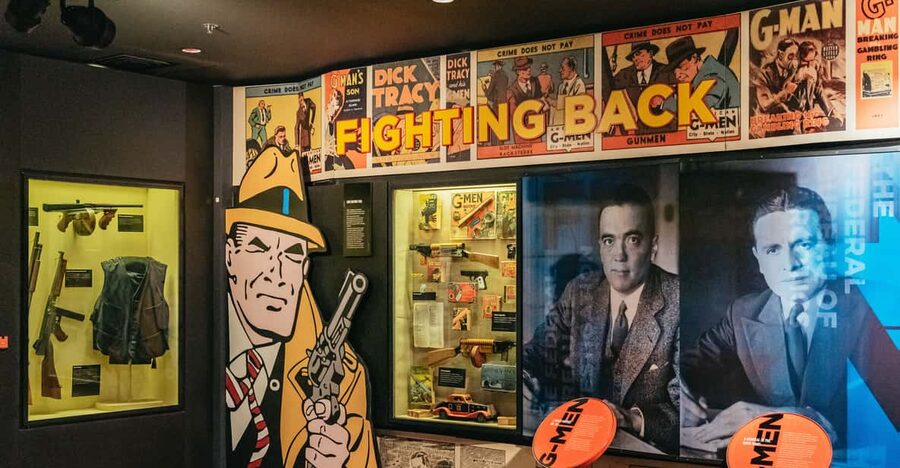
The famous names help you get oriented. Al Capone and Eliot Ness provide a familiar starting point, but the museum goes well beyond the standard movie version. Bugsy Siegel, Whitey Bulger, John Gotti, Joe Petrosino, and Estes Kefauver all have parts to play, and the exhibits show how their roles differed.
This is also where the museum separates fact from Hollywood legend. You can watch mob films and then compare their familiar images with government evidence, recorded conversations, and documented events. The result is less glamorous than a gangster movie, which is exactly the point.
Some sections require patience. There are many names, dates, organizations, and places, and it is easy to lose the thread if you try to read every panel at the same speed. I suggest choosing a few people or themes to follow, then returning to anything that catches your attention.
The St. Valentine’s Day Massacre wall
One of the museum’s most memorable objects is a section of the wall connected with the St. Valentine’s Day Massacre in Chicago. It is not just another photograph behind glass. The physical wall gives the event a blunt, unsettling presence.
The museum does not treat organized crime as harmless costume drama. Some images are graphic, so you should prepare children and sensitive visitors accordingly. The material is presented to show the violence and consequences of criminal power, not simply to celebrate famous gangsters.
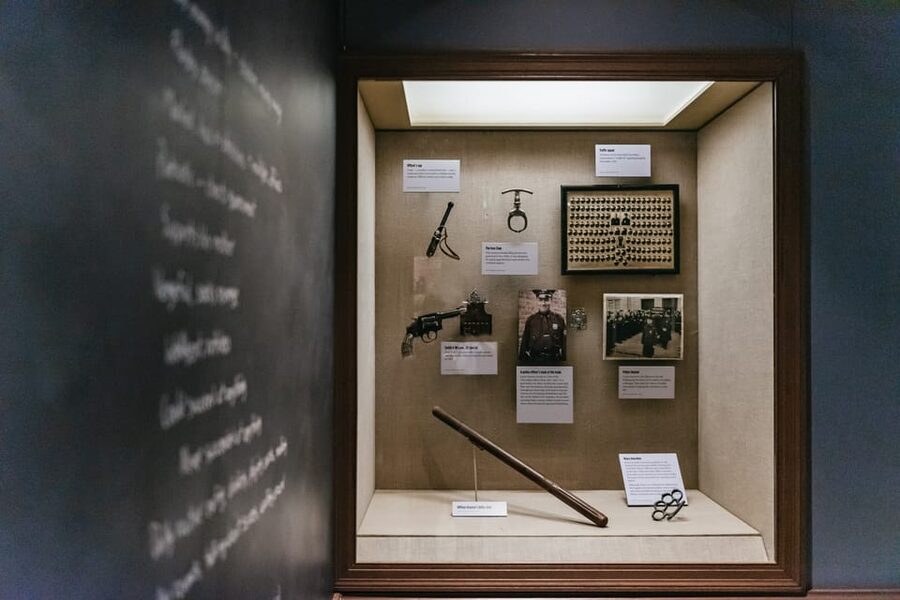
You may also find displays about weapons and the ways criminals tried to protect or arm themselves. A firearms training simulator is available as a separate paid activity, so do not assume it comes with the regular ticket.
The courtroom and the Kefauver Hearings
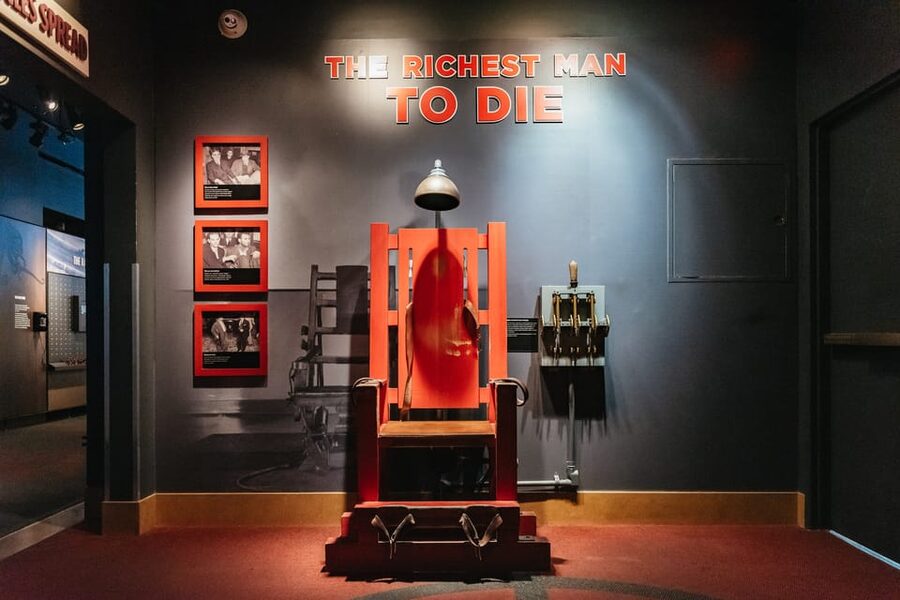
The restored courtroom is one of the museum’s best rooms. It was the site of one of the 14 federal Kefauver Hearings held in the early 1950s, when Senator Estes Kefauver helped bring organized crime into public view.
A film presentation explains the hearings and their importance. Sitting in the room where testimony about organized crime was examined makes this section more powerful than a standard display case. You get a sense of how the government tried to turn scattered evidence, witness accounts, and public suspicion into a national investigation.
I recommend checking the schedule when you arrive and making sure you do not skip the courtroom presentation. It can be less obvious than the main galleries, and it is one of the sections most likely to reward careful timing.
One practical point: the courtroom portion may feel short compared with the reading galleries, but it supplies vital context. The museum is not only telling stories about criminals. It is showing how public hearings, federal investigations, and new legal methods changed the balance of power.
Same city, a completely different collection:
- NYC: Museum of Modern Art (MoMA) Entry Ticket
★ 4.6 · 12,540 reviews - 9/11 Memorial, Ground Zero Tour with Optional 9/11 Museum Ticket
★ 5.0 · 6,381 reviews - 9/11 Memorial Museum Admission Ticket
★ 4.5 · 6,376 reviews - All-Access 9/11: Ground Zero Tour, Memorial and Museum, One World Observatory
★ 5.0 · 4,886 reviews
Wiretaps, films, and the changing work of law enforcement
The law enforcement sections explain how police and prosecutors adapted as criminal groups became more careful and better organized. You hear wiretaps used by the government, watch high-tech theater presentations, and see how evidence gathering changed over time.
The recordings add an important human element. Instead of reading only about a scheme, you can listen to real voices and consider how investigators built a case. The material also shows that catching organized criminals was rarely a matter of one heroic officer. It required surveillance, informants, technology, financial investigation, and patient prosecution.
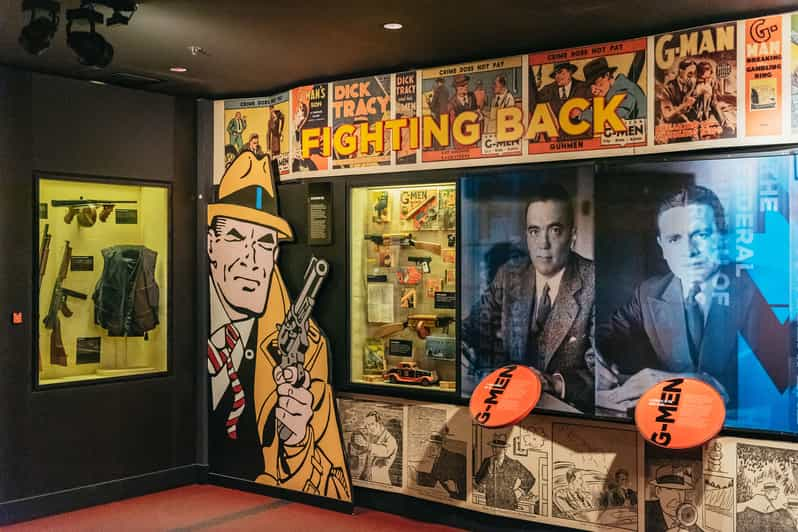
Joe Petrosino, Eliot Ness, and Estes Kefauver represent different stages of that effort. The museum gives you a broader picture of law enforcement than the usual movie image of a lone detective. You see how officers had to create new tools and tactics as criminals found new ways to hide money and influence.
This part works best if you are willing to slow down. The interactive features help break up the reading, but the museum remains an information-heavy place. If you only have one hour before dinner or a show, you will see the highlights but miss much of the explanation.
Las Vegas, casino skimming, and organized crime today
The Las Vegas material connects crime history with the city you see outside. Displays explain the mob’s influence on gambling and casino operations, including skimming schemes that diverted money before it reached the official books.
You can also learn about the changing face of Las Vegas, including local law enforcement and the city’s earlier decades. A scale model of the prison connected with El Chapo’s escape adds another international angle, while displays about the possible mob connection to the assassination of John F. Kennedy show how the museum handles disputed claims. The point is not to present every theory as proven. It distinguishes between motive, suspicion, and evidence that would hold up in court.
The final sections bring the subject into the present. Organized crime did not disappear when the classic mob era ended. Groups operate differently today, and the museum explains how criminal networks continue to adapt.
That modern section keeps the visit from becoming a costume piece about 1920s gangsters. It also reminds you that the story is not neatly finished.
The Underground speakeasy and distillery
After the galleries, head downstairs to The Underground. The basement is styled as a Prohibition-era speakeasy and includes a working distillery, period artifacts, and educational displays about the 1920s.
Admission to the museum does not include food or drinks, but you can purchase both there. A handcrafted cocktail makes the setting more than a final exhibit, and the period music gives the room a relaxed change of pace after several hours of reading.
The Old Fashioned is a sensible choice if you want a drink tied to the era, though the important detail is that the bar is not included in the $34 ticket. You can also find food, including hummus and pizza, based on the available offerings and past visit details. Allow about 30 minutes if you want to sit down rather than simply look around.
Do not leave the password or entry details until the last moment. Ask staff about the speakeasy when you arrive so you know how to access it and can plan the timing. The basement is particularly useful for couples and small groups who want to turn the museum into a longer downtown stop.
How long to stay and how to pace the visit
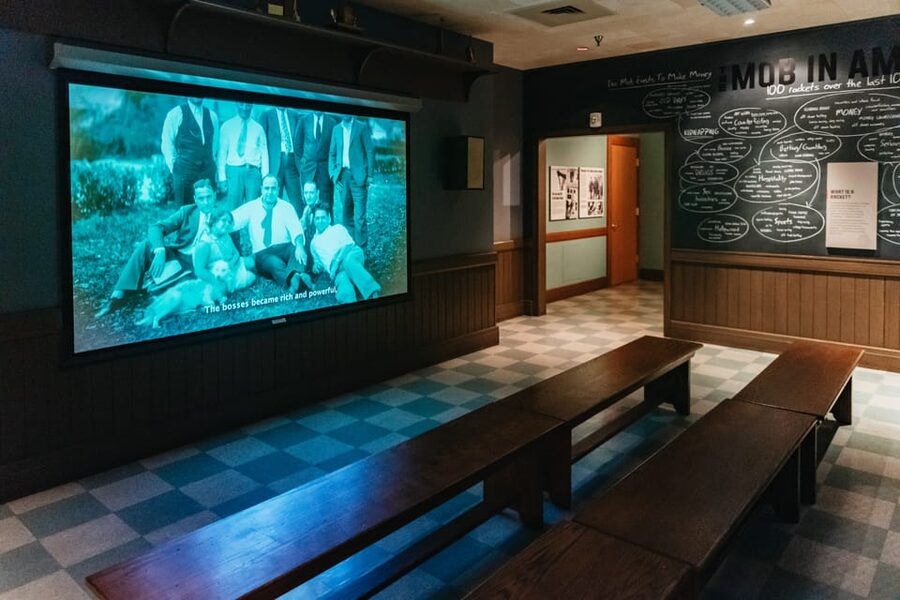
The official guidance is 1.5 to 3 hours, and that range is realistic. A quick visitor who watches only the main films can cover the museum in about 90 minutes. If you read the panels, listen to wiretaps, watch the courtroom film, and try the interactive exhibits, plan on two to three hours.
People who love crime history can spend longer. The amount of text is substantial, and several sections reward a second look after you understand the larger story.
I would not schedule this between two tightly timed activities. The museum is too detailed for a rushed visit, and the Underground adds another 30 minutes or more if you stop for food or a drink.
The museum is wheelchair accessible. An audio guide can be added in English or Spanish, which may help you keep the story organized as you move through the floors. Operating hours can change, so check the museum website before setting out.
Is $34 a good value?
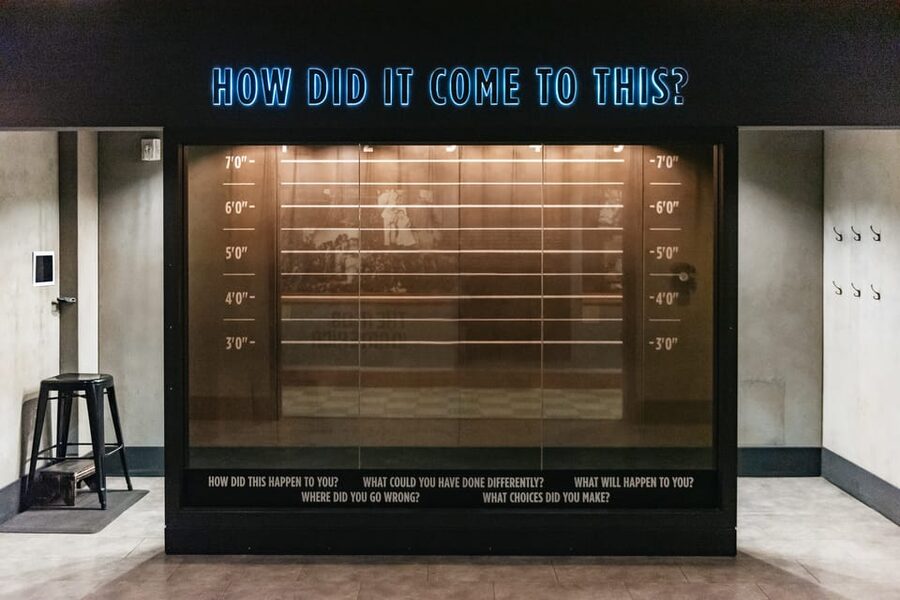
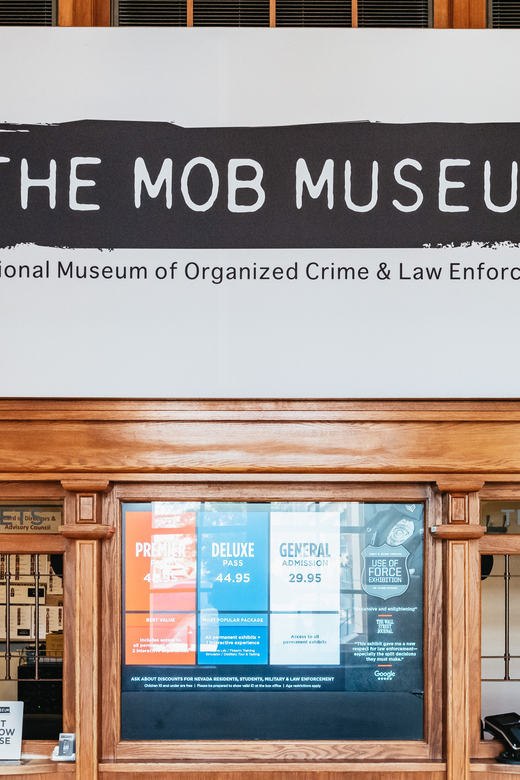
At $34 per person, basic admission is not a bargain attraction, but it can be good value for the time involved. You are paying for a full museum visit with several floors, films, audio material, artifacts, interactive stations, and the historic courtroom.
The value is strongest if you like American history, law enforcement, Las Vegas, or the documentary side of organized crime. It is weaker if you only want a quick collection of gangster photographs. You should also add the $8 parking cost if you drive, plus any food, drinks, audio guide, or special experiences.
The basement helps justify the price, but it is not free entertainment. Think of it as a separate bar stop in the same building. If you want firearms or forensic activities, ask about the upgraded options before buying, since those experiences cost extra.
The museum accepts cancellations up to 24 hours before the visit for a full refund, and you can reserve now and pay later. Those policies are useful if your Las Vegas schedule is still shifting, but the main decision is how much time you can give the museum.
Who should visit The Mob Museum?
I would recommend it to adults and older children who enjoy true crime, American politics, police work, or the history of Las Vegas. It is also a good choice for a hot afternoon, a break from casino floors, or an outing near Fremont Street.
It suits independent visitors who like to read at their own pace. The optional audio guide helps if you want more structure, while the films and interactive displays keep the visit from being only text panels.
It may be less suitable for very young children. The subject includes murder, weapons, graphic photographs, and criminal violence. The staff can help you navigate, but the museum does not soften the material.
Couples can combine the galleries with a drink in The Underground. History-minded families can use the exhibits to discuss how laws, policing, and public hearings changed over time. Fans of mob movies should come ready to question the myths rather than simply admire them.
Should you book The Mob Museum?
Book it if you can spare at least two hours and want a serious look at the forces that shaped organized crime and Las Vegas. The courtroom, St. Valentine’s Day Massacre wall, wiretaps, and Underground speakeasy give the visit more range than a simple display of gangster memorabilia.
Skip it if you want a fast attraction or dislike reading. At $34, the ticket makes sense when you use the museum properly, but it is harder to justify if you rush through the galleries. Arrive with time, check the courtroom schedule, ask about the speakeasy password, and treat the basement drink as an optional final stop.
FAQ
Where is The Mob Museum located?
The Mob Museum is at 300 Stewart Avenue in downtown Las Vegas, Nevada, near the Fremont Street area.
How long should I plan for a visit?
Allow between 1.5 and 3 hours for the main museum. You may need longer if you read most of the displays, watch the films, use the interactive exhibits, or stop at The Underground speakeasy.
What does the $34 admission include?
The $34 ticket includes entrance to The Mob Museum. An audio guide may be included if you select that option, but food, drinks, parking, special experiences, and other services cost extra.
Is the audio guide available in more than one language?
Yes. The optional audio guide is available in English and Spanish.
Is The Mob Museum wheelchair accessible?
Yes, the museum is wheelchair accessible.
Can I cancel my booking?
You can cancel up to 24 hours in advance for a full refund. Reserve now and pay later may also be available, allowing you to keep your plans flexible.
Just added around the USA
- Museum of Ice Cream Austin★ 3.5 · 85 reviews
- Admission to Richard Nixon Presidential Library and Museum Ticket★ 5.0 · 123 reviews
- The Turquoise Museum Curator’s Tour★ 5.0 · 12 reviews
- Turquoise Museum Visit★ 4.5 · 194 reviews
- Orlando: Titanic Artifact Exhibition Ticket★ 4.5 · 246 reviews
- The St. Augustine Old Jail Museum Guided Tour★ 4.6 · 68 reviews
- San Diego: San Diego Natural History Museum Ticket★ 4.7 · 33 reviews
- The Museum of Fine Arts, Houston Entry Ticket★ 4.6 · 82 reviews
Museum Tours in the USA, compared.

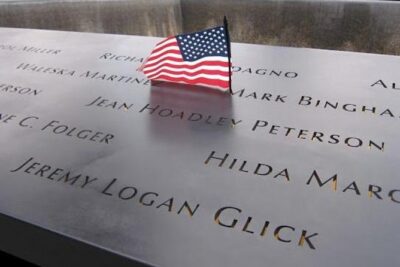
9/11 Memorial, Ground Zero Tour with Optional 9/11 Museum Ticket
Read our review →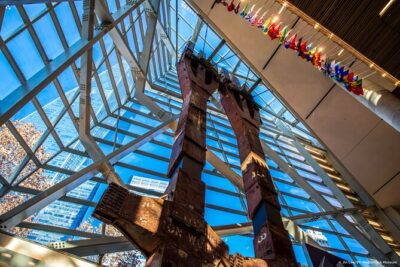
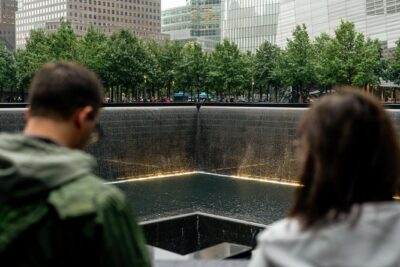
All-Access 9/11: Ground Zero Tour, Memorial and Museum, One World Observatory
Read our review →
Browse the lists this tour appears in