
Review · THE USA
Bowling Green: Historic RailPark & Train Museum Entry & Tour
Bowling Green’s Historic RailPark puts you inside the working world of American rail travel, not just beside a few old engines. The 1925 depot leads to a locomotive, mail car, dining car, sleeper, and presidential coach, giving you a clear sense of how one rail journey served workers, families, and wealthy passengers.
I like the 45-minute guided tour, which turns each car into part of a larger story, and I like the hands-on mix of displays for children and original equipment for adults. The main drawback is simple: the trains do not move, and the guided train-car route is not accessible for people with mobility impairments, even though the museum building has an elevator.
- 1925 depot benches: Begin the guided portion where passengers once waited for trains.
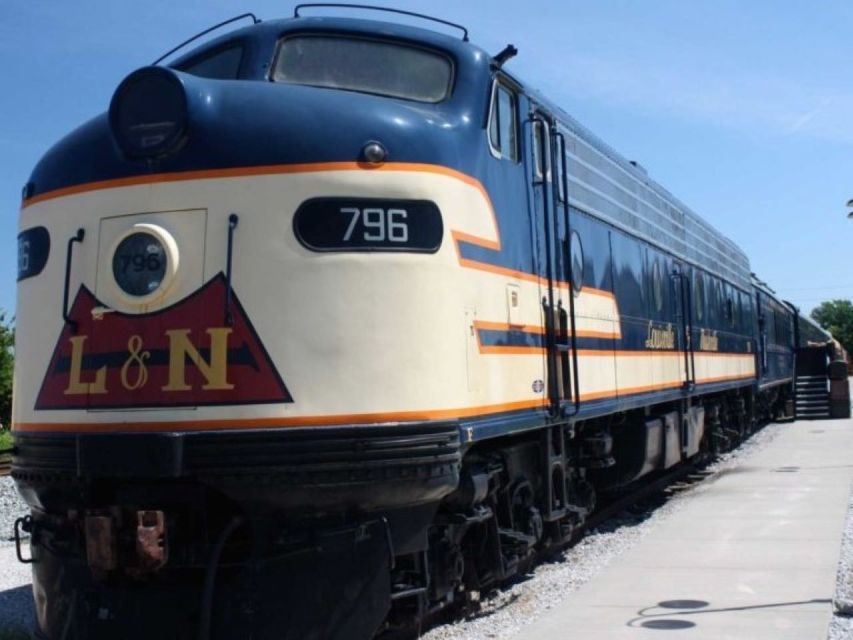
- E8 diesel-electric locomotive: Step into the engine that powered the front of the train.
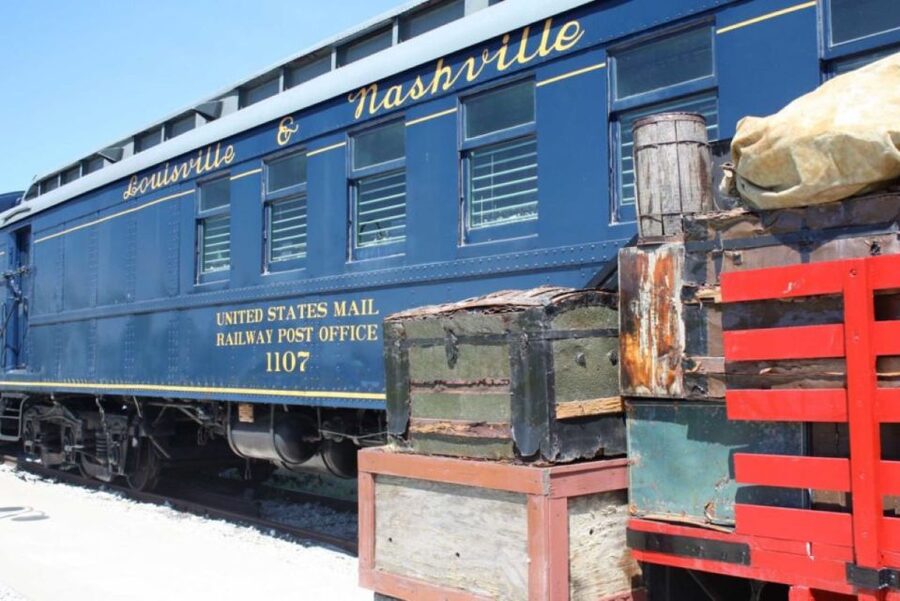
- Railway Post Office car: See how mail was sorted and delivered aboard trains for nearly 150 years.
- Duncan Hines Dining Car: Learn how meals were cooked, served, and eaten on the rails.
- Towering Pine Sleeper: Compare first, second, and third-class sleeping arrangements.
- 1911 L&N Presidential Car: Finish with the oldest surviving passenger car from the Louisville and Nashville Railroad.
Entering Through Bowling Green’s 1925 Train Depot
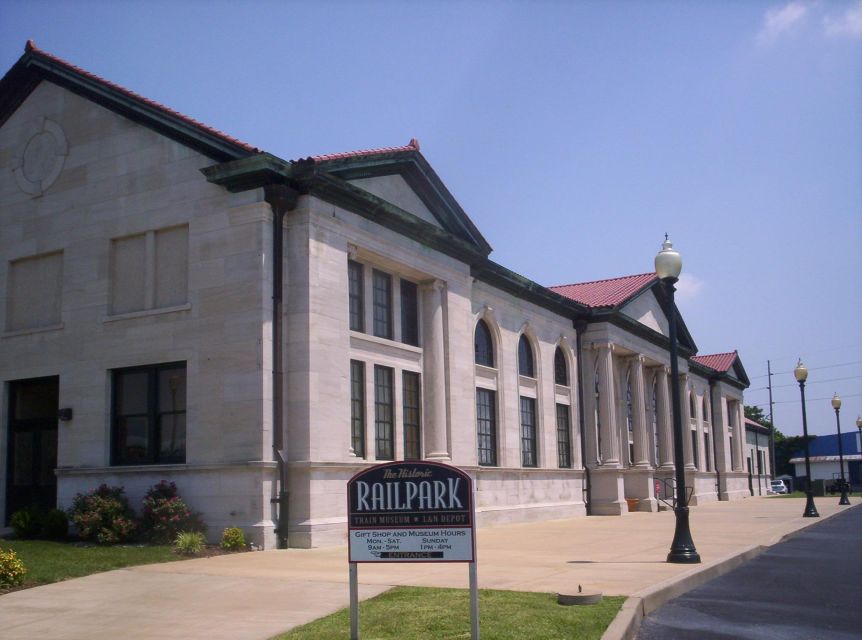
Your visit begins outside, where five historic train cars lead you toward the museum entrance. You enter through the gift shop, a practical arrangement that lets you pick up a train puzzle, toy, souvenir, or bit of railroad memorabilia before or after the tour.
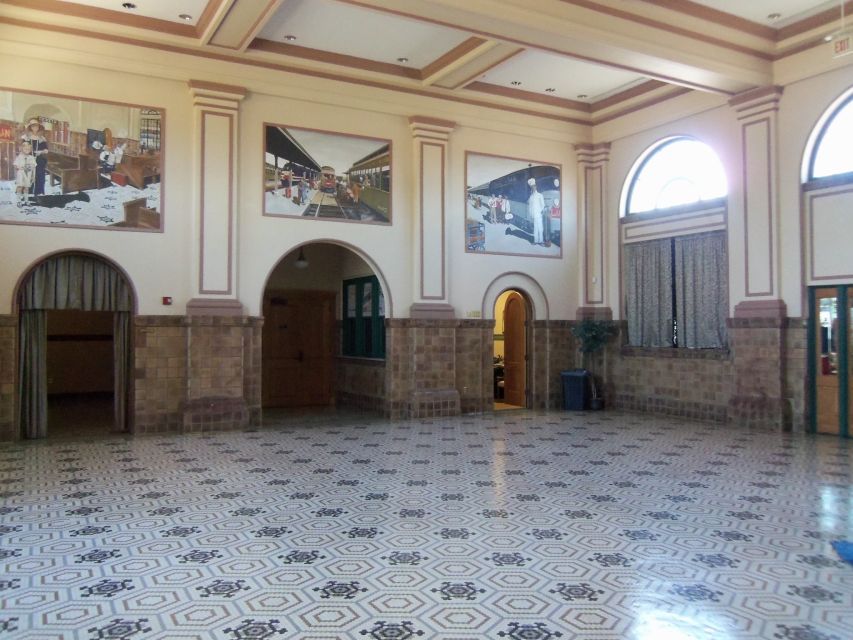
Staff will explain the day’s schedule and assign you the next available tour when you present your voucher. The museum’s main displays are yours to explore at your own pace, but plan to meet your guide five minutes before the tour on the first floor, at the wooden benches used by passengers since 1925.
That starting point matters. You are not beginning in a modern classroom with a wall of dates. You are sitting in the depot itself, in the kind of place where people waited for arrivals, farewells, business trips, and long journeys. The setting gives the opening talk a useful sense of place.
The tour is offered in English, with scheduled departures at 10:15, 11:15, 12:15, 1:15, 2:15, and 3:15. Since the guided section lasts 45 minutes, I would arrive early enough to look around the museum before your assigned time rather than treating the tour as a quick stop.
The Story Behind the Louisville and Nashville Railroad
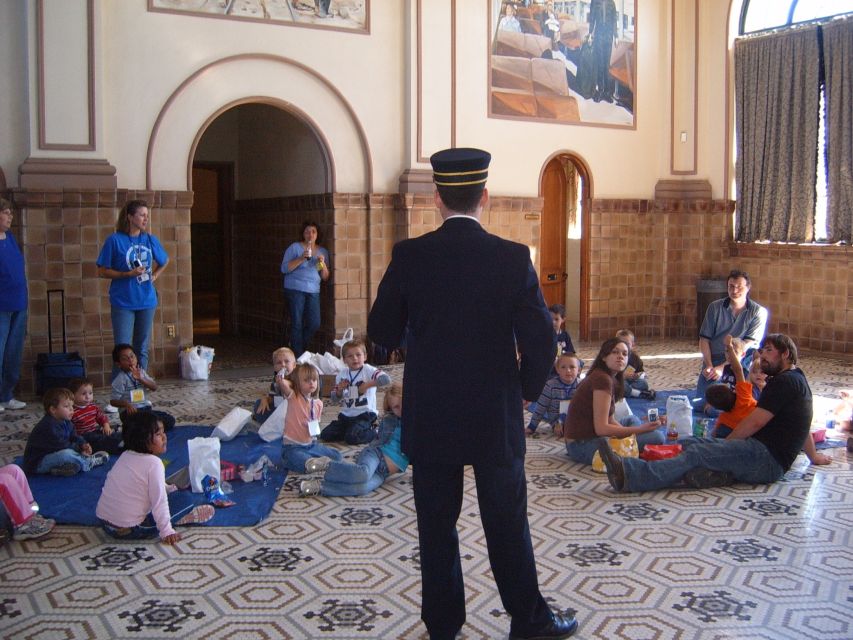
From the depot benches, your guide explains the Louisville and Nashville Railroad and the people who kept it moving. The focus is not only on locomotives and routes. You also hear about the L&N cook, Pullman porter, conductor, and passengers who gave the railroad its daily rhythm.
That people-first approach is one of the strongest parts of the visit. A train can look impressive from the outside, but the details of work and service make it easier to understand. You see where employees worked, how passengers were looked after, and how different classes of service shaped a trip.
The guides are a major part of the experience. Molly, who led one recent tour, earned particular praise for her clear and attentive presentation. Another guide was patient with a group that included a toddler and a visitor using crutches, though the train-car route itself remains unsuitable for mobility impairments. The staff’s willingness to explain and adjust the pace is useful, especially for families.
The museum also works well for mixed-age groups. Older visitors may remember the era of rail-based travel, while children can use the interactive displays to understand how the equipment functioned. You do not need to be a rail enthusiast to find something worthwhile, though serious train fans may wish there were more cars to inspect.
A few more museum visits around the USA worth comparing
- Luxembourg: Combi-Ticket City Train & the 7 Museums Pass
★ 4.3 · 56 reviews - Prague: Railway Kingdom Giant Model Railway Museum
★ 4.4 · 54 reviews - Madrid by High-Speed Train with Prado Museum Private Tour
★ 4.0 · 33 reviews
Climbing Into the E8 Diesel-Electric Locomotive
The guided train portion begins in an E8 diesel-electric locomotive. This is the front end of the journey, where power, machinery, and crew work come together.
The locomotive is a useful first stop because it gives you the basic question behind every train trip: how did this long chain of cars move? You can then compare the working end of the train with the passenger spaces that follow.
The cars are immobile, so this is a walk-through museum experience rather than a ride. That distinction is important if you are booking with the expectation of rolling through Kentucky countryside. You will board the cars, but the train remains in place throughout the visit.
Still, being inside the cars offers something a static exhibit cannot. You can see the scale of the spaces and move from one type of rail work to another. The route feels like a compact lesson in how a full passenger train operated.
Sorting Mail Inside the Railway Post Office
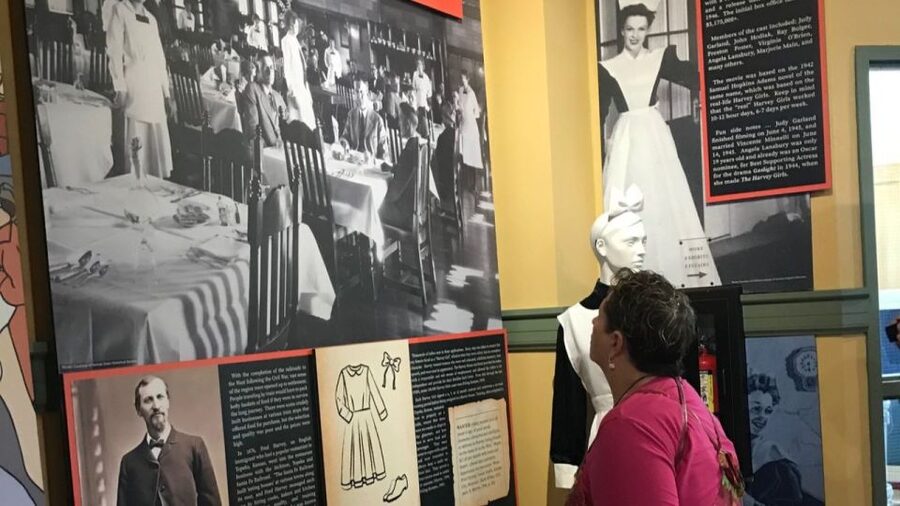
Next comes the Railway Post Office, or RPO car. For nearly 150 years, mail traveled by train, and these cars allowed railway workers to sort letters while the train was underway.
This stop helps explain why railroads mattered beyond passenger travel. The train carried communication as well as people. Mail workers had to organize and process letters on a moving vehicle, turning the railroad into part of the national postal system.
I find this car especially useful for children because the idea is easy to grasp: mail was not simply loaded at one station and unloaded at another. It was handled during the journey. Adults may appreciate the reminder that rail travel once involved a large network of jobs that have since changed or disappeared.
The RPO also adds variety to the tour. You are not moving through five versions of a passenger compartment. Each car has a separate purpose, and the mail car shows an important service that many modern visitors may not have considered.
A Seat in the Duncan Hines Dining Car
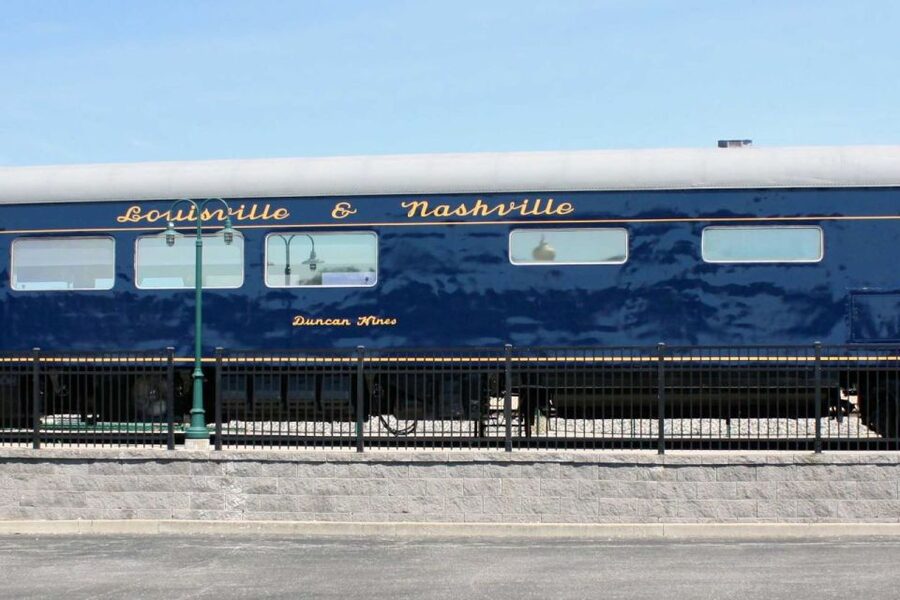
The Duncan Hines Dining Car shifts the story from work and mail to food. Here, your guide explains what meals were like for passengers and what daily life involved for the people who cooked and served them.
The dining car gives you a chance to think about the labor behind a polished rail journey. Passengers saw a meal placed before them, but cooks and servers had to prepare, carry, and manage that service aboard a moving train. The car connects dining with the wider class system of rail travel.
This is not a food tasting, and food and drinks are not included. The value comes from the setting and explanation, not from a meal. If you are hungry, plan to eat before or after your museum visit rather than expecting the tour to provide refreshments.
For families, the dining car is a strong visual stop. It is easier to picture a journey when you can imagine sitting down to eat as the train crosses the country. For adults, the car adds a social side to the railroad story, showing that rail travel was also about service, manners, and routine.
Same city, a completely different collection:
- NYC: 9/11 Memorial & Museum Timed-Entry Ticket
★ 4.8 · 31,428 reviews - NYC: Empire State Building Tickets – Observatory & Museum
★ 4.7 · 25,757 reviews - New York City: American Museum of Natural History Ticket
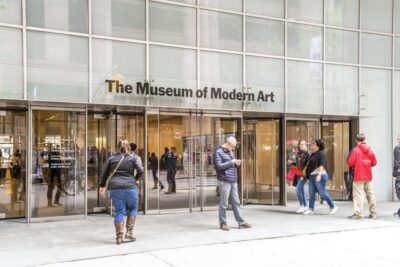
★ 4.5 · 15,447 reviews - NYC: Museum of Modern Art (MoMA) Entry Ticket
★ 4.6 · 12,540 reviews
Comparing Classes in the Towering Pine Sleeper
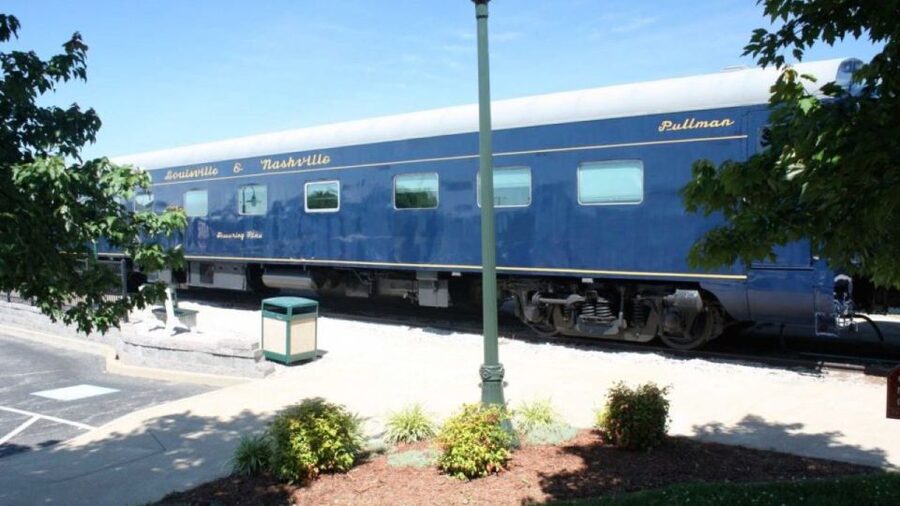
The Towering Pine Sleeper lets you see how passengers spent the night. The tour covers first-, second-, and third-class travel, giving you a direct way to compare comfort and privacy.
This stop is valuable because the word sleeper can sound simple until you see how many levels of accommodation existed. A night on a train did not mean the same thing for every passenger. Your ticket affected the space, service, and privacy available to you.
The sleeper also makes the human side of rail travel clear. A long-distance trip required more than a seat. People needed somewhere to rest, and the railroad had to organize sleeping arrangements for different budgets.
Expect the car interiors to be more important than any single object. The guide’s explanation helps you read the arrangement and understand how the same train could serve passengers with very different expectations. If you are short on time, do not skip this car. It is one of the best stops for understanding the social structure of rail travel.
Finishing With the 1911 L&N Presidential Car
The final stop is the L&N Presidential Car, built in 1911 and described as the oldest surviving passenger car from the Louisville and Nashville Railroad. It provides the tour’s most luxurious setting.
After the locomotive, mail car, dining car, and sleeper, the presidential coach shows the upper end of the rail experience. The contrast is the point. You have already seen the work that powered and serviced the train, along with sleeping arrangements for several classes. Now you see the space reserved for the railroad’s most important passengers.
This car also brings the tour back to the L&N itself. Instead of ending with a general railway display, the route finishes with a specific surviving piece of the railroad’s passenger past. The age of the car, dating to 1911, gives the final stop extra weight.
I would save a little attention for the guide’s explanation here rather than rushing through to the exit. The presidential car is likely to attract the most visual interest, but its real value comes from comparing it with everything you have just seen.
Exploring the Museum Before and After the Guided Tour
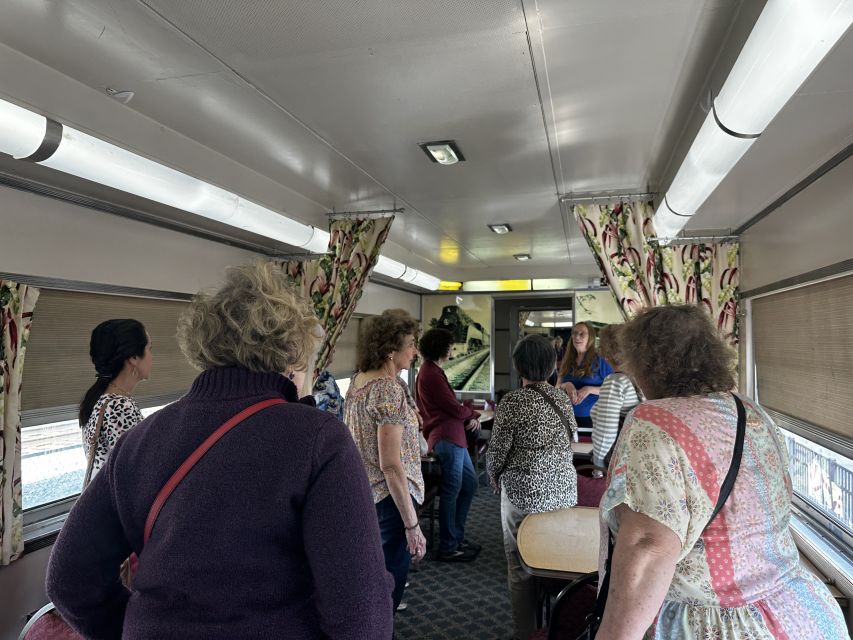
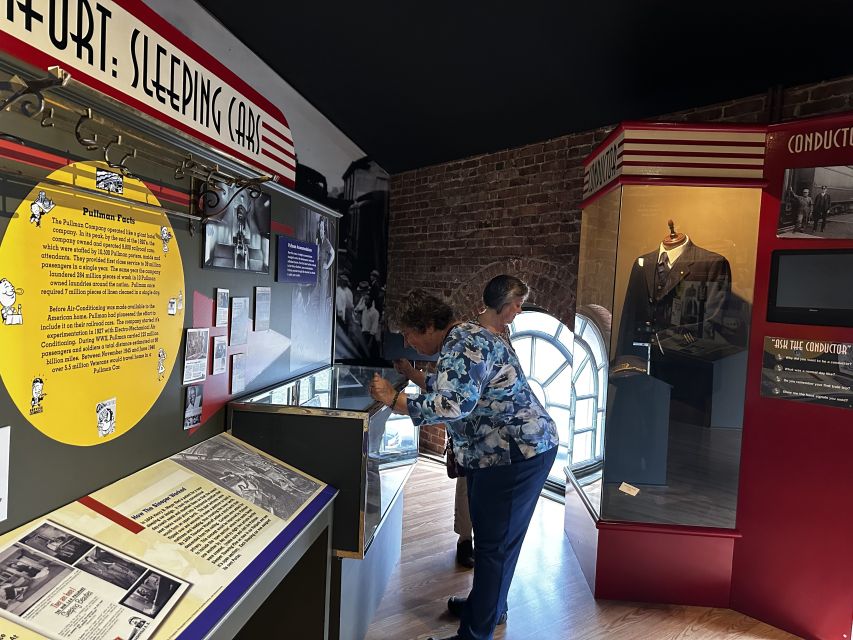
The 45-minute tour is only part of your visit. The museum has artifacts, interactive displays, and vintage equipment that you can examine at your own pace.
That flexibility makes the attraction more useful than a tightly timed walking tour. You can spend longer with the displays that match your interests, give children time to work through the interactive material, or revisit a car after the guide has explained it.
The museum covers both the equipment and the people connected to it. You see how railroad employees worked, how passengers traveled, and how the system affected everyday life. This broad approach keeps the visit from becoming a lineup of engines with technical labels.
The gift shop is also part of the arrival and departure experience. It carries train memorabilia, toy trains, puzzles, and themed activities. Families may find it a handy place to keep children occupied before the tour, while rail fans can browse for a small reminder of the visit.
One limitation is the size of the collection available to view. The route includes several important cars, but one person specifically wished there were more cars to inspect. If you want a vast rail complex with hours of rolling stock, this may feel compact. If you want a focused museum with a guided route, its scale works in its favor.
Is the $22 Admission Good Value?
At $22 per person, admission includes the museum and the 45-minute guided tour. I consider that fair value for anyone interested in railroads, American transport, or hands-on local history.
You are paying for more than access to stationary train cars. The guide ties together the depot, locomotive, postal service, dining car, sleeper, and presidential coach. That context helps you understand what you are seeing, especially if you are not already familiar with railroad operations.
The price is easier to justify if you allow time for the museum before or after the tour. Rushing in for only the guided portion makes the visit feel shorter. Give yourself enough time to browse the displays and gift shop, and the admission becomes a fuller half-day-style stop, although the listed activity duration is one day for scheduling purposes.
The value is also strong for families because the museum serves different age groups. Children get interactive material and unusual spaces to explore. Adults get the working details, employee stories, and class comparisons that make the visit more than a collection of old vehicles.
Timing, Access, and Practical Details
The museum is open daily from March 9 through January, from 9:00 a.m. to 4:00 p.m. During the winter period from January through March 9, it is closed Mondays and Tuesdays and open Wednesday through Sunday from 10:00 a.m. to 4:00 p.m.
It closes on New Year’s Day, Easter Sunday, Thanksgiving Day, Christmas Eve, and Christmas Day. Check the date carefully if you are planning around a holiday or making a special trip.
The main museum has an elevator and is accessible, but the guided train-car tour is not accessible for people with mobility impairments. The cars themselves are the key limitation, so contact the museum before booking if this affects your group. One recent party included a visitor on crutches, but that should not be taken to mean the train-car route works for every mobility need.
There is no riding component. The cars are immobile, and the attraction is best understood as a museum and guided walk-through. English is the only listed tour language.
You can cancel up to 24 hours in advance for a full refund, and the reservation option allows you to pay later. Those policies help if your Bowling Green plans are still shifting, but the most important practical choice is your tour time. Pick one that leaves room to explore the museum at your own pace.
Who Will Enjoy This Visit Most?
I would recommend the Historic RailPark to families, rail fans, local-history enthusiasts, and anyone looking for an indoor attraction with a clear structure. It is especially good for a mixed group because the guided explanations suit adults while the displays and cars give children something concrete to see.
It also works for visitors who want a focused stop rather than a huge museum. The route moves from railroad power to postal work, dining, sleeping, and luxury travel. You leave with a basic understanding of how the railway served many parts of American life.
I would hesitate if your main goal is to take a train ride or photograph a large fleet of cars. Nothing moves, and one car enthusiast may want a longer collection. I would also think carefully about booking the guided portion if anyone in your group has a mobility impairment.
Should You Book the Historic RailPark?
Book it if you want to step inside real railroad cars and hear how employees and passengers used them. The strongest parts are the original 1925 depot setting, the RPO car, the class comparisons in the sleeper, and the final visit to the 1911 L&N Presidential Car.
At $22, the combination of museum access and a live, English-speaking guide offers solid value. Arrive early, take time with the displays, and choose a departure that fits your day. Skip it only if you need a moving train, a much larger collection, or fully accessible access to every car.
FAQ
How long does the guided tour last?
The guided tour lasts 45 minutes. You can also spend additional time exploring the museum displays at your own pace.
What does admission include?
Admission includes entry to the museum and the 45-minute guided tour. Food and drinks are not included.
Does the tour include a train ride?
No. The historic trains are immobile, so you board and explore the cars without riding them.
What train cars are included in the guided route?
The route includes an E8 diesel-electric locomotive, Railway Post Office car, Duncan Hines Dining Car, Towering Pine Sleeper Car, and L&N Presidential Car.
Is the museum accessible?
The museum has an elevator and is accessible, but the guided tour through the train cars is not accessible for people with mobility impairments.
What time are the guided tours offered?
Scheduled tours begin at 10:15, 11:15, 12:15, 1:15, 2:15, and 3:15.
When is the museum closed?
The museum is closed on New Year’s Day, Easter Sunday, Thanksgiving Day, Christmas Eve, and Christmas Day. From January through March 9, it is also closed Mondays and Tuesdays.
More Historical Tours in the USA
- American Museum of Natural History Admission Ticket
★ 4.0 · 1,931 reviews - Guided African American History Tour with Reserved Museum Entry
★ 4.5 · 1,180 reviews - Chicago: Field Museum of Natural History Ticket or VIP Tour
★ 4.7 · 717 reviews - Field Museum of Natural History Admission Tickets
★ 4.5 · 489 reviews
Just added around the USA
- Museum of Ice Cream Austin★ 3.5 · 85 reviews
- Admission to Richard Nixon Presidential Library and Museum Ticket★ 5.0 · 123 reviews
- The Turquoise Museum Curator’s Tour★ 5.0 · 12 reviews
- Turquoise Museum Visit★ 4.5 · 194 reviews
- Orlando: Titanic Artifact Exhibition Ticket★ 4.5 · 246 reviews
- The St. Augustine Old Jail Museum Guided Tour★ 4.6 · 68 reviews
- San Diego: San Diego Natural History Museum Ticket★ 4.7 · 33 reviews
- The Museum of Fine Arts, Houston Entry Ticket★ 4.6 · 82 reviews
Museum Tours in the USA, compared.

9/11 Memorial, Ground Zero Tour with Optional 9/11 Museum Ticket
Read our review →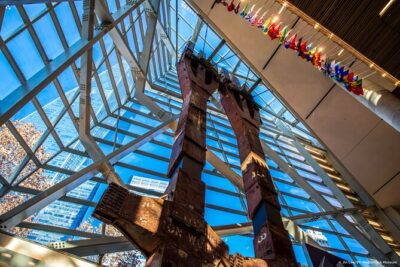

All-Access 9/11: Ground Zero Tour, Memorial and Museum, One World Observatory
Read our review →
Browse the lists this tour appears in