
Review · GERMANY
Hamburg: Emigration Museum BallinStadt Entry Ticket
Hamburg’s BallinStadt museum tells the human story behind the city’s nickname, gateway to the world. Millions of Europeans passed through Hamburg on their way to America and other distant destinations, and the museum shows what that journey looked like before anyone reached the ship.
I like the clear, personal focus of the exhibitions, especially the chance to connect broad migration history with your own family story. I also like that you can spend a full day here rather than rush through a small display. The main drawback is that this is a museum visit, not a guided tour, so you should allow time to read, watch, and use the research stations at your own pace.
Key points
- Three exhibition areas: Explore Port of Dreams, World in Transit, and a changing special exhibition.
- Hamburg’s emigration story: Learn how the city handled the movement of millions of Europeans leaving for the New World.
- Albert Ballin’s role: Follow the story of the person linked to the museum’s name and the development of organized emigration.
- Family-history research: Use a station connected to the world’s largest genealogical database to investigate your own roots.
- A look at shipboard life: Get a sense of what it meant to leave Europe and travel by passenger ship.
- Practical value: The $16 admission is valid for one day, with free parking and wheelchair access.
Why BallinStadt matters in Hamburg
Hamburg is often described as Germany’s gateway to the world, and BallinStadt explains why that phrase means more than ships in a harbor. From the 16th century onward, the city became a major departure point for Europeans hoping to begin again across the Atlantic and elsewhere.
That movement involved more than buying a ticket and stepping aboard. People had to reach Hamburg, find somewhere to stay, pass through checks, wait for a sailing, and cope with the uncertainty of leaving home. BallinStadt focuses on those in-between days, when emigrants were no longer fully part of their old lives but had not yet reached their new ones.
I find that angle especially useful because it puts ordinary people at the center. The story is not only about shipping lines, port officials, or famous entrepreneurs. It is also about families, hopes, fears, practical problems, and the difficult choice to leave familiar ground.
The museum is organized into three exhibition areas. Two form the main presentation, while a third special exhibition changes every few months. That arrangement gives you a broad account of emigration, followed by more focused displays that can change from one visit to the next.
A few more museum visits around Germany worth comparing
- Berlin: Jewish Museum Berlin Entrance Ticket
★ 4.5 · 8,393 reviews - Berlin: DDR Museum Tickets
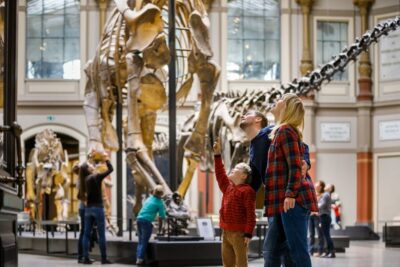
★ 4.3 · 3,443 reviews - Berlin: Natural History Museum Entrance Ticket
★ 4.6 · 3,382 reviews
Port of Dreams follows the departure process
Start with Port of Dreams, the exhibition that explains why people wanted to leave Europe and how Hamburg received them. It also introduces Albert Ballin, the figure whose name the museum carries.
This section is important because it explains the machinery behind mass emigration. People did not simply appear at the port on sailing day. They arrived in Hamburg from different parts of Europe and needed temporary accommodation while waiting for passage to the New World.
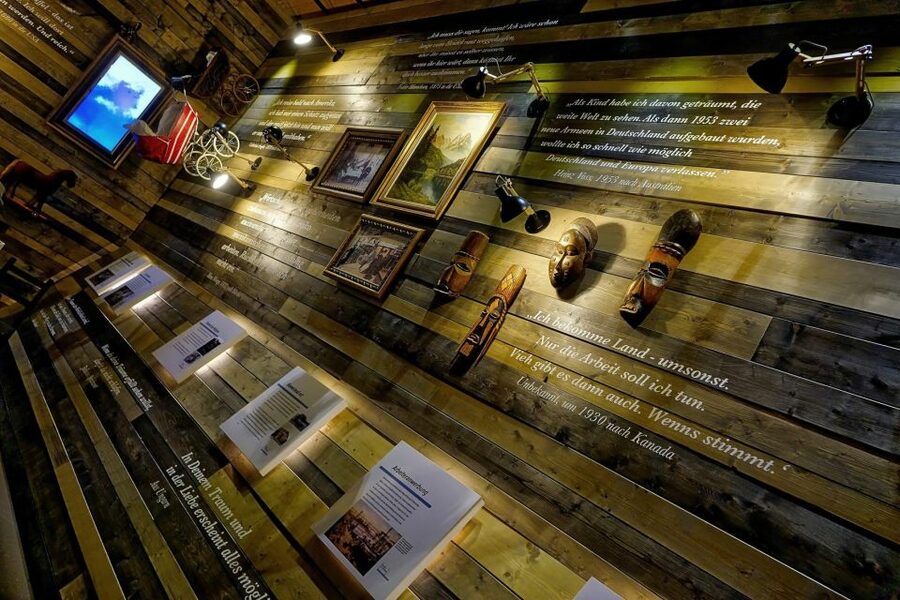
The exhibition shows how life in the emigration camp worked. That detail gives the experience a practical edge. You can think about the crowded, uncertain stage before departure, when people had to wait with their belongings and personal plans packed into a place that was not home.
The term Port of Dreams captures the double feeling at the heart of emigration. Hamburg represented possibility, but it was also a place of delay and separation. Some people were chasing work or opportunity. Others were pushed out by difficult conditions in their home countries. The museum examines both sides rather than presenting emigration as a simple adventure.
I would allow plenty of time here if you like social history or family research. The exhibition is interactive, and its many objects help put scale and detail around the stories. You may find that the smaller, practical points are the ones that stay with you: how people waited, how they lived together, and how much uncertainty came before the voyage itself.
This section also helps you understand Albert Ballin’s part in the story. He is presented not as a distant name, but as someone connected to the organization that made large-scale passenger movement possible. The museum uses his story to explain how Hamburg’s emigration system developed.
World in Transit widens the story across five centuries
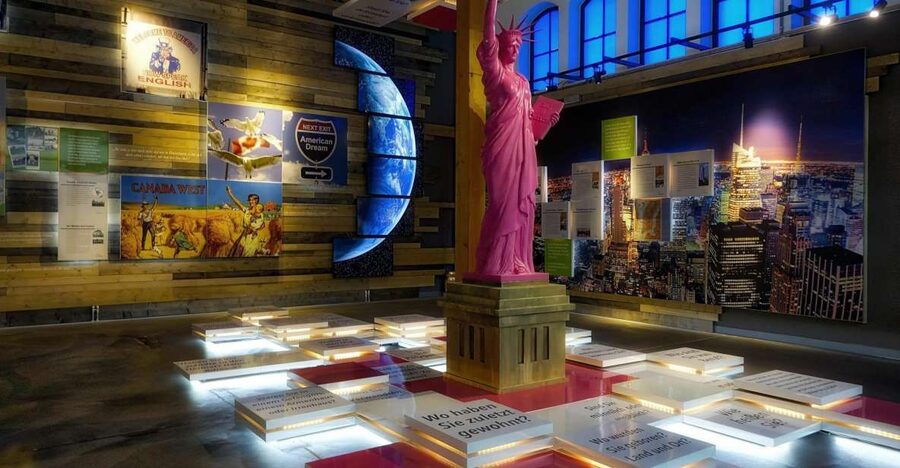
The second main exhibition, World in Transit, moves beyond Hamburg and looks at emigration and immigration over the last five centuries. It uses 14 themed rooms to examine different countries, personal motives, and the forces that push people away or pull them toward a new home.
This broader view keeps the museum from becoming only a port story. Hamburg is the starting point, but the larger subject is human movement. You will encounter countries that may seem distant, along with places that feel familiar, and consider why people leave one country for another.
The exhibition explores push and pull factors. A push factor might be a problem that makes staying difficult. A pull factor might be the hope of work, safety, family, or a different future. The museum also makes room for personal reasons, which are often less tidy than a list of economic or political causes.
I like this structure because it gives you a way to compare different migration stories. The reasons are not always the same, but many share a basic pattern: a person weighs the security of what is known against the possibility of something better elsewhere.
The 14 themed rooms also make the visit easier to pace. You do not need to treat the museum as one long wall of text. Move through each room, pause where a subject interests you, and keep the larger question in mind: what makes someone decide that leaving is worth the cost?
This section may appeal most to readers who want context beyond genealogy. If your main goal is to find an ancestor’s name, you may spend more time at the research station. If you want to understand migration as a continuing human experience, World in Transit is likely to be the stronger part of the visit.
The changing exhibition adds a reason to return
BallinStadt includes a third specialty exhibition whose subject changes every few months. The available information does not specify the current topic, so check before your visit if the temporary display is important to your plans.
That changing section is useful for repeat visits because it keeps the museum from being exactly the same every time. It may also give you a more focused look at one part of emigration, immigration, or related social history.
I would treat it as an extra rather than the main reason to book. The two permanent exhibitions provide the core experience, while the temporary display adds another layer for the day you visit.
Same city, a completely different collection:
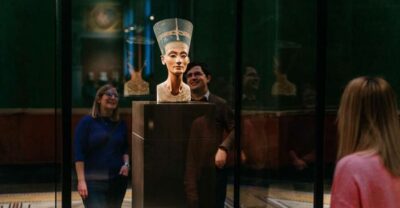
- Berlin: Neues Museum Entry Ticket
★ 4.6 · 3,261 reviews - Berlin: Museum Island Multiple Museum Entry Ticket
★ 4.4 · 2,861 reviews - Cologne: Chocolate Museum Entrance Ticket
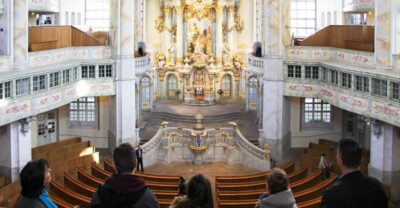
★ 4.4 · 2,790 reviews - Dresden: Church of Our Lady Guided Tour of Gallery
★ 4.7 · 2,421 reviews
Research your own family story at the genealogy station
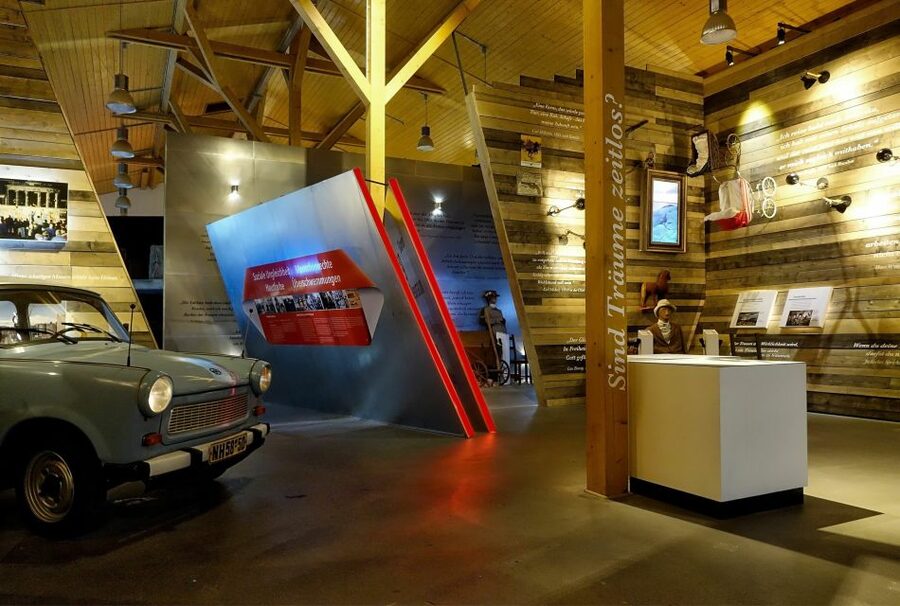
The research station is one of the museum’s most personal features. You can use it to investigate your own family history through the world’s largest genealogical database.
That does not mean every family search will produce an instant answer. Family research depends on what records exist and how much information you already have. Still, the setting gives your search real context. Instead of typing names into a database at home, you are looking for connections in a museum devoted to the movement of people through Hamburg.
Bring any family details you already know, such as names, approximate dates, or places of origin, if you have them. The provided information does not promise a particular result, so approach the station as a research opportunity rather than a guaranteed discovery.
The best sequence is to see the exhibitions first, then use the research area. After learning how emigrants arrived in Hamburg and waited for passage, you may have a better sense of what kinds of records or places matter. You can also return to the research station after viewing the exhibits if a particular question occurs to you.
If your family has European roots, this feature may be the deciding reason to visit. Even without a confirmed connection to Hamburg, the station gives the broader subject a personal direction.
A glimpse of passenger-ship life
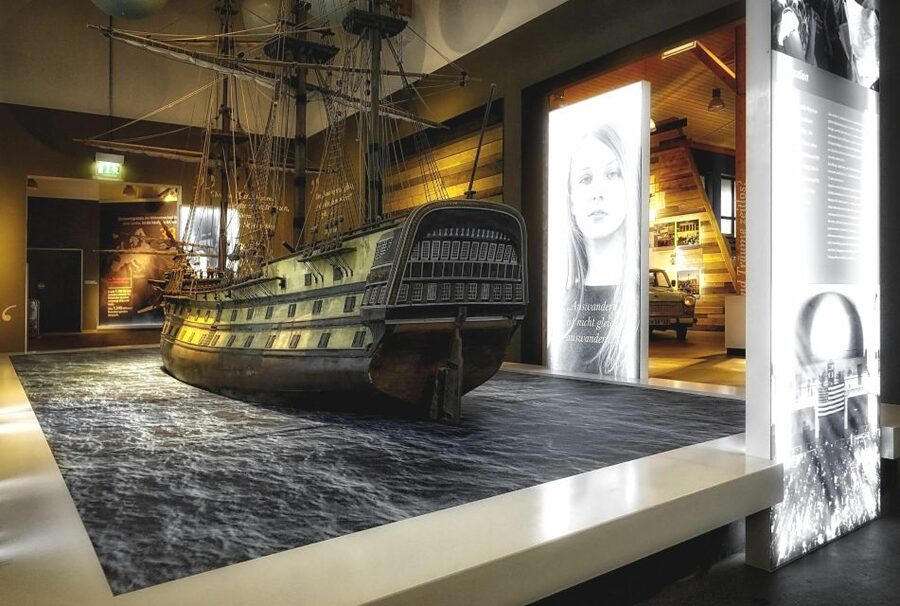
BallinStadt also gives you a look at life aboard a passenger ship. The information provided does not describe a full-size ship reconstruction or a particular vessel, so you should not book this expecting a complete onboard simulation.
What you can expect is a museum presentation that connects the departure camp with the next stage of the journey. The ship was the bridge between Europe and the New World, but it was also a place where people spent days or weeks living under unfamiliar conditions.
That context matters. Emigration was not finished when someone boarded. The crossing still separated people from home, and the ship carried different social groups together toward an uncertain future.
This part of the museum should work well for families and readers who enjoy seeing how large historical movements affected everyday life. It takes an abstract idea, millions of people crossing oceans, and brings it back to the physical experience of waiting, traveling, and adjusting.
How much time should you allow?
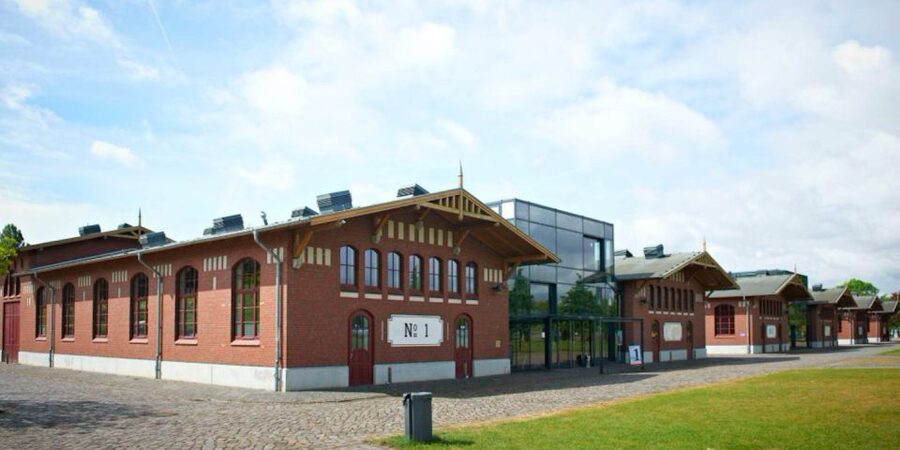
The ticket is valid for one day, and that is useful because the museum has enough material to reward a slow visit. You can move quickly through the main ideas, but you will get more from the experience if you pause for the interactive sections, artifacts, themed rooms, and genealogy station.
There is no fixed tour duration listed. That gives you flexibility, but it also means you need to manage your own pace. A short visit may be enough for a general overview. A longer visit makes more sense if you want to read carefully and conduct family research.
I would plan the museum around your wider Hamburg schedule rather than squeeze it between two tightly timed attractions. The subject includes personal stories, historical explanation, and research tools. You will appreciate having time to stop when something catches your attention.
The ticket covers one day of admission, not food or drinks. Plan accordingly if you expect to spend several hours there.
What the $16 ticket delivers

At $16 per person, this is a reasonably priced museum experience if you are interested in migration, Hamburg’s port history, or genealogy. The value comes from the range of material rather than from a short headline attraction.
Your admission includes access to the main exhibitions, the changing specialty display, and the genealogy research station. You are paying for the chance to explore at your own speed, not for a guide-led itinerary or a brief viewing platform.
The ticket is especially worthwhile if you plan to use the research station. Even if your search does not lead to a clear family connection, you are getting a useful setting for understanding how European emigration worked.
For someone with little interest in social history or family research, the price may feel less compelling. BallinStadt is not a general Hamburg sightseeing stop with city views or entertainment rides. Its strength is its subject and the care given to personal migration stories.
The ability to reserve now and pay later adds flexibility, and free cancellation is available up to 24 hours in advance for a full refund. Those policies are useful if your Hamburg plans are still shifting.
Getting there and handling the visit
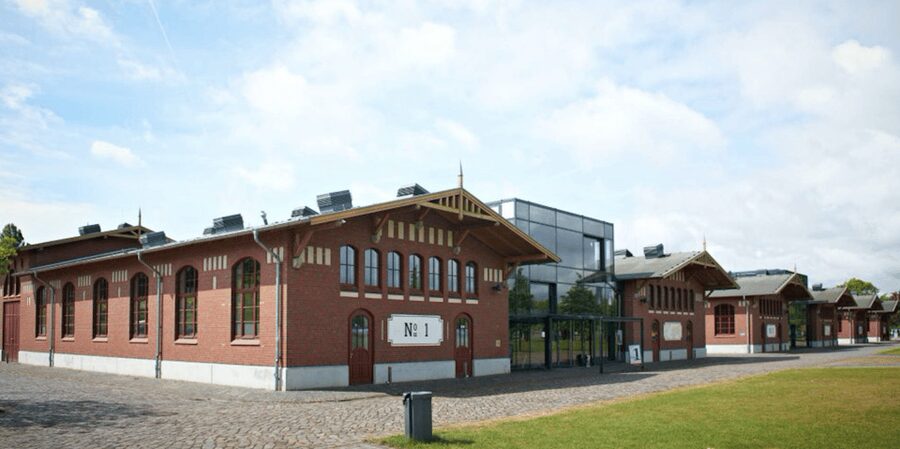
You begin at the ticket office in House 1, and the visit ends back at the same general meeting point. Free parking is available at the museum, which is a helpful benefit if you are reaching Hamburg by car.
The museum is wheelchair accessible. Pets are not allowed, so make arrangements before arriving if you are traveling with an animal.
No guide is listed for this experience. That means you should expect a self-directed museum visit rather than a scheduled walking tour with a named guide. For many people, that is a benefit because you can spend more time on your own family questions and less time keeping up with a group.
The main practical tip is simple: do not rush directly to the genealogy station. Begin with Port of Dreams, continue through World in Transit, and then give yourself time for the changing exhibition and research area. The museum’s sections make more sense when you first understand the movement of people through Hamburg.
Who will enjoy BallinStadt most?
I would recommend this museum to several kinds of visitors:
- Family-history researchers who want to investigate European roots in a place tied to mass emigration.
- History readers interested in how ordinary people experienced departure and relocation.
- Families with older children who can engage with the interactive displays and the idea of starting life in another country.
- Visitors with a Hamburg port interest who want more than waterfront scenery.
- People looking for a flexible indoor activity that can fill part or all of a day.
It may be less suitable if you want a guided, fast-moving tour or a short attraction that takes under an hour. The experience asks you to read, watch, compare, and think.
The museum can also be worthwhile even if no one in your family emigrated through Hamburg. Its larger subject is the human decision to leave home, and the displays connect that decision with both practical systems and personal hopes.
Should you book BallinStadt?
Book this experience if you want to understand Hamburg’s role in European emigration or if you have family names and places you would like to investigate. The combination of three exhibition areas, interactive displays, shipboard context, and a genealogy station gives the $16 ticket solid value for a full-day visit.
I would skip it only if your Hamburg plans leave room for a very short stop or if museums about migration do not interest you. For everyone else, BallinStadt offers a thoughtful change from the city’s grand buildings and harbor views. It shows the people who passed through Hamburg, what they faced before departure, and why the city became such an important link between Europe and the wider world.
FAQ
How much does admission to BallinStadt cost?
The entry ticket costs $16 per person.
How long is the ticket valid?
The ticket is valid for one day. Check availability for the relevant starting times.
Where do I start the visit?
Check in at the ticket office located at House 1.
What exhibitions can I see?
You can visit Port of Dreams, World in Transit, and a third specialty exhibition whose topic changes every few months.
Can I research my family history there?
Yes. BallinStadt has a research station connected to the world’s largest genealogical database.
Is the museum wheelchair accessible?
Yes. The activity is wheelchair accessible.
Is parking available?
Yes. Free parking is available at the museum.
Are pets allowed inside?
No. Pets are not allowed.
Can I cancel the ticket?
Yes. You can cancel up to 24 hours in advance for a full refund. You can also reserve now and pay later.
Just added around Germany
- Stuttgart: Stuttgart Wine Museum Wine Tasting★ 4.7 · 55 reviews
- Stuttgart: Museum of Illusions Entry Ticket★ 4.2 · 507 reviews
- Stein: Public guided tour of the “Old Mine” museum★ 4.5 · 18 reviews
- Speyer: Technik Museum Speyer Ticket with an IMAX Dome Film★ 4.7 · 360 reviews
- Berlin: Bode Museum Ticket★ 4.5 · 214 reviews
- Munich Private Walking Tour with BMW Museum & Welt Entry★ 4.2 · 19 reviews
- Munich: Residenz Palace, Museum and Treasury Private Tour★ 4.9 · 15 reviews
- Munich: WOW Museum – Room for Illusions Ticket★ 3.5 · 14 reviews
Museum Tours in Germany, compared.


Dresden: Church of Our Lady Guided Tour of Gallery
Read our review →
Skip-the-Line: Berlin Wall Museum at Checkpoint Charlie
Read our review →Browse the lists this tour appears in