
Review · GERMANY
Frankfurt: Museum of Communication Exhibitions
The most interesting thing here is the sheer reach of the story. Inside the award-winning Museum of Communication, communication runs from a cuneiform tablet to data glasses, with old telegraphs, telephones, fax machines, radios, and televisions filling in the steps between. The displays are designed for looking and doing, so this is not just a quiet room of dusty machines.
I like the clear four-part idea behind the permanent exhibition: acceleration, networks, control, and participation. I also like the small human touches, including old bookcases, antique trunks, and an unusual display involving sheep and telephones. The main drawback is noise. The museum can become loud, especially around the lobby and family areas, so choose a weekday if you want time to read and think.
Key points
- 2,500 square meters of media history: Follow communication from ancient writing to modern digital tools.
- Old machines with real context: See telegraphs, phones, fax machines, radios, and television sets in a broader story.
- Interactive displays: The museum asks you to take part rather than simply walk past cases.
- KLIMA_X temporary exhibition: Consider how everyday choices connect with climate change.
- Main River terrace: Finish with coffee and a view, though food and drinks cost extra.
- One-day flexibility: Spend a short visit or use the full day, with skip-the-ticket-line entry and wheelchair access.
From Cuneiform Tablets to Data Glasses
The permanent exhibition, Mediengeschichte|n neu erzählt!, covers 2,500 square meters. That gives the museum room to tell a long story without stopping at the familiar parade of telephones and televisions.
You begin with early forms of recorded communication and move toward modern digital devices. Cuneiform tablets provide the distant starting point, while data glasses point toward the future. Between those two ends, the museum shows how people have tried to send messages faster, connect across greater distances, organize information, and take part in shared systems.
I like this broad span because it puts modern technology in perspective. A mobile phone can seem like a sudden revolution when you see it on its own. Here, it becomes one step in a much longer effort to make messages quicker, more portable, and easier to share.
The four main ideas give the exhibition a useful structure. Acceleration looks at the push for faster communication. Networks consider how people and systems connect. Control asks who manages information and how communication can shape behavior. Participation focuses on the role you play, not just the devices in your hand.
These themes help keep the museum from becoming a simple timeline. You are not only asking when a machine was invented. You are also considering what changed when it arrived and who gained new power from it.
A few more museum visits around Germany worth comparing
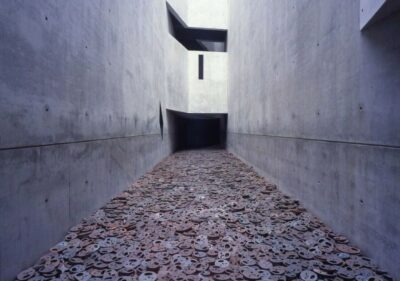
- Berlin: Jewish Museum Berlin Entrance Ticket
★ 4.5 · 8,393 reviews - Berlin: DDR Museum Tickets
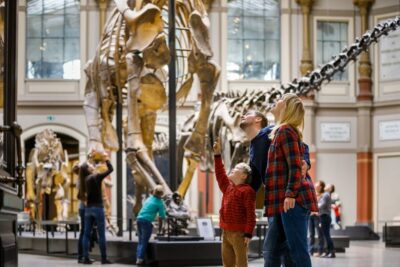
★ 4.3 · 3,443 reviews - Berlin: Natural History Museum Entrance Ticket
★ 4.6 · 3,382 reviews
Telegraphs, Telephones, Fax Machines, and Radios
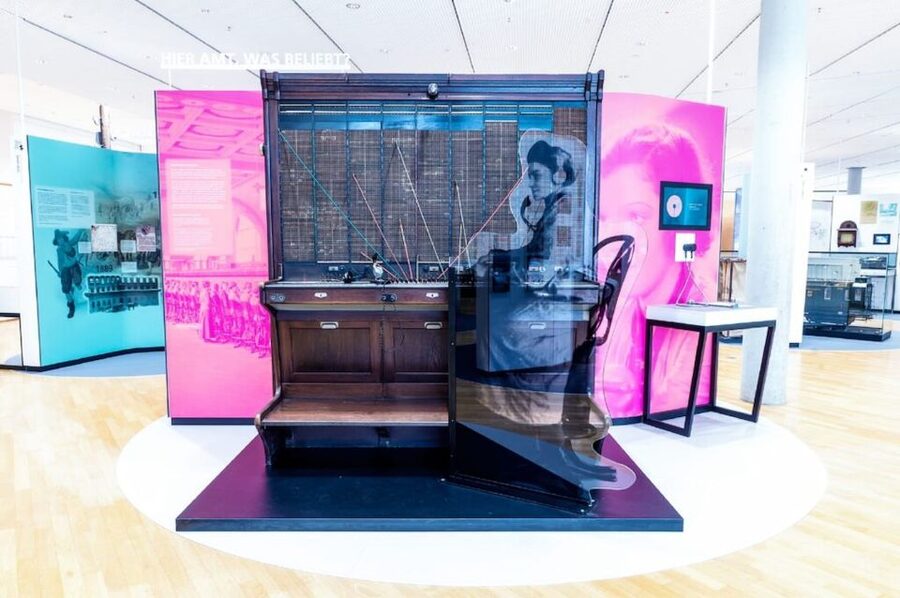
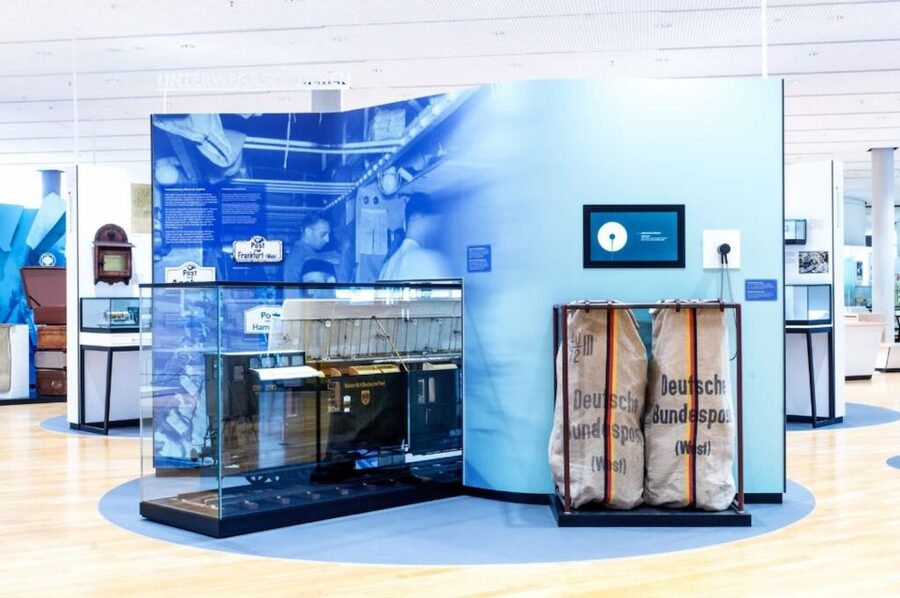
The collection includes many familiar machines, but older technology often becomes more interesting when you see it grouped with the systems around it. Telegraphs show how messages could travel far faster than a person or letter. Early telephones reveal the changing nature of voice communication. Fax machines offer a reminder that office technology once depended on sending a physical image through a telephone network.
Radios and television sets add another shift. Communication no longer had to be a private exchange between two people. A single broadcast could reach many homes at once. The museum uses these objects to show how communication changed daily life, not simply how the hardware changed.
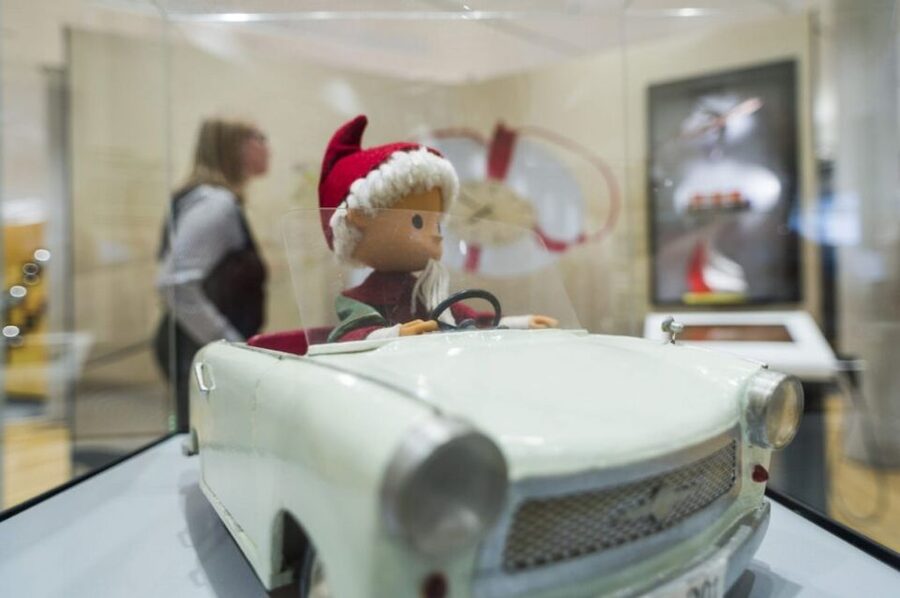
You will also find unusual objects and displays among the expected machines. Old trunks and bookcases help create an atmosphere that feels more like a collection of lived experience than a showroom of gadgets. One memorable feature includes sheep connected with telephones, an odd image that gives the presentation a lighter touch.
That mix matters. Communication can be a technical subject, and a wall of equipment can lose your attention. Strange objects and personal stories give you reasons to pause. The museum also uses curious experiences and unusual fates to make the subject easier to approach.
Interactive Displays That Keep the Story Moving
This museum is intended to be experienced, not just observed. Interactive displays help you see how communication works and why each change mattered. The exact amount of time you spend at each station will depend on your interest, but you can move quickly through familiar material or stop longer at the sections that catch you.
Families may appreciate the hands-on approach, since younger visitors have more to do than read long labels. The tradeoff is sound. Active displays, groups, and children can make some areas quite loud. If you need quiet for every label, a busy period may test your patience.
I would plan the visit around your own attention span. You can treat it as a focused museum stop, or you can give it most of a day and allow time for the temporary exhibit and café terrace. The ticket is valid for one day, so you do not need to rush through the building.
This flexibility is useful in Frankfurt. You can spend a couple of hours seeing the main sequence, then return to a section you want to understand better. The experience is self-guided, with no tour guide included, so you set the pace and choose your level of detail.
KLIMA_X and the Question of Everyday Action
The temporary KLIMA_X exhibition turns from communication technology to climate change. Its central purpose is to get you thinking about how your actions connect with the wider climate crisis and what practical steps can improve the situation.
This section gives the visit a present-day edge. The permanent exhibition looks at how people developed new ways to share information. KLIMA_X asks what you do with information once you have it. That makes it more than a display about environmental problems. It is also about decisions, habits, and responsibility.
You can expect reminders of simple methods that may help change current behavior for the better. The exhibition also gives you room to reflect on the issues rather than presenting climate change as a distant subject handled only by governments or scientists.
Because KLIMA_X is temporary, its place in the museum may change over time. Check the current display details when planning your visit if this section is your main reason for going. The supplied information confirms its presence, but it does not provide a closing date.
Same city, a completely different collection:
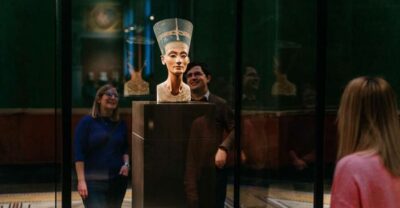
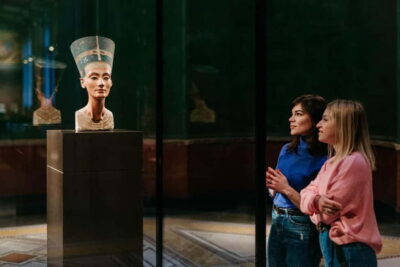
- Berlin: Neues Museum Entry Ticket
★ 4.6 · 3,261 reviews - Berlin: Museum Island Multiple Museum Entry Ticket
★ 4.4 · 2,861 reviews - Cologne: Chocolate Museum Entrance Ticket
★ 4.4 · 2,790 reviews - Dresden: Church of Our Lady Guided Tour of Gallery
★ 4.7 · 2,421 reviews
Why the Museum Building and Atmosphere Matter
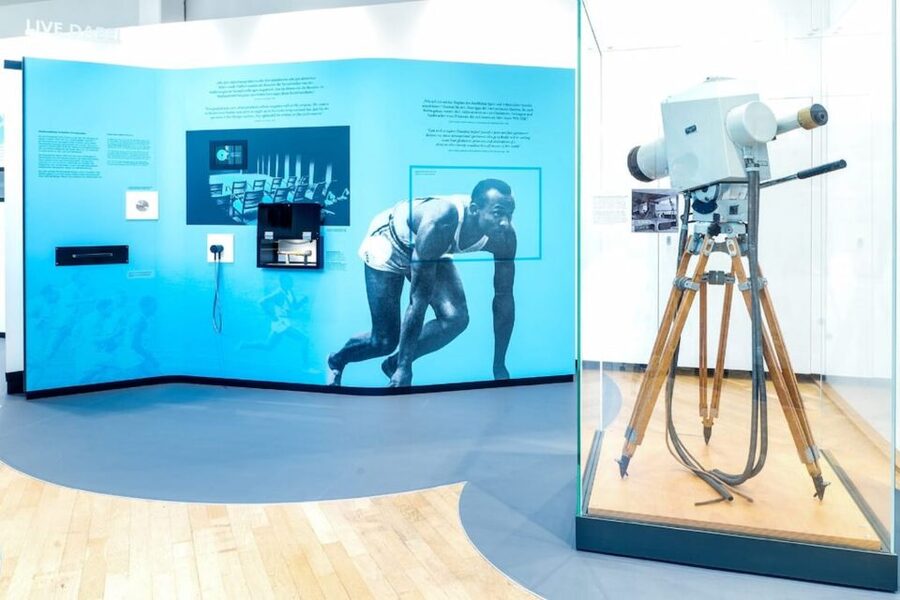
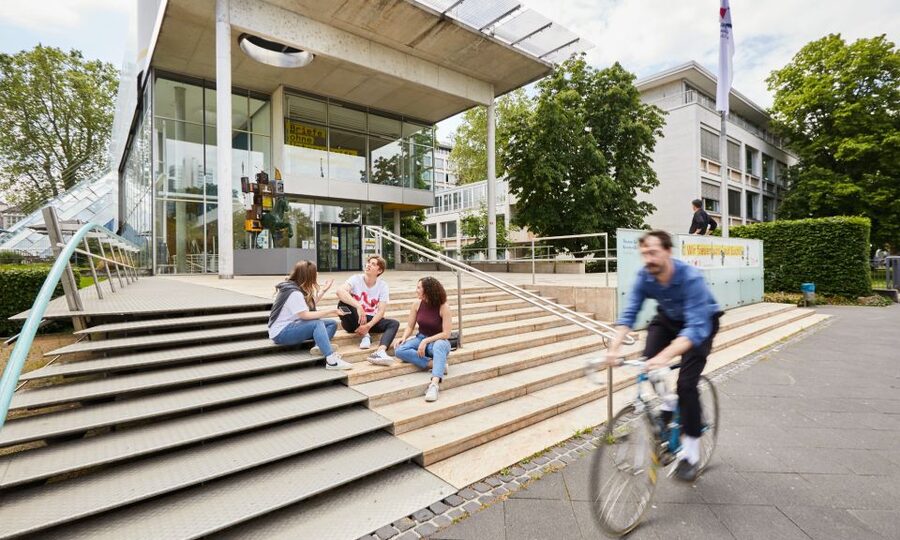
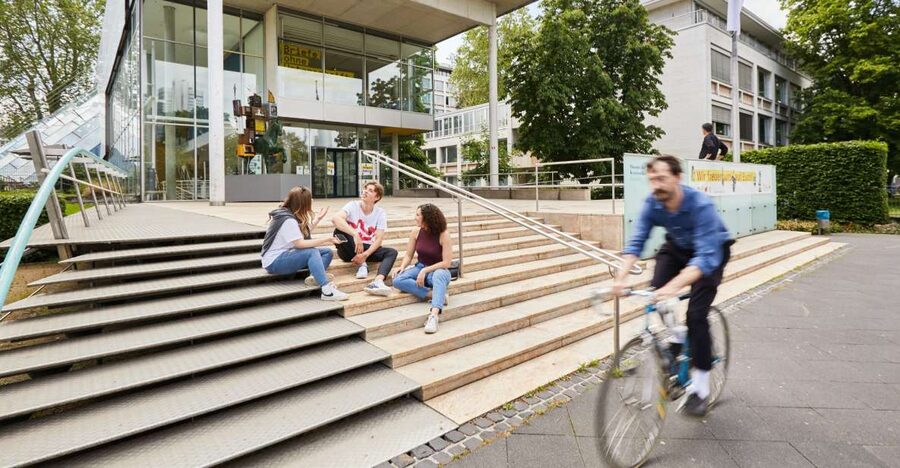
The building on Schaumainkai has received several awards, and the setting adds to the visit. You are in Frankfurt’s museum district, with the Main River close by and a terrace where you can stop after the galleries.
Inside, the presentation mixes historical objects with a more relaxed visual style. Book shelves, old trunks, telephones, and unusual installations keep the rooms from feeling like a warehouse. That atmosphere was one of the reasons I would recommend allowing time to wander instead of treating this as a quick checklist stop.
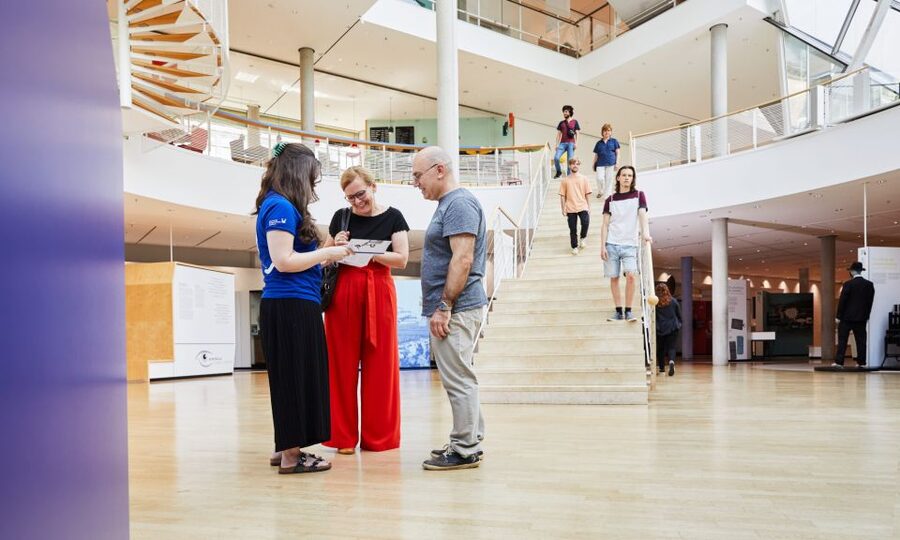
The design also helps bridge different ages. Older visitors may recognize fax machines, home telephones, and television sets from daily life. Younger visitors can see those objects as strange predecessors to the devices they use now. That generational contrast is part of the fun.
Still, atmosphere does not remove the practical issue of noise. One direct assessment found the museum attractive and very informative but too loud for easy concentration. The best advice is simple: visit on a weekday when possible, especially if you prefer a calm museum experience.
A Coffee Break Above the Main River
The café terrace gives you a natural pause point. After working through machines, networks, broadcasts, and climate questions, you can sit outside with a coffee and look toward the Main.
Food and drinks are not included in the $10 admission price. One practical warning: the café may not accept Mastercard or Visa, so carry another payment method if you plan to buy something. This is a small detail, but it can turn a pleasant final stop into an annoying one if you arrive without cash or an alternative card.
The terrace is valuable even if you do not spend much time at the café. It lets you break up a long museum visit and gives you space to discuss what you have seen. Since the ticket lasts for one day, you can use the pause without feeling that you are wasting admission time.
Is $10 Good Value for a Full Day?
At $10 per person, this is a strong value if you enjoy museums that reward curiosity rather than a quick photo stop. The admission covers the permanent exhibition and the museum entry, and the ticket is valid for one day. You can also skip the ticket line, which saves a little time at the start.
The price is especially fair for families, students, and anyone interested in technology, social change, media, or design. You are getting a large permanent exhibition, interactive material, and a temporary climate display for less than the cost of many major European museum admissions.
The value is lower if you only want to see famous historical objects for 30 minutes. The museum’s strength is the way it connects objects and ideas. If you rush from one case to the next, you may miss what makes the visit worthwhile.
Remember that there is no guide included. That is not a problem for most people, since the exhibition is built for independent exploration, but you should not expect a guided lecture or a fixed group route. You decide what interests you and how much background you want.
Who Will Get the Most from This Visit?
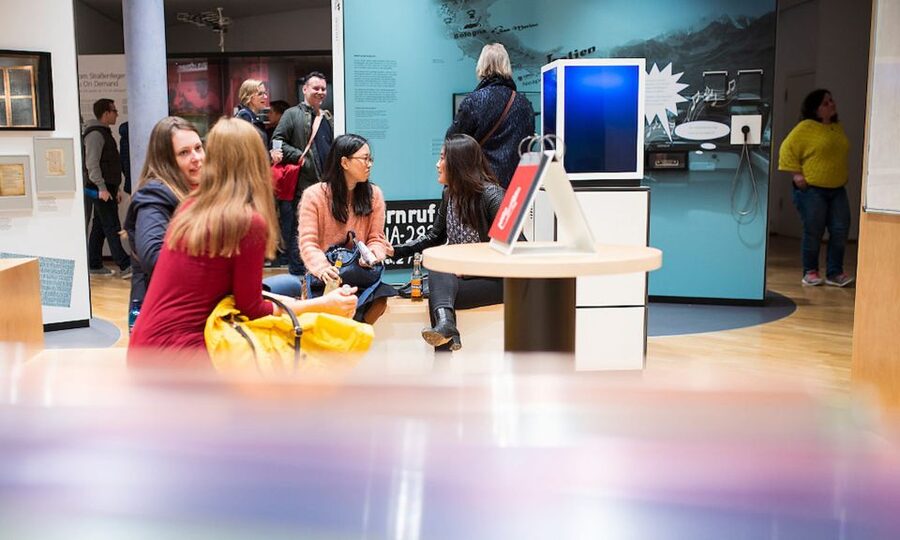
I would recommend the museum to anyone curious about how ordinary communication became faster, wider, and more interactive. It is a natural fit for families because the displays invite participation. It also suits adults who remember older phones, televisions, or fax machines and want to see those objects placed in a longer story.
The museum works well for a rainy day, a flexible afternoon, or a full day in Frankfurt’s museum district. The Main River terrace gives you a pleasant break, while the permanent exhibition offers enough material for a longer stay.
You should be more cautious if silence is essential. The noise problem is not constant for every visitor, but the lobby and popular areas can be loud. A weekday visit gives you the best chance of a calmer experience.
It is also worth checking the temporary exhibition before you go. The permanent galleries are the dependable reason to visit. KLIMA_X adds a timely subject, but temporary displays can change.
Practical Details Before You Go
The museum is on Schaumainkai in Frankfurt, and you go directly to the Museum of Communication. The ticket is valid for one day, with starting times subject to availability. Public holiday hours are 10:00 AM to 6:00 PM.
Entry is wheelchair accessible. Food and drinks are not included, and no guide is provided. If you want the café terrace, remember the reported card limitation and bring a suitable payment option.
You can cancel up to 24 hours before the visit for a full refund, and a reserve-now, pay-later option is available. Those terms are useful if your Frankfurt plans are still shifting.
Should You Book the Museum of Communication?
Book it if you want a hands-on museum with a clear story, unusual objects, and a useful link between old media and current technology. The strongest parts are the long sweep from cuneiform tablets to data glasses, the displays of telegraphs and phones, and the chance to connect communication with climate choices in KLIMA_X.
Skip it if you want a silent, highly formal museum or if your schedule allows only a very short stop. Noise can affect the experience, and the café has a payment limitation.
For most visitors, $10 is an easy price to justify. Go on a weekday, allow at least a few hours, and leave time for coffee on the Main River terrace. That approach gives you the best balance of machines, ideas, interaction, and a quiet finish.
FAQ
Where is the Museum of Communication in Frankfurt?
The museum is located on Schaumainkai in Frankfurt, Hessen, Germany. Go directly to the Museum of Communication.
How much does admission cost?
The stated price is $10 per person. Food and drinks are not included.
How long is the ticket valid?
The ticket is valid for one day. You can check availability for the available starting times.
Is a tour guide included?
No. The entry ticket includes admission to the museum, but no tour guide is included.
Is the museum wheelchair accessible?
Yes. The museum is wheelchair accessible.
What are the public holiday opening hours?
On public holidays, the museum is open from 10:00 AM to 6:00 PM.
Can I cancel my booking?
Yes. You can cancel up to 24 hours in advance for a full refund. A reserve-now, pay-later option is also available.
Just added around Germany
- Stuttgart: Stuttgart Wine Museum Wine Tasting★ 4.7 · 55 reviews
- Stuttgart: Museum of Illusions Entry Ticket★ 4.2 · 507 reviews
- Stein: Public guided tour of the “Old Mine” museum★ 4.5 · 18 reviews
- Speyer: Technik Museum Speyer Ticket with an IMAX Dome Film★ 4.7 · 360 reviews
- Berlin: Bode Museum Ticket★ 4.5 · 214 reviews
- Munich Private Walking Tour with BMW Museum & Welt Entry★ 4.2 · 19 reviews
- Munich: Residenz Palace, Museum and Treasury Private Tour★ 4.9 · 15 reviews
- Munich: WOW Museum – Room for Illusions Ticket★ 3.5 · 14 reviews
Museum Tours in Germany, compared.

Dresden: Church of Our Lady Guided Tour of Gallery
Read our review →
Skip-the-Line: Berlin Wall Museum at Checkpoint Charlie
Read our review →Browse the lists this tour appears in