
Review · PORTUGAL
Viana do Castelo Costume Museum
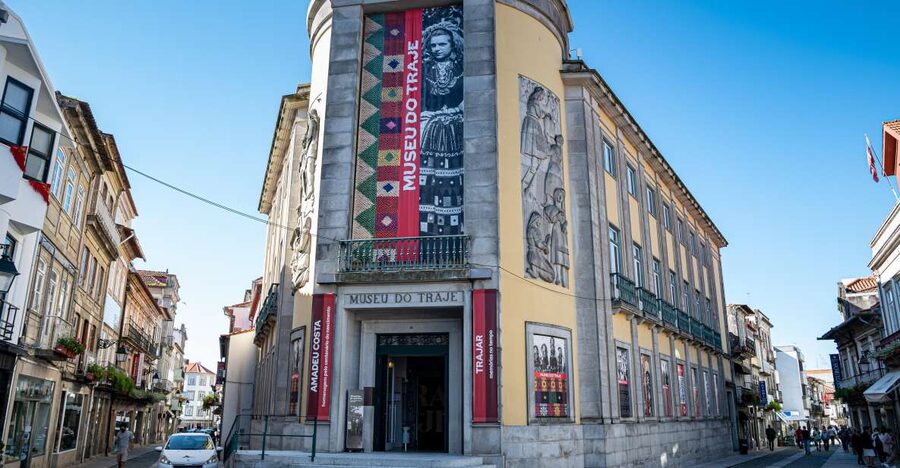
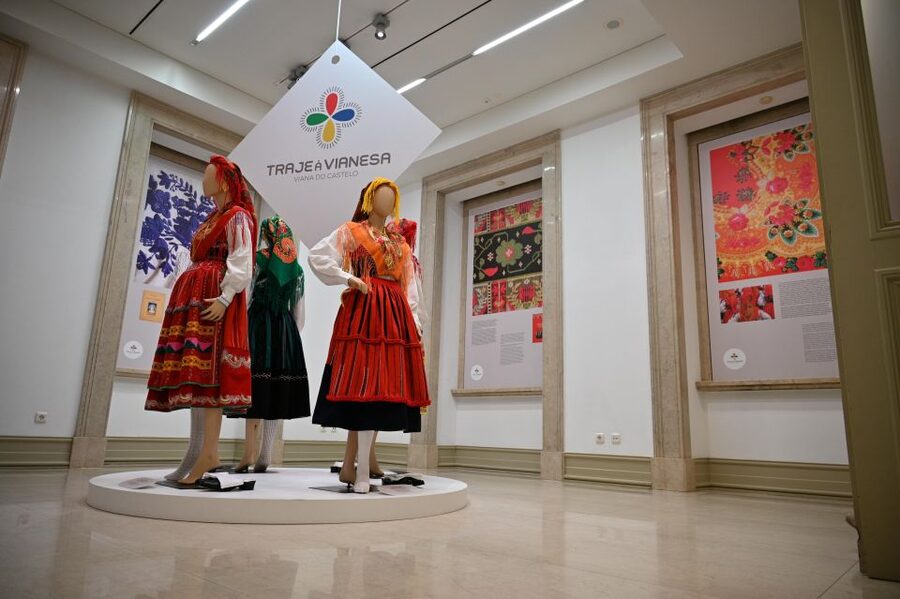
The most striking thing here is the contrast between the building and its contents: a former Bank of Portugal now protects the clothing, jewelry, and customs of Alto Minho. I like the careful display of traditional women’s costumes, and I like that the ticket also includes the Museum of Decorative Arts. The price, about $2.83, makes this an easy cultural stop.
The main drawback is language. The host or greeter speaks Portuguese, and the museum’s listed language is Portuguese, so readers who do not understand it may need to take their time with the objects rather than rely on extended explanations. Food, drinks, and flash photography are not allowed.
Key Points
- Regional clothing from Viana do Castelo: See traditional costumes connected to the municipality and the wider Alto Minho area.
- Gold filigree jewelry: Look for the local jewelry tradition and the Heart of Viana motif.
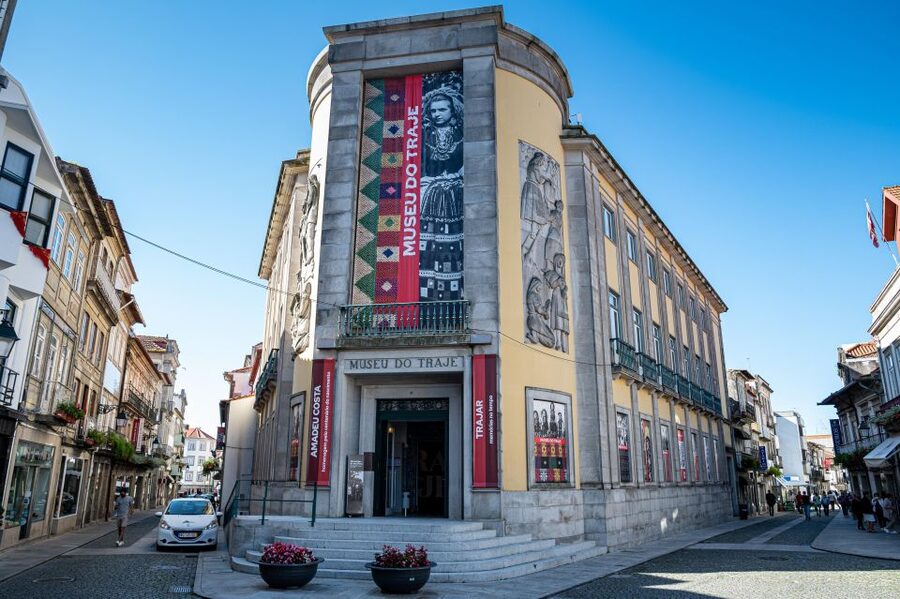
- A former bank with a new purpose: The museum occupies the old Bank of Portugal building in central Viana do Castelo.
- One ticket, two museums: Admission includes access to the Museum of Decorative Arts.
- Portuguese-language experience: The host or greeter speaks Portuguese, so prepare to explore at your own pace.
- Low-cost, flexible admission: The ticket costs about $2.83 per person, is valid for one day, and allows cancellation up to 24 hours ahead.
Why the Costumes Matter in Viana do Castelo
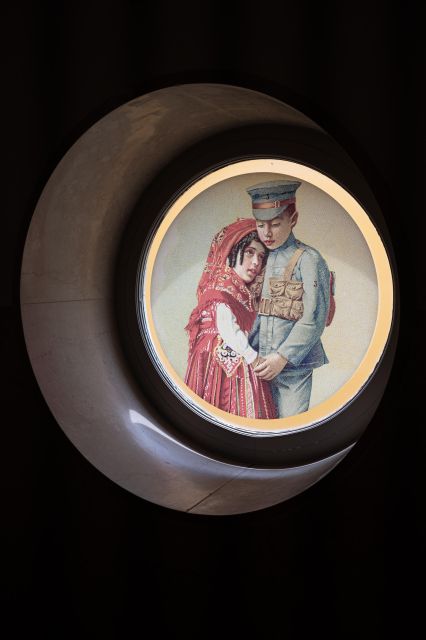
The Costume Museum is not simply a room of old clothes. Its subject is popular culture in the municipality of Viana do Castelo and across Alto Minho, the northern Portuguese area where dress, jewelry, and public customs have long carried social meaning.
You will see regional clothing, with much of the collection focused on women’s costumes. The displays show how fabric, color, pattern, and decoration work together. Even if you know little about Portuguese dress, you can begin to notice that these outfits were made to communicate more than personal taste.
Clothing can signal a person’s home area, social position, age, or place in a ceremony. The museum gives you a way to look at those details instead of treating traditional dress as a colorful backdrop for photographs.
I especially like this kind of museum because it puts everyday people at the center. A grand palace tells you how rulers wanted to be seen. A costume museum tells you how local communities presented themselves, celebrated, worked, and passed customs from one generation to the next.
The collection reaches back through earlier periods of clothing, giving you a sense of change over time. The exact route through the galleries can vary, but you should expect large exhibition halls devoted to regional costumes and related material.
A few more museum visits around Portugal worth comparing
- Porto: Cálem Cellar Tour, Interactive Museum & Wine Tasting
★ 4.5 · 4,113 reviews - Lisbon: Luz Stadium Tour & SL Benfica Museum Entry
★ 4.7 · 4,102 reviews - FC Porto: Museum & Tour
★ 4.6 · 3,807 reviews
Inside the Former Bank of Portugal
The setting adds an extra layer to the visit. The museum is housed in the former Bank of Portugal building in Viana do Castelo. That is a useful piece of local architecture in its own right, but it also creates an engaging contrast.
A bank suggests money, ledgers, and official business. The museum uses the same building to present handmade clothing, jewelry, and popular traditions. You move from a place once linked to finance into a place focused on local identity.
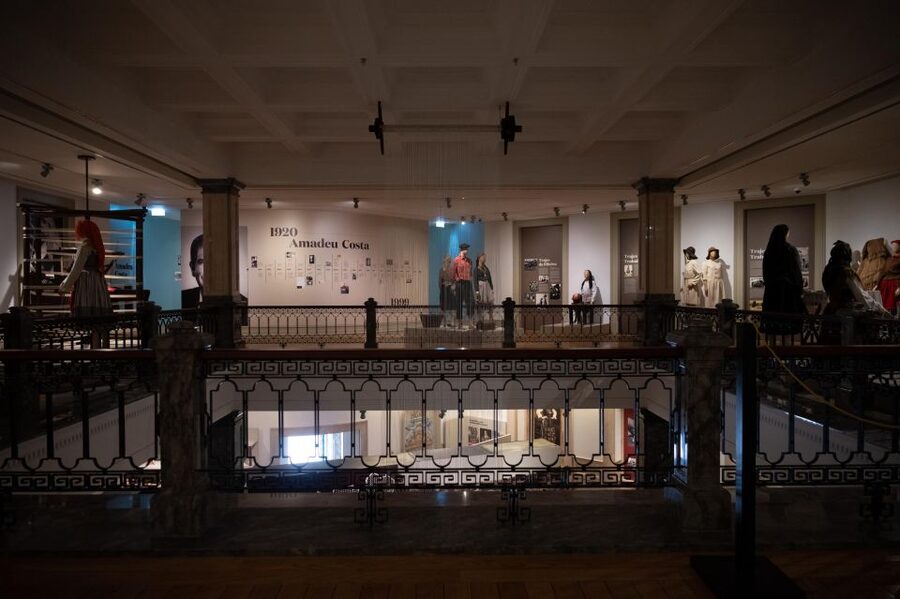
The building has large exhibition halls, which matters more than it may sound. Costumes need room. You want to see their full shape, the way garments hang, and the small elements that disappear when clothes are squeezed into a narrow case.
The structure is also described as comfortable and well organized. That makes the visit easier for people who like to proceed slowly, stop at individual displays, and return to an object after looking at something else.
Do not expect a hands-on attraction or a staged performance. This is a permanent, non-profit museum built around research, inventory, conservation, display, and interpretation. Its purpose is to safeguard local heritage and make it available to the public.
That approach gives the museum a serious tone, but it does not need to feel dry. The clothing and jewelry provide plenty to look at. You can let the objects lead the visit, then use the written material to add meaning where Portuguese is accessible to you.
The Costume Galleries: Fabric, Form, and Local Identity
Start with the costumes before rushing toward the jewelry. The clothing gives you the setting for the objects that follow.
The collection is connected to the municipality of Viana do Castelo, so the focus is local rather than a broad survey of every Portuguese region. That narrow focus is a strength. You get a clearer picture of the traditions associated with this part of northern Portugal.
The women’s costumes receive particular attention. Look at the full arrangement, not just the bright colors. Notice how the clothing is layered, how the shape changes from one outfit to another, and how decorative elements are placed.
The display also reaches into earlier clothing, giving you a chance to compare styles across time. You might find that a small change in fabric or ornament tells you as much as a long label. The museum’s value comes from these small visual comparisons.
Some readers will finish the costume rooms quickly. If you are mainly interested in architecture or fine art, the clothing may not hold your attention for a full day. That is a fair consideration. This museum is best for people who enjoy material culture and local traditions.
If you like to examine details, give yourself room to slow down. The museum is not a checklist attraction. It rewards looking closely at seams, adornment, headwear, and the balance of an entire outfit.
The Jewelry Collection and the Heart of Viana
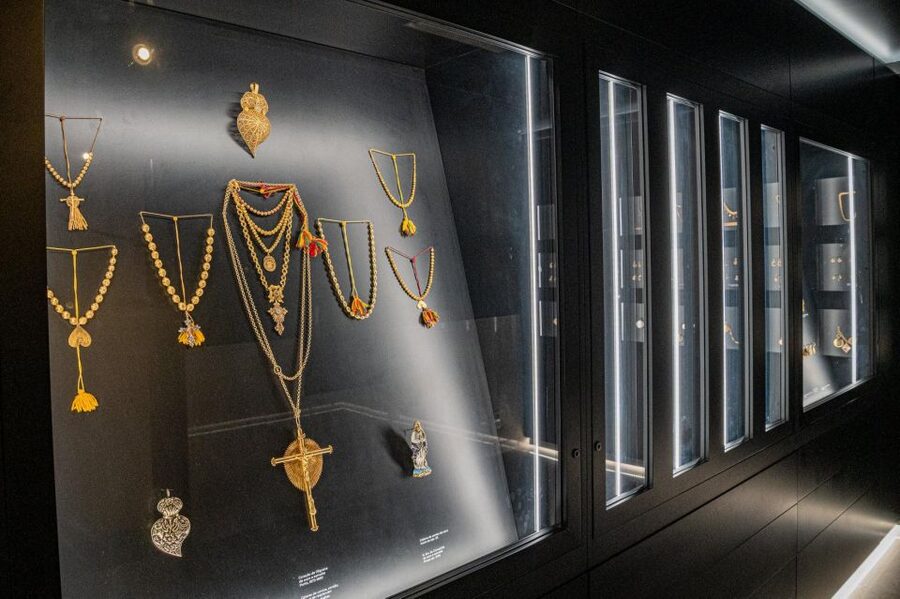
The jewelry collection provides the museum’s most immediately eye-catching section. The area is known for Portuguese gold filigree, a delicate technique that turns fine strands of gold into intricate patterns.
You will see popular Portuguese jewelry associated with the region. The Heart of Viana is the design to watch for. It appears in pieces such as earrings and necklaces and has become closely linked with Viana do Castelo.
The heart shape is easy to recognize, but the workmanship deserves a slower look. Filigree depends on fine lines and careful patterning. From a distance, a piece can look like a simple gold symbol. Up close, the surface becomes far more detailed.
This is where the collection connects clothing with personal display. Jewelry is not separate from traditional dress. It helps complete an outfit and can carry family, religious, or local meaning.
I would plan to spend more time here than the low ticket price suggests. The jewelry gives you a clear connection between museum objects and the designs you may notice elsewhere in Portugal.
Do not treat the Heart of Viana as merely a souvenir logo. In this museum, it appears within a broader local tradition of gold work and adornment. Seeing the pieces alongside costumes helps you understand why the motif has such a strong association with the city.
Photography is allowed only within the museum’s rules, and flash photography is not allowed. That is especially important in the jewelry rooms. Turn off your flash before you begin, and follow any posted instructions.
Same city, a completely different collection:
- Lisbon: National Tile Museum Entry Ticket
★ 4.6 · 868 reviews - Porto: The Wine Experience, Best Wine Museum in the World
★ 4.7 · 621 reviews - Lisbon: MAAT Gallery and MAAT Central Entry Tickets
★ 4.0 · 559 reviews - Lisbon: Banksy Museum Permanent Exhibition Entry Ticket
★ 4.7 · 506 reviews
The Museum of Decorative Arts Included With Admission
Your ticket also gives you access to the Museum of Decorative Arts. This makes the visit a better value than a ticket limited to the Costume Museum alone.
The two museums complement each other. The Costume Museum concentrates on regional clothing, popular culture, and jewelry. The Museum of Decorative Arts broadens the experience to objects made for use and display.
The available information does not specify the full contents or layout of the Decorative Arts collection, so I would not promise a particular object or gallery. What you can count on is an additional museum visit included in the same admission.
That extra access is useful if you are already spending time in Viana do Castelo and want a cultural stop with more than one focus. It also helps balance the visit for companions who may not be especially interested in traditional clothing.
Plan to see both museums rather than treating the second entrance as a minor bonus. Since the ticket is valid for one day, you have flexibility to arrange the visit around your own pace and opening-time availability.
A Museum Built Around Research and Preservation
The museum joined the Portuguese Museum Network in 2004. That membership places it within a wider national system of museums and reflects its role as a permanent institution rather than a temporary exhibition space.
Its work covers research, inventory, conservation, exhibition, and interpretation. In plain terms, the museum does more than put old objects behind glass. It records them, protects them, studies their meaning, and presents them so the public can understand local culture.
That matters when you look at clothing that might otherwise seem decorative. A costume is fragile. Fabrics fade, metal pieces can tarnish, and details can be lost when the people who made or wore them are no longer available to explain them.
The museum’s purpose is also educational. It studies popular culture and works to protect the heritage of Alto Minho. You can approach the visit as a short sightseeing stop, but you will get more from it if you think about the displays as evidence of how a community expressed itself.
The institution is non-profit and serves society and its development. That language may sound formal, but the practical result is clear: your admission supports a public cultural function, not just a commercial attraction.
How Much Time Should You Allow?
The activity is listed as lasting one day, with availability and starting times checked at booking. That does not necessarily mean you need to spend an entire day inside the galleries. It means the ticket is valid for one day and gives you a flexible window for your visit.
I would allow enough time for both museums, especially if you want to inspect the costumes and jewelry instead of walking past them. The large exhibition halls make a measured visit possible.
A quick visit may suit you if you have only a short period in the city. In that case, focus on the regional costumes and the gold filigree jewelry. The Heart of Viana pieces are a natural priority because they connect the collection with a symbol strongly associated with Viana do Castelo.
If you have more time, take a slower route. Compare several costumes, then return to the jewelry with a better sense of how the pieces were worn. Use the Museum of Decorative Arts as the second part of the visit.
The museum is not presented as a guided tour with a named specialist. The host or greeter language is Portuguese, so you should expect a self-paced museum visit rather than a guaranteed English explanation.
Practical Details Before You Go
The price is about $2.83 per person. That is excellent value when you consider that admission includes two museums and access to large exhibition halls. Even a brief visit can justify the cost, while a careful visit gives you much more for the same ticket.
The museum is wheelchair accessible, which makes the building easier to use for people with reduced mobility. A nursery is also available. These details are worth checking when planning a family visit or a day with varied needs.
Food and drinks are not allowed inside. Have anything you need before entering, and keep water and snacks outside the galleries unless staff provide different instructions.
Flash photography is prohibited. You can still look closely and take permitted photographs without a flash, but follow the museum’s rules and any signs near the displays.
The listed language is Portuguese. If you do not speak Portuguese, you may find the visual material easier to enjoy than the written interpretation. Give yourself extra time, and do not expect a bilingual tour unless that is specifically confirmed before booking.
Booking is flexible. You can cancel up to 24 hours in advance for a full refund, and the reserve-now, pay-later option lets you keep your plans open. Check the available starting times because the ticket is valid for one day rather than tied to a fixed multi-day period.
Who Will Enjoy This Museum Most?
I would recommend this experience to anyone interested in northern Portuguese traditions, regional clothing, jewelry, or small museums with a clear local purpose.
It is especially suitable for:
- People who want more than monuments and churches during a visit to Viana do Castelo
- Anyone interested in traditional women’s clothing and historic dress
- Jewelry lovers who want to see Portuguese gold filigree and the Heart of Viana
- Families looking for an accessible indoor activity
- Museum visitors who prefer a quiet, self-paced experience
- People seeking a low-cost cultural stop that includes a second museum
You may enjoy it less if you want a highly interactive attraction, an English-language guide, or a broad survey of all Portuguese culture. The museum has a focused subject, and the available language is Portuguese.
Should You Book the Viana do Castelo Costume Museum?
Yes, if you want a compact and inexpensive look at the culture of Viana do Castelo. The combination of regional costumes, gold filigree jewelry, and the former Bank of Portugal setting gives the museum a clear sense of place.
The strongest reasons to go are the women’s clothing collection, the Heart of Viana jewelry, and the extra Museum of Decorative Arts access. At about $2.83, there is little financial risk, especially with free cancellation up to 24 hours before the visit.
Book it if you are comfortable exploring largely in Portuguese and prefer objects, displays, and local history to a live show. Skip it only if your schedule is extremely tight or you need a fully guided English-language experience.
FAQ
How much does admission to the Viana do Castelo Costume Museum cost?
The listed price is about $2.83 per person. Admission also includes access to the Museum of Decorative Arts.
Is the ticket valid for one day?
Yes. The ticket is valid for one day, and you should check availability for the starting times offered when booking.
What language is spoken at the museum?
The host or greeter speaks Portuguese, and Portuguese is the listed museum language.
Is the museum wheelchair accessible?
Yes. The museum provides access for people with reduced mobility.
Can I bring food or drinks inside?
No. Food and drinks are not allowed inside the museum.
Can I use flash photography?
No. Flash photography is not allowed.
Just added around Portugal
- Museum Heist Escape Game★ 5.0 · 28 reviews
- Tavira Total Tuk Tuk Tour: Tavira Tour & Tuna Museum Visit★ 4.9 · 21 reviews
- Lisbon: Benfica Museum Tour with Souvenir Scarf★ 4.8 · 27 reviews
- Madeira: Signature Wine Tasting, Skywalk & Nature Expedition★ 4.7 · 49 reviews
- Porto: Cork Museum: Immersive and Perfect for Families★ 4.2 · 54 reviews
- Porto: Taylor’s Port Cellar Tour & WOW Museum Pack★ 4.7 · 24 reviews
- Porto: National Museum Soares dos Reis E-Ticket & City Tour★ 4.0 · 18 reviews
- Portimao: 3D Fun Art Museum Entry Ticket★ 4.7 · 106 reviews
Museum Tours in Portugal, compared.
Cálem Cellar Tour, Interactive Museum & Wine Tasting
Read our review →

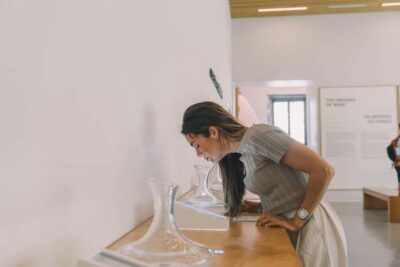
The Wine Experience, Best Wine Museum in the World
Read our review →
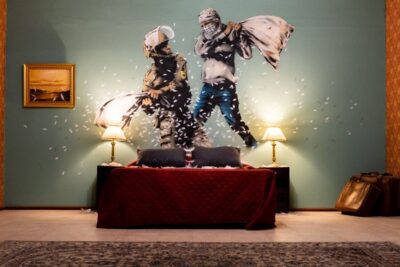
Banksy Museum Permanent Exhibition Entry Ticket
Read our review →
Belem, Jeronimos Monastery, and Coach Museum Tour
Read our review →Browse the lists this tour appears in