
Review · VENICE
Venice: Leonardo Da Vinci Museum Entrance Ticket
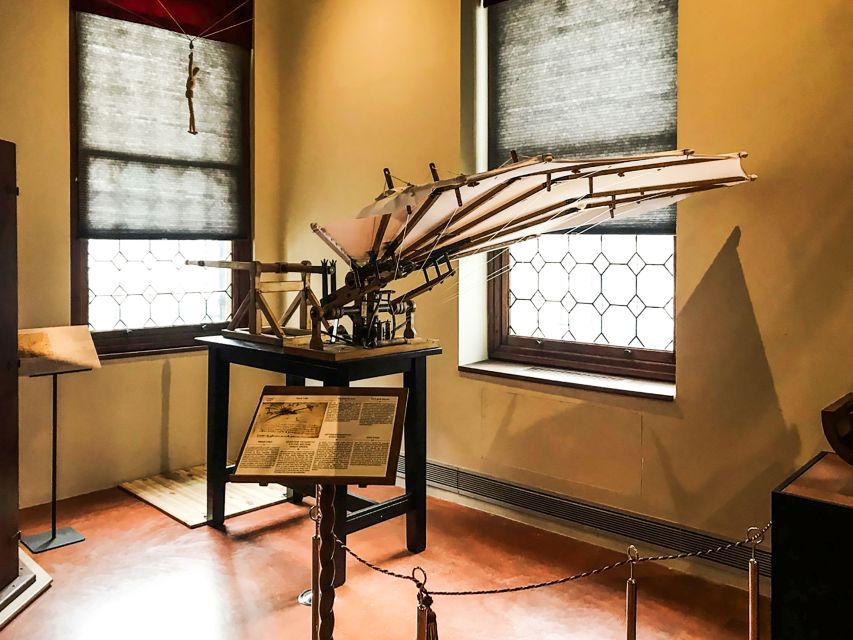
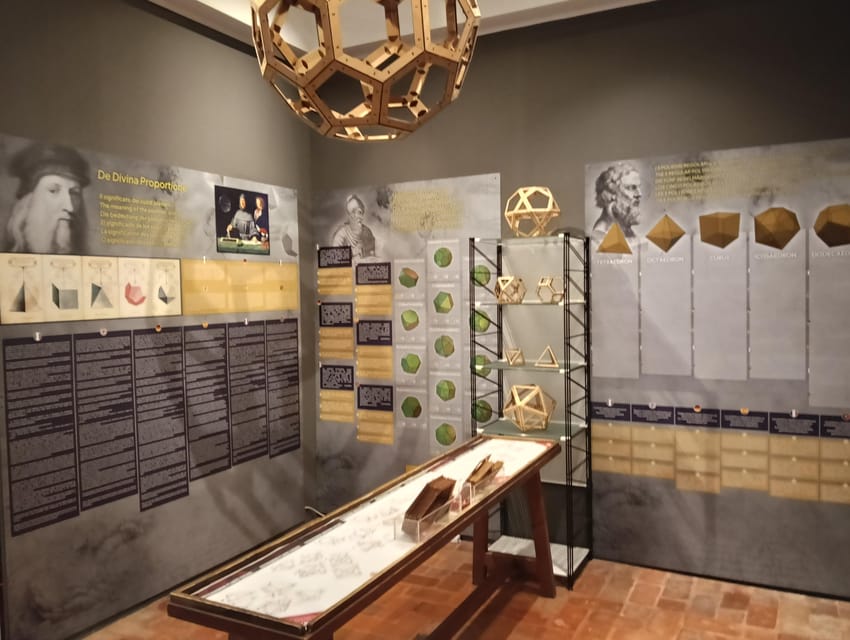
Leonardo’s genius is easiest to grasp when you can turn a crank, test a gear, or handle a wooden puzzle instead of only staring at a label. This compact Venice museum brings his sketches to life with working reproductions, anatomy displays, backlit paintings, and hands-on experiments spread across the themes of Earth, Water, Fire, and Air.
I like the family-friendly design and the chance to see Leonardo as more than the painter of the Mona Lisa. I also like the price, about $10 per person, and the fact that you can fit the visit into a busy day. The tradeoff is size: you may finish in 30 minutes, though a careful visit with children can take about 90 minutes.
Key points to know
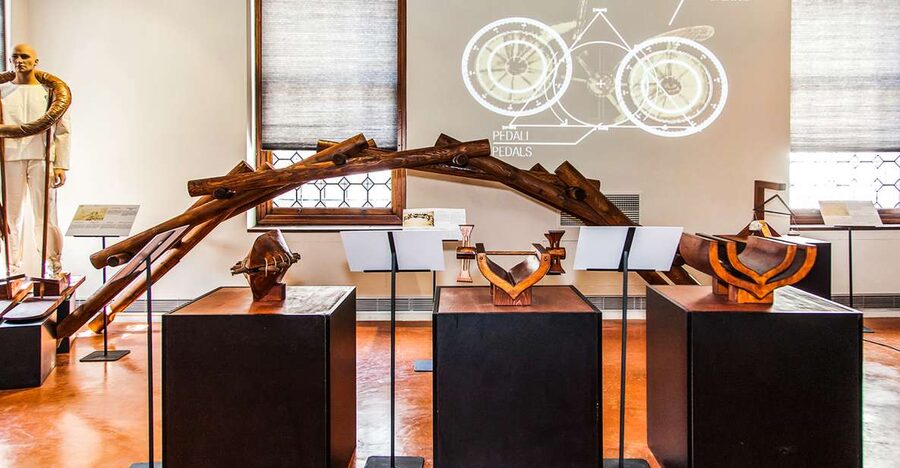
- Working reproductions: Try machines rebuilt from Leonardo’s designs, with changes made only where original proportions would not work safely or practically.
- Four themed sections: Earth, Water, Fire, and Air organize the inventions and make the displays easier to follow.
- Hands-on for all ages: Wooden construction puzzles, a mirror box, drawing activities, and movable machines give children and adults something to do.
- A small museum: Its compact size suits a short break, but anyone expecting a major art museum may find the collection limited.
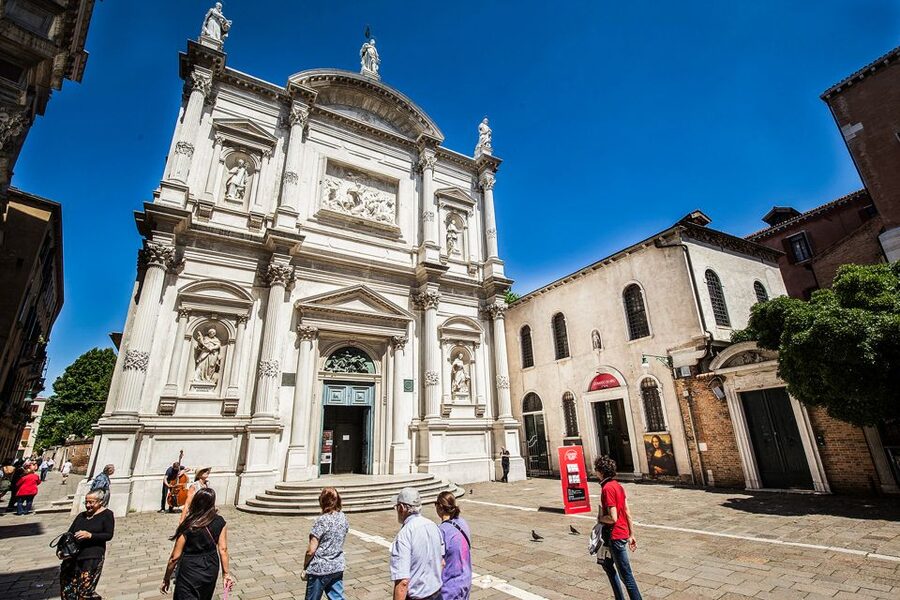
- Useful location: Find it at Campo San Rocco, opposite the Scuola Grande di San Rocco and behind the Church of the Frari.
- Practical ticket terms: Entry is valid for one day, children under three enter free, and the bookshop offers 10 percent off.
What this small museum does best
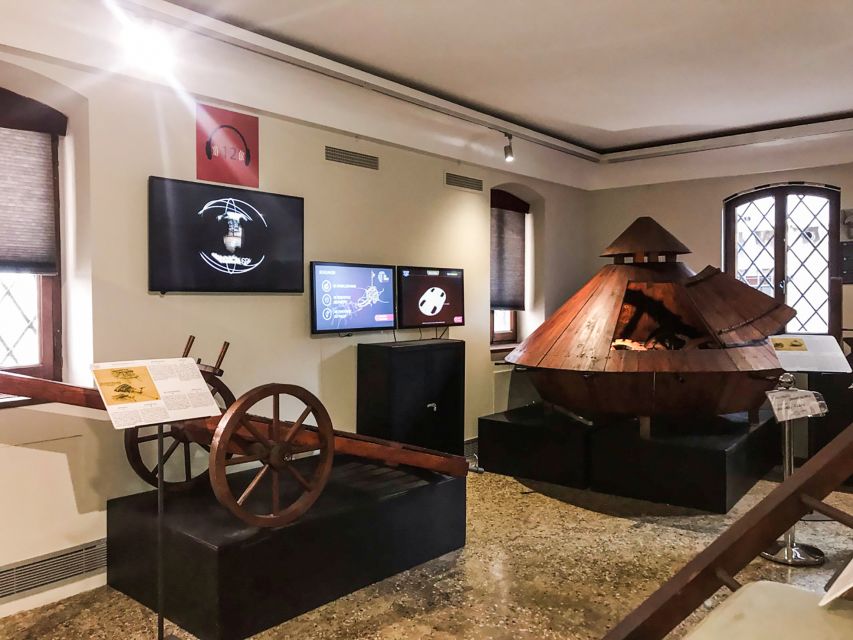
This is not a traditional art museum built around original paintings. It is an interactive introduction to Leonardo’s ideas, using reproductions that let you see how his inventions might work.
That distinction matters. Leonardo filled notebooks with designs for bridges, machines, flying devices, water systems, and tools. A drawing on a wall can be hard to understand, but a model with gears and levers makes the basic idea plain. You are not simply reading about a machine. You can often operate it and watch the parts move.
The museum also helps correct a common misunderstanding. Leonardo was not only a painter. The displays present him as an engineer, inventor, anatomist, and careful observer of the natural world. His studies of the human body sit alongside machines and artistic work, giving you a broader picture of the man.
The setting is useful, too. Venice can feel crowded and noisy, particularly around the biggest sights. This museum offers a calm indoor pause in the San Polo area, with enough activity to hold a child’s attention and enough historical detail to interest an adult.
More Museum Tours in Venice
- Venice’s Best: Basilica, Doge’s Palace, Gondola & History Gallery
★ 4.5 · 2,478 reviews - Venice: Vivaldi’s Four Seasons Concert & Music Museum Visit
★ 4.8 · 2,065 reviews - Charming Gondola Ride on the Grand Canal & Gondola Gallery™
★ 4.0 · 1,313 reviews
Finding the entrance at Campo San Rocco
The museum is at Campo San Rocco, 3052 Venezia, in the building called the Scolette di San Rocco. Look for it opposite the Scuola Grande di San Rocco, behind the Church of the Frari.
The meeting point is the museum itself. There is no guide waiting to lead a group, so you simply go to reception, show your ticket, and enter. This is worth knowing because the experience is independent, not a guided tour.
The location works well as part of a walking route through San Polo. You can pair it with the Frari and the Scuola Grande di San Rocco, then continue through nearby streets and squares. I would not cross Venice just for a 30-minute visit, but it makes a sensible stop when you are already in this part of the city.
The museum permits photos inside. That is handy for saving a favorite machine or a clever optical display, though you should still follow any instructions from staff about specific exhibits.
Earth, Water, Fire, and Air
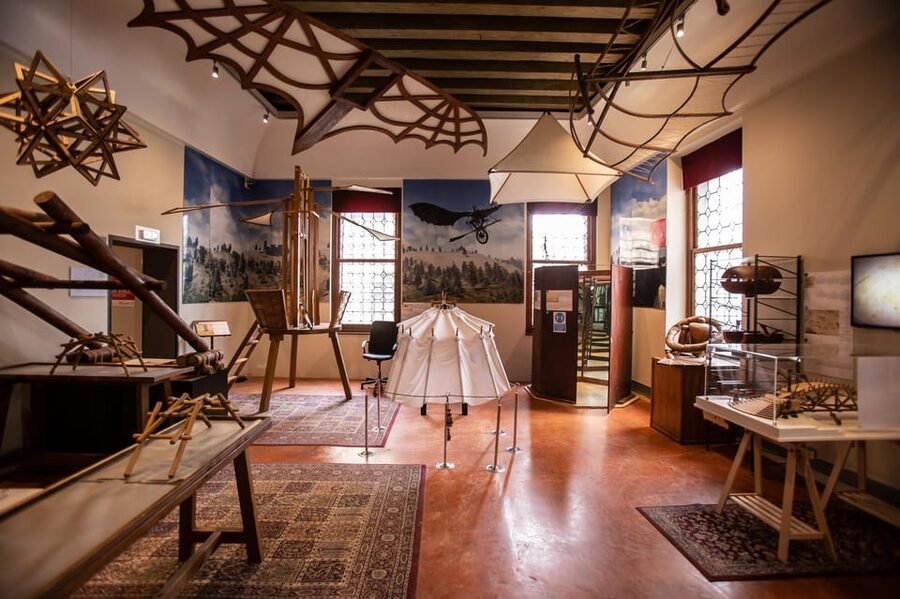
The exhibition is arranged around four elements: Earth, Water, Fire, and Air. This gives the visit a simple structure and keeps the many subjects from feeling random.
The Earth section connects to Leonardo’s study of materials, structures, and practical machines. Wooden models and construction challenges show how balance, weight, and shape affect the way something works. One popular activity is a wooden bridge puzzle. If you want to complete it, having a second person helps.
Water focuses on movement and control. Leonardo was fascinated by rivers, currents, canals, and the mechanics of flowing water. The reproductions let you think about how water can be directed or used as a source of power. The exact experience depends on which models are available during your visit, but the value is in seeing a design as a physical system rather than a flat sketch.
Fire presents mechanical ideas and the study of force. This is where the contrast between Leonardo’s imagination and Renaissance technology becomes clear. He could sketch possibilities far ahead of his era, even when materials and construction methods limited what could be built.
Air brings you toward flight and motion. Leonardo studied birds and the movement of air, then applied those observations to flying machines. The models do not turn the museum into an aviation display, but they show how close observation of nature fed his engineering ideas.
Do not rush through the four themes simply because the museum is small. The machines become more interesting when you stop to ask what problem Leonardo was trying to solve.
Hands-on machines and puzzles
The strongest part of the visit is the chance to interact with the exhibits. You may turn handles, move mechanisms, test construction pieces, or examine a machine from several angles.
This is especially helpful for children, who can lose interest in long walls of text. The museum gives them a reason to look closely. At the same time, the activities are not limited to young children. Adults can try the mechanisms too, and some require patience rather than strength.
The wooden bridge puzzle is a good example. It seems simple until you start fitting the pieces together. Working with another person makes it easier and turns the activity into a small group challenge.
The mirror box is another memorable display. It lets you see reflections from different angles, creating a striking visual effect in a very small space. It is one of those exhibits that makes the museum feel more playful than a standard historical collection.
There are also iPads that allow children to draw in a style inspired by Leonardo. These activities help connect the artist’s work with the rest of the exhibition. A child who is less interested in gears may still enjoy the drawing station, while an older child may prefer the bridge or machine models.
Use the exhibits with care. The machines are made to be handled, but they are not toys. Children under 15 must be accompanied by an adult, and young children may need reminders to use the displays properly.
A few more museum visits around Italy worth comparing
- Vatican: Museums & Sistine Chapel Entrance Ticket
★ 4.5 · 144,003 reviews - Florence: Skip-The-Line Uffizi Gallery Timed Entry Ticket
★ 4.5 · 27,832 reviews - Vatican Museums & Sistine Chapel Skip-the-Line Entry Ticket
★ 4.4 · 13,838 reviews - Florence: Leonardo Interactive Museum Entry Ticket
★ 4.5 · 12,957 reviews
Leonardo the anatomist and artist
The machines get most of the attention, but the art and anatomy displays make the visit more rounded.
Leonardo’s anatomical studies show how closely he observed the human body. His work was not separate from his art. Understanding muscles, bones, proportions, and movement helped him draw and paint people more convincingly.
The museum presents major anatomical studies along with high-resolution, backlit reproductions of important paintings. These are not original masterpieces, so you should not come expecting the atmosphere of a major gallery. Their role is different. They give you a clear way to connect the scientific observer with the artist.
This combination is one of the museum’s better choices. You see Leonardo’s curiosity moving across subjects rather than sitting in one category. He studies the body, designs machines, examines nature, and produces art with the same habit of close observation.
Descriptions are available in Italian, English, French, German, Spanish, and Russian. Multimedia material adds background about his life and work. A short film explains his story in a clear, compact way, which helps if you know Leonardo mainly through a few famous paintings.
How long should you allow?
The advertised validity is one day, but most people will not need a full day inside. A quick visit takes about 30 to 60 minutes. If you read more of the information, try the machines, use the puzzles, and allow children time at the activities, plan on roughly 90 minutes.
That flexible length is a real advantage in Venice. You can fit it between major sights, use it as a break during hot weather, or visit late in the day without committing to a large block of time.
The small size also has a downside. If you are passionate about Leonardo and want a large collection of original documents or artworks, this museum may feel brief. It is best understood as a practical exhibition rather than a full scholarly institution.
Last admission is one hour before closing, so do not arrive right at the end of the day. Opening times and available entry times can vary, so check the current schedule before setting out.
Is the $10 ticket good value?
At about $10 per person, the ticket is reasonably priced for Venice. The museum does not require a long visit, but that is part of its value. You can spend an hour learning something substantial without giving up half a day.
The price works particularly well for families. Children under three enter free, and older children have more to do here than in a quiet painting gallery. Adults who enjoy mechanics, art, science, or puzzles will also get more from the ticket than someone who only wants to see famous original paintings.
The bookshop adds another small benefit. It sells Leonardo-themed gifts and souvenirs, and the ticket includes a 10 percent discount on bookshop purchases. That may appeal if you want a book, model, or educational item connected to the exhibition.
I would think twice only if your schedule is extremely tight or if you expect a large museum with extensive original material. For everyone else, the low price and short visit make it an easy addition to a Venice itinerary.
Best time and practical tips
A quieter visit gives you more time with the machines. Mid-afternoon on a weekday can be a good choice, and one afternoon visit at 3:30 had very short queues. Still, conditions change, so do not treat that as a guarantee.
If you use the audio material, look for the QR code at the front of the shop and scan it before you begin. It may not be posted throughout the museum, and missing it can mean walking back to the start.
A few simple tips will improve the visit:
- Allow 60 to 90 minutes if you are visiting with children.
- Bring a second person for the wooden bridge puzzle.
- Ask staff if you are unsure how to operate a machine.
- Show your ticket at reception because there is no tour guide or group meeting.
- Keep the last-entry rule in mind, since admission ends one hour before closing.
- Save time for the bookshop if you want Leonardo-themed gifts.
There is also some evidence that staff may help with practical needs such as holding luggage, but this is not listed as a formal inclusion. Ask politely at the desk rather than relying on it.
Who will enjoy it most?
I would recommend this museum most strongly to families with school-age children and teenagers. The exhibits reward touching, testing, and problem-solving, and the subject matter is easier to grasp when young minds can see cause and effect.
It is also a good match for adults who like engineering, inventions, art, anatomy, or the history of ideas. You do not need specialist knowledge. The explanations are designed to be accessible, and the multimedia elements keep the story moving.
It may be less satisfying for someone who wants original Renaissance paintings, a large collection, or a quiet place for close art study. The backlit reproductions are useful, but they cannot replace seeing Leonardo’s originals in person.
The museum also suits a mixed-age group. A five-year-old can try the activities, a teenager can test the machines, and an adult can spend time with the anatomy and historical material. That range is one of the exhibition’s biggest strengths.
Should you book the Leonardo da Vinci Museum?
Book it if you want an affordable, short, hands-on museum that shows Leonardo as an inventor as well as an artist. It is especially useful on a family trip, during a hot afternoon, or when you need a calmer stop between Venice’s major churches and squares.
Skip it if you have only a few minutes near San Rocco or if your main goal is original art. The museum is small, and some people will finish quickly.
For most visitors who enjoy practical exhibits, the $10 ticket is a sensible buy. Go in expecting working models, puzzles, multimedia displays, and a compact introduction to Leonardo’s wide-ranging mind. That is exactly where this museum succeeds.
FAQ
Where is the Leonardo da Vinci Museum in Venice?
The museum is at Campo San Rocco, 3052 Venezia, in the Scolette di San Rocco building. It is opposite the Scuola Grande di San Rocco and behind the Church of the Frari.
Is this a guided tour?
No. The ticket provides museum entry, but there is no guided tour. Go to the museum reception, present your ticket, and explore independently.
How long does the visit take?
A quick visit can take 30 to 60 minutes. If you read the displays and try the activities, allow about 90 minutes.
What languages are available?
Exhibit descriptions are available in Italian, English, French, German, Spanish, and Russian. Multimedia displays also provide information about Leonardo’s life and work.
Can I take photos inside?
Yes. Photo-taking inside the museum is included with the admission.
Are children allowed to enter alone?
No. Children under 15 must be accompanied by an adult. Children under three receive free admission.
What are the four sections of the museum?
The exhibition is organized around Earth, Water, Fire, and Air. Each section presents machines and ideas connected with those themes.
Is the ticket refundable if my plans change?
You can cancel up to 24 hours in advance for a full refund. The reserve-now, pay-later option also allows you to hold a place without paying immediately.
Just added around Italy
- Oil museum and oil mill in Tuscany: tour and tasting★ 5.0 · 16 reviews
- Enchanted Castle of Sciacca – Museum Tickets★ 3.5 · 63 reviews
- Torino: FIAT Historic Museum and Lingotto District Tour★ 4.9 · 14 reviews
- Torino: The Car Museum Skip-The-Line Tour★ 4.7 · 22 reviews
- Timed Entry Ticket to the Uffizi Gallery★ 4.5 · 498 reviews
- Florence: Accademia Gallery Entry Ticket with Audio Guide★ 4.1 · 88 reviews
- Vatican City: Sistine Chapel, Museums, Basilica Private Tour★ 4.8 · 158 reviews
- Rome: Capitoline Museums and Centrale Montemartini Tickets★ 4.4 · 328 reviews
Museum Tours in Venice, compared.
Venice’s Best: Basilica, Doge’s Palace, Gondola & History Gallery
Read our review →
Vivaldi’s Four Seasons Concert & Music Museum Visit
Read our review →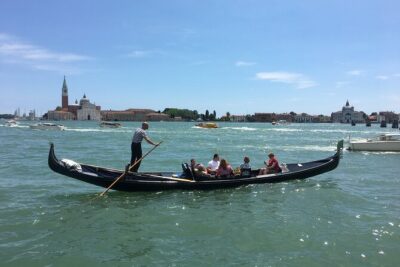
Charming Gondola Ride on the Grand Canal & Gondola Gallery™
Read our review →
City Pass with Museums including Doge’s Palace
Read our review →
Bell Tower & St Mark’s Square History Gallery Ticket
Read our review →
Venice Museum Pass & Doge’s Palace Entrance Ticket
Read our review →
Basilica, Doge’s Palace, History Gallery & Bell Tower Option
Read our review →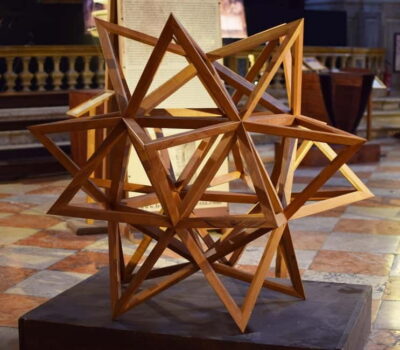
Browse the lists this tour appears in