
Review · VENICE
Museum of Leonardo da Vinci’s working machines
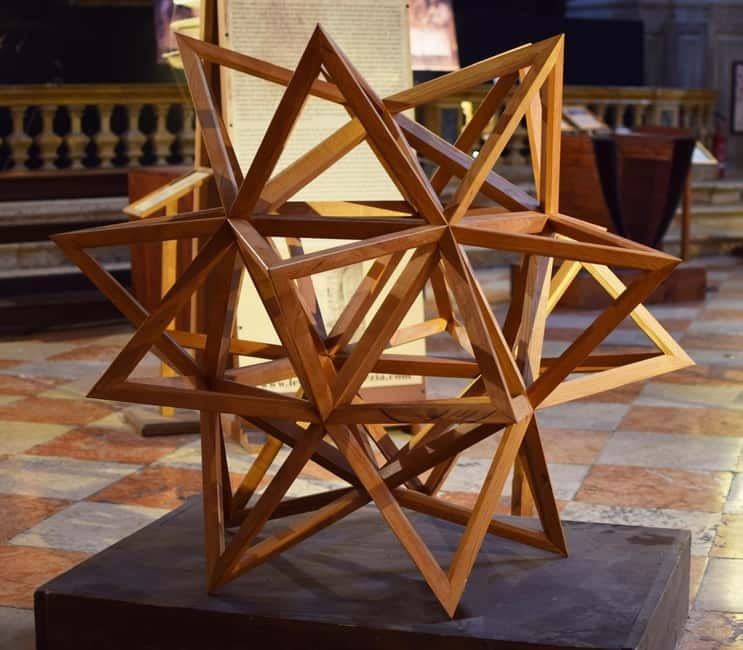
Leonardo da Vinci’s ideas become much easier to grasp when you see a wooden machine move instead of staring at a page of tiny sketches. This small museum in Venice’s San Barnaba church presents working models based on the Codices of Universal Engineering, including designs for flight, war, water, and mechanics.
I like the hands-on mechanical models, and I like the way QR codes add explanations without forcing you into a scheduled tour. The church itself is another draw, especially if you know it from the Indiana Jones movie. The main drawback is scale: this is a compact museum, not a full-day attraction, and a few practical problems with the entrance location and closing time have caused real frustration.
Key points to know before you go
- Working wooden machines: See reproductions built by skilled artisans in Florence, using precious woods from Tuscany’s Casentino area.
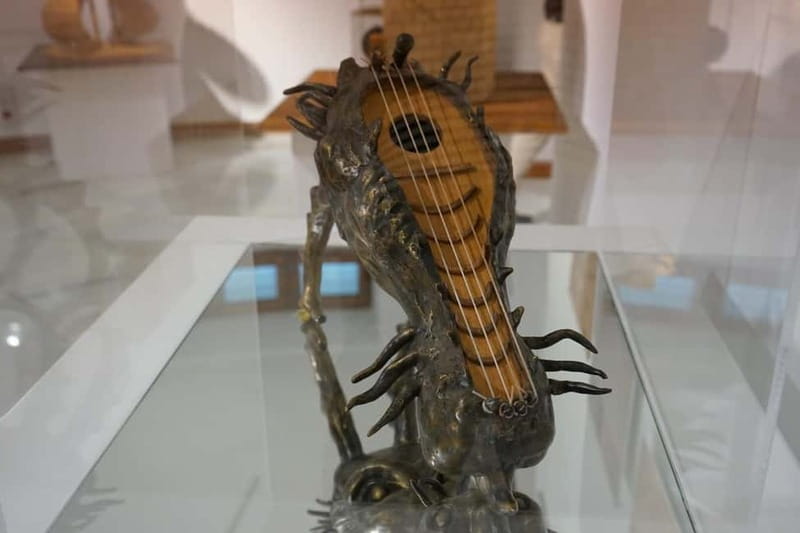
- Leonardo’s main interests: Displays cover flight, war, mechanics, water, anatomy, and copies of major paintings.
- Digital help on site: QR codes and a digital Leonardo presentation let you explore the inventions at your own pace.
- Inside San Barnaba church: Your admission includes a visit to the church, linked with the Indiana Jones film.
- Good value at $10: The price is modest, especially if you enjoy technical displays and do not expect a large museum.
- Allow for entrance care: Check the exact address and arrive well before closing, since late entry and unclear directions have been problems.
Leonardo’s machines make old drawings readable
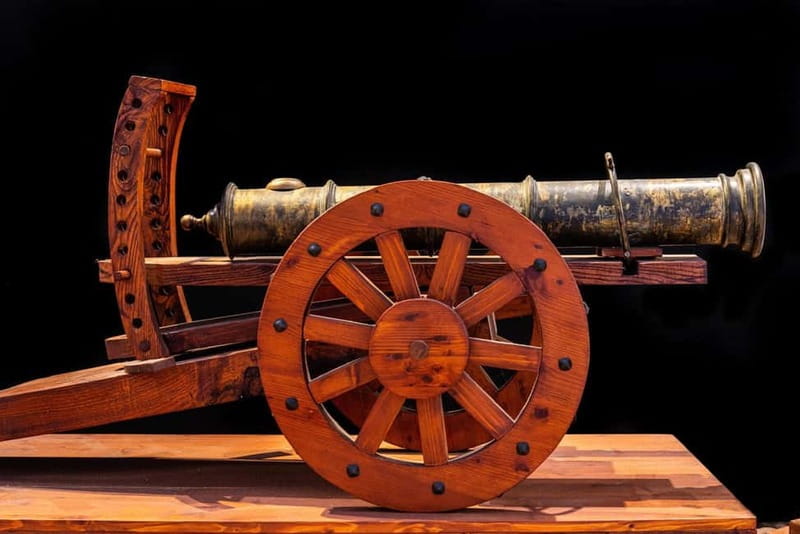
The heart of this experience is not a collection of paintings or a room of framed documents. It is a display of physical models based on Leonardo’s notebooks. That matters because his drawings can be hard to read, even when you already know what he was trying to design.
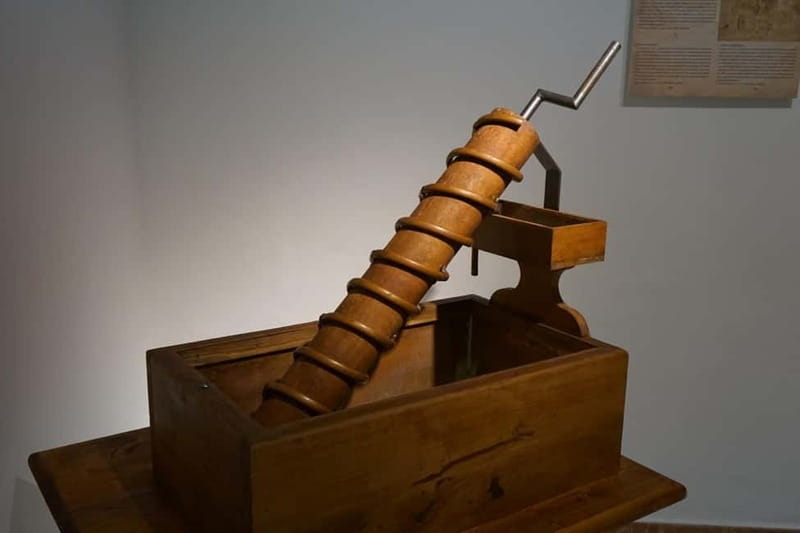
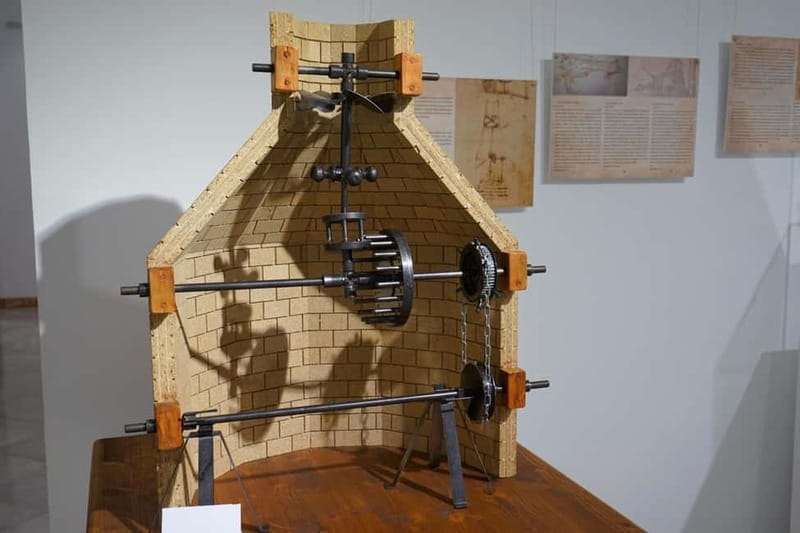
A gear, lifting device, water mechanism, or flying machine makes more sense when you can see its parts arranged in space. The reproductions show how Leonardo connected movement, weight, balance, and force. Some pieces are interactive, so you can get a better sense of how an idea might work rather than simply viewing a finished object behind glass.
The models were reproduced in Florence by skilled artisans. They use precious woods from the Casentino area of Tuscany, a part of the country associated with Leonardo’s time and interests. The material gives the machines a warm, handcrafted look. This is not an exhibition of modern plastic teaching aids. The wood helps you picture how a Renaissance workshop might have approached these designs.
Do keep your expectations sensible. The museum is described as a small exhibition, and one recent visitor found it smaller than expected, though well done. You can probably see the main displays without rushing, but the experience is better treated as a focused stop between other Venice sights, not as a day-long museum visit.
More Museum Tours in Venice
- Venice: Leonardo Da Vinci Museum Entrance Ticket
★ 4.5 · 3,560 reviews - Venice’s Best: Basilica, Doge’s Palace, Gondola & History Gallery
★ 4.5 · 2,478 reviews - Venice: Vivaldi’s Four Seasons Concert & Music Museum Visit
★ 4.8 · 2,065 reviews
Four subjects reveal the range of Leonardo’s mind
Leonardo was not working in a single field, and the museum follows that broad curiosity. The machines cover flight, war, mechanics, and water, four areas that show how he studied both nature and practical problems.
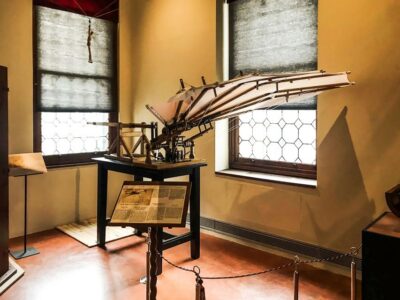
The flight section is likely to appeal most to visitors who know Leonardo for his flying-machine sketches. The models help you look past the romantic image of the artist imagining a birdlike aircraft. You can pay attention to wings, movement, and the mechanical challenges hidden inside the drawings.
The war machines offer a different side of his work. These designs remind you that Leonardo’s technical skill was not limited to peaceful inventions. His studies included military engineering, and the models give that subject a physical presence.
Mechanics forms the strongest part of the exhibition. The interactive pieces are useful here because movement is the point. A still drawing can show a mechanism, but a model can show how one part affects another. If you enjoy figuring out how things work, spend most of your time in this section.
The water displays show Leonardo observing flow, lifting, and control. They also connect naturally with Venice, where water is not an abstract subject but part of daily life. The museum does not turn these themes into a long lecture. Instead, it gives you a series of objects and explanations that let you make the connection for yourself.
Anatomy and paintings add a human side
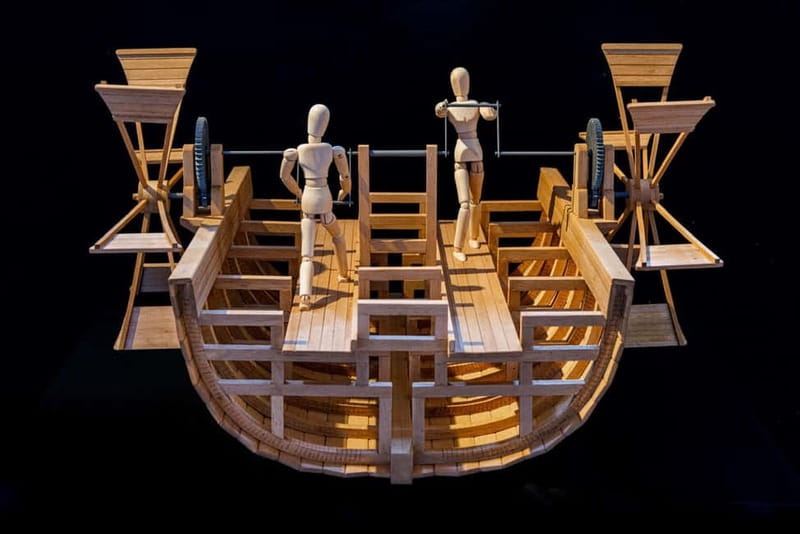
The mechanical models receive the most attention, but the exhibition also includes anatomy models and replicas of major paintings. These sections widen the picture of Leonardo beyond the familiar image of an inventor.
The anatomy material helps explain why his work often feels so precise. He studied the human body with the same close attention he brought to machines and animals. A model can make that interest easier to understand than a short label beside a portrait.
The painting replicas serve a different purpose. They show the artist’s more familiar side and give you a visual pause after the engineering displays. Do not expect original masterpieces. These are replicas, so the value is in seeing Leonardo’s artistic work alongside his scientific and technical studies.
One point deserves special care: there is no library in the exhibition. If a library or a large collection of original books is part of what you hope to see, adjust your plans before paying for entry. This museum focuses on reproductions, models, digital content, anatomy, and painting copies.
QR codes keep the visit flexible
The QR codes are one of the more useful features for an independent visit. They let you access added information as you move around the museum, rather than waiting for a guide or trying to read every label in a crowded room.
A digital Leonardo presentation also lets you follow the inventions with Leonardo speaking in the first person. The aim is to make the ideas easier to follow and more personal. For you, the practical benefit is control. You can spend extra time on a machine that catches your interest and move faster through sections that matter less.
Some content is presented in its original language, so the digital and printed support will not necessarily make every part equally easy for everyone. English, French, Spanish, and German are listed among the available languages, and hosts or greeters may support those languages. Still, I would not assume that every label, video, or interactive feature is translated in exactly the same way.
If you are visiting with children, the moving parts and QR features should offer more to do than a row of static paintings. The museum’s compact size can also be helpful for a short family stop. On the other hand, younger children may lose interest if they cannot engage directly with many of the mechanisms, so your experience will depend on how much they enjoy machines and explanation.
A few more museum visits around Italy worth comparing
- Vatican: Museums & Sistine Chapel Entrance Ticket
★ 4.5 · 144,003 reviews - Vatican Museums, Sistine Chapel & St. Peter’s Basilica Tour
★ 4.3 · 73,970 reviews - Vatican Museums, Sistine Chapel & St Peter’s Basilica Guided Tour
★ 4.5 · 39,149 reviews - Florence: Skip-The-Line Uffizi Gallery Timed Entry Ticket
★ 4.5 · 27,832 reviews
San Barnaba gives the museum extra character
The museum operates permanently inside the church of San Barnaba, where the exhibition has been presented since 2021. The setting adds something that a plain gallery would not.
You are not entering an isolated science center. You are seeing Renaissance-inspired engineering models inside a Venetian church, then adding the church itself to your visit. San Barnaba is also famous for its appearance in the Indiana Jones movie, which gives film fans another reason to step inside.
The church visit is included with the museum ticket. That makes the $10 price easier to justify, especially if you are already exploring the San Barnaba area. The church is not merely a doorway to the machines. It is part of the character of the stop.
The exhibition has also been shown in major museums around the world. That background suggests a traveling display with a tested format, now given a permanent Venetian home. Still, the current presentation is not enormous. Think of it as a concentrated exhibit in a memorable building rather than a grand museum complex.
How long should you allow?
The stated validity is one day, but that does not mean you need to spend an entire day inside. The museum is best suited to a flexible stop during a day in Venice.
Your exact timing will depend on how carefully you use the QR codes and how much attention you give the models. Someone who wants a quick look may finish fairly quickly. Someone interested in mechanics, anatomy, and Leonardo’s art can take longer.
I would build the visit around other plans in the San Barnaba area, while leaving enough room to read and use the interactive features. Avoid treating the listed entry time as a suggestion. One visitor arrived at 6:39 for a 6:40 entry and was refused because the site had already closed. The response at the entrance was also described as rude.
That is a sharp warning about late arrival. Come early, not at the last possible minute. Closing rules may be enforced strictly, and the attraction is not worth risking a wasted trip across Venice.
Finding the entrance requires extra attention
The location information has also caused confusion. One person went to the stated meeting point and was told that the museum was somewhere else, missing the entire experience. That makes checking the exact address before leaving especially important.
I would confirm the location in your booking details and compare it with the museum name and San Barnaba church. Do not rely only on a general pin or assume that every nearby entrance belongs to the exhibition. Venice’s narrow streets and multiple church access points can make a small location mistake expensive in time.
This is not a reason to reject the museum, but it is a reason to prepare. The main risks here are not complicated transport or a difficult route. They are arriving too late and going to the wrong door.
The museum is wheelchair accessible, which makes it a more practical choice for many people than older Venetian buildings with stairs and tight passages. The supplied details do not specify every surface or restroom arrangement, so you may still want to confirm any particular access needs in advance.
Is $10 a fair price?
At $10 per person, this is a reasonably priced cultural stop in Venice. The ticket covers entry to the museum and San Barnaba church. You also get access to the shop, which carries assorted and exclusive books and other material, plus a reduced price on the exhibition catalog when you buy the ticket.
The value depends on what you want from a museum. If you are seeking original Leonardo paintings, an extensive library, or a large collection of historic objects, you will probably feel limited. The paintings are replicas, and the exhibition is compact.
If you enjoy inventions, design, engineering, or the way artists studied science, the price works better. The models are the reason to come, and the chance to see them in a church makes the visit more distinctive than a basic indoor display. The catalog discount may also appeal if you want a lasting reference to the machines.
The overall score attached to the experience is 3.7 from 19 ratings. That fits the picture here: strong interest in the models and the way they explain Leonardo’s intelligence, balanced by concerns about the small size, unclear location details, and strict entrance timing.
Who will enjoy this most?
I would recommend this museum most to:
- People fascinated by Leonardo’s machines and technical sketches
- Families looking for a short, hands-on museum stop
- Visitors who enjoy seeing how ideas become physical models
- Film fans interested in San Barnaba church and its Indiana Jones connection
- Art lovers who want to compare Leonardo’s engineering work with replicas of his paintings
- Anyone seeking an inexpensive indoor activity in Venice
I would be more cautious if your main goal is original art, a major manuscript collection, or several hours of traditional museum viewing. The absence of a library is worth noting, and the small scale may disappoint if you picture a vast Leonardo center.
The experience also suits independent visitors who like reading and exploring at their own pace. The QR codes and digital presentation reduce the need for a formal guide, although language coverage may vary by display. Hosts or greeters can assist in English, French, Spanish, or German.
Booking flexibility and practical details
The activity allows free cancellation up to 24 hours in advance for a full refund. You can also reserve now and pay later, which helps if your Venice schedule is still changing.
The ticket is valid for one day, and you need to check availability for the available starting times. The experience is offered in English, French, Spanish, and German, with some material remaining in its original language.
There is no separate transport or meal component described. The ticket is for the museum and church visit, with the shop available inside. Plan the museum as a self-contained cultural stop rather than a guided city tour.
Most important, arrive early and verify the entrance. Those two steps matter more here than they usually do for a small museum.
Should you book the Leonardo museum?
Book it if you want working models, practical science, and a short visit inside a notable Venetian church. At $10, it offers solid value for people who like inventions and want more than another room of paintings.
Skip it if you expect a huge museum, original Leonardo works, or a library. The exhibition is smaller than some people anticipate, and the entrance information has not always been clear.
My advice is to add it to a day near San Barnaba, confirm the exact location, and arrive comfortably before the closing time. For the right audience, the moving wooden machines make Leonardo’s ideas far easier to understand. That is the real reason to go.
FAQ
Where is the Leonardo da Vinci working machines museum?
The museum is located inside the Church of San Barnaba in Venice, in Italy’s Veneto region.
What does the $10 ticket include?
The ticket includes admission to the museum and a visit to the Church of San Barnaba. It also gives you access to the book shop, and ticket holders receive a discounted price on the exhibition catalog.
Are the machines original Leonardo inventions?
The displays are reproductions of models based on Leonardo da Vinci’s Codices of Universal Engineering. They were made in Florence by skilled artisans.
What subjects does the exhibition cover?
The exhibition covers flight, war, mechanics, and water. It also includes anatomy models and replicas of important paintings.
Does the museum offer information in different languages?
English, French, Spanish, and German are listed as available languages. Some content is shown in its original language.
Is the museum wheelchair accessible?
Yes. The activity information states that the museum is wheelchair accessible.
Can I cancel and receive a refund?
Yes. You can cancel up to 24 hours in advance for a full refund. A reserve-now, pay-later option is also available.
Just added around Italy
- Oil museum and oil mill in Tuscany: tour and tasting★ 5.0 · 16 reviews
- Enchanted Castle of Sciacca – Museum Tickets★ 3.5 · 63 reviews
- Torino: FIAT Historic Museum and Lingotto District Tour★ 4.9 · 14 reviews
- Torino: The Car Museum Skip-The-Line Tour★ 4.7 · 22 reviews
- Timed Entry Ticket to the Uffizi Gallery★ 4.5 · 498 reviews
- Florence: Accademia Gallery Entry Ticket with Audio Guide★ 4.1 · 88 reviews
- Vatican City: Sistine Chapel, Museums, Basilica Private Tour★ 4.8 · 158 reviews
- Rome: Capitoline Museums and Centrale Montemartini Tickets★ 4.4 · 328 reviews
Museum Tours in Venice, compared.
Venice’s Best: Basilica, Doge’s Palace, Gondola & History Gallery
Read our review →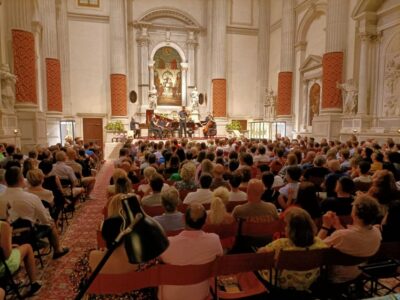
Vivaldi’s Four Seasons Concert & Music Museum Visit
Read our review →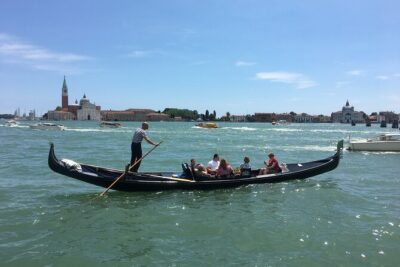
Charming Gondola Ride on the Grand Canal & Gondola Gallery™
Read our review →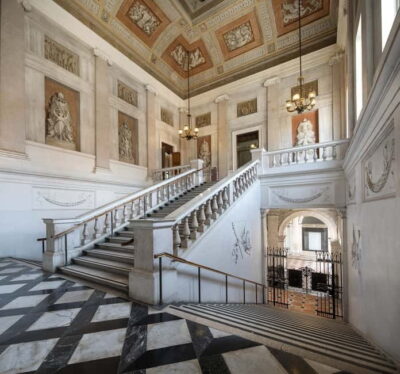
City Pass with Museums including Doge’s Palace
Read our review →
Bell Tower & St Mark’s Square History Gallery Ticket
Read our review →
Venice Museum Pass & Doge’s Palace Entrance Ticket
Read our review →
Basilica, Doge’s Palace, History Gallery & Bell Tower Option
Read our review →Browse the lists this tour appears in