
Review · GREECE
Thessaloniki: Museum of Illusions Admission Ticket
The most entertaining part of the Museum of Illusions Thessaloniki is that it turns your own eyes into the main attraction. You can appear to shrink, walk against gravity, vanish into infinity, and take photos that look impossible until you understand how the room works.
I like the mix of hands-on fun and simple science, and I like that the exhibits give you something to do rather than simply look at. The main caution is time: plan on roughly an hour for the visit, so this is best treated as a compact city activity rather than a full-day attraction.
Key Points at a Glance
- Forty visual and interactive illusions give you plenty to try, from rooms that alter your size to displays that challenge your sense of balance.
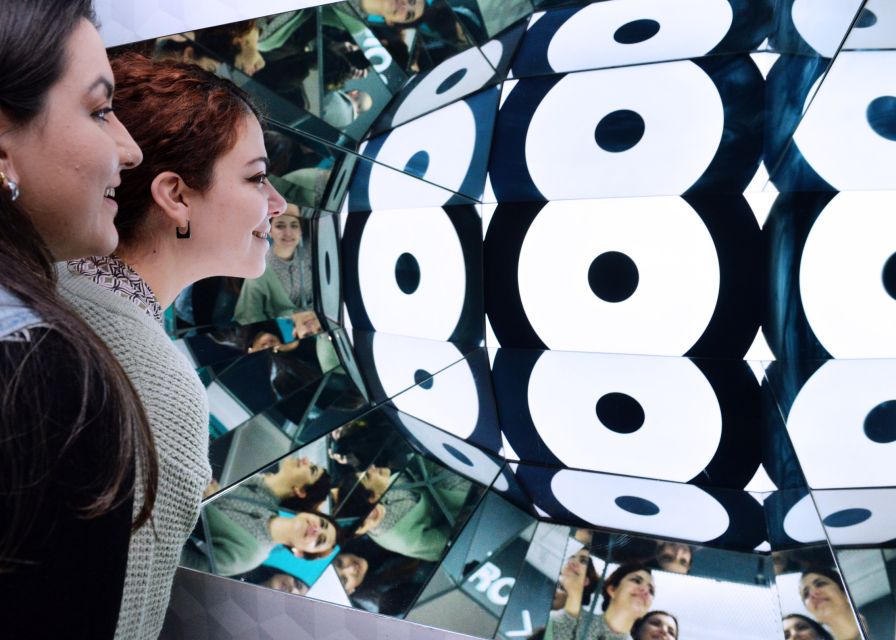
- The Infinity Room creates striking photos and shows how mirrors and repetition can fool your eyes.
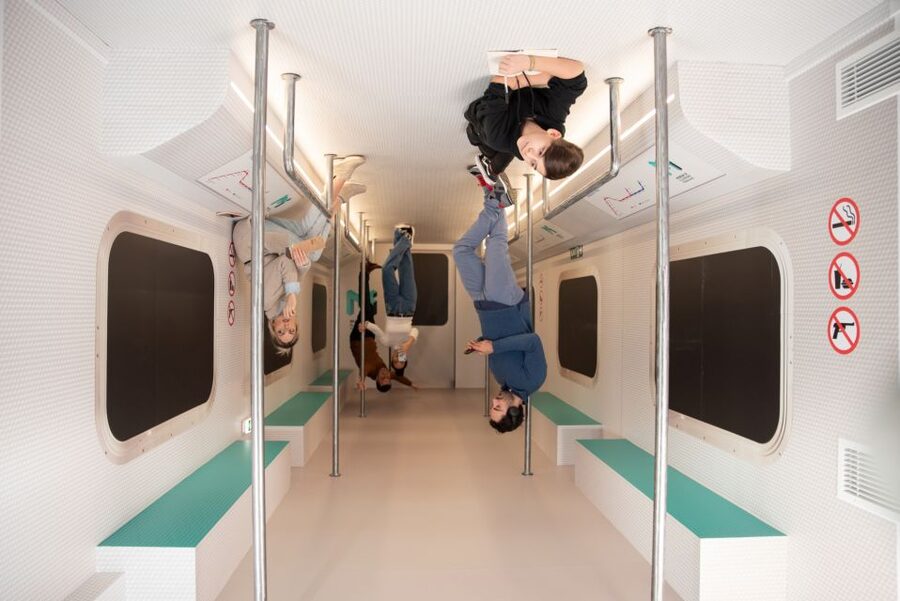
- The Reverse Room plays with gravity, giving you the chance to pose as if the floor and ceiling have changed places.
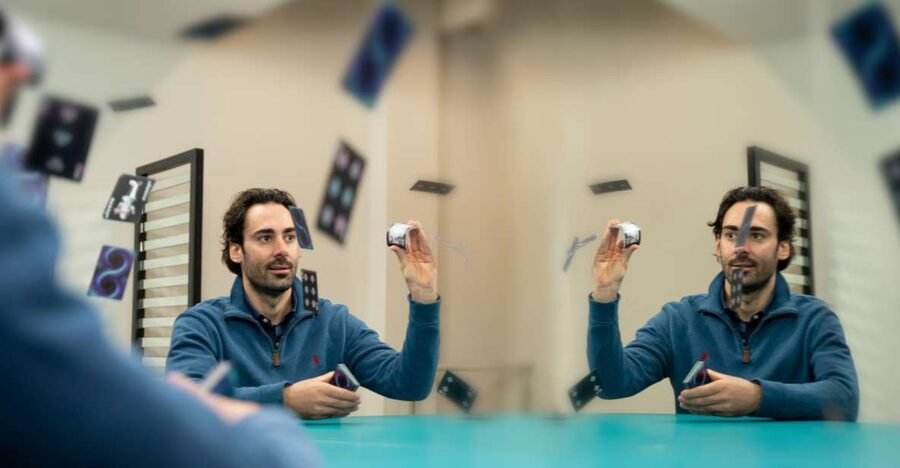
- The Ames Room makes you appear unusually large or small, a clever lesson in perspective.
- Greek and English assistance is available from the host or greeter, useful if you want help understanding an exhibit.
- The $12 price is reasonable for a short, photo-friendly stop, especially for families and groups of friends.
Why Your Eyes Get the Last Word
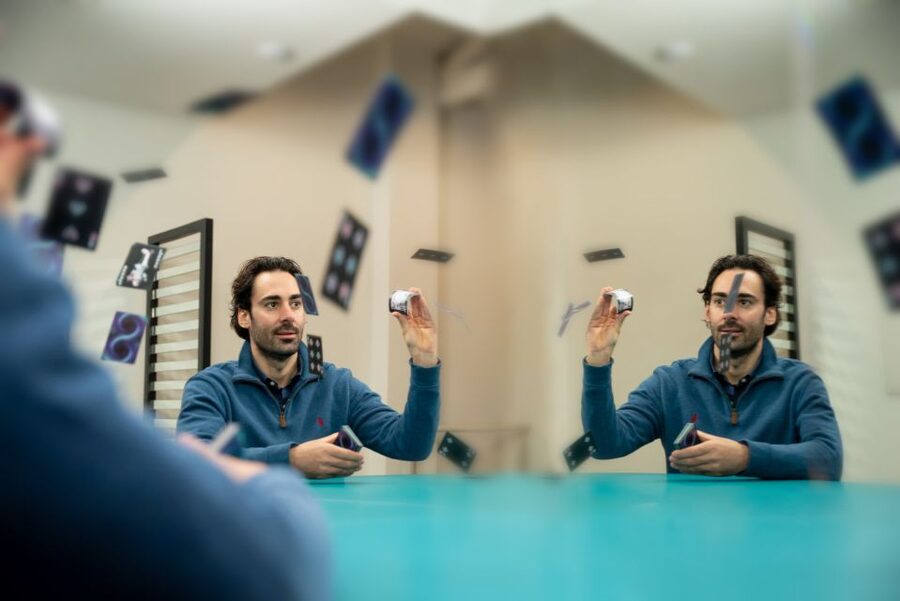
The Museum of Illusions works because it asks you to question what seems obvious. A straight line may look bent. A room may appear to change your size. A fixed image may seem to move. The displays are not just tricks for a quick photograph. They show how your brain fills in gaps and makes fast assumptions about the world around you.
That makes the visit more useful than a simple collection of photo backdrops. You get a short lesson in perception without sitting through a lecture. Each exhibit gives you a visual puzzle, then lets you test the puzzle with your own body and camera.
I especially like this format for families. Children can play with the rooms, while adults can think about why the trick works. Older children may enjoy the science behind perspective and mirrors, while younger children will mostly enjoy the surprise. Both reactions are valid here.
The experience is also a good fit for friends who want amusing group photos. Many of the displays make more sense when one person poses and another takes the picture. If you visit alone, you can still inspect the exhibits, but the photo element is more rewarding with a companion.
More Museum of Illusions tickets:
- Athens: Museum of Illusions Admission Ticket
★ 4.3 · 479 reviews - Prague: Museum of Fantastic Illusions Entry Ticket
★ 4.3 · 4,337 reviews - Madrid: Museum of Illusions Ticket
★ 4.1 · 1,909 reviews
The Infinity Room and Its Endless Reflections
The Infinity Room is likely to be one of the first major stops that catches your attention. Mirrors repeat the room’s lights and shapes, creating the impression that the space continues much farther than it really does.
This is a strong place to slow down and look closely. You may notice how easily your eyes accept the repeated pattern as a larger space. A quick photo captures the effect, but taking a moment to study the mirrors helps you understand why the illusion works.
For your best pictures, think about the pose before you enter the room. The space is designed for visual impact, so a simple stance can look dramatic once the reflections multiply it. You will want to take several shots, since small changes in position can alter the result.
The drawback is that mirror rooms can feel less impressive if you rush through them. Give yourself time to look from more than one angle. The exhibit rewards curiosity more than speed.
Defying Gravity in the Reverse Room
The Reverse Room lets you pose as if gravity has changed direction. The effect is simple but effective: your body appears to be moving across a surface that should not be a floor, or standing where the ceiling ought to be.
This is one of the exhibits where the camera matters almost as much as the room itself. Your pose and the angle of the photograph help sell the illusion. A picture taken from the right position can make an ordinary moment look like a physics problem.
I like this exhibit because it turns a familiar law into a visual joke. You do not need a technical explanation to enjoy it, but the room still gives you a reason to think about how the brain uses familiar clues. Furniture, body position, and room lines tell you which way is up. Change those clues, and your judgment can quickly go wrong.
Do not expect a long activity at each exhibit. The fun comes from trying the pose, taking the picture, checking the result, and perhaps trying again.
The Ames Room and Changing Your Size
The Ames Room creates the illusion that one person is much larger or smaller than another. It relies on the shape of the room and the way it is viewed, not on any real change in your height.
This is one of the clearest examples of the museum’s educational side. You can see how perspective influences your judgment, especially when two people stand in different parts of the room. The result is amusing, but it also explains why your eyes can be so easily persuaded.
The Ames Room works particularly well for families and pairs. One person can pose while another takes the photograph. You may want to switch positions so everyone gets a turn. The resulting pictures are often more memorable than a standard portrait because the illusion is easy to understand at a glance.
I would not treat this as a place where you simply walk through each display once. The best value comes from interacting with the exhibits and giving yourself permission to look a little silly.
A few more museum visits around Greece worth comparing
- Athens All Included: Acropolis and Museum Guided Tour with Ticket
★ 4.5 · 2,673 reviews - Athens: Acropolis Museum Ticket with optional Audio Guide
★ 4.4 · 2,652 reviews - Athens: National Archaeological Museum Ticket & Audio Guide
★ 4.3 · 1,330 reviews - Athens: Acropolis Museum Ticket with Audio Guide
★ 4.1 · 835 reviews
Holograms and Optical Puzzles
The museum also includes a collection of holograms and other optical illusions. These displays shift the pace of the visit. Instead of walking into a room and posing, you may spend more time looking closely at an image or trying to understand what your eyes are showing you.
Holograms are useful because they make the line between image and object feel uncertain. They encourage you to move your attention from one detail to another. Optical illusions work in a similar way, asking you to notice whether your first impression remains convincing after a closer look.
This is where the museum offers more than photo opportunities. The exhibits remind you that perception is not a perfect recording of reality. Your brain interprets shapes, distance, movement, and size using clues. When an exhibit gives those clues in an unusual way, your interpretation can change.
You may find some displays immediately clear and others more puzzling. That unevenness is part of the appeal. Not every illusion needs to produce a dramatic reaction. Some are more interesting after you understand the small visual trick behind them.
How Long the Visit Takes
The ticket is valid for one day, but that does not mean you need to reserve an entire day for the museum. A practical visit is about one hour, based on the timing provided for the experience.
That makes it easy to add between other plans in central Thessaloniki. You can use it as a break from sightseeing, a rainy-day option, or a short activity before a meal. It is not designed to fill a long afternoon on its own.
Your timing may depend on how many photographs you take. A quick visit through the exhibits will be shorter. A group that takes turns posing, checks pictures, and repeats favorite illusions will need more time.
The one-hour format is a strength if you have a busy schedule. It is also the main limitation if you are looking for a large museum with a long sequence of galleries.
Is the $12 Ticket Good Value?
At $12 per person, the ticket is fairly priced for a compact, interactive attraction. You are paying for access to about 40 visual and hands-on illusions, not for a guided tour or a long cultural collection.
The value improves if you enjoy taking pictures. A group can create a set of unusual photos while also learning why the images look strange. Families may find the price easier to justify because both children and adults can participate rather than simply watch.
The value is weaker if you dislike posing for photos or have little interest in optical tricks. The museum’s appeal depends on curiosity and participation. It is not the right choice for someone seeking Thessaloniki’s archaeology, art, or local history.
I would consider it a good small-ticket activity for a day when you want something light and different. It can also help break up a schedule packed with churches, ruins, and museums that require quiet attention.
Who Will Enjoy This Most

The museum suits families, couples, groups of friends, and anyone who likes unusual photographs. It is especially useful for children who learn best by touching, moving, testing, and seeing an idea in action.
You will probably enjoy it if you like:
- Posing for creative photographs
- Short activities with several different stations
- Visual puzzles and perception tests
- Simple explanations of how the senses can be fooled
- Indoor entertainment that works for mixed ages
The experience may be less satisfying if you want a formal museum visit with detailed historical interpretation. It also may not feel like good value if you plan to rush through without trying the displays.
The available languages are Greek and English. A host or greeter can assist in either language, which helps when you want to understand what an exhibit is showing rather than simply take a picture.
Practical Details Before You Go

Food and drinks are not allowed inside, so finish them before entering. This is a small point, but it matters if you are fitting the museum between meals or carrying refreshments around the city.
The attraction is wheelchair accessible. If accessibility is important for your plans, that is a useful reason to consider this activity alongside other city options.
You can cancel up to 24 hours before the visit for a full refund. The reserve-now, pay-later option also lets you hold a place without paying at the time of booking, which is useful when your Thessaloniki schedule is still changing.
The booking includes entrance to the Museum of Illusions Thessaloniki. It does not include a separate meal, transport, or a longer guided program. Think of it as a self-directed visit with staff support in Greek and English.
One booking error resulted in a very poor rating, so check your selected ticket details carefully before confirming. That is a simple step, but it can prevent an avoidable problem.
How It Fits Into a Thessaloniki Day
I would place this activity between larger sightseeing stops rather than build a whole day around it. The one-hour visit gives you a change of pace after ancient sites, churches, shopping, or a long walk through the city.
It also works well when the weather is not helping. The exhibits are indoors, and the format does not demand the energy required for a full museum marathon. You can enjoy the rooms, take your photographs, and return to the city without spending half a day inside.
For families, the museum can be a useful reset. A child who has had enough of formal sightseeing may respond better to a room where the rules of size and gravity seem to break. Adults get a little entertainment too, especially when everyone compares photographs afterward.
The strongest part of the visit is the combination of play and explanation. You are not only looking at a strange picture. You are standing inside the trick and helping create the result.
Should You Book the Museum of Illusions Thessaloniki?
Book it if you want a short, interactive stop with 40 optical and sensory exhibits, plenty of photo opportunities, and simple lessons about perception. The $12 price is sensible for families and groups who will take time to try the displays.
Skip it if your priority is traditional Greek art, archaeology, or a long museum visit. The attraction is compact, and the main reward comes from posing, experimenting, and looking closely.
For most visitors, I would treat it as an easy add-on rather than a centerpiece. Give yourself about an hour, bring a phone or camera, and expect to leave with a handful of pictures that require a second look.
FAQ
How much does admission to the Museum of Illusions Thessaloniki cost?
Admission costs $12 per person.
How long does the visit last?
The ticket is valid for one day, while the visit itself is described as an approximately one-hour experience.
How many illusions are included?
The museum includes 40 visual and interactive illusions.
What are the main exhibits?
Main exhibits include the Infinity Room, Reverse Room, Ames Room, holograms, and various optical illusions.
Is the Museum of Illusions Thessaloniki suitable for families?
Yes. The activity is described as suitable for families, with interactive displays and photo opportunities.
What languages are available?
The host or greeter can assist in Greek and English.
Is the museum wheelchair accessible?
Yes, the experience is wheelchair accessible.
Can I cancel my booking?
Yes. You can cancel up to 24 hours in advance for a full refund.
Just added around Greece
- Ancient Athens tour: Acropolis, Parthenon and Acropolis Museum★ 5.0 · 256 reviews
- The Acropolis, Athens Walking City Tour and Acropolis Museum★ 5.0 · 442 reviews
- Athens: Acropolis Museum Ticket with Self-Guided Audio tour App★ 3.5 · 40 reviews
- Family Acropolis & Acropolis Museum Tour inspiredby Percy Jackson★ 4.5 · 40 reviews
- Acropolis of Athens, Parthenon and Acropolis Museum private tour with dinner★ 5.0 · 77 reviews
- Shore Excursion: Acropolis, Athens City tour and The New Acropolis Museum★ 4.5 · 30 reviews
- Athens National Archaeological Museum E-Ticket with Audio Guide★ 3.0 · 57 reviews
- Private Tour: Half day Athens Sightseeing and Acropolis Museum★ 4.5 · 28 reviews
Museum Tours in Greece, compared.
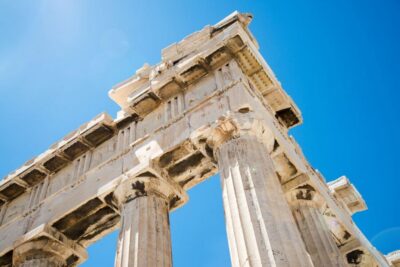
Acropolis, Parthenon & Acropolis Museum Guided Tour
Read our review →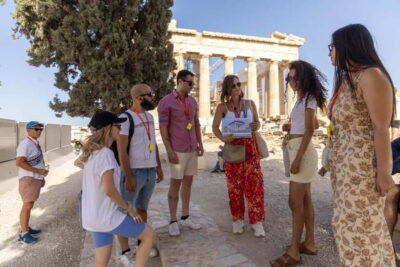
The Acropolis, Parthenon & Acropolis Museum Guided Tour
Read our review →Acropolis, Parthenon & Acropolis Museum Guided Tour
Read our review →
Acropolis monuments & Parthenon Walking Tour with Optional Acropolis Museum
Read our review →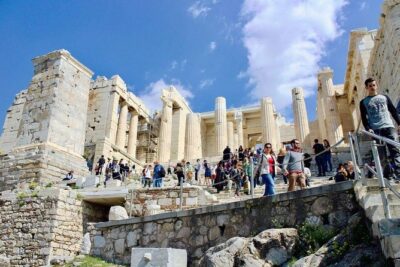
Athens All Included: Acropolis and Museum Guided Tour with Ticket
Read our review →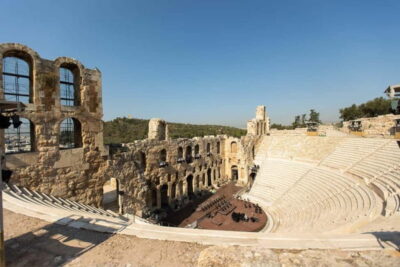
Combo: Acropolis & Acropolis Museum with Optional Tours
Read our review →
Acropolis Museum Ticket with optional Audio Guide
Read our review →
Small-Group Delphi, Museum & Arachova Day Trip
Read our review →Browse the lists this tour appears in