
Review · SPAIN
Seville: Plaza de Toros and Museum Guided Tour in Spanish
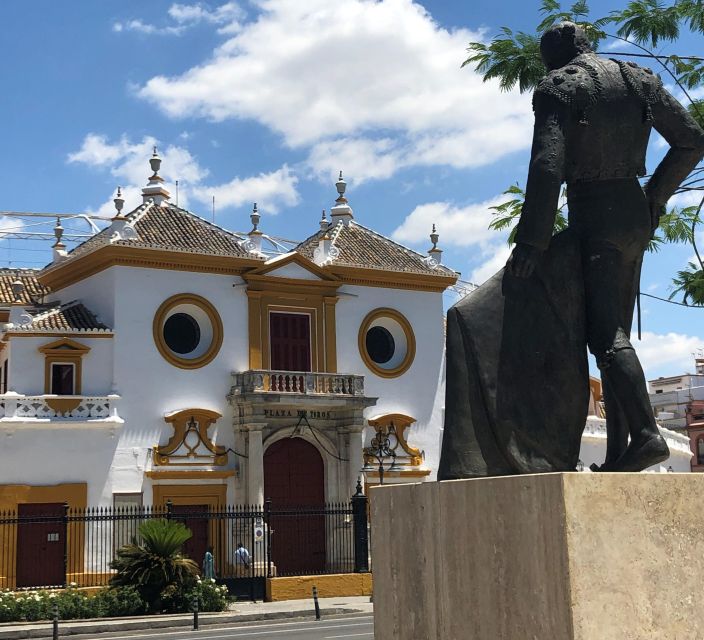
Seville’s Plaza de Toros is not just a place to look at from the outside. This one-hour tour takes you through the route used by bullfighters, from the Patio de Caballos and chapel to the great sand-covered ring. The building’s Baroque façade, worked on from 1762 to 1881, is reason enough to pause here.
I like the direct route through the Bullfight Museum, where the setting makes Spain’s tauromachy tradition easier to understand. I also like the chance to see the Bullfighters’ Chapel up close, a small and personal stop before the tour opens into the enormous arena. The main consideration is language: the live guide speaks Spanish only, so you need enough Spanish to follow a guided explanation.
Key points to know before you book
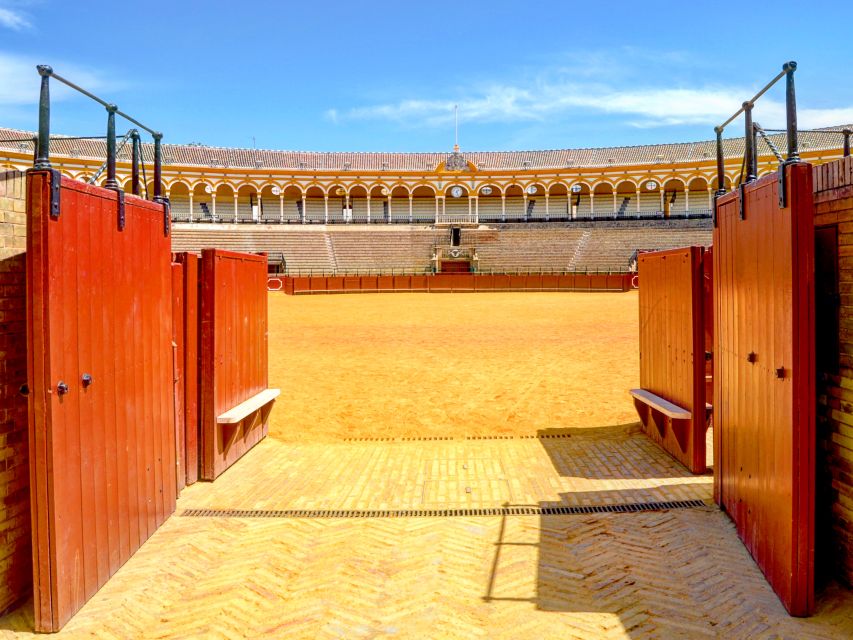
- A 13,000-seat arena: Visit Spain’s most important bullring and walk onto its historic central ring when conditions allow.
- A route with meaning: Follow the path bullfighters took through the Patio de Caballos and Bullfighters’ Chapel.
- Spanish-only guiding: The explanations are delivered in Spanish, with no other language listed.
- A compact one-hour visit: This suits a short Seville schedule, but it leaves little time for lingering.
- Skip the ticket line: Your entrance is included, so you can meet the group at the Puerta del Príncipe.
- Good practical value at $33: The price covers the arena, museum, and live guide, though the tour is brief.
Why Seville’s bullring deserves your time
The Plaza de Toros de la Real Maestranza de Caballería de Sevilla is one of Seville’s defining sights. Its curved exterior and warm-colored Baroque façade give it a more formal look than many modern sports venues, while its 13,000-seat capacity hints at the scale of the events once held here and still associated with the building.
I find the bullring most useful as a place to understand a major part of Spanish culture, not simply as a pretty historic building. Bullfighting remains a sensitive subject. Some people see it as an important cultural tradition, while others object to the treatment of animals. This tour presents the world around the tradition, including its spaces, rituals, and history. You can appreciate the architecture and cultural context without needing to support the spectacle itself.
The guided format matters here. A self-guided visit can show you the arena, but it may not explain why the bullfighters’ route is arranged as it is, or why the chapel has such a specific place in the ritual. A Spanish-speaking guide helps connect the rooms and passageways to the event they served.
A few more museum visits around Spain worth comparing
- Barcelona: Picasso Museum Skip-the-Line Guided Tour
★ 4.5 · 3,355 reviews - Madrid: Prado Museum Guided Tour with Skip-the-Line Ticket
★ 4.5 · 2,018 reviews - Madrid: Prado Museum Guided Tour With Fast Access
★ 4.8 · 1,785 reviews
Meeting at the Puerta del Príncipe
You meet in front of the Puerta del Príncipe of the Plaza de Toros de la Real Maestranza de Caballería de Sevilla. This is a useful location because you begin directly at the bullring rather than spending part of the hour walking from another landmark.
I would arrive a little early. The tour is short, and the meeting point is at a major attraction where you may need a moment to identify the correct entrance and group. Your ticket to the Plaza de Toros is included, and the activity offers skip-the-ticket-line access, which is especially useful if you want to keep your Seville day moving.
There is no hotel pickup or drop-off. Food and drinks are also not included, though that should not be a problem for a one-hour visit. Wear comfortable shoes and clothing, since this is a walking tour through historic spaces rather than a seated presentation.
The Bullfight Museum puts the arena in context
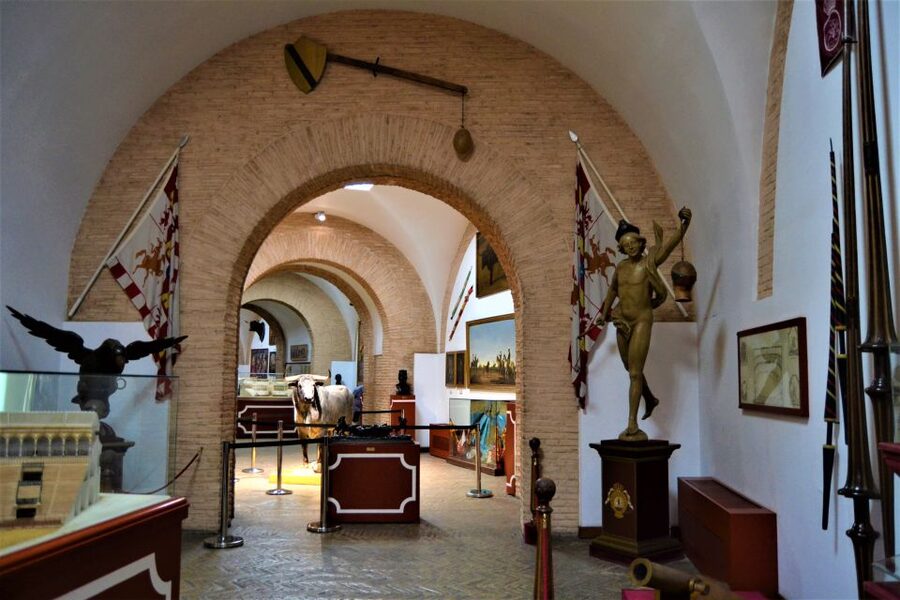
The tour begins with the Bullfight Museum. This is the right starting point because the exhibits give you a basic framework before you enter the main arena.
You can expect to learn about the history of bullfighting and the customs tied to the event. The museum helps explain why clothing, equipment, ceremonial spaces, and the bullring itself are treated with such importance. Instead of seeing the arena as an empty oval, you begin to understand it as a place shaped by rules, preparation, and public ritual.
The museum portion is also where the Spanish-only format matters most. Historical explanations often depend on words and details, so I would book this only if you can follow a spoken explanation in Spanish. The available information does not list an audio guide or written translation in another language.
The museum is not the whole visit. You move through it as part of a guided route, then continue into areas normally linked to the bullfighters’ preparation. That keeps the experience focused and prevents the hour from becoming a long museum visit.
Walking through the Patio de Caballos
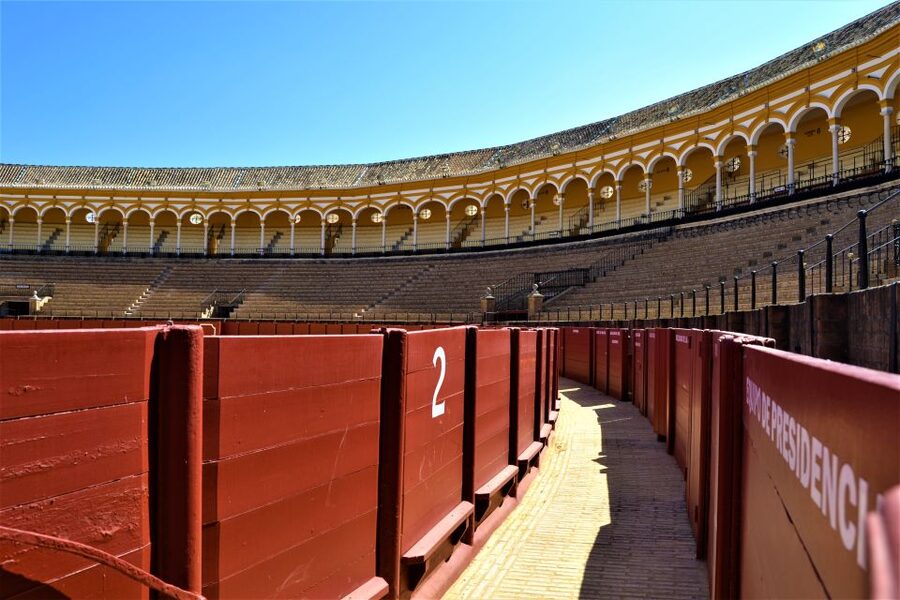
The Patio de Caballos is one of the most distinctive stops. This is where bullfighters wait with their horses before the event, and it gives you a more practical view of what happened before the public spectacle began.
I like this part because it shifts your attention away from the grand arena. The Patio de Caballos is about preparation and movement. You are seeing a working part of the bullring, a place connected to the people and animals involved before they entered the public space.
Your guide explains the route bullfighters used before the bullfight. That detail makes the visit feel more connected to the building’s original purpose. You are not simply crossing from one exhibit to another. You are following a path with a clear role in the event.
The information provided does not specify the size of the tour group, so you should expect a group walking visit rather than a private experience. The route is only one hour, which helps keep the pace brisk. If you like to stop for long photographs or read every museum panel, you may find the timing tight.
Same city, a completely different collection:
- Madrid: Prado Museum Entry Ticket
★ 4.6 · 20,699 reviews - Barcelona: FC Barcelona Museum “Barça Immersive Tour” Ticket
★ 4.4 · 10,944 reviews - Madrid: Reina Sofía Museum Entrance Ticket
★ 4.5 · 8,788 reviews - Barcelona: Park Güell and Gaudí House Museum Entry Ticket
★ 4.5 · 6,326 reviews
A quiet stop at the Bullfighters’ Chapel
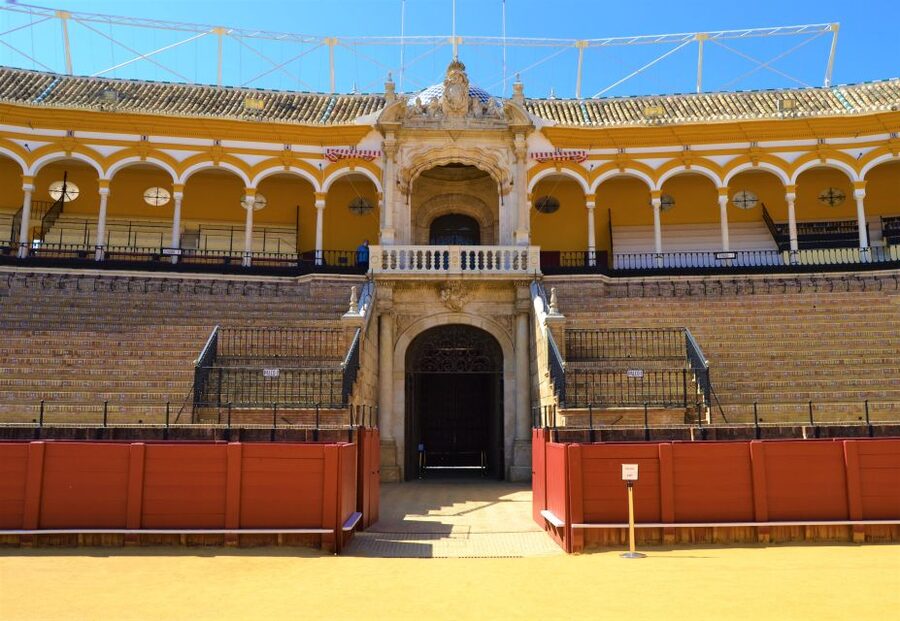
The Bullfighters’ Chapel offers a very different mood from the open arena. You can see this small religious space up close and learn about its place in the moments before a bullfight.
This stop gives the tour a personal side. The arena can feel grand and public, but the chapel points to private nerves, faith, and preparation. It helps explain why the bullfighters’ route is more than a backstage corridor. The journey toward the ring had a ceremonial and emotional quality as well.
For me, this is one of the most worthwhile details included in the visit. You get a better sense of the people behind the public image of bullfighting, and you see how religious practice fit into the tradition. The guide’s explanation is important here, since the chapel’s meaning may not be obvious if you walk through it alone.
The chapel is also a useful reminder that the bullring represents several layers of Spanish life at once: architecture, religion, entertainment, status, and controversy. A short guided visit cannot cover every part of that story, but this stop adds substance to the tour.
Entering the historic 13,000-seat ring
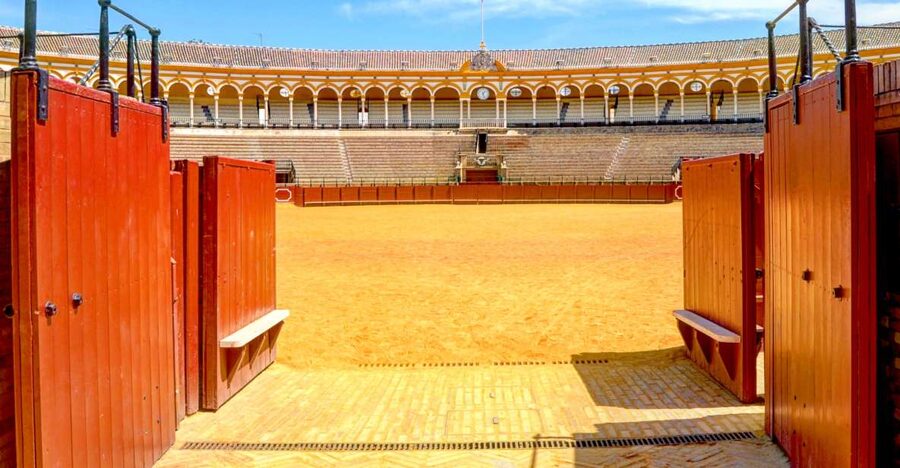
The final major stop is the bullring itself. After the museum, Patio de Caballos, and chapel, you reach the central arena and see the scale of the Plaza de Toros from within.
This is the moment most people will remember. The ring’s shape, surrounding seating, and historic design make it easy to understand how the venue could hold a large crowd. The tour lets you connect the building’s polished exterior with the sandy central space where the action took place.
The floor of the ring might not be accessible during bad weather. That is an important detail if walking onto the sand is a priority for you. You can still visit the bullring, but weather may affect the exact route or how close you can get to the central area.
The arena is also a good place to listen rather than rush for photographs. Your guide can explain how the space worked and how the route you just followed ended here. With only an hour, the experience is designed as an overview rather than a slow architectural study.
What the Spanish-speaking guide adds
The strongest part of this experience is the live explanation. The guide is there to connect the separate stops, from the museum’s historical material to the working courtyard, chapel, and ring.
The feedback available for this activity consistently points to the guide’s kindness and clear knowledge of Spanish bullfighting history. One English-language comment specifically praised the guide for offering interesting historical points. That is encouraging, but you should match the experience to your language ability before booking.
The tour is listed in Spanish only. If you speak Spanish comfortably, this can be a more natural way to hear about a Spanish tradition in its own language. If you understand only basic Spanish, you may still enjoy the architecture and route, but you could miss important explanations.
No guide names are provided, so I cannot recommend a particular person. Guide quality can vary from one departure to another, but the high overall rating of 4.7 from 42 reviews suggests that the spoken presentation has generally been a strong part of the experience.
Is one hour enough for the Plaza de Toros?
One hour is enough to see the main areas and get a clear introduction. You visit the museum, Patio de Caballos, Bullfighters’ Chapel, and arena without committing half a day to the subject.
That short duration is a real advantage in Seville. You can fit the tour between other sights, meals, or an evening walk. It also works well if you are curious about bullfighting but do not want a long specialist program.
The tradeoff is depth. You should not expect a detailed study of every architectural feature or a long independent visit after the guide finishes. The itinerary moves through several spaces, and the guide must keep the group together. If you want time to examine objects closely, take many photographs, or think through the cultural issues at length, plan extra time around the attraction if the entry conditions allow it.
I would treat this as a focused introduction. It answers the basic questions: What is this building? How did bullfighters prepare? What role did the chapel play? How did the route lead into the arena? For many visitors, that is the right amount.
The $33 price and what it covers
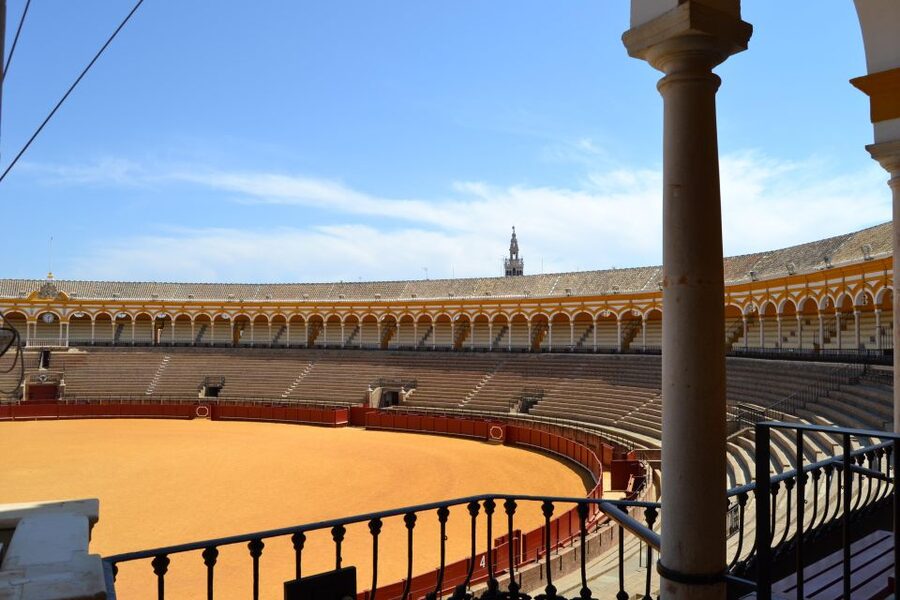
At $33 per person, the tour is priced above a simple entrance ticket, but you are paying for more than access to the building. The fee includes the Plaza de Toros admission and a Spanish-speaking live guide, with skip-the-ticket-line access.
The value depends mostly on two things. First, you need to care about the cultural explanation rather than only the architecture. Second, you need to understand Spanish well enough to follow the guide. If both apply, the guided route gives you context that a quick look around may not provide.
The one-hour length keeps the total cost from becoming a major time commitment. I see it as a reasonable choice for someone who wants a structured introduction and would otherwise wander through the bullring without understanding its route or rituals.
If you do not speak Spanish, the value is harder to defend because the central service is the live explanation. You may prefer a visit with multilingual material, but no alternative language option is listed for this activity.
Who will enjoy this tour most?
I would recommend this tour to you if you want to understand Seville beyond its cathedrals, palaces, and tapas bars. The bullring is tied to a major Spanish tradition, and the tour gives you access to rooms and pathways that make that tradition more concrete.
It is especially suitable for:
- Spanish speakers interested in tauromachy and local customs
- First-time visitors who want a short cultural stop
- Architecture fans drawn to the Baroque façade and historic arena
- People curious about bullfighting who prefer context before forming an opinion
- Visitors with limited time who want a one-hour guided activity
You may want to skip it if bullfighting is a subject you find upsetting, or if you want a fully English-language tour. You should also reconsider if your main goal is a long, quiet visit with plenty of time for independent viewing.
The attraction is wheelchair accessible, though bad weather can affect access to the floor of the ring. If that part of the route is essential for you, check conditions before setting out.
Practical advice for a smoother visit
Meet at the Puerta del Príncipe, not at a hotel or a separate tour office. Since the activity begins in front of the bullring, you can combine it with other central Seville sights, but the tour itself does not provide transport.
Wear comfortable shoes. The experience involves walking through the museum and historic areas, and the floor of the ring may not be smooth or available in poor weather. Comfortable clothes are also recommended.
Take the cancellation terms seriously when planning a busy trip. You can cancel up to 24 hours before the activity for a full refund, and you can reserve now and pay later. Those options help if your Seville schedule is still changing.
The tour runs at set starting times, so check availability for the date you want. Since the activity lasts only one hour, the exact start time matters if you are also booking lunch, a palace visit, or a flamenco performance.
Should you book the Plaza de Toros tour?
Book it if you speak Spanish and want a compact, guided look at one of Seville’s most important cultural buildings. The route is well chosen: museum first, then the Patio de Caballos, chapel, and arena. At $33, the combination of admission and live explanation is fair for a focused one-hour visit.
I would not book it simply because the bullring appears on every Seville sightseeing list. Go because you want to understand the tradition and the building behind it. The Spanish-only format and possible weather limits on the ring floor are the two details most likely to affect your satisfaction.
For the right visitor, this is a practical way to see the Plaza de Toros with purpose instead of taking a quick photograph outside. It gives you the setting, the route, and enough cultural background to make the famous arena mean more than an impressive façade.
FAQ
Where does the tour meet?
Meet in front of the Puerta del Príncipe of the Plaza de Toros de la Real Maestranza de Caballería de Sevilla.
How long does the tour last?
The guided walking tour lasts one hour.
What language is the tour conducted in?
The live guide speaks Spanish. No other tour language is listed.
What does the ticket include?
The price includes entrance to the Plaza de Toros and a Spanish-speaking guide.
Is the tour wheelchair accessible?
Yes, the activity is listed as wheelchair accessible. The floor of the ring might not be accessible during bad weather.
Can I cancel the booking?
Yes. You can cancel up to 24 hours in advance for a full refund. You can also reserve now and pay later.
Just added around Spain
- Girona, Figueres, Dalí Museum and Cadaqués Tour from Barcelona★ 4.5 · 36 reviews
- Football Club Barcelona Museum Immersive Tour Guided Visit★ 3.5 · 52 reviews
- Erotic Museum Admission Ticket with Audioguide★ 5.0 · 527 reviews
- Dali Museum and Costa Brava Small Group Day Trip from Barcelona★ 5.0 · 77 reviews
- Madrid by High-Speed Train with Prado Museum Private Tour★ 4.0 · 33 reviews
- Guitar Legends Hall: Entrance to the Immersive Rock Museum★ 5.0 · 25 reviews
- White Rabbit Museum: The Best Immersive Experience in Catalonia★ 5.0 · 538 reviews
- Private Dali Museum, Besalú & Girona Tour from Barcelona★ 5.0 · 15 reviews
Museum Tours in Spain, compared.
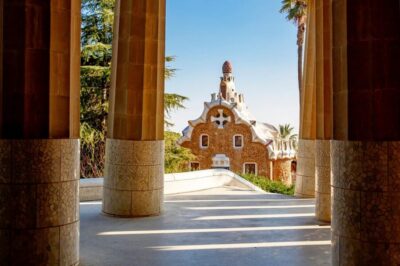
Park Güell and Gaudí House Museum Entry Ticket
Read our review →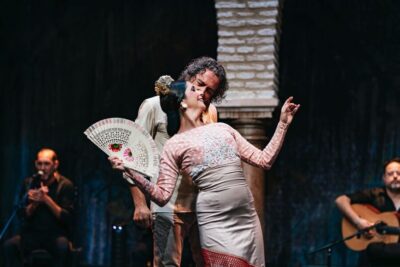
Puro Flamenco Show with Optional Museum Ticket
Read our review →
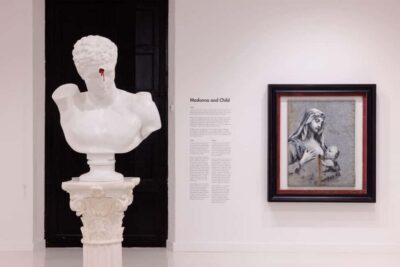
Moco Museum Barcelona: Modern & Contemporary Art
Read our review →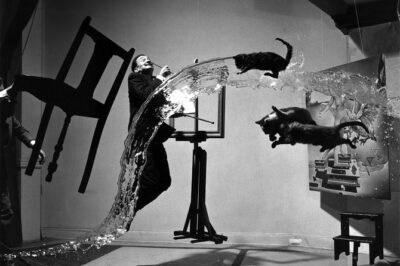
Girona & Dali Museum Small Group Tour with Pick-up from Barcelona
Read our review →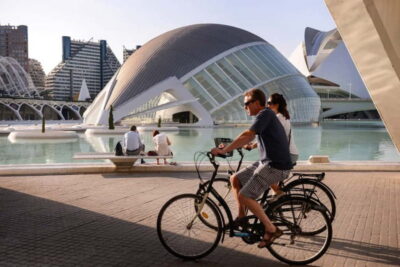
Valencia: Oceanogràfic, Hemisfèric & Science Museum Combo
Read our review →Browse the lists this tour appears in