
Review · PARIS
Paris Museum Pass: 2, 4, or 6 Days
The smartest thing about the Paris Museum Pass is the freedom it gives you. For one price, you can enter more than 60 museums and monuments in Paris and the surrounding region, often through a shorter passholder line. I especially like the way it encourages spontaneous stops, and the Arc de Triomphe, Orsay, Louvre, Rodin Museum, and Versailles give you enough major sights to make the pass worthwhile.
I also like that you can choose 2, 4, or 6 consecutive calendar days, with a pickup office only about 10 minutes from the Louvre. The catch is that priority entry does not always mean instant entry. The Louvre, Orangerie, Sainte-Chapelle, Versailles, and several other sites require reservations, and crowded periods can still bring a wait.
Key points before you buy
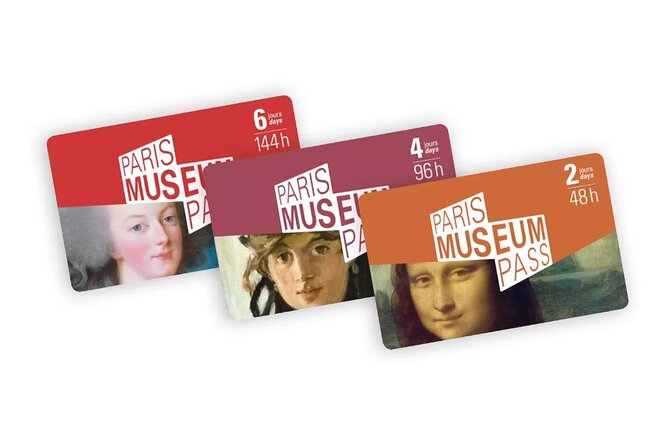
- More than 60 included sights: Visit major museums, churches, palaces, monuments, and selected sites outside central Paris.
- The best value comes from a full sightseeing schedule: Visiting several paid sites in one day is the clearest way to recover the pass price.
- The Louvre requires a free time slot: The pass alone does not guarantee entry, and access can be limited during very busy periods.
- The pass uses consecutive calendar days: If you first use it at 2:00 p.m., that date counts as day one.
- Pickup is near the Louvre: The office is open seven days a week from 9:00 a.m. to 4:00 p.m.
- A Seine cruise may be added: Check your selected option carefully, then follow the exact boat operator and meeting-point details.
What the Paris Museum Pass actually gives you
The pass is a sightseeing admission card, not a guided tour. You pick up the physical pass, activate it at your first included attraction, and present it at participating museums and monuments during the selected period.
The choices are simple: two, four, or six days. The days run consecutively, not as separate sightseeing days. That detail matters. If you plan to spend one day shopping, resting, or taking a day trip outside the pass network, you may lose value.
The pass includes permanent exhibitions at participating sites. Temporary exhibitions, special events, audio guides, gardens, and other extras may cost more or require separate arrangements. Check each attraction before you go, especially if a particular exhibition is the main reason for your visit.
The price is listed at $129 per person, though the amount charged can vary by booking platform and currency. I would not buy it simply because Paris has many museums. I would compare the individual admission prices for the places you genuinely want to visit, then add the value of shorter ticket lines.
That second part is important. Even if your total admission savings are modest, skipping a long ticket-purchase queue at the Orsay or Arc de Triomphe can make the pass worthwhile. On the other hand, if your plans focus on only two or three attractions, individual tickets may cost less and give you better control over timed entry.
More Museum Tours in Paris
- Paris: Louvre Museum Timed-Entrance Ticket
★ 4.6 · 71,977 reviews - Paris: Orsay Museum Entry Ticket
★ 4.7 · 25,647 reviews - Louvre Museum Masterpieces Guided Tour with Access
★ 4.5 · 12,023 reviews
Picking up the pass near the Louvre
The pickup office is near the Louvre and roughly a 10-minute walk from the museum. You must collect the pass there, so include this stop in your first-day plans rather than treating it as a minor detail.
The office is open seven days a week from 9:00 a.m. to 4:00 p.m. If you arrive in Paris before the first attraction opens, collecting the pass during the previous afternoon can help you start sightseeing early on the following day. That approach is particularly useful with a two-day pass, since every calendar date counts once the pass is first used.
Bring your booking voucher and check the meeting-point instructions for your specific option. The pickup arrangement is straightforward, but it does take time from your day. A digital pass would be easier, and the physical collection is the most common practical complaint about the setup.
Once you have the pass, keep it safe and dry. You will use it repeatedly, sometimes several times in a day. It is also wise to keep the attraction list or map handy. The full selection can feel overwhelming, and a little planning prevents you from crossing Paris unnecessarily.
Making the two-day pass work
The two-day option suits a short visit built around concentrated sightseeing. I would choose it if you want several central Paris museums and monuments, and you are comfortable keeping a brisk schedule.
A sensible central-Paris plan might combine the Louvre with the Arc de Triomphe, Orangerie, Orsay, Rodin, Sainte-Chapelle, or the Conciergerie. You will not have time to see everything properly, so think in terms of a few major visits plus smaller stops nearby.
The danger is trying to treat the pass like an admission race. Paris museums are large, and the Louvre alone can absorb much of a day. If you rush from one building to another just to justify the cost, you may spend your holiday staring at entry scanners and metro maps.
The two-day pass can also work well with a late first day, but remember the official rule: the first calendar date counts as day one. Do not assume that beginning at 3:00 p.m. gives you two full 48-hour periods. Some users have found a late pickup useful, but you should plan according to the consecutive-day condition.
When four or six days make more sense
The four-day pass is the safest choice for many museum-focused trips. It gives you enough time to spread out major visits, return to neighborhoods between museums, and include Versailles or another destination outside the center.
I like the four-day format for a first Paris visit because it leaves room for sites that are free or not covered by the pass. You can spend one day around the Louvre and Tuileries, one around Orsay and the Left Bank, one on the Île de la Cité and the Marais, and another at Versailles or a selected suburban site.
The six-day version is best for a deliberate cultural trip. You can visit large museums at a comfortable pace and add places that many short-stay visitors skip, including the Musée Guimet, Musée Gustave Moreau, Musée des Arts et Métiers, Musée du quai Branly, Musée de Cluny, Musée Rodin, and Musée de l’Orangerie.
A six-day pass can also encourage you to try smaller museums. That is one of its quiet strengths. You may enter the Musée de la Monnaie for a short visit, stop at the Crypte archéologique beneath Notre-Dame, or see the Musée des Égouts de Paris without worrying about buying another ticket.
There is no three-day option. That missing middle choice matters if your stay is exactly three sightseeing days. In that case, compare the four-day price with individual admissions, or decide if the fourth day can include enough extra visits to justify the difference.
Same city, a completely different collection:
- Paris: Louvre Museum Entry Ticket With Host and River Cruise
★ 4.6 · 9,926 reviews - Les Invalides: Napoleon’s Tomb & Army Museum Entry
★ 4.6 · 9,185 reviews - Mona Lisa & Louvre Masterpieces Tour with Reserved Access
★ 4.6 · 6,812 reviews - Louvre Museum – Exclusive Guided Tour (Entry Included)
★ 5.0 · 6,296 reviews
The Louvre requires planning, not just a pass
The Louvre is the headline attraction, but it is also the place where expectations need the most care. You must reserve a time slot in advance, using the link provided with your voucher. The pass does not remove that requirement.
Entry can also be affected by renovation work and heavy visitor numbers. Even with the pass and a reservation, admission cannot be guaranteed in every situation. Reserve as early as possible and avoid building your entire Paris schedule around one last-minute Louvre visit.
The Louvre has enough art to fill several days, so decide what you want to see before arriving. The pass makes it easier to leave after a few hours and return another day if your chosen duration allows. That flexibility is more useful than trying to cover every famous room in one exhausting visit.
A reserved slot also changes how you should plan the rest of the day. Give yourself travel time and a buffer before the appointment. A pass may save you from buying a ticket, but it cannot fix a late arrival.
Orsay, Orangerie, and the smaller Paris museums
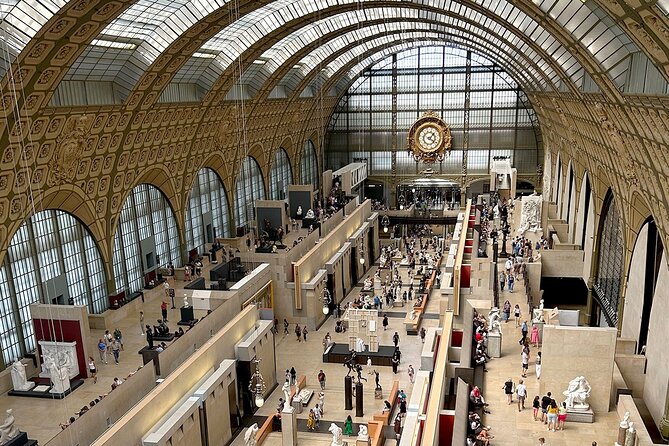
The Musée d’Orsay is one of the strongest reasons to consider the pass. Its former railway-station setting and famous Impressionist collection make it a natural companion to the Louvre, but summer crowds can still create a wait even for passholders.
The pass can provide a shorter entry route, but it is not a magic door. At busy times, visitors with timed individual tickets may move faster than people relying on general pass access. If Orsay is a top priority, check its current reservation rules and arrive with a realistic time allowance.
The Orangerie requires a reservation. Do not leave it until the end of your pass period, because available free slots may disappear. This small museum is especially easy to pair with the Tuileries and the Louvre, so place it on your schedule before you begin sightseeing.
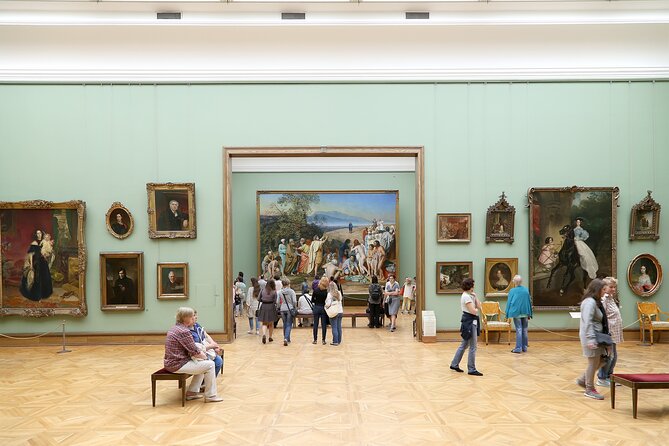
Smaller included museums can make the pass feel less hurried. The Musée Rodin offers a different kind of visit, with sculpture and a calmer change of pace. The Musée Gustave Moreau, Musée de Cluny, Musée Picasso Paris, Musée Guimet, Musée de la Poste, and Musée des Arts et Métiers each give you a reason to move beyond the most famous three or four names.
The pass also covers the permanent collections at the Musée du quai Branly, Musée d’Art moderne, Musée de l’Armée, and Musée de la Monnaie. Check opening days and reservation requirements as you build your route. The attraction list is broad, but not every museum fits every interest.
The Île de la Cité: Sainte-Chapelle and Notre-Dame
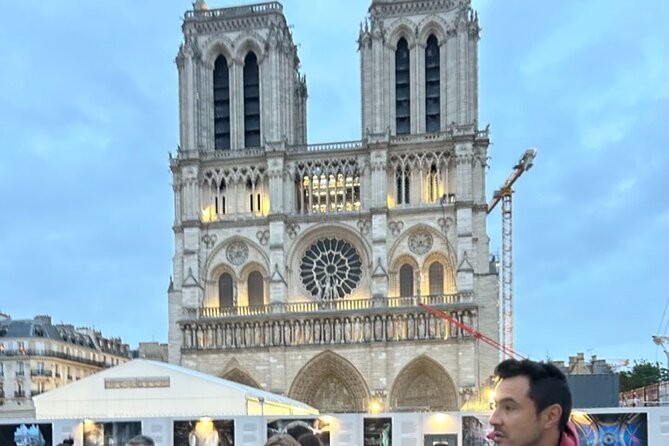
The pass includes Sainte-Chapelle, the Conciergerie, the archaeological crypt beneath Notre-Dame, and the towers of Notre-Dame. These sites are close enough to combine, though each has its own entry process.
Sainte-Chapelle is famous for its stained glass, and it can be one of the most rewarding short visits in Paris. The pass does not always provide a noticeably shorter line there, especially at busy times. Check reservation rules and allow for security procedures.
The Conciergerie gives you a very different experience, with its former prison spaces and connection to the French Revolution. It is easy to pair with Sainte-Chapelle, but do not assume that one queue covers both sites.
Notre-Dame itself has separate access arrangements, and high visitor numbers can make entry difficult. The pass includes the towers, but conditions may change because of restoration and crowd control. Verify current access before you make this a fixed part of your day.
Arc de Triomphe and the best views
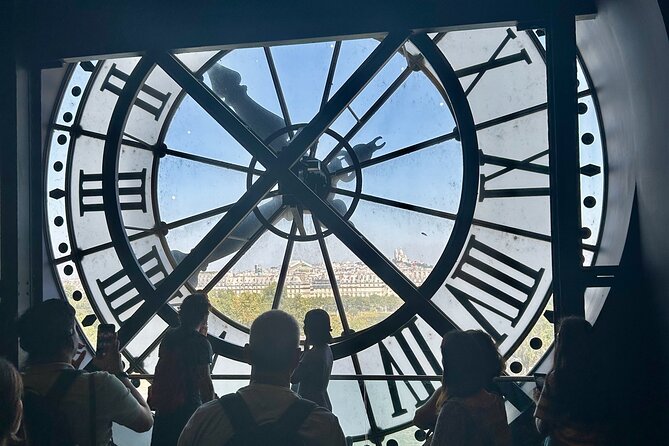
The Arc de Triomphe is one of the most useful pass inclusions because the visit is relatively focused and the rooftop view is a major payoff. You climb to the top for a wide look over Paris and the avenues radiating from the monument.
The pass can save time at the Arc, where ticket lines may be long. It is a good stop late in the day, when you want a strong view without committing to another large museum.
The Panthéon offers another memorable monument visit, with its grand interior and national significance. The Musée de l’Ordre de la Libération, Musée des Plans-Reliefs, and Musée de l’Armée at Les Invalides add more depth for visitors interested in military history and national institutions.
These sites help balance an art-heavy plan. If the Louvre and Orsay are your main goals, the Arc, Panthéon, and Invalides give your eyes a welcome break from galleries.
Versailles and the sites outside central Paris
The pass covers the Château de Versailles and Trianon estates, but you need to plan this as a full excursion. Versailles is not a quick add-on between central museums.
A reservation may be required, and time slots can fill. Check the official booking instructions before you travel to the palace. Arriving without a usable entry time can leave you waiting for hours or unable to enter during your planned visit.
Also check exactly what your pass covers at Versailles. The palace, Trianon, gardens, and special events may follow different admission rules, and garden access may require an additional payment depending on the day and program.
Other out-of-town choices include Fontainebleau, Château de Vincennes, Château de Malmaison, Château de Rambouillet, Château de Pierrefonds, Château de Maisons-Laffitte, Saint-Denis Cathedral Basilica, Villa Savoye, and the Musée de l’Air et de l’Espace.
These destinations are valuable if you have six days or already know you want a specific palace or museum. They are less practical if your Paris stay is short. Transport time can reduce the number of central attractions you see, so choose one or two rather than trying to collect them all.
Chantilly, Compiègne, Saint-Germain-en-Laye, Sèvres, Écouen, and Meudon broaden the pass well beyond central Paris. The selection is impressive, but the pass only creates value if you have the time and energy to reach these places.
The optional Seine cruise
Some versions include a river cruise. If you select that option, confirm the boat company and meeting point before you go. Several operators use different departure locations, and the name on your voucher or app matters.
The cruise is a useful change of pace after several museum hours. It also lets you see Paris from the water without using another sightseeing admission. Evening departures can be especially appealing for the views, but check the operating details supplied with your booking.
Do not assume the cruise is included in every pass option. It is an add-on, so compare the selected package before paying.
How much value can you get from $129?
At $129, the pass needs a plan. The simple formula is to list your intended attractions, check their individual prices, and compare the total with the pass cost.
The pass becomes more attractive when you include several major paid sites in the same period. Five or more museums and monuments can make the numbers work, especially when you also value shorter lines. The exact break-even point depends on current admission prices and the attractions you choose.
I would not count every possible museum in your calculation. Count only places you are likely to visit. A long list of included sites looks good on paper, but an attraction across the region does not help if you never have time to reach it.
The pass can still be worthwhile when the savings are modest. A shorter queue at Orsay or the Arc may save enough time to justify the difference, particularly during high season. But individual timed tickets can be faster than passholder entry at some crowded attractions, so priority access should be treated as a benefit, not a guarantee.
Who should buy it?
I would recommend the pass to you if you plan to visit several museums and monuments, enjoy making extra stops, and can keep your sightseeing days reasonably full. It works especially well for first-time visitors who want the Louvre, Orsay, Arc de Triomphe, Rodin, Sainte-Chapelle, and perhaps Versailles.
It also suits repeat visitors who already know they want smaller museums. The freedom to enter for a short visit can be worth more than the raw admission savings.
I would be cautious if your trip centers on only one or two major museums, if you dislike fixed schedules, or if you want a relaxed Paris visit with long café breaks. Children under 18 generally enter public museums free, and European Union citizens under 26 also qualify for free admission at public museums, so those visitors may not need the pass. They may still need a reserved time slot.
My verdict on the Paris Museum Pass
The Paris Museum Pass is a useful tool, not an automatic bargain. Its best features are the broad choice, the convenience of one pass, and the chance to bypass some ticket lines. The most praised practical benefit is the time saved, particularly at the Arc de Triomphe and Musée d’Orsay.
Its weak points are the required pickup, the lack of a three-day option, and the fact that reservations still matter. The Louvre remains crowded, Sainte-Chapelle may not offer a major shortcut, and a pass cannot guarantee entry when capacity is tight.
Book it if you can name at least four or five included sites and are ready to reserve the attractions that require time slots. Skip it if your itinerary is light or built around free sights. For a focused four or six-day museum visit, it can make Paris easier, faster, and more flexible.
FAQ
How long can I use the Paris Museum Pass?
You can choose a pass valid for 2, 4, or 6 consecutive calendar days.
Does the Louvre require a reservation with the pass?
Yes. You must reserve a Louvre time slot in advance using the link provided with your voucher. Entry cannot be guaranteed during periods of renovation and high visitor numbers.
Where do I collect the pass?
You collect it at a tour office near the Louvre, about a 10-minute walk away. The office is open seven days a week from 9:00 a.m. to 4:00 p.m.
Does the pass include the Seine River cruise?
A river cruise is included only if you select the option that contains it. Check the exact boat company and meeting point, since several operators use different locations.
Do I need reservations for museums besides the Louvre?
Yes. Reservations are also mandatory for the Orangerie Museum, Museum of the Art and History of Judaism, Hôtel de la Marine, and Cité de l’architecture et du patrimoine. Other attractions may also apply their own booking rules.
Are children required to buy the pass?
Children under 18 can enter public museums free, so they generally do not need the pass. Museums may still require a free ticket or reserved time slot.
Does the pass include temporary exhibitions and every part of Versailles?
The pass provides access to permanent exhibitions at participating museums. At Versailles, check the current rules for the palace, Trianon, gardens, and special events, since some areas or programs may require additional payment.
Just added around Paris
- Rodin Museum Masterpieces – Guided Tour up to 8 guests★ 4.9 · 13 reviews
- Invalides Museum – WWI & WWII – Guided Tour up to 8 guests★ 5.0 · 32 reviews
- Skip the Line Guided Tour of Louvre Museum Highlights★ 5.0 · 49 reviews
- Paris: Louvre Museum Highlights Small-Group Guided Tour★ 4.8 · 157 reviews
- From Paris: Private Trip to Giverny, Monet’s House & Museum★ 4.5 · 13 reviews
- Paris: Street Art Open-Air Museum Bike Tour★ 4.8 · 51 reviews
- Paris: Rodin Museum Ticket & Optional Digital AudioGuide App★ 4.7 · 56 reviews
- Paris: The Rodin Museum and Seine River Cruise★ 4.6 · 45 reviews
Museum Tours in Paris, compared.



Louvre Museum Masterpieces Guided Tour with Access
Read our review →
Louvre Museum Entry Ticket With Host and River Cruise
Read our review →
Les Invalides: Napoleon’s Tomb & Army Museum Entry
Read our review →
Mona Lisa & Louvre Masterpieces Tour with Reserved Access
Read our review →
Louvre Museum – Exclusive Guided Tour (Entry Included)
Read our review →
Louvre Museum Hosted Entry and Mona Lisa Audioguide
Read our review →Browse the lists this tour appears in