
Review · FRANCE
Mont Saint-Michel: 3 Museums Entry Pass
Mont Saint-Michel’s famous abbey gets the grand headlines, but its smaller museums explain the rock’s stranger, more human stories. This one-day pass takes you from the world’s biggest tides to medieval prisons, then into the home of knight Bertrand Du Guesclin and astrologer Tiphaine de Raguenel.
I like the 250 old model boats at the Maritime Museum, and I like the personal feel of Logis Tiphaine, with its bedroom, armor, and study. The main caution is that parts of the Maritime and Historical Museums can feel dated, with displays that lean toward old-fashioned sound, light, and spectacle rather than polished modern museum design.
Key points to know before you go
- Three museums in one pass: Visit the Maritime Museum, Historical Museum, and Logis Tiphaine during one day.
- 250 model boats: The Maritime Museum focuses on boats, tides, the bay, and Mont Saint-Michel’s environmental project.
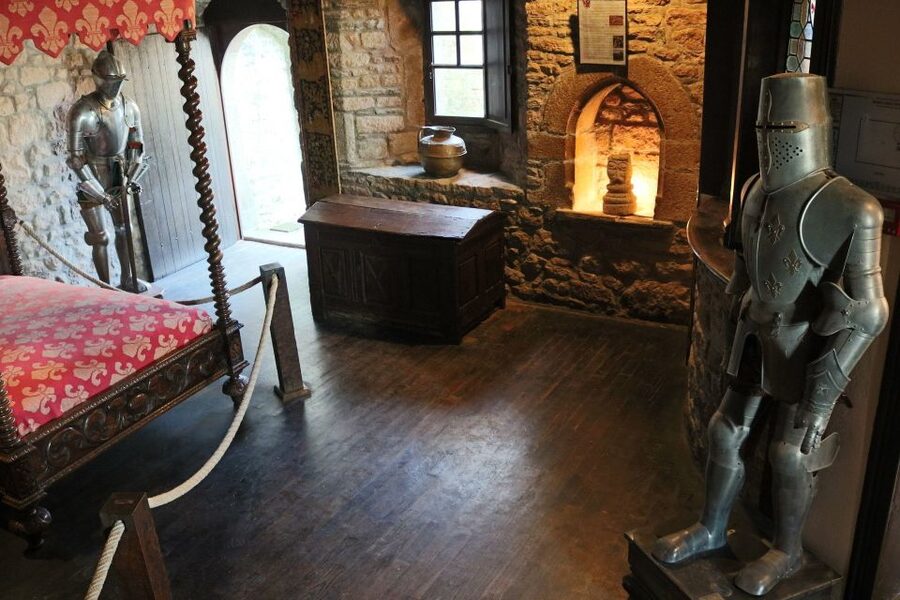
- A medieval couple’s home: Logis Tiphaine explores the lives of Du Guesclin and Tiphaine through period furnishings, armor, and personal spaces.
- Dark stories in the Historical Museum: Expect displays about monks, prisons, torture instruments, an iron cage, quicksand, and oubliettes.
- The abbey costs extra: This pass does not include entry to Mont Saint-Michel Abbey.
- Good value at $21: The pass makes the most sense if you want more than the village streets and abbey views.
What this three-museum pass adds to Mont Saint-Michel
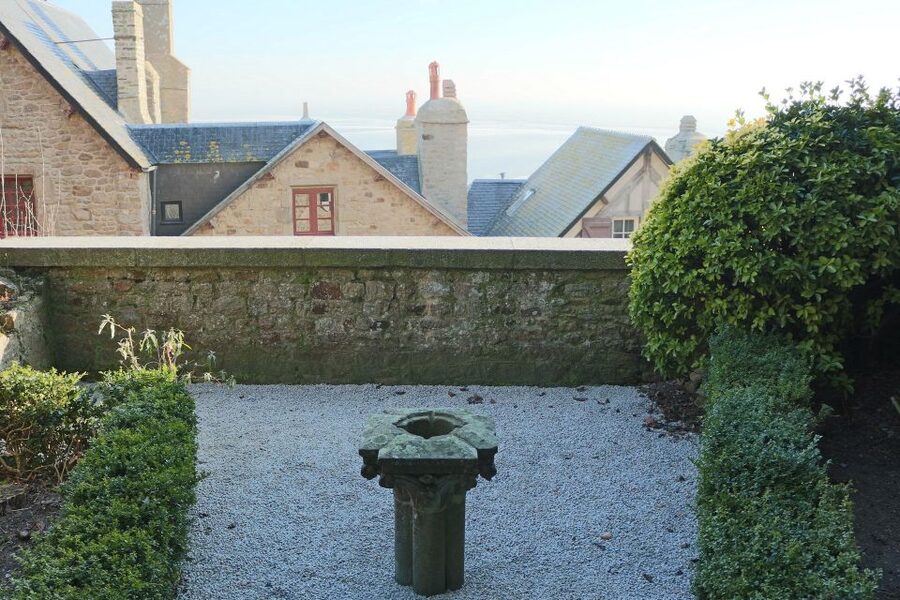
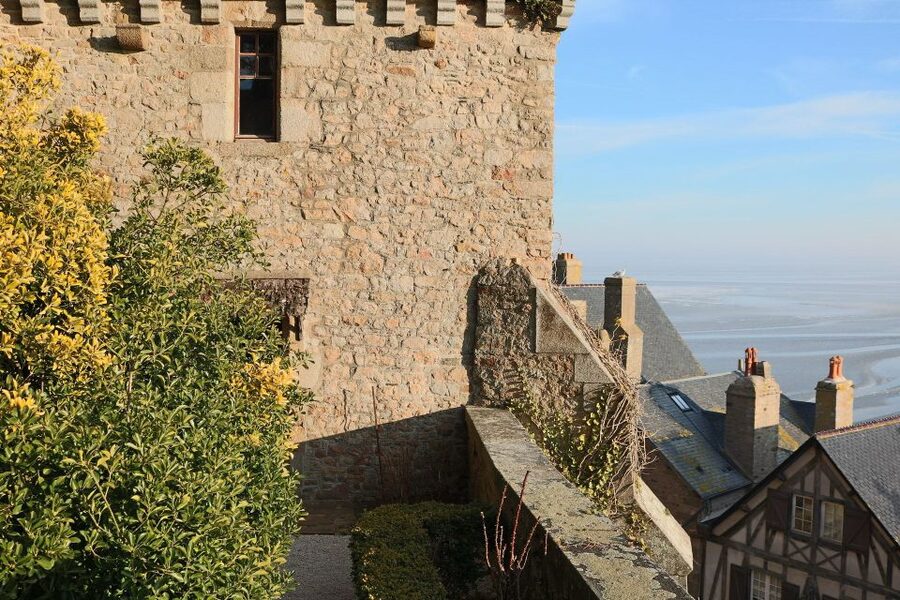
Mont Saint-Michel is easy to admire from the outside. The narrow street climbs toward the abbey, stone walls frame the bay, and every turn seems designed for a postcard. But the island can also feel like a place you simply walk through, take pictures of, and leave.
The three museums give you reasons to slow down. They fill in the gaps between the grand views: how the tides shape the bay, how monks and prisoners fit into the island’s past, and how two medieval figures lived in a house that still carries their names.
You buy the pass for $21 per person and have one day to use it. That price is not a bargain for someone who only wants to see the abbey. The abbey is not included, and it is usually the main reason people make the trip. But if you plan to spend several hours on the island, the museums offer a useful extra layer at a reasonable cost.
The experience is self-guided from the information provided. You present your reservation at the ticket counter of the Musée Maritime, then visit the three included museums at your own pace. No guide names or guided commentary are provided, so you should expect exhibits, displays, and written or recorded explanations rather than a hosted tour.
A few more museum visits around France worth comparing
- Paris: Louvre Museum Timed-Entrance Ticket
★ 4.6 · 71,977 reviews - Paris: Orsay Museum Entry Ticket
★ 4.7 · 25,647 reviews - Louvre Museum Masterpieces Guided Tour with Access
★ 4.5 · 12,023 reviews
Starting at the Maritime Museum
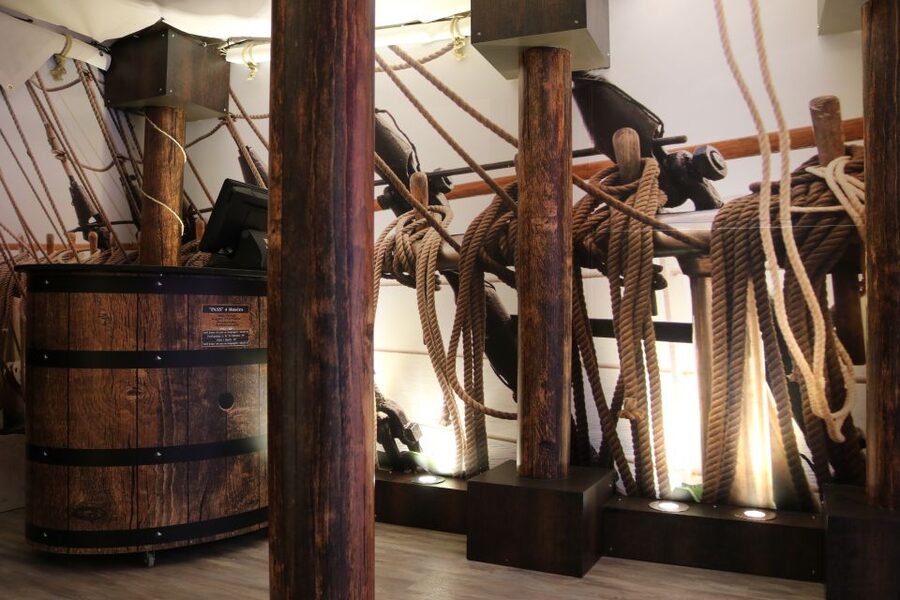
The Maritime Museum is the natural starting point because Mont Saint-Michel makes little sense without its tides. The bay is shaped by some of the biggest tides in the world, and the museum explains the forces that have affected access, work, settlement, and danger around the island.
The main draw is the collection of 250 old model boats. This is the part I would allow extra time for if you enjoy ships, local craft, or small details. Model boats can sound modest beside a famous monument, but they often show practical things that a large building cannot: how vessels were built, how people moved across shallow water, and what kinds of boats belonged to a tidal bay.
The museum also covers Mont Saint-Michel’s major environmental project. That gives the visit a present-day angle instead of treating the island as a frozen medieval scene. You get a better sense of the bay as a living place, not just a backdrop behind the abbey.
Keep your expectations in check. The Maritime Museum is not presented as a high-tech science center, and its style may feel old-fashioned. If you prefer modern interactive displays, this could be the weakest stop for you. If you like boats and want context for the bay, it earns its place in the pass.
The Historical Museum’s darker side
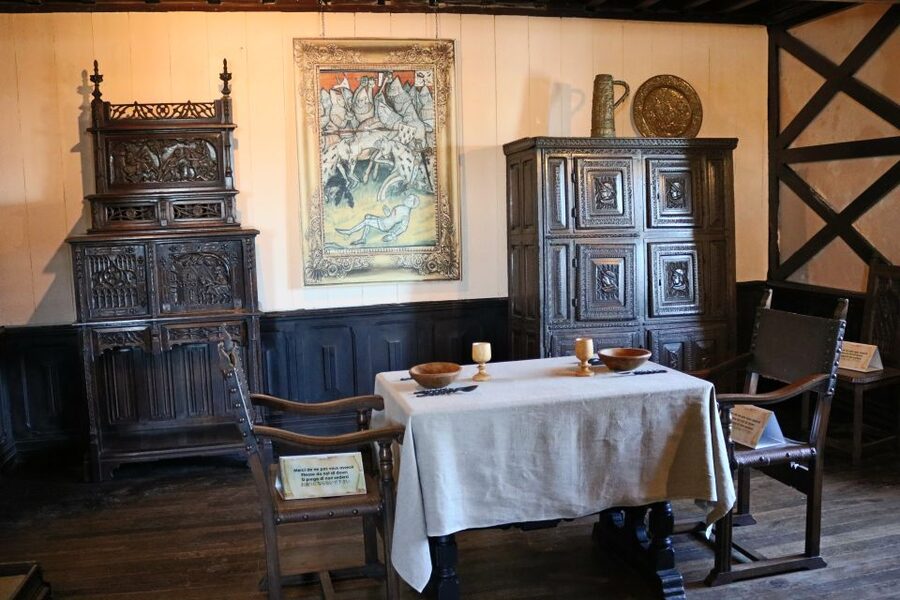
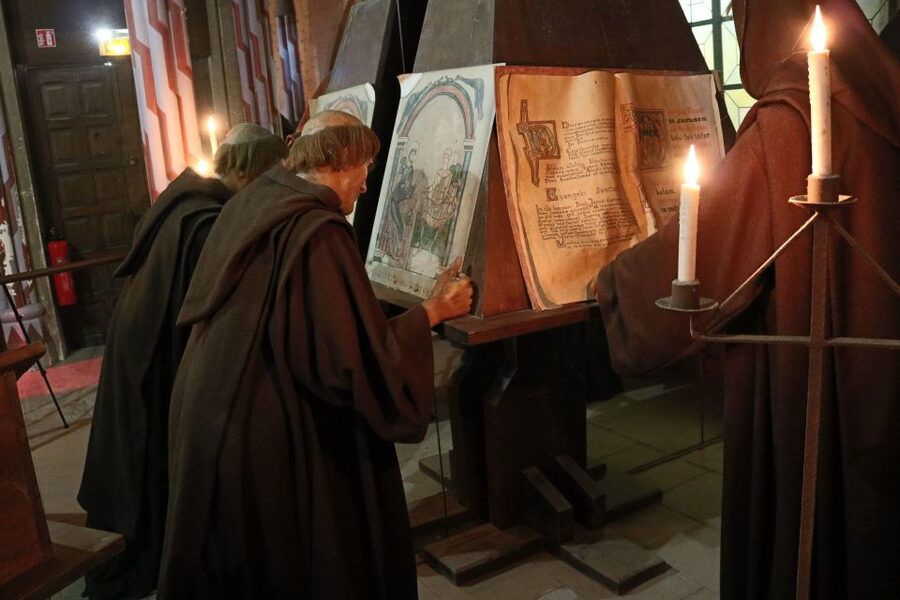
The Historical Museum shifts from nature to people. Its displays cover the monks who built the abbey and the years when Mont Saint-Michel also served as a prison.
This is where the island’s story becomes less romantic. You can see ancient weapons, medieval instruments of torture, and displays connected to imprisonment. The exhibits include the body pulled down into quicksand, Louis XI’s iron cage, and the oubliettes, the grim spaces associated with confinement and disappearance.
Some of this material is presented with sound and light effects. That approach gives the museum a theatrical quality, and it will not suit everyone. One part of the appeal is the old-fashioned atmosphere, but another part can feel closer to a fairground attraction than a formal museum. If you want careful academic interpretation and refined presentation, you may find this stop dated.
Still, the subject matter helps explain why Mont Saint-Michel has gathered so many legends. The island was a religious center, a defensive site, and a place of confinement. The Historical Museum puts those threads beside one another, even if the presentation sometimes favors drama over subtlety.
I would treat this museum as a short, focused stop rather than the main event. Look at the weapons and prison displays, note the unusual stories, and keep moving if the theatrical style is not your taste. Families with young children should also think about the darker themes before entering, even though admission is free for children under 12.
Inside Logis Tiphaine
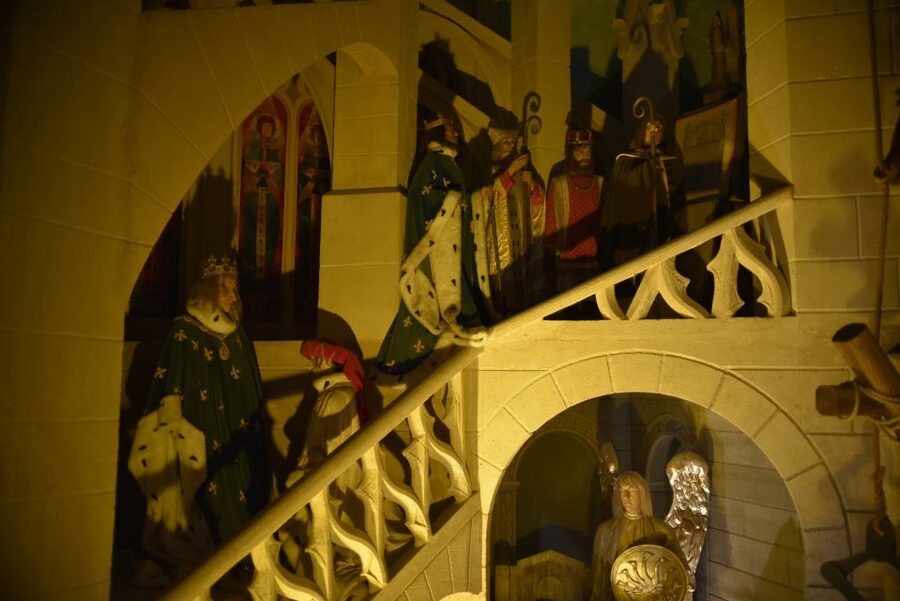
Logis Tiphaine is the most personal and, for many people, the most satisfying of the three stops. This historic house belonged to Bertrand Du Guesclin, a Breton knight and French military commander in the 14th century, and his wife, Tiphaine de Raguenel.
Tiphaine was known as an astrologer who read the fate of the world in the stars. That detail alone gives the house a different character from the Maritime and Historical Museums. You are not only looking at an institution or a monument. You are looking at the home of a couple whose public roles were very different: military command for him, astrology and intellectual life for her.
The house includes period furniture, a bridal chamber, Du Guesclin’s armor, and Tiphaine’s study. These rooms help turn names from medieval history into people with domestic lives. The armor suggests the knight’s public identity, while the study points toward Tiphaine’s private work and interests.
You will also find unusual objects, including a medieval chastity belt. Like much medieval material, it sits somewhere between history, legend, and later storytelling. The museum’s value is not only in proving every tale beyond doubt. It is in showing how Mont Saint-Michel has preserved and retold stories about power, marriage, belief, and daily life.
If you have limited time, I would protect time for Logis Tiphaine. Even the more critical impressions of the museum pass single it out as worth checking. Its rooms are easier to connect with than displays that rely on sound effects or dramatic scenes.
Same city, a completely different collection:
- Paris: Louvre Museum Entry Ticket With Host and River Cruise
★ 4.6 · 9,926 reviews - Les Invalides: Napoleon’s Tomb & Army Museum Entry
★ 4.6 · 9,185 reviews - Mona Lisa & Louvre Masterpieces Tour with Reserved Access
★ 4.6 · 6,812 reviews - Paris: Musée de l’Orangerie Reserved Entrance Ticket
★ 4.7 · 6,529 reviews
How the three stops fit together
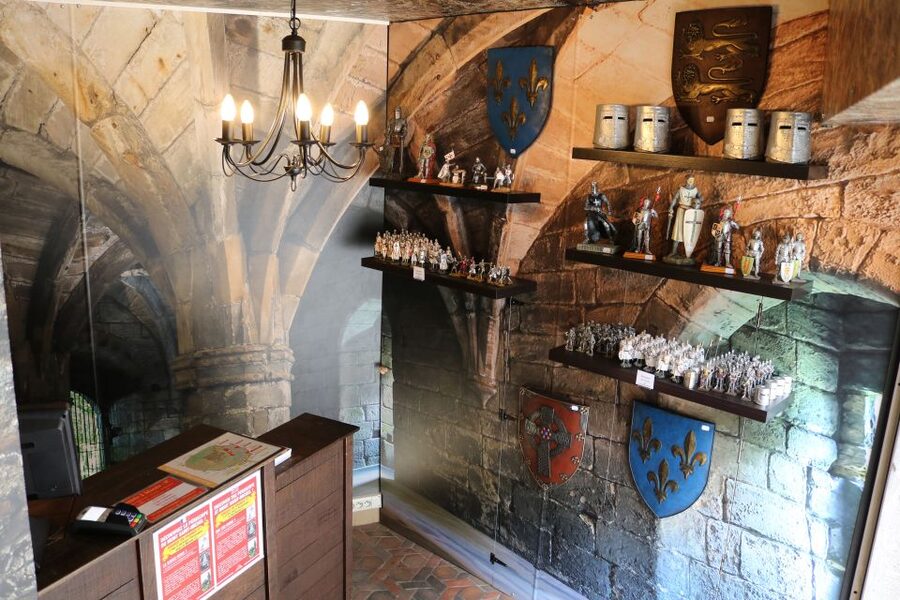
The three museums work best as a set because each answers a different question.
The Maritime Museum asks what shaped the island’s natural setting. The Historical Museum asks how people used the island, including its religious and prison roles. Logis Tiphaine asks how individuals lived within that medieval world.
That sequence also gives your visit a useful rhythm. You begin with boats and tides, move into large public stories about monks and prisoners, and finish with a smaller domestic setting. None of the three replaces the abbey, but together they make the abbey and village easier to understand.
The pass is especially useful if you are spending a full day on Mont Saint-Michel rather than making a quick stop. You can visit a museum when the narrow streets feel crowded, when the weather turns poor, or when you simply need a break from climbing. Since the pass is valid for one day, you have room to arrange the stops around the rest of your visit.
The exact starting times depend on availability, so check the booking details before you go. The stated meeting point is the Musée Maritime, where you present your reservation at the ticket counter. The information does not specify a timed entry sequence, group size, or named guide, so plan on an independent museum visit.
Is $21 good value?
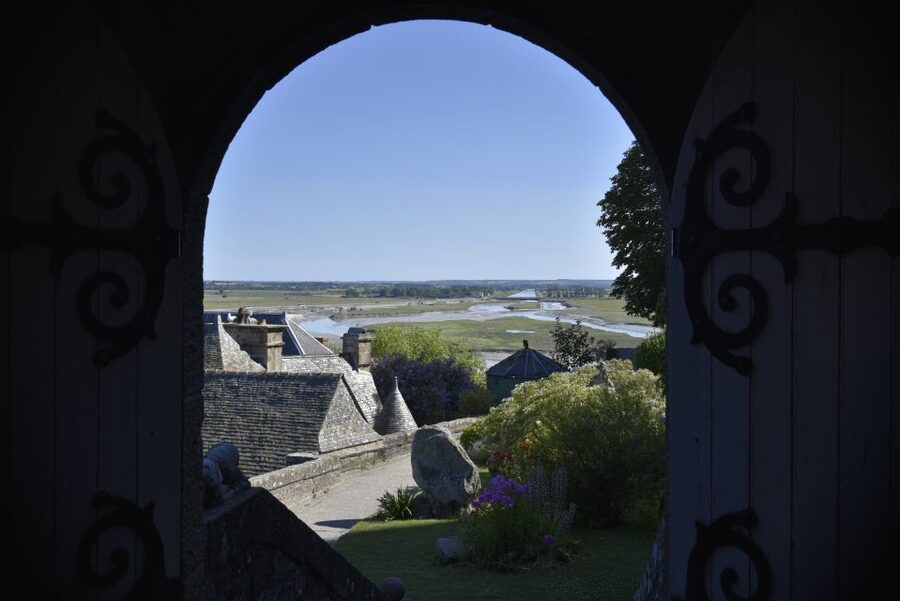
At $21, this is a fair add-on for a full day at Mont Saint-Michel. The value depends on how you travel.
If you want only the iconic view, the village lane, and the abbey, this pass may feel unnecessary. You will pay separately for the abbey, and the museums are not all equally strong. The Maritime and Historical Museums may disappoint you if you expect fresh displays or a sleek modern presentation.
If you like local history, unusual objects, boats, military stories, or old houses, the price is easier to justify. Three admissions for $21 is sensible, especially because Logis Tiphaine gives the package a strong personal center. The pass also gives you more control over your day than a guided tour, since you are not tied to a guide’s pace or a fixed storytelling route.
Children under 12 enter free, which improves the value for families. The subject matter varies from environmental issues to medieval torture and prison life, so parents should decide how much of the Historical Museum fits their children.
The best way to view the pass is as a companion to the abbey, not a substitute for it. If the abbey is your only priority, buy the abbey ticket separately and skip this package. If you want the island’s legends, working life, and private stories, the three museums make the day feel less one-dimensional.
Who will enjoy this experience most?
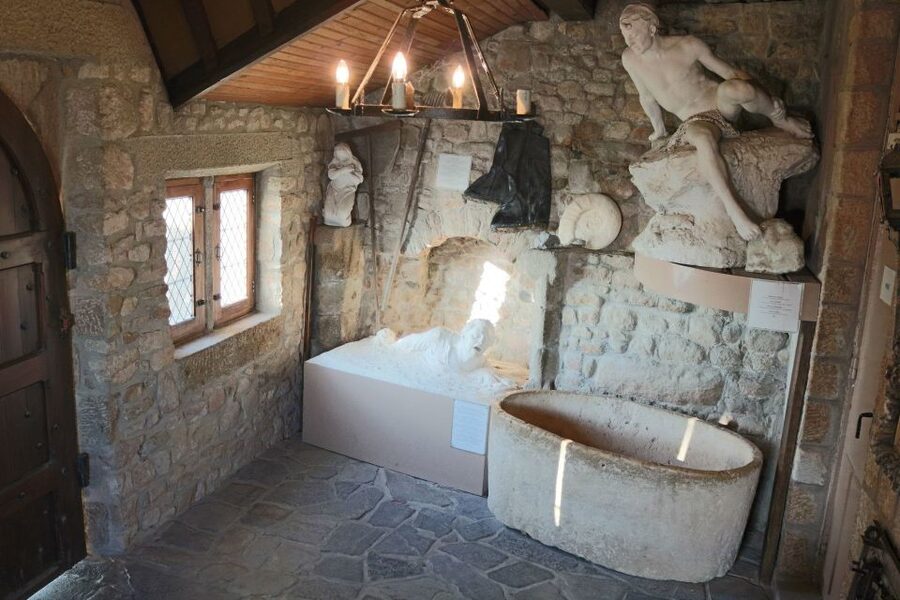
I would recommend the pass to you if you like to explore independently and prefer several small historical stops to one large guided program. It suits visitors who want to understand the bay, not just photograph it.
History fans will find plenty to discuss, from the monks and prisons to Du Guesclin’s armor. Anyone interested in old boats should make the Maritime Museum a priority. People who enjoy domestic history and unusual personalities will likely prefer Logis Tiphaine.
The pass is less suitable if you need polished, modern interpretation at every stop. The Historical Museum’s sound and light style can feel dated, and some displays may strike you as theatrical. You should also skip it if your schedule is so tight that you can spare only enough time for the abbey.
Alcohol and drugs are not allowed. Cancellation is free up to 24 hours before the visit, and a reserve-now, pay-later option is available, which is helpful when your Normandy plans are still shifting.
My recommendation
Book this pass if you have a full day at Mont Saint-Michel and want more than the standard abbey visit. Logis Tiphaine is the strongest reason to go, while the Maritime Museum adds useful context and the Historical Museum supplies the island’s darker legends.
Do not book it expecting three polished, state-of-the-art museums. The presentation can feel dated, especially in the Maritime and Historical Museums. At $21, though, the package offers a reasonable way to explore the island’s boats, tides, prisons, weapons, and medieval household life. Pair it with the abbey, and you get a fuller picture of Mont Saint-Michel than the postcard view alone can provide.
FAQ
How many museums are included?
The pass includes three museums: the Maritime Museum, the Historical Museum, and Logis Tiphaine.
Is Mont Saint-Michel Abbey included?
No. Entry to the abbey is not included in this pass.
How long is the pass valid?
The pass is valid for one day.
Where do I start the visit?
The meeting point is the Musée Maritime. You present your reservation at the ticket counter.
What can I see at the Maritime Museum?
You can learn about the bay’s very large tides, Mont Saint-Michel’s environmental project, and a collection of 250 old model boats.
What is shown at the Historical Museum?
The museum covers the monks who built the abbey and the island’s prison history. Displays include ancient weapons, medieval torture instruments, Louis XI’s iron cage, oubliettes, and a quicksand-related exhibit.
Who lived at Logis Tiphaine?
Logis Tiphaine was the historic residence of Bertrand Du Guesclin, a Breton knight and French military commander, and his wife, Tiphaine de Raguenel, an astrologer.
What can I see inside Logis Tiphaine?
The house includes period furniture, a bridal chamber, Du Guesclin’s armor, a medieval chastity belt, and Tiphaine de Raguenel’s study.
Are children admitted free?
Admission is free for children under 12 years of age.
Can I cancel the booking?
You can cancel up to 24 hours in advance for a full refund. A reserve-now, pay-later option is also available.
Just added around France
- Ticket to Musée National du Sport★ 4.4 · 32 reviews
- Rodin Museum Masterpieces – Guided Tour up to 8 guests★ 4.9 · 13 reviews
- Louvre Museum: Skip-the-Line Guided Tour★ 4.6 · 98 reviews
- Invalides Museum – WWI & WWII – Guided Tour up to 8 guests★ 5.0 · 32 reviews
- Skip the Line Guided Tour of Louvre Museum Highlights★ 5.0 · 49 reviews
- Rouen : Museum Immersive Viking Experience★ 4.2 · 47 reviews
- Paris: Louvre Museum Highlights Small-Group Guided Tour★ 4.8 · 157 reviews
- From Paris: Private Trip to Giverny, Monet’s House & Museum★ 4.5 · 13 reviews
Museum Tours in France, compared.


Louvre Museum Masterpieces Guided Tour with Access
Read our review →
Louvre Museum Entry Ticket With Host and River Cruise
Read our review →
Les Invalides: Napoleon’s Tomb & Army Museum Entry
Read our review →
Mona Lisa & Louvre Masterpieces Tour with Reserved Access
Read our review →
Musée de l’Orangerie Reserved Entrance Ticket
Read our review →
Louvre Museum – Exclusive Guided Tour (Entry Included)
Read our review →Browse the lists this tour appears in