
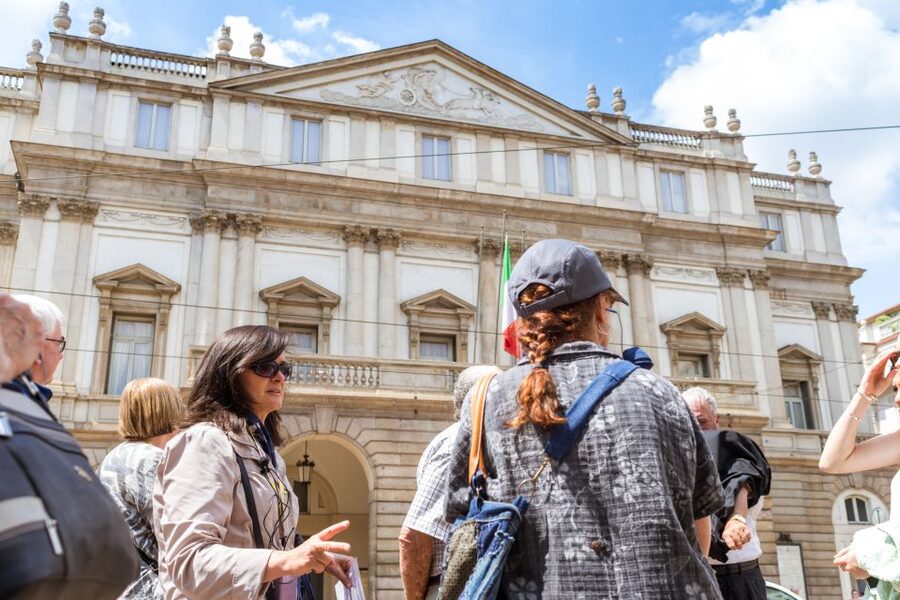
Review · MILAN
Milan: La Scala Theater & Museum Guided Experience
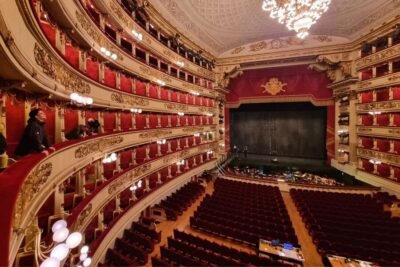
La Scala is not just a pretty theater to photograph from the foyer. Its third-level boxes give you a clear view of the auditorium, including the stage, curved rows of seats, and famous crystal chandelier. The guided visit then moves into the museum, where costumes, instruments, portraits, and musical keepsakes put the theater’s grand reputation into context.
I like two things here. First, the guide makes sense of what you are seeing, from the neoclassical interior to the stories of Giuseppe Verdi, Arturo Toscanini, and other artists tied to La Scala. Second, the one-hour format is efficient, with enough time for the theater and museum without taking half a day from Milan’s other sights. The main drawback is that access to the auditorium can change during rehearsals or special events, and a rehearsal may mean the full theater view is restricted.
Key points to know before booking
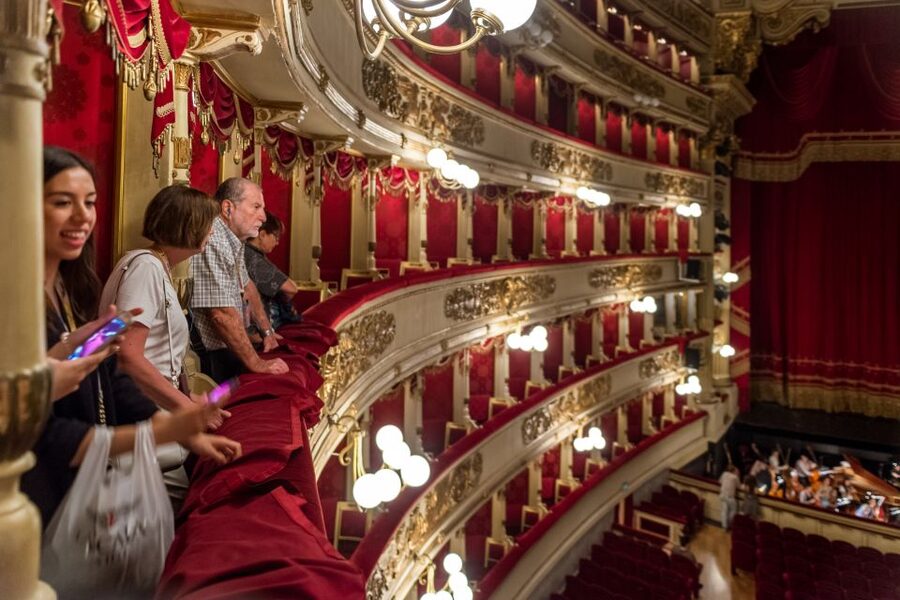
- The best view comes from the third-level boxes, where you look down over La Scala’s auditorium and stage.
- The museum is part of the experience, with costumes, instruments, portraits, and items linked to opera and classical music.
- A live guide adds real value, especially if you do not already know La Scala’s musical story.
- Rehearsals can be a bonus or a limitation: you might hear or see artists at work, but the theater visit may be shortened or delayed.
- The tour lasts about one hour, making it easy to fit between Milan’s cathedral, galleries, and shopping streets.
- Arrive early, because late entry is not allowed and no refund is offered after a missed start time.
Why La Scala is worth an hour of your Milan day
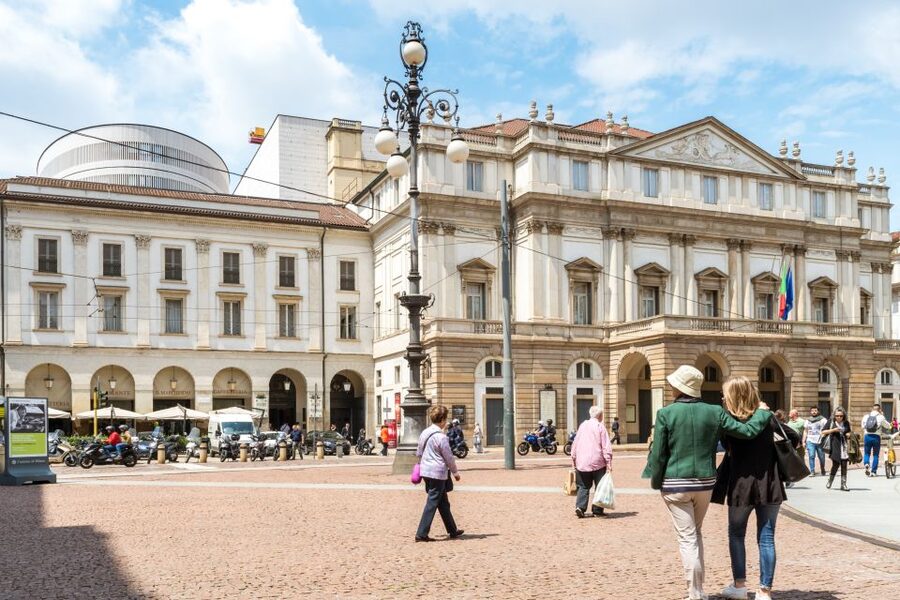
La Scala sits in the center of Milan, close to the Duomo and Galleria Vittorio Emanuele II. You can easily pair the visit with those sights, but the theater offers a very different kind of Milan: less about architecture alone, more about music, performance, and the people who shaped European opera.
The building opened in 1778 and has long been linked with major composers, conductors, singers, and performers. You do not need to be an opera expert to enjoy the visit. The guide explains why the theater matters and points out details you could miss on your own.
That is the main reason to choose the guided option instead of simply buying an entrance ticket. A self-guided visit lets you see the rooms, but it may leave you with a beautiful interior and little sense of its place in music. A guide can connect the portraits, instruments, and costumes in the museum with the stage you have just seen.
The tour has a current rating of 4.1 from 2,931 ratings, which suggests a generally strong experience but not a perfect one for every type of visitor. The difference usually comes down to expectations. If you want backstage access or a full performance, this is not that. If you want a focused introduction to La Scala, it is a sensible choice.
More Museum Tours in Milan
- Milan: Leonardo3 The World of Leonardo Museum Entry Ticket
★ 4.4 · 3,936 reviews - Milan: “Museo Teatrale Alla Scala” Guided Tour
★ 4.6 · 2,513 reviews - Milan: Entrance Ticket to La Scala Theatre Museum
★ 4.3 · 2,098 reviews
Meeting the guide at Largo Antonio Ghiringhelli 1
The meeting point is the entrance to the La Scala Museum, to the right of the restaurant Il Foyer, at Largo Antonio Ghiringhelli 1. This is a central location, but give yourself extra time to find the correct entrance. La Scala has several nearby doors and busy streets, so arriving at the last minute is a poor plan.
The strict late-entry rule matters. If you are late, you will not be admitted, and no refund is available. I would aim to arrive at least 15 minutes early, especially if you are coming from another Milan sight or relying on a crowded city street.
The tour is offered in English, Italian, German, Spanish, and French. Specific guides may vary, but named guides such as Renata, Beatrice, Valentina, Claudia, and Samantha have led tours at different times. The strongest part of the experience is usually the guide’s ability to explain the building in a lively way rather than simply recite dates.
Small-group tours are easier to follow inside La Scala’s narrow museum rooms and box areas. One group described a larger party of 24, so the exact size can vary. Headsets have been used on some departures, and they are helpful when several languages or groups are sharing the same spaces.
Looking into the auditorium from the third-level boxes
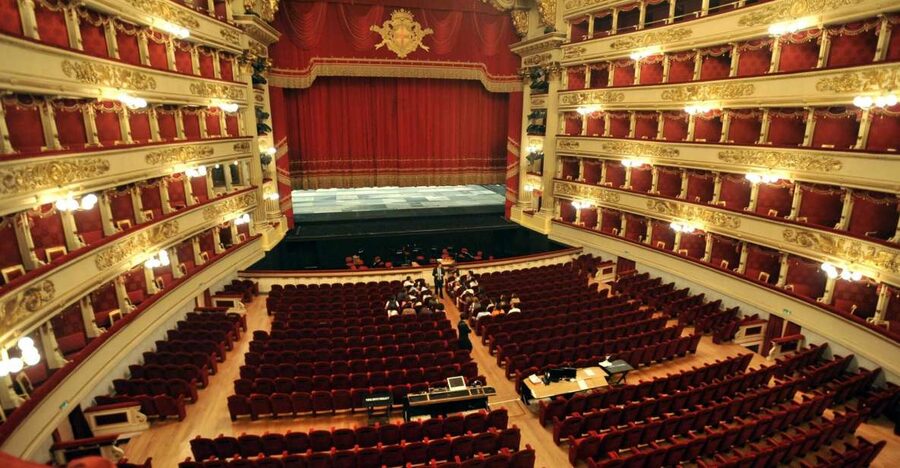
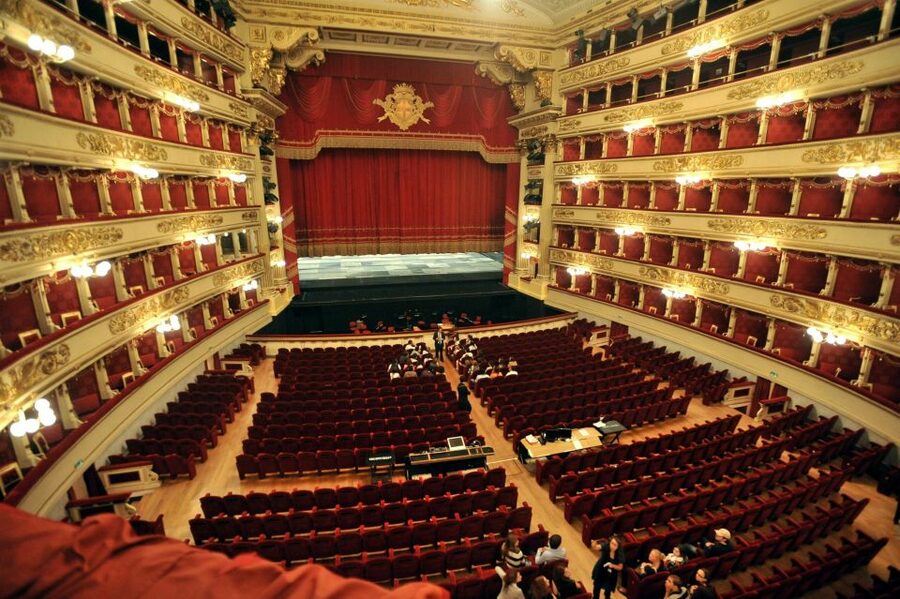
The highlight is the theater itself. You are taken to the third-level boxes for an overview of the auditorium. From there, you can study the stage, the rows of seats, the decorative details, and the large chandelier hanging over the room.
This viewpoint is important because it gives you the scale of La Scala. A photograph from the foyer cannot show how the theater is arranged for an audience. From the box, you get a sense of the relationship between the stage and the seating area, and you can imagine how the room changes when it is lit for a performance.
The boxes are also a practical part of the visit. They let small groups look inside without crowding into one central viewing area. At times, groups are allowed to sit inside the boxes, which makes the experience feel less like a quick doorway glance.
The lighting may not always be at its most dramatic. One person found that the lights were not turned on during the visit, while another described seeing the lights dim around the chandelier. That contrast tells you something useful: the exact visual effect depends on theater operations and the schedule that day.
Photography and access may also be limited during rehearsals or special events. You may see stage technicians, hear part of a rehearsal, or catch a short performance, but you should treat that as an unexpected extra, not as part of the promise.
Rehearsals: a lucky bonus with a trade-off
A rehearsal can be the most memorable part of the hour. Several tour departures included a glimpse or sound of a rehearsal, a ballet practice, set movement, lighting work, or part of a performance. Seeing the stage used for real work gives the building a pulse that an empty auditorium cannot match.
There is a catch. If artists are rehearsing, the theater may not be open for the usual viewing. One group could not enter the theater during a rehearsal but later received access when the rehearsal ended. Another group saw part of the rehearsal but missed the full theater visit.
Staff may call a group back when the room becomes available, but you should not count on that happening. If your main goal is a clear, uninterrupted look at the auditorium, a rehearsal could be frustrating. If you enjoy seeing how a theater functions behind the finished show, it may be a gift.
You will not go far backstage on this experience. Some people hoped for more behind-the-scenes access, but the visit focuses on the auditorium, boxes, museum, and public areas. This is an introduction to La Scala, not a technical theater tour.
A few more museum visits around Milan worth comparing
- Milan: San Siro Stadium and Museum Official Guided Tour
★ 4.1 · 962 reviews - La Scala Theatre and Museum guided experience
★ 4.5 · 664 reviews - Milan: Pinacoteca Art Gallery and Brera District Guided Tour
★ 4.8 · 326 reviews - Milan: San Siro Stadium and Museum Official Guided Tour
★ 4.4 · 273 reviews
The La Scala Museum and its musical collection
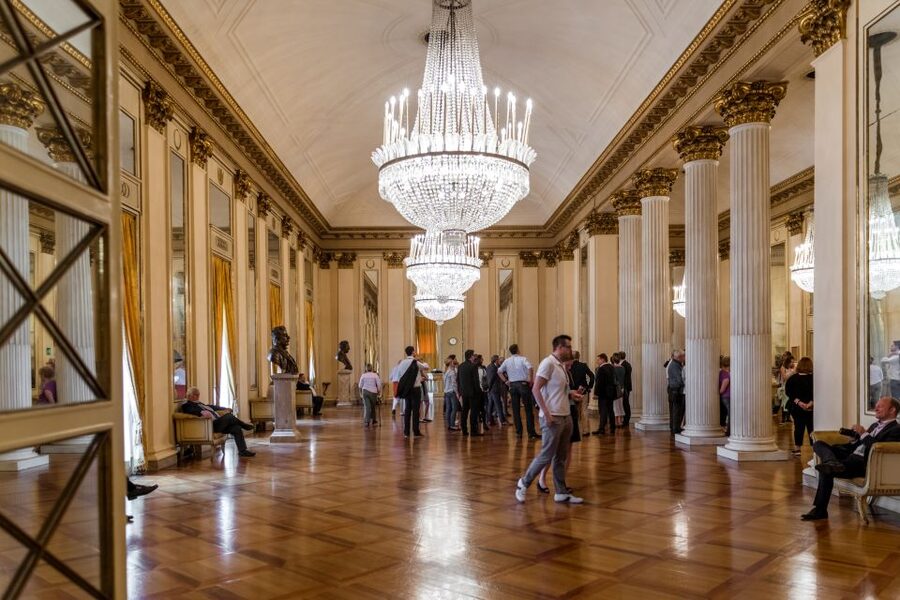
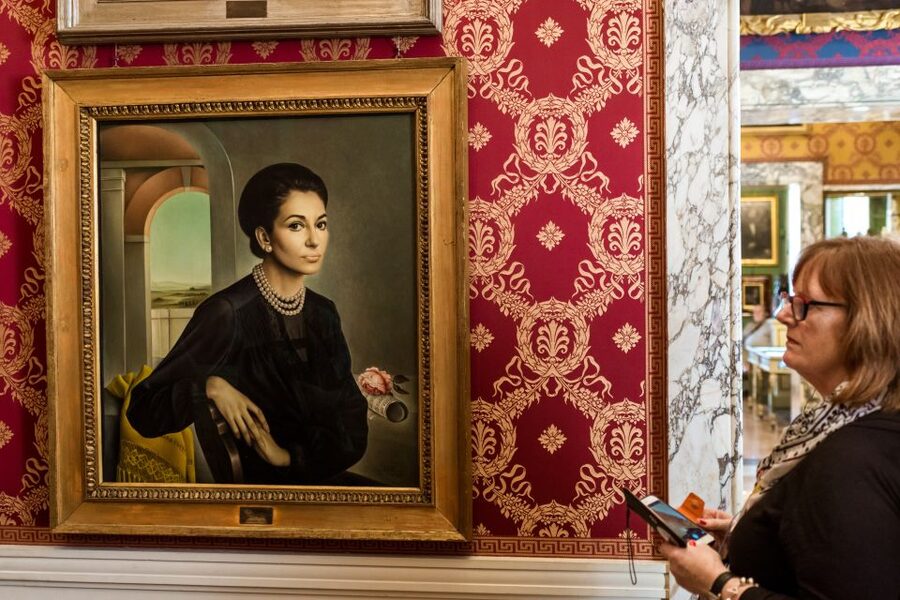
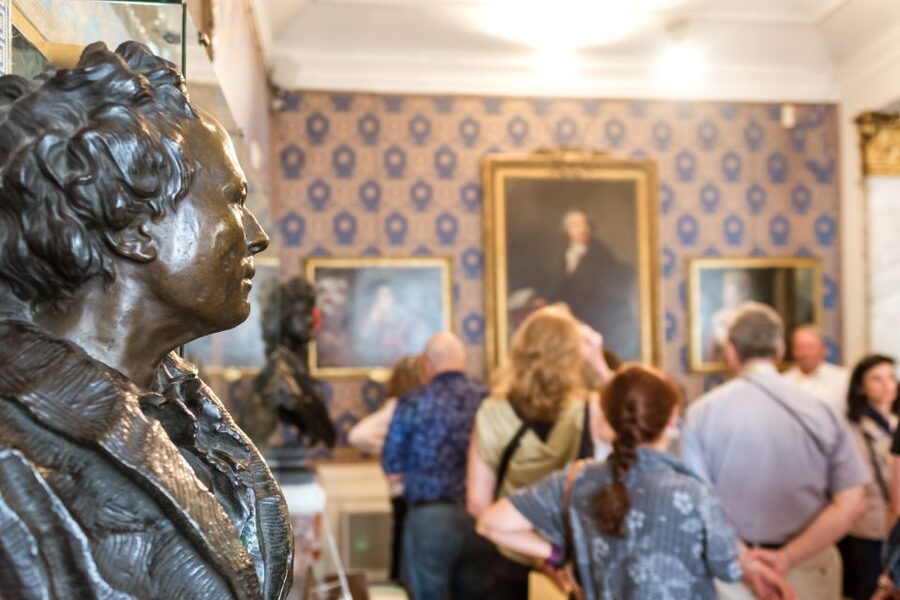
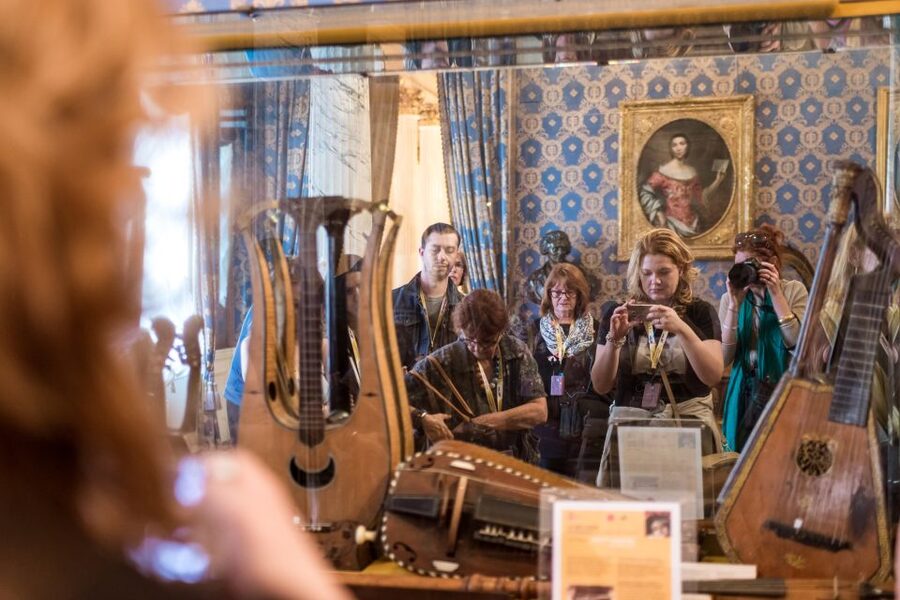
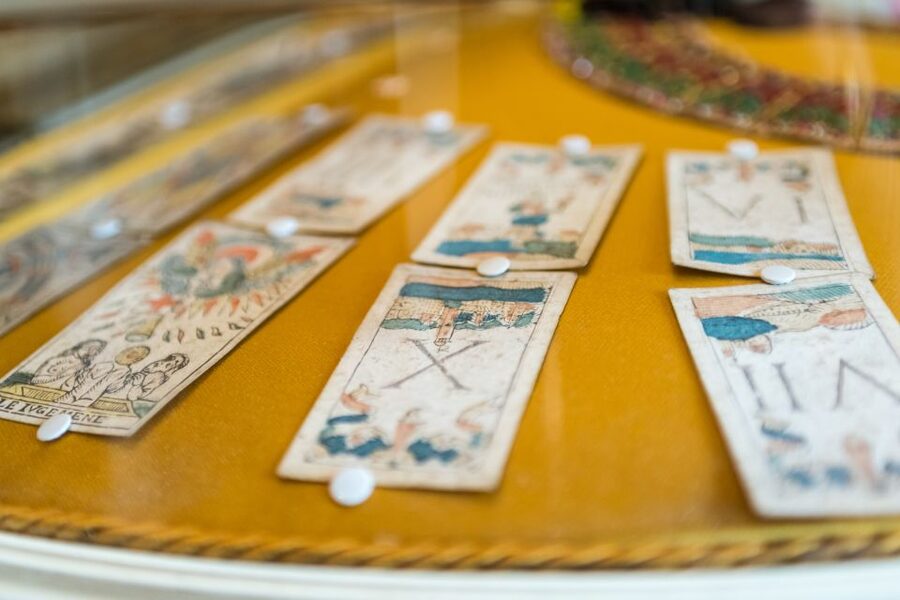
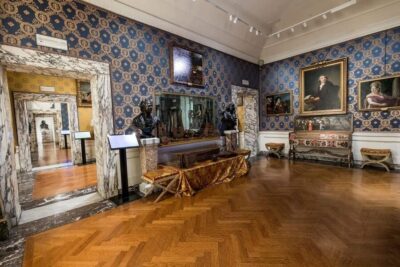
The museum gives the tour its historical backbone. The collection includes costumes, instruments, portraits, busts, paintings, and other music-related objects. It is not a vast museum that requires several hours. You can see the main displays in the time available, especially with a guide pointing out the important pieces.
The portraits and busts help you connect names with faces. Giuseppe Verdi and Arturo Toscanini are among the major figures represented. The guide may also explain the careers and connections of other musicians who performed or worked at La Scala.
Costumes are useful because they show how opera communicates through design as well as sound. Instruments offer another way into the subject, especially if you are not familiar with opera production. The objects make the museum more than a wall of famous names.
Some people may find the museum too small if they expect a full music museum. Much of its display centers on portraits and theater-related pieces, so the appeal is strongest when you see it as an extension of La Scala rather than a separate major attraction.
A temporary exhibition may also be present. One visit included an exhibition devoted to Maria Callas, which added another layer to the experience. The exact temporary display can change, so do not book on the assumption that a particular exhibition will be showing.
What the guide adds to the experience
The guide is the main reason to pay more than the basic entrance cost. A standard admission ticket has been available for about €12, while this guided experience costs $34 per person. Prices can change, but the comparison is useful.
You are paying roughly $22 more for a guide, organized entry, and an explanation of the theater and museum. That is fair value if you want context, have limited time, or would otherwise walk through without understanding what matters. It is less compelling if you prefer to read displays quietly and make your own way around.
The best guides turn small details into memorable ones. Renata was described as passionate and engaging, while Beatrice was praised for combining strong knowledge with an enthusiastic delivery. Valentina was noted for giving a clear one-hour tour and leaving time to explore afterward. Other guides, including Claudia and Samantha, have also received warm praise for their presentation and attention to the group.
The style can vary. One departure had more explanation in French than English because most of the group spoke French. Another guide was described as soft-spoken, so the headset made a difference. If you have hearing concerns, confirm that audio equipment is being used at the start and stay close to the guide.
A few people wanted more anecdotes. That is a useful warning for visitors who love colorful stories about performers and scandals. Some guides focus more on facts and objects, while others bring in more personal tales and theater lore.
How the one-hour schedule works
The stated duration is one hour. That is enough for a guided look at the theater and the main museum rooms, but it is not enough for a leisurely study of every display.
A typical flow is:
- Meet the guide at the museum entrance.
- Enter the La Scala Museum and hear about its collection and major musical figures.
- Move to a viewing area for the theater and auditorium.
- Look into the boxes and take in the chandelier and stage.
- Return to museum areas or continue through displays, depending on theater operations.
- Finish the guided portion and, when allowed, spend extra time exploring on your own.
The order can change. Rehearsals, special events, and theater access rules affect the route. Some people have been allowed to remain after the guided portion and look again at the boxes or museum. That extra time is not the main promise of the tour, but it can make the $34 price feel better.
The short length works well for a first Milan visit. You can fit it before or after the Duomo, and you will still have time for lunch, the Galleria, or another museum. If you are deeply interested in opera, however, one hour may leave you wanting more.
Price, access, and what to leave behind
At $34 per person, this is a mid-priced cultural activity for Milan. The value is strongest when you want a guide and skip-the-line access, rather than simply entry to the rooms.
Food and drinks are not included, and they are not allowed inside. Pets are also not allowed. Leave large bags and luggage elsewhere, since these cannot be brought in.
The experience is wheelchair accessible. Exact movement through the theater can depend on which areas are open during rehearsals or special events, so anyone needing a specific route should confirm details before booking.
Free cancellation is available up to 24 hours in advance for a full refund. You can also reserve now and pay later, which helps if your Milan schedule is still shifting. Neither option protects you from arriving late, so the meeting time remains the key practical detail.
Who should book this La Scala tour?
I would choose this tour if you are curious about opera but do not know where to start. The guide gives you a framework, and the museum provides enough objects and portraits to make the theater feel connected to real artists and performances.
It also suits classical music fans who want to see the room associated with major conductors and singers. The chance of hearing a rehearsal is especially appealing if you care about stage work, ballet, opera, or theater design.
Families and mixed-interest groups may also find the one-hour length useful. You can see a major Milan institution without asking everyone to spend an entire afternoon on music history.
I would be more cautious if you mainly want a performance. This tour does not include an opera or ballet ticket, and rehearsal access is not guaranteed. You should also think twice if you dislike group schedules or prefer to linger over museum objects without a guide.
Should you book the La Scala Theater and Museum tour?
Book it if you want a clear, guided introduction to one of Milan’s most important theaters. The auditorium view from the boxes, the chandelier, and the museum collection make a strong one-hour visit, while the guide supplies the context that a self-guided entry may lack.
The $34 price is reasonable for the organized access and live explanation, though a basic entrance ticket is cheaper if you are happy to explore alone. Arrive early, keep your expectations realistic about backstage areas, and treat a rehearsal as a lucky extra rather than a guarantee.
For an opera lover, this is a good first look. For everyone else, it is a compact cultural stop that works best when paired with Milan’s nearby cathedral and galleries.
FAQ
How long does the La Scala Theater and Museum tour last?
The guided experience lasts one hour.
How much does the tour cost?
The listed price is $34 per person.
Where is the meeting point?
Meet at the entrance of the La Scala Museum, to the right of the restaurant Il Foyer, at Largo Antonio Ghiringhelli 1 in Milan.
What languages are available?
The live guide may conduct the tour in Italian, German, Spanish, English, or French.
What parts of La Scala can I see?
You can visit the La Scala Museum and view the theater from the third-level boxes, including the auditorium, stage, and crystal chandelier.
Is rehearsal access guaranteed?
No. The theater visit may be restricted during rehearsals or special events. You might see or hear a rehearsal, but this is not guaranteed.
Can I bring food, drinks, pets, or large luggage?
No. Food, drinks, pets, and large bags or luggage are not allowed.
Is the experience wheelchair accessible?
Yes, the activity is listed as wheelchair accessible.
What happens if I arrive late?
Late entry is not allowed, and no refund is available if you miss the scheduled entry because of a delay.
Just added around Milan
- Milan: Ticket to the Museum of Senses with SenseKit included★ 3.9 · 507 reviews
- Milan: San Siro Stadium and Museum Official Guided Tour★ 4.4 · 273 reviews
- Milan: Skip-the-Line Duomo & La Scala Museum Guided Tour★ 4.3 · 195 reviews
- Milan: Natural History Museum Entry Ticket & Audio Guide★ 4.2 · 25 reviews
- Milan: Leonardo da Vinci Galleries Guided Tour+Museum Ticket★ 4.5 · 78 reviews
- Milan: Museum of the 900 Entry Ticket with Audio Guide★ 4.4 · 72 reviews
- Milan: Pinacoteca Art Gallery and Brera District Guided Tour★ 4.8 · 326 reviews
- La Scala Theatre and Museum guided experience★ 4.5 · 664 reviews
Museum Tours in Milan, compared.
Leonardo3 The World of Leonardo Museum Entry Ticket
Read our review →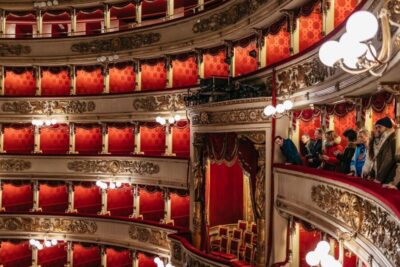
La Scala Theater and Museum Tour with Entry Tickets
Read our review →
San Siro Stadium and Museum Official Guided Tour
Read our review →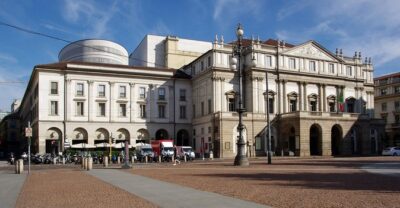
Browse the lists this tour appears in