
Review · MILAN
Milan: Entrance Ticket to La Scala Theatre Museum
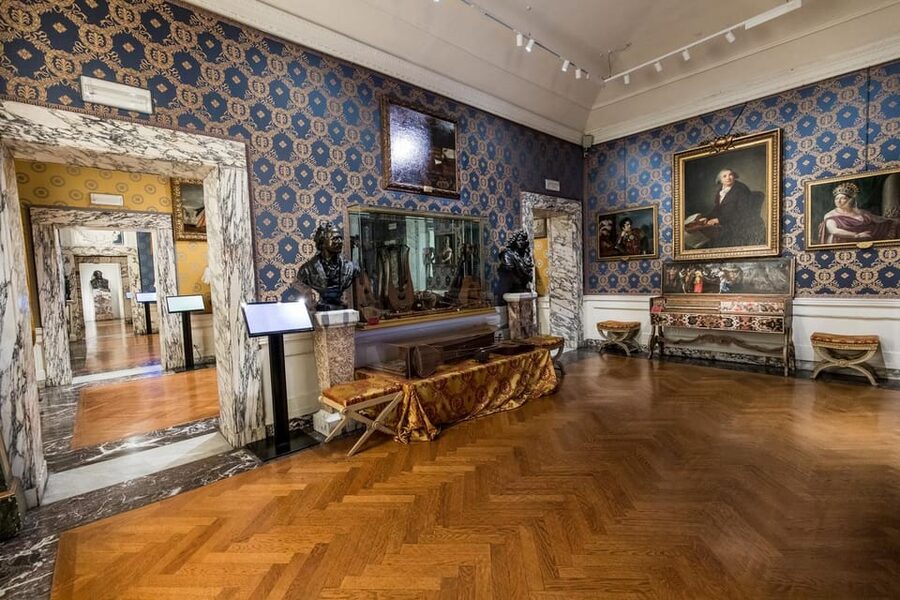
La Scala is more than a museum. It is a working opera house, and the best part of this visit is the chance to look into its grand auditorium, where Verdi, Rossini, Pavarotti, and Maria Callas are part of the story. The museum then fills in the details with costumes, instruments, portraits, and old performance material.
I like the central location, just steps from the Duomo and Galleria Vittorio Emanuele II. I also like the mix of objects and atmosphere: you get historical displays, then a real glimpse into the elegant theatre itself. The main thing to watch is theatre visibility, since rehearsals or lighting conditions can limit how much of the auditorium you see.
Key points to know before you go
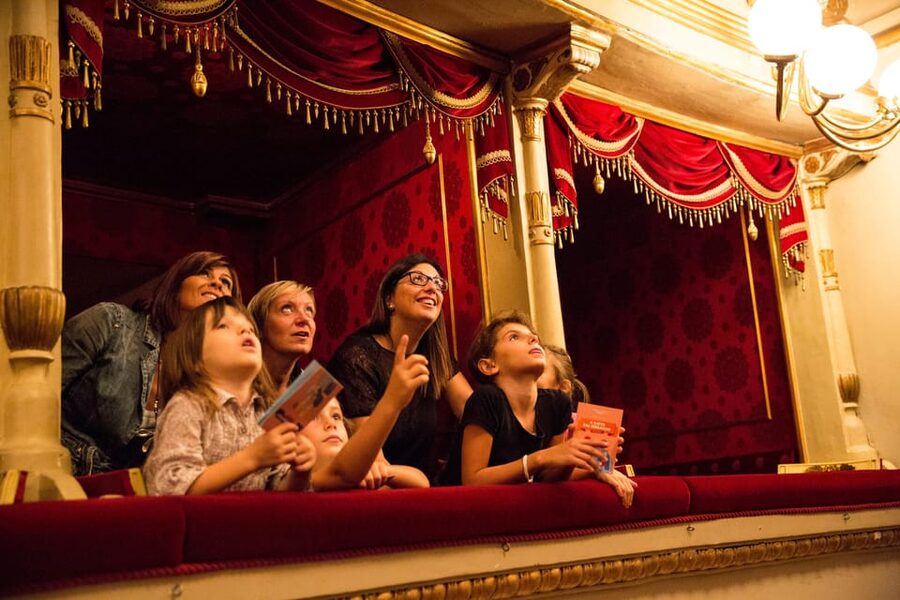
- The auditorium is the prize: The theatre view can be more memorable than the museum displays, so check visibility before booking.
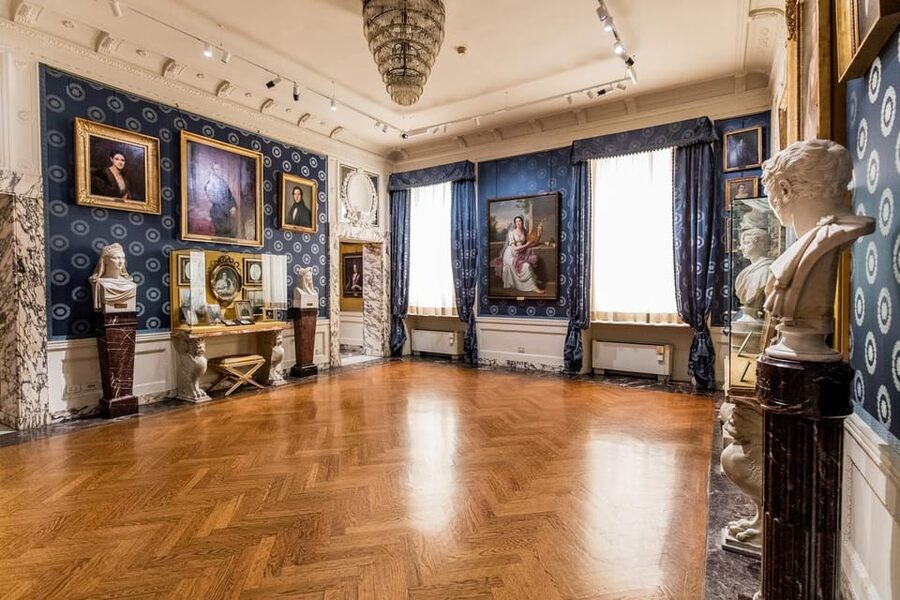
- Two experiences in one: You see La Scala’s elegant interior and a museum filled with costumes, set designs, instruments, portraits, and busts.
- A smart Duomo-area stop: The museum is close to Milan Cathedral and the Galleria, making it easy to add between major sights.
- Seven-language audio: Download the app audioguide at the museum for more context as you move through the exhibits.
- Allow a flexible visit: The ticket is valid for one day, but access to the best auditorium views can vary with theatre activity.
- Pack light: Large bags and backpacks must go to the cloakroom, and luggage is not allowed inside.
Seeing La Scala beyond the famous name
La Scala carries a special weight in Milan. It opened in the late 18th century and became one of Italy’s best-known opera houses. You do not need to be an opera expert to appreciate the place. The visit gives you a clear look at how a theatre becomes part of a city’s identity through music, performers, design, and public memory.
I would begin by thinking of this as a visit to both a museum and a working venue. The museum explains the people and productions connected with La Scala. The theatre gives you the physical setting, with its formal design and auditorium offering a sense of the scale of an opera night.
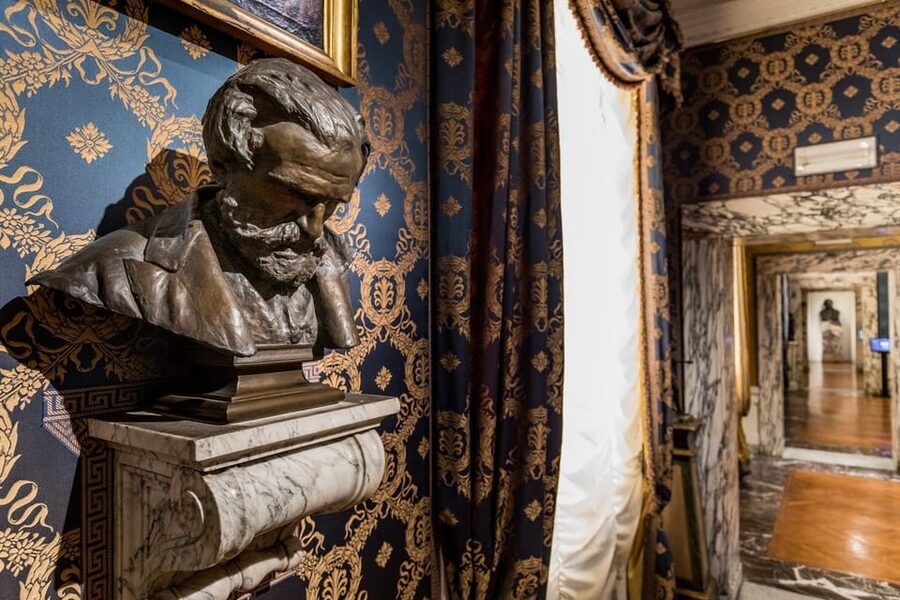
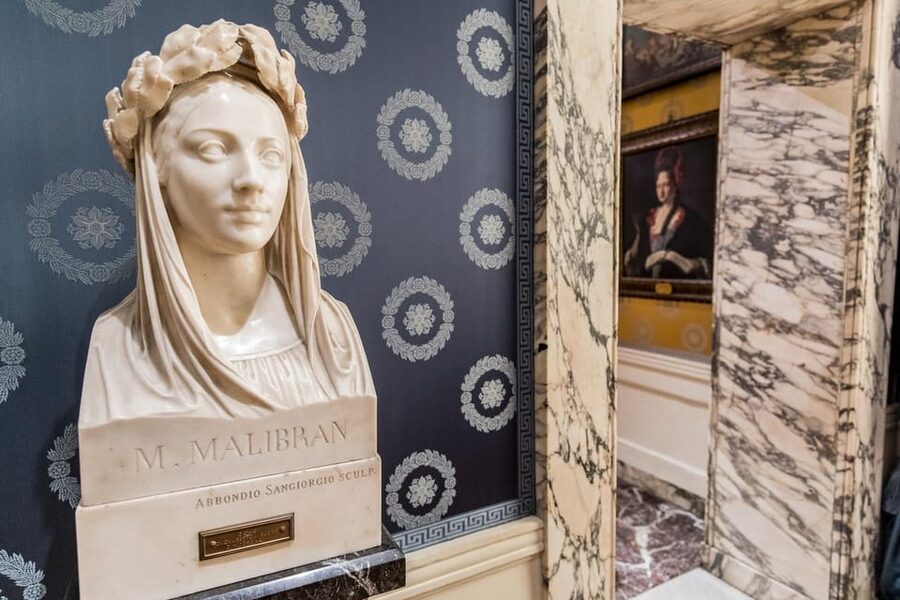
The names attached to the building are a major part of the appeal. Giuseppe Verdi and Gioachino Rossini connect La Scala with the great Italian opera tradition. Luciano Pavarotti and Maria Callas bring the story into the modern era. Their presence is represented through portraits, busts, images, and performance material rather than through a live show.
That distinction matters. This ticket does not take you to an opera or ballet performance. It gives you a look behind the curtain of the institution, with a chance to understand what has happened on its stage over more than 200 years.
More Museum Tours in Milan
- Milan: Leonardo3 The World of Leonardo Museum Entry Ticket
★ 4.4 · 3,936 reviews - Milan: La Scala Theater & Museum Guided Experience
★ 4.1 · 2,931 reviews - Milan: “Museo Teatrale Alla Scala” Guided Tour
★ 4.6 · 2,513 reviews
The museum collection: costumes, instruments, and stagecraft
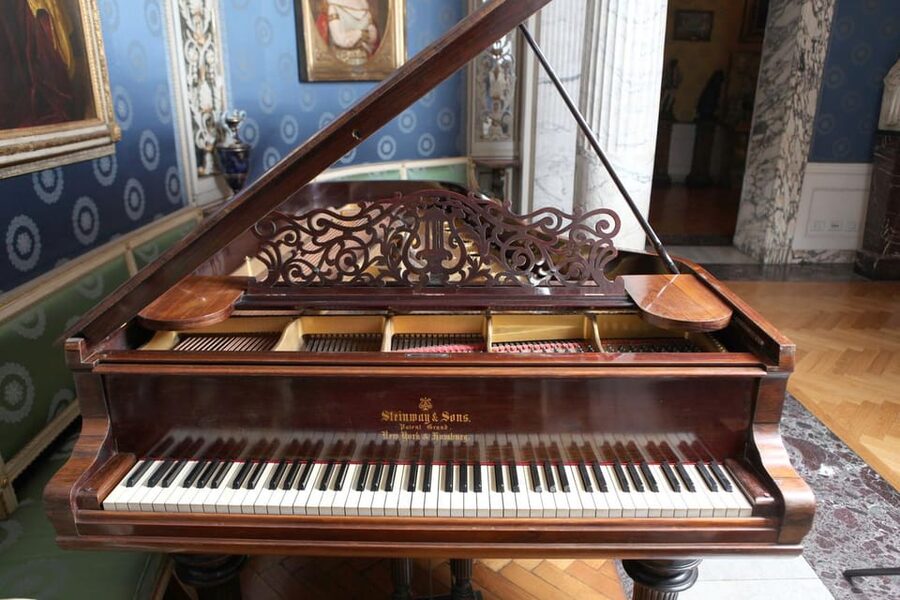
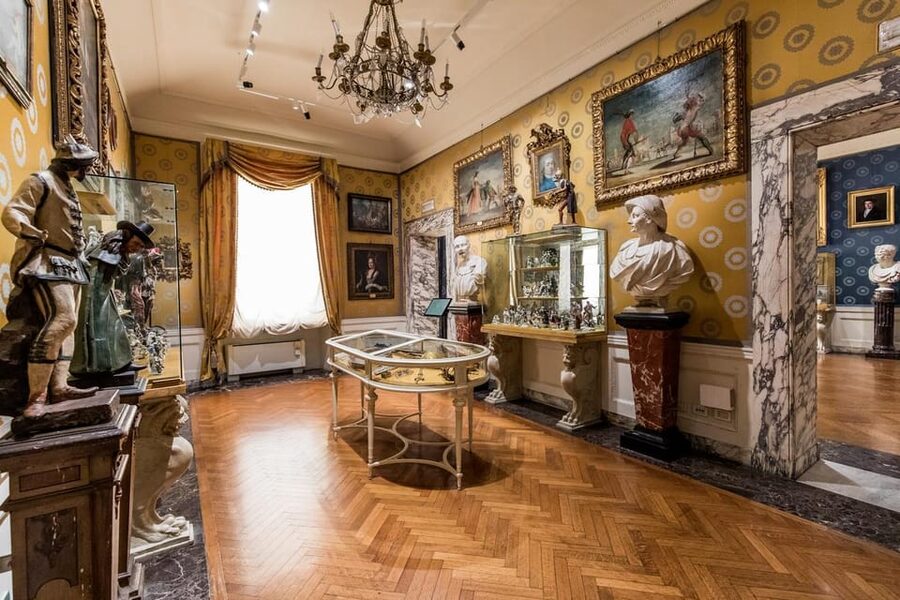
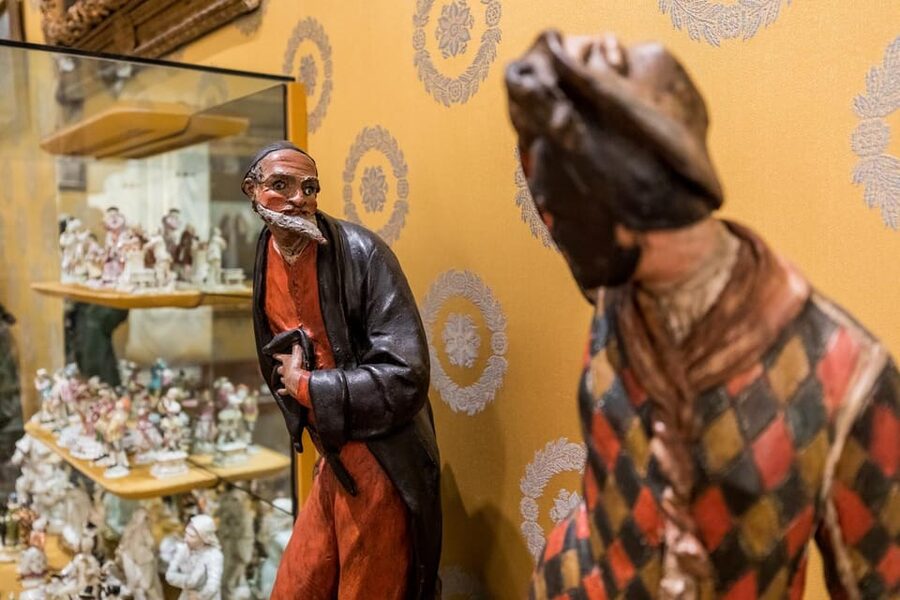
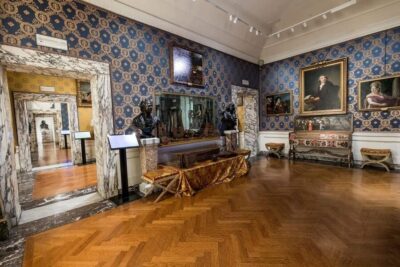
The La Scala Theatre Museum is not a single room of famous names. Its displays cover the practical and artistic work that makes opera possible. Costumes show how performers were dressed for particular productions. Set designs reveal how scenes were planned before they reached the stage. Musical instruments connect the visual displays to the sound that defines the theatre.
I like this combination because it keeps the visit from becoming only a portrait gallery. You see the public face of opera, but you also get clues about the work behind each production. A costume tells you about character and period. A set design shows how a production imagined its world. An instrument makes the museum feel tied to actual performance rather than just celebrity memorabilia.
The collection also includes posters and material from earlier performances. These can help you follow how La Scala changed over time and how its productions were presented to the public. Visual media and videos add useful context, especially if you are visiting when no opera is being performed.
You might find the museum more interesting than expected if you enjoy theatre, design, music, or social history. It also works for a mixed group. One person can focus on famous singers, another on costumes and scenery, while someone else simply enjoys the building.
The app audioguide is available in seven languages and can be downloaded at the museum. I would use it rather than rushing through the displays. The objects have more meaning when you understand the production or performer connected to them, and the audio gives you a way to set your own pace.
The auditorium view is the part to plan around
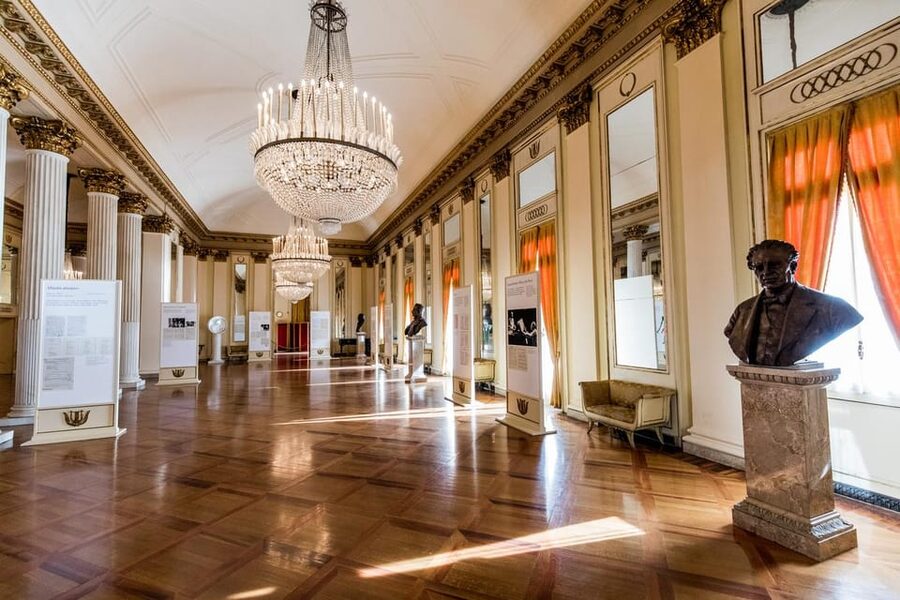
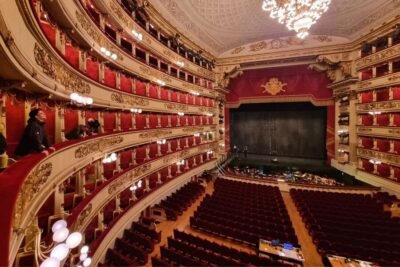
The museum is worthwhile on its own, but the glimpse into the auditorium is usually the moment that gives the visit its strongest sense of place. From the viewing area, you can see the formal interior of the opera house and understand why simply looking into the room feels different from studying photographs.
The exact view is not guaranteed to be the same every day. Theatre activity, rehearsals, and lighting can affect what you see. On one visit, you might watch a rehearsal taking place. On another, you might be limited to a view from higher seats or through an upper area rather than entering the main auditorium floor.
This is not necessarily a problem, but it is important to know before you arrive. If seeing the full interior is your main reason for booking, check the theatre visibility information at the official museum website before setting out. The museum specifically advises checking whether the theatre lights are on for the best view.
That small check can make a real difference. If the auditorium is clearly visible, the ticket feels like a chance to see one of Milan’s most famous interiors at close range. If the lighting is poor or theatre activity restricts access, the museum remains open, but the visit may feel less complete.
I would also avoid planning the stop around a promise of a live rehearsal. A rehearsal may be taking place, but it is not a scheduled part of the ticket. Treat it as a possible bonus, not as something included every time.
Why the central location works so well
La Scala is close to two of Milan’s most important sights: the Cathedral and the Galleria Vittorio Emanuele II. That makes this one of the easier cultural stops to fit into a day in the historic center.
You can combine it with the Duomo area without setting aside a separate half-day. After looking around the cathedral or walking through the Galleria, you can continue to La Scala for a quieter, more focused visit. The contrast works well. The cathedral and shopping arcade give you grand public spaces, while La Scala offers a more specialized look at Milan’s musical life.
The location also helps if you are short on time. You do not need to plan transport between distant parts of the city for this stop. Since the ticket is valid for one day, check the available starting times and fit it around the rest of your schedule.
I would not treat it as a rushed ten-minute photo stop, though. The building may be close to other sights, but the museum displays reward attention. Give yourself enough time to look at the costumes, stage designs, instruments, portraits, and videos, then allow extra flexibility for the auditorium viewing conditions.
A few more museum visits around Milan worth comparing
- Milan: Entrance Ticket to La Scala Theatre Museum
★ 4.3 · 2,098 reviews - Milan: La Scala Theater and Museum Tour with Entry Tickets
★ 4.7 · 1,722 reviews - Casa Milan: Museum Entry Ticket
★ 4.6 · 969 reviews - Milan: Ticket to the Museum of Senses with SenseKit included
★ 3.9 · 507 reviews
How much value do you get for $17?
At $17 per person, this is a reasonably priced way to see a major Milan cultural landmark without paying for an opera performance. The value depends heavily on what you want from the visit.
If your goal is to attend a live opera, the ticket will not meet it. You are paying for museum access and the chance to view the theatre, not for a seat at a performance. Opera and ballet tickets are a different kind of outing, with different prices and planning needs.
For a museum visit in the center of Milan, the ticket offers a useful amount of content. You get the collection, the theatre interior when visible, and an audioguide in seven languages. The nearby location adds practical value because you can combine the stop with the Duomo and Galleria rather than making a special journey across town.
The price feels strongest when the auditorium is well lit and accessible. That is the part you cannot reproduce by looking at museum objects alone. If only a restricted upper view is available, the museum still provides a solid cultural visit, but you may judge the ticket differently if the theatre itself was your main target.
The skip-the-ticket-line arrangement can also save time, though staff instructions at the entrance may not always make the process obvious. Have your booking ready and ask directly where to go if the queue is unclear.
What the visit feels like for different kinds of visitors
This experience suits you if you enjoy music, theatre, architecture, design, or Milan’s cultural story. It is also a good choice if you want something indoors near the Duomo, especially when you prefer a museum to another large church or shopping stop.
You do not need a background in opera. The displays provide enough material to follow the basic story, and the audio app can add explanation as you go. The famous names help anchor the visit, while the costumes and set designs give it a more practical side.
Families can also consider it, particularly if children respond to clothing, stage pictures, or instruments. The museum and theatre are accessible to wheelchairs and strollers, which makes the visit easier for many groups. Keep in mind that large bags and backpacks must be left in the cloakroom, so arrive with only what you need.
It may be less satisfying if you want an active, guided tour with constant commentary from a person. The included audio is app-based, not a standard live guide. One visitor singled out a staff member named Simona for her local historical information, but you should not assume that a personal guide or that specific staff member will be part of your visit.
I would also think twice if you are only interested in seeing the entire auditorium from the best possible angle. Since access can change during rehearsals or other theatre activity, the museum is a safer choice for anyone who values the exhibits as much as the room itself.
A practical plan for your visit
Check the theatre visibility page before you go. This is the most useful step because it tells you whether the lights are on and helps you judge the likely quality of the auditorium view.
Choose a starting time that leaves room around your Duomo plans. The ticket is valid for one day, but you still need to check availability for the times offered on your chosen date.
Travel with a small bag. Large luggage and large backpacks are not allowed in the museum areas and must be checked into the cloakroom. This is particularly important if you are moving through Milan with a suitcase.
At the entrance, look for clear instructions about the ticket line. The skip-line process may not be immediately obvious, so ask the staff rather than waiting in the wrong queue.
Once inside, take the museum at a steady pace. Start with the objects and images that interest you most, then use the audioguide to fill in the background. Save enough attention for the theatre view, since that is the part most affected by conditions on the day.
If you are lucky enough to see a rehearsal, watch quietly and follow staff directions. The theatre remains a working place, not only an exhibit, so access may be limited during preparation for a performance.
Booking flexibility and accessibility
The ticket includes free cancellation up to 24 hours before the visit for a full refund. You can also reserve now and pay later, which is useful if your Milan schedule is still shifting.
The ticket is valid for one day, with starting times based on availability. That gives you some planning freedom, but it does not remove the need to select a time that works for your date.
The theatre and museum are wheelchair accessible, and strollers are allowed. Large bags and backpacks must be checked into the cloakroom, while luggage is not allowed inside.
The experience is provided by Vivaticket SPA Teatro Alla Scala. The app audioguide can be downloaded at the museum and is offered in seven languages.
Should you book La Scala Theatre Museum?
I would book this for the combination of historic theatre atmosphere and practical museum displays, especially if you are already visiting the Duomo area. At $17, it is a sensible cultural stop, and the chance to see the auditorium gives the visit a purpose beyond looking at old posters and portraits.
Before paying, check the theatre visibility information. If the lights are on and the auditorium is likely to be clearly visible, the ticket offers its best value. If the theatre view is restricted, you can still enjoy the museum, but you should book because you want the collection as well, not only the famous room.
For opera fans, design lovers, and anyone curious about Milan’s performing arts, this is an easy recommendation. For someone expecting a live opera, it is the wrong ticket. Go for the story, the objects, and the chance to look into one of Italy’s most important opera houses.
FAQ
What does the La Scala Theatre Museum ticket include?
It includes entrance to the La Scala Theatre Museum, access to the museum exhibits, and an app audioguide available in seven languages.
Can I see the La Scala auditorium?
You can view the theatre, but the exact visibility can vary. Lighting, rehearsals, and theatre activity may affect access. Check the museum’s theatre visibility information before your visit.
Is this ticket for an opera or ballet performance?
No. The ticket provides access to the museum and a view of the theatre. It does not include an opera or ballet performance.
How long is the ticket valid?
The ticket is valid for one day. Check availability for the starting times offered on your chosen date.
Is La Scala Theatre Museum close to the Duomo?
Yes. The museum is just steps from Milan Cathedral and the Galleria Vittorio Emanuele II.
Is the museum wheelchair and stroller accessible?
Yes. The theatre and museum are accessible to wheelchairs and strollers.
Can I bring luggage or a large backpack?
No. Luggage and large bags are not allowed inside. Large bags and backpacks must be checked into the cloakroom.
Just added around Milan
- Milan: Ticket to the Museum of Senses with SenseKit included★ 3.9 · 507 reviews
- Milan: San Siro Stadium and Museum Official Guided Tour★ 4.4 · 273 reviews
- Milan: Skip-the-Line Duomo & La Scala Museum Guided Tour★ 4.3 · 195 reviews
- Milan: Natural History Museum Entry Ticket & Audio Guide★ 4.2 · 25 reviews
- Milan: Leonardo da Vinci Galleries Guided Tour+Museum Ticket★ 4.5 · 78 reviews
- Milan: Museum of the 900 Entry Ticket with Audio Guide★ 4.4 · 72 reviews
- Milan: Pinacoteca Art Gallery and Brera District Guided Tour★ 4.8 · 326 reviews
- La Scala Theatre and Museum guided experience★ 4.5 · 664 reviews
Museum Tours in Milan, compared.
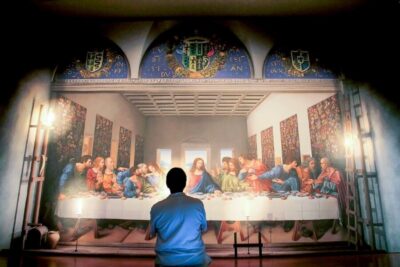
Leonardo3 The World of Leonardo Museum Entry Ticket
Read our review →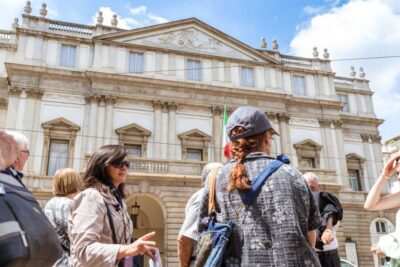
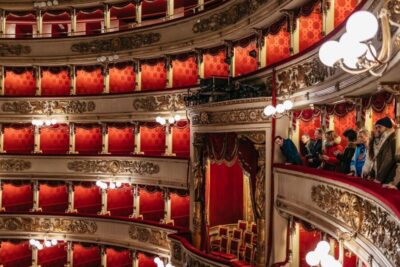
La Scala Theater and Museum Tour with Entry Tickets
Read our review →
San Siro Stadium and Museum Official Guided Tour
Read our review →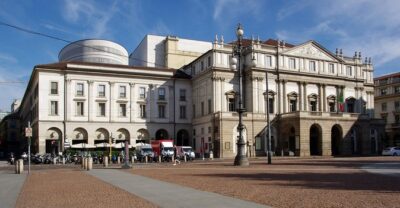
Browse the lists this tour appears in