
Review · SPAIN
Malaga: Picasso’s Birthplace Museum Entrance Ticket
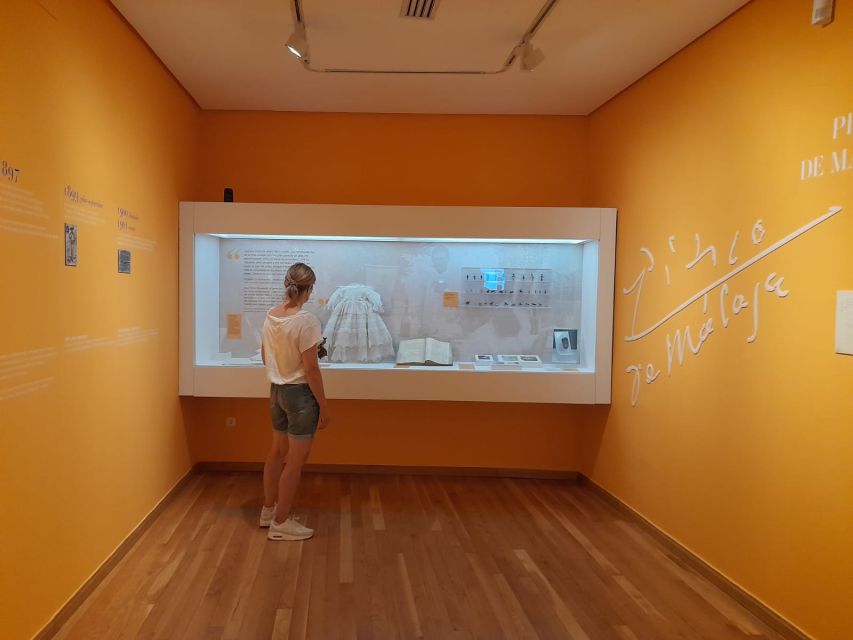
Picasso’s birthplace is not a grand palace or a huge art hall. It is a modest home on Plaza de la Merced, where the artist was born in 1881. That scale is part of the appeal. You get a close look at his family life, early training, and the Malaga influences that stayed with him long after he left. I especially like the personal objects, including his baby shirt and first walking shoes, and the way the museum links doves, bullfighting, nudes, and the Mediterranean to his work.
I also like the low price and manageable size. At about $4.71, this is an easy addition to a day in central Malaga, and you can see it in roughly an hour. The tradeoff is that it is a small museum, not a full survey of Picasso’s career, and the English audio guide may sound computer-generated to some listeners. If you want a large display of major Cubist paintings, this is not the right substitute for the Museo Picasso Málaga.
Key points to know before you go
- Picasso’s actual birthplace: Visit the apartment on Plaza de la Merced 15 where Pablo Picasso was born.
- Nine rooms with a clear theme: The museum connects Malaga to Picasso’s childhood, artistic training, family, and recurring subjects.
- Personal items make the visit human: See early family photographs, portraits, a baby shirt, walking shoes, sketchbooks, and other mementos.
- Works by Picasso and his father: The first floor includes art by Pablo Picasso and his father, José Ruiz Blasco.
- A second art collection: The museum holds more than 3,500 contemporary works by over 200 artists, including graphic art by Miró, Bacon, Ernst, and Matta.
- Good value for a short stop: The ticket covers the permanent exhibition, temporary exhibition, and audio guide, with entry valid for one day after first use.
Entering Picasso’s birthplace on Plaza de la Merced
The Museo Casa Natal de Picasso sits at Plaza de la Merced 15, a handy location for a central Malaga walking day. The address matters because this is not simply a museum named after Picasso. It is the building where he was born, and that physical connection gives the visit its strongest pull.
You begin with the setting rather than a grand introduction to Cubism. The house places Picasso in Malaga, surrounded by the family circumstances and local culture that shaped his first years. The museum’s purpose is less about presenting a parade of famous masterpieces and more about explaining the person behind them.
That makes this a useful first Picasso stop if you know only the name and the famous angular paintings. It also works well after the larger Museo Picasso Málaga, when you want a quieter look at his beginnings. One ticket does not replace the other. The larger museum gives you more room for Picasso’s mature work, while the birthplace museum gives you family context and early development.
The entrance is skip-the-ticket-line, and the ticket remains valid for one day from first activation. The museum is wheelchair accessible. Last entry is 30 minutes before closing, so do not leave this stop until the final few minutes of your afternoon.
More Picasso museum visits:
- Barcelona: Picasso Museum Skip-the-Line Guided Tour
★ 4.5 · 3,355 reviews - Picasso Museum Skip-the-Line Guided Tour
★ 4.5 · 1,079 reviews - Barcelona: Small Group Picasso Tour with Picasso Museum
★ 4.6 · 698 reviews
Nine rooms that explain Malaga’s influence
The permanent exhibition is arranged across nine rooms. You move through Picasso’s early life and artistic formation while learning why Malaga mattered to his imagination.
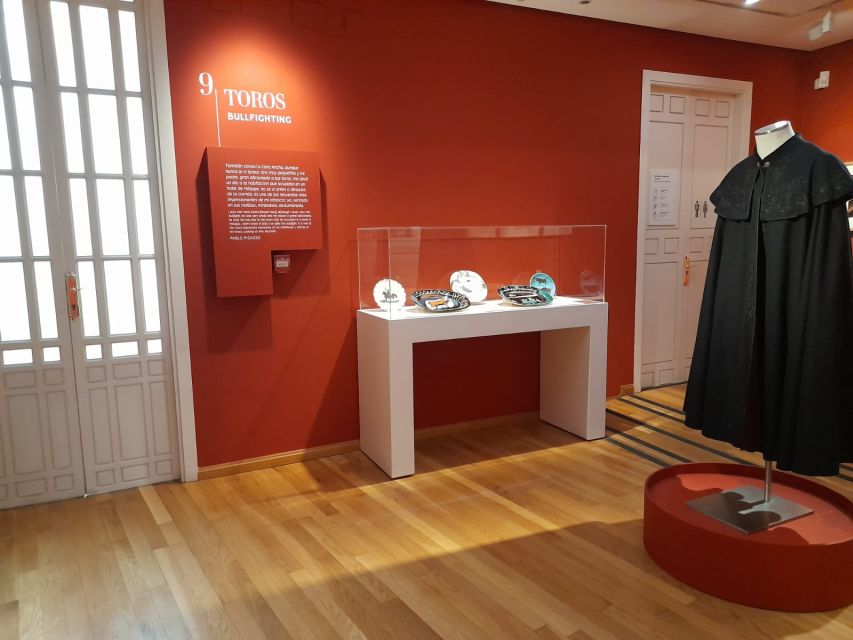
The useful idea here is connection. Instead of treating every painting as an isolated object, the museum points to recurring subjects and local influences. You learn about the importance of bullfighting, doves, nudes, and the Mediterranean, along with Picasso’s family and early education.
Bullfighting is especially important in understanding the force and movement found in Picasso’s work. Doves connect to both his childhood imagery and his later peace-related work. The museum also helps you see that these were not random symbols added for decoration. They grew from the world Picasso knew and remembered.
The references to Malaga give the visit a local angle. Picasso spent only his early years in the city, but the museum presents Malaga as a lasting source of images, memory, and identity. If you are already familiar with Picasso’s career, this section may help you read familiar subjects with more context. If you are new to him, it gives you a simple framework for looking at the objects and art that follow.
Descriptions are available in Spanish and English for the works. That is helpful when you want to proceed without depending entirely on the audio guide.
Family photographs, a baby shirt, and first shoes
The most affecting section is not necessarily the one with the best-known artwork. It is the material connected to Picasso’s childhood.
You can see objects from his early life, including a baby shirt and the shoes he learned to walk in. These are small things, but they change the tone of the visit. A famous artist can feel distant when seen only through museum labels and major works. A child’s clothing and shoes put him back into an ordinary family setting.
Photographs and portraits offer a similar connection. They give you a glimpse into the family around Picasso and help explain why his father, José Ruiz Blasco, receives attention in the display. Picasso’s father was an artist, and the first floor includes works by both father and son.
That comparison is one of the more useful parts of the museum. You are not just told that Picasso received early artistic training. You can see the family link and consider how a young artist developed within that environment. The museum does not need a long lecture to make the point. A few objects, images, and works can do it more effectively.
I would allow extra time for these personal displays even if you are mainly interested in paintings. They are what separates a birthplace museum from a standard collection of Picasso works.
Sketchbooks, lithographs, ceramics, and early artistic work
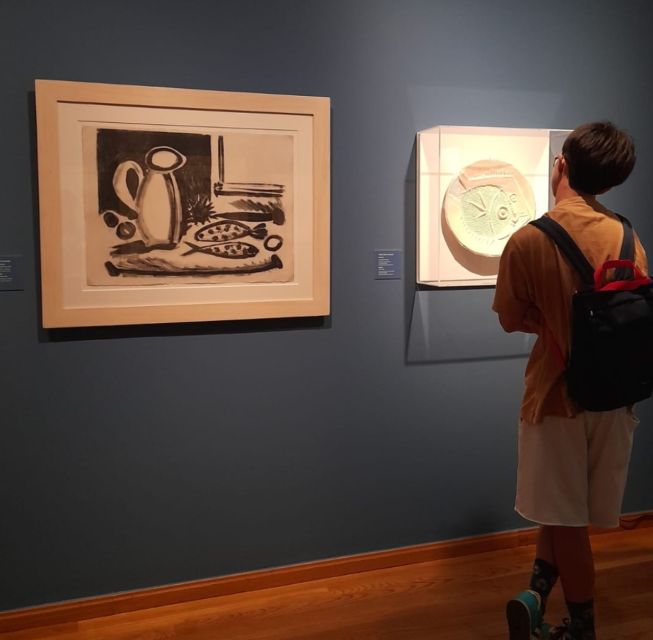
Picasso worked across many forms, and the museum reflects that range. Along with paintings and drawings, you may see sketchbooks, lithographs, ceramics, and other media.
The sketchbooks are particularly valuable because they show process. A finished painting tells you what Picasso decided to show. A sketchbook can reveal the testing, repetition, and changes that came before it. For visitors who find Picasso’s later work difficult, early drawings can offer a more direct way into his habits as an artist.
The ceramics add another side of his work. They remind you that Picasso’s career was not limited to canvas, and they give the collection a more varied rhythm than a room after room display of paintings.
The museum is not designed as a complete chronological account of every major period. It presents selected objects and themes, with special attention to Malaga and his first years. One visitor described the layout as chronological across Picasso’s lifetime, while the museum’s room themes also focus on specific influences. In practical terms, you can expect a clear path through his development, but not a full catalogue of every stage.
The ticket includes an audio guide in English, Spanish, French, German, Italian, and Chinese. Bring headphones. The guide lets you take the visit at your own pace, and it is useful when you want more background than the wall labels provide.
There is one small caution. The English narration may sound artificial to some listeners. If that bothers you, use it selectively and read the Spanish and English descriptions instead. The audio guide is included, not compulsory.
A few more museum visits around Spain worth comparing
- Madrid: Prado Museum Entry Ticket
★ 4.6 · 20,699 reviews - Barcelona: FC Barcelona Museum “Barça Immersive Tour” Ticket
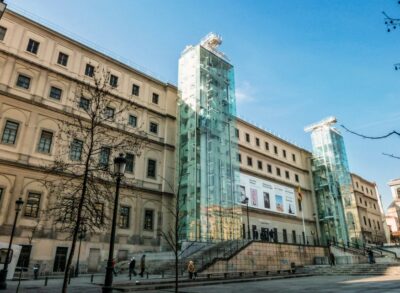
★ 4.4 · 10,944 reviews - Madrid: Reina Sofía Museum Entrance Ticket
★ 4.5 · 8,788 reviews - Barcelona: Park Güell and Gaudí House Museum Entry Ticket
★ 4.5 · 6,326 reviews
The contemporary collection beyond Picasso
The museum also contains more than 3,500 works of contemporary art by over 200 artists. This is easy to overlook if you arrive focused only on Picasso’s birthplace.
The collection includes a substantial group of graphic works by artists such as Miró, Bacon, Ernst, and Matta, along with contemporary artists from the 1950s to the present. This broadens the visit from biography to modern art.
The exact balance between Picasso material and the contemporary collection may depend on the exhibitions available during your visit. Still, the second collection is worth knowing about before you arrive. It means the museum is not only a house museum with a few family objects. You may find another set of rooms with very different ideas, techniques, and personalities.
For some people, this is a welcome bonus. You can connect Picasso’s experiments with the wider modern art world. For others, it may feel like a change of subject just when the early-life story has gathered pace. I would treat it as an extra collection rather than the main reason to buy the ticket.
Temporary exhibitions and the former Picture of Picasso display
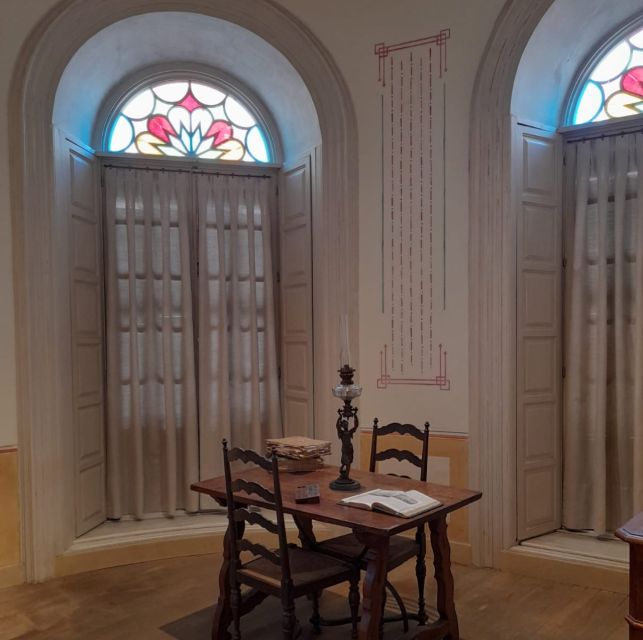
Your ticket includes the temporary exhibition as well as the permanent collection. Temporary shows can change, so check the current program rather than assuming the exhibition described here is still on display.
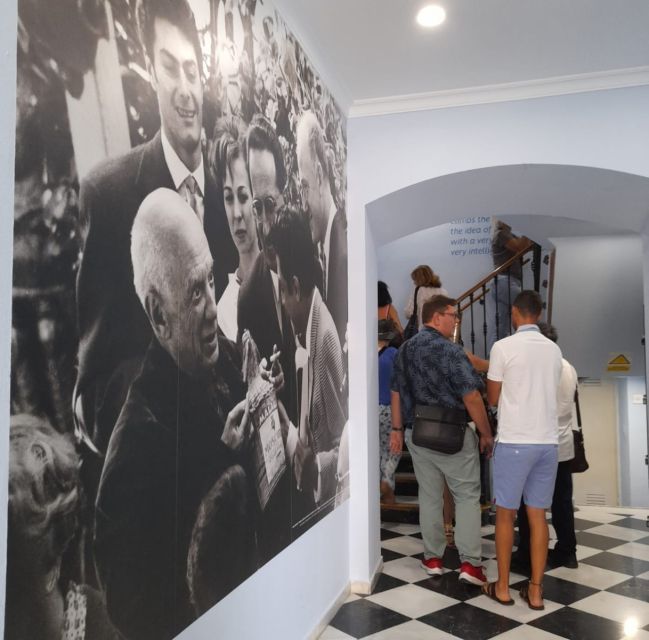
The listed Picture of Picasso exhibition ran until April 28, 2024. It looked at Picasso through the ways other forms of culture presented him, including books, newspapers, social networks, advertising, photography, comics, film, television, and popular music.
That approach is different from a traditional painting exhibition. Instead of asking only what Picasso made, it asks how his image moved through public culture and how other creators interpreted him. It can help you understand Picasso as both an artist and a widely reproduced public figure.
If a similar temporary show is running during your visit, set aside time for it. The museum’s small size makes it possible to see both the birthplace rooms and a temporary display without turning the stop into a half-day commitment.
How long to allow, and when to visit
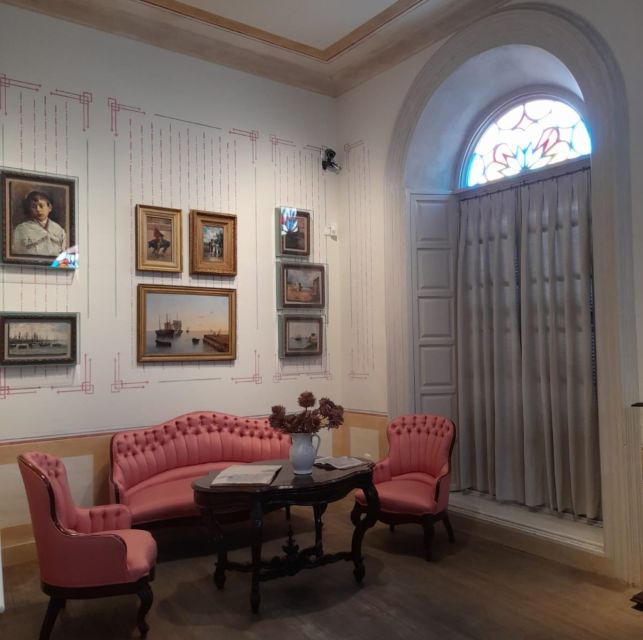
Most people can see the museum in about an hour, or a little less if they move quickly. The audio guide can stretch the visit because it adds context and lets you pause at your own pace.
That makes the museum a good afternoon activity, especially if you want something focused but not exhausting. It also fits neatly between other central Malaga sights. You do not need to build an entire day around it.
Opening time can be a smart choice if you want to look carefully at the displays. Late afternoon can also work. The museum is free every Sunday from 4:00 PM until closing, and it is free for unemployed and disabled people. If you visit on Sunday, remember that the free period starts at 4:00 PM, not at the beginning of the day.
One useful tip is to avoid the busiest afternoon period if you can. A visit after 7:00 PM, when the museum closes at 8:00 PM, has been a quiet option in the past. Check the current closing time before relying on that plan, and leave enough time for the final entry rule, which is 30 minutes before closing.
Is the $4.71 ticket good value?
At about $4.71 per person, this is one of the easier cultural purchases in Malaga. The ticket includes both the permanent and temporary exhibitions, plus the multilingual audio guide. For a visit lasting around an hour, the value is strong.
The calculation changes only if you expect a major collection of famous Picasso paintings. The museum is small, and several of its strongest moments come from biography, family objects, and early work rather than blockbuster pieces.
I would call it especially good value for three types of visitors:
- You want to see the actual house where Picasso was born.
- You are interested in the artist’s family, training, and early influences.
- You have already seen, or plan to skip, the larger Museo Picasso Málaga and want a shorter alternative.
The online booking process is useful if you want to save time at the entrance. Since the activity is non-refundable, make sure your Malaga schedule is firm before purchasing.
Who should book this museum visit?
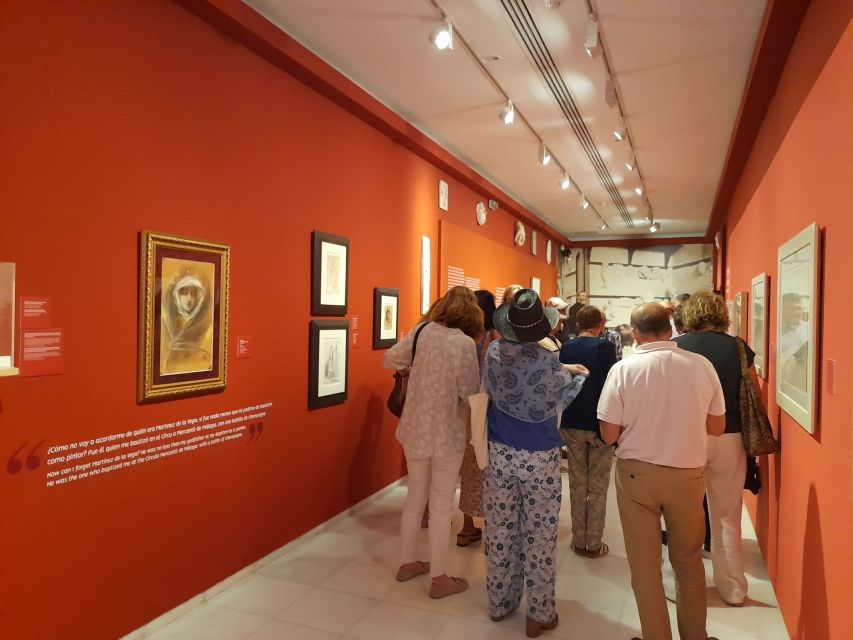
I would recommend it to first-time Picasso visitors who want a simple introduction. The route is self-paced, the audio guide adds structure, and the personal objects make the artist easier to understand.
It also suits families and mixed-interest groups because the visit is short. Someone who is not ready for several hours of art museums can still manage nine rooms and a small collection of personal items.
Art specialists may find the collection too limited if they want a major survey of Picasso’s Cubist period. The museum is better at explaining his roots than at showing the full force of his mature career.
If you have only one Picasso museum slot in Malaga, choose according to your goal. Pick the Museo Casa Natal de Picasso for birthplace, family, early training, and local connections. Pick the larger Museo Picasso Málaga for a broader presentation of his art. If time and interest allow, seeing both gives you the clearest picture.
Should you book the Picasso Birthplace Museum?
Yes, if you want an inexpensive, focused stop with genuine personal detail. The baby shirt, walking shoes, family portraits, and works by Picasso’s father give the visit a human scale that a large art museum cannot easily provide.
Book it with realistic expectations. You will probably spend about an hour, and the collection will not cover every major phase of Picasso’s career. But at this price, with entry to both exhibition areas and an audio guide in six languages, it offers a lot for very little time and money.
For most people, I would place it high on a Malaga art itinerary, either before the larger Picasso museum or as a short alternative when your schedule is tight.
FAQ
Where is the Picasso Birthplace Museum?
It is at Museo Casa Natal de Picasso, Plaza de la Merced 15, 29012 Malaga.
What does the entrance ticket include?
The ticket includes entry to the permanent exhibition, access to the temporary exhibition, and an audio guide.
How long is the ticket valid?
The ticket is valid for one day from the time you first activate it.
Is the ticket refundable?
No. This activity has a non-refundable cancellation policy.
Is there a skip-the-line option?
Yes. The activity includes skip-the-ticket-line entry.
Which audio guide languages are available?
The audio guide is available in English, Spanish, French, German, Italian, and Chinese.
Should I bring anything?
Bring headphones for the audio guide.
Is the museum wheelchair accessible?
Yes, the museum is wheelchair accessible.
When is admission free?
The museum is free every Sunday from 4:00 PM until closing. Admission is also free for unemployed and disabled people.
What is the latest admission time?
Last entry is 30 minutes before the museum closes. Check the current closing time when planning a late visit.
Just added around Spain
- Girona, Figueres, Dalí Museum and Cadaqués Tour from Barcelona★ 4.5 · 36 reviews
- Football Club Barcelona Museum Immersive Tour Guided Visit★ 3.5 · 52 reviews
- Erotic Museum Admission Ticket with Audioguide★ 5.0 · 527 reviews
- Dali Museum and Costa Brava Small Group Day Trip from Barcelona★ 5.0 · 77 reviews
- Madrid by High-Speed Train with Prado Museum Private Tour★ 4.0 · 33 reviews
- Guitar Legends Hall: Entrance to the Immersive Rock Museum★ 5.0 · 25 reviews
- White Rabbit Museum: The Best Immersive Experience in Catalonia★ 5.0 · 538 reviews
- Private tour: Dali Museum in Figueres and Púbol Tour with Hotel pick-up★ 5.0 · 12 reviews
Museum Tours in Spain, compared.
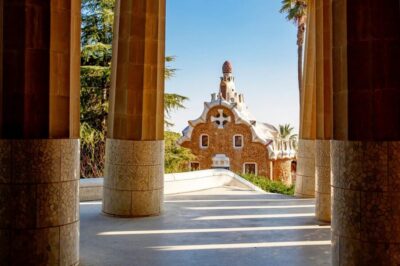
Park Güell and Gaudí House Museum Entry Ticket
Read our review →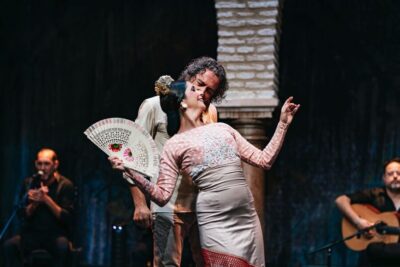
Puro Flamenco Show with Optional Museum Ticket
Read our review →
Moco Museum Barcelona: Modern & Contemporary Art
Read our review →
Girona & Dali Museum Small Group Tour with Pick-up from Barcelona
Read our review →
Valencia: Oceanogràfic, Hemisfèric & Science Museum Combo
Read our review →Browse the lists this tour appears in