
Review · MALAGA
Málaga: Carmen Thyssen Museum Ticket
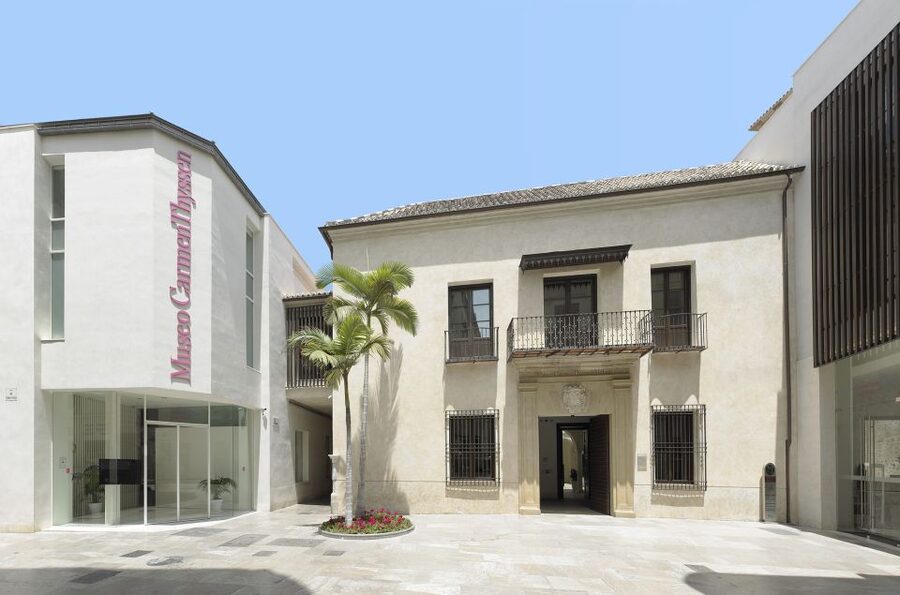
The Carmen Thyssen Museum gives you two experiences in one: a graceful 16th-century palace and a focused survey of Spanish painting, with special attention to Andalusia. Inside, you move from arcaded courtyards and carved wooden ceilings to Romantic scenes, Naturalist works, Old Masters, and the decorative précieux style.
I like the strong regional focus, which helps you see more than the usual names of Velázquez, Goya, Picasso, and Zurbarán. I also like the freedom to wander with an audio guide rather than follow a fixed group. The main drawback is that some gallery captions may be too small to read comfortably, and the no-phone, no-camera rule feels strict if you enjoy taking notes or photos.
Key points to know
- A Renaissance palace at the entrance: The museum occupies the restored Palacio de Villalón, built over Roman remains in Málaga’s old Moorish quarter.
- Spanish art with an Andalusian center: The collection covers 19th-century Spanish painting, especially scenes and styles linked to southern Spain.
- More than one art period: You may encounter 17th-century paintings, religious works from the 15th and 16th centuries, and later Romantic, Naturalist, and précieux works.
- An audio guide is included: Commentary is available in Spanish, English, French, German, and Italian.
- A flexible one-day ticket: You can visit independently and choose the permanent collection, the temporary exhibition, or both, depending on the ticket option and current program.
- Plan around museum rules: Large bags, food, drinks, cameras, video recording, and cellphones are not allowed in the galleries.
Why the Palacio de Villalón matters
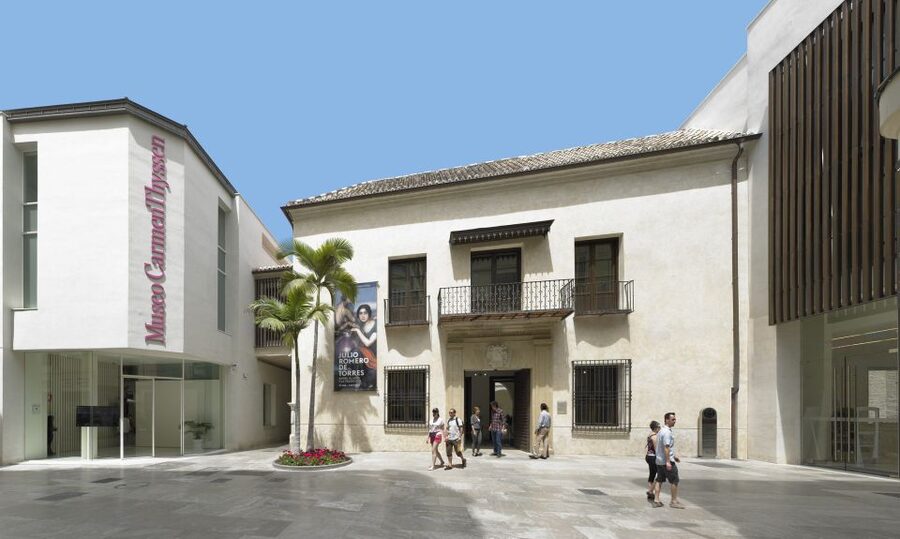
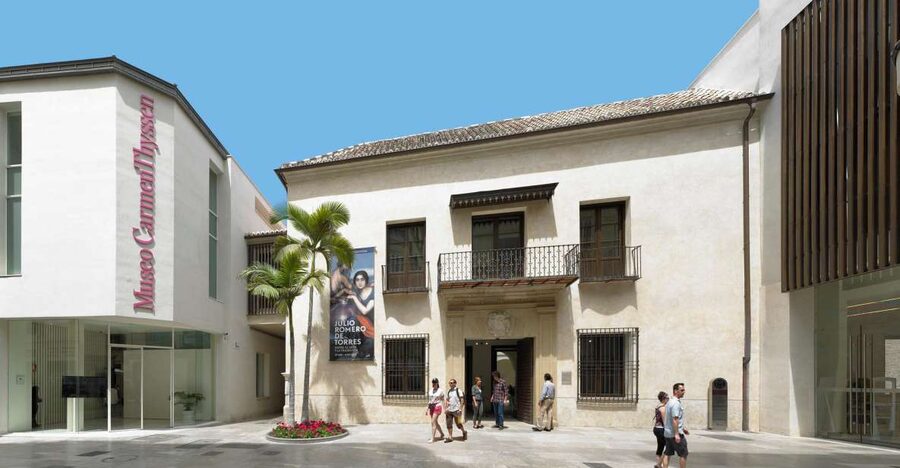
Begin at C/ Compañía 10, in central Málaga, where the museum occupies the Fundación Palacio de Villalón. The building is not just a container for the art. It is part of the visit.
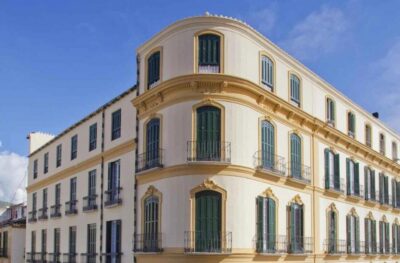
The palace dates to the 16th century and is an important example of Málaga’s Renaissance architecture. It was built over remains of the Roman city, within the old Moorish quarter. That layering gives the museum a useful sense of place before you even reach the paintings.
The restoration aimed to recover the original layout while adding new areas in a restrained modern style. I like that arrangement because the old and new parts have different jobs. The palace provides the historic setting, while adjoining contemporary buildings give the permanent and temporary exhibitions room to function as a modern museum.
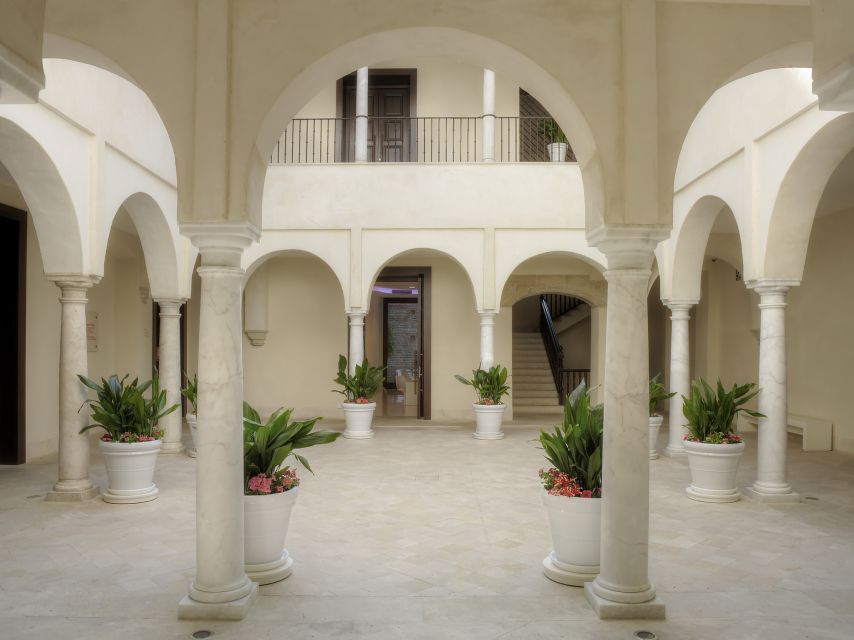
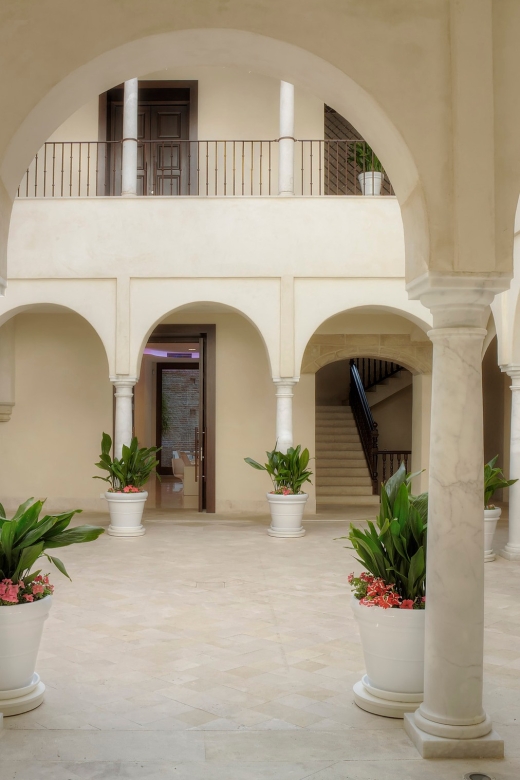
The original structure is arranged over two floors around a central courtyard. Arcaded galleries surround the courtyard, creating a calm center for the building. Look up in the main rooms for carved wooden ceilings and supporting fretwork. These details can be easy to miss if you hurry toward the art, but they are among the best reasons to allow yourself more than a quick circuit.
Some 17th-century Spanish paintings are displayed in the principal rooms. They help connect the palace to the older art on view, even though the museum’s main focus is 19th-century Spain. I recommend taking a few minutes to study the building first. It gives the rest of the visit a clearer setting.
More Museum Tours in Malaga
- Malaga: Picasso Museum Guided Tour with Skip-the-Line Ticket
★ 4.8 · 485 reviews - Skip the Line: Malaga Automobile and Fashion Museum Entrance Ticket
★ 4.5 · 379 reviews - Malaga: Tour of Malagueta Bullring & Immersive Exhibition
★ 4.7 · 271 reviews
The Carmen Thyssen collection and its Andalusian focus
The Carmen Thyssen-Bornemisza collection is known for its broad range and high standard across 19th-century Spanish painting. Its special strength is Andalusia, so this is not simply a general European art stop with a few Spanish pictures added at the end.
You will see different types of Spanish painting rather than one narrow style. Romantic works by artists such as Sánchez-Perrier and Ortega bring attention to views, atmosphere, and feeling. These paintings can make a useful counterpoint to more carefully observed Naturalist works, where everyday subjects and small visual details take priority.
The collection also includes the précieux style, a decorative approach that rewards a slower look. One of the pleasures here is noticing how artists handled tiny details. Fabric, architecture, faces, light, and domestic objects may take far longer to paint than a quick photograph takes to record, and the contrast is especially clear in the more detailed works.
You may also encounter religious paintings from the 15th and 16th centuries on an upper floor, along with works connected to the 17th and 18th centuries. The exact display can change, so do not expect every room or painting to be identical on every visit. Still, the range gives you a chance to see how Spanish painting shifted through the centuries.
If your usual Spanish art reference points are Zurbarán, Velázquez, Goya, and Picasso, this museum can widen your view. It puts less familiar artists and styles alongside better-known traditions, making the visit useful for anyone who wants to understand the country’s art beyond a short list of famous names.
What you will see as you move through the museum
There is no fixed route described for independent visitors, and that is part of the appeal. You can take the permanent exhibition at your own pace, add the temporary exhibition if your ticket includes it, and pause in the palace rooms whenever the architecture catches your eye.
Start by getting oriented in the historic section. Notice the central courtyard, the arcades, and the way the restored palace connects to newer exhibition spaces. Then move toward the paintings with a simple question in mind: how are Spanish artists showing place, people, religion, and daily life at different moments?
The Romantic works by Sánchez-Perrier, Ortega, and others are a good place to slow down. Do not treat them as background scenery. Compare how each artist handles the view, how much detail is included, and how the mood changes from one painting to the next.
Then look for Naturalist examples and précieux works. Here, close observation matters. You may find that a smaller picture with carefully rendered details holds your attention longer than a larger, more dramatic work. The collection is well suited to that kind of personal discovery because it does not force every visitor toward one single artistic message.
The museum can also be useful as a chronological lesson. You see styles change over time, not in a perfectly straight line, but through different choices in color, subject, detail, and treatment. If you are new to Spanish artists, the audio guide should help supply structure. If you already know the major names, you may enjoy making your own comparisons.
Temporary exhibitions add another reason to check the current program before booking. A past special display included works by Sorolla, which gave the visit a different focus from the permanent collection. That kind of exhibition can add real value, but you should confirm what is showing on your date rather than assume a particular artist will be there.
Taking the audio guide at your own pace
An audio guide is included with the ticket, with Spanish, English, French, German, and Italian available. This is helpful because the collection covers several periods and styles, and the building itself has a story worth hearing.
I would use the guide selectively rather than listen to every entry. Choose a few works that catch your attention, then listen for context before moving on. That approach leaves room for the quiet parts of a museum visit, when you simply look without a voice in your ear.
A guided option is also mentioned, but no guide’s name or fixed tour schedule is provided. Check the available time and ticket details if you prefer a person-led visit. For most independent visitors, the included audio guide offers enough support to make the collection easier to follow.
You may want to buy a small guide to the collection if one is available during your visit. It can serve as a useful souvenir and a way to remember artists you did not know before entering. Since the displays can change, treat any printed guide as a companion rather than a complete record of everything currently on the walls.
One practical warning: some explanatory captions may be difficult to read because they are placed low and printed in small type. You might need to bend toward the security line or step back and forth to get the right focus. If labels matter to you, plan extra time and rely on the audio guide when possible.
A few more museum visits around Spain worth comparing
- Madrid: Prado Museum Entry Ticket
★ 4.6 · 20,699 reviews - Barcelona: FC Barcelona Museum “Barça Immersive Tour” Ticket
★ 4.4 · 10,944 reviews - Madrid: Reina Sofía Museum Entrance Ticket
★ 4.5 · 8,788 reviews - Barcelona: Park Güell and Gaudí House Museum Entry Ticket
★ 4.5 · 6,326 reviews
How much time should you allow?
The ticket is valid for one day, but no fixed visit length is stated. That flexibility is useful if you are building a day around Málaga’s old center and want to fit the museum between other sights.
You can make a short visit by concentrating on the palace, the main permanent rooms, and a few favorite works. But rushing would miss much of the point. The collection covers several periods, and the building deserves attention on its own.
I would allow enough time to move slowly through both floors, listen to selected audio entries, and return to the courtyard. If a temporary exhibition is included, add more time rather than trying to squeeze it into the final minutes of your visit. The exact amount depends on your pace, but this is best treated as a thoughtful art stop, not a quick photo opportunity.
The one-day validity also helps if you need to organize around Málaga’s heat, meals, or other indoor activities. Check the available starting times when you reserve, since the ticket information directs you to current availability rather than promising one universal entry time.
What the $14 ticket is worth
At $14 per person, this is a reasonable paid museum visit if you care about Spanish art, historic buildings, or both. The price includes entrance and the audio guide, and you may have the choice of permanent and temporary exhibitions depending on the selected option.
The value is strongest when you use the whole visit. If you only glance at a few paintings and leave, the ticket may feel less convincing. If you take time with the palace, the permanent galleries, and any temporary display, you are paying for several connected experiences rather than a single room of art.
The regional emphasis also matters. Málaga has major art attractions, but the Carmen Thyssen offers a different angle from a museum focused mainly on one superstar artist. You get a wider view of Spanish painting, with Andalusia at the center and less familiar artists receiving attention.
Children under 18 can enter free, so do not purchase adult tickets for them. That detail can change the cost for families, especially if several younger visitors are in your group.
The included audio guide adds practical value, particularly if you do not already know the terms Romantic, Naturalist, and précieux. The museum is also wheelchair accessible, which makes the palace and exhibition areas available to more visitors, though the supplied information does not describe specific routes or facilities.
Rules that affect the visit
This is a hands-off, phone-free museum experience. Cameras, video recording, cellphones, food, drinks, smoking, and large bags are not allowed in the galleries.
Bags larger than 80 by 50 centimeters are prohibited, and luggage or other objects that could damage the art are not permitted. Animals are not allowed except guide dogs. Wear suitable museum clothing, and do not touch the works.
These rules may feel strict, especially the ban on cellphones. On the other hand, they keep the rooms quieter and prevent a visit from becoming a series of quick snapshots. Plan to remember the paintings by looking carefully, using the audio guide, or buying a printed guide if available.
There is no hotel pickup or drop-off. You make your own way to the museum and finish back at the meeting point. That is not a problem if you are already exploring central Málaga, but it is worth noting if you want an all-inclusive outing with transport.
Who will enjoy this museum most?
I would recommend the Carmen Thyssen Museum to you if you like painting but want more than a famous-name checklist. It is especially suitable if you are curious about Andalusian art, Romantic views, Naturalist detail, or the changes in Spanish painting across several centuries.
It also works well for visitors who enjoy buildings as much as collections. The Palacio de Villalón gives you carved ceilings, fretwork, arcades, a central courtyard, and a connection to Roman and Moorish Málaga before you focus on the paintings.
Families can benefit from the free entry for under-18s, though the no-phone rule and quiet gallery setting may require a little preparation. Adults who want a fast, highly focused modern art visit may find the range less direct, especially if they are not interested in 19th-century Spanish painting.
I would be cautious if reading every wall label is essential to your enjoyment. The small captions could frustrate you, although the multilingual audio guide provides another way to get context. Also check the temporary exhibition before you book if a particular artist is your main reason for going.
Should you book the Carmen Thyssen Museum?
Book it if you want a calm, self-paced look at Spanish and Andalusian art in a genuinely historic setting. The $14 price is fair when you use the audio guide, explore both floors, and include the temporary exhibition when available.
The palace is the extra pleasure. The collection is the main reason to enter, but the courtyard, Renaissance layout, carved wood, and restored rooms make the visit feel tied to Málaga rather than interchangeable with any city museum.
Skip it only if your schedule is extremely tight, you need to use your phone or camera throughout the visit, or your main interest is a single famous artist not confirmed in the current exhibition. Otherwise, this is a sensible choice for an art-minded morning or afternoon, especially for first-time visitors who want a broader view of Spain’s painting traditions.
FAQ
Where is the Carmen Thyssen Museum in Málaga?
The museum is at Fundación Palacio de Villalón, C/ Compañía 10, 29008 Málaga, Spain.
How long is the ticket valid?
The ticket is valid for one day. Available starting times should be checked when you reserve.
What does the ticket include?
It includes entrance to the Carmen Thyssen Museum and an audio guide. Depending on the selected option, you can visit the permanent exhibition, the temporary exhibition, or both.
Which languages are available for the audio guide?
The audio guide is available in Spanish, English, French, German, and Italian.
Are visitors under 18 charged admission?
No. Visitors under 18 can enter free, so adult tickets should not be purchased for them.
Is the museum wheelchair accessible?
Yes, the activity is listed as wheelchair accessible.
Can I bring a camera, cellphone, food, or a large bag?
No. Cameras, video recording, cellphones, food, drinks, luggage, and large bags are not allowed in the galleries. Bags over 80 by 50 centimeters are not permitted.
Just added around Spain
- Girona, Figueres, Dalí Museum and Cadaqués Tour from Barcelona★ 4.5 · 36 reviews
- Football Club Barcelona Museum Immersive Tour Guided Visit★ 3.5 · 52 reviews
- Erotic Museum Admission Ticket with Audioguide★ 5.0 · 527 reviews
- Dali Museum and Costa Brava Small Group Day Trip from Barcelona★ 5.0 · 77 reviews
- Guitar Legends Hall: Entrance to the Immersive Rock Museum★ 5.0 · 25 reviews
- White Rabbit Museum: The Best Immersive Experience in Catalonia★ 5.0 · 538 reviews
- Madrid by High-Speed Train with Prado Museum Private Tour★ 4.0 · 33 reviews
- Private Dali Museum, Besalú & Girona Tour from Barcelona★ 5.0 · 15 reviews
Museum Tours in Malaga, compared.
Picasso Museum Guided Tour with Skip-the-Line Ticket
Read our review →
Skip the Line: Malaga Automobile and Fashion Museum Entrance Ticket
Read our review →
Tour of Malagueta Bullring & Immersive Exhibition
Read our review →
Málaga: Picasso Birthplace Museum Ticket & City Audio Guide
Read our review →
Málaga: Picasso Museum Tour with an Expert Art Guide for Small Groups
Read our review →
Old Tour Walking Tour w/Cathedral & Picasso Museum
Read our review →
Málaga: 2-Hour Picasso Museum Private Guided Tour
Read our review →Browse the lists this tour appears in