
Review · FRANCE
Lyon: Musée Soieries Brochier guided tour in French
Lyon’s silk story takes an unexpected turn at Musée Soieries Brochier. In one compact hour, you move from haute couture gowns and artist-designed textiles to Jacquard-woven materials made for Concord nose cones, rainforest canopy rafts, and Venus balloon probes.
I like two things right away: the tour connects Lyon’s traditional silk trade with modern research, and the $14 price gives you access to an unusually focused collection inside the historic Grand Hotel Dieu. The small group, limited to 10 people, should also make it easier to follow a French-language guide.
The main consideration is language. The tour is conducted in French, and one hour is a brisk visit for such a wide subject. If you want every technical detail explained in English, this is not the right choice. If you understand some French, the displays and visual examples help fill in the gaps.
Key points to know before you go
- Four generations of one Lyon silk family: The Brochier story reaches from 1890 to the present, covering nine family members and more than a century of production.
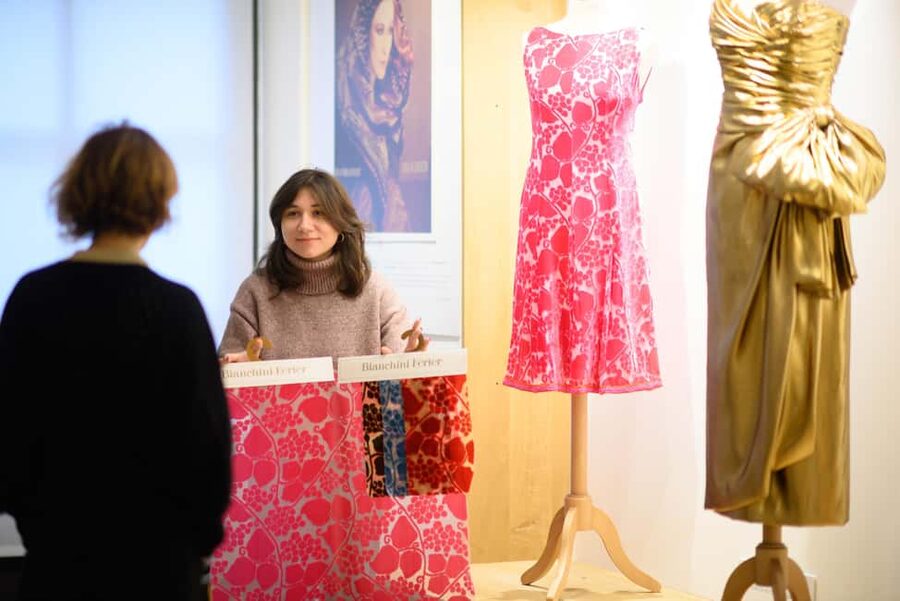
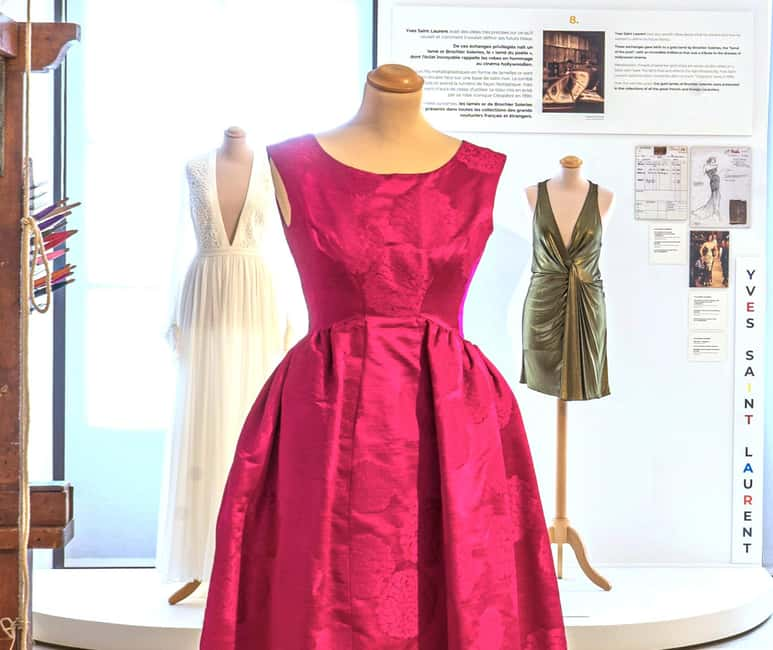
- Couture on display: See gowns made with Brochier fabrics by Hubert de Givenchy, Christian Lacroix, Valentino, Yves Saint Laurent, and Nicolas Fafiotte.
- Art meets weaving: Textiles connected to Miró, Calder, and Cocteau show how the company worked with major artists.
- Silk meets space-age technology: The collection includes technical uses tied to Concord aircraft, rainforest structures, and Venus balloon probes.
- A practical Lyon souvenir stop: The shop sells hand-painted 100 percent silk and velvet squares made in Lyon.
- Easy to fit into a city visit: The tour lasts one hour and begins at the riverside entrance near the Wilson bridge.
Inside the Grand Hotel Dieu, the right setting for Lyon silk
The museum is located within the Grand Hotel Dieu, one of Lyon’s most important historic buildings. You do not enter from the main interior of the complex. The Musée Soieries Brochier entrance is outside, along the Rhône river quays, close to the Wilson bridge.
That detail matters. Give yourself enough time to find the riverside entrance rather than assuming the museum is reached through the central building. The meeting point is the museum itself, and the tour finishes there, so you can continue exploring Lyon afterward without arranging another transfer.
The setting suits the subject. Lyon’s silk trade is tied closely to the city’s identity, and the Grand Hotel Dieu places the collection in a building with its own long civic and medical past. You get a sense of place before the guide begins discussing looms, patterns, and fabrics.
I would pair this visit with a walk through the surrounding central Lyon area. The museum takes only an hour, so it works well before lunch, after a morning stroll, or as a short cultural stop between larger sights.
A few more museum visits around France worth comparing
- Louvre Museum Masterpieces Guided Tour with Access
★ 4.5 · 12,023 reviews - Louvre Museum – Exclusive Guided Tour (Entry Included)
★ 5.0 · 6,296 reviews - Louvre Priority Access with Mona Lisa Escort or Guided Option
★ 4.0 · 4,420 reviews
Four generations and 130 years of Brochier silk
The tour introduces a Lyon family that entered the silk industry in 1890. The story covers four generations and nine members of the Brochier family, along with hundreds of thousands of meters of silk woven and printed for fashion and the arts.
That family focus gives the museum a clear shape. You are not simply looking at anonymous fabric samples. You are following a company that kept changing its methods and clients while remaining connected to Lyon’s silk-making tradition.
The most useful part of this background is the balance between continuity and change. Lyon silk is often presented through its traditional craftsmanship, but Brochier’s story also shows a company looking for new technical uses. The same basic knowledge of threads, weaving, and pattern could serve a couture house, an artist, or an aerospace project.
A French-language guide can add meaning to the names, dates, and production methods on display. If your French is limited, focus on the visual sequence: family history first, finished fashion pieces next, then artistic and technical applications. The tour’s short length means you should not expect a full course in textile production, but you will come away with a strong outline of the company’s work.
Haute couture gowns by famous designers
The most immediately appealing part of the collection is its connection with fashion. You can see gowns made from Brochier fabrics by Hubert de Givenchy, Christian Lacroix, Valentino, Yves Saint Laurent, and Nicolas Fafiotte.
These dresses help you understand why silk production matters beyond the raw material. A fabric’s weight, shine, drape, color, and woven pattern can shape the entire effect of a garment. Seeing the finished gowns lets you connect the mill’s work with the final design.
The display also gives the tour a useful human scale. Technical information about looms can feel abstract, but a couture gown shows what all that work is meant to achieve. You can look at the cut and surface of the garment while considering the fabric decisions behind it.
I would allow a little extra time for these pieces, even though the guided visit lasts only an hour. Fashion fans will probably find this section the easiest to appreciate, but you do not need a special interest in couture to see the point. The dresses make the silk’s qualities visible.
The limitation is that the tour cannot spend a long time on each designer. You should think of the gowns as part of a larger story rather than as a complete fashion exhibition. The focus remains on Brochier’s textiles and production, not on biographies of Givenchy, Lacroix, Valentino, Saint Laurent, or Fafiotte.
Miró, Calder, Cocteau, and the artist’s fabric
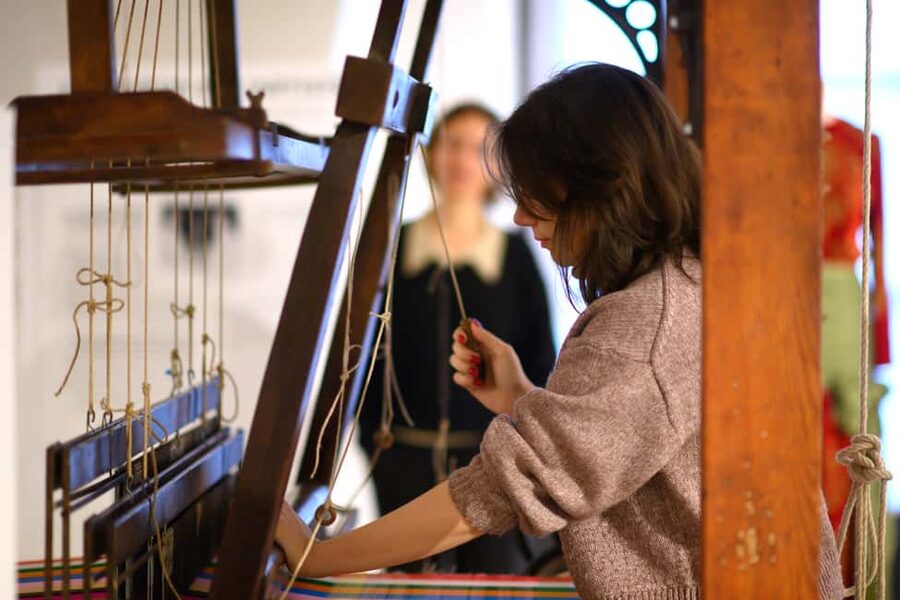
Brochier’s work also reaches into modern art. The museum presents textile designs connected with Joan Miró, Alexander Calder, and Jean Cocteau, showing the company’s close involvement with artists.
This section changes the way you think about silk. The fabric becomes a surface for line, shape, color, and movement. A woven or printed design can carry an artist’s visual language while still functioning as a material object.
I like this part because it sits between fashion and manufacturing. The textiles are not only decorative samples, but they are not simply industrial products either. They show how a silk house can interpret an artist’s ideas through its own technical processes.
If you are visiting Lyon with an interest in art, this makes the museum more worthwhile than a standard trade-history display. You see how artistic work can pass into cloth, and how a company’s production skills help turn a design into something that can be handled, worn, or displayed.
Again, the French tour format may shape how much you take away. Names and images are easy to recognize, but detailed explanations of how an artist’s design was adapted for fabric may require stronger French. The small group of up to 10 people should help you ask a question if the guide invites discussion.
Same city, a completely different collection:
- Paris: Louvre Museum Timed-Entrance Ticket
★ 4.6 · 71,977 reviews - Paris: Orsay Museum Entry Ticket
★ 4.7 · 25,647 reviews - Paris: Louvre Museum Entry Ticket With Host and River Cruise
★ 4.6 · 9,926 reviews - Les Invalides: Napoleon’s Tomb & Army Museum Entry
★ 4.6 · 9,185 reviews
From Jacquard looms to technical fabrics
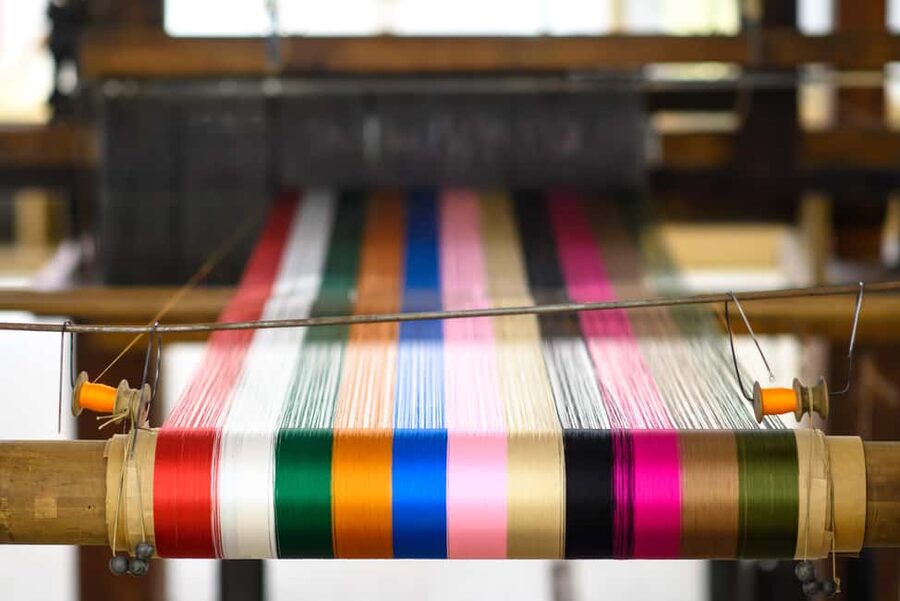
The most surprising part of the visit is the account of Brochier’s technical work. The Jacquard loom, closely associated with patterned textile production, was adapted to make fabrics for purposes far removed from clothing.
The examples include Concord nose cones, rainforest canopy rafts, and Venus balloon probes. These applications show that silk production is not limited to luxury fashion. Textile expertise can also contribute to aerospace, scientific exploration, and engineered structures.
The Venus balloon probes are especially intriguing because they place Lyon silk in a space-science setting. The rainforest canopy rafts point in another direction, showing how woven materials can be used in demanding environments. Concord nose cones connect the company’s work with advanced aviation.
You should not expect to see a complete engineering exhibit or a working loom demonstration based on the information available. Instead, the museum introduces the idea that textile firms can solve technical problems through weaving, fibers, and flexible structures.
This is where the tour earns much of its value. At $14, you are not paying only to see beautiful dresses. You are also getting an explanation of how an old Lyon trade adapted to new demands. That broader view makes the museum useful for anyone interested in design, science, manufacturing, or the future of materials.
Silk woven with optical fibers
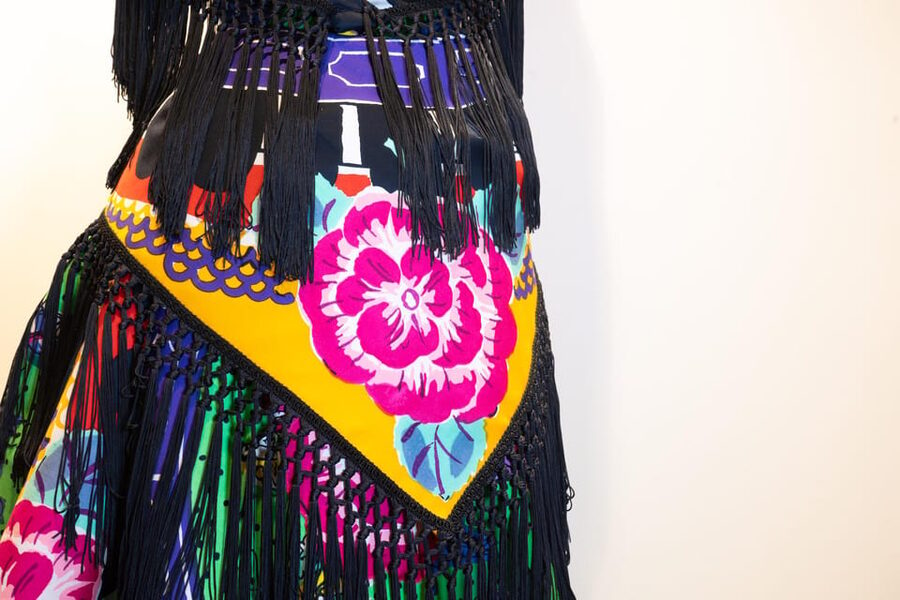
The final forward-looking thread is the use of silk combined with optical fibers. The museum presents this as part of the development of future fabrics.
That idea gives the visit a strong ending. You begin with a company founded in 1890 and finish with textiles that incorporate modern light-carrying technology. The point is not simply that silk has a long past. It is that the material can keep changing as new fibers and production methods become available.
For you, this section may be more conceptual than visual, depending on what is displayed during your visit. The supplied information does not promise a hands-on demonstration or a particular prototype. Still, it gives the guide a chance to explain why textile innovation remains relevant.
I find this especially useful if you are trying to understand Lyon beyond its historic silk reputation. The city’s textile identity is not frozen in the past. Brochier’s work links traditional weaving with technical fabrics and possible future applications.
The one-hour format and small French group
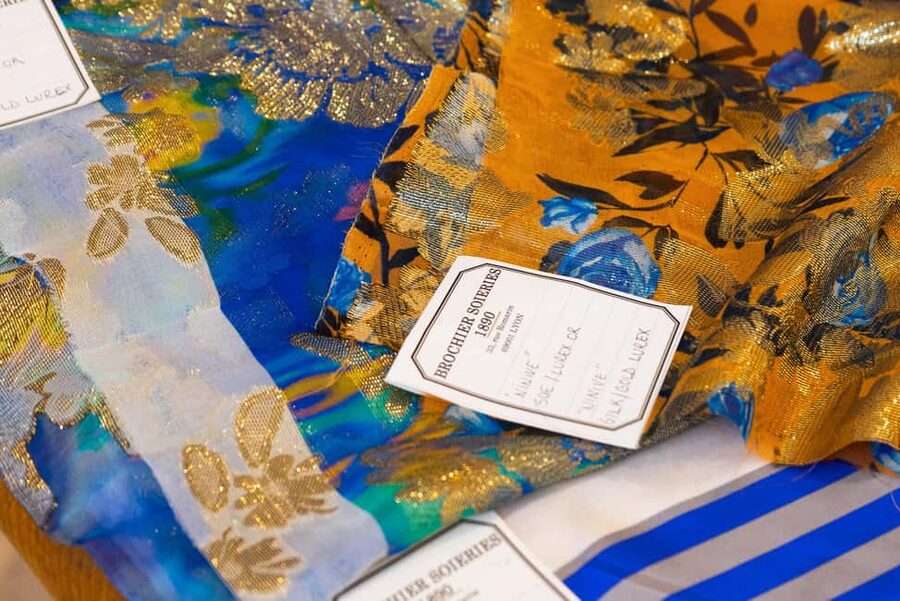
The tour lasts one hour, with starting times shown when you check availability. That is long enough to give the collection a coherent narrative, but short enough to fit into a packed day in Lyon.
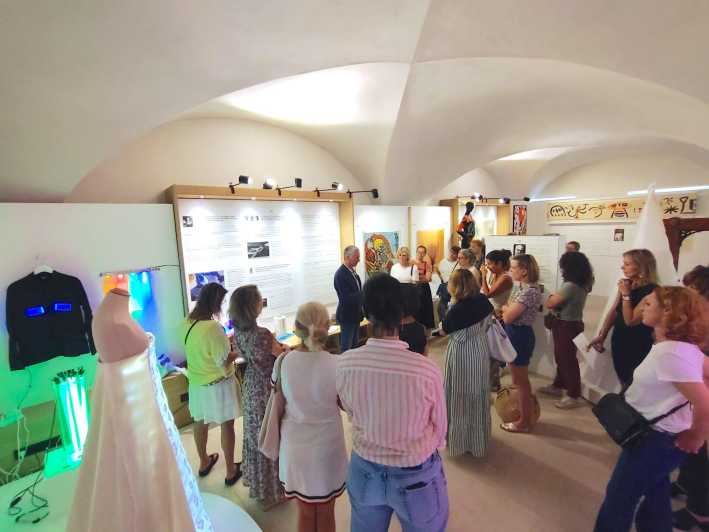
A limited group of 10 is a real advantage. You are less likely to feel lost in a crowd, and the guide can keep the pace suited to a small room and a specialized subject. The experience is guided rather than a simple ticketed entry, so the explanation is central to the visit.
The language is French. I would recommend it to you if you can follow everyday spoken French or if you are comfortable picking up the main points from visual displays. It is less suitable if you need an English explanation of textile technology, couture production, and family history.
The tour is wheelchair accessible, which makes it a practical choice for visitors who need an accessible cultural stop. The available information does not specify details about every route or restroom, so you may want to confirm any particular access requirements before booking.
You can cancel up to 24 hours before the tour for a full refund, and the reserve-now, pay-later option gives you some flexibility. Those policies are useful when you are arranging several Lyon activities and do not yet know exactly how your day will unfold.
The shop and the Fabriqué à Lyon label
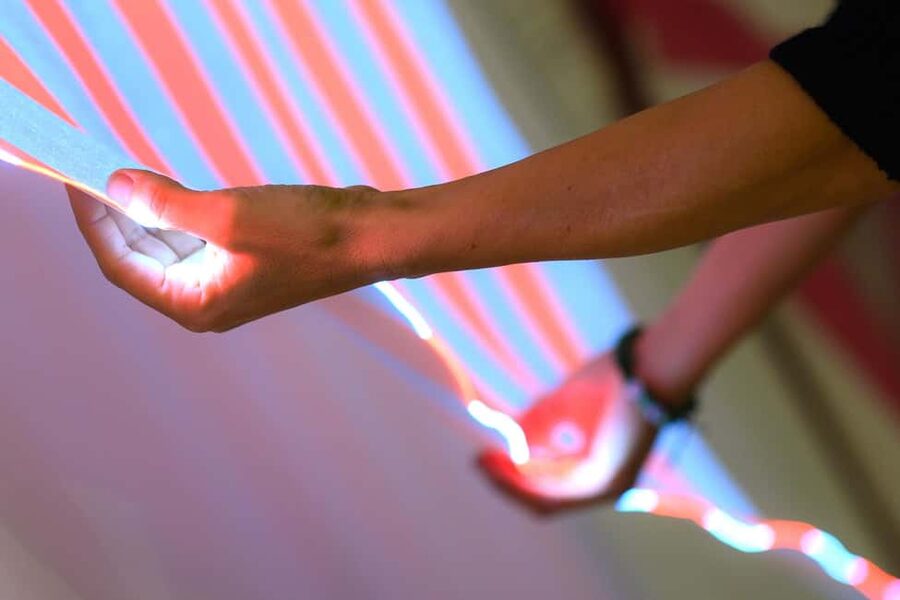
The museum shop is open to the public, so you can visit it even if you are not taking the guided tour. It offers hand-painted squares made from 100 percent silk and velvet, produced in Lyon in Brochier’s weaving mills and printing workshops.
This is one of the better places to shop for a small, locally connected souvenir. A silk square packs easily, has a clear link to the city, and carries the authentic Fabriqué à Lyon label. You are buying a product connected to the same company presented in the museum, not a generic souvenir with a Lyon image added later.
The shop also gives you a chance to see the practical side of the story. After hearing about haute couture and technical fabrics, you can look at an item intended for everyday ownership. Prices for individual products are not provided, so I would treat the shop as an optional stop rather than assume it fits a particular budget.
Because the shop is open to the public, you can browse even if the guided tour is not available at your preferred time. The tour itself remains the better choice if you want the company’s story explained rather than simply want to purchase silk.
Is $14 good value for this Lyon experience?
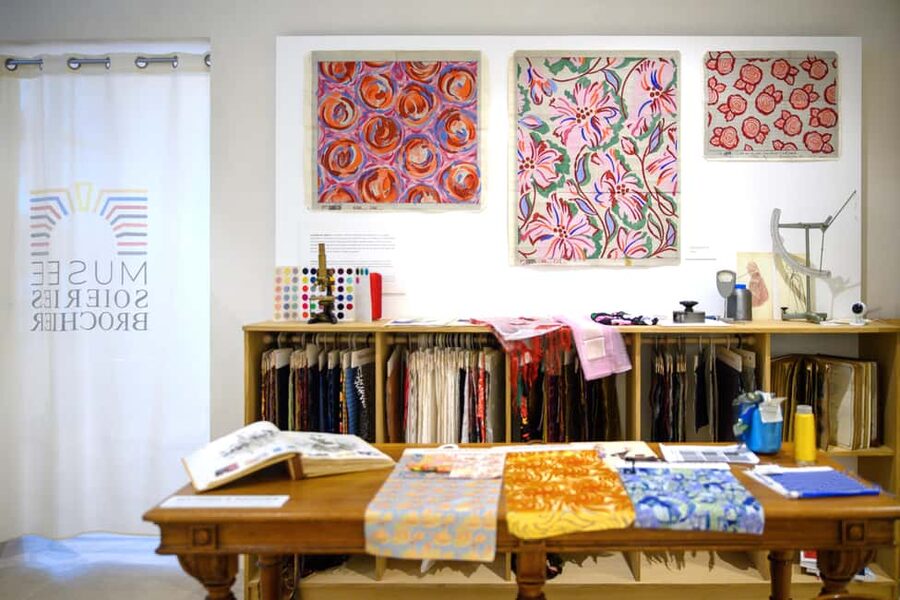
At $14 per person, this is a reasonably priced specialist museum visit. The cost includes entrance and a guided tour, not just admission to a display. You also get a small-group format, with no more than 10 participants.
The strongest value comes from the range of subjects covered in a short time. For one modest fee, you see couture gowns, artist-linked textiles, technical weaving, and future fabrics. The museum gives you several reasons to care about silk, instead of treating it only as a luxury material.
The price is less compelling if you want a long, slow museum visit or a fully hands-on workshop. The tour lasts only one hour, and the available details do not include weaving practice, a production-floor visit, or a demonstration of the looms. You are paying for interpretation and access to a focused collection.
I would book it if you want a compact cultural stop with a clear connection to Lyon. It is particularly good value for anyone interested in fashion, design, industrial history, science, or locally made goods.
Who should book the Brochier tour?
I would recommend this visit to you if you enjoy seeing how a local tradition changes over time. The tour is not only about luxury. Its strongest surprise is the jump from couture and art to aircraft, rainforest structures, space research, and optical fibers.
Fashion enthusiasts will appreciate the named designers and the chance to see their gowns made with Brochier fabrics. Art lovers have a reason to come for the Miró, Calder, and Cocteau connections. Families with older children may also find the technical examples more memorable than a standard fashion display.
You should think twice if you do not understand French. The tour is offered in French, and the guide’s explanation is important to the experience. You may still enjoy the fabrics and gowns, but you could miss the details that explain how Brochier moved from traditional silk into technical textiles.
I would also skip it if your Lyon schedule is so tight that finding the riverside entrance near the Wilson bridge will cause stress. The museum is easy to fit into the day once located, but the access point is outside the Grand Hotel Dieu, not simply through the building’s main interior.
Should you book Musée Soieries Brochier?
Book this tour if you want a short, well-priced look at Lyon’s silk tradition with a modern twist. The combination of couture gowns, artist textiles, and technical materials gives the visit more range than its one-hour length suggests.
The best reason to go is the unusual story: a family silk house founded in 1890 that worked with famous designers and artists while adapting its looms for aviation, environmental structures, space research, and future fabrics. Choose it with confidence if French is comfortable for you, and leave time to browse the Lyon-made silk squares in the shop.
FAQ
Where does the Musée Soieries Brochier tour begin?
You meet the guide at Musée Soieries Brochier. The entrance is outside the Grand Hotel Dieu, on the Rhône riverside quays near the Wilson bridge.
How long does the guided tour last?
The tour lasts one hour. Starting times depend on availability when you book.
What language is the tour conducted in?
The live guided tour is conducted in French.
How many people can join the tour?
The activity is limited to a small group of 10 participants.
Is the museum wheelchair accessible?
Yes, the activity is listed as wheelchair accessible.
What is included in the price?
The $14 price includes entrance to the museum and the guided tour.
Can I cancel and receive a refund?
Yes. You can cancel up to 24 hours in advance for a full refund.
Just added around France
- Ticket to Musée National du Sport★ 4.4 · 32 reviews
- Rodin Museum Masterpieces – Guided Tour up to 8 guests★ 4.9 · 13 reviews
- Louvre Museum: Skip-the-Line Guided Tour★ 4.6 · 98 reviews
- Invalides Museum – WWI & WWII – Guided Tour up to 8 guests★ 5.0 · 32 reviews
- Skip the Line Guided Tour of Louvre Museum Highlights★ 5.0 · 49 reviews
- Rouen : Museum Immersive Viking Experience★ 4.2 · 47 reviews
- Paris: Louvre Museum Highlights Small-Group Guided Tour★ 4.8 · 157 reviews
- From Paris: Private Trip to Giverny, Monet’s House & Museum★ 4.5 · 13 reviews
Museum Tours in France, compared.
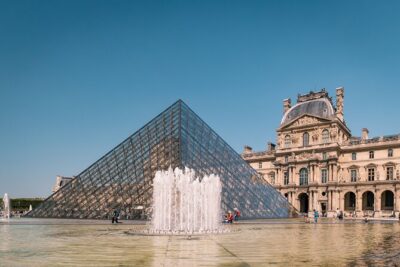
Louvre Museum Masterpieces Guided Tour with Access
Read our review →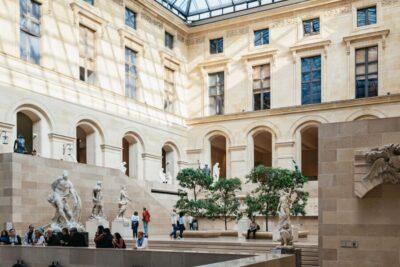
Louvre Museum Entry Ticket With Host and River Cruise
Read our review →
Les Invalides: Napoleon’s Tomb & Army Museum Entry
Read our review →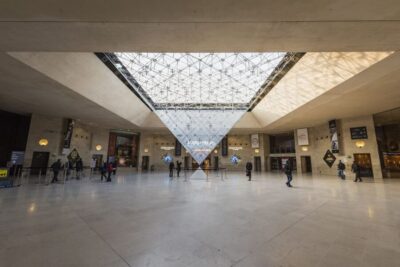
Mona Lisa & Louvre Masterpieces Tour with Reserved Access
Read our review →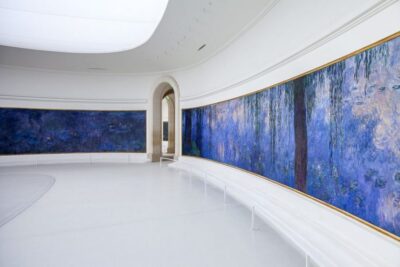
Musée de l’Orangerie Reserved Entrance Ticket
Read our review →
Louvre Museum – Exclusive Guided Tour (Entry Included)
Read our review →Browse the lists this tour appears in